REVIEW · HANOI
Trekking Like A Boss around Sapa with options
Book on Viator →Operated by Trekking Like A Boss · Bookable on Viator
Sapa in one day? Sort of. This private trek (run by Trekking Like A Boss) is built around the valley villages near Sapa, with time blocks that help you move at your own pace—plus the bonus of Mt. Fansipan viewpoints in the mix. I especially like the fact that you get a private guide you don’t need to “negotiate” with, and that you start from your Sapa hotel instead of meeting a random crowd. One thing to consider: there’s a weather dependency, so if visibility is poor, your plan may shift or dates may change.
You also get a rare combo for this area: guided hiking with structured stops and enough time in each place to actually absorb village life. The trip includes lunch, entrance fees, and the guide’s time, so you’re not nickel-and-diming the basics mid-journey. Still, I’d plan carefully around communication—one reported snag was that a guide didn’t show and the local provider was hard to reach—so keep your contact details and confirmation ready.
If you want a “do it your way” Sapa experience that feels more like a local walk than a rush-hour tour, this is a solid option. Price-wise, it’s not cheap, but the inclusions and private guiding can make it good value if you’re comparing against paying for transfers, tickets, and a guide separately.
In This Review
- Key things I’d watch for (before you book)
- Sapa Trek With a Private Guide: What You’re Really Paying For
- From Hanoi to Sapa: Pickup, Transfers, and the Overnight Reality
- Muong Hoa Valley Stop (3 hours): Where the Views Earn Their Sweat
- Ta Van Village (3 hours): Personalized Local Life, Not a Quick Photo Run
- Crossing the Fansipan Mountain Range: The Part That Makes the Trek Feel Real
- Cat Cat Village: Second Village Contrast, Time to Compare and Reset
- Lunch, Entrance Fees, and the Price That Needs Math
- The Weather Reality in Sapa (and How to Handle It)
- Group Size, Pace, and Who This Trek Fits Best
- A Candid Note on Reliability and Communication
- Tips to Make It Feel Like a Boss (Without Trying Too Hard)
- Should You Book This Sapa Trek?
- FAQ
- How long is the Sapa trek?
- Is hotel pickup included?
- What stops are included during the hike?
- What’s included in the price?
- Does this tour require a certain fitness level?
- What happens if the weather is poor?
Key things I’d watch for (before you book)
- Private guiding with hotel pickup in Sapa: no strangers setting your rhythm.
- Structured village stops: Muong Hoa Valley and Ta Van each get about 3 hours.
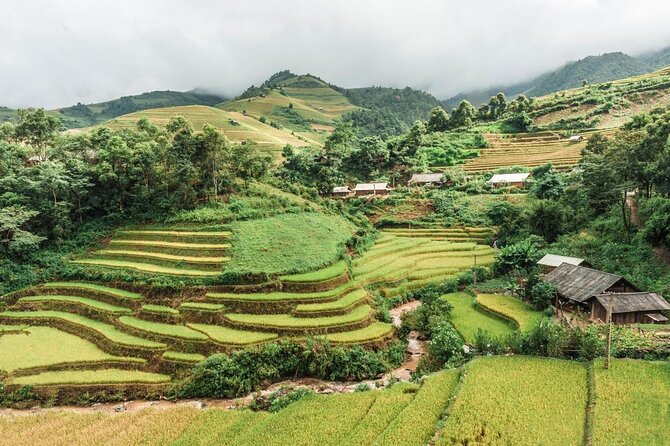
- Fansipan-area crossing and Cat Cat village: you get scenery and a second village contrast.
- All fees covered: lunch, entrance fees, guide, and taxes are included.
- Overnight-style setup: the experience includes hotel choice plus Hanoi to Sapa transport, even if it’s listed as about one day.
Sapa Trek With a Private Guide: What You’re Really Paying For
This tour’s main value is simple: you’re not sharing your pace. In the Sapa region, that matters. Trails can be muddy, climbs can feel steeper than the map suggests, and village time is not something you want to rush through just because the group is waiting.
A private guide also changes what you notice. Even with limited time, a good guide can point out what you’re looking at—farming patterns, how people get around, and which views are worth the effort. You’re told you’ll get personalized insights into local life, and that’s the difference between taking photos and understanding the place for a few hours.
The other “hidden” value is structure. You’re given clear stops, with time windows for Muong Hoa Valley and Ta Van Village. That means you can mentally plan your day: walk, pause, snack (lunch is included), and then move on without guessing what happens next.
You can also read our reviews of more tours and experiences in Hanoi.
From Hanoi to Sapa: Pickup, Transfers, and the Overnight Reality
The experience starts in Hanoi, and it ends back at the starting point. There’s pickup offered, and you’re also told you’ll have either bus or train transfer from Hanoi. On top of that, the tour includes accommodation of your choice.
That combination matters when you’re budgeting time. A Sapa trek can easily become a travel headache if you have to manage your own transport, your own booking, and your own night stay. Here, the logistics are bundled so you can focus on the walking and the villages.
One detail that’s easy to miss: the overview describes this as a private overnight hiking tour. At the same time, the duration is listed as about 1 day. So expect a tight schedule where “one day” is more of a travel packaging than an actual hiking-only day.
Muong Hoa Valley Stop (3 hours): Where the Views Earn Their Sweat
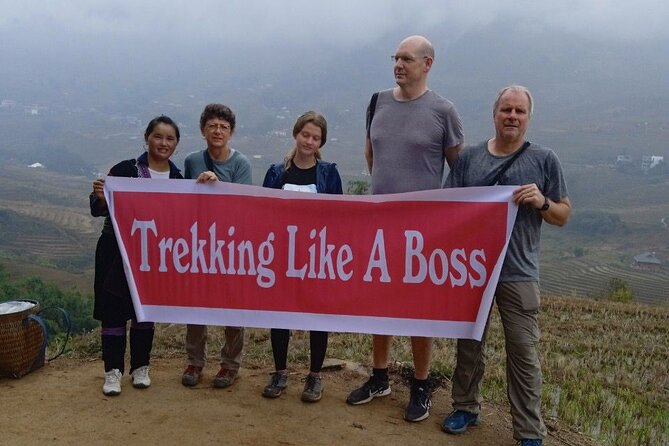
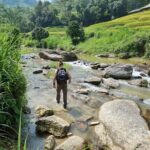
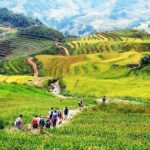
Muong Hoa Valley is the type of place where you understand why Sapa sits on traveler wish lists. You’re walking through a valley that gives you long sightlines, and the pace is flexible because you’re with a private guide.
You’re scheduled for about 3 hours here, and that’s long enough to do more than just pass through. I’d use this window to slow down at the viewpoints and take breaks before your energy runs low. Valleys like this can feel easier at first, then the ground gets slick or uneven. Starting with a smart rhythm is how you keep the trek enjoyable.
What to watch for:
- The weather can change quickly in the mountains, so think layers.
- Bring footwear you trust on uneven paths.
- Since admission fees are included, you won’t have to stop and sort out tickets mid-walk.
A practical tip: aim to get your “first photos” early, then save your best viewing time for a later break. If clouds roll in, you may get more moments to see things clearly later.
Ta Van Village (3 hours): Personalized Local Life, Not a Quick Photo Run
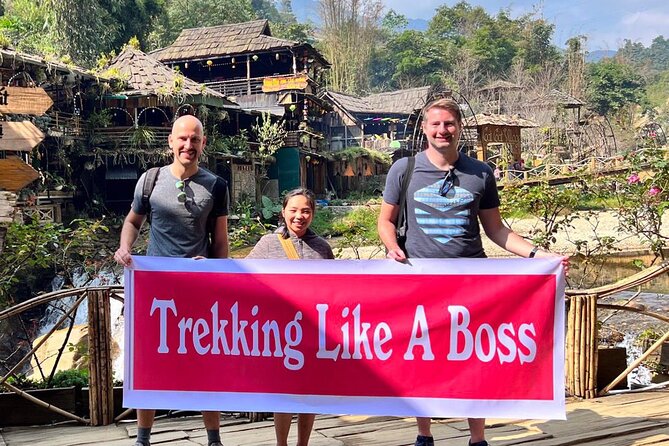
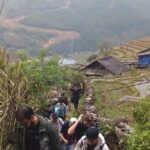
Ta Van Village is where the experience shifts from scenery into people and everyday rhythm. You get about 3 hours there, which is a gift. Many Sapa tours give you 20 or 30 minutes and call it village time. Here, you’re given room to actually notice details.
You’re promised personalized insights into local life from your private guide. With a longer stop, those insights are more likely to land. You can ask questions, learn what’s going on with daily work, and get context for what you’re seeing rather than just naming things.
This is also the place where your pace matters most. Ta Van isn’t only about walking between photo spots. It’s about moving at a human speed—pausing when you want, taking time to rest, and letting the village show itself.
Potential drawback: a village stop can be less predictable than a viewpoint. If you’re very time-focused, you might feel like you want “more trail” and less hanging out. But if you like slow travel, Ta Van is often the highlight because it helps you feel like you’re part of the setting, not just passing through it.
Crossing the Fansipan Mountain Range: The Part That Makes the Trek Feel Real
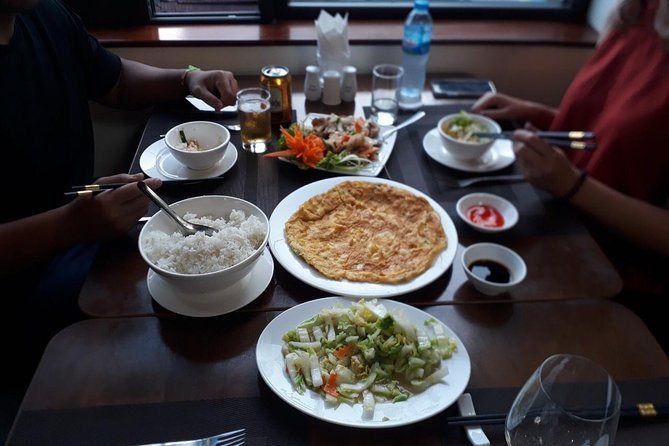
The plan includes crossing the Fansipan mountain range. Even without a detailed step-by-step map, you should treat this as the physically meaningful segment of the day.
This is where the tour’s “moderate physical fitness” note matters. You don’t need to be an athlete, but you do need to be comfortable walking for stretches on uneven terrain. If you’re prone to knee pain or you hate slippery ground, this is the section you’ll want to take seriously.
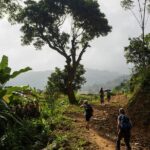
I like that this portion is framed as a crossing rather than a vague “time on the mountain.” You’ll feel the effort and earn the views. And because you’re with a private guide, you can typically adjust—stop more often, take a different line when paths are wet, and generally keep it doable.
One more practical point: if you’re trying to photograph the most dramatic scenery, consider that weather can change what you see. If you’re lucky, the Fansipan-area views click into place. If not, focus on the textures—cloud movement, valley depth, and the way the trail connects villages.

Cat Cat Village: Second Village Contrast, Time to Compare and Reset
Cat Cat Village is the final village stop in the schedule. You’ll cross toward it and then spend time in the area, finishing with the full tour returning you back to the meeting point.
Cat Cat tends to feel different from Ta Van: it’s more structured around visitor routes and village-access points, while Ta Van can feel more “in the flow” of everyday life. That contrast is useful. You get two different village impressions in a single trek arc, without needing extra travel days.
A private guide helps here too. You’re not stuck with a script. Instead, your guide can help you find what’s most worth seeing in the time you have—whether that’s viewpoints, walking paths, or just learning how locals move through the village space.
Drawback to consider: if your legs are already tired from the Fansipan-area crossing, Cat Cat is the section where you’ll notice fatigue the most. Plan to keep your expectations grounded—this isn’t about racing for the “best” photo. It’s about finishing strong and enjoying the last village atmosphere without turning it into a grind.
Lunch, Entrance Fees, and the Price That Needs Math
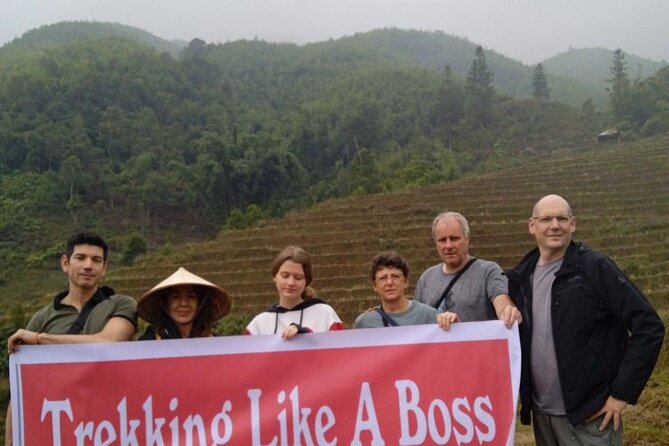
Price listed is $244 for about 1 day (with overnight-style setup). At first glance, that sounds pricey for “just a hike.” Here’s where the value math changes.
Included:
- Lunch
- All fees and taxes
- Entrance fees
- Tour guide
Not included:
- Alcoholic beverages
So you’re paying for a private guide and a planned experience that covers the usual cost traps: ticketing and guide time. If you were to build this yourself—private guide, transport, and entrance fees—you’d likely spend similar money. The bigger question is whether you’ll actually use the private guiding value.
If your hiking style is “I want to stop, ask questions, and not feel rushed,” private guidance is where the money goes. If you just want a quick trek route and you don’t care about local context, you might feel it’s overkill.
For best value, I’d book this when you have the energy to enjoy the whole day: Muong Hoa for scenery, Ta Van for village time, the Fansipan crossing for effort, and Cat Cat to compare and finish.
The Weather Reality in Sapa (and How to Handle It)
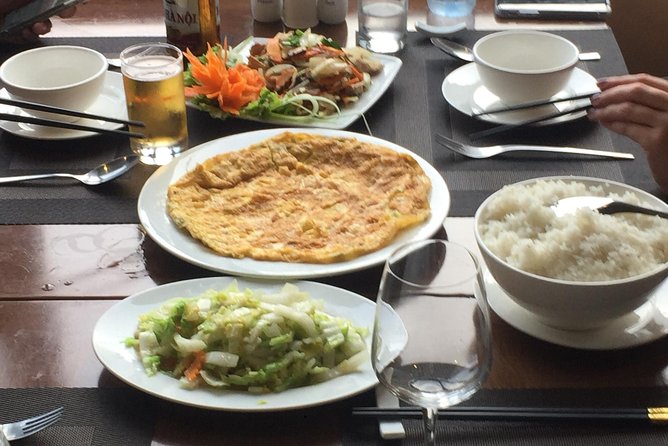
Sapa is weather-minded. This experience is described as requiring good weather. If it’s canceled due to poor weather, you’ll be offered a different date or a full refund.
My advice: treat the forecast as a guideline, not a promise. Keep your plans flexible in the days around your booking. Pack layers you can adjust quickly, and plan for muddy ground. A private guide can help a lot here because routes and pacing may be adjusted on the fly, but visibility and safety still matter.
If you go in prepared—good footwear, rain layer, and patience—you’ll still have a good experience even if the sky isn’t perfect. In mountains, the best moments are often the in-between ones: misty viewpoints, calmer walking sections, and longer village conversations.
Group Size, Pace, and Who This Trek Fits Best
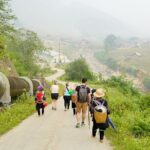
This is a private tour/activity. Only your group participates. That makes a difference if you want your own rhythm or you’re traveling with family or friends who don’t match the speed of a larger crowd.
You should also have moderate physical fitness. That sounds like a safe middle-ground, but it doesn’t mean “easy.” The included crossing of the Fansipan mountain range suggests you’ll be walking with elevation and uneven footing. If you’re new to hiking, start slow and plan to take breaks.
This trek fits best if you:
- Want village time with a guide, not just sightseeing.
- Prefer a flexible pace over a strict group schedule.
- Like the mix of scenery plus people.
It may not fit best if you:
- Want a fully relaxed walk with minimal effort.
- Get stressed when plans depend on mountain weather.
A Candid Note on Reliability and Communication
One caution that’s worth taking seriously: I’ve seen at least one account where the guide didn’t arrive and contact with the local provider wasn’t possible. That’s not the norm you want, and it can ruin a day.
My practical fix is boring, but it works:
- Confirm the guide and contact details before you leave.
- Keep your booking confirmation accessible on your phone.
- If you’re starting from Sapa, double-check pickup timing with the organizer so you’re not waiting in the cold.
Travel goes smoothly more often than not, but in a place like Sapa—where weather and timing can shift—being prepared is the difference between a hiccup and a disaster.
Tips to Make It Feel Like a Boss (Without Trying Too Hard)
This kind of trek goes best when you treat it like a plan, not a surprise.
- Wear shoes you’ve already tested. Mud in Sapa punishes new boots.
- Pack a light rain layer. Weather shifts fast.
- Keep a small water snack ready for the gaps between the included lunch and breaks.
- Save your energy for the crossing segment. Don’t “burn out” early in Muong Hoa Valley.
Also, ask your guide about what you’re seeing. You’re there for the views, sure. But the real payoff is the context—how villagers live, how the trails connect, and why these valley paths matter.
Should You Book This Sapa Trek?
I’d book it if you want a private, guide-led Sapa hike with a balanced day: valley scenery, real village time, and a meaningful mountain crossing—without having to DIY transport, tickets, and planning.
I’d pause if you’re extremely weather-locked, very short on patience for tight schedules, or you’ve had trouble with tour-provider communication in the past. In that case, consider building in a buffer day or choosing a different style of trek.
If you’re the kind of traveler who likes walking with purpose and then chatting with locals when the path slows down, this one has the ingredients that make Sapa memorable.
FAQ
How long is the Sapa trek?
The experience is listed as about 1 day. The overall setup includes transportation from Hanoi and accommodation of your choice, and the description also references an overnight-style hiking tour.
Is hotel pickup included?
Yes. You’ll have private guiding direct from your Sapa hotel, and pickup is offered.
What stops are included during the hike?
The itinerary includes Muong Hoa Valley, Ta Van Village, and Cat Cat Village, with a crossing of the Fansipan mountain range as part of the route.
What’s included in the price?
Lunch, all fees and taxes, entrance fees, and a tour guide are included. Alcoholic beverages are not included.
Does this tour require a certain fitness level?
The tour notes that travelers should have moderate physical fitness.
What happens if the weather is poor?
The experience requires good weather. If it’s canceled due to poor weather, you’ll be offered a different date or a full refund.