REVIEW · ADDIS ABABA
Northern Ethiopia & Trekking Simien Mountains , 10 Days
Book on Viator →Operated by Ethio Tours · Bookable on Viator
Ten days, two wild worlds—Simien trekking and Lalibela churches. I like that the trip is built for low-stress travel: you get local guidance day after day, plus organized transport so your time goes to the places that matter. You’ll spend real time outdoors in the Simien highlands, then switch gears to Ethiopia’s famous rock-hewn churches.
Two things I truly appreciate: the Simien Mountains National Park trek is scheduled with camp nights at altitude (Sankabar and Geech), and the historical stops around Gondar are not rushed—Royal Enclosure, church art, and the story of resilience still in the stone. One consideration: the plan lists “domestic flights” as not included, but it also includes a flight segment from Gondar to Lalibela, so you should confirm what’s covered before you pay your final balance.
In This Review
- Key highlights worth the hype
- Why this northern Ethiopia route feels efficient
- Addis Ababa: Mercato Market and Trinity Cathedral first
- Bahar Dar: Lake Tana monasteries and the Blue Nile’s big moment
- Gondar: Kuskuam ruins, Royal Enclosure, and angels in Debre Birhan Selassie
- Getting to Simien: Debark, scout and mountain guide, and your first camp night
- Trek Sankaber to Geech: the long day that makes Simien real
- Imet Gogo views: the payoff trek and possible Simien wildlife
- Flight to Lalibela: speed between worlds
- Lalibela’s rock-hewn churches: UNESCO awe, with two morning paths
- Farewell dinner in Addis: a cultural wrap-up instead of a rushed ending
- Price and logistics: what you’re paying for, and what to verify
- Who should choose this tour (and who might want a different fit)
- Should you book this Northern Ethiopia and Simien trek tour?
- FAQ
- What is included in the tour price?
- Are domestic flights included?
- What kind of trekking is involved in the Simien Mountains?
- Is the tour private or shared?
- Does the tour run in all weather conditions?
- Does the tour start and end in Addis Ababa?
Key highlights worth the hype
- Simien Mountains trek at real altitude with camp at Sankabar (3200m) and Geech (3600m)
- Lake Tana boat time plus island monasteries tied to the Blue Nile story
- Gondar’s Royal Enclosure and Debre Birhan Selassie’s famous angel ceiling
- Lalibela by two morning options: mule hike to Mount Asheton or a drive to Yemrehanna Kristos
- A private setup where you’re not sharing the experience with other groups
Why this northern Ethiopia route feels efficient
This is one of those itineraries where logistics are doing the heavy lifting for you. You start in Addis Ababa, work your way north through Bahar Dar and Gondar, then fly to Lalibela and finish with a cultural send-off dinner.
The best value here isn’t just “seeing many places.” It’s the way each area has its own pace. Lake Tana and monasteries slow things down. Gondar adds history you can walk through. Simien forces you to move and breathe differently. Lalibela gives you awe you don’t need a long explanation for.
You can also read our reviews of more tours and experiences in Addis Ababa.
Addis Ababa: Mercato Market and Trinity Cathedral first
Day 1 is a smart warm-up: Mercato Market, the Ethnographic Museum, and Trinity Cathedral. Mercato is one of Africa’s largest outdoor markets, and even if you skip shopping, you’ll get a sense of how Ethiopians actually live—what people wear, how they move, and how daily commerce feels on the ground.
The museum stop is included, and Trinity Cathedral is a key historical anchor because it’s the resting place of Emperor Haile Selassie. If your arrival day feels jet-laggy, this kind of structured visit helps you get your bearings fast.
Practical note: Mercato and Addis traffic can be intense. Go easy on expectations for a relaxed pace. You’re here to orient yourself and start absorbing the country.
Bahar Dar: Lake Tana monasteries and the Blue Nile’s big moment
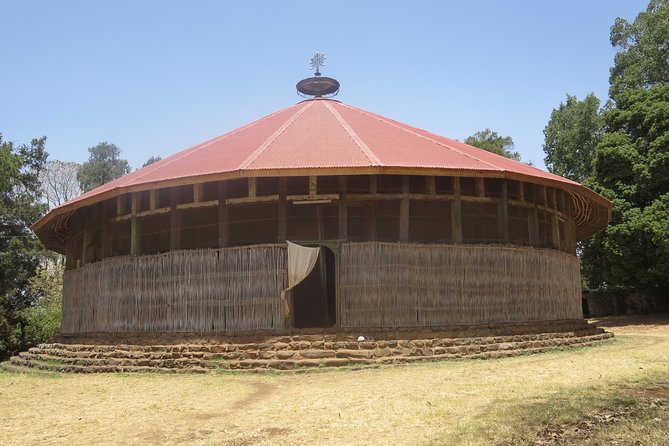
Bahar Dar is all about water and altitude views—plus the feeling that you’re traveling along ancient geography. You’ll visit the marketplace area, then take a boat tour on Lake Tana, where the Blue Nile begins its long journey.
From there, the trip shifts to the Blue Nile Falls. The good part: this is scheduled in the morning, so you’re not fighting the day’s heat or fatigue. The falls stop is listed as free admission, which is a nice budget win.
One thing you should know before you go to Lake Tana island monasteries: these places are sacred, and rules can be strict. Even if the itinerary doesn’t spell out the details, treat it like a religious site—dress respectfully, ask before you photograph, and don’t assume you can do whatever you want just because it’s scenic.
Gondar: Kuskuam ruins, Royal Enclosure, and angels in Debre Birhan Selassie
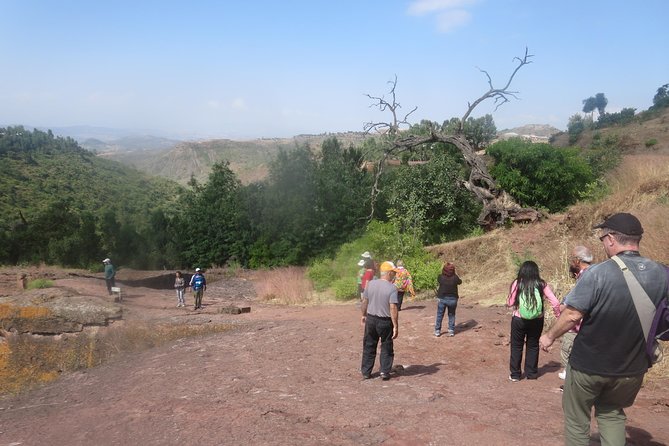
Gondar is where the trip turns historical in a big way. The ruins of Kuskuam, built for Empress Mentewab in the 1700s, give you a quieter, more remote-feeling start. It’s not the kind of stop that needs a ticket booth line to feel important; the setting does part of the work.
Then comes the Royal Enclosure, a UNESCO World Heritage site with five castles built by successive Ethiopian kings beginning in the early 17th century. What I like in this plan is the explicit reminder of survival. These castles endured wars, including air raids during World War II. When you walk through that space, you’re not just looking at old architecture—you’re seeing endurance made visible.
Debre Birhan Selassie finishes the day with something very specific: the church’s ceiling with iconic angel paintings. You don’t need special art knowledge to appreciate what the imagery does to the room. It changes the mood from outside-time to inside-feeling.
This day is longer, but it’s the right kind of long. It’s not “drive all day.” You’re doing structured walking and viewing.
Getting to Simien: Debark, scout and mountain guide, and your first camp night
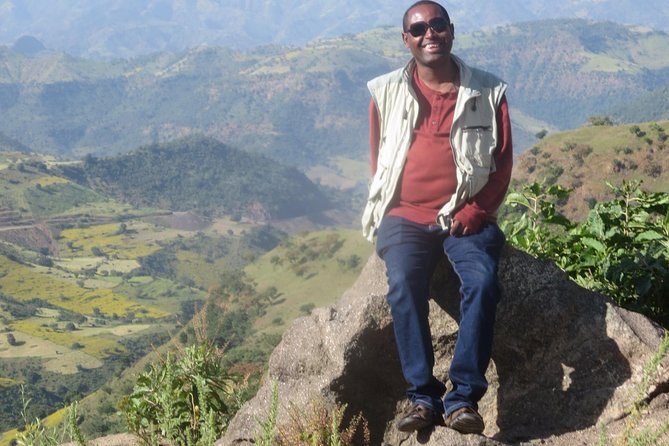
Day 4 is the pivot from sightseeing to trekking rhythm. You drive from Gondar to Debark, where Simien Mountains National Park is based. The itinerary then sets you up with the Scout and Mountain Guide, plus the rest of the trekking team.
At Sankabar (3200m), you camp after driving through a highland region that’s described as impressive in scale. This is the moment you’ll feel the altitude even if you’re a strong walker. It can be mild or noticeable—either way, plan to take it easy your first night.
Wildlife sightings are possible, including endemic Gelada Baboons and the “bone breaker” bird lammergeyer. You shouldn’t expect guaranteed sightings, but the plan gives you real chances because you’re in the right zones on the right days.
Practical tip: bring layers you can adjust quickly. Daytime can feel bright and dry, and nights at elevation can turn cold fast.
Trek Sankaber to Geech: the long day that makes Simien real
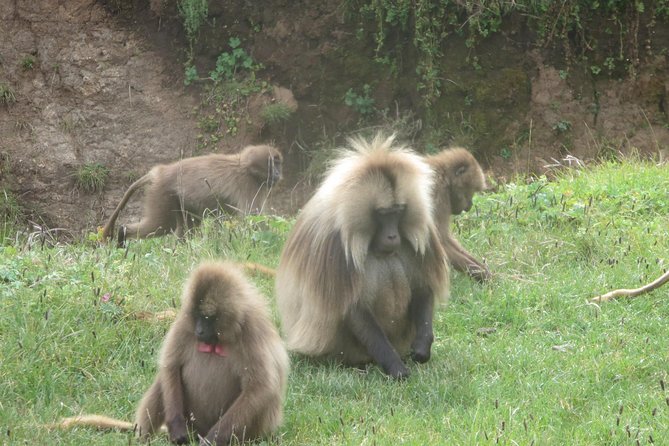
The big trekking day is Day 5: Sankaber to Geech (3,600m), scheduled for about 5–7 hours. The itinerary notes that after about an hour and a half, you’ll reach the Jinnbar River and falls, which you cross later in the day.
What makes this day valuable is the mix. You’re walking through scenery, yes, but you’re also doing the kind of effort that makes the whole Simien experience feel earned. You’re not sightseeing from a vehicle window. You’re moving through the park like it’s your job for the day.
Gelada baboons are mentioned as possible along the route, which fits the reality of Simien: when wildlife shows up, it often does so while you’re watching the slope, not while you’re staring at a brochure-worthy viewpoint.
At Geech you camp again. Camps at these heights change your comfort priorities: water, warmth, and rest matter more than any photo.
Imet Gogo views: the payoff trek and possible Simien wildlife
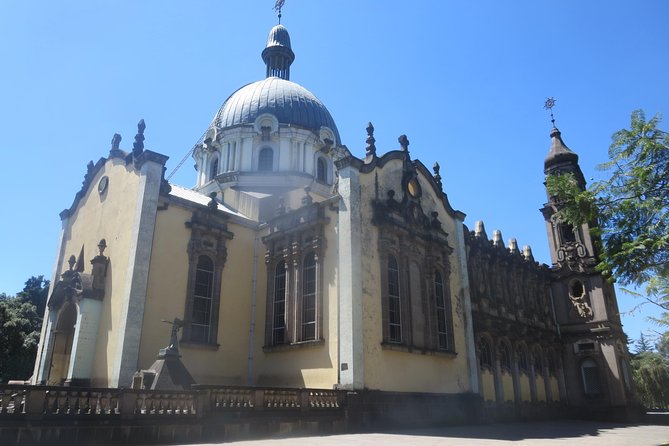
Day 6 centers on trekking from Geech to Imet Gogo and back to Geech. It’s listed as 4–5 hours, aimed at reaching some of the best view points in the national park.
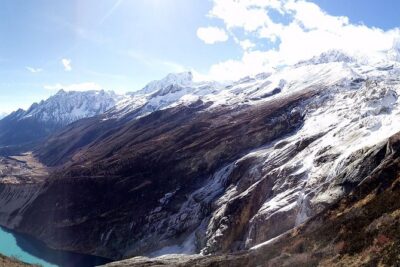
Imet Gogo is described as offering spectacular views in every direction. This matters because it’s the kind of viewpoint that changes how you understand the park. From the high points, you get a sense of why this region is considered special—not just for wildlife, but for the shape of the valleys and ridges.
The trip also lists possible wildlife sightings: Simien Wolf, Walia Ibex, and Klipspringers. Again, this isn’t a promise, but having those possibilities on the plan is useful. It means you’re trekking the sections that make sightings plausible.
Day 7 is then a return toward Gondar, with mention of visiting Imet Gogo again and driving back. If you feel tired, focus on what matters most: the viewpoint and the gentle transition back to transport.
Flight to Lalibela: speed between worlds
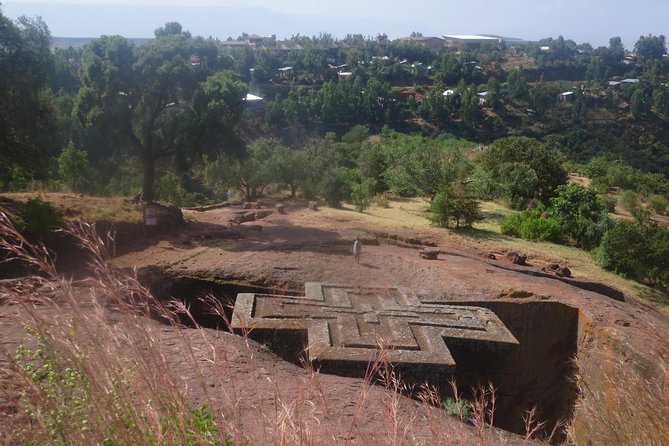
After Simien, Day 8 includes flying from Gondar to Lalibela (700 kilometers north of Addis Ababa), then touring Lalibela’s rock-hewn churches.
This flight is the pacing tool for the itinerary. Instead of spending two days bouncing in a vehicle, you preserve energy for Lalibela itself, where you’ll walk and climb again.
One important value check: domestic flights are listed as not included, yet the itinerary includes flying on Ethiopian Airlines. Before you book, ask directly what’s covered—especially if you’re budgeting tightly or want to avoid last-minute surprises.
Lalibela’s rock-hewn churches: UNESCO awe, with two morning paths
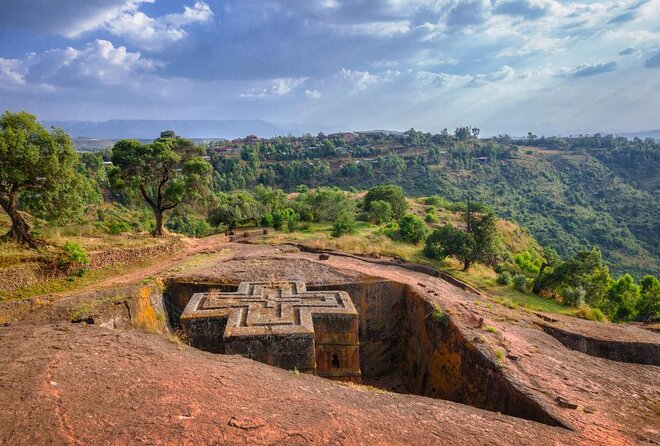
Lalibela is one of those places where “standing in the right spot” does most of the work. The plan has you touring the rock-hewn churches, UNESCO World Heritage sites carved into the mountainside at least 800 years ago.
What’s especially good in the way this day is structured: you’re not just checking off churches. The description notes 11 monolithic and semi-monolithic structures with passageways, tunnels, reliefs, and icon paintings. That’s the kind of detail your guide can help you notice without turning it into a lecture.
Day 9 gives you two morning choices, which I like because it respects different energy levels:
- A morning hike with mules to Mount Asheton, featuring a 13th-century rock-hewn monastery and great views of the town.
- Or a drive to Yemrehanna Kristos, a church in a shallow cave that predates Lalibela, with countryside views along the way.
Then you continue with church touring in the afternoon.
If you’re the type who hates committing too early, the choice format is ideal. If you already know you want more exertion, pick Mount Asheton. If you want a more relaxed morning, the cave church option can feel more intimate.
A note on comfort: churches carved into rock can be cool inside and hot outside. Wear breathable layers and plan for uneven steps.
Farewell dinner in Addis: a cultural wrap-up instead of a rushed ending
Day 10 includes Lalibela to Addis Ababa, and then a farewell dinner at a traditional Ethiopian restaurant with dancers and musicians representing multiple ethnic groups. That kind of ending can feel cheesy on some tours—but here it’s timed as a final cultural note rather than a frantic sightseeing scramble.
Then you transfer to the airport for a late-night departure.
This day is relatively short compared with trekking days. It’s a good landing after altitude and walking.
Price and logistics: what you’re paying for, and what to verify
The price is $2,358.98 per person for about 10 days. That’s not cheap, but it’s the kind of itinerary where your money buys more than transport—it buys access and effort management.
Here’s what your cost is clearly supporting:
- Accommodation as per the itinerary
- Tour escort/host plus local guiding
- All fees and taxes
- Breakfast included (listed for 9 days)
- Some lunches and dinners (lunch 3, dinner 3 listed)
Where you should be careful:
- Domestic flights are listed as not included, yet a flight segment is part of the plan. Confirm what’s covered before you commit.
- Lunches and dinners are only partially included. You’ll want to budget extra meals for the days or portions labeled as not included.
Also consider the practical reality of “included accommodation.” One review advice line was to upgrade hotels. That tells me the lodging quality may vary depending on where you sleep and the room category you get. If comfort matters to you at the end of a trekking day, ask what hotel level is included for each stop.
Who should choose this tour (and who might want a different fit)
This is a strong choice if you want:
- A guided northern Ethiopia itinerary with minimal planning
- Real trekking time in Simien instead of a short walk and back
- Major historic sites grouped efficiently: Gondar and Lalibela
It may not fit you as well if:
- You’re not comfortable with days that run 5–7 hours of trekking at high elevation
- You need fully included meals every day (because lunch and dinner coverage is partial)
- You dislike any uncertainty about flights being included, especially with the domestic flight note
If you’re active and curious about both highland nature and rock-hewn sacred architecture, this itinerary makes sense. It’s also good for first-timers who don’t want to figure out timing across multiple regions.
Should you book this Northern Ethiopia and Simien trek tour?
I’d book it if you want a well-structured route that takes care of transport, park days, guiding, and major sights—while still giving you the kind of effort that makes Simien feel unforgettable. The balance between history (Gondar and Lalibela) and movement (Sankaber–Geech and Imet Gogo) is the real selling point.
Before you click confirm, do two things: ask whether the Gondar–Lalibela flight is covered in the final price, and ask what the included hotel level is for each city. If you get clarity on those, you’ll be able to focus on what you came for—mountain air, angel ceilings, and the scale of carved stone churches.
FAQ
What is included in the tour price?
The tour includes accommodations as per the itinerary, a tour escort/host, local guide, all fees and taxes, and meals listed as 9 breakfasts plus 3 lunches and 3 dinners.
Are domestic flights included?
Domestic flights are listed as not included, but the itinerary includes a flight from Gondar to Lalibela on Ethiopian Airlines. You should confirm whether that specific flight is covered in what you’re paying.
What kind of trekking is involved in the Simien Mountains?
You’ll trek in Simien Mountains National Park with scheduled hiking hours of about 5–7 hours (Sankaber to Geech at around 3,600m) and about 4–5 hours (Geech to Imet Gogo and back). There are also camp nights at Sankabar (3200m) and Geech (3600m).
Is the tour private or shared?
This is listed as a private tour/activity, meaning only your group participates.
Does the tour run in all weather conditions?
Yes, it operates in all weather conditions, and you should dress appropriately.
Does the tour start and end in Addis Ababa?
Yes. It starts at Bole Airport in Addis Ababa, and it ends back at the meeting point.