REVIEW · KATHMANDU
Helicopter Return Everest Base Camp Trek, KTM-LUKLA & Gorakshep-KTM by Heli
Book on Viator →Operated by Himalaya Holiday service Pvt. Ltd.(HHS) · Bookable on Viator
Everest feels close once the helicopter is in play. This 9-day-style Everest Base Camp plan mixes tea house trekking through Khumbu villages with a helicopter-assisted finish so the trip feels like it has a clear finish line, not just a long walk forever.
I love how the human layer is built in: Buddhi and the team manage the practical stuff, while guides like Dipak keep you informed and on track day after day. I also like the altitude pacing, with planned breaks in Namche Bazaar and Dingboche that make the high part of the trek feel more controlled.
The main thing to watch: the helicopter legs aren’t included in the base price. Sharing Kathmandu–Lukla is listed at $400 in selected months, and Gorakshep–Kathmandu is $999 sharing in selected months—plus there are weather-related flight disruptions to Lukla at times.
In This Review
- Key things I’d plan around before you go
- Helicopter return: how it changes your Everest Base Camp vibe
- Price and logistics: why $9,999 can still make sense
- Kathmandu arrival: what you’re really doing on Day 1
- Lukla (early altitude shock) to Phakding: the first taste of the Khumbu
- Namche Bazaar: acclimatization day with real town energy
- Tengboche and Dingboche: monasteries meet thinning air
- Lobuche to Gorakshep: entering the “almost there” zone
- Everest Base Camp and Kala Patthar: the view payoff you came for
- The return: getting the Sherpa trail story again on the way down
- Tea houses, food, and why the guide/porter team matters
- What to pack for cold teahouse nights (and daytime wind)
- Who this trek with helicopter return fits best
- Should you book this Everest Base Camp trek with helicopter return?
- FAQ
- What helicopter options are listed for this Everest Base Camp trek?
- What is included in the package price?
- Are lunch and dinner included?
- What time does the experience start, and what’s the group size?
- Do I need permits?
- What happens if weather is poor?
Key things I’d plan around before you go
- Max group size is 15: small enough for personal attention without feeling cramped.
- Early 5:45 am starts: you’ll want sleep, warm layers, and a clear routine.
- Rest days at Namche and Dingboche: these aren’t “extra,” they’re what helps you handle altitude.
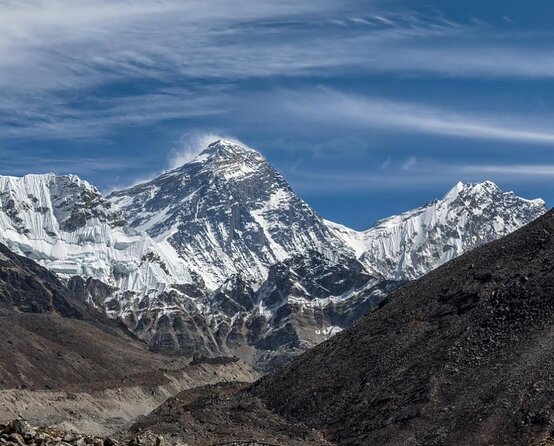
- Kala Patthar at 5,545 m: the day is about views—Everest, Nuptse, Pumori, Lhotse, Changtse—plus the Khumbu Glacier/icefall area.
- Porter support is part of the system: plan on tipping $30 per porter per day paid at Lukla.
Helicopter return: how it changes your Everest Base Camp vibe
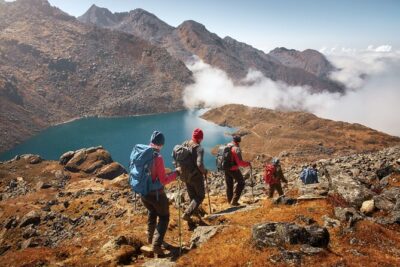
This trek lives in two modes: long, satisfying walking days—then the cool relief that you don’t have to grind every single way back. The helicopter concept matters because it can turn the “how do I get home?” stress into a more predictable countdown.
That doesn’t mean everything is automatically easy. You’ll still feel the altitude, and you’ll still walk into the Everest Base Camp area. But for many people, the helicopter return is the difference between a trip that feels like a marathon and one that feels like a big adventure with a finish.
Also, keep your expectations realistic. The helicopter legs are listed as add-ons in the months given, and weather can disrupt flights in the Everest region. One group noted that an original Lukla flight was canceled due to weather, then the team arranged an alternative helicopter solution. That’s not a guarantee, but it’s a hint about how flexible you’ll want to be in practice.
You can also read our reviews of more tours and experiences in Kathmandu.
Price and logistics: why $9,999 can still make sense
At $9,999 per person, this is an expensive trip on paper. But it’s not just a marketing number. Your included items cover the backbone of a guided Everest Base Camp trek:
- Trekking guide
- Entry permits and trekking permits
- Tea house stays on the mountain
- Breakfast (9)
On top of that, the experience notes pickup offered and mobile ticket, which usually means less friction when you arrive.
Here’s the tradeoff: the big helicopter legs have extra costs listed separately:
- Kathmandu to Lukla (sharing flight): $400 per person in selected months (Oct, Nov, Mar, Apr, May)
- Gorakshep to Kathmandu (sharing flight): $999 per person in selected months (Oct, Nov, Mar, Apr, May)
- Private helicopter from Gorakshep to Kathmandu: $3,600 per heli
- Private helicopter from Kathmandu to Lukla: $2,000
- Porter tip: $30 per porter per day, paid directly at Lukla
So the value equation is pretty clear:
- If you want the helicopter return to protect your energy, the price climbs further.
- If you’re happy with the trekking-only rhythm on the return and only want the guide/permits/tea houses, the add-ons may matter less.
Bottom line: if you’re booking because you want maximum “reach Everest, not just walk forever,” this can be worth it. If you’re trying to minimize costs, you’ll want to price the helicopter add-ons carefully up front.
Kathmandu arrival: what you’re really doing on Day 1
You start in Kathmandu (1,350 m / 4,430 ft). In practice, this is your setup day. You’ll usually be sorting your gear, meeting your team, and getting your documents in order—especially because you need entry and trekking permits, and you’re traveling with a schedule that includes an early flight/early start.
This is also where you should lock in your packing system. You’ll be living out of a duffel/rucksack plus a day pack, so don’t show up with one giant suitcase that turns into a daily chaos experiment. The trip notes even include a complimentary Trekking Planner duffel bag that you return after the trip, plus guidance on how to organize warm layers and cold-weather gear.
Lukla (early altitude shock) to Phakding: the first taste of the Khumbu
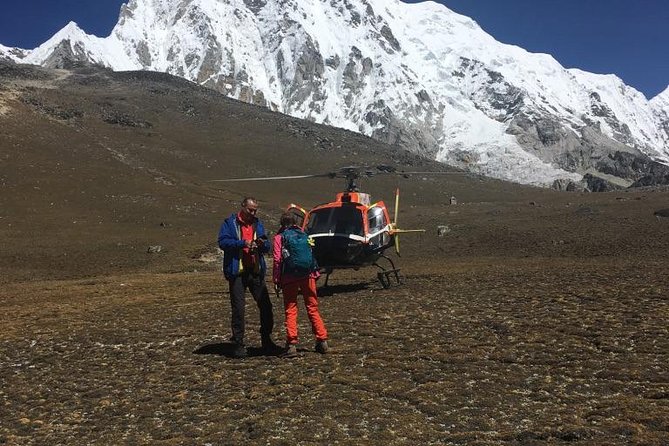
Day 2 is a quick jump: a short flight to Lukla (2,828 m / 9,279 ft), then a trek to Phakding (2,780 m / 9,121 ft), about 3–4 hours.
This is where the Everest region tries to trick you. You’re not at the highest elevations yet, but the altitude can still feel punchy—especially if you arrive and immediately go too hard. Walk steadily. Keep your breathing calm. You’re training your rhythm for the days ahead.
Phakding is a classic “warm up” stop. You’ll get teahouse life, basic trail routines, and a sense of how the route changes as you climb.
One practical tip: plan for the weather reality. Lukla flights are notorious for disruption in the region. The trip’s structure includes flexibility (and people have had helicopter alternatives arranged when flights were canceled), so don’t treat one flight time as guaranteed destiny.
Namche Bazaar: acclimatization day with real town energy
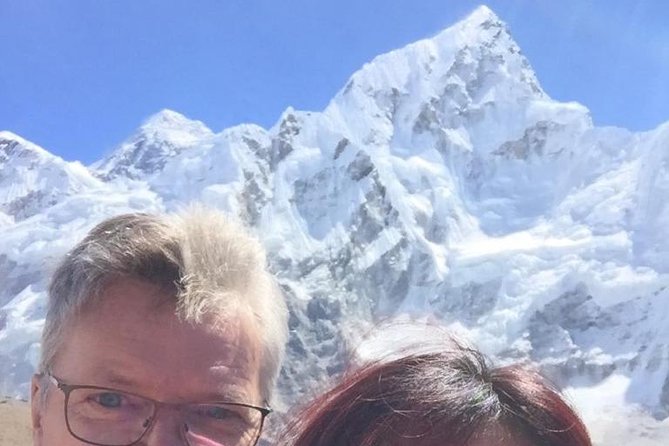
Day 3 treks up to Namche Bazaar (3,440 m / 11,287 ft) over about 5–6 hours. Then Day 4 is a rest day at Namche.
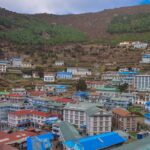
Namche is more than a dot on the map. It’s where the trek becomes a culture experience you can actually smell and see: shops, food options, and the Sherpa community feeling like home base. You’ll also find the kind of spiritual trail details that make the Khumbu feel distinct—prayer flags, prayer wheels, chortens, monasteries, and the slow rhythm of the suspension-bridge crossings.
The big value of the rest day is not just comfort. It’s altitude management. When you’re headed toward Tengboche (3,850 m) and Dingboche (4,350 m), the Namche breathing space helps you keep pace without turning every uphill into a fight.
If you’re the type who gets antsy on “rest days,” you still have work to do: hydrate, eat well, and take light movement seriously. Namche is also a good place to adjust clothing layers because mornings can start cold and afternoons can feel surprisingly workable.
Tengboche and Dingboche: monasteries meet thinning air
Day 5: trek to Tengboche (3,850 m / 12,632 ft), about 4–5 hours.
Day 6: trek to Dingboche (4,350 m / 14,272 ft), about 4–5 hours.
Day 7: rest day in Dingboche.
This is the point where the trek starts to feel more “high Himalaya” and less “town trail.” Tengboche is a monastery and spiritual landmark area, and Dingboche is where the altitude begins to demand respect.
The monastery stops and the trail’s devotional details matter here because they give your mind something to do besides counting steps. But the real payoff is the second acclimatization break. By the time you leave Dingboche, you’re moving toward elevations that can sap energy quickly if you rush.
On days like this, the quality of your guide makes a difference. A guide like Dipak (named in multiple trip experiences) helps you pace, interpret what you’re seeing, and handle the small decisions that affect how you feel later: when to stop, what to wear, and how to adjust your effort as the air thins.
Lobuche to Gorakshep: entering the “almost there” zone
Day 8: trek to Lobuche (4,910 m / 16,109 ft), 4–5 hours.
Day 9: trek to Gorakshep (5,180 m / 16,995 ft), then continue to Everest Base Camp (5,364 m / 17,600 ft), about 3–4 hours to Gorakshep plus 2–3 hours to Base Camp.
This section is physically serious. The air is thinner, your body pays attention to every climb, and the cold can feel sharper at elevation even if the sky looks calm.
Gorakshep is where most people feel the psychological shift: you’re no longer “planning for Everest.” You’re actually there, close enough to feel the scale.
You’ll likely spend time at teahouses for breaks and food, and this is where the trip’s included tea house support matters. Warm drinks and a steady routine help you move through the cold efficiently instead of burning energy and getting cranky.
Everest Base Camp and Kala Patthar: the view payoff you came for
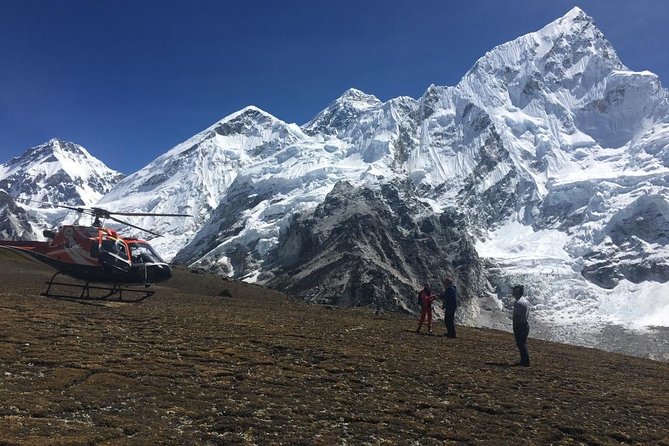
Day 10: trek to Kala Patthar (5,545 m / 18,193 ft), then down to Pheriche (4,280 m / 14,042 ft), about 2–3 hours to Kala Patthar plus 5–6 hours descent.
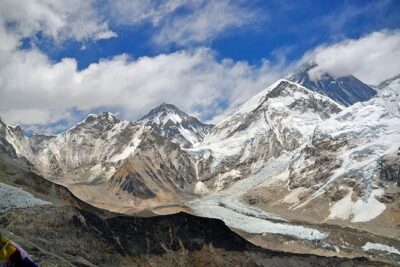
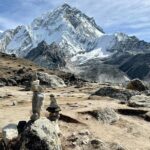
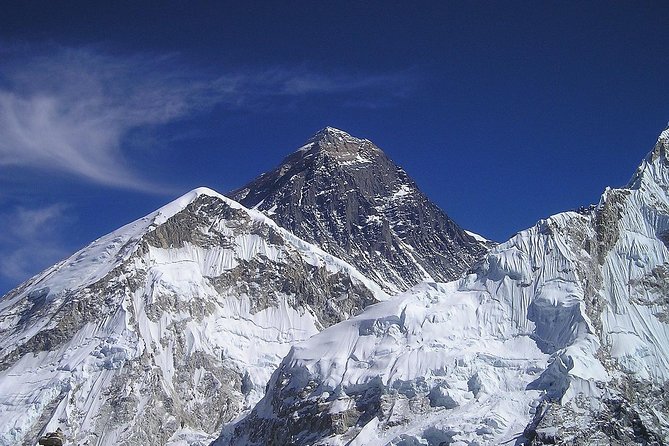
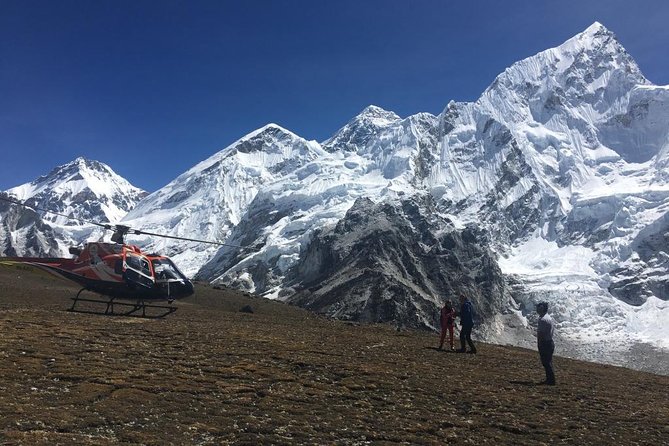
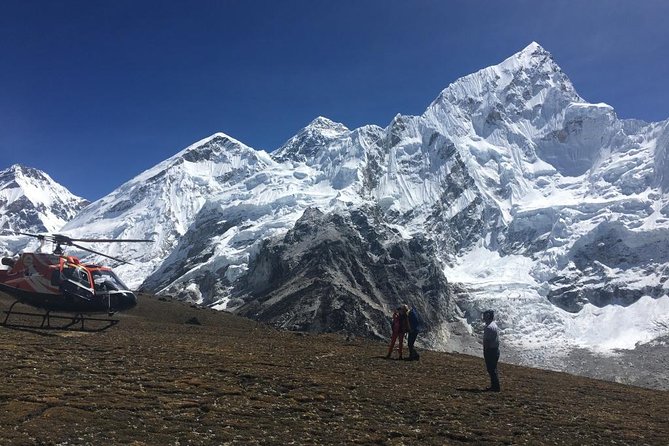
Kala Patthar is the big-ticket viewpoint in this plan. It’s famous for the way it frames the peaks: Everest, Nuptse, Pumori, Lhotse, Changtse, plus the Khumbu Glacier, the Khumbu Icefall area, glacial rivers, and avalanche paths.
A quick reality note: at 5,545 m, “beautiful view” and “brutal cold” often show up together. Dress for staying outside, not just for walking. If you only layer for movement, you’ll feel it once you stop for photos.
If you’re doing helicopter returns, you still need to earn the final view by walking here. The helicopter helps you get back, but it doesn’t replace the altitude experience on the way to Base Camp and Kala Patthar.
Also, this is a good time to lean on your guide. A clear explanation of what you’re seeing can turn the day from just pictures into understanding—why certain ridgelines look the way they do and what parts of the glacier system you’re actually looking at.
The return: getting the Sherpa trail story again on the way down
After Kala Patthar and your move toward lower elevations, the schedule goes:
- Day 11: trek back to Namche Bazaar (3,440 m), about 4–5 hours
- Day 12: trek to Lukla (2,828 m), 5–6 hours
- Day 13: fly back to Kathmandu (1,350 m)
This is your chance to experience the route differently. When you go down, the trail feels less like a climb and more like a guided walk through living communities.
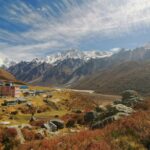
The trip overview stresses authentic Sherpa lifestyle and insider culture moments, and this “return” phase is where you’re more likely to notice the details: village life, prayer flags in changing light, and the way monasteries and chortens appear as practical landmarks, not just scenic stops.
Don’t underestimate the walking on the way down. Your legs may feel tired, but downhill can still be hard on knees and feet. Keep your steps deliberate and your pacing steady.
Tea houses, food, and why the guide/porter team matters
The trek is run through tea houses—simple, warm places where you rest and eat. Your package includes tea house in the mountain plus breakfast (9), while lunch and dinner are pay locally.
So your best strategy is to treat meals like fuel, not like a restaurant experience. Order what keeps you warm and steady. Your appetite can be weird at elevation, but a reliable routine beats trying to hunt for comfort food you can’t actually digest.
The guide team is another major part of the quality. Multiple experiences highlight communication and planning, plus a sense of being “always taken care of.” That matters because on Everest trails, things go wrong in tiny ways: the weather shifts, you need an extra layer decision, or you want to understand what’s coming next.
Porters are part of that system too. The trip notes advise tipping $30 per porter per day, paid directly to your porter at Lukla. Reviews also specifically name porters like Carmen and Desantis for their support, which is a nice reminder: the trek feels easier when someone else handles the heavy load and you can focus on breathing and steady movement.
What to pack for cold teahouse nights (and daytime wind)
The trip provides a clear packing list, and you should treat it like a minimum standard—not a suggestion.
Bring from home:
- A day pack
- Trekking shoes, plus sports shoes or sandals
- Sun hat/cap, warm woolen cap
- Warm fleece jacket or puffy jacket
- Waterproof Gore-Tex layer
- Down jacket (not optional in practice; the notes say it’s a must for staying in a teahouse relaxed under 0°C)
- Raincoat
- 4/5 pairs of good quality socks
- Gloves, sunglasses
- Water bottle
- Flash/torch
- Camera and batteries
- A 4-season sleeping bag is optional and can be provided, then returned after the trip
This is not “pack light” travel. Cold weather systems at altitude are about layers that work while you’re still. If your clothing plan only works while hiking, you’ll suffer during breaks.
One more practical note: the trip has a meeting time of 5:45 am, so you’ll be getting up in cold air. Prepare your morning routine so you’re not shuffling around looking for gloves while your body cools down.
Who this trek with helicopter return fits best
This is a strong match if:
- You want the iconic Everest Base Camp route with the best-known viewpoint day at Kala Patthar.
- You like guided structure and want someone handling permits and day-to-day logistics.
- You’re willing to pay extra for the helicopter legs if you want the return to feel less punishing.
It may not be ideal if:
- You’re trying to keep total spending low, because helicopter add-ons and local meal costs stack quickly.
- You don’t do well with early starts and cold mornings.
Should you book this Everest Base Camp trek with helicopter return?
If you’re looking for a guided, small-group Everest Base Camp experience that hits the classic places—Namche, Tengboche, Dingboche, Gorakshep, Base Camp, and Kala Patthar—this is a solid plan. The included tea house stays, permits, and breakfast, plus the focus on acclimatization rest days, makes the structure feel sensible.
My main “yes, but” is the money and the weather. You should budget for the helicopter add-ons if that’s part of your goal, and you should mentally accept that Lukla flights can get disrupted and plans may shift.
If you like organized trekking with a real team behind you—Buddhi for planning and guides like Dipak for route guidance—this one is worth serious consideration.
FAQ
What helicopter options are listed for this Everest Base Camp trek?
The add-ons listed include a sharing flight from Kathmandu to Lukla for USD 400 per person (Oct, Nov, Mar, Apr, May) and a sharing flight from Gorakshep to Kathmandu for USD 999 per person (Oct, Nov, Mar, Apr, May). Private helicopter options are also listed: USD 3,600 per heli for Gorakshep to Kathmandu and USD 2,000 for Kathmandu to Lukla.
What is included in the package price?
Included items are tea house in the mountain, a trekking guide, entry permits and trekking permits, and breakfast (9).
Are lunch and dinner included?
No. Lunch and dinner are not included, and you pay locally.
What time does the experience start, and what’s the group size?
The meeting point start time is 5:45 am, and the maximum group size is 15 travelers.
Do I need permits?
Yes, entry permits and trekking permits are included in the experience.
What happens if weather is poor?
This experience requires good weather. If it’s canceled due to poor weather, you’ll be offered a different date or a full refund.