REVIEW · MEDAN
ORANGUTAN TREK (2D/1N) by EcoTravel Bukit Lawang
Book on Viator →Operated by EcoTravel Bukit Lawang · Bookable on Viator
Orangutans, jungle nights, and a river ride. EcoTravel Bukit Lawang’s 2D/1N trek is built for real rainforest time in Gunung Leuser National Park, with a small-group pace and an overnight camp setup that makes the “jungle sleep” part feel less punishing. I especially like that you get hot meals and proper comfort gear, not just a roughing-it promise.
My second favorite part is the human side: you hike with local, English-speaking guide teams who scout and explain what you’re seeing, and they’re working inside one of the best places in Sumatra to look for critically endangered Sumatran orangutans. The one real drawback to plan around is also the most important: there’s no guarantee you’ll spot orangutans, because they roam freely in the wild.
In This Review
- Key things I’d circle on your map
- Bukit Lawang logistics: meeting your guide team and getting cash right
- Day 1 hike (8:30 am): rainforest walking in a small group
- Riverside camp overnight: comfort, safety basics, and jungle night vibes
- Day 2 waterfall stop and the Bohorok River tube rafting return
- Price and value: what your $180 covers, plus the extra fee
- Wildlife reality check: orangutans are possible, never promised
- Guide quality: names you might meet and why it matters on a trek
- Who should book this Orangutan Trek (and who shouldn’t)
- Should you book this tour?
- FAQ
- Where does this trek start and end?
- What time does the trek start?
- When do I meet the guide team before the trek?
- How big is the group?
- Is seeing an orangutan guaranteed?
- What’s included in the $180 price?
- What extra costs should I plan for?
- Is transportation from Medan included?
- Can I pay with card and is there an ATM in Bukit Lawang?
- What do I sleep on during the overnight stay?
Key things I’d circle on your map
- Up to 8 people on the trek, so it doesn’t feel like a conveyor belt in the trees
- Overnight camp comfort: double tent, mattress, pillows, and sleeping bag
- Hot meals + water filter, so you can focus on walking and watching instead of logistics
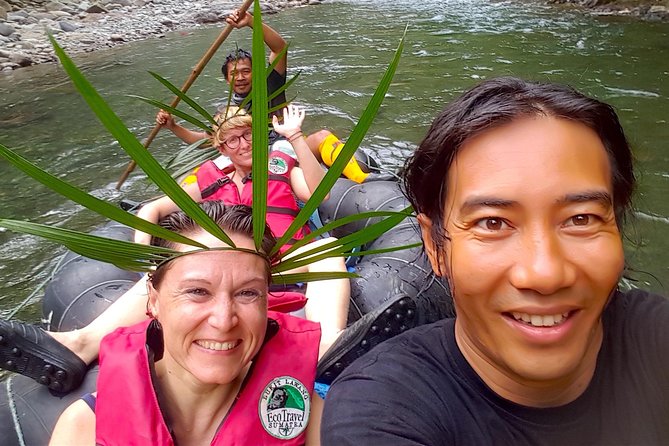
- Waterfall time followed by tube rafting back on the Bohorok River
- Permit/camera tax is extra (150,000 IDR per person), so budget that upfront
Bukit Lawang logistics: meeting your guide team and getting cash right
This tour starts at EcoTravel’s base in Bukit Lawang at 8:30 am. Before that, you’ll have a meeting with your guide team one day before the trek, held at the office between 16:00 and 19:00. If you miss that window, you’re basically asking to lose time on day one—so aim to be in Bukit Lawang with buffer time.
Most people arrive from Medan, and that transfer is about 4.5 hours. Later arrival usually means later check-in and less smooth prep. EcoTravel even recommends staying close to their office area (like their cottages or nearby lodging) for that night, because it makes the pre-trek briefing easier.
One practical thing that catches first-timers: there are no ATM machines in Bukit Lawang. Bring enough cash for your own spending, and if you want to use a card, EcoTravel can handle Mastercard/Visa with a 3% charge at their office. Also note there’s an extra fee for park entry stuff—more on that soon.
Packing is straightforward but not optional. Plan for the jungle rhythm: good hiking shoes, a 25–30 liter backpack, long trousers, long-sleeve layer, socks, and a torch. You’ll also want mosquito repellent, sun lotion, swimwear, a towel, and toilet paper. If you forget swimwear, you’ll still be fine, but you’ll hate yourself a little later when the plan includes a waterfall stop.
You can also read our reviews of more tours and experiences in Medan.
Day 1 hike (8:30 am): rainforest walking in a small group
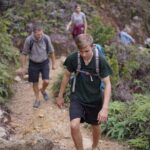
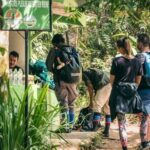
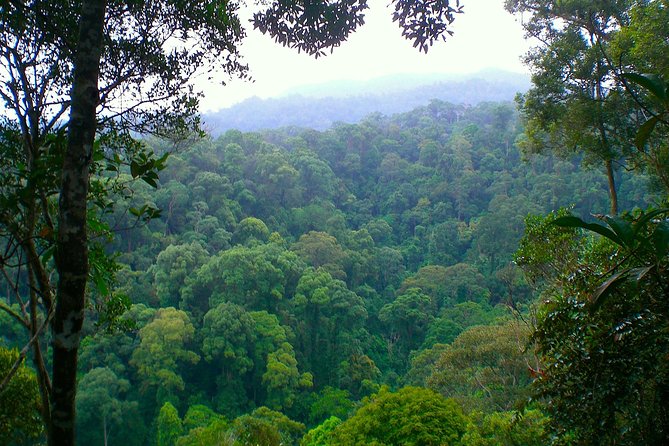
Day one begins at 8:30 am at the meeting point. From there, you hike into Gunung Leuser National Park with a group capped at eight EcoTravel guests. That group size matters more than it sounds. In tight jungle terrain, smaller groups move better, take fewer awkward detours, and give your guide more flexibility when they spot animal sign.
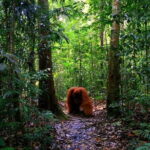
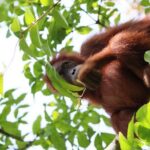
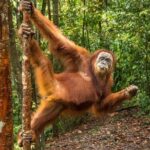
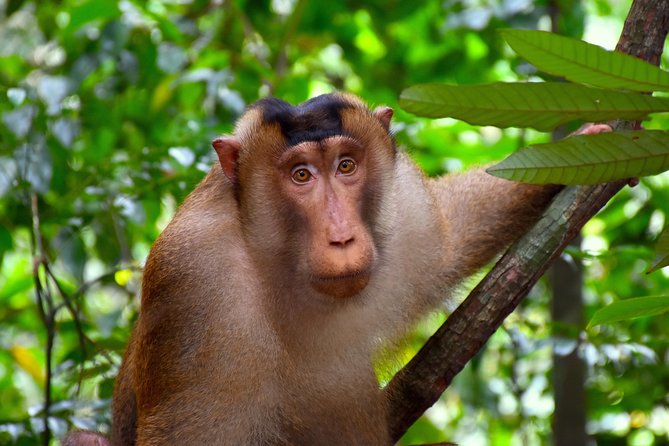
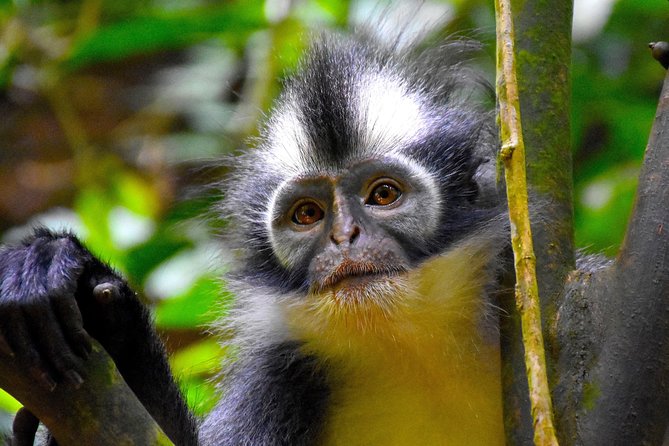
You’re not just marching forward for the sake of exercise. The trek is timed for wildlife opportunities—especially Sumatran orangutans. You might also see macaques and even plant life like carnivorous plants, depending on where the team scouts that day. The bigger truth: the rainforest doesn’t operate on your schedule, so your best strategy is to stay patient and attentive.
You’ll reach the campsite around 15:00 along the river bank. That’s when the pace shifts from hiking to settling in. You’ll have camp support, including a cook and campsite team, so you’re not “on your own” once you arrive. For me, this is where the tour feels thoughtfully built: day one isn’t just a grind into the jungle. It’s a full plan that ends with a real place to rest.
The overnight camp is also where the included water setup helps. EcoTravel provides a water filter, so you’re not constantly rationing and second-guessing hydration. (Still bring your own instincts: drink enough, but don’t overdo it in humid heat.)
Riverside camp overnight: comfort, safety basics, and jungle night vibes
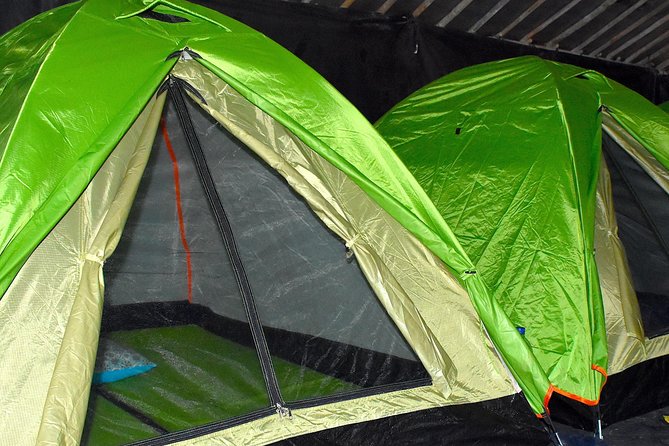
By mid-afternoon you’re set up near the river, and that overnight stay is part of what makes this trek worth it. You get double tents, plus mattress, pillows, and sleeping bags. That’s a big deal in the tropics—jungle floors and damp air can turn “sleep” into misery fast, and the mattress setup reduces that risk.
You’ll also have a proper camp structure: chairs, campsite gear, and an on-site team. This isn’t a survival-style hike. It’s an adventure with the comfort dial turned up enough that you can actually enjoy the second day instead of dragging through it.
Safety gear shows up most clearly when it’s rafting time, but the camp is where you also start using your “jungle kit” properly. Bring the items you were told to bring—especially your torch and mosquito repellent. The jungle night isn’t dangerous in a dramatic-movie way, but insects and darkness are real. If you’re someone who struggles with darkness or has a history of panic in low-light situations, think hard before booking.
Also, your health check matters. EcoTravel notes the trek isn’t suitable for people with high blood pressure, people with allergies, pregnancy, or certain medical situations like past operations. They also flag fears of special insects, heights, or darkness. If any of those apply, don’t “hope it’ll be fine.” Choose another style of tour that fits your body and brain.
Day 2 waterfall stop and the Bohorok River tube rafting return
The second day is where the itinerary shifts from forest to water action. Before the return, you’ll have the chance to visit a waterfall. This is a great reset moment after a night in the jungle, and it’s also a chance to cool off and wash off the day-one trekking dust.
Then comes the signature finish: the return to Bukit Lawang by tube rafting down the Bohorok River. EcoTravel calls it a “jungle taxi,” and the idea is simple: you trade hiking poles for river time. A rafting skipper is included, along with tube-rafting equipment like tubes, safety jackets, and helmets (the listing specifically mentions helmets for children, but adults get the relevant safety kit too as part of the included equipment).
This return segment is usually a highlight for people who don’t want the day to end in more walking. Still, be honest with your comfort level. EcoTravel marks the trek as not suitable for people with a fear of heights or darkness, and river riding can involve uneven footing and quick changes in how exposed you feel. If you’re generally fine around water but nervous in a fast-moving ride, talk to the operator when confirming details.
You’ll return to Bukit Lawang by about 14:30. That makes the overall trip feel “contained”: two days, clear start and finish, and no guessing about how long you’ll be out.
Price and value: what your $180 covers, plus the extra fee
The listed price is $180 per person. For a 2-day trek that includes guides, meals, campsite setup, and river rafting equipment, the value isn’t just in the headline activities. It’s in the bundle of “small things” that prevent your trip from turning into a DIY problem.
Here’s what’s included:
- A certified English-speaking guide and assistant
- A cook plus meals (2 lunches, 1 dinner, 1 breakfast), plus fruits, snacks, tea, coffee, and drinking water
- Campsite support, including double tent, mattress, sleeping bag, pillows, chairs, and a water filter
- Tube rafting support: rafting skipper and rafting/tube equipment (tubes, safety jackets, helmets)
Here’s what’s not included:
- Accommodation in Bukit Lawang the night before and after the trek
- Transportation from/to Medan (about 4 hours, and you book it at your accommodation)
- The permit to enter the national park / camera tax of 150,000 IDR per person, paid before trekking starts
So your real budget is $180 plus that park/camera tax, plus whatever you pay for the pre-trek and post-trek lodging in Bukit Lawang. If you’re coming from Medan anyway, don’t forget you’ll likely need to cover the transfer and one extra night.
Also worth noting: EcoTravel offers free cancellation up to 24 hours before the start, and weather can affect operation. Jungle plans are weather-dependent by nature, so it’s smart to avoid booking flights that leave you with no buffer.
Wildlife reality check: orangutans are possible, never promised
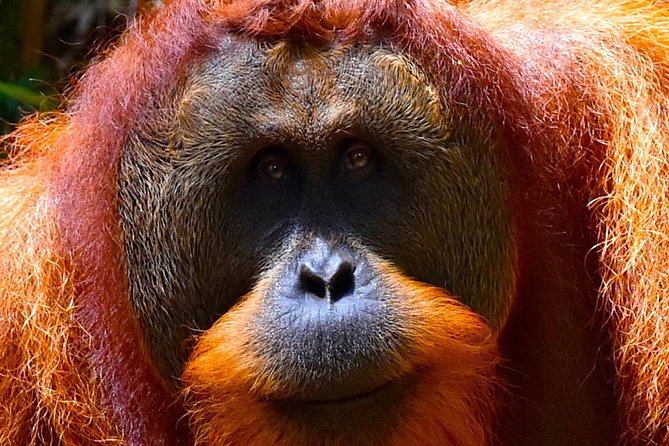
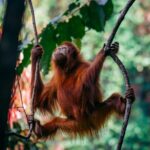
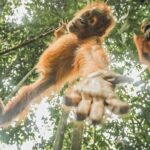
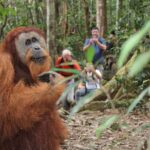
The big draw is the chance to see wild Sumatran orangutans. EcoTravel is clear that you’ll see them at most times, but there is no guarantee. That’s not a loophole. It’s just what “wildlife in the wild” means.
What you can count on is serious effort from your local guide team. EcoTravel doesn’t use external guides, and they emphasize that their guides are locals, English-speaking, and certified by ITGA-HPI. The practical result is that you’ll spend time learning what to look for: movement in the canopy, calls, feeding signs, and plant cues that help guides track animal activity.
If you go in expecting a guaranteed orangutan encounter, you might leave disappointed. If you go in ready to enjoy the entire rainforest experience—wildlife variety, plants, macaques, and the sheer intensity of jungle sounds—you’ll likely feel the trip was money well spent even on a “no orangutan seen” day.
Guide quality: names you might meet and why it matters on a trek
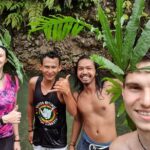
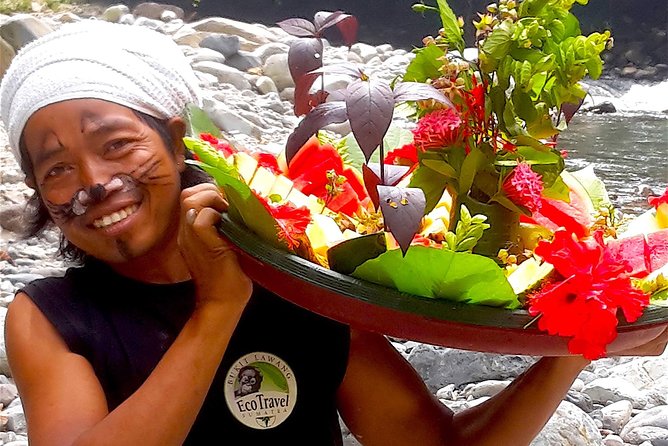
The best part of this tour is the guide team’s blend of organization and explanation. In reviews, I’ve seen names like Hendra, Pipit, Anton, Riyan, and others such as Christina, Kembar, Awi, Kondak, Ari, and Door. The recurring pattern isn’t just friendliness—it’s competence. Guides are described as responsive, helpful, and strong on wildlife and plant knowledge.
That’s not fluff. On an orangutan trek, your success depends on how quickly a guide can spot subtle clues and how well they can communicate what you’re seeing. One review also highlights route adjustments when someone couldn’t handle the hills. That matters because it shows the team isn’t locked into a single route no matter what—they can pivot based on the group’s abilities while keeping the experience safe.
So if English-speaking guides are a deal-breaker for you, this is designed around that. It also helps that the guides are certified through the local association EcoTravel mentions, which supports the idea that you’re not just following someone who knows the trail, but someone trained to lead in this environment.
Who should book this Orangutan Trek (and who shouldn’t)
This trek is aimed at sportive travelers who want a real rainforest hike. It’s not marketed for comfort-lovers who want short walks and scenic stops every 20 minutes.
You should book if:
- You have strong physical fitness for multi-hour jungle hiking
- You’re okay with uneven ground, humidity, and a camp night
- You want a mix of wildlife scouting and a river activity finish
You should skip (or consider another option) if:
- You have high blood pressure, pregnancy, or relevant medical constraints
- You have allergies that could flare with insect exposure or jungle plants
- You strongly fear special insects, heights, or darkness
- Your child is under 6 years
Even if you fit the basic requirements, EcoTravel stresses a doctor check is an absolute necessity before traveling to the Sumatran jungle. That’s not paperwork theater. It’s how you protect the trip for yourself.
Should you book this tour?
I’d book it if you want an honest, active rainforest experience in Bukit Lawang with the comfort features that make an overnight trek actually enjoyable—hot meals, a real mattress setup, and a structured return by tube rafting. It also makes sense if you value a small group and guides who can explain what’s happening in the canopy.
I wouldn’t book if you need guaranteed orangutan sightings, or if you know you’re not comfortable with jungle basics like insects, darkness, and challenging terrain. In that case, the “no guarantee” reality could grind on your expectations.
If you do book, prepare like a pro: get to Bukit Lawang on time for the guide briefing, bring enough cash since there’s no ATM, pack your torch and repellent, and go in curious rather than demanding.
FAQ
Where does this trek start and end?
You’ll start at the Sumatra EcoTravel Bukit Lawang office at Jalan Besar Jl. Orangutan, Bukit Lawang, and the activity ends back at the same meeting point.
What time does the trek start?
The trek starts at 8:30 am.
When do I meet the guide team before the trek?
You’ll have a meeting with the guide team one day before the tour start at the EcoTravel office between 16:00 and 19:00.
How big is the group?
The trek is limited to a maximum of 8 travelers.
Is seeing an orangutan guaranteed?
No. At most times you will see orangutans on jungle treks, but there is no guarantee because they live freely in the wild.
What’s included in the $180 price?
Included are an English-speaking guide and assistant, a cook, meals (2 lunches, 1 dinner, 1 breakfast, plus fruits/snacks/tea/coffee and drinking water), campsite setup (double tent, mattress, sleeping bag, pillows, chairs, water filter), and tube-rafting support (skipper plus tube-rafting equipment).
What extra costs should I plan for?
You pay a park/camera tax of 150,000 IDR per person before trekking starts. Accommodation in Bukit Lawang on the night before and after is also not included.
Is transportation from Medan included?
No. Transportation from/to Medan is not included, and it’s bookable through your accommodation. The transfer takes about 4 to 4.5 hours.
Can I pay with card and is there an ATM in Bukit Lawang?
There are no ATM machines in Bukit Lawang. EcoTravel can change Euros and accept credit cards (Mastercard/Visa) with a 3% charge in their office.
What do I sleep on during the overnight stay?
You sleep in double tents with a mattress, pillows, and a sleeping bag provided by the campsite team.