REVIEW · KATHMANDU
20 Days Private Kanchenjunga Circuit Trek
Book on Viator →Operated by Magical Nepal · Bookable on Viator
This trek is a long game of altitude and views. The Kanchenjunga Circuit runs through the Kanchenjunga Conservation Area, aiming for Pangpema (North Base Camp) and the South Base Camp, with high passes like Sele Le and stops such as Ghunsa and Kambachen for acclimatization. I love the way the route mixes big goals with smaller villages like Ghunsa, Cheram, and Yamphudin, so each day has a human scale, not just mountains. I also like that you’re not guessing on logistics—your private setup includes the right permits and a guide for 19 days. The one drawback to plan for is the remoteness: you’ll spend a lot of time on rough roads and long trekking days, and you’ll feel the altitude even with acclimatization stops.
Because this is private, you can keep your pace consistent and your guide can adjust timing if weather or health makes changes necessary. Still, this is not a casual walk: the itinerary includes days around or above 4,000 meters and a night at North Base Camp around 5,140 meters, so only book if you’re ready for sustained effort and cold nights.
In This Review
- Key things I’d highlight before you go
- Why the Kanchenjunga Circuit feels different than other Nepal treks
- Getting from Kathmandu to Taplejung: time on the move starts early
- Chirwa to Gyabla: villages that feel like real waypoints
- Ghunsa and Kambachen: acclimatization at the right altitude
- Lhonak to Pangpema: the North Base Camp night at about 5,140 m
- Sele Le and the named passes: connecting the North and South sections
- Cheram to Yamphudin, then out via Torongding and Fikal
- Tea-house stays, meals, and what $2,560 really covers
- The guide factor: why Narayan and Dil were praised
- Who this trek suits best
- Should you book this Kanchenjunga Circuit Trek with Magical Nepal?
- FAQ
- How long is the Kanchenjunga Circuit Trek?
- Where does the trip start and end?
- What is the main transport route from Kathmandu?
- What kind of accommodation do you get on the trek?
- What meals are included?
- Are permits and the guide included in the price?
- Are vegetarian or special diets available?
- Are hot and cold drinks included?
- Quick final decision tip
Key things I’d highlight before you go
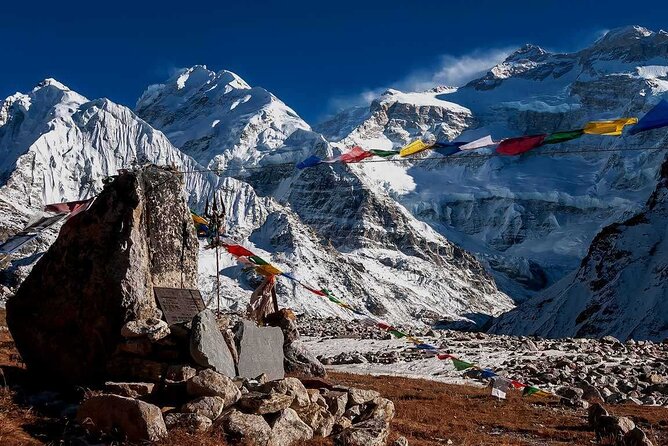
- Two base camps, one circuit: North Base Camp (Pangpema) plus a South Base Camp day trip keeps the trip focused.
- Acclimatization built in: Ghunsa (about 3,475 m) and Kambachen (about 4,050 m) give your body a chance to adjust.
- High-pass route planning: Sele Le links you onward via passes named Sinion La and Mirgin La (and Sinelapche La).
- Tea-house trekking for most of the mountain days: You’re not carrying camping gear for every night.
- Guides matter on a remote track: I’ve seen praise for guides like Narayan and Dil for route knowledge and smart adjustments.
Why the Kanchenjunga Circuit feels different than other Nepal treks
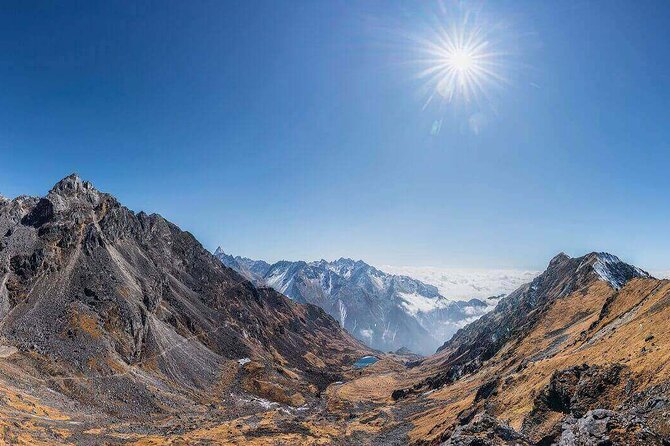
Most Nepal treks give you one big peak moment. This one strings together multiple altitude milestones and base-camp targets, which changes the rhythm of the days. You start by moving east from Kathmandu into the Kanchenjunga region, then you settle into the trek with a series of villages that gradually pull you higher and deeper into the conservation area.
The core excitement is obvious on paper: North Base Camp at about 5,140 meters (Pangpema), plus a South Base Camp day trip from Cheram. What’s less obvious—and what makes this circuit special for your planning—is how many “in-between” stops shape the experience. Places like Ghunsa, Lhonak, and Yamphudin are not just stepping stones. They’re where you see how people live near the route, eat simple meals, and deal with weather and altitude the practical way.
There’s also a real value in how this itinerary is structured. It aims to keep you moving forward while giving you acclimatization days at the right moments. That matters because Kanchenjunga is remote and weather can change plans quickly, so a plan with built-in breathing room beats one that forces you onward every single day.
You can also read our reviews of more tours and experiences in Kathmandu.
Getting from Kathmandu to Taplejung: time on the move starts early
Your trip starts at Tribhuvan Airport in Kathmandu, with a stated start time of 10:15 am. The first big transfer day is Day 1: you fly about 45 minutes from Kathmandu to Bhadrapur, then drive around 5 hours to Ilam, where you sleep overnight.
Day 2 continues by road (public bus) from Ilam to Taplejung, about 240 km and roughly 9–12 hours depending on conditions. It’s a long travel day by any standard, but it sets expectations correctly: this circuit is not a fast hop into the hills. You’re stacking travel time on top of trekking time.
Day 3 pushes you further toward the trekking area, with an overnight in Chirwa (a small village with tea houses and lodges). If you’re thinking, Good—then we’ll start hiking soon, you’ll be right to expect gradual ramp-up. The early days are about getting positioned and then easing into the Kanchenjunga Conservation Area.
Practical note: since you’ll be on buses early, treat your first few days like part of the trek. Keep your daypack organized, keep essentials accessible, and don’t assume you’ll have an easy ride the entire way.
Chirwa to Gyabla: villages that feel like real waypoints
From Chirwa, the route goes to Lelep (about 20 km, usually 6–7 hours). Lelep is the headquarters area for the Kanchenjunga Conservation Area, so it’s a good place to understand you’re trekking in a protected region, not just hiking “in mountains.”
Next you reach Amjilosa (around 2,310 meters). The distance from Lelep is about 13 km, also typically 6–7 hours. Then Day 6 continues to Gyabla, which takes you deeper into the conservation area. Even without exact altitudes listed for every stage, you can feel the change: this is the period when the air gets thinner and the terrain starts to look more “mountain travel” than “village travel.”
What I like about these early segments is that they keep the trip grounded. You’re not jumping from Kathmandu hotel life to base-camp intensity. Instead, you move village to village, with tea-house support along the way. For a private trek, this pacing also helps you stay comfortable with altitude planning and rest.
Potential consideration: these are still long travel hours on uneven roads and trails. If you’re sensitive to motion sickness or fatigue, take it seriously early so you don’t start the trek tired.
Ghunsa and Kambachen: acclimatization at the right altitude
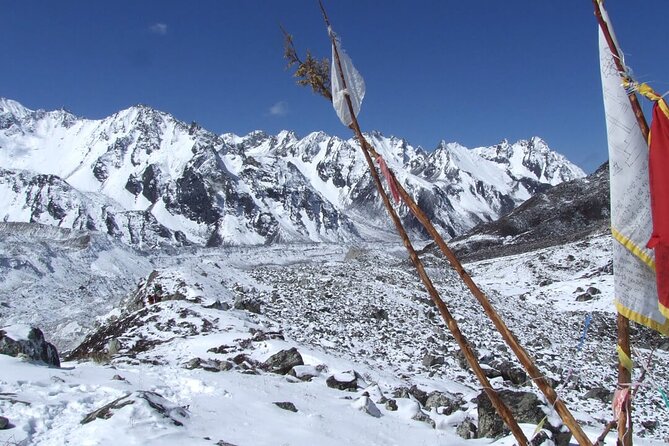
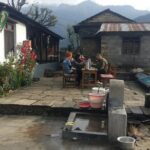
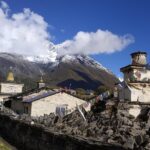
Days 7 and 8 are centered on Ghunsa. Ghunsa is described as a village with traditional wooden houses and a few tea houses and lodges. You arrive and then spend a dedicated acclimatization day. That matters because Ghunsa sits around 3,475 meters.
The itinerary then moves toward Kambachen. Day 9 is a trekking approach that follows trail features you can imagine well: alpine meadows, moraines, and the Ghunsa River corridor. Day 10 adds another acclimatization night in Kambachen at about 4,050 meters.
This is one of the most valuable parts of the route design. Two separate acclimatization points mean you’re not relying on luck or willpower. Your body gets a chance to adjust before you push toward higher camps. If you’ve ever wondered why some treks feel “possible” and others feel punishing, acclimatization timing is usually the difference.
What to watch: the higher you get, the more your schedule depends on how you feel that day. Even with a guide, your pace and hydration choices help determine whether acclimatization days are restful or stressful.
Lhonak to Pangpema: the North Base Camp night at about 5,140 m
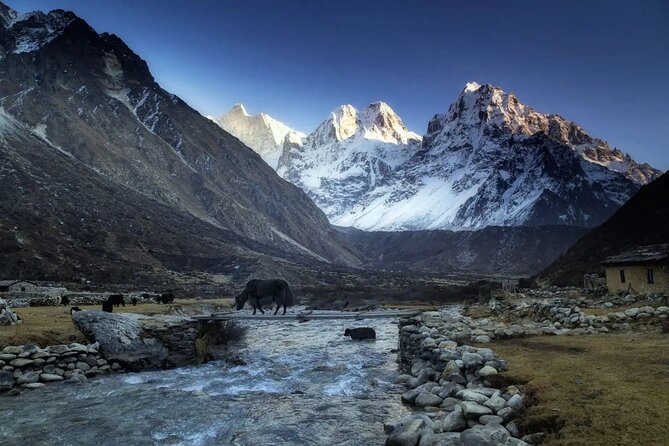
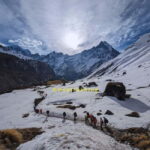
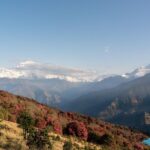
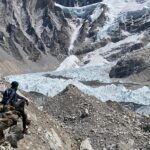
Day 11 includes Lhonak, described as a stopover en route to the North Base Camps. Lhonak is known for views of glaciers and barren high terrain, which is exactly the point of this stage: you’re transitioning into the high, exposed feel of the Kanchenjunga circuit.
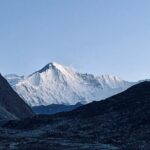
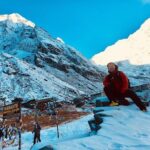
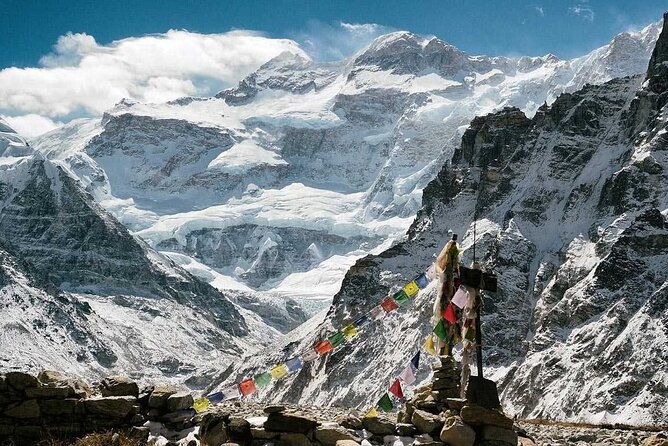
Day 12 takes you to Kanchenjunga North Base Camp, also called Pangpema. It’s around 5,140 meters and focused on views of the north face of Mount Kanchenjunga (8,586 m). The itinerary specifically includes the base camp as a campsite stay, so your day is built around a high-altitude arrival and then settling in for the night.
This is the “big altitude moment” on the circuit. Even if the route is well planned, you should treat this day as a checkpoint. Move carefully, keep your exertion steady, and don’t turn the base camp stop into a fitness contest.
Practical expectation: the day after North Base Camp, you descend down to Ghunsa and overnight there (Day 13). That descent is part of the recovery flow, not a “we’re done” feeling. It helps your body reset after a high point.
Sele Le and the named passes: connecting the North and South sections
After descending to Ghunsa on Day 13, Day 14 brings you to Sele Le. The itinerary frames Sele Le as a high-altitude campsite and a link point to the north and south base-camp travel via passes named Sinion La, Mirgin La, and Sinelapche La.
Even without day-by-day altitudes listed for each pass in the plan you have, the purpose is clear: this is how you move from the North-side base camp experience into the South-side approach. In practical terms, you’re gaining and losing elevation with the sky always doing something dramatic overhead.
Day 15 continues from Sele Le to Cheram, around 10 km and typically 7–8 hours. Cheram sits at about 3,870 meters and becomes your overnight base for the South Base Camp day trip that starts Day 16.
Day 16 is a day trip to Kanchenjunga South Base Camp, with you returning to Cheram for the night. That approach is common on circuit routes: you can avoid adding extra nights at the highest points while still getting the big target.
Potential consideration: high-pass days can be long and can feel mentally demanding because you’re thinking about weather windows and how your body responds. This is exactly where a capable guide makes a noticeable difference.
Cheram to Yamphudin, then out via Torongding and Fikal
After the South Base Camp day, Day 17 shifts to lower, greener travel: the trek descends through forests, alongside rivers, and past small settlements, reaching Torongding. Day 18 continues toward Yamphudin, described as culturally diverse with people from Limbu, Sherpa, Rai, and Gurung groups.
Day 19 brings you to Fikal (spelled in the plan as Fikal/Fickle), with the note that you can drive from Yamphuding to Fickle. Then Day 20 completes the circuit by road to Bhadrapur (about a 2-hour drive) and an afternoon flight back to Kathmandu.
What I like about the back half of this trek is the emotional change. The first part is about pushing higher and adjusting to thin air. The last part is more about movement, meeting people, and gradually coming down into a more normal human pace.
It also helps you feel the full circuit arc: north base camp day, then passes and the southern target, then a return to villages and finally the flight back to Kathmandu.
Tea-house stays, meals, and what $2,560 really covers
This trek is priced at $2,560 and marketed as a private 20-day experience. For your money, the plan includes:
- Flights Kathmandu to Bhadrapur and back to Kathmandu
- Public bus transfers on multiple road legs
- A guide for 19 days
- All required permits
- Tea house accommodation for 19 mountain days
- Meals: dinner (19), lunch (19), breakfast (20)
Two details matter here. First, permits are included, which is one of the easiest budget surprises on Nepal treks. Second, the meal plan reduces day-to-day decision fatigue. When you’re tired and altitude is in the mix, having breakfast and lunch arranged helps you focus on walking and recovery.
What’s not included: all hot and cold drinks on the trek. That’s very normal for tea-house treks, but it changes your day-to-day spending a bit. If you like tea, coffee, or bottled water, budget for it. It also means you should treat hydration and warm drinks as part of your altitude strategy, not an afterthought.
My take on value: if you want a private guide, permits, and a structured circuit that hits both base camps, this price looks like it’s doing real work—not just covering transportation. Private trekking in remote Nepal can get expensive fast once you add guides, permits, and the movement needed to reach a starting point like Taplejung.
The guide factor: why Narayan and Dil were praised
A big theme in the feedback connected to this route is guide quality. Guides named Narayan and Dil both got strong praise for being professional and very knowledgeable about the trail, plus for making smart adjustments when weather threatened to disrupt the plan.
That’s not just nice service. On a remote circuit, route knowledge helps with small choices that add up: when to push, when to pace, and how to keep everyone safe and comfortable as conditions change. A private trek also means you’re not stuck with someone else’s pace or expectations.
If you’re booking with the goal of seeing both base camps—north first, then the south day trip—choose your guide as seriously as you choose your flights. This itinerary is built around multiple altitude points, so the person interpreting conditions on the ground matters.
Who this trek suits best
This circuit is built for people with strong physical fitness and patience. The plan includes multiple long days with travel legs and acclimatization stops at higher elevations. If you’re the kind of traveler who likes clear structure, steady progress, and a guide who handles permits and routing, you’ll likely appreciate the setup.
It’s also a good match if you want authentic village interaction rather than just “scenery and photos.” Stops like Ghunsa, Cheram, and Yamphudin are part of the experience, and the itinerary is structured to give you time to move through them rather than treating them as speed bumps.
If you’re hoping for lots of downtime or easy hiking every day, this isn’t that. But if you want a serious trek that still offers tea-house comfort, this circuit has a balanced feel.
Should you book this Kanchenjunga Circuit Trek with Magical Nepal?
I’d book it if you want a well-structured, private route that targets both base camps and respects acclimatization. I also like that guides are a known strength for this trek—people have praised trail expertise and the ability to adjust when conditions change.
I’d hesitate only if you’re not ready for altitude realities or long travel days right at the start. This itinerary is remote, and it asks for steady effort for about 20 days. If you can handle that, the circuit’s mix of North Base Camp intensity and South Base Camp payoff is exactly the kind of Nepal experience that stays with you.
FAQ
How long is the Kanchenjunga Circuit Trek?
The private trek runs about 20 days, with the plan listing an approximate duration of 20 days (around 20–25 days).
Where does the trip start and end?
It starts at Tribhuvan Airport in Kathmandu, Nepal, and ends at Tribhuvan International Airport in Kathmandu.
What is the main transport route from Kathmandu?
You fly from Kathmandu to Bhadrapur, then travel by road to Ilam and Taplejung, continuing via additional public bus legs toward the trekking area. On the last day, you drive back to Bhadrapur and fly to Kathmandu.
What kind of accommodation do you get on the trek?
The plan includes tea house accommodation for 19 days in the mountain area.
What meals are included?
Breakfast is included for 20 days, and dinner and lunch are included for 19 days.
Are permits and the guide included in the price?
Yes. The plan includes a guide for 19 days and all required trek permits.
Are vegetarian or special diets available?
Yes. Vegetarian, vegan, and gluten-free food are available on request.
Are hot and cold drinks included?
No. All hot and cold drinks on the trek are not included.
Quick final decision tip
If your goal is a remote, serious circuit with both Kanchenjunga base camps—and you want your logistics handled with a private guide—this route is a strong fit. If you want a short, easy trek, choose something else. This one trades comfort and speed for a real expedition feeling.