REVIEW · KATHMANDU
8 Days Tour in Langtang Valley Trek
Book on Viator →Operated by Magical Nepal · Bookable on Viator
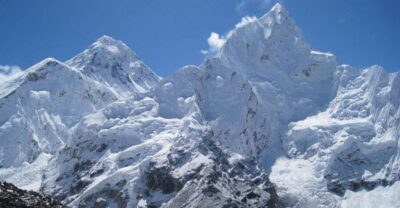
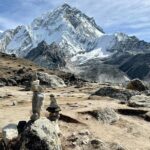
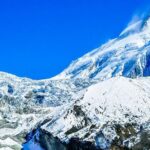
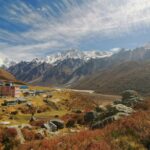
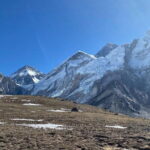
Eight days, big mountains, smaller crowds. Langtang Valley is the shorter trek you can start from Kathmandu, and you get dramatic views of peaks around Langtang Lirung while walking through Tamang villages and forest paths. I especially liked the way the scenery keeps changing—forests, riverside trails, then wide open Himalayan views—so it never feels like you’re on one long, boring stretch of trail. One of my favorite parts is the chance to slow down and actually connect with the local community along the way, not just rush from viewpoint to viewpoint, with Langtang Lirung panorama as the payoff.
I also liked the way this trip is set up to keep things simple and move at a human pace. With a max group size of 8 and a guide for the full 8 days, you’re not stuck figuring out logistics after a long day of walking. The one real consideration is physical effort and altitude: Kyanjin Gompa sits at about 3,870 meters, and the Tserko Ri day hike reaches roughly 4,985 meters, so you’ll want solid fitness and good weather.
In This Review
- 5 things you’ll notice fast on the Langtang Valley trek
- Why Langtang Valley works as a fast Himalayan trek
- Price and logistics: what $698 buys you (and what it doesn’t)
- From Machhapure Chowk to Syabrubesi: Day 1’s long ride, then calm
- Day 2: Lama Hotel approach through forests, villages, and river noise
- Day 3: Following the narrow trail toward Langtang Valley views
- Day 4: Kyanjin Gompa, the 3,870m monastery base
- Day 5: Tserko Ri loop—4,985m views without making it a multi-day summit saga
- Day 6: Descend back to Lama Hotel and let your legs recover
- Day 7: From Langtang back to Syabrubesi and a guest house night
- Day 8: Breakfast, then back to Kathmandu
- Where you sleep and eat: teahouses that keep you fueled
- Tamang villages: culture you can actually see on foot
- Weather and seasons: when the trek feels peaceful and when it demands patience
- Who this trek is best for (and who should think twice)
- Should you book this 8-day Langtang Valley trek?
- FAQ
- Where does this trek start and end?
- Is pickup from my hotel included?
- How many people are in the group?
- How long is the trekking portion?
- What are the teahouse nights like?
- What meals are included while trekking?
- Is the Langtang National Park permit included?
- What’s the highest point on the trek?
- What altitude is Kyanjin Gompa?
- What happens if weather is poor?
5 things you’ll notice fast on the Langtang Valley trek
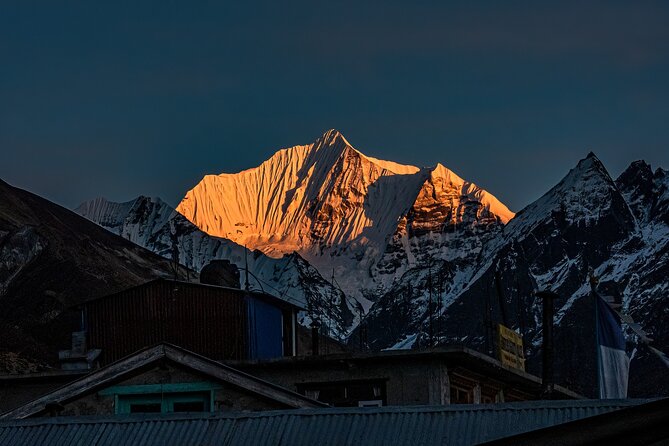
- A fast Himalayan option from Kathmandu with Langtang Lirung views as a constant theme
- Kyanjin Gompa at 3,870m plus a summit-style day hike to Tserko Ri at 4,985m
- Small group setup (up to 8 people) that usually means more personal attention on trail
- Teahouse food that’s planned for you: set meals while trekking help you avoid food-chaos at altitude
- Guides you’ll actually enjoy walking with, including KP, Jay, Pemba, Mitra, Sajan, and Dil Man Tamang, who get highlighted for being helpful and supportive
Why Langtang Valley works as a fast Himalayan trek
If you want Himalayas without burning a full week just getting “into trek mode,” Langtang Valley is one of Nepal’s most practical choices. You start from Kathmandu and reach the trek region quickly, so the mountains arrive sooner and you lose less time to travel days.
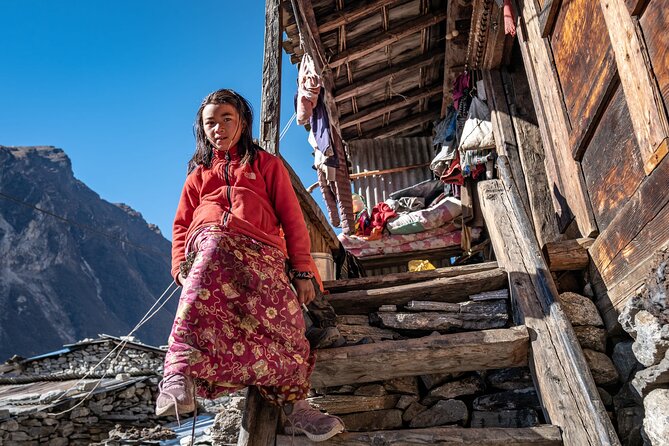
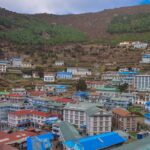
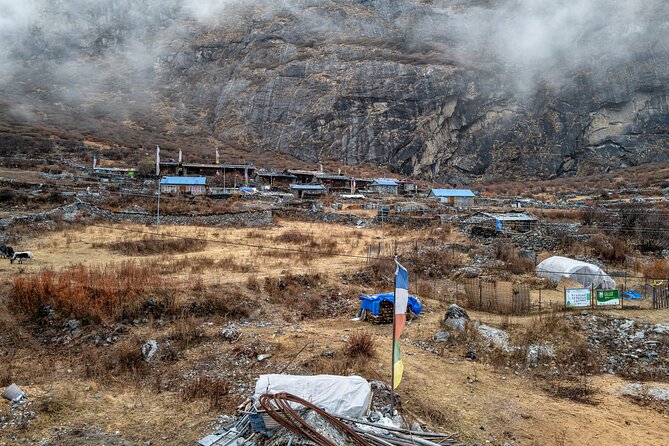
The other reason this trek feels special is how local the route is. You move through small settlements where Tamang culture is part of daily life, and the trail weaves past community spaces, prayer stones, and village rhythms. It’s not just a scenery route; it’s a place you pass through.
You can also read our reviews of more tours and experiences in Kathmandu.
Price and logistics: what $698 buys you (and what it doesn’t)
At $698 per person for about 8 days, the value comes from what’s included, not from the headline price. You get 7 nights of mountain teahouse accommodation plus planned meals while trekking (set breakfasts and lunches, plus dinners on trek days). You also get a guide for 8 days, a Langtang National Park permit, and support on the ground for the team that’s working to keep everything running.
Your money also covers the travel plumbing: you’re included for the Kathmandu–Syabrubesi–Kathmandu local bus legs, with pickup offered so you’re not trying to coordinate transport on day one after being up in Kathmandu. There’s even mention of a mobile ticket, which can make the start feel less chaotic.
What’s not included is equally important for budgeting. Lunch and dinner in Kathmandu are on you, and you’ll need to handle personal expenses and travel insurance separately. If you skip insurance thinking it’s optional, remember altitude trekking and weather delays can happen, and you’ll want protection.
From Machhapure Chowk to Syabrubesi: Day 1’s long ride, then calm
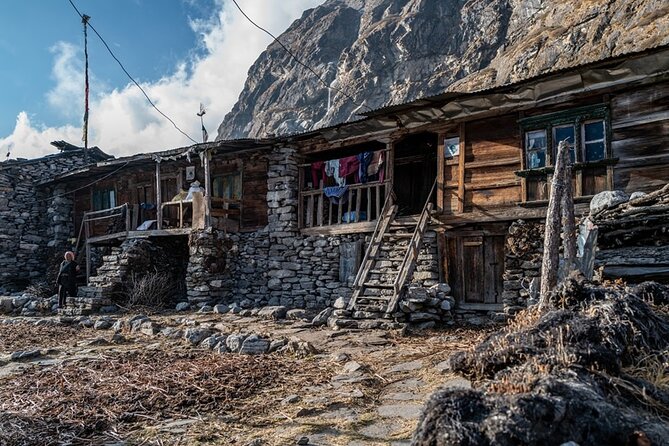
Day 1 is mostly about getting north. Your guide picks you up from your hotel area and you head toward Machhapure Chowk to catch the bus going out of Kathmandu toward Syabrubesi, a route that takes about 8–9 hours. It’s a long day, so pack smart: you want layers you can manage on a bus that may feel warmer and colder depending on the vehicle and the time of day.
You’ll also grab lunch on the way. Once you reach Syabrubesi, your trekking “real start” is getting close, and the mood shifts from city motion to mountain stillness.
Day 2: Lama Hotel approach through forests, villages, and river noise
Day 2 starts the real walking with the trail into the Langtang National Park area. You’ll trek for about 6 hours to the Lama Hotel route, passing forests, villages, and open pastures with mountain-and-valley views along the way. It’s the kind of day where your photos come in waves: tree cover, then a sudden view gap, then back into shade.
After you arrive, porters help manage your bags, and you hike another stretch—about 3 hours—to Phakding for the first night. That mix matters. It prevents day two from being only “arrival fatigue,” because you’re still walking and earning the night’s rest instead of feeling like you were just transported.
Day 3: Following the narrow trail toward Langtang Valley views
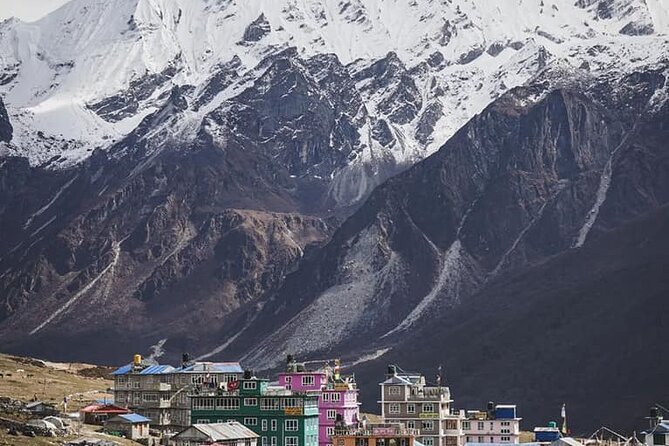
Day 3 is about staying on the trail that feels more intimate than the big open trekking routes. Expect a 7-hour walk along a narrow path through forests and small villages, with glimpses of Langtang Lirung and other peaks. These “glimpses” are a big deal because Langtang often gives you views gradually as the path rises and the air changes.
This day also tends to be where you start noticing the forest mix—bamboo and mixed woodland are commonly referenced in feedback from people who loved how the terrain transitioned. If you’re the type who likes a good day’s rhythm more than constant summit-chasing, you’ll probably click with this stretch.
Day 4: Kyanjin Gompa, the 3,870m monastery base
Day 4 brings you to Kyanjin Gompa at about 3,870 meters. This is a small monastery and settlement area, and the setting is part of the point: you get panoramic views while still feeling surrounded by forests rather than only bare rock.
Kyanjin Gompa works well as a “base day” without being boring. You’re high enough for that Himalayan air feeling, but you’re still in a village setting where the trail energy slows down just enough to take in the place. You’ll likely feel the altitude a bit more here than earlier days, so plan to keep your pace calm and steady.
Day 5: Tserko Ri loop—4,985m views without making it a multi-day summit saga
Day 5 is the challenging one. You’ll do a loop from Kyanjin Gompa to Tserko Ri and back, taking about 8–9 hours. The summit point is around 4,985 meters, so treat this as a serious hike rather than an easy stroll to a viewpoint.
What makes it rewarding is the payoff structure. You go up, you reach the top, and then you come down the same general area back to Kyanjin Gompa. That means you’re not only pushing altitude; you’re also returning to a known place to reset your body and head.
People consistently highlight the Tserko Ri view as the “wow” moment. One key tip you can take from that: pace conservatively on the climb. You don’t need speed; you need steady breathing. Guides like KP and Sajan are repeatedly praised for keeping people motivated and comfortable, which matters on a long, steep day.
Day 6: Descend back to Lama Hotel and let your legs recover
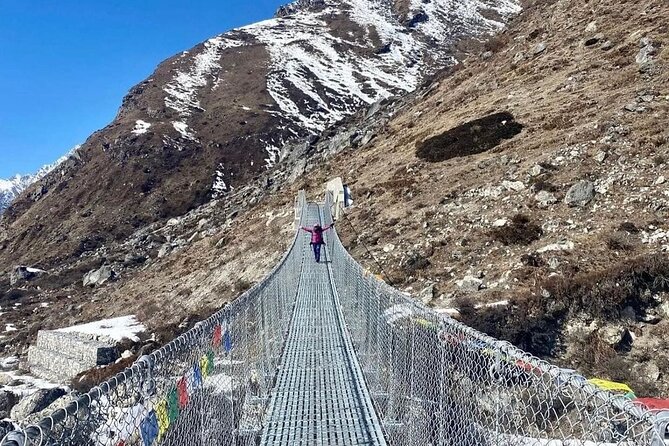
After the big push, Day 6 is a descent. You go back down toward Lama Hotel and spend the night there. This day is still physical—downhills tax your knees and calves—but mentally it often feels easier because you know the hard work already happened.
Descending can also mean weather changes in your favor. If conditions were clear for the summit day, you might find the valley paths offer calmer visibility on the way down. Either way, this is a day to focus on hydration, regular breaks, and not turning fatigue into extra-risk steps.
Day 7: From Langtang back to Syabrubesi and a guest house night
Day 7 brings the trek’s endgame. You descend down to Syabrubesi and stay overnight in a guest house. This is when you start appreciating how much energy you spent on daily elevation and how good a softer floor feels.
Also, this is one of the transition days where your schedule can feel a little “transport heavy.” You’ll want to manage your water and warmth because the air can feel different once you’re dropping elevation.
Day 8: Breakfast, then back to Kathmandu
Day 8 is straightforward. You have breakfast and return to Kathmandu. The goal here is to arrive with enough energy to enjoy a final meal in the city (though lunch and dinner in Kathmandu are not included, so budget for it).
If you’re someone who likes to end trips with a clean finish, you’ll probably like this style: no extra side-hikes on the last day, just getting home safe.
Where you sleep and eat: teahouses that keep you fueled
The included mountain teahouse setup is part of what makes this trek manageable. You’re not carrying everything for days on end, and set meals while trekking remove a lot of decision fatigue. According to the trip details, you’ll have 7 nights of teahouse accommodation and a planned schedule of breakfasts and lunches plus dinners while on trek.
What I take from the feedback is that “simple and cozy” is the vibe you’re paying for. People specifically mentioned guides getting them into cozy spots at night and noticing small touches like fresh fruits as a morale booster. That’s not luxury travel, but it’s the kind of comfort that matters when you’re tired and altitude is in the mix.
Tamang villages: culture you can actually see on foot
Langtang Valley is home to the Tamang people, and the trail passes through villages where daily life is close to the route. You’ll see local homes, walk past community spaces, and spend time in places that aren’t set up only for tourism.
This is also why the trek feels meaningful if you like authentic contact. The culture isn’t staged in the middle of a shopping strip; it’s part of the valley’s real geography. If you’re curious, your guide can help you notice what’s going on around you, not just the mountain view in front of you.
Weather and seasons: when the trek feels peaceful and when it demands patience
This experience requires good weather. If conditions aren’t right, the plan can be adjusted or dates changed, so build flexibility into your overall Nepal schedule.
The good news is that people talk about quieter trail days in colder months like February and December, including comments about the trail being peaceful. Some also noted that they reached higher, above-treeline-feeling zones relatively quickly in those seasons. Still, don’t treat “possible good weather” as guaranteed. In a high-altitude trek, you win by being prepared for slow weather days.
Who this trek is best for (and who should think twice)
This trek suits you if you want a shorter Himalayan trek with a clear structure: daily walking, planned teahouse nights, and a guided rhythm that keeps things efficient. The maximum group size of 8 also makes it easier to move without feeling like you’re part of a chaotic crowd.
You should think twice if you’re not ready for a long uphill day. The Tserko Ri hike to 4,985m is the big test. The route also expects strong physical fitness, and altitude can feel harder than distance on paper.
If you’re a solo hiker, the small group format can be a plus. If you prefer independent travel with no guiding support, you might feel constrained by a fixed schedule, but the guide role is a big part of the value here.
Should you book this 8-day Langtang Valley trek?
I’d book it if you want big Langtang views without a long, expensive trek timeline, and you like routes that balance mountain time with village walking. The included permit, guide, teahouse nights, and meal planning make the trip feel financially predictable, which is a rare win at this altitude.
I’d hold off if you know your fitness isn’t strong enough for a high day hike, or if your schedule can’t handle weather-based date changes. This is not a casual stroll, even if the trek length is “short” by Himalayan standards.
If you do book, choose your pace like a pro: slow on the climb, steady on the stairs, and take your time acclimating around Kyanjin Gompa.
FAQ
Where does this trek start and end?
It starts back at the meeting point in Kathmandu, at Tribhuvan Airport. It ends back at the same meeting point in Kathmandu.
Is pickup from my hotel included?
Pickup is offered, and your guide comes to your hotel to pick you up for the transfer to the bus.
How many people are in the group?
The tour has a maximum group size of 8 travelers.
How long is the trekking portion?
The total experience is about 8 days, including travel days and time in the mountain region.
What are the teahouse nights like?
You get 7 nights accommodation in mountain teahouses during the trek, plus an overnight guest house stay near Syabrubesi.
What meals are included while trekking?
The tour includes 8 set breakfasts, 8 set lunches, and 7 set dinners while on trek.
Is the Langtang National Park permit included?
Yes. The Langtang National Park permit is included.
What’s the highest point on the trek?
The day hike to Tserko Ri reaches about 4,985 meters.
What altitude is Kyanjin Gompa?
Kyanjin Gompa is at approximately 3,870 meters.
What happens if weather is poor?
This experience requires good weather. If it’s canceled due to poor weather, you’ll be offered a different date or a full refund.