REVIEW · KATHMANDU
Everest Base Camp Trekking – 13 Days
Book on Viator →Operated by Nepal Adventure Team · Bookable on Viator
High-altitude icons, in a well-run plan. This 13-day Everest Base Camp trek follows the classic route through Sagarmatha National Park, starting with a flight into Lukla and moving upward day by day toward the big moments at Everest Base Camp and Kala Patthar. I like that the pacing includes real acclimatization stops, not just nonstop upward hiking, while also giving you village life along the way.
Two things I like a lot: you travel with a fully licensed, qualified trekking guide plus an assistant sherpa, and the porter setup is 1 porter for every 2 trekkers. You also get strong logistics value for the price, including a TIMS card, route maps, a first aid medical kit, and meals (breakfasts and dinners plus most lunches) across the trek.
The main consideration is the Lukla flight. Weather can delay or cancel flights, and the company notes you should plan an extra day or two if you can, so you don’t get trapped by timing stress.
In This Review
- Quick highlights before you commit
- Why Everest Base Camp still feels special on day 1
- Kathmandu meets the real mountain: start with Lukla
- Phakding to Namche: bridges, pine forest, and the Tengjing Hillary moment
- Acclimatization with a purpose: Khumjung and the Khumjung viewpoint
- Tengboche Gompa: pine forest walking and a big monastery day
- Dingboche and beyond: turning the corner into higher altitude villages
- Gorakshep and Everest Base Camp: the day you train for
- Kala Patthar early morning: where sunrise plans pay off
- The return: Namche and Lukla again, with your legs wiser
- Back to Kathmandu: final miles and final departure
- Price and value: what $1,697.37 really buys you
- The support team: licensed guides, sherpa help, and real coordination
- Who this trek fits best (and what to think about first)
- Should you book this Everest Base Camp trek?
- FAQ
- FAQ
- How many days is the Everest Base Camp trekking package?
- Where does the trek start and end?
- Is pickup included?
- What is included in the tour price?
- What is not included?
- Are entrance fees included for monastery visits?
- What should I plan for if the Lukla flight is delayed or canceled?
- Can I get a full refund if I cancel?
Quick highlights before you commit
- Lukla to Phakding starts easy, with river walks and suspension-bridge moments early
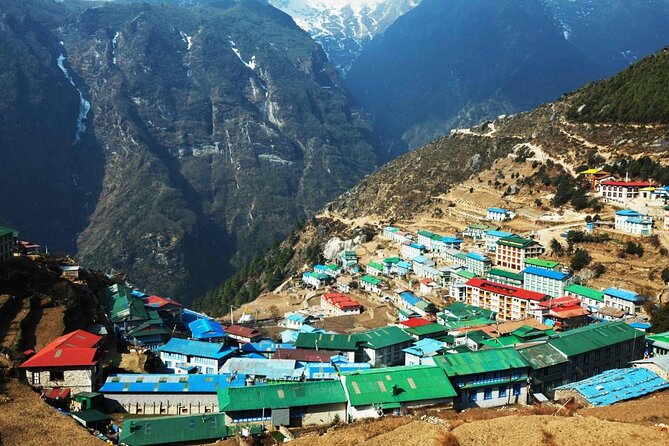
- Namche Bazaar is treated as a gateway stop, with acclimatization built in
- Acclimatization plus monasteries means Tengboche and Khumjung aren’t just scenery stops
- Gorakshep to Everest Base Camp is planned as a full payoff day, not a quick detour
- Kala Patthar timing is set as an early-morning climb so you can chase the clearest views
- Strong support setup: guide, assistant sherpa, and porter service, capped at 26 people
Why Everest Base Camp still feels special on day 1
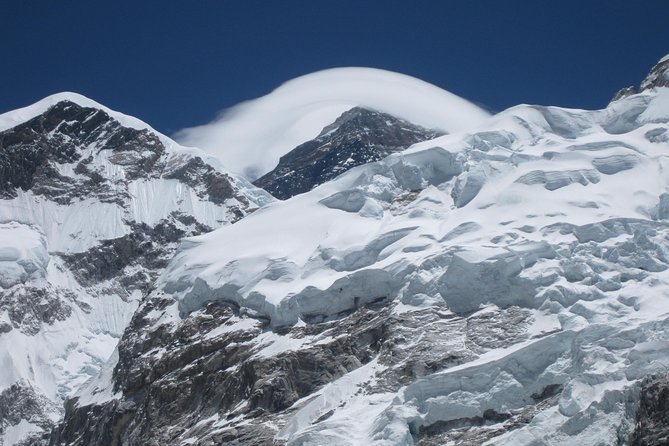
Everest Base Camp trekking is famous for a reason: you walk through a changing world. You start in villages shaped by trade and trekking culture, then you climb into higher-altitude terrain where every day brings different rock, different air, and different weather patterns. The route also passes through Sagarmatha National Park, and that matters because it ties the trek to Nepal’s protected mountain landscape and high-country life.
One reason this itinerary stands out is how it balances effort with sense. You get early valley walking, then you start climbing in stages. You’ll hit key altitude-adaptation days—like the Khumjung and Dingboche stops—before the route pushes deeper toward Lobuche and Gorakshep. That pacing won’t prevent altitude issues, but it gives your body a fighting chance.
You can also read our reviews of more tours and experiences in Kathmandu.
Kathmandu meets the real mountain: start with Lukla
Your trek begins in Kathmandu with a meeting point at Nepal Adventure Team Pvt. Ltd (Amrit Marg 26, Kathmandu). Pickup is offered, and you’ll use a mobile ticket. From there, you fly to Lukla and start hiking to Phakding, staying overnight in a tea/house lodge.
What I like about this first move is that it’s not an immediate grind. Day 1 includes a walk along the Dudhkoshi river, a suspension bridge crossing, and village sightlines where you’ll also see and visit monasteries. It’s the kind of start that helps you adjust mentally: you’re in the mountains, but you’re not yet racing altitude.
A practical note: the Lukla flight is the hinge point for everything. The operator explicitly warns that weather can cause delays or cancellations, even in good seasons. If you can, build flexibility into your overall Nepal plan so a flight hiccup doesn’t wreck your trek rhythm.
Phakding to Namche: bridges, pine forest, and the Tengjing Hillary moment
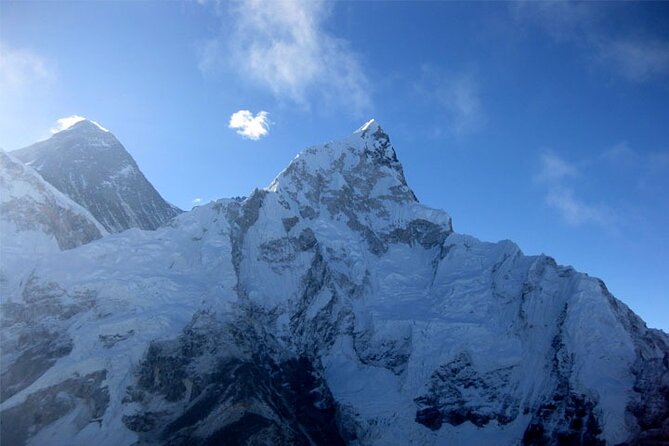
Day 2 climbs from Phakding to Namche Bazaar, the gateway town most people dream about when they picture Everest trekking. The day includes walking through river and pine forest, crossing suspension bridges, and then continuing uphill through Nepal’s “this is getting real” stage.
You’ll cross notable bridges, including the Tengjing Hillary bridge. That’s not just a photo stop—it’s a physical reminder of the route’s character. It’s also a good day to watch how your body reacts on repeated climbs and descents. If you’re feeling strong, you’ll feel encouraged. If not, you’ll learn fast what pace works for you.
Namche itself is the kind of place where trekking stops being only about movement and starts being about choice: food options, hot drinks, resting patterns, and the mental reset before the acclimatization block.
Acclimatization with a purpose: Khumjung and the Khumjung viewpoint
Day 3 is built for acclimatization, not ambition. You hike to Khumjung Village and visit the national park headquarters office, plus you’ll go to an Everest viewpoint.
This matters because Everest trekking is as much altitude management as it is hiking stamina. The itinerary gives you a lighter day with purposeful stops—village visit, park HQ time, and a viewpoint—so you’re not only “slower” but also smarter about why you’re slower.
You’ll also feel a cultural shift here. Khumjung brings you into Sherpa-influenced high-country community life, and the national park stops connect the trek to conservation and official trekking routes.
Tengboche Gompa: pine forest walking and a big monastery day
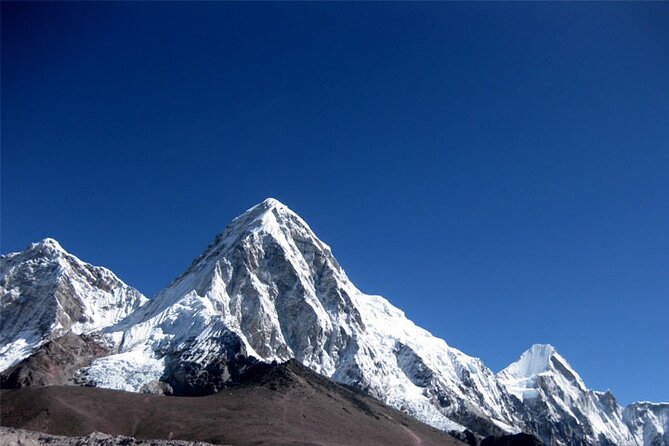
On Day 4 you head to Tengboche Gompa through pine forest, with a chance to see Himalayan Thar and musk deer along the way (wildlife sightings aren’t guaranteed, but the trek is described with those chances). Tengboche is also known for its biggest monastery at that stop, and the itinerary includes the admission.
This is one of those days where the value comes from structure. You’re not just hiking through scenery—you’re moving toward a specific religious and cultural site that also works as a natural checkpoint. The monastery setting often changes the pace of the day: you slow down for atmosphere, prayers, and the simple fact that other people are traveling for the same reason you are.
If you’re the type who likes the blend of physical challenge and spiritual geography, Tengboche is a highlight.
Dingboche and beyond: turning the corner into higher altitude villages
Day 5 moves you toward Pangboche, crossing a river and visiting Pangboche Monastery, then continuing to Dingboche for the night. This is a meaningful transition day: you’re still in community territory, but the route is tightening around the high-country feel.
Day 6 is another acclimatization day in Dingboche, with a hike to Nakarjun Peak. The point of a day like this is not to “win” altitude; it’s to help your body adjust while keeping you moving. You’ll spend time in a region where you start to notice how weather can change quickly, and where rest days become a real part of trekking success.
Day 7 pushes toward Lobuche, crossing Thukla village on the way. This is where the trek starts to feel more exposed. The higher you go, the more every small comfort matters—warm layers, good pacing, and staying consistent with how you eat and drink.
Gorakshep and Everest Base Camp: the day you train for
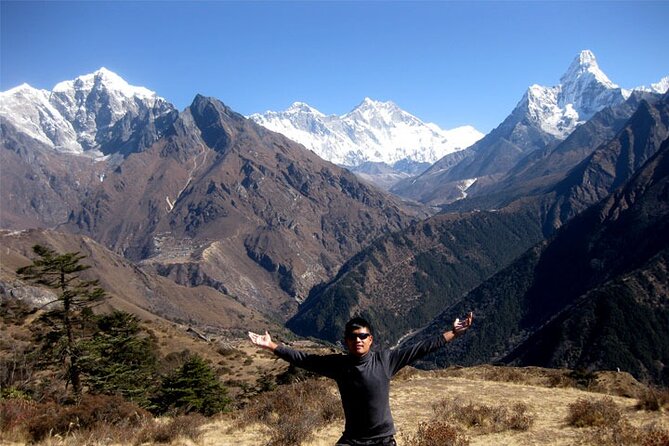
Day 8 is one of the payoff days. You trek to Gorakshep, take lunch, and then visit Everest Base Camp.
This is where you get the classic EBC moment: reaching the area people have circled on maps for years. The itinerary keeps it structured so you don’t arrive stressed and empty. Lunch and then Base Camp time are built in, which helps you enjoy the moment instead of rushing through it.
In practice, your experience here will depend on weather and visibility. On a clear day, you’ll get the views that make Everest trekking famous. On a cloudy day, you’ll still get the sense of being at the center of the world’s highest trek corridor—just with a different mood. Either way, it’s a big psychological milestone.
Kala Patthar early morning: where sunrise plans pay off
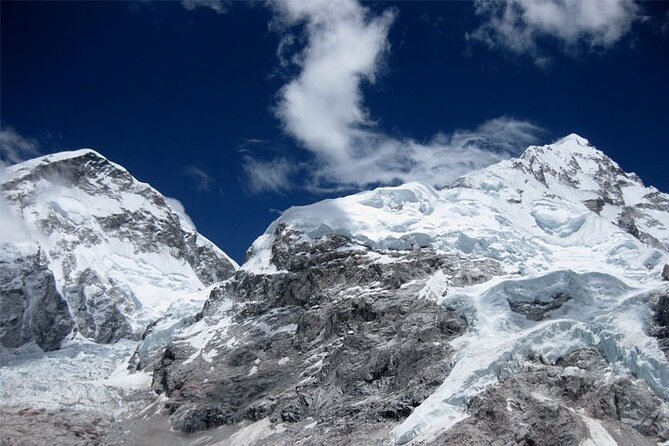
Day 9 is timed for the early-morning climb to Kala Patthar, followed by a trek back to Pheriche.
Kala Patthar is famous for a reason: it’s a strong viewpoint move at the right time of day. The itinerary’s early start matters because the mountain’s visibility often changes fast. Even if you don’t catch perfect skies, you still get a serious accomplishment day—one that mixes effort, cold air, and a payoff that feels earned.
After Kala Patthar, the return toward Pheriche brings a different emotional note. You’re not “pushing to another summit” in the same way—you’re shifting into recovery and reflection mode. It’s also a reminder that Everest trekking is a loop: the comeback legs matter.
The return: Namche and Lukla again, with your legs wiser
Days 10 and 11 bring you back down through Namche Bazaar and then to Lukla. Day 10 is another long trek back to Namche. Day 11 continues the journey down to Lukla.
This part is deceptively tricky. You might assume the return is easier, and sometimes it is, but downhill fatigue can hit hard. Your muscles also tend to get more sore when you’ve already spent days adapting to altitude. The best approach is usually controlled pace: don’t speed just because the view is familiar now.
If you kept a steady rhythm earlier, the return days become easier to manage. If you pushed too hard on the ascent days, the descent can turn into a slow test of endurance.
Back to Kathmandu: final miles and final departure
Day 12 is the move back to Kathmandu, and Day 13 is your final departure. The itinerary keeps the end simple: you return to the meeting point where the trek began.
This is the moment to plan how you’ll recover. You’ll feel the physical effort for a while—especially if you’re coming down from the cold high-country. It also helps to keep your Kathmandu time calm, because your body needs to reset after days of altitude and hiking.
Price and value: what $1,697.37 really buys you
At $1,697.37 per person, the value here isn’t just the trekking “brand name.” It’s the package structure: guided, supported, and largely meal-covered.
Here’s what you get that reduces risk and hassle:
- Fully licensed trekking guide plus assistant sherpa
- Porter service at 1 for 2 trekkers
- TIMS card and trekking route maps
- A first aid medical kit
- All government and local taxes
- Meals included for the trek: 12 breakfasts, 11 lunches, and 12 dinners
- NAT t-shirt and a certificate of appreciation
- Staff expenses handled (including flights, salary, equipment, and insurance)
You also have an option for comfort gear: the trek may provide a sleeping bag, down jacket, and duffel bag if you need them, with return required.
What you should plan to pay for separately:
- Travel and rescue insurance
- Tips to guide and porters
- Extra drinks (alcoholic and non-alcoholic)
My practical take: for Everest Base Camp, the “real cost” is often hidden in logistics—who carries gear, who navigates, and who covers the safety basics. This package is built around those essentials. If you already know how to organize a trek yourself, you might find cheaper options. If you want a handled expedition with clear support roles, this pricing can make a lot of sense.
The support team: licensed guides, sherpa help, and real coordination
The trip is designed around a team approach: a qualified leader, an assistant sherpa, and a porter service. In the feedback you shared, a guide named Jeeban comes up more than once, and a local helper named Sizon is also mentioned for support and organization.
That kind of naming matters because it’s not anonymous. It suggests continuity in how the company operates, with actual people responsible for your day-to-day flow—what time you move, how you get through villages, and how gear logistics work.
Also, keep in mind the safety rule: your leader has authority to amend or cancel parts of the itinerary if needed for safety. That’s not a loophole; it’s a reality of mountain travel, where weather and health can change the plan.
Who this trek fits best (and what to think about first)
This trek is described as suitable for travelers with moderate physical fitness. That doesn’t mean it’s easy. It means the plan is paced so you can complete the route with steady work, assuming you’re honest about your fitness and you follow the day-by-day structure.
It also has a maximum group size of 26 travelers, which is a manageable number for a trek of this type. Smaller groups usually mean less crowding at viewpoints and more room for the guide to manage pacing.
Who it suits:
- You want a classic Everest Base Camp itinerary without figuring out every detail yourself
- You prefer guided planning plus porter support (especially if you’d rather travel lighter)
- You like cultural stops such as monasteries and park headquarters time
Who should think twice:
- You hate uncertainty around flights, since Lukla operations can be affected by weather
- You’re not ready for the fact that acclimatization days exist because altitude is serious
Should you book this Everest Base Camp trek?
If you want a structured, guided route with clear support roles, included meals, and a plan that respects acclimatization, this one is a strong candidate. The price looks more reasonable when you count the basics that matter on Everest treks: guide and assistant sherpa coverage, porter support, TIMS, route maps, first aid supplies, and a large chunk of meals.
I’d book it if you can add a buffer for Lukla flight delays and you’re comfortable with the idea that the leader might adjust the schedule for safety. I’d hesitate if your whole trip depends on a perfectly timed flight into and out of Lukla with no flexibility at all.
FAQ
FAQ
How many days is the Everest Base Camp trekking package?
The trek is listed as 13 days (approx.).
Where does the trek start and end?
It starts at Nepal Adventure Team Pvt. Ltd in Kathmandu, and it ends back at the meeting point.
Is pickup included?
Pickup is offered.
What is included in the tour price?
Included items cover the fully licensed trekking guide and assistant sherpa, porter service (1 for 2 trekkers), staff expenses (including flights, salary, equipment, and insurance), TIMS card, optional gear supply (sleeping bag, down jacket, duffel bag), trekking route maps, NAT t-shirt and certificate, first aid medical kit, government and local taxes, and meals (breakfast 12, lunch 11, dinner 12).
What is not included?
Travel and rescue insurance, tips to guide & porters, and extra drinks (alcoholic and non-alcoholic) are not included.
Are entrance fees included for monastery visits?
Tengboche Gompa admission is listed as included. Other days in the itinerary list admission tickets as free.
What should I plan for if the Lukla flight is delayed or canceled?
The operator notes it is likely flights can be delayed or canceled due to bad weather, so it’s advised to have a day or two extra in your plan.
Can I get a full refund if I cancel?
The policy states free cancellation is available up to 24 hours in advance for a full refund. If you cancel less than 24 hours before the start time, the amount paid is not refunded.