REVIEW · POKHARA
Nepal: Time For Easy Annapurna Base Camp Trek
Book on GetYourGuide →Operated by Travel Guides · Bookable on GetYourGuide
Five days to stare at Annapurna. This shorter Annapurna Base Camp trip is interesting because it blends Himalayan views with real village life, rhododendron forests, and a steady guiding hand. I especially like that you get an English-speaking guide plus first aid, permits, and trekking-side lodging included. One thing to keep in mind: calling it easy can be misleading, because a 5-day ABC plan can still feel very strenuous at times, especially if you’re not in strong shape or you’re prone to vertigo.
In practice, the people running this trek seem to focus on support, not just getting you to the next stop. Guides such as Sagar and Arjun come across as attentive and safety-minded, with a pace that uses well-timed breaks so you don’t feel like you’re sprinting uphill. You can also get helpful pre-trek communication (often via WhatsApp), and the porter support (like Ganesh) can make a big difference if you’re carrying more than you should.
For logistics, you get a pickup from your Pokhara hotel and a private group setup, with guide language options including Japanese, English, and Chinese. That said, the route climbs high enough that you should take acclimatization and hydration seriously, even on a short schedule.
In This Review
- Key things I’d actually plan around
- The “easy” part: how this ABC trek really feels
- Day-by-day: what the route gives you (and what to watch for)
- Day 1: Pokhara to Jhinu, then to Lower Sinuwa
- Day 2: Lower Sinuwa to Deurali (the altitude starts to speak)
- Day 3: Deurali to Annapurna Base Camp via Machhapuchhre Base Camp
- Day 4: Explore Base Camp, then trek to Bamboo
- Day 5: Bamboo to Jhinu, then drive back to Pokhara (hot spring stop)
- Price and value: where the $180 goes
- Your guide and pace: why the human part matters on ABC
- Transfers, pickup, and how to make the start painless
- Packing: cold nights, steep walking, and what Nepal asks for
- Rules of the trail (small stuff that prevents big friction)
- Who this trek is for (and who should skip the 5-day version)
- Should you book this 5-day Annapurna Base Camp trek?
- FAQ
- How long is the Annapurna Base Camp trek?
- What’s included in the $180 price?
- Are meals included?
- Is a porter available?
- What languages can the guide speak?
- Is pickup from my Pokhara hotel included?
- Can I cancel and pay later?
Key things I’d actually plan around
- 5 days means a compressed pace, so fitness and altitude awareness matter more than you might expect
- English-speaking guidance and first aid help you stay comfortable and safe on the trail
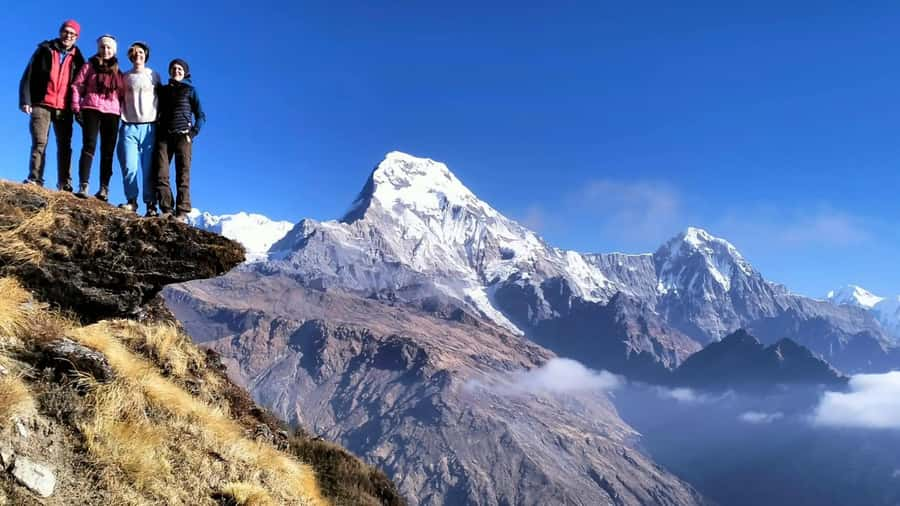
- Iconic peak views are a big draw, including Annapurna I and South plus Fishtail (Machhapuchhre)
- Rhododendron forests, villages, and rocky sections keep the walking varied day to day
- Optional porter is available if you want to travel lighter without changing the route
The “easy” part: how this ABC trek really feels
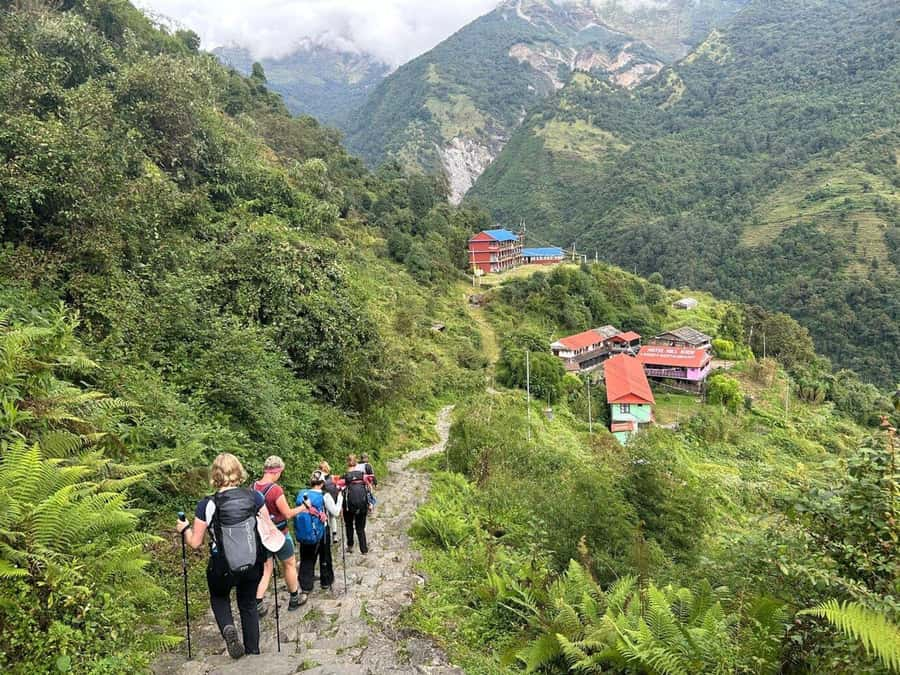
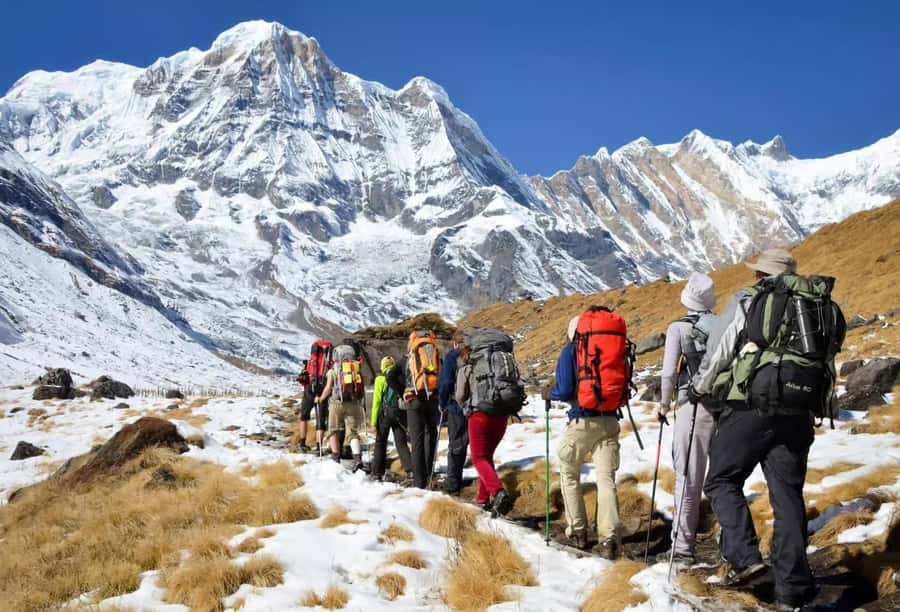
The Annapurna Base Camp trek is famous for a reason: you go from everyday village footpaths into a high-altitude world where the peaks get closer each day. This version keeps the total time tight at 5 days, which is great if you’re short on vacation time and you want the highlights without a longer commitment.
But here’s the honest catch. Some ABC itineraries run 7 to 10 days, giving you more time to spread out climbing and recover. A 5-day approach can compress hiking distances and elevation changes, so you may feel extra strain even if the route is labeled easy. If you have vertigo, you’ll want to think carefully about your comfort on steep, uneven sections.
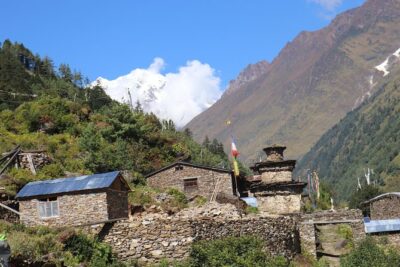
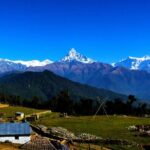
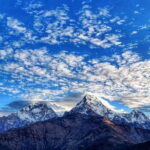
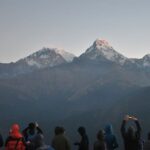
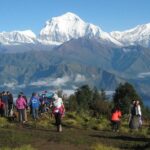
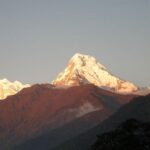
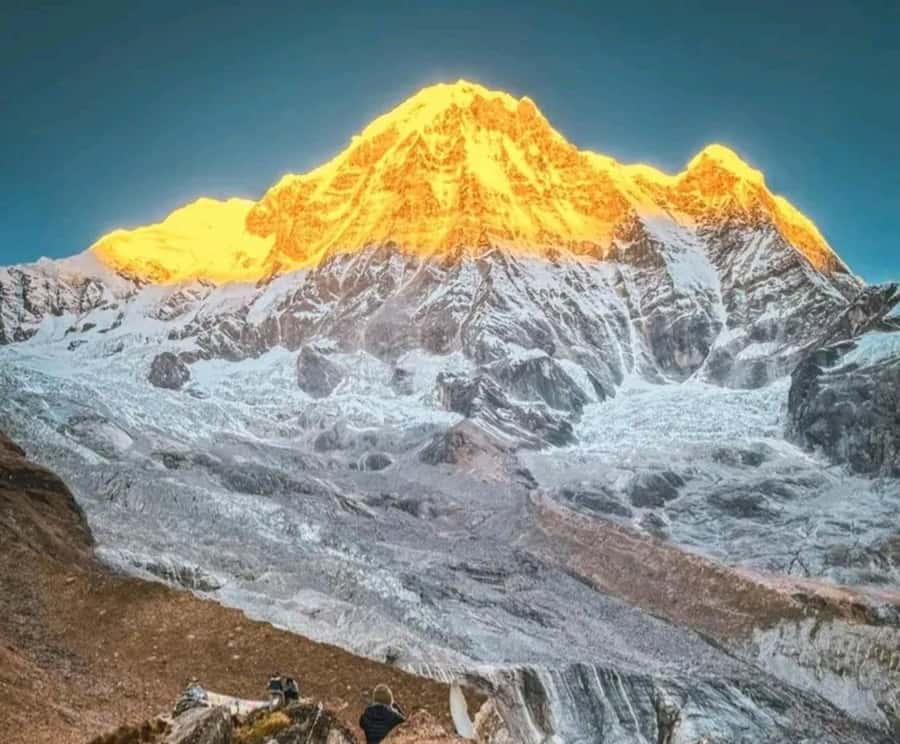
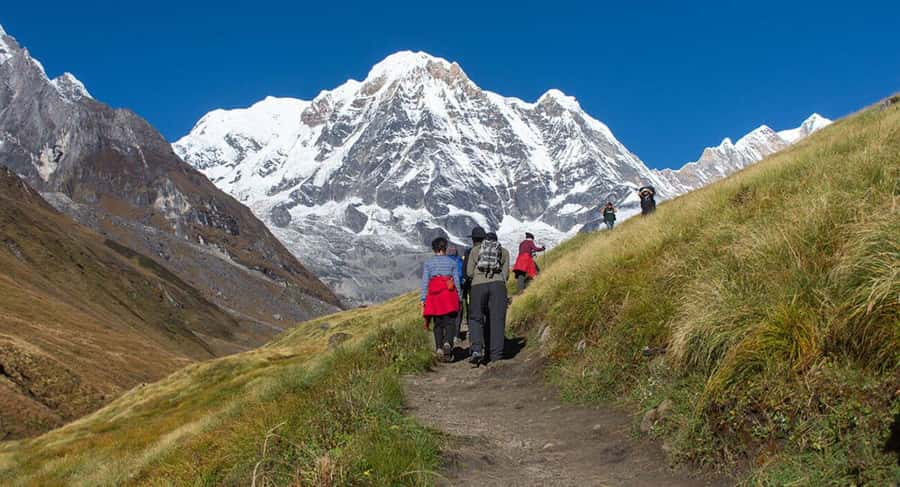
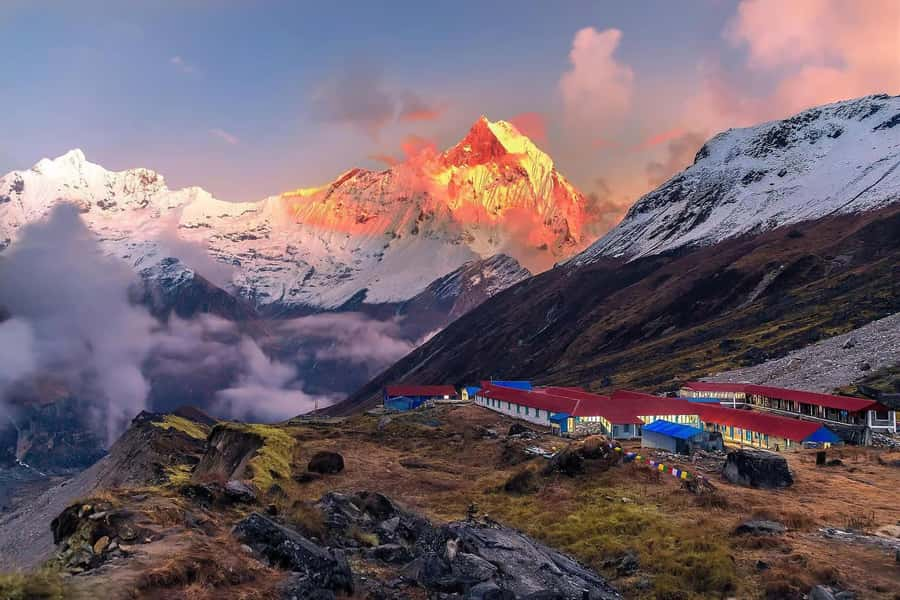
The payoff is big when you handle it well. You’re not just walking for exercise—you’re walking toward a view payoff that’s hard to fake: Annapurna I and Annapurna South, Hiunchuli, and the sculpted silhouette of Machhapuchhre (Fishtail), plus Dhaulagiri showing up in the wider mountain panorama.
You can also read our reviews of more tours and experiences in Pokhara.
Day-by-day: what the route gives you (and what to watch for)
Day 1: Pokhara to Jhinu, then to Lower Sinuwa
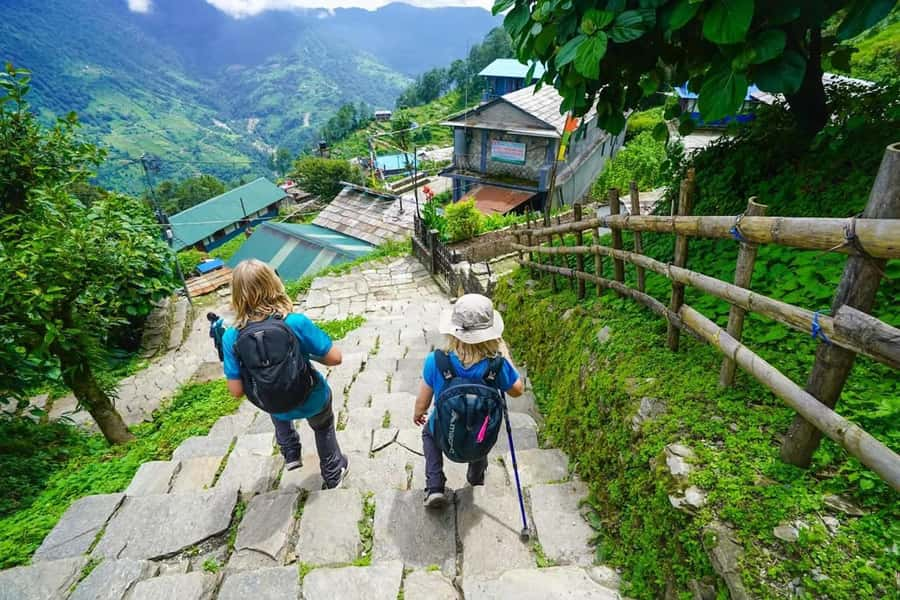
You start with a transfer from Pokhara into the trekking area, then begin walking toward Jhinu and continue up to Lower Sinuwa at about 2,300 meters. Expect roughly 5 hours of hiking.
Why this start works: it gets you moving without immediately throwing you into the highest elevations. You’re also transitioning from city logistics into trail rhythm—boots on, backpack adjusted, and a warm-up for your legs.
What to watch for: the first day still involves climbing, and if you push too hard to feel accomplished early, you’ll pay for it later. Keep your effort smooth. You want to arrive tired-but-happy, not cooked.
Day 2: Lower Sinuwa to Deurali (the altitude starts to speak)
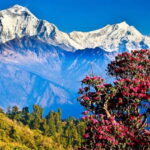
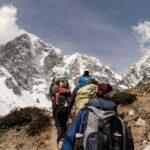
Today climbs to around 3,200 meters with about 6 hours of trekking. The terrain you’ll encounter often includes forested stretches—this is where rhododendron country tends to show up—along with sections that feel rockier as you gain height.
What makes this day special: the walk gets more dramatic. You’ll feel the thinning air, and the mountain views start to become more consistent rather than occasional. It’s also one of the days where a guide’s pacing matters a lot. A thoughtful guide tends to set breaks so you can keep walking without overexerting.
A possible drawback: altitude. The trek notes say acclimatization is crucial, and that’s your cue to treat this day seriously. Hydrate, move at a steady pace, and tell your guide early if you start to feel off.
Day 3: Deurali to Annapurna Base Camp via Machhapuchhre Base Camp
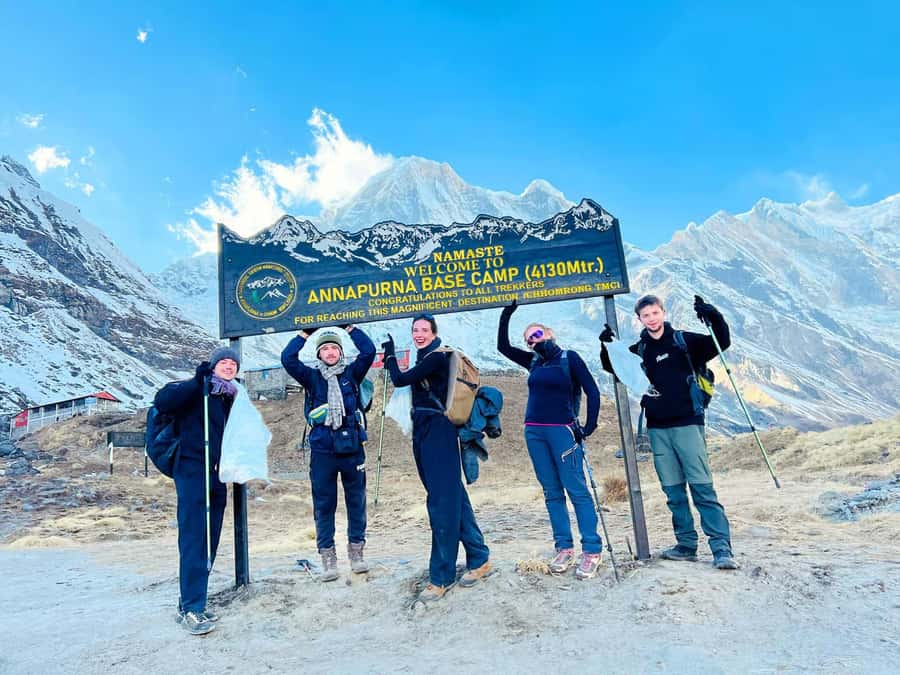
This is the main event day. You climb to about 4,130 meters and spend around 4 hours trekking. The route runs via Machhapuchhre Base Camp, which is a key part of why the day feels so scenic—Fishtail’s presence becomes a lot more than just a name on a map.
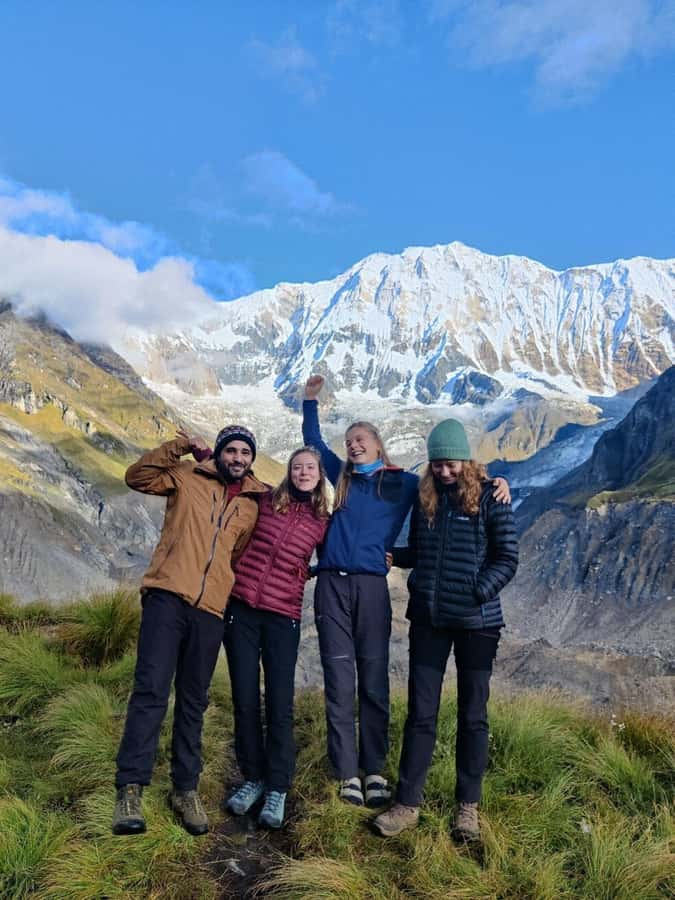
Why it’s worth the effort: Annapurna Base Camp is where the Annapurna range feels real and close. You’re aiming for crisp air, a sense of achievement, and the kind of peak-to-peak views that keep you looking up even when your legs are asking for mercy.
The big consideration: “short” doesn’t mean “easy.” Even with a tight schedule, you’re reaching high altitude fast enough that symptoms can show up. The trek is not suitable for people with altitude sickness, and you should take that seriously. If you or your group has any history of altitude problems, plan carefully.
Day 4: Explore Base Camp, then trek to Bamboo
Day 4 drops down to about 2,400 meters and takes roughly 6 hours, starting with time at Annapurna Base Camp before heading toward Bamboo. This is a useful day because you get both the big moment (being at the base camp) and the practical recovery of descending.
Why this day matters: you’re not just chasing altitude. You’re spending time in the high zone long enough to actually enjoy what you came for, then you’re giving your body a route toward easier breathing.
What can trip you up: descending can still feel hard on your knees and feet. Go slower than you think you need to, especially when the trail gets rocky or uneven.
Day 5: Bamboo to Jhinu, then drive back to Pokhara (hot spring stop)
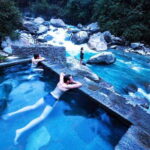
The final day combines trekking and a return transfer. You hike from Bamboo down to Jhinu, then you drive back to Pokhara with a hot spring stop along the way. Total time is about 6 hours, with Jhinu at around 822 meters altitude.
Why it’s a great finish: hot springs are the kind of payoff you don’t plan your legs for—you just survive until you get there. It’s a simple way to loosen up after the high-altitude days.
One last thing to plan for: final-day descents can feel long, even when they are shorter on paper. Keep moving steadily and save energy for the ride back.
Price and value: where the $180 goes
The listed price is $180 per person, and that matters because it includes several costly basics that backpack-style treks sometimes make you piece together yourself. Your price includes first aid, an English-speaking trekking guide, all permits and fees, and hotel rooms during the trekking period (so you’re not scrambling each night). You also get a sharing vehicle for drop-off and pick-up.
That’s the value angle. You’re paying for coordination, not just a walking route.
What you should budget beyond that:
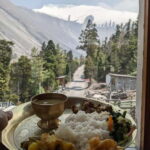
- Meals are not included, though they’re available for purchase. Typical options you’ll see include dal bhat, noodles, rice dishes, and soups.
- Porter is optional at $25 per day. If your pack is heavy, this can be the difference between enjoying the trail and just trying to survive it.
- There are personal expenses, and since you’ll want flexibility, bring cash.
If you want the cleanest cost comparison, think about total time off work too. A 5-day plan costs more per hiking day than a longer trek might, but it can also protect your schedule. For the right fitness level, it’s good value.
Your guide and pace: why the human part matters on ABC
This trek runs as a private group, and that changes the whole feel. Instead of getting stuck in a pacing mismatch with strangers, you can usually walk at a more consistent rhythm. The guide team includes English-speaking trekking guidance, and the live guide can also support Japanese, English, or Chinese.
What I like most is the support style described with actual names. Guides like Sagar and Arjun are described as thoughtful and safety-minded—checking in on how you’re doing, making time for answers, and arranging accommodation that works. There’s also a note that guides will take photos, which is a small but real service when you’re tired and your hands are shaky around your camera.
On the trail, the biggest practical benefit is pacing with well-timed breaks. ABC is the kind of walk where you can overspend effort early and then spend the rest of the trek paying for it. A good guide helps you avoid that.
Transfers, pickup, and how to make the start painless
You’ll get pickup included. The plan says you should wait up to about 10 minutes at your hotel lobby while your guide comes for you. From there, you’ll be transferred for the start of the walking route.
This is worth paying attention to because Pokhara logistics can eat time fast if you show up late or underprepared. The earlier you confirm pickup details with your guide, the easier your Day 1 will feel.
Packing: cold nights, steep walking, and what Nepal asks for
The trek’s guidance includes a clear packing list. You’ll want:
- Passport or ID card
- Hat and a headscarf
- Jacket and comfortable, breathable clothing
- Cash (for meals and personal expenses)
- A credit card is listed, but cash is the key for everyday purchases
- A few basics you can adjust by layers, since temperatures can vary a lot
Temperatures at altitude can get quite cold. The trek notes say you should be prepared for hot and cold conditions. That usually means you’ll want one warmer top layer and something that helps with wind, even if Pokhara feels mild when you start.
Rules of the trail (small stuff that prevents big friction)
This trek has straightforward rules: no weapons or sharp objects, no oversize luggage, and no alcohol or drugs. Nudity is also not allowed.
Cultural etiquette also matters. The guidance asks you to dress modestly and to be mindful when taking photos of people—always ask before photographing someone. It’s the kind of small courtesy that keeps your experience smooth and respectful in village areas.
Who this trek is for (and who should skip the 5-day version)
This route is described as suitable for trekkers of all levels of experience, but the real-world note is that the 5-day format can be strenuous in parts. So treat it like this:
You’ll likely be a good fit if:
- You can handle sustained uphill walking
- You’re comfortable with altitude being part of the challenge
- You want the ABC highlights without a longer 7 to 10-day commitment
You should think twice or choose another option if:
- You have altitude sickness or you’re prone to it (the trek is not suitable for altitude sickness)
- You have vertigo, since steep and uneven walking can be a factor
- You fall outside the age guidance: not suitable for babies under 1 year and people over 95 years
Should you book this 5-day Annapurna Base Camp trek?
Book it if you want a high-value, guided ABC experience in a short time window, and you can commit to training and altitude awareness. The included permits, first aid, guide support, and lodging make it feel organized and low-stress compared to DIY plans.
Don’t book it if you’re expecting a gentle stroll. The “easy” label can underestimate how intense a compressed schedule can feel at altitude. If you’re not sure you can handle it, consider a longer trek so your body has more time to adjust. Your legs and your breathing will thank you.
FAQ
How long is the Annapurna Base Camp trek?
It’s scheduled for 5 days, with check-availability for starting times.
What’s included in the $180 price?
Included items are first aid, an English-speaking trekking guide, all permits and fees, hotel rooms during the trekking period (when available), and a sharing vehicle for drop-off and pick-up.
Are meals included?
No. All meals are available on purchase.
Is a porter available?
A porter is optional at $25 per day.
What languages can the guide speak?
The live tour guide languages listed are Japanese, English, and Chinese.
Is pickup from my Pokhara hotel included?
Yes. Pickup is included, and you should wait up to 10 minutes at the hotel lobby for the guide.
Can I cancel and pay later?
You can cancel up to 24 hours in advance for a full refund, and you can reserve now and pay later (book your spot and pay nothing today).