REVIEW · NEW DELHI
Dalai Lama Himalayan Trek
Book on Viator →Operated by Manu Adventures India · Bookable on Viator
A Himalayan trek with temple stops and train time is a rare mix. This 11-day route threads together Delhi’s landmark sights, the Dalai Lama’s exiled home in the foothills, and a real climb up toward snowy mountain views—plus a classic wrap-up at the Taj Mahal. What I like most is how the trip balances big cultural contrast with a slow, human-scale trek through villages.
I also love the way camping is handled. You trek with donkeys carrying your gear, then camp near clear springs under starry skies, with food and tent comfort built into the experience.
One thing to consider: this is not a casual walk. The trek is described as physically demanding, and the schedule includes multiple trekking days with steep, rocky sections near Triund—so you’ll want strong fitness and a willingness to go cold at night.
In This Review
- Key points worth clocking
- What This Trek Is Really About: Spirit, Steps, and Big Views
- Price and Value: What You’re Paying For (and Why It Adds Up)
- Delhi Arrival Day: Temples, Tea, and Getting Oriented Fast
- Akshardham and India Gate: Two Ways to See Delhi’s Religion and Scale
- The Train Interlude to Dharamsala Foothills
- Kareri to the First Trek Rhythm: Donkeys Do the Heavy Lifting
- Naddi View Point Day: Village Walks and Mountain Air
- Triund Hill Build-Up: Rhododendrons, Bridges, and Magic View
- The First Real Big-Peak Moment on Triund Hill
- Descending to McLeod Ganj: Shower, Rest, and Tibetan-Style Night
- Cable Car, Tea Plantation, and Cricket Stadium in Dharamsala
- Taj Mahal Day: A Grand Finish to a Trek Story
- Who This Tour Suits Best (and Who Should Be Careful)
- The Missing Piece You Should Plan For: Your Gear Mindset
- Should You Book the Dalai Lama Himalayan Trek?
- FAQ
- How long is the Dalai Lama Himalayan Trek?
- Where does the trip start, and what time do you meet?
- Is airport pickup included?
- What’s the maximum group size?
- What meals are included?
- Are admission tickets included?
- Do I need to be physically fit?
- What happens to my luggage during the trekking days?
- Is the price refundable if plans change?
Key points worth clocking
- Donkey-powered logistics mean you carry only day-bag essentials while equipment moves camp to camp
- Triund Hill views are the emotional payoff, with a first sight of huge peaks that can feel almost unreal
- Camping comfort is not hand-wavy: expect warm tents, comfy mattresses, and fleece-lined sleeping bags
- Delhi with a spiritual spine includes Akshardham and the Hanuman Monkey Temple area, not just the obvious monuments
- Tibetan-style evening in the Dharamsala/McLeod Ganj region adds a calm cultural rhythm after the climb
- Taj Mahal at the end makes the whole trip feel like a story with a clear finish line
What This Trek Is Really About: Spirit, Steps, and Big Views
The Dalai Lama Himalayan Trek is the kind of itinerary that works when you like contrasts. You start in New Delhi with temples and busy streets, then you shift into cooler foothills where Tibetan culture is part of everyday life. After that comes the part most people remember for years: walking up through rural areas toward snowy mountain scenes, sleeping outdoors, and waking to that thin, crisp air where your brain finally quiets down.
The best part is that the climb doesn’t feel tacked onto a sightseeing tour. Trekking runs for multiple days, with village life along the way—kids around paths, families tending animals, and you moving at a steady pace with the group and camp setup doing the heavy lifting. Then, once you’ve earned those mountain views, the trip finishes with the Taj Mahal, so you get both spiritual grounding and a major visual finale.
For many people, the “spirit” here isn’t just poetic wording. It’s built into the places you visit: the route includes the Dalai Lama’s exiled home and temple in the Himalaya foothills, and it keeps religion and daily life in the same frame rather than treating them as separate boxes.
You can also read our reviews of more tours and experiences in New Delhi.
Price and Value: What You’re Paying For (and Why It Adds Up)
At $1,463.90 per person for about 11 days, this isn’t a budget trek. But look at what’s folded into the package:
- Train tickets are included, which can be a big chunk of cost and planning work in India
- You get air-conditioned vehicle transfers where the route needs them
- Meals are included across most days: 11 dinners, 10 breakfasts, and 5 lunches
- Trek support is included: camp structure and the “we’ll move the big stuff for you” system using donkeys
In other words, you’re paying for convenience plus reduced decision fatigue. On a trek like this, the annoying parts—gear handling, camp-to-camp logistics, and meal planning—are often what turn excitement into stress. The trip’s setup aims to keep the trek experience focused on walking and seeing, not managing the entire operation yourself.
One more value point: group size. It caps at 35 travelers, which usually means you get a real team feel rather than a chaotic herd. And based on the feedback, the host team’s support is a major reason people say they’d do it again.
Delhi Arrival Day: Temples, Tea, and Getting Oriented Fast
Day one is designed to reduce jet lag friction. You arrive at Indira Gandhi International Airport, meet the group, and transfer to your hotel so you can reset. After that, the plan nudges you toward an easy first taste of Delhi spirituality with the Monkey Temple of Hanuman nearby.
What’s clever here is the starting pace. You’re not thrown into a 10-stop day. You get time to freshen up, then you head out in the same general area so your first Delhi impression isn’t just traffic and confusion.
Also included is a stop at the TWG Tea Boutique at the airport. It’s not life-changing, but it’s a practical touch: a comfortable airport-side buffer that can make travel days smoother. If you’re sensitive to spicy food or you want something warm before a long day, you’ll appreciate that flexibility.
Akshardham and India Gate: Two Ways to See Delhi’s Religion and Scale
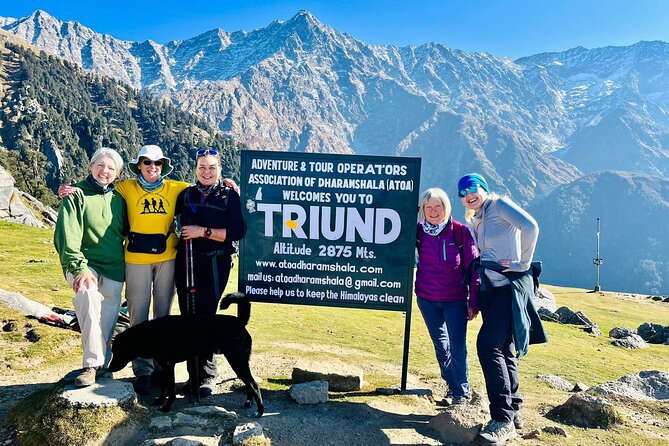
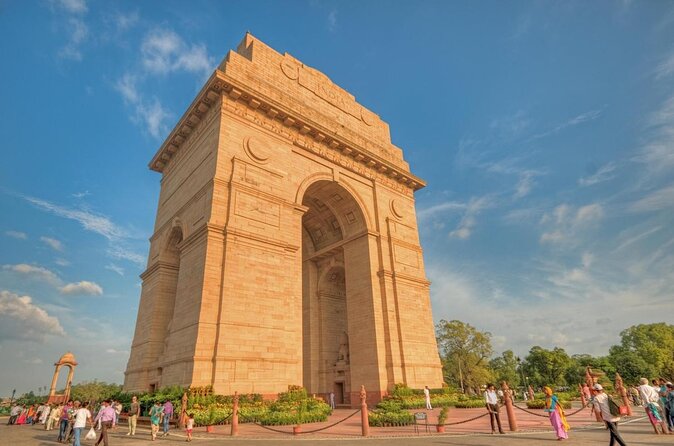
After your first orientation, you move into a more structured Delhi day. India Gate anchors the city’s monumental side—wide avenues, big scale, and that “this place is designed to impress” feeling.
Then comes Akshardham Temple, where the vibe shifts to light, detail, and polished spectacle. The description highlights how everything glitters with silver and gems. That matters because it changes what you’re looking at: instead of only moving past landmarks, you slow down and take in the visual language of devotion.
There’s also a theme of being slightly off the standard tourist track. It may still be popular, but it isn’t just the one-photo-only route. If you like architecture that feels intentional—where materials, colors, and symmetry do the storytelling—you’ll likely enjoy this stop more than you expect.
The Train Interlude to Dharamsala Foothills
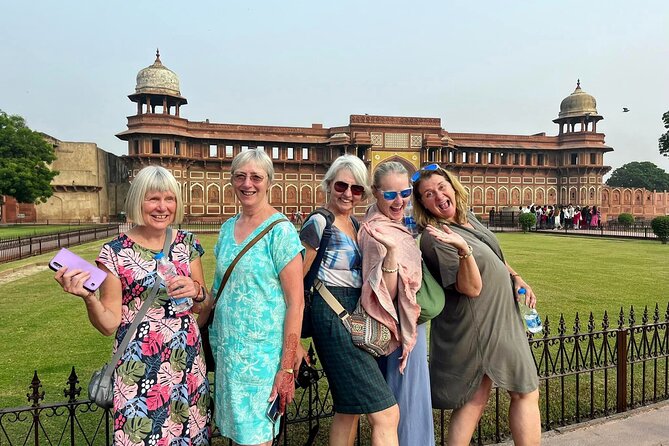
A big part of why this trip feels special is how it uses travel time as part of the journey. You don’t just hop between cities; you build in a genuine overnight train segment. And when you’re moving into the Himalayan region, that transition matters. It helps you mentally shift from Delhi’s heat and pace into cooler air and a different cultural rhythm.
On the way in, you arrive at Pathankot station, then you get breakfast at a lovely open-air restaurant before continuing to Dharamsala. That’s a smart setup. It’s one of those small logistics choices that can make the difference between arriving cranky and arriving ready to explore.
Once you check into your hotel in the hills, you get time to wander. And you also have a key cultural stop in the region: the exiled home and temple of the Dalai Lama. If you’re drawn to spirituality, this part of the trip is likely to feel more grounded than sightseeing alone. It’s a living center where religious tradition and modern exile history sit side by side.
Kareri to the First Trek Rhythm: Donkeys Do the Heavy Lifting
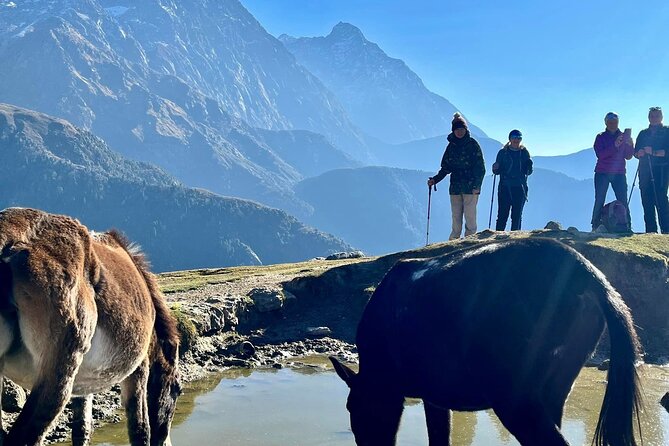
The trekking days start with a practical lesson in how Himalayan treks can work when they’re set up thoughtfully.
In the Kareri area, you greet the team and the donkeys. Here’s the real benefit: those donkeys carry your belongings, tents, and camp equipment from camp to camp. You start trekking with just your day bags. That means you can enjoy the path instead of playing survival Tetris with a heavy load.
You’re also moving into a world where the trail is not a paved attraction. The description emphasizes donkey tracks and ramshackle village life. That’s where your experience becomes more human—children giggling along the way, families managing animals, and quieter moments where the day feels slow even when you’re walking.
A possible tradeoff: the more rustic the trail and camp setup, the more you’ll want to keep your expectations realistic. Comfortable camping is included, but it’s still camping.
Naddi View Point Day: Village Walks and Mountain Air
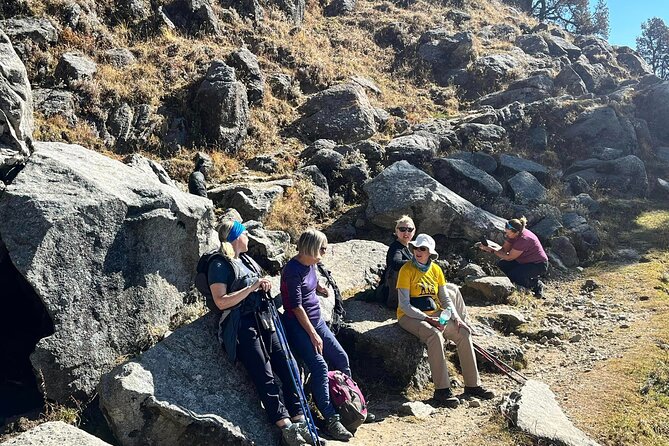
Once you’re out there, the trek rhythm becomes the main event. On the Naddi View Point day, you’re described walking through rustic villages where families live and tend to animals. That’s important: you’re not only chasing scenery; you’re seeing how people actually make life work near the mountains.
The trek is described as gently undulating, which usually means it’s a good day to find your stride. And food still shows up as a highlight. The trip notes how the tent meals can be surprisingly good. That matters on a trek because good meals aren’t a luxury—they’re fuel and morale.
You’ll also likely notice how quickly the air changes with elevation. Even without exact altitude figures, the descriptions of snowy Himalayan views later give you a clue: you’re moving steadily into cooler conditions.
Triund Hill Build-Up: Rhododendrons, Bridges, and Magic View
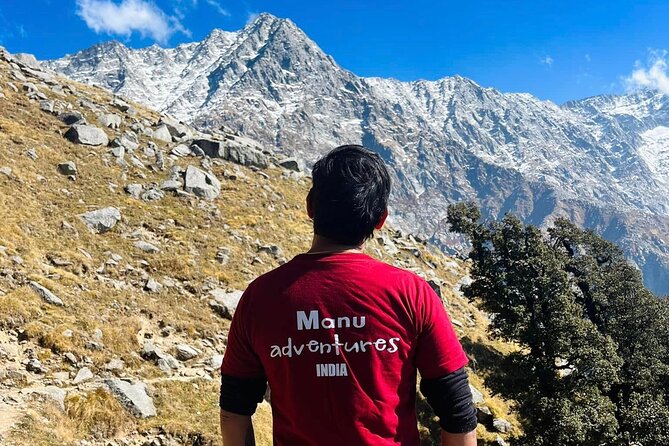
One of the best early trekking days is the run toward Triund Hill, with a stop at Manu Adventures Camp at Triund Hill and earlier passes through a rhododendron forest. Crossing little bridges and walking under rhododendron cover can break up the monotony for your legs.
A named stop is included around the Magic View tea shop. It’s called that for a reason: you’re likely to get that clear sense that you’re climbing toward something big. Tea breaks also help with pacing. You don’t just push forward; you stop, warm up, and let your body catch up.
From a value standpoint, it’s smart that these small stops are included. When trekking in a region like this, buying food and finding reliable timing can turn into a distraction. Here, breaks and meals keep the day’s focus where it belongs: your walk and the changing views.
The First Real Big-Peak Moment on Triund Hill
The Triund Hill day is where the trek shifts from effort to awe.
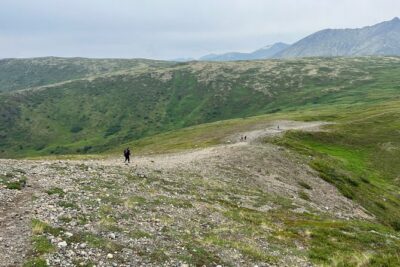
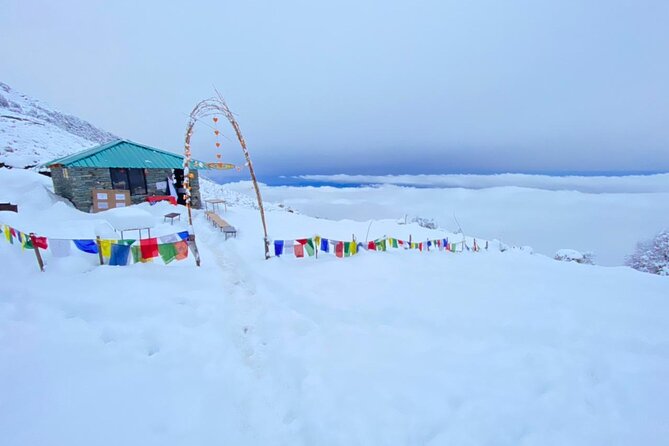
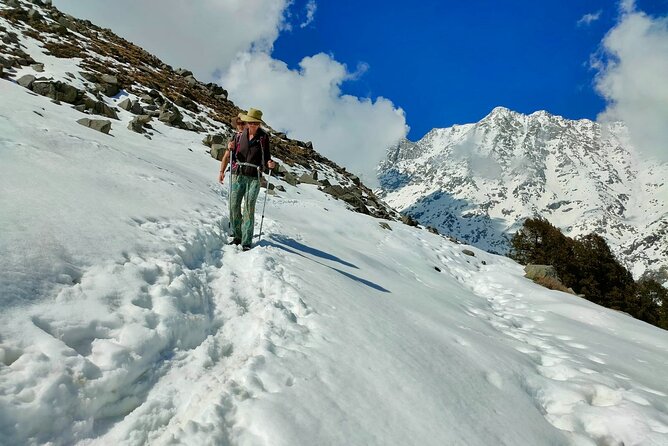
The route includes steep and rocky sections in places, and that’s not sugarcoated. You should be ready for uneven footing and short bursts of hard work. But the payoff is described as your first sight of huge peaks that dwarf you. That moment—when scale hits you—is often what people remember long after the details fade.
There’s also something atmospheric described on this day: eerie silence around snowy views. Whether you love quiet or not, silence like that makes you listen differently. It’s harder to feel distracted, harder to rush, easier to appreciate how small you are in the system of mountains and weather.
If you’re prone to overplanning, this is the day to try something different: focus on one step at a time. Save the photo frenzy for when you crest or pause. You’ll actually see more.
Descending to McLeod Ganj: Shower, Rest, and Tibetan-Style Night
After the hardest part, the itinerary gives you a recovery arc instead of forcing you into another grinding climb.
From Triund Hill, you descend back toward the Dharamsala/McLeod Ganj area. The schedule notes you can go at your own pace, and that flexibility is valuable when your legs are tired. You arrive back, and then the plan includes a well-deserved shower and rest.
That shower matters more than it sounds. On treks like this, you spend days in cold air, dust, and layers. Getting clean and warm resets both your body and your mood.
That evening includes Tibetan-style dining. This is a nice cultural rhythm: after big outdoor effort, you switch into a slower, more communal feel. It’s the kind of contrast that keeps the trip from feeling like one long physical task.
Cable Car, Tea Plantation, and Cricket Stadium in Dharamsala
Next, you move through Dharamsala with a mix of local flavor and a couple of easy-to-understand highlights.
You take a brand-new cable car from McLeod Ganj to Dharamshala. Cable cars can be touristy in some places, but here it also functions as recovery. It gets you back into city mode without turning your day into more walking.
Then you visit a tea plantation and the world-famous cricket stadium. Those two stops create a neat balance: agriculture and modern sports culture. If you’re curious how a place feels beyond its spiritual reputation, this portion helps.
In the evening, you transfer to the Pathankot railway station. It’s part of the long-distance travel sequence that sets you up for the Taj Mahal day later.
Taj Mahal Day: A Grand Finish to a Trek Story
Then comes the finale: Taj Mahal.
The description frames it as a symbol of love eternal with heavy history and lasting beauty. Even if you’ve seen photos for years, being there is another level. The best way to enjoy Taj Mahal day is to treat it like the final chapter, not like an extra box-check.
The trip also includes a celebration meal near the Taj Mahal. That matters because after the trek’s simplicity—walking, sleeping, eating—this is a full sensory shift back to a major historic monument and a more structured experience.
Finally, you transfer back to New Delhi for your last afternoon. You can shop in Connaught Place or look at preserved parts of Delhi with that sense that the city still has many layers.
Who This Tour Suits Best (and Who Should Be Careful)
This is a great match if you want a real trek rather than a short hike with a bus loop. You should be comfortable with cold nights, uneven trails, and the idea that the trek is the main event.
It also fits if you value support and structure. The trip is set up for you to show up and walk: donkeys move equipment, camp comfort is included, meals are handled, and the schedule connects cities with train segments.
You might want to think twice if your fitness isn’t strong. The tour explicitly asks for strong physical fitness level, and Triund includes steep and rocky parts. Also, camping is part of the experience. Even with warm tents and fleece-lined sleeping bags, you should be ready for an outdoors rhythm.
The Missing Piece You Should Plan For: Your Gear Mindset
The trip seems well set up for comfort. Reviews point to warm dry tents, thick and comfy mattresses, and fleece lined sleeping bags, plus gear and guides that do the job properly. That’s reassuring.
Still, the most important planning you can do is to treat your trek packing like it’s about layers and comfort. You’ll want warm clothing for chilly evenings and something you can wear comfortably for a day on rocky trail. Keep your day-bag light since your larger load rides with the donkeys.
If you’re the type who overpacks, consider this your excuse to pack smarter. The trek system rewards lightness.
Should You Book the Dalai Lama Himalayan Trek?
Book this trek if you want an India trip with a backbone: Delhi temples for cultural context, Dharamsala for spiritual and Tibetan history, real mountain walking for humility and views, then a Taj Mahal finale that feels like a reward.
Don’t book it if you want mostly city sights with a light walk. This is built around trekking days, camping, and tougher trail segments near Triund.
And if you do book it, go in with the right mindset: you’re not just collecting photos. You’re walking through villages, sharing camp time, and building up to the mountain silence. That’s the kind of travel memory that sticks.
FAQ
How long is the Dalai Lama Himalayan Trek?
The tour runs for 11 days (approximately).
Where does the trip start, and what time do you meet?
It starts at Indira Gandhi International Airport in New Delhi, with a start time of 9:00 am.
Is airport pickup included?
Pickup is offered, and airport transfers are included as part of the first-day plan.
What’s the maximum group size?
The tour has a maximum of 35 travelers.
What meals are included?
Dinner is included for 11 days, breakfast is included for 10 days, and lunch is included for 5 days.
Are admission tickets included?
Admission tickets are listed as included for some stops, while other stops are marked free.
Do I need to be physically fit?
Yes. Travelers should have a strong physical fitness level.
What happens to my luggage during the trekking days?
Donkeys transport belongings, tents, and camp equipment from camp to camp. You trek with just your day bags.
Is the price refundable if plans change?
This experience is non-refundable and cannot be changed for any reason.