REVIEW · CANDIDASA
Dekwar Mount Agung Sunrise Trekking
Book on Viator →Operated by Dekwar Mount Agung Trekking · Bookable on Viator
Mount Agung sunrise turns the alarm into joy. This Dekwar trek from Candidasa is built for a night climb to Bali’s most sacred peak, with real payoff: city lights far below, then sunrise when the mountain wakes up. I love how they set you up with a head flashlight and walking sticks right from the start, so the early hours feel managed instead of messy. I also love the human soundtrack of the morning—after the sun comes up, you can hear birds chirping while the views open wide across Bali.
That said, this is not a casual stroll. You’ll be moving on dirt and rocky roads, it’s aimed at travelers with moderate fitness, and the summit area can feel very cold.
In This Review
- Key highlights you’ll care about
- Why Mount Agung sunrise is such a big deal
- Route choices: Edelweiss Park vs Pura Pasar Agung (and 2,900m vs 3,142m)
- The night-to-dawn flow: what the trek feels like
- Included gear and snacks: real value for a long cold night
- Pickup and group size: comfort without losing the adventure
- Cold-weather reality on Mount Agung (and what to bring)
- Who this trek is best for (and who should reconsider)
- The $79.93 price check: is it good value for Bali?
- What makes the sunrise moment feel different here
- Should you book Dekwar Mount Agung Sunrise Trekking?
- FAQ
- Do they provide pickup from Candidasa area accommodations?
- How long is the Mount Agung sunrise trekking experience?
- How much does this tour cost?
- How many route options are there, and how high do they go?
- What’s included in the package?
- What should I bring because it’s not included?
- What fitness level do I need?
- What’s the maximum group size?
- Does the tour depend on weather, and what if cancellation happens?
- Is free cancellation available?
Key highlights you’ll care about
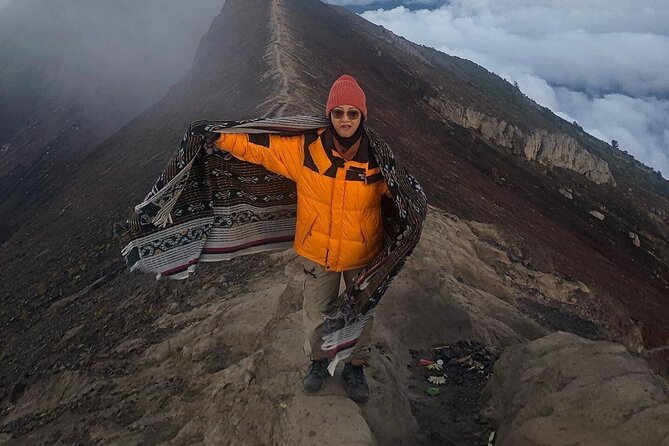
- Three climb routes: Edelweiss Park to 3,142m, Pura Pasar Agung to 3,142m, or Pura Pasar Agung to 2,900m
- Night-ready essentials included: head flashlight, gloves, walking stick, plus climbing ticket
- Sunrise is the main event: reach the peak around dawn for that first-light moment over Bali
- Guides focused on safe pacing: local team support to help you stay comfortable on steep, uneven ground
- Small-group feel: capped at a maximum of 30 travelers
Why Mount Agung sunrise is such a big deal
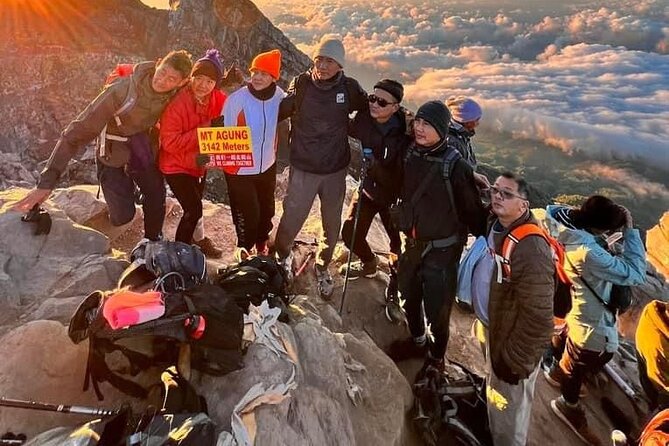
Mount Agung sits at 3,142 meters and is one of the most sacred mountains in Bali for Hindus. That matters on the ground. Even if you’re not deep into temple history, you feel it in the mood: people show up dressed for the moment, and everyone is working toward the same payoff—sunrise from the highest and most symbolic peak.
This trek is also about the contrast. You start in the dark, with your headlamp doing the work and the ground looking sharper than it does in daylight. Then, as you climb, you’re building toward a view that’s hard to forget. By the time the sky starts to change, the city lights can look like they’re stitched into the night. And once the sun rises, you get that clean, natural feeling of the morning—birds calling, air cooling down, and the whole island stretching out beneath you.
One more plus for the scenery-lover: from the Mount Agung area, you can see Mount Rinjani (weather matters, of course, but the possibility is part of the experience). That mix—Bali’s volcano energy plus a distant, legendary neighbor—makes sunrise here feel more than just pretty photos.
Route choices: Edelweiss Park vs Pura Pasar Agung (and 2,900m vs 3,142m)
Dekwar gives you three route options, which is a rare and useful detail because Mount Agung treks aren’t all the same height or effort.
Here’s what you can choose:
- Via Edelweiss Park to 3,142m (the full-height target)
- Via Pura Pasar Agung to 3,142m (also full-height)
- Via Pura Pasar Agung to 2,900m (shorter option)
If you’re chasing the maximum summit moment, both 3,142m routes are the “go all the way” choice. If you want a little less altitude pressure while still doing the night trek and sunrise, the 2,900m option can be a smart middle ground.
Practical tip: when you pick your route, think about how your body handles long climbs on uneven ground, not just your fitness level on a gym day. You’ll be on dirt and rocky sections, so confidence on footing matters as much as stamina. That’s where the included walking stick becomes more than a nice-to-have.
The night-to-dawn flow: what the trek feels like
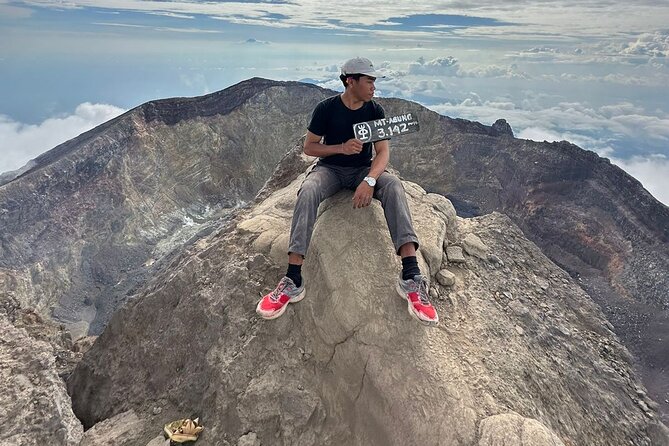
This is a one-day experience, listed at about 12 hours total, and it’s designed around night movement and sunrise timing. The experience typically centers on reaching the summit just in time as daylight arrives. You’ll start at night, climb through darker stretches where the ground can feel more unpredictable, then settle into the “waiting but not really” phase—short pauses, watching the sky lighten, and listening for the change in pace as people get closer to the top.
A useful expectation to set: the uphill portion can take around six hours for many people, but that depends on route, pace, and conditions. Some stretches feel like they’re testing your balance. Other stretches feel like a steady grind. Either way, the key is not going too fast at the start. If you blow your energy early, you’ll pay for it on the steeper, rockier parts.
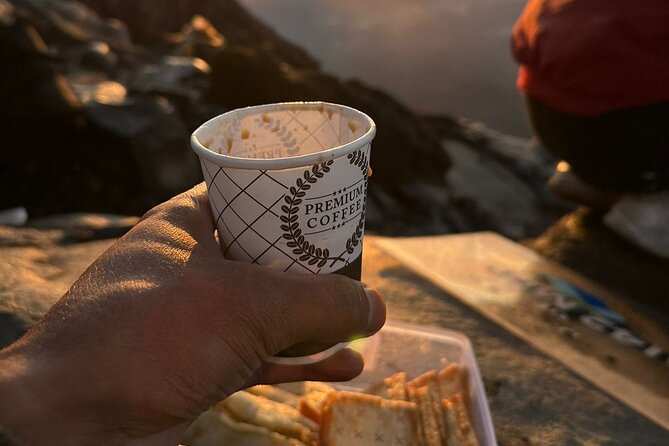
The food and drink timing matters too. You get breakfast, and the included snacks and warm drinks help you keep moving. The tour includes coffee and/or tea, plus chocolate and bananas. Those are small things, but at altitude in the dark, they do a lot for morale.
As dawn arrives, you’ll shift from “survive the slope” to “stand still and look around.” That’s the magical part: you climb for hours, then the world opens in front of you. The first light is the headline.
Included gear and snacks: real value for a long cold night
I like this tour because the basics are covered. Not every volcano trek hands you the items that actually matter in the dark.
Included:
- Breakfast
- Chocolate and banana snacks
- Coffee and/or tea
- Head flashlight
- Walking stick
- Climbing ticket
- Gloves
This is practical. The head flashlight means you can keep both hands free on uneven ground. Walking sticks can reduce strain on knees and help on rocky sections. Gloves are important because night mountain air can bite quickly, especially when you’re gripping rails or steadying yourself on stones.
The one thing you should double-check is water and footwear. Bottled water (2 liters per person) is listed as not included, and good trekking shoes are also not included. That’s common in hiking packages, but it’s still on you. If you show up in shoes that are okay for a city walk, the rocky sections will turn annoying fast.
Also not included: a jacket, long pants, extra cloth, sun cream, and a packing bag. The mountain can be cold, and you’ll want dry layers that you don’t mind wearing for a long stretch.
Pickup and group size: comfort without losing the adventure
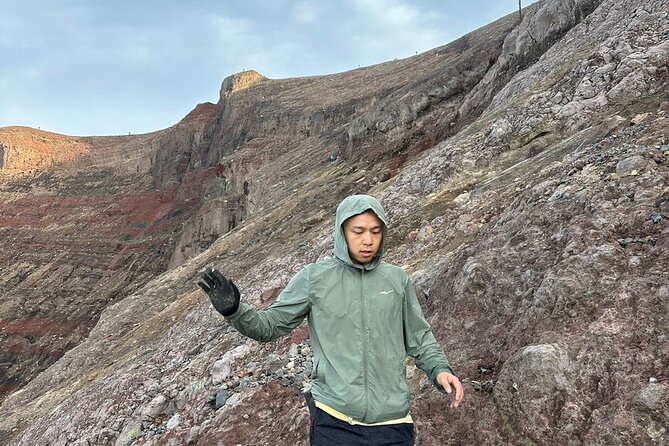
You get pickup offered and there’s group discounting, which can help this trek feel less expensive if you’re traveling with others. The group size cap is maximum 30 travelers, which is big enough that you won’t feel like you’re on a private expedition, but small enough that the flow usually stays organized.
Pickup matters for this trek because you’re leaving early and moving through a region that’s more efficient by car than by guessing your way on scooters. Less stress before a climb usually means better energy during the climb.
On the safety side, this is run by local guides, and the whole point of the team is to keep you moving safely and comfortably. You’ll likely be encouraged to match your pace. In the best moments, that feels like coaching rather than rushing you.
Some of the guides named in experiences include Lulut, Kadek, Komang, Putu Wenten, Iwan, and Krisna. You might also meet guides like Mang Ripin. Since guides are part of what makes the climb feel human, it’s a good sign that multiple names show up with consistent praise for professionalism and support.
Cold-weather reality on Mount Agung (and what to bring)
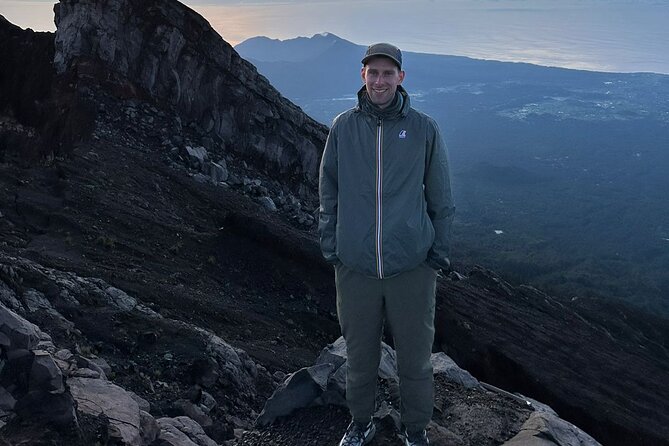
Cold is not a rumor for this trek. One set of experiences points out that temperatures can be below 10°C on the mountain. Whether that’s the exact number on your night depends on conditions, but the takeaway is consistent: you should pack for cold, not for “maybe chilly.”
Since the tour includes gloves but not jackets or long pants, your best move is to plan layers:
- Warm jacket (listed as not included)
- Long pants (listed as not included)
- Good trekking shoes (listed as not included)
- Extra cloth in case you get sweaty earlier then cool down later
- Sun cream (yes, even on a cold night, it can still matter)
- Water for the 2 liters per person requirement (listed as not included)
Also, bring the mental habit of dressing a little warmer than you think. You’re climbing, yes. But you’re also standing still at sunrise while everyone waits for light to spread across the island.
And don’t ignore the simple stuff: tired legs plus rocky ground is a bad combo with the wrong footwear.
Who this trek is best for (and who should reconsider)
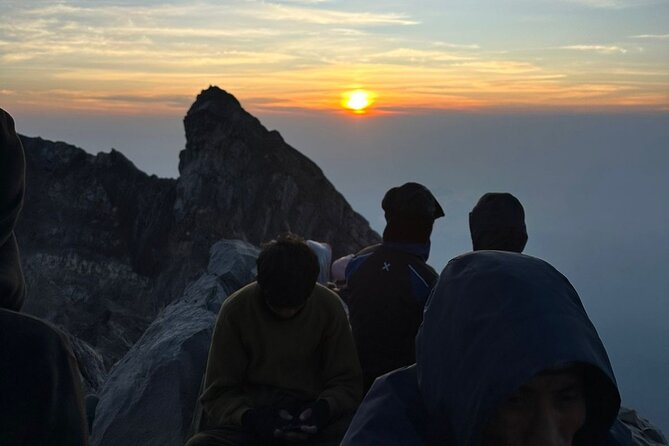
This experience is for travelers with moderate physical fitness. That phrase is doing real work here. The trek includes rocky and dirt sections, and you’ll be moving at night with changing temperatures.
You’ll likely enjoy this if:
- You’re comfortable climbing for several hours
- You don’t mind uneven footing
- You value sunrise views more than “easy hiking”
- You want a guided experience that helps with pacing and safety
You might hesitate if:
- You’re looking for a gentle, family-style walk
- Your knees don’t tolerate rocky downhill moments
- You’re unprepared for cold and long hours (even with snacks and coffee)
This isn’t a beginner trek in the sense of being “effort-light.” But people do manage it when they respect pace and take support seriously. The included walking stick and guide assistance are there for a reason.
The $79.93 price check: is it good value for Bali?
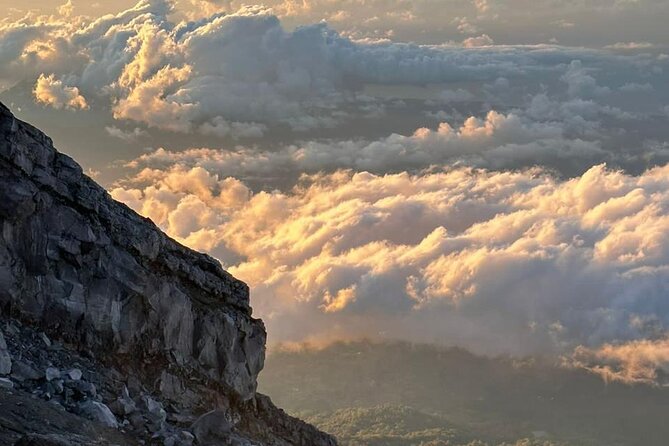
At $79.93 per person, this trek sits in the value zone for Bali volcano experiences, especially because several core costs are bundled in.
You’re paying for:
- A local guide team and support through the climb
- Pickup offered
- Climbing ticket
- Basic fueling: breakfast, plus chocolate, banana snacks, and coffee/tea
- Comfort tools: head flashlight, walking stick, gloves
- A mountain-focused experience designed around sunrise timing
What’s not included is also clear. You’ll still need to budget for:
- Jacket and long pants
- Trekking shoes
- Sun cream
- Water (2 liters/person)
Here’s the honest value math: if you already own proper hiking shoes and cold-weather layers, this package can feel like a straightforward deal because you’re not paying extra to assemble the essentials. If you don’t have those items, your total cost will rise. Still, the included gear helps you avoid common “forgotten-the-right-thing” mistakes.
One more detail that affects value: the trek has a maximum of 30 travelers and is sold as a focused one-day sunrise experience. If you like organized, guided pacing and want the summit moment without planning logistics yourself, that’s where the money tends to pay off.
What makes the sunrise moment feel different here
Lots of Bali tours promise sunrise. This one is built around the fact that Mount Agung is a sacred peak, and the climb itself has that adrenaline edge—dirt roads, rocky roads, and the sense that you’re earning the view.
Then sunrise arrives and it changes your perspective fast. Night climbing makes you hyper-aware of sound and footing. Sunrise flips the script. Suddenly you’re watching the horizon instead of watching your steps.
And the mountain morning has its own character. The included warm drinks and snacks keep things comfortable while you wait for the sky to shift. After sunrise, the soundscape shifts too—birds chirping and a calmer rhythm replaces the earlier concentration.
It’s also the kind of experience where guide support can make a huge difference. When someone helps you keep a steady pace, it reduces stress and makes the climb feel more like progress than punishment. Names like Lulut, Komang, Krisna, and Iwan show up with consistent praise for friendly, professional guidance, including respecting limits.
Should you book Dekwar Mount Agung Sunrise Trekking?
I’d book this if you want the real Mount Agung sunrise experience with guidance, included night gear, and a clear focus on reaching the peak. It’s a good pick for travelers who can handle a tough hike and want the mountain to feel meaningful, not just scenic.
Skip it (or at least think hard) if you want an easy walk, if cold nights make you miserable, or if you’re missing basic hiking shoes and warm layers. This trek doesn’t pretend otherwise: it’s intense, it’s outdoors, and it’s about the summit moment.
FAQ
Do they provide pickup from Candidasa area accommodations?
Pickup is offered. The exact pickup points or zones aren’t listed in the information you provided.
How long is the Mount Agung sunrise trekking experience?
The duration is listed as about 12 hours.
How much does this tour cost?
The price is $79.93 per person.
How many route options are there, and how high do they go?
There are three route options: Edelweiss Park to 3,142m; Pura Pasar Agung to 3,142m; and Pura Pasar Agung to 2,900m.
What’s included in the package?
Included items are breakfast, chocolate, banana snacks, coffee and/or tea, head flashlight, walking stick, climbing ticket, and gloves.
What should I bring because it’s not included?
Not included items include a jacket, long pants, extra cloth, sun cream, bottled water (2 liters per person), good trekking shoes, and a packing bag.
What fitness level do I need?
The tour recommends travelers have moderate physical fitness.
What’s the maximum group size?
The group size has a maximum of 30 travelers.
Does the tour depend on weather, and what if cancellation happens?
The experience requires good weather. If it’s canceled due to poor weather, you’ll be offered a different date or a full refund.
Is free cancellation available?
Yes. You can cancel up to 24 hours in advance for a full refund, and changes within 24 hours aren’t accepted.