REVIEW · TASHKENT
3-Day Chimgan Trekking Tour
Book on Viator →Operated by Nuratau Travel · Bookable on Viator
Trekking into the Tian Shan starts right in Tashkent. This 3-day Chimgan trekking tour pulls you out of the city fast and puts you walking in real mountain terrain, with Stone Age-era petroglyphs as a memorable stop. I especially like how well this trip is set up for people with only moderate hiking experience—challenging, yes, but not a stunt. One thing to consider up front: you’ll be on the move for several hours each day and sleeping in a tent, so pack for the outdoors and don’t expect easy days.
I also like the practical support built into the tour. You get a guide, proper camp gear, and meals, plus horses/donkeys move your luggage so you can hike with a manageable pack. That combination makes the experience feel smoother than “DIY mountain camping,” while still keeping the adventure real.
If you want a quick city escape with big views and a structured plan, this is a strong match. But if you hate cold nights or long stretches of uphill and downhill, you may find it more tiring than you hoped.
In This Review
- Key Highlights You’ll Actually Feel on the Trek
- Chimgan Trek: A Fast Escape That Still Feels Like You Earned the Views
- Price and Value: Why $370 Can Make Sense Here
- Day 1: From Tashkent to Chimgan Resort and Up Toward Takhta-Jaylov
- Day 2: Chetkumbel to Kubmel Passes, Petroglyphs, and the Highest Point
- Day 3: Nurekata Valley Descent to Shuldak and the Ride Back
- What Makes the Porter Service Worth It (And How to Pack for It)
- Camping Comfort: Tents, Sleeping Gear, and Real Camp Cooking
- Nature and the Tian Shan Experience: More Than Just Moving From Point A to B
- Guide, Route Changes, and How That Affects Your Day
- Who This Tour Fits Best (And Who Should Skip It)
- Should You Book This Chimgan 3-Day Trek?
- FAQ
- Where is the meeting point for the tour?
- What time does the trek start?
- How long is the trekking tour?
- What’s included for camping and sleeping?
- Are meals included, and do I cook them myself?
- Is there a guide, and is it English-speaking?
- How is luggage transported, and what’s the weight limit?
- Can I cancel for free?
Key Highlights You’ll Actually Feel on the Trek
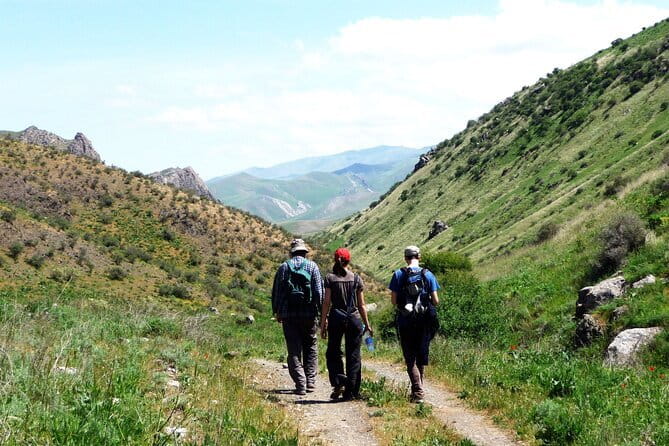
- Tian Shan walking with a realistic fitness fit: “mid-altitude” hiking aimed at moderate fitness, with day hikes around 4–8 hours
- Petroglyphs at altitude: the highest point visit includes a stone-carving site around 2400m
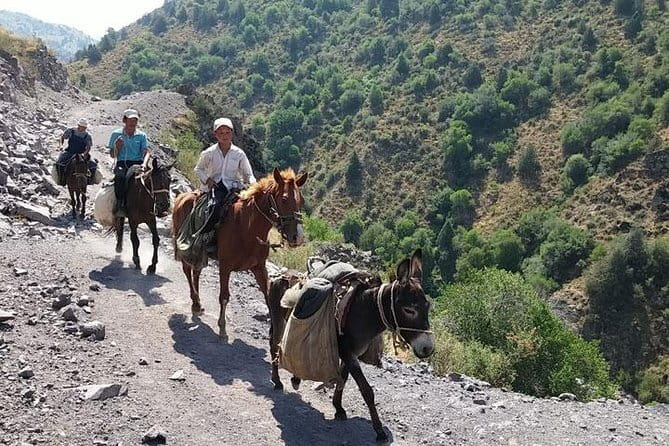
- Porter service using horses/donkeys: your food and gear are carried for you, with a 13kg max per person
- Camping kit and real camp setup: 2-person tents plus sleeping bags and mattresses
- Meals are handled for you: lunches, breakfasts, and dinners are included with gas stove + tableware
- Guide-led route choices: your guide can adjust the route for safety and bad weather
Chimgan Trek: A Fast Escape That Still Feels Like You Earned the Views
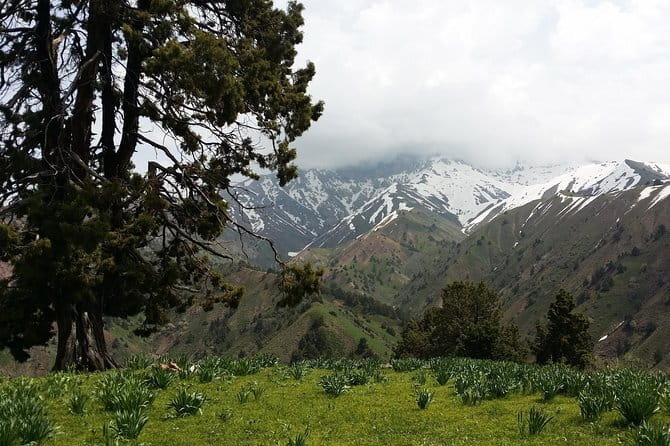
Most short trips try to cram in a checklist. This one has a different rhythm. You start with a drive from Tashkent to the Chimgan area, then you walk into the Tian Shan for three days—so the mountain time is the point, not an add-on.
What makes it compelling is the balance: guided enough that you’re not guessing, but outdoorsy enough that you feel the altitude, wind, and changing terrain. You’ll sleep in a tent (two-person tents) and you’ll be outdoors for long enough that your body learns the pace.
And because it’s based around Ugam Chatkal National Park, you’re not just hiking rocks. You’re passing through areas where flora and fauna change with elevation, which is part of why the scenery feels varied across the days.
Price and Value: Why $370 Can Make Sense Here
At $370 per person, the headline number can look high until you price out what’s being handled for you. You’re not just paying for a guide and a walk. You’re also paying for camping equipment, meals, transfers, and the logistics that usually wreck “simple” outdoor plans.
Here’s what you’re effectively getting inside the price:
- transport between Tashkent and the trail areas (and back)
- an English-speaking mountain guide
- tent camping gear: tents, sleeping bags, and mattresses
- cooking setup (gas stove and tableware)
- bottled water
- a first aid kit
- luggage support via horses/donkeys with handlers
- police registration for the trek duration
On a trip like this, the biggest hidden costs are usually time and uncertainty. The tour reduces both. You show up, and your biggest questions get answered before you’re already tired on a trail.
Is it cheap? No. But it’s also not just “a guide with a phone.” It’s a full outdoor package, and that’s where the value is.
Day 1: From Tashkent to Chimgan Resort and Up Toward Takhta-Jaylov
Day one starts with a morning transfer from Tashkent to Chimgan Resort. It’s about 98km, usually 1.5–2 hours, which is a nice setup: you’re in motion early, but not sitting in a van all day before you hike.
Once you start trekking, you begin at Melovoy (1796m) and work your way upward to Takhta-Jaylov saddle (2000m). Then you descend toward the Marble River area. Even if you’re not chasing speed, that up-then-down pattern helps your legs understand the day’s tempo quickly.
The hike length listed for day one is about 4 hours, which feels like a good first day for people who want to acclimate without getting punished. You’re still going to feel it after—mountain days do that—but it’s not the marathon day yet.
A small practical drawback: because it’s day one, you might be tempted to go too fast while you’re still fresh. Don’t. Save your energy for the next two days, especially day two’s higher point.
Day 2: Chetkumbel to Kubmel Passes, Petroglyphs, and the Highest Point
Day two is the heavy day. You start ascending from the Beldersay valley, moving via Chetkumbel pass (1800m) toward Kubmel pass (2550m). That’s a big jump in altitude across the day, and you’ll feel it in your breathing and pace.
On the way, you’ll stop at a petroglyph site around 2400m, including Stone Age-era carvings. This is one of the more memorable parts of the trip because it turns a physical hike into something cultural too. You’re not just walking through the Tian Shan—you’re also seeing what people once carved into the landscape.
The day’s hike time is listed at about 8 hours, which is why this trek is best for hikers who can handle a full day outdoors. It’s also why packing warm layers matters. Even in warmer months, mountain weather can shift, and you’ll notice it more when you stop for photos.
From a value perspective, this is where the tour justifies its organized structure. With a guide, you spend less time worrying about the next turn and more time moving through the day at a sustainable pace.
Day 3: Nurekata Valley Descent to Shuldak and the Ride Back
Day three focuses on descent and getting you back comfortably. You continue descending in the Nurekata valley until you reach the junction of the Nurekata and Aksakata rivers, then head toward the village of Shuldak (1050m).
The hike time is about 7 hours, which might sound similar to day one and day two, but the feel is different. Descents can be just as tiring on your knees and ankles, even when the altitude is lower. So if your body tends to get cranky on downhill stretches, plan to move carefully.
Once you reach Shuldak, you meet your driver and head back toward Tashkent. The return is part of why I like this tour: you’re not left improvising your own ride after a multi-day trek.
Day three has that satisfying finish feeling. You’ve done the climbing and the most intense day already, and now you get to close the loop with a steady downhill rhythm.
What Makes the Porter Service Worth It (And How to Pack for It)
One of the most practical wins here is the horses/donkeys with handlers for luggage transportation. Your trekking gear, cooking setup, and camp items are carried for you, so your hiking load is less stressful than you’d expect.
There’s also a hard cap: maximum allowed luggage weight is 13kg per person. That matters. If you try to “just bring everything,” you’ll run into constraints quickly. Aim for the essentials you’ll actually use: clothing layers, a warm hat, sunscreen, sunglasses, a headlamp/flashlight, and your trekking shoes.
The tour also recommends a specific kind of readiness:
- trekking shoes
- warm clothing (especially for spring and autumn)
- a hat/cap
- sunglasses and sunblock
- flashlight
You’ll enjoy the hike more if you pack to keep your feet comfortable and your body warm when you’re not moving.
Also note this detail that changes the tone of small groups: the guide may act as cook for groups smaller than 5 people. That’s not something you usually think about, but it can affect how smoothly camp runs in practice—and here, it’s planned.
Camping Comfort: Tents, Sleeping Gear, and Real Camp Cooking

This is tent camping, but it’s not bare-bones. You get two-person tents, sleeping bags, and mattresses. That’s an underrated part of the experience. A bad sleep can turn day four into a survival mission; good sleep helps you enjoy day two and day three.
You also get a cooking setup: a gas stove plus tableware. Meals aren’t “bring your own snacks and hope.” You’re provided dinner and lunch each day (with breakfast on two mornings), and the camp gear is managed for you.
The included meals are:
- Breakfast (2)
- Lunch (3)
- Dinner (2)
Bottled water is included too, which is a nice safety net. Still, bring your own small water bottle if you like having control over sipping, but don’t assume you’re fully on your own.
One reality check: tent camping means you’ll be aware of wind, temperature, and basic outdoor conditions. If you prefer hotels or real heat at night, this trip won’t match your style. If you’re okay with the outdoors being part of the deal, it’s a big part of the charm.
Nature and the Tian Shan Experience: More Than Just Moving From Point A to B
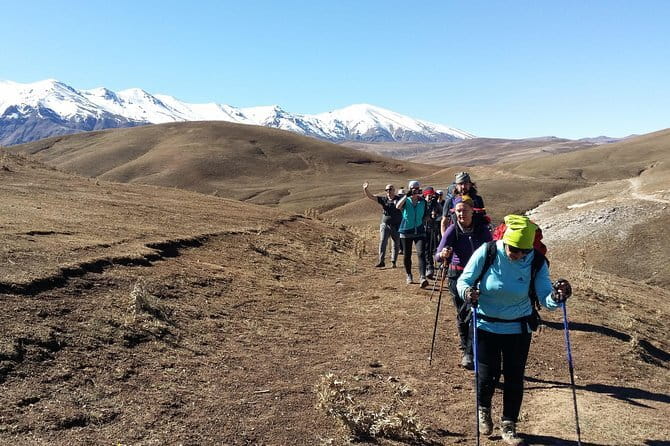
You’re hiking in a region with diverse flora and fauna inside Ugam Chatkal National Park. You might not see wildlife every hour, but the variety across elevation makes it feel less repetitive than some “single trail” treks.
The panoramic views are also a core draw. As you go up and down passes, the sky and rock formations change fast. That helps you keep interest even on long stretches when your mind wants an excuse to zone out.
Then there are the petroglyphs, which add a different kind of attention. You’ll be looking not only at what’s in front of you, but also at what’s been there for a very long time.
If you like travel moments that connect physical effort to meaning, this tour gives you that in at least two ways: high-altitude hiking and cultural markings at altitude.
Guide, Route Changes, and How That Affects Your Day
Your mountain guide is an English-speaking leader for your group and acts as a company representative on the program. Importantly, the guide can change the route due to known safety issues and bad weather conditions.
I like this approach because it’s honest. Mountain weather can be unpredictable, and route flexibility is the difference between a controlled plan and a risky one. The downside is you might not get the exact same sequence if conditions change, even if you train for it.
On a trek like this, think of the experience as “Chimgan and Tian Shan on a guided plan,” not as a fixed script where every photo location is guaranteed regardless of conditions.
Who This Tour Fits Best (And Who Should Skip It)
This trek is aimed at moderate fitness and mid-altitude walking. Day three still lasts about 7 hours, and day two is about 8 hours with altitude gain toward 2550m. If you can handle a full day hike with breaks and downhill work, you’re in the right zone.
I think it’s especially good if:
- you want your first real mountain trek without going fully independent
- you’re comfortable with tent camping and basic outdoor comfort
- you like a mix of nature and cultural stops
- you want a structured experience that handles logistics for you
You might want to skip it if:
- you hate long hikes and prefer mostly flat walking
- you need hotel-style sleeping conditions
- you’re not prepared for colder mountain evenings
And one more candid note from the overall spirit of the feedback: people seem to love how challenging it feels in a fun way. Not every trek delivers that. This one tends to.
Should You Book This Chimgan 3-Day Trek?
If you’re the kind of traveler who wants your trip to feel like you actually got outside, I’d book it. You’re getting guided hiking, camp gear, meals, and transfers wrapped into one price, plus the porter system that keeps the trek focused on hiking.
If you’re new to mountains, this is also a reasonable place to start because the plan is set for moderate fitness, and day one helps you calibrate. Just take it seriously enough to bring warm layers, proper shoes, and realistic pacing.
On the other hand, if your priority is comfort above all, or you want short, easy walks with guaranteed warm nights, don’t expect this to behave like a luxury tour.
FAQ
Where is the meeting point for the tour?
The meeting point is Taraqqiyot ko’chasi 45, Toshkent, Toshkent, Uzbekistan. The activity also ends back at the meeting point.
What time does the trek start?
The start time is 9:00 am.
How long is the trekking tour?
The tour runs for 3 days (approx.).
What’s included for camping and sleeping?
You get camping equipment, including 2-person tents, sleeping bags, and mattresses.
Are meals included, and do I cook them myself?
Meals are included: Breakfast (2), Lunch (3), and Dinner (2). The tour includes a gas stove and tableware, and the guide can act as cook for smaller groups.
Is there a guide, and is it English-speaking?
Yes. You’ll have an English-speaking mountain guide.
How is luggage transported, and what’s the weight limit?
Your luggage is transported by horses/donkeys with handlers. The maximum allowed luggage weight is 13kg per person.
Can I cancel for free?
Yes. Free cancellation is available if you cancel at least 24 hours before the experience start time for a full refund.
—
If you tell me your hiking background (and whether you’ll be traveling in spring or autumn), I can help you sanity-check the packing list and pacing for day two’s higher pass.