REVIEW · KATHMANDU
Annapurna Base Camp Trek
Book on Viator →Operated by Nepal Mountain Trekkers - Day Tours · Bookable on Viator
Eleven days and a serious sense of altitude magic. This short Annapurna Base Camp trek takes you from Kathmandu to Pokhara fast, then builds day by day through rhododendron and bamboo country before ending at Annapurna Base Camp (4,130m). I like how the route mixes scenery and culture without pretending it is a stroll.
Two things I really like: first, the trek runs with a trained English-speaking guide plus an assistant and porter support (with a porter for 2 trekkers, max 30kg). You’ll feel less stressed about logistics and more focused on your pace. Second, meals and lodging during the trek are included, so you’re not constantly deciding what to eat at the end of a hard hiking day.
One drawback to keep in mind: the days are long and the altitude ramps up. Even though it is called a short trek, you’ll still be walking hills for around 6 to 12 hours on multiple days, and you should come in with moderate physical fitness.
In This Review
- Key Highlights You’ll Feel From Day One
- From Thamel to Pokhara: Getting Oriented Without Losing Days
- Nayapul to Jhinu Danda Hot Springs: Your First Real Taste of the Annapurna Region
- Chhomrong, Bamboo, and Siruwa: Forest Walking That Builds Strong Legs
- Dovan to Deurali: Where the Trail Gets Rockier and Your Body Notices
- Machhapuchhre Base Camp to Annapurna Base Camp at 4,130m: The Big Moment
- Sunrise and a Gentle Downshift to Bamboo: Day 7 Helps You Regroup
- Retracing Through Sinuwa and Chhomrong to Jhinu Danda: Hot Springs Again, But Harder
- From Jhinu Danda Down to Nayapul: The Long Descent Into Pokhara’s Comfort
- Pokhara Lakeside and Kathmandu Durbar Square: Closing the Loop in Two Cities
- Price and Value: What You’re Paying For (and What You Still Need to Cover)
- Your Fitness and Altitude Reality Check (Because This Is Real Trekking)
- The Team Behind It: Why Guide Support Feels Like Safety
- Who This Annapurna Base Camp Short Trek Is Best For
- Should You Book This Short Annapurna Base Camp Trek?
- FAQ
- What is the duration of the Annapurna Base Camp trek?
- Where does the tour start and end?
- Does the trip include airport transfers?
- What is the highest altitude on this trek?
- Is gear included?
- What trek permits are included?
- What is the cancellation policy?
Key Highlights You’ll Feel From Day One
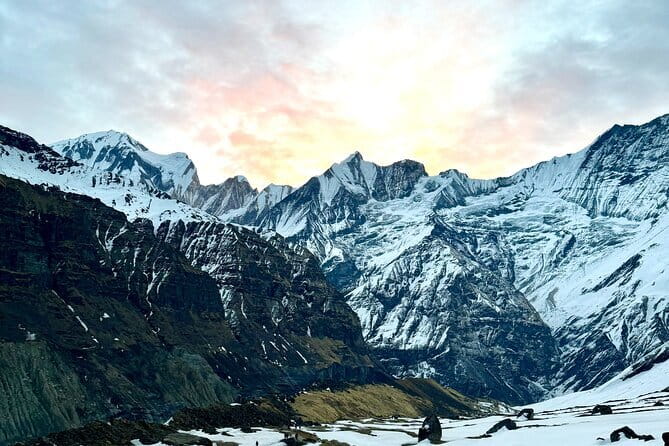
- Fast Kathmandu to Pokhara setup: a quick 30-minute flight after you arrive, so the trek starts feeling real sooner
- Hot springs stop at Jhinu Danda: a well-timed reward with natural hot water waiting at the end of a hiking day
- Rhododendron and bamboo walking: multiple days pass through bamboo forest and rhododendron areas, not just rocky paths
- Machhapuchhre Base Camp route: you reach Machhapuchhre Base Camp first, then branch off toward Annapurna Base Camp
- Support that matters: guide + assistant guide + porter (max 30kg) helps you keep energy for the climbs
- Gear rental included: sleeping bags and a down jacket are available on rent as part of the package
From Thamel to Pokhara: Getting Oriented Without Losing Days
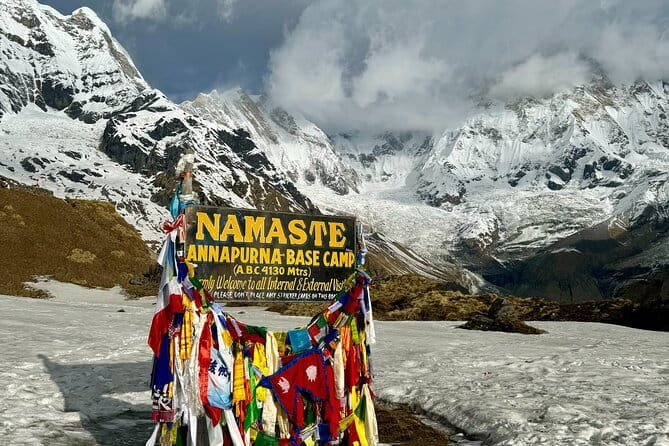
Day 1 starts with the simple part: landing in Kathmandu and getting picked up. You’ll go from Tribhuvan International Airport to your hotel in Thamel (Hotel Green Horizon). This matters because Thamel is where you’ll find the easy rhythm—small shops, cafes, and people moving around who actually understand trekking questions.
On Day 2, you meet your guide and get briefed before heading toward Pokhara by scenic drive and a couple of stops along the way. The itinerary includes a famous picnic spot and a well-regarded spiritual temple where people believe wishes come true. You’ll also arrive in Pokhara and stay near Lakeside, which makes your evening easy and not lonely—restaurants, walking paths, and a comfortable place to reset before the trek.
If you’re the type who likes to feel set up before a long hike, this two-step plan is a plus. You aren’t spending your energy on confusion the first time you see the Himalayas.
You can also read our reviews of more tours and experiences in Kathmandu.
Nayapul to Jhinu Danda Hot Springs: Your First Real Taste of the Annapurna Region
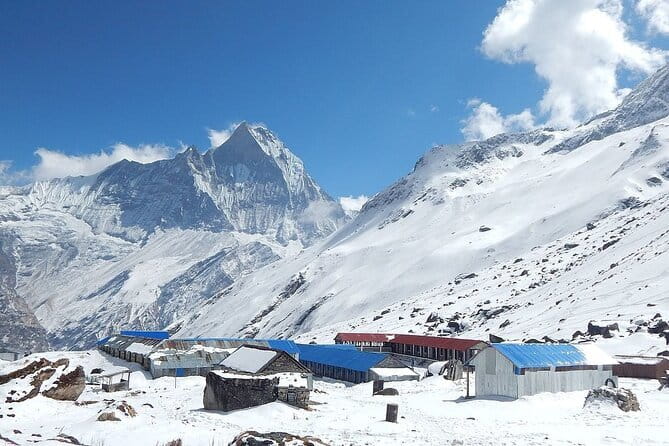
Day 3 begins at Nayapul, the trailhead that kicks off the Annapurna region treks. You’ll drive there (around an hour and a half) and pass through remote settlements, rivers, and mountain views. Then you start walking beside the Modi River toward Jhinu Danda.
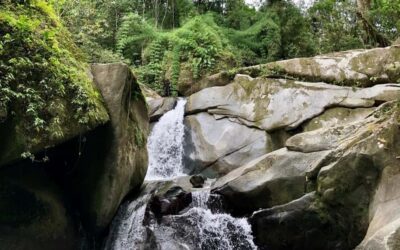
The trail here is a gradual ascent with frequent little pauses built into the scenery. You’ll pass Chandrakot and reach areas around Tolga before descending in steps toward Landruk and then working your way back upward. One smart part of this day is that it is not trying to crush you immediately. It gets your legs moving, introduces the river valley feel, and gets you used to lodge-style hiking days.
The payoff is Jhinu Danda itself. After you arrive, you can explore the area and soak in the natural hot springs at the base of the ridge. This is exactly the kind of reward that helps you mentally separate Trek Day from Recovery Day.
Practical note: even though the hot springs are a highlight, don’t turn it into a recovery marathon. Keep it short enough that you can still sleep well and eat a proper dinner.
Chhomrong, Bamboo, and Siruwa: Forest Walking That Builds Strong Legs
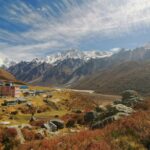
On Day 4, the hike takes a serious turn from valley walking to steep-and-steady rhythm. You’ll trek for about 6 hours starting by crossing terraces and climbing toward Chhomrong village. Expect stone staircases, river crossings, and more ridge-level walking above the Modi River.
Then you shift into the “trees and texture” part of the trek: bamboo forest and terraced fields. This is one of the reasons I like this route. Bamboo isn’t just decoration. It changes the feel of the trail—sometimes cooler shade, sometimes a tunnel-like walking experience—so the hike feels varied instead of repetitive.
You’ll reach Siruwa village along the way, then continue toward Bamboo. The itinerary specifically mentions Kuldighar (once connected to a sheep breeding project) and a steep marching section. Many trekkers need that mental trick on days like this: focus on one checkpoint at a time, not the total distance.
You’ll stop at or near Bamboo Lodge Restaurant for the overnight. That’s not a minor detail. Having a clear lodge destination helps you settle early, eat warm food, and get sleep before the next climb.
Dovan to Deurali: Where the Trail Gets Rockier and Your Body Notices
Day 5 is a shorter trek on paper—around a short walk to set you up for the climb to Annapurna Base Camp. You start with a crossing over a stream, then move up through rhododendron and oak forest to Dovan.
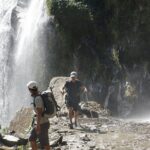
After Dovan, the day tilts toward harder terrain. You’ll trek through steep sections, cross a waterfall, and pass the Himalaya hotel. The path then opens with views of the Modi River and the surrounding terrain. You’ll reach Hinku cave area and continue up to Deurali, where vegetation becomes sparser and the ground gets rockier.
That shift matters. It’s not just scenic. It often means the air feels drier, footing feels different, and you may need to slow your pace to keep breathing controlled.
If you tend to push too hard early in a hike, this is where you should practice restraint. Deurali is often a “head game” day: climb with steady effort, stop for photos quickly, and don’t treat every view like a detour.
Machhapuchhre Base Camp to Annapurna Base Camp at 4,130m: The Big Moment
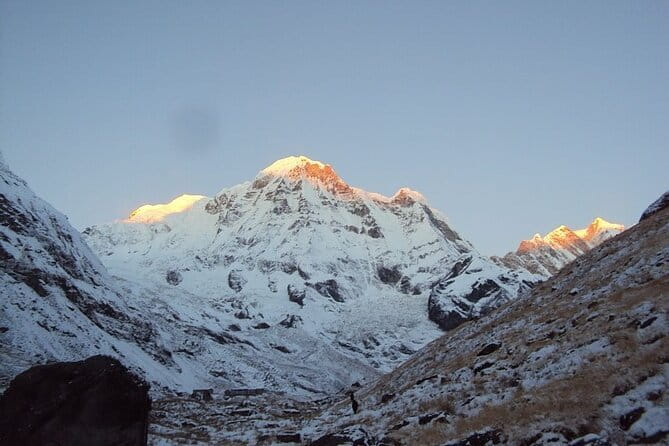
Day 6 is the emotional peak. Today you reach Annapurna Base Camp through Machhapuchhre Base Camp. You’ll start with a gentle climb before the terrain becomes more strenuous. The trail passes Bagar, then continues on to Machhapuchhre Base Camp.
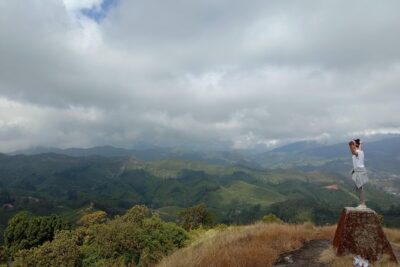
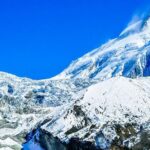
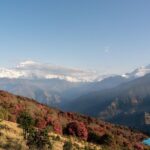
From Machhapuchhre Base Camp, you get broad views of major peaks in the Annapurna region, including Fishtail (Machhapuchhre) plus Hiuchuli, Annapurna South, Annapurna I, Annapurna III, Gagapurna, and others listed in the route description. Then you branch away from the Modi River, where vegetation becomes sparse and the path widens. Turn right toward the base camp.
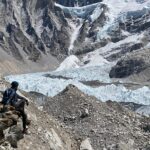
Arriving at Annapurna Base Camp (at 4,130 meters) is the kind of moment you remember even if you don’t take many photos. You’ll feel like the mountains surround you on all sides. The itinerary includes an overnight stay here, which is a huge deal. One night is where you catch shifting light and calmer conditions, not just a quick arrival photo-and-go.
After base camp, you’ll follow the same route back toward Pokhara. That sounds repetitive, but it isn’t. Going down the same corridor lets you see the valley changing shape as elevation drops, and it gives your body recovery time while still keeping the scenery constant.
Sunrise and a Gentle Downshift to Bamboo: Day 7 Helps You Regroup
Day 7 begins with a return trip toward Bamboo. The hiking is described as relatively easier because it’s downhill along the Modi River. You’ll still walk—just with less of the uphill punishment on your legs.
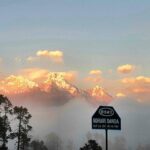
The itinerary highlights an exceptionally beautiful sunrise over the Himalayas early in the morning. Even if sunrise isn’t your thing, it’s worth planning around the timing because it can make the whole day feel smoother. On ridge mornings, the air can be calmer and the views clearer.
You’ll also pass areas prone to avalanche and go through settlements like Dovan and Deurali at lower elevations, plus rhododendron and bamboo forest sections. Wooden bridges appear too, and they can be unexpectedly useful for footing and pacing.
You end the day back at Bamboo. That matters because it sets up Day 8 as a long, retrace-focused segment without dragging you into constant new terrain.
Retracing Through Sinuwa and Chhomrong to Jhinu Danda: Hot Springs Again, But Harder
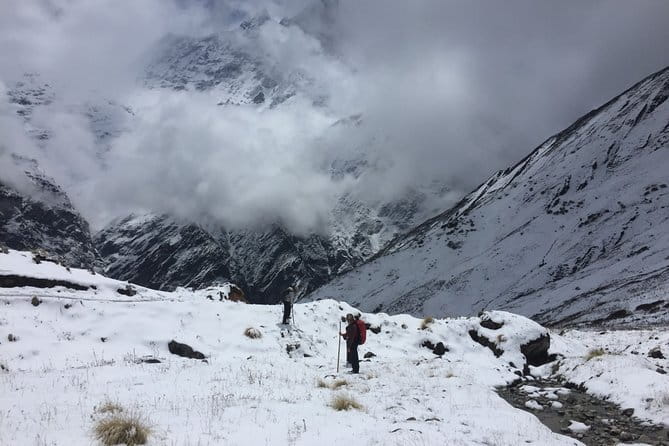
Day 8 takes you back over familiar ground. Expect a trek around 6 hours, with an uphill component to Khuldighar and then a twisting trail to Sinuwa. From Sinuwa, you pass Tilche and Chhomrong again, along with bridges and steep stone steps.
The itinerary includes Taulung village as your arrival point in the narrative, with the trail junction leading toward Landruk, Tadhapani, and Kot Danda. Then, after about an hour, you reach Jhinu Danda Hot spring.
This is where you should manage expectations. Having hot springs again is nice, but Day 8 still includes uphill sections, stone steps, and more cumulative fatigue than Day 3. Treat this as a “finish strong” day, not a “recover before you hike more” day.
Once you’re at Jhinu Danda, relax. A soak is the best kind of reward because it helps your body reset, and it also gives your mind a calm moment before the longer descent toward Pokhara.
From Jhinu Danda Down to Nayapul: The Long Descent Into Pokhara’s Comfort
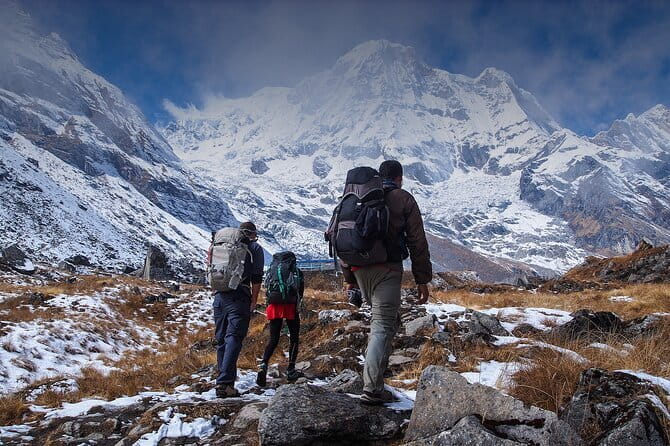
Day 9 starts with downhill trekking from Jhinu Danda toward the Modi Khola valley. You’ll follow the trail via New Bridge and down through farm areas, rivers that snake through the valley, and sections with stone staircases.
Traditional houses, wooden and suspension bridges, and cultivated fields help break up the monotony of walking downhill. And the constant mountain presence—always there in your sightline—keeps the day feeling like it has purpose, even when your knees start negotiating with gravity.
You’ll reach Nayapool, marking the end of your main physical trekking portion. Then the shift to a comfortable bed hits fast.
Pokhara Lakeside and Kathmandu Durbar Square: Closing the Loop in Two Cities
On Day 10, you drive back from Pokhara to Kathmandu (around 5–6 hours) and check in to your hotel. You’ll have a little time to explore. The itinerary offers Kathmandu Durbar Square and time around Thamel and surrounding busy streets for souvenir shopping.
Durbar Square is important because it gives context to Nepal beyond the trek. The Himalayas are the headline, but Kathmandu is where you get the cultural scenery again—crafts, architecture, and daily life.
Day 11 is transfer time. You’ll head to Tribhuvan International Airport at least three hours before your onward flight. No last-minute stress. It’s one of those details that sounds boring until you realize how stressful flights can get.
Price and Value: What You’re Paying For (and What You Still Need to Cover)
At $906.67 per person, this trek isn’t cheap in a straight line way—but it is structured to include the stuff that usually eats your budget on a Nepal trek.
What’s included that helps real value:
- 3 nights in Kathmandu and 2 nights in Pokhara
- All lodging and meals during the trek (breakfast, lunch, dinner)
- Airport pickup and drop service
- Transportation costs
- Guide support: professionally trained English-speaking guide plus an assistant guide and porter (1 porter for 2 trekkers, max 30kg)
- Trekking permits: TIMS and Annapurna Conservation Area (ACAP) fees
- First aid medical box
- Gear rental: sleeping bags and down jacket available on rent
- Farewell dinner
- VAT and company service charge
What is not included:
- Visa fee for Nepal
- International flights and extra baggage charges
- Meals in Kathmandu and Pokhara outside trek days
- Travel insurance and rescue operation costs
- Personal expenses
- Tips for guides and porters
To decide if it’s worth it for you, ask one question: do you want to spend your time arranging gear, permits, meals, and local logistics, or do you want it handled while you focus on hiking? This package leans hard toward the second option.
Your Fitness and Altitude Reality Check (Because This Is Real Trekking)
This is listed for moderate physical fitness, and that fits the pace you’ll actually deal with. You have multiple long walking days described as taking around 6 to 12 hours, including steep stone stair sections and uneven footing.
Altitude is the other reality. Annapurna Base Camp sits at 4,130 meters, and the route includes a build-up through Deurali and the Machhapuchhre Base Camp area. The trip description doesn’t spell out a specific acclimatization schedule beyond the pacing and day structure, so you should treat this as a hike where slow progress is smart.
If you like to walk fast to “get it over with,” try a different strategy here:
- Keep your effort steady instead of spiky
- Drink water consistently
- Eat when offered, even if you’re not starving
Also, plan for cold. The included down jacket rental is a clue that temperatures can drop, especially around higher elevations and early mornings.
The Team Behind It: Why Guide Support Feels Like Safety
One review note that sticks with me is how warmly the team greeted people on arrival. Suman is mentioned as meeting the group at the airport, and that kind of welcome matters when you’re stepping into a new country and trying to read signs and schedules at the same time.
The trek itself is led by an English-speaking guide named Shiva, with porter support from Bishal mentioned in feedback. When you have a trained guide and a porter system, you get more than convenience. You get a smoother day. Less time figuring out what comes next, more time watching the mountains.
With a max group size of 15, you’re not in a tiny private bubble, but you’re also not swallowed by crowds. That strikes a good balance for meeting people and still having time for a guide’s attention when questions pop up.
Who This Annapurna Base Camp Short Trek Is Best For
This trek fits best if you want:
- A classic Annapurna region route without committing to a longer, slower expedition
- Guided support and included meals to keep the pace manageable
- Hot springs in the middle of the story, not at the end of it
- A structured return through the same corridor, with big peak views along the way
It might feel less ideal if you:
- Want frequent free time to wander solo off the planned path
- Are looking for a low-effort vacation hike
- Have no plan for altitude and stamina management
Should You Book This Short Annapurna Base Camp Trek?
If you want a well-run trek with support, permits, and meals handled, this is a strong choice. The included guide/porter system, gear rental, and the fact that you spend a full night at Annapurna Base Camp make the experience feel complete, not rushed. You’ll trade some flexibility for confidence, and for many people that trade is worth it.
If you’re considering it, my advice is simple: come with moderate fitness, expect cold and long days, and use the plan’s structure—especially the early mornings and hot springs—as part of your energy strategy.
FAQ
What is the duration of the Annapurna Base Camp trek?
It’s listed as 11 days approximately.
Where does the tour start and end?
It starts at Nepal Mountain Trekkers, Pyramid Galli, Kathmandu 44600, Nepal, and ends back at the meeting point.
Does the trip include airport transfers?
Yes. There is airport pickup and drop service.
What is the highest altitude on this trek?
Annapurna Base Camp is listed at 4,130 meters above sea level.
Is gear included?
Sleeping bags and down jackets are available on rent as part of the included gear.
What trek permits are included?
TIMS card and Annapurna Conservation Area (ACAP) fees are included.
What is the cancellation policy?
Free cancellation is available. You can cancel up to 24 hours in advance of the experience for a full refund.