REVIEW · KATHMANDU
Everest Base Camp Trek with Island Peak Climbing
Book on Viator →Operated by Ace the Himalaya · Bookable on Viator
Everest calls loud, then quietly. This trek pairs classic Everest Base Camp hiking with a real mountaineering goal: Island Peak.
What I like most is how much is handled for you. You get a small group (max 15), a licensed trekking guide plus a dedicated climbing Sherpa for summit day, and the itinerary builds in real acclimatization time so you’re not just guessing with altitude.
One thing to think about: this is still a physically demanding trek in high altitude. And because the mountains run on weather, you’ll want to travel with good insurance for high-altitude emergencies, not just good intentions.
In This Review
- Key things that make this trip work
- Everest Base Camp plus Island Peak, all in one plan
- Price and value: what $3,300 buys you (and why it matters)
- Kathmandu setup: airport pickup and the pre-trek briefing
- Day-by-day trekking reality: Lukla to Namche (where altitude starts playing mind games)
- Namche acclimatization: museum culture and the Everest View Hotel trick
- Tengboche and Dingboche: monasteries, mani stones, and smart pacing
- Lobuche, Everest Base Camp, and Kala Pattar: the days you’ll remember
- Chukhung to Island Peak Base Camp: when the trek turns into climbing
- Island Peak summit day: training first, then the early start
- The spare day strategy: why it reduces stress on summit attempts
- Head back down: Tengboche, Namche options, and that Lukla home stretch
- Included team and gear: why support matters more than you think
- What to pack (and what to plan for) without guessing
- Should you book this Everest Base Camp plus Island Peak trip?
- FAQ
- Does the tour include airport pickup and transfers in Kathmandu?
- Are domestic flights between Kathmandu and Lukla included?
- Is my Everest trekking permit and TIMS permit included?
- Do I get climbing equipment and training for Island Peak?
- What meals are included on the trek versus in Kathmandu?
- What happens if the summit attempt is affected by weather?
Key things that make this trip work
- Max 15 small-group pace with personal check-ins you can actually feel, not just a parade of strangers
- Acclimatization built into the schedule, including a Namche day plus a Dingboche viewpoint hike
- Everest Base Camp and Kala Pattar for the big-mountain payoff, with a demanding glacier day near Base Camp
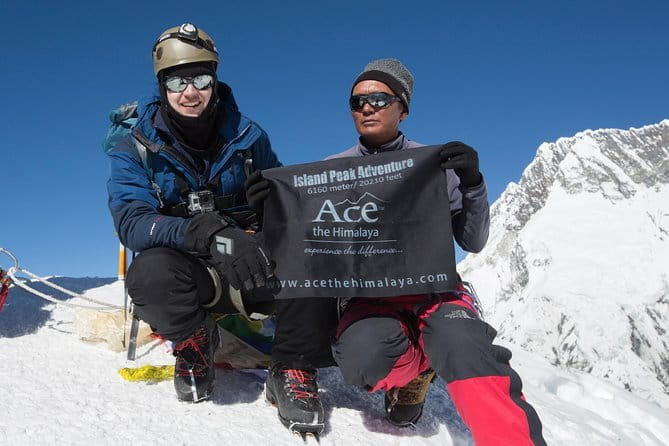
- Island Peak training included, so you learn rope/ice tools and how to move with crampons before summit morning
- Domestic flights Kathmandu–Lukla–Kathmandu plus park permits and TIMS handled for you
- A spare weather day for Island Peak helps you avoid rushing when conditions change
Everest Base Camp plus Island Peak, all in one plan
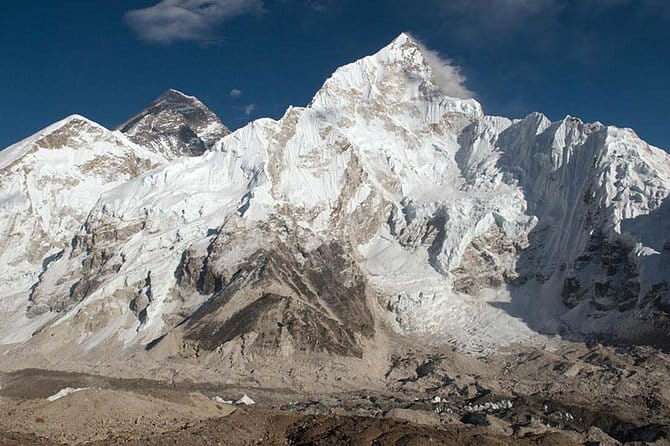
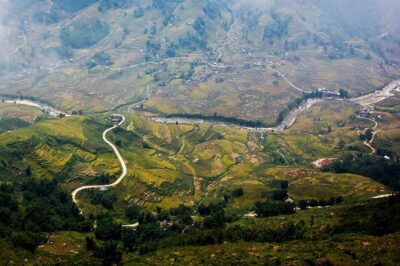
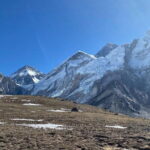
This is the kind of trip you do if you want the Everest story with more than photos. You’ll trek up through the Khumbu region, hit the classic milestones—Phakding, Namche, Tengboche, Dingboche—then reach Everest Base Camp and Kala Pattar. After that, you keep going into the Island Peak route where the goal shifts from hiking endurance to technical glacier movement.
The best part of doing both in one structured package is that the hard parts are staged. You don’t just jump from low altitude to summit ambitions. The itinerary gives you time to adapt to thinning air, then switches gears for the climbing days when you’re ready.
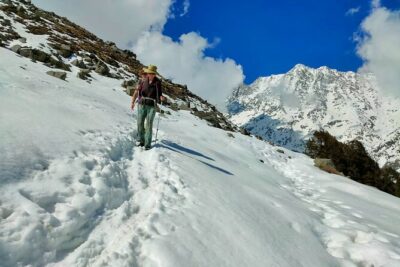
You should also know what you’re signing up for: Island Peak is not a casual summit. It’s not described as technically extreme, but you’ll be on snow slopes with crevasses, plus a steep headwall. You need stamina, cold-weather comfort, and a steady head when conditions are demanding.
You can also read our reviews of more tours and experiences in Kathmandu.
Price and value: what $3,300 buys you (and why it matters)
At $3,300 per person, the question isn’t only whether it’s affordable. It’s whether it covers the stuff that usually adds up fast in Nepal’s Himalaya.
Here’s what’s included in the price, and why that’s valuable:
- Domestic flights: Kathmandu to Lukla and back again. These are essential because driving to the trailhead is not an option.
- Permits and park fees: Everest National Park permits and TIMS, plus all documents needed for Island Peak.
- Guides and porters: a local Ace the Himalaya licensed trekking guide, a climbing Sherpa for summit day, and porters (one porter for every two guests).
- Your food and lodging on trek: guesthouses in the main villages, plus tented camp and meals at Island Peak Base Camp.
- Climbing support: group climbing equipment is included, along with ice training before the summit attempt.
- Basic hydration and extras: filtered water on the trail (using a Katadyn Pocket Water Filter) and seasonal fruits.
What’s not included is also important:
- Lunch and dinner in Kathmandu
- Travel insurance that covers emergency high-altitude rescue/evacuation
- International flights, plus visa and departure tax
- Alcohol and non-trail drinks
- Personal trekking equipment and tips
So the real value here is that you’re not paying extra “while you’re already tired.” A lot of the logistics are handled before you ever start walking.
Kathmandu setup: airport pickup and the pre-trek briefing
Your trip begins with a representative meeting you at Tribhuvan International Airport. You’re then transferred to your hotel by private vehicle, and there’s a pre-trip meeting where the guide and trek leader get introduced.
Timing matters. If you land after 4 pm, your briefing happens later as your pre-trip meeting. If you arrive earlier, the meeting happens at the office the same day. Bring your passport, and use that first meeting to ask the questions you’re afraid to forget later—what to pack, how the climbing training will feel, and how your health history should be handled.
This is also when you’ll get a clearer picture of how the group will run. You’re going to live with your team for nearly three weeks, so knowing how decisions are made (especially around weather) helps your brain relax.
Day-by-day trekking reality: Lukla to Namche (where altitude starts playing mind games)
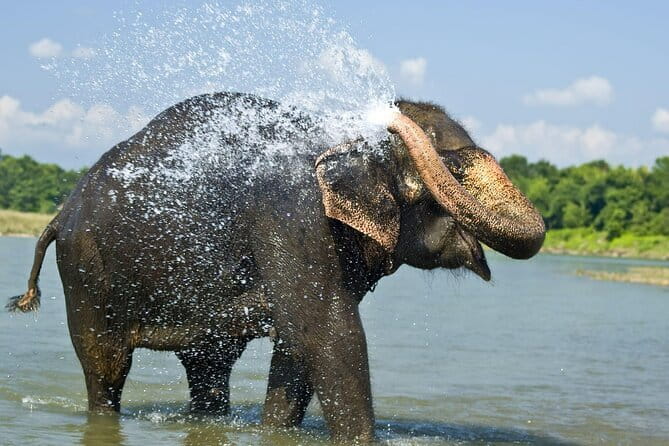
The trek starts with a short flight from Kathmandu to Lukla (2,804 m). It’s a scenic hop, then the walking begins with a descent toward Phakding at about 2,610 m.
Phakding is your warm-up village. You get a chance to stroll, settle in, and let Sherpa/crew logistics catch up while your pack is being sorted. It’s the first place where you’ll notice the rhythm of the trek: quick mornings, long afternoons, and little pauses for views and bridges.
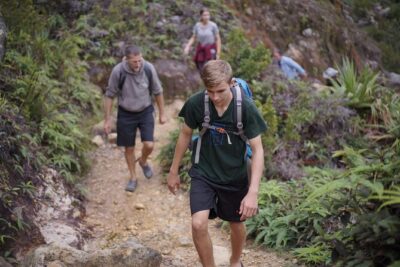
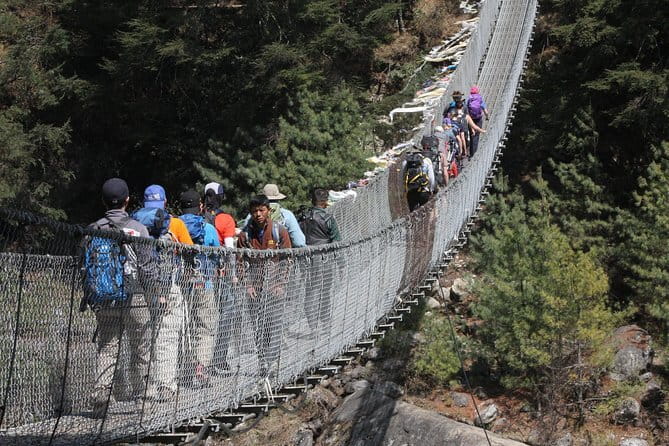
From Phakding, you move toward Namche Bazaar, crossing suspension bridges over the Dudh Kosi. This part of the trail is what most people imagine when they picture the Khumbu—flags, river valleys, and quick altitude gains that feel manageable until they don’t.
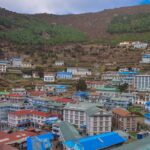
Namche is the gateway town. It has lodges, shops, bakeries, money exchange, and plenty of internet cafes. But you’re not there only for convenience. You’re there for altitude adaptation.
Namche acclimatization: museum culture and the Everest View Hotel trick
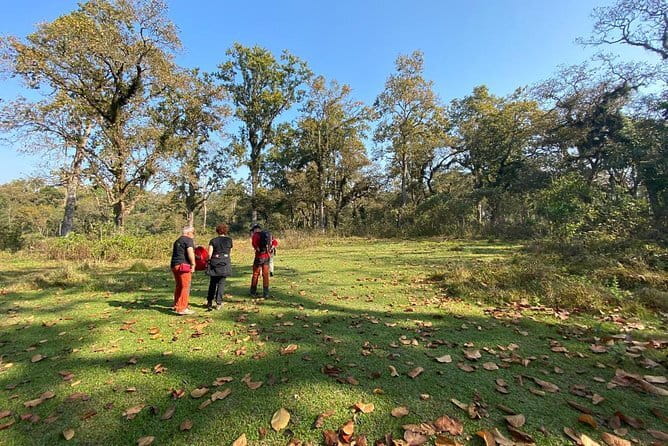
You spend a full acclimatization day in Namche. This is one of the best moves in the whole plan because it protects your success later. Thinning air is sneaky—you might feel fine one day and then pay for it two days later.
In Namche, you hike up toward Syangboche Airport and the Everest View Hotel. The altitude exposure is the point, and you still get reward views when the weather cooperates.
There’s also a museum stop that focuses on Sherpa culture and customs. It’s a useful reset. When you’re walking at altitude, it helps to remember that you’re not just on a climb—you’re moving through a living community with history and traditions.
If you’re the type who gets anxious about altitude, this Namche day is your time to breathe and get your bearings fast.
Tengboche and Dingboche: monasteries, mani stones, and smart pacing
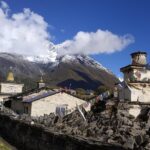
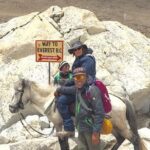
From Namche, the route moves along glacial water and mountain terrain to Tengboche (around 3,860 m). The Tengboche monastery (Gompa) is a major cultural stop with ornate wall hangings and religious instruments. Depending on conditions, you may attend a prayer ceremony in the evening or the morning.
This is a good day for two reasons:
1) it’s scenic and grounding, and
2) it teaches you how to walk steadily when you’re already higher than you’re used to.
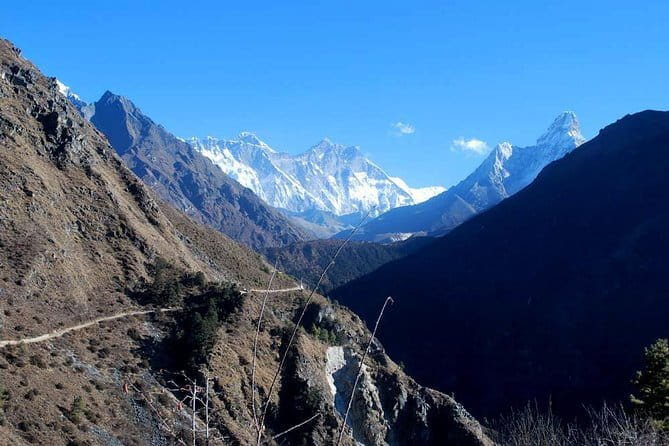
Next comes Dingboche (a quieter, traditional Sherpa village) with big views of peaks like Lhotse, Island Peak, and Ama Dablam. The itinerary also avoids forcing progress when it matters most. You’ll take a planned acclimatization day here too.
Instead of pushing toward Base Camp, you hike to Nangkartshang peak for views, especially of Ama Dablam. That “gain altitude without racing” approach is a big reason people make it through this trek feeling strong rather than wrecked.
Lobuche, Everest Base Camp, and Kala Pattar: the days you’ll remember
As you continue higher, you reach Lobuche at the foot of Lobuche peak. This stretch follows the Khumbu Glacier’s lateral moraine and includes memorial stones for climbers who passed away on nearby summits. It’s a quiet moment that puts the scale of the mountains into perspective.
Then comes the big day: Everest Base Camp at 5,365 m. Expect a long, difficult walk over the glacier terrain. From Base Camp you get the closest you can get to Everest without mountaineering equipment, and you’ll likely see expedition teams preparing nearby (depending on season).
After Base Camp, you return toward Gorak Shep for the night. Then the next morning is one of the toughest rewards of the whole route: Kala Pattar (5,555 m). You climb early and work for it, but you’re rewarded with a panorama that includes Everest plus surrounding giants like Nuptse, Pumori, Chagatse, and Lhotse.
You’ll have a quick descent and hot breakfast, then continue trekking down toward Pheriche. This part matters because it shows the trip isn’t only about peaks—it’s about recovery and moving forward without burning out.
Chukhung to Island Peak Base Camp: when the trek turns into climbing
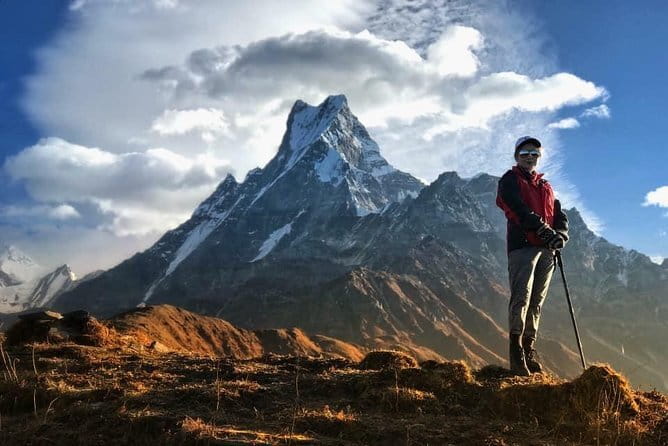
After Pheriche, the route goes toward Chukhung, including a climb into the Chukhung valley. This is where the scenery shifts and your mind starts switching from trekking muscles to climbing mindset.
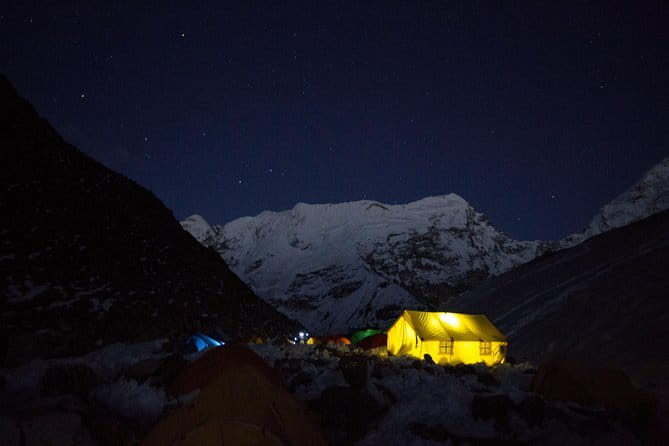
You then reach Imja Valley and Pareshaya Gyab area, ending at Island Peak Base Camp. You sleep in a tented camp and get meals cooked by a professional camping team. That’s a real comfort factor because it keeps you focused on acclimatization and climbing prep instead of figuring out camp logistics.
This segment also sets you up for the climbing days by giving you time near the summit zone. It’s not a random jump; it’s a transition period.
Island Peak summit day: training first, then the early start
You’re given two days for Island Peak to handle weather shifts. Summit timing is decided by the climbing Sherpa leader based on group acclimatization, weather, and snow conditions. That decision-making is the difference between a brave push and a smart one.
Before summit day, you receive ice climbing training. You’ll practice using climbing gears such as ropes, ice pick, harness, and crampons. Even if you feel confident on trails, learning how to move with the tools matters. It also helps your brain accept that this isn’t just walking on snow—it’s controlled movement.
Summit day starts very early. The climb can take around 4–6 hours. It’s described as not technically difficult in theory, but the environment is serious: crevassed snow slopes and a reasonably steep headwall. You need stamina and a good head for heights.
The second climbing day works as backup if weather forces changes, and it can also be used as rest if conditions improve.
The spare day strategy: why it reduces stress on summit attempts
There’s a dedicated spare day after the first Island Peak summit attempt window. The logic is simple: weather can shift fast in high altitude areas, and you can’t “reschedule Everest” like a city bus.
If conditions are extremely bad, the spare day can become the new summit opportunity. If the weather is good and the summit happens earlier, you can use that day to rest or relax on the trail before continuing toward Lukla. Flights are pre-booked for the Lukla–Kathbmandu leg, so the plan accounts for the reality that you may not be able to change flights last minute during peak season.
Head back down: Tengboche, Namche options, and that Lukla home stretch
After Island Peak, the descent takes you back through the Khumbu communities—Dingboche and surrounding villages, then up to Tengboche again. You get a second chance at monastery atmosphere and the rhythm of familiar trails, which is mentally helpful after the intensity of climbing.
On the way back toward Namche, the route includes forests of juniper, rhododendron, and fir. Then there’s a crossing back to the Dudh Kosi region and a climb that contours above the valley.
There’s an optional detour to visit Kunde and Khumjung villages before returning to Namche. These stops are the kind of cultural glance that rounds out the trek. It’s not only about Everest—it’s about how people live here.
Finally you reach Lukla, your trail start point. The afternoon is freer, with time to relax and even enjoy a hot shower. Then you fly back to Kathmandu, with a final airport transfer to finish the trip.
Included team and gear: why support matters more than you think
This trip is built around support that reduces decision fatigue.
You’ll have:
- a licensed English-speaking trekking guide for the trek,
- a climbing Sherpa guide for the Island Peak summit,
- porters assigned at a 1 porter for every two guests ratio,
- group climbing equipment (ropes, ice screws, snow bars, ice hammers),
- filtered water using a Katadyn Pocket Water Filter,
- and standard meals on trek, plus farewell dinner on the last night.
In past experiences, guides have been singled out for consistent altitude awareness and patient attention. Names that have shown up include Sandip, Deepak, Ram, and Pemba Sherpa, along with porter support like Bikas and Nijesh. That pattern matters because altitude issues aren’t theoretical. When you’re tired and cold, you want someone watching details like hydration and pace before they become problems.
I also like that you’re not stuck carrying everything. Personal loads add up fast on long Himalayan days.
What to pack (and what to plan for) without guessing
You’ll need personal trekking equipment, but the essentials for climbing are handled by the tour (within the included climbing setup and training). Still, you’ll be safer if you go in with a packing list that focuses on warmth, mobility, and dry layers.
Based on how this trip runs—long days, cold nights, and early-morning summit efforts—plan on:
- sturdy boots and cold-weather socks
- gloves and a hat that you’ll actually wear at sunrise
- a system for layers (because temperatures swing hard)
- basic personal meds and anything you need for altitude comfort
Also remember the obvious-but-critical part: bring travel insurance that covers emergency high-altitude rescue/evacuation. It’s not included, and this is the kind of trek where that protection is worth paying for.
Should you book this Everest Base Camp plus Island Peak trip?
Book it if you:
- want Everest Base Camp and Kala Pattar plus a real summit goal (Island Peak)
- prefer a small-group setup with active support
- want acclimatization days that make success more likely
- are ready for a tough, cold-weather, high-altitude challenge
Think twice if you:
- are unsure about your physical fitness level for a physically demanding trek
- don’t want to commit to early starts and weather-dependent climbing
- don’t plan to carry proper high-altitude insurance
If you like structured logistics and a team you can trust, this is the kind of package that helps you focus on the trail instead of the problems.
FAQ
Does the tour include airport pickup and transfers in Kathmandu?
Yes. You’re met at Tribhuvan International Airport and transferred to your hotel, and there’s also a drop-off at the end of the trip.
Are domestic flights between Kathmandu and Lukla included?
Yes. Airfare from Kathmandu to Lukla and back to Kathmandu is included.
Is my Everest trekking permit and TIMS permit included?
Yes. Everest National Park permits and TIMS are included.
Do I get climbing equipment and training for Island Peak?
Yes. You get group climbing equipment, and the itinerary includes ice climbing training on using items like ropes, ice pick, harness, and crampons.
What meals are included on the trek versus in Kathmandu?
All standard meals during the trek are included (breakfast, lunch, and dinner), but lunch and dinner in Kathmandu are not included.
What happens if the summit attempt is affected by weather?
The trip requires good weather. If it’s canceled due to poor weather, you’ll be offered a different date or a full refund. The itinerary also includes a spare day to manage weather changes during the Island Peak part.