REVIEW · MARRAKESH
Marrakech: Guided 2-Day Trek to Imlil and Imnan Valleys
Book on GetYourGuide →Operated by Marrakech Day Trips - Tours · Bookable on GetYourGuide
Atlas valleys feel different when guided. This 2-day hike out of Marrakech takes you into the Imlil and Imnane valleys, past villages like Ait Souka and Tamatert, and up to viewpoints that frame the Toubkal massif (4167 m). I love how the trek is split between modern life in the Imlil side and slower farming routines in the Imnane side, so the mountains feel like a real place—not a photo backdrop.
My second favorite part is the “live there” details: you’ll eat as you walk, drink mint tea at the start, and spend the night in a Berber guesthouse or mountain lodge where meals are cooked for the group. One possible drawback: you’re climbing and descending on rough paths, and December nights can be bitterly cold, so you’ll want good footwear and warm layers.
In This Review
- Key things to know before you go
- Why the Imlil–Imnane valleys feel worth two days
- Day 1: Imlil (1740 m) to Tizi n’Tamatert (2270 m) and up to Tacheddirt
- Ait Souka and Tamatert: village life you can actually see up close
- Lunch at the valley floor, then the climb to your night stop
- The Berber guesthouse night: what you gain from sleeping in the mountains
- Day 2: Imnane valley farming, Tizi n’Aguersioual views, and lunch by the river
- The Toubkal viewpoints: what you should realistically expect
- Pace and difficulty: how to make this trek feel manageable
- Guides and group size: why the small-team approach helps
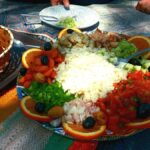
- Meals on the trail: mint tea, orange juice, and hearty dinners
- Price and value: what $112 buys you in the Atlas
- Best time to go, and what weather can do to you
- Who should book this trek—and who should skip it
- Should you book the Marrakech: Guided 2-Day Trek to Imlil and Imnan Valleys?
- FAQ
- How long is the trek?
- What’s included in the price?
- What language is the guide in?
- What’s the group size?
- Where does pickup happen in Marrakech?
- Do I need to bring hiking equipment?
- What should I bring?
- Is the overnight stay included?
- Is cancellation allowed?
Key things to know before you go
- Small group (max 6) helps the guide keep a steady pace without rushing.
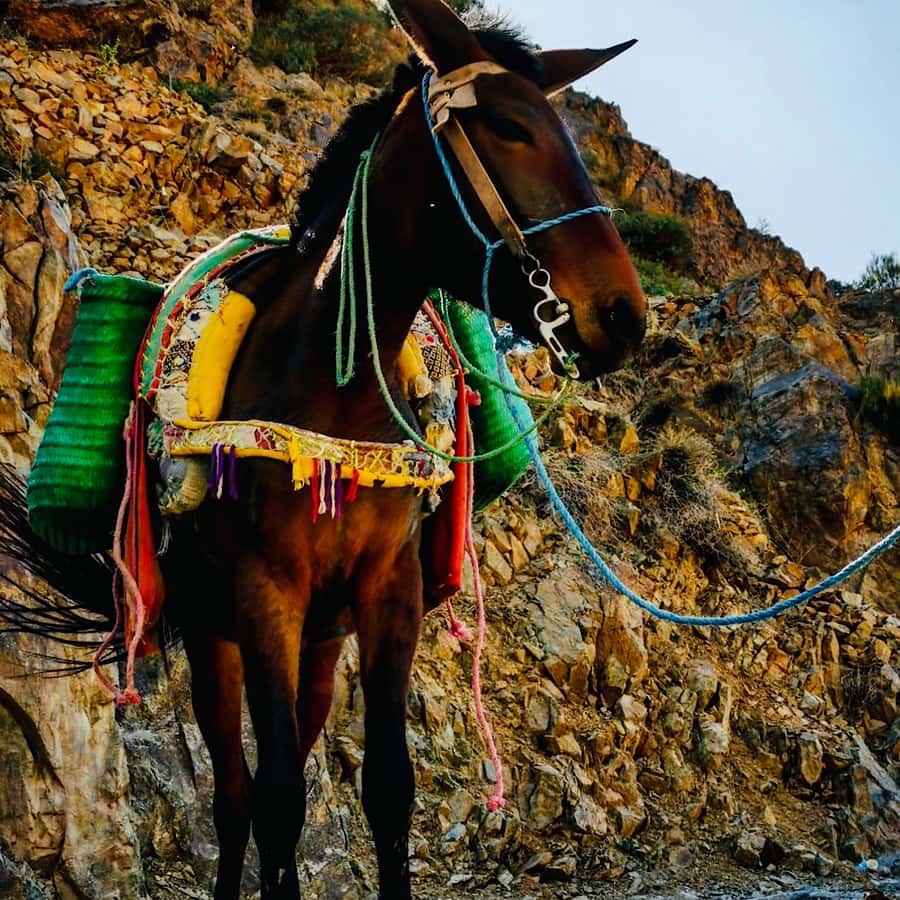
- Mule team handles your gear, so you hike more comfortably.
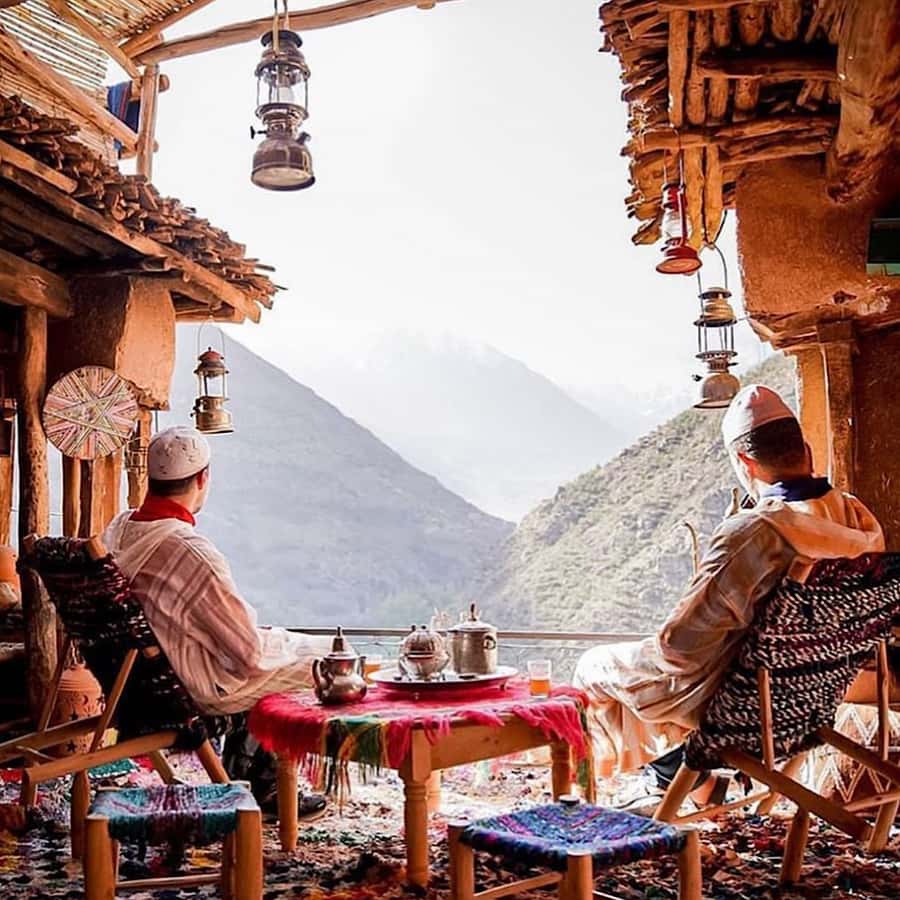
- Tizi n’Tamatert (2270 m) is the big Day 1 viewpoint where the scenery opens up fast.
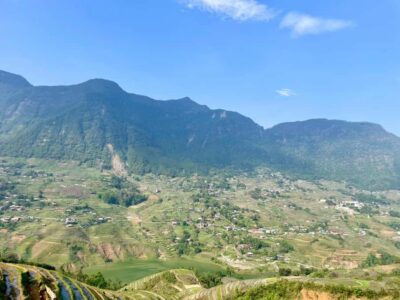
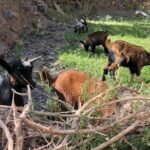
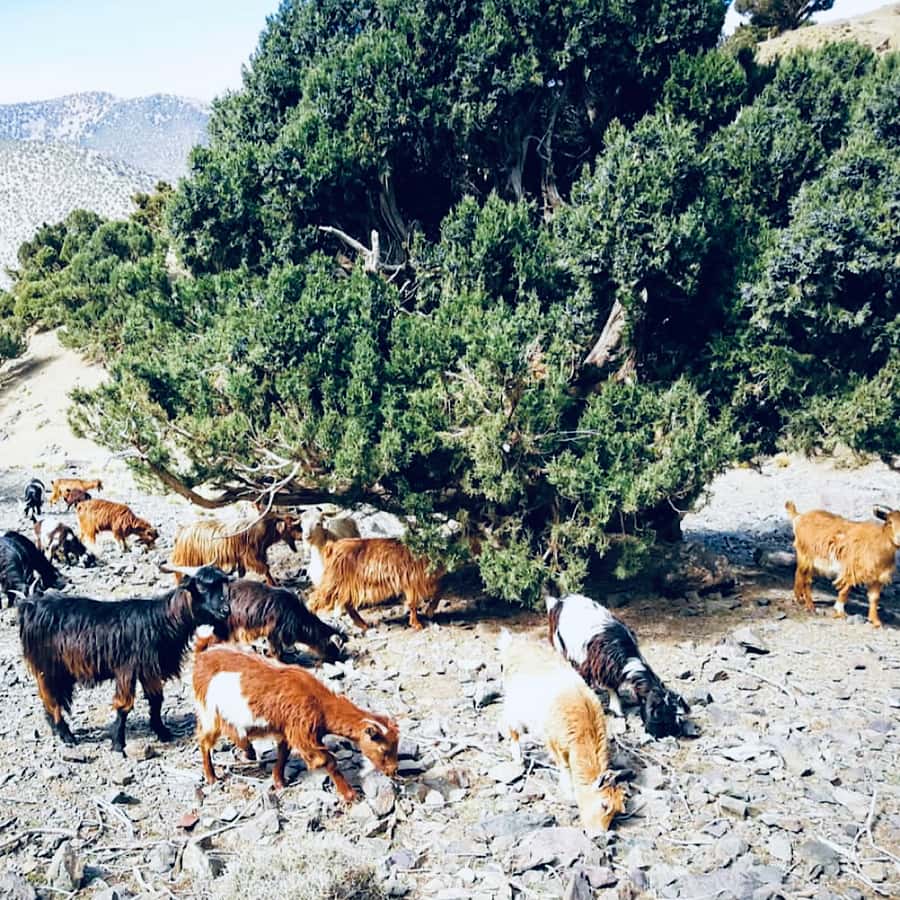
- Imnane valley is the farming side: terraced fields, herding routines, and quiet villages.
- Tachedirt / Tacheddirt (around 2400 m) is where the night gets scenic and remote.
- Tizi n’Aguersioual viewpoint (2100 m) lets you straddle two valleys before the descent to Aguersioual.
Why the Imlil–Imnane valleys feel worth two days
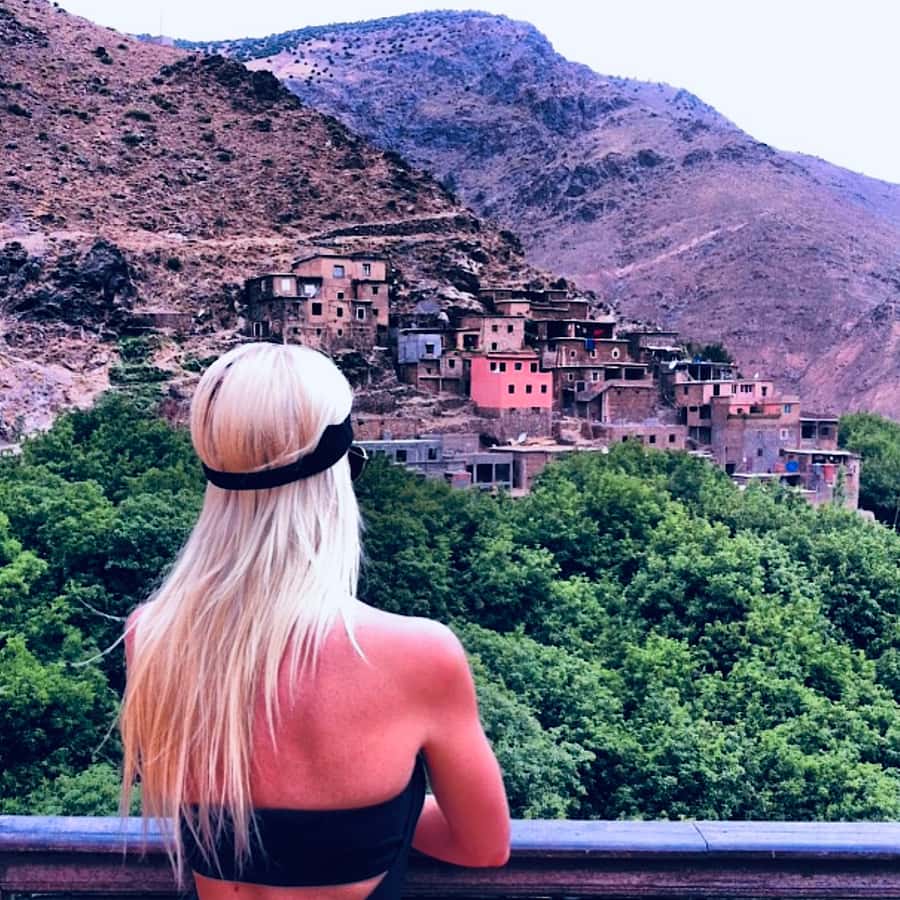
This trek works because it gives you two sides of rural Morocco that people often blend together. The Imlil side tends to show more development—new shops, guesthouses, and activity in and around the valley. Then you cross into the Imnane side, where life stays tied to planting, tending animals, and working terraced fields along a narrow valley floor.
That contrast is exactly what makes the hike feel thoughtful instead of just scenic. One day you’re walking through a valley that’s busy with visitors and services; the next day you’re moving at the pace of farmers and shepherds. And because the route includes high passes, the views reward you even when the villages aren’t on a postcard.
Day 1: Imlil (1740 m) to Tizi n’Tamatert (2270 m) and up to Tacheddirt
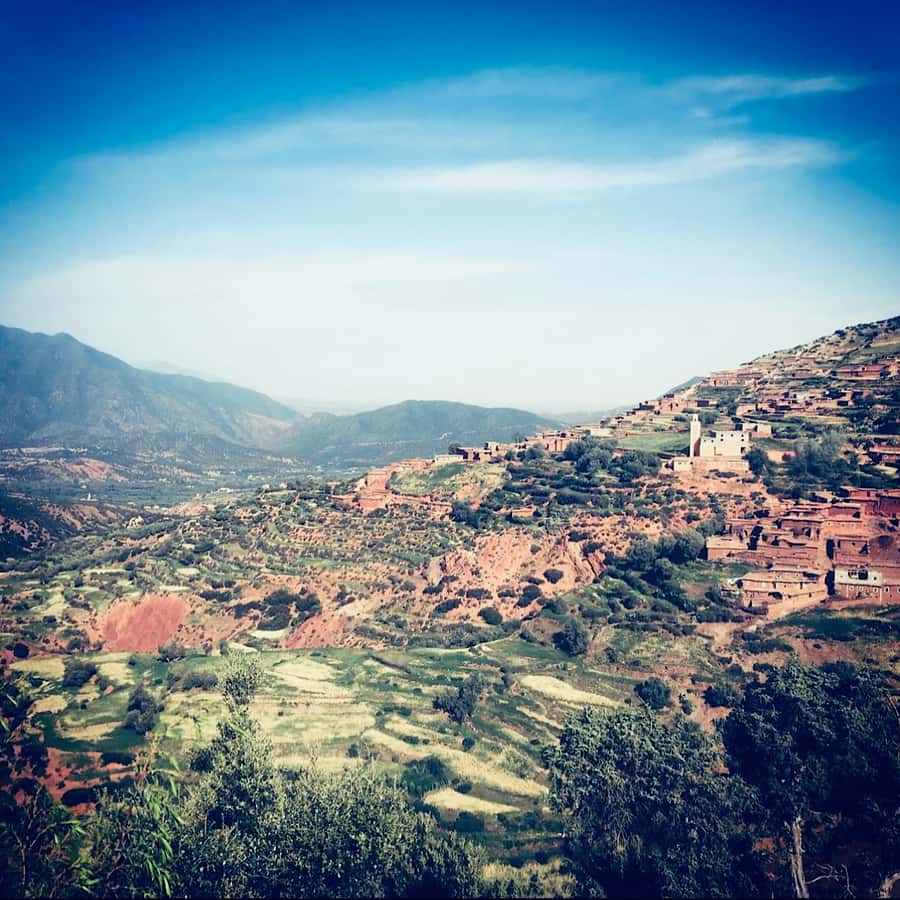
You start in the morning in Imlil. There’s usually a welcome mint tea moment first, then your gear gets stowed on the mules. This matters more than it sounds: it keeps the hike from turning into a weight-training session and lets you focus on footing and breathing.
The morning climb aims for a pass you can spot when you look up the valley. Along the way, you’ll pass through villages like Ait Souka and Tamatert, then transition onto forested trails as you gain altitude. This is where I like the route design: it gives you village texture first, then changes into mountain trail as you work toward Tizi n’Tamatert.
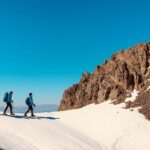
At Tizi n’Tamatert (2270 m), the views back and forward can feel almost instant—like the mountains finally agree to show off after you’ve earned them. There’s also often a small kiosk stop for freshly squeezed orange juice. It’s a tiny thing, but it’s practical: a quick pause, a cold drink, and time to take in the valley angles before you descend.
After the pass, the route drops down to the valley floor where you’ll take lunch. Then the day shifts uphill again, pushing you toward Tacheddirt (around 2400 m) for the night. The elevation makes the evening feel different. You’ll likely notice the air get thinner and colder as night approaches, even if you didn’t feel it much during the climb.
Ait Souka and Tamatert: village life you can actually see up close
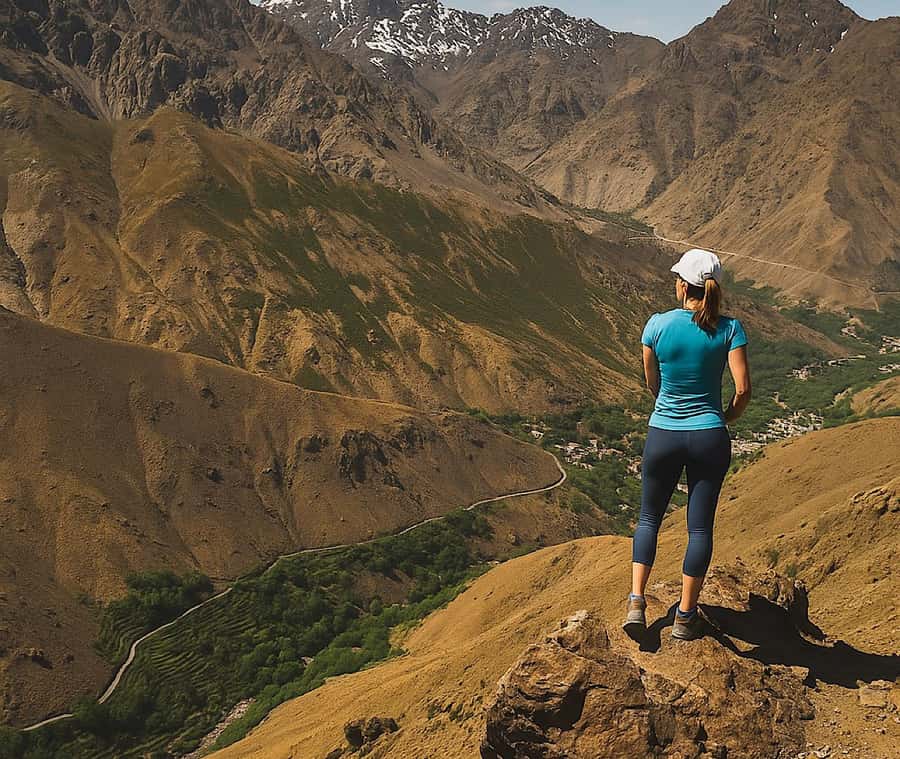
This trek spends real time around Berber villages instead of treating them as quick photo stops. You’ll see homes, the way people move through their day, and how farming and animal care shape the landscape. The Imlil-to-pass section can feel like a gentle transition: from valley routines to a higher trail that brings you out over the wider High Atlas.
One reason this feels authentic is that you’re walking through the areas rather than just arriving and leaving. Even when the route is guided, you still get those small moments—hearing daily activity, seeing terraced plots, and watching how people use paths and water along the valley floor.
Lunch at the valley floor, then the climb to your night stop
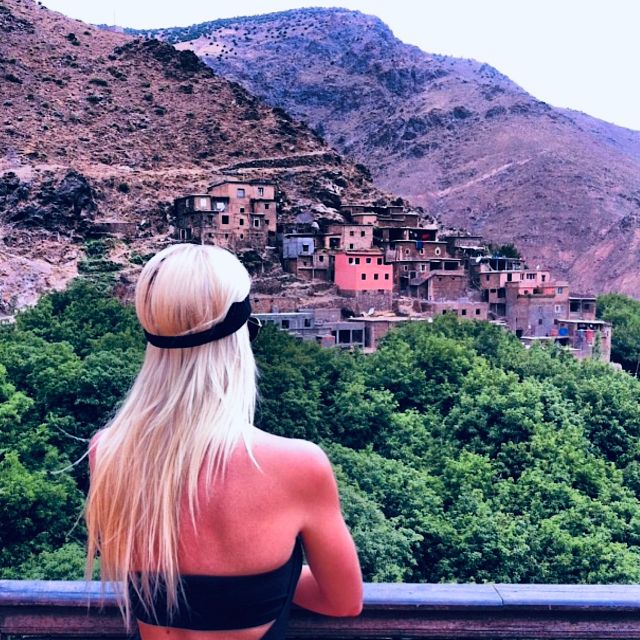
Lunch isn’t just a meal break; it’s where the day’s rhythm changes. After reaching the pass, you descend to the floor and reset—feet, breathing, energy. You’ll then head uphill again toward Tacheddirt, and that second leg is the one that helps you feel the day as two connected journeys.
Pay attention here: as altitude and temperature shift, the “easy” trail can still turn slippery. Stones show up more on higher routes, and the slope can feel steeper than you expect. Plan to walk calmly, not heroically. Most people finish stronger when they treat the second climb like a steady grind.
The Berber guesthouse night: what you gain from sleeping in the mountains
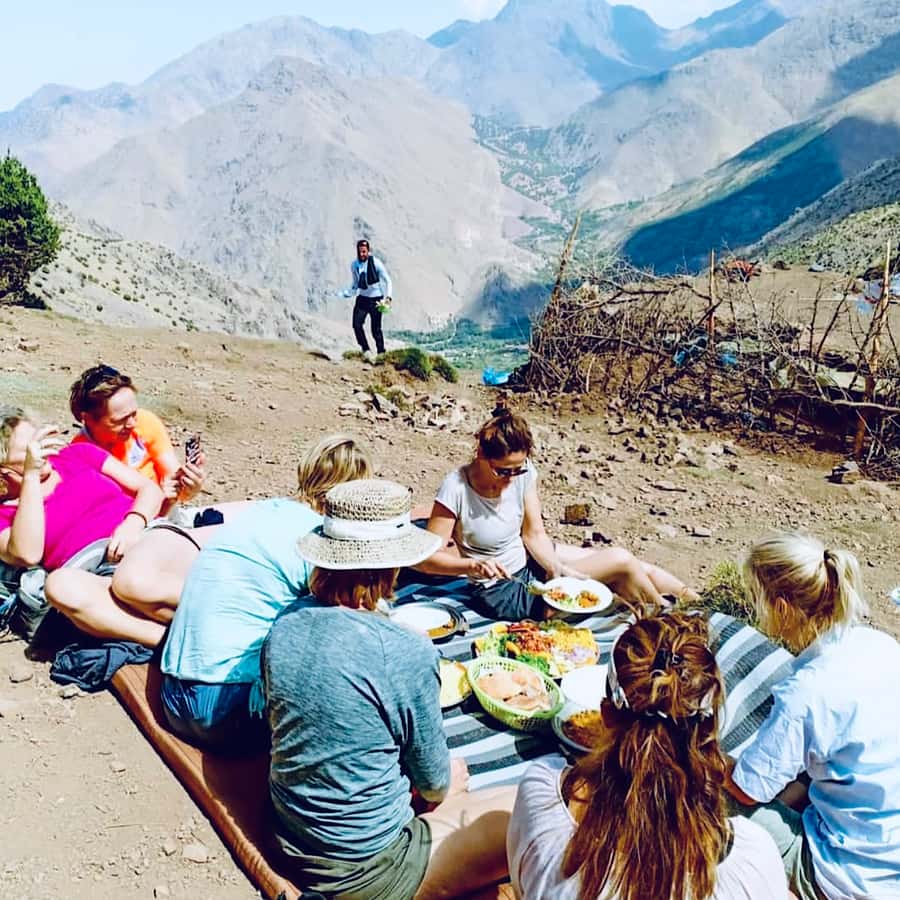
Overnight stays are in a Berber guesthouse or mountain lodge (the exact setup can vary, but you’re sleeping locally in the valley rather than bouncing back to a hotel). This is the heart of the value. Your group gets all meals during the trek—breakfast, lunch, dinner—plus mineral water and mint tea.
In terms of comfort, you should set expectations like a trekker, not like a resort guest. Reviews point out that the accommodation quality can be very clean and well-run, but heating can be limited in winter. If you’re going in late fall or winter, pack for cold. December conditions—especially at night—can be very chilly, so layering matters as much as your boots.
Also, this night stop is where you slow down. After the final descent or uphill grind, the valley becomes quiet. You’ll often have a chance to drink tea again and simply watch mountain life shift into evening routines.
Day 2: Imnane valley farming, Tizi n’Aguersioual views, and lunch by the river
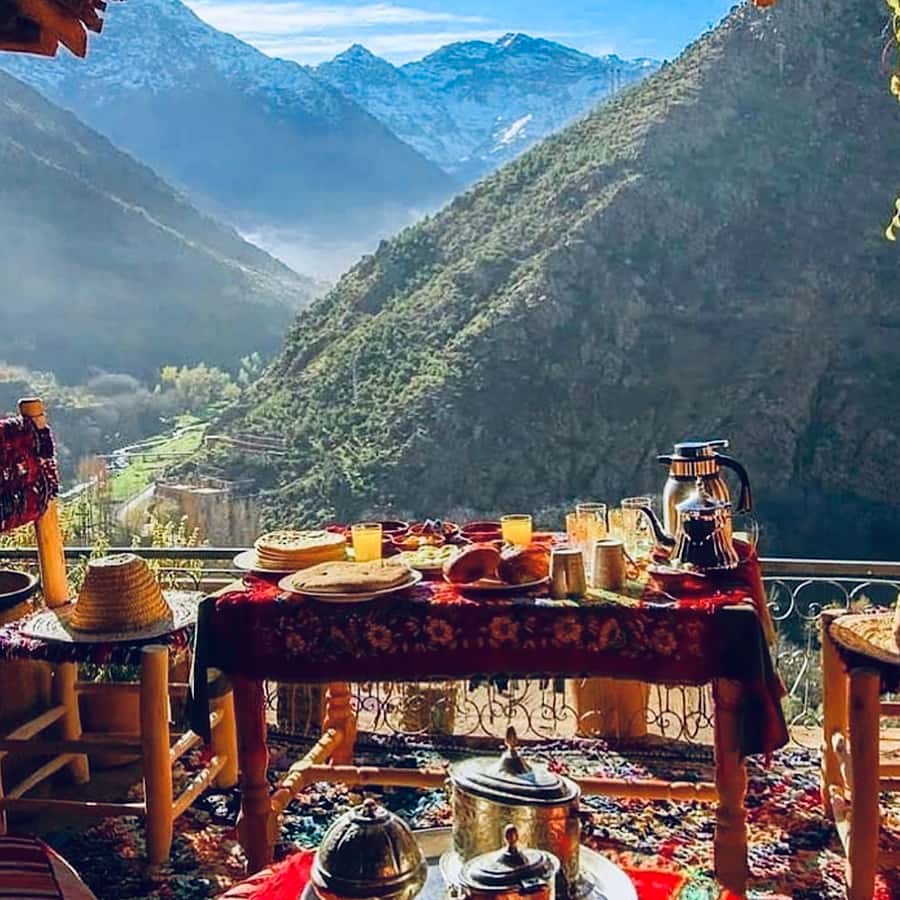
Day 2 starts with a local breakfast that powers the morning. Then mules are packed and you head out again. The route follows the valley through multiple Berber villages—this is where you see daily farming and animal routines up close. You’re not just passing buildings; you’re moving through the working side of the valley.
After that valley wandering, the route climbs toward Tizi n’Aguersioual (2100 m). This viewpoint is special because you’re straddling two valleys from a high point. In plain terms: the scenery expands, and you can trace where you walked the day before versus where the terrain opens in front of you.
From there, you descend. The descent passes villages perched on the mountainside and eventually reaches the roadside village of Aguersioual (1650 m), where your transport is waiting. Lunch is typically in the valley by the river, which is a nice closer. It gives you a calm ending instead of a rushed pickup.
Finally, you return to Marrakech. Some travelers also choose to stay near Imlil or in another village if they want a slower wrap-up day.
The Toubkal viewpoints: what you should realistically expect
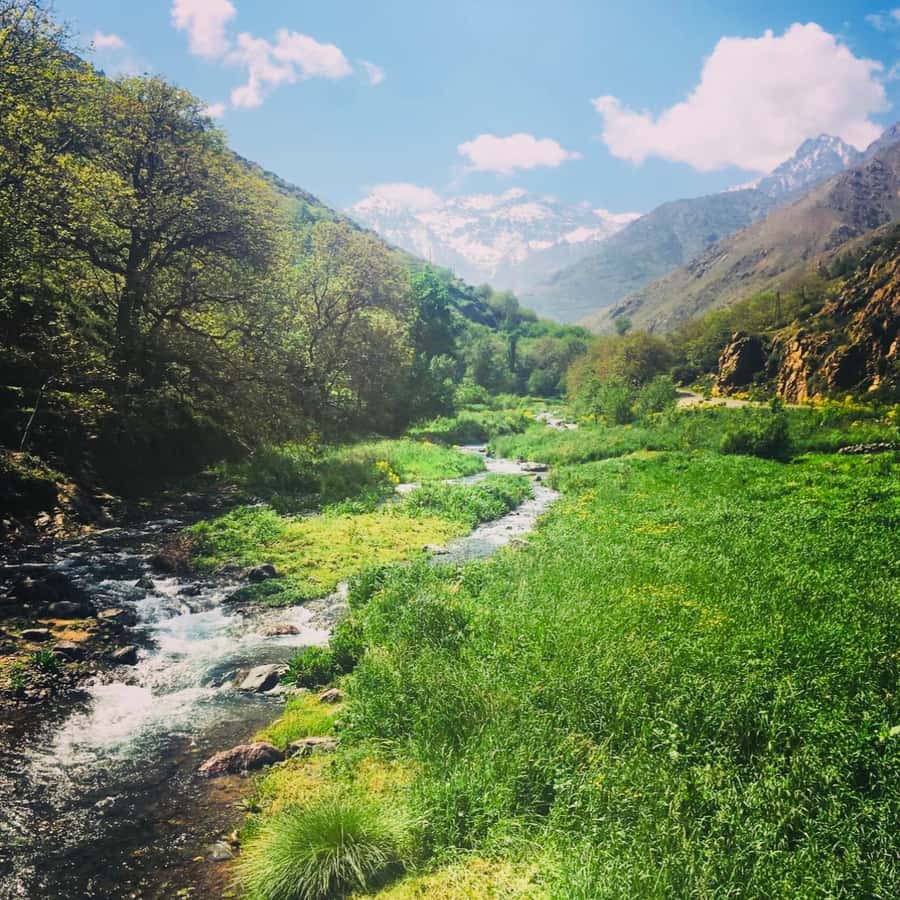
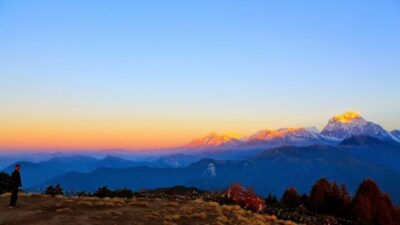
You’ll get stunning views over the Toubkal summit area, including the highest peak in North Africa at 4167 m. Important nuance: this trek is not a Toubkal summit hike. You’re here for passes, valley panoramas, and mountain faces. When the weather is clear, Toubkal can be visible in the wider massif view from high points like the passes and ridgelines.
That’s still worth it. A good “look at the big thing” moment is one of the best souvenirs you can take home—because it reframes your whole day. You stop thinking in terms of distance and start thinking in terms of scale.
Pace and difficulty: how to make this trek feel manageable
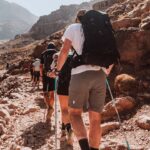
This is a guided trek that most people can handle if they’re fit and willing to walk. Still, it’s not flat. Expect uphill and downhill hiking, plus rocky sections that can feel slippery.
A good rule: if you can handle a couple hours of steady uphill walking, you’re in the right neighborhood. If you’re dealing with injuries or health issues, it can get complicated fast—so it’s better to choose a different style of trip.
Altitude also comes into play. One guide example shows how they adapted when altitude sickness happened for someone in the group. That’s a reminder: take it easy on the first hours, hydrate, and tell your guide early if you feel off. Better to slow down than to power through.
Gear tip that’s worth repeating: bring real hiking shoes. Some people find trekking poles helpful too, especially on the second day. Shoes and sticks may be available to rent for an extra fee, but you’ll enjoy the hike more if you’re already used to your own footwear.
Guides and group size: why the small-team approach helps
The trek runs as a small group capped at 6 participants. That changes the feel. You get attention without waiting for a large procession, and your guide can adjust pace based on how you’re doing.
The guides are English and/or French speaking, with Arabic also possible. Names that have shown up with strong recommendations include Kamal, Houssain, Kamal again, and Mohamed Bewajamor, plus Abdoul, Ismael, and Omar. The common thread is care: guides aim for a pace that keeps you safe and comfortable, and they’re ready to make adjustments when someone needs to slow down.
If you enjoy conversation, this kind of group size gives you time to ask questions. You’ll also get practical route explanations—where you’re headed and why each pass matters—so the hike feels intentional.
Meals on the trail: mint tea, orange juice, and hearty dinners
Food is not an afterthought on this trek. You’ll have meals during the hike, including lunch and dinner, plus breakfast on Day 2. Mint tea is part of the start, and there’s often an orange juice stop near the pass area.
The meals tend to be filling. That matters on a two-day trek where you’ll burn energy even if you’re walking at a relaxed pace. The dinner and breakfast are also part of the cultural rhythm—eating as the day’s work winds down, not as a rushed pit stop.
Two small practical notes:
- In colder months, a warm dinner helps, but don’t count on the lodge being properly heated.
- If you’re sensitive to cold, bring layers you can sleep in. The night is part of the experience, and it can be very chilly.
Price and value: what $112 buys you in the Atlas
At around $112 per person for a 2-day guided trek, this is priced like a full-service outdoor experience, not just a walking tour.
You’re paying for:
- a professional local mountain guide (English/French),
- round-trip transport between Marrakech and Imlil,
- overnight stay in a Berber guesthouse or mountain lodge,
- all meals during the trek,
- mineral water and mint tea,
- and the mule team support for carrying your gear.
When you compare it to the cost of piecing together transport, lodging, and guide time separately, the bundle tends to make sense—especially with the small group size. The only extra you might need is equipment like shoes or trekking poles if you don’t bring your own.
So the question becomes: do you want the comfort of handled logistics and included meals, while still getting a real walk through villages and passes? If yes, the value is strong.
Best time to go, and what weather can do to you
The tour itself suggests checking the weather before you book, and that’s exactly right. Mountain conditions can shift, and passes add exposure.
If you’re traveling in colder months, plan for cold nights. One important data point: December can mean glaciale nights, and heating in the overnight place might be limited. That doesn’t mean the trip isn’t doable. It means you should pack intelligently—warm socks, a hat, and a jacket you’d actually wear in mountain cold.
Also, if it’s raining or foggy, expect reduced visibility at the passes. That’s the trade-off with mountain trekking: your schedule stays the same, but the views depend on the sky.
Who should book this trek—and who should skip it
This guided Imlil and Imnane trek is a great match if you want:
- a two-day Atlas Mountains walk without planning every detail,
- village experiences tied to daily life in Berber communities,
- real scenic viewpoints at high passes,
- and a small-group feel that keeps the experience personal.
It’s not a good fit if you’re pregnant or if you’re in a very advanced age bracket (the tour notes it isn’t suitable for people over 95). If you have serious mobility limits or health concerns, talk with your doctor first and choose a different itinerary that’s less demanding.
Should you book the Marrakech: Guided 2-Day Trek to Imlil and Imnan Valleys?
I’d book it if you want a guided trek that’s more about walking through living mountain valleys than chasing a single famous summit. You’ll get the pass viewpoints, the contrast between Imlil’s more active valley life and Imnane’s farming side, and an overnight stay that makes the trip feel complete.
Skip it (or at least be extra cautious) if you’re sensitive to cold nights or if you’re not comfortable on rocky, sloped trails. Bring proper shoes, pack warm layers, and keep your pace calm on Day 1.
If you like practical adventure—mint tea, mule-packed gear, village paths, and those high pass moments—this is a solid choice.
FAQ
How long is the trek?
It’s a 2-day guided trek through the Imlil and Imnane valleys.
What’s included in the price?
The package includes a professional local mountain guide, round-trip transport from Marrakech to Imlil and back, overnight lodging in a Berber guesthouse or mountain lodge, and all meals during the trek (lunch, dinner, breakfast), plus mineral water and mint tea.
What language is the guide in?
The guide is available in English and French, and Arabic is also listed as available.
What’s the group size?
This is a small group limited to 6 participants.
Where does pickup happen in Marrakech?
You’ll meet at your hotel reception. If the hotel isn’t accessible by car, the operator will contact you 24 hours before the start to confirm the meeting point via WhatsApp or email.
Do I need to bring hiking equipment?
Comfortable walking shoes are recommended. Walking sticks and other items (like shoes) may be available to hire, but that can cost extra since it’s not included.
What should I bring?
Bring a passport, comfortable shoes, comfortable clothes, a camera, and cash.
Is the overnight stay included?
Yes. You’ll sleep in a Berber guesthouse or mountain lodge included in the trek.
Is cancellation allowed?
Yes, the tour lists free cancellation up to 24 hours in advance for a full refund.