REVIEW · SA PA
From Sapa: Waterfalls, Trekking and Tribal Villages Tour
Book on GetYourGuide →Operated by Sapa Unique Tour - Viet Sapa Travel · Bookable on GetYourGuide
Two waterfalls in 5 hours sounds impossible. It’s not, and I love how this trip mixes Silver Waterfall views with real time in the villages. The small group setup (up to 15) also makes it easy to ask questions. One drawback: the walking can run longer than the headline 4-hour trek on some days.
What makes this tour click is the rhythm. You start with big scenery—Silver Waterfall and Love Waterfall—then shift to a mountain trail through rice paddies and tribal villages, ending with a relaxed 30-minute ride back to Sapa. If you’re chasing a gentle stroll only, do keep in mind the terrain can be steep and you may spend closer to 5 hours on foot depending on the route and conditions.
In This Review
- Key moments you’ll remember
- Silver and Love Waterfalls: Why the first part feels like a reward
- Tram Ton Pass: The short scenic pause that keeps the day balanced
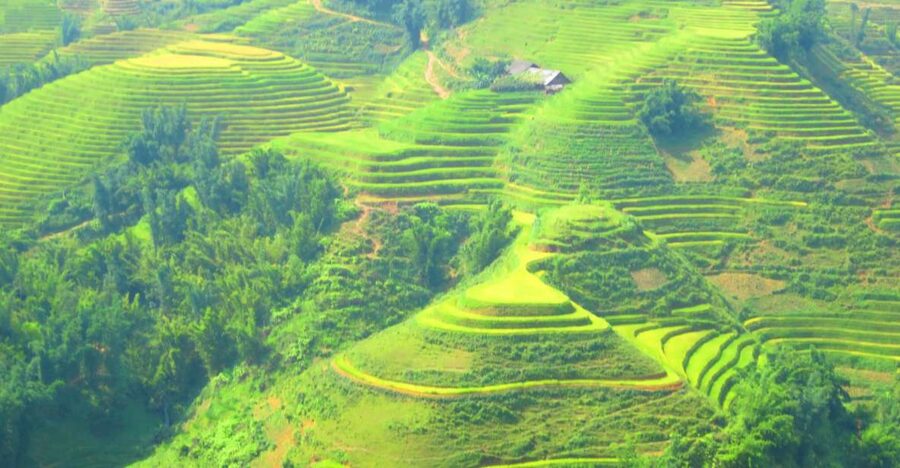
- Ban Khoan to Ta Phin: The trek through rice paddies and tribal villages
- What the walking actually feels like
- Village time: where the culture part becomes real
- Picnic lunch in a village: food, texture, and cultural context
- Guides make or break it: English, stories, and photo-friendly pacing
- What to pack for a Sapa mountain day (don’t skip this)
- Private car pickup, small group, and what’s actually included in your $72
- Is it good value?
- Who should book this trek, and who should reconsider
- Should you book this Sapa Waterfalls, Trekking and Tribal Villages Tour?
- FAQ
- How long is the Sapa waterfalls, trekking and tribal villages tour?
- Where does the tour start and do I get hotel pickup?
- What waterfalls do I visit?
- How long is the trek and where does it go?
- What’s included in the price?
- What should I bring for the trek?
- Is it suitable in colder months?
- Is there free cancellation?
Key moments you’ll remember
- Hoang Lien National Park waterfalls: Silver and Love Waterfall are the main show, and rain can make them even more dramatic
- Tram Ton Pass viewpoint time: short, scenic stop before the trekking day gets physical
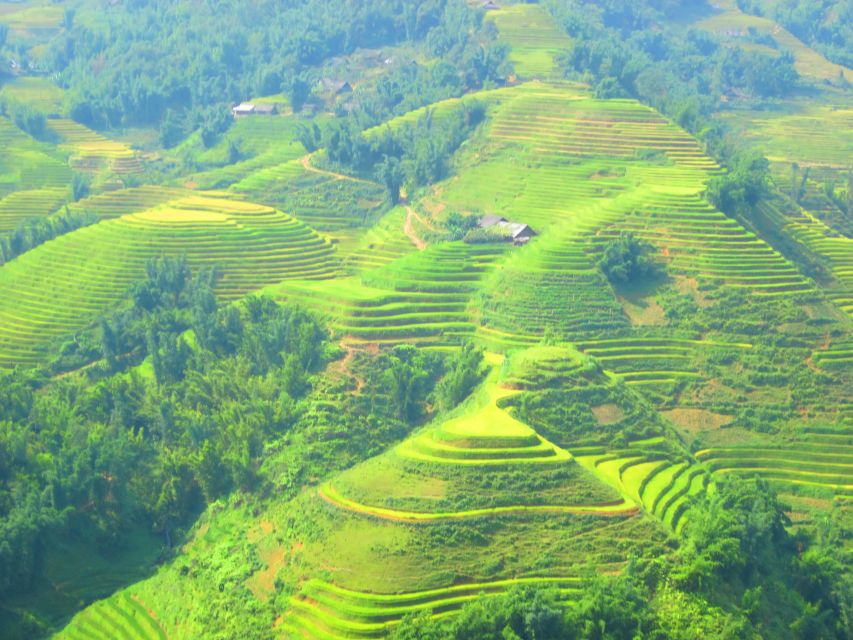
- Rice paddy and village trail: about 15 km/9.3 miles of mountain walking on a remote path
- Hmong and Red Dzao culture: you’ll see daily life and learn from your English guide
- Picnic lunch with locals: food is part of the experience, not just fuel
- Small group pace: limited to 15 participants, with guides like Lisa, Cu, Lan, Sue, and A leading the way
Silver and Love Waterfalls: Why the first part feels like a reward
The day starts about 30 minutes outside Sapa Town, and right away you’re headed toward the waterfalls in Hoang Lien National Park. The payoff is huge: you’re not just looking at water from a distant platform. You get real waterfall moments—wide views, mist in the air, and enough time to slow down and take photos.
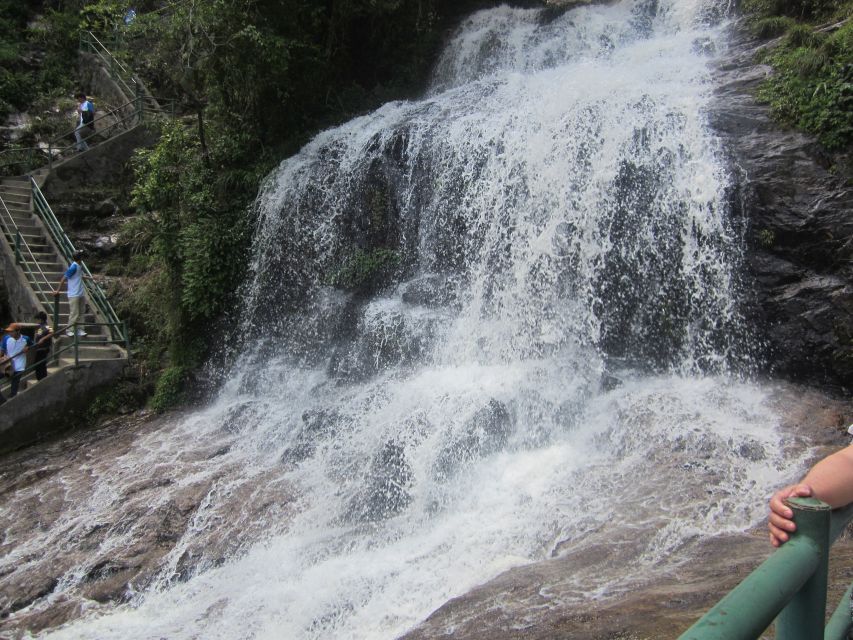
Silver Waterfall tends to be the first highlight. It’s the kind of stop where you feel the size once you’re closer to the flow. On a day with recent rain, the falls can look much more powerful, and that can make the whole experience feel like a different level of scenery.
Love Waterfall is your second big hit. Even if you’re not a hardcore hiker, the short walks around the falls help you earn the views. One useful detail to plan around: there can be some going up and down as you move between viewpoints, so wear footwear with solid grip.
My practical take: if you’re trying to get the most wow-per-minute, this tour front-loads the drama. You get your waterfall payoff while your energy is still high, before the trek asks more of you.
You can also read our reviews of more tours and experiences in Sa Pa.
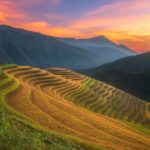
Tram Ton Pass: The short scenic pause that keeps the day balanced
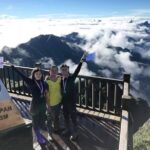
Before you leave the waterfall area, you’ll stop at Tram Ton Pass. This is your transition point. You’ll get a viewpoint moment that helps you reset your focus—from rushing water to open air and mountain horizons.
Why this matters: it’s a mental break right before you switch onto a trail through villages and rice fields. If you start the trek tired or stressed, the day can feel more exhausting than it needs to. Tram Ton Pass time makes the switch smoother.
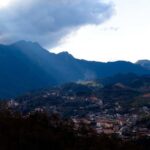
Also, conditions matter here. Sapa weather can change fast. Some outings can feel foggier, which can soften long-distance views. Still, even when visibility isn’t perfect, you’ll get plenty to look at while you move toward Ban Khoan.
Ban Khoan to Ta Phin: The trek through rice paddies and tribal villages
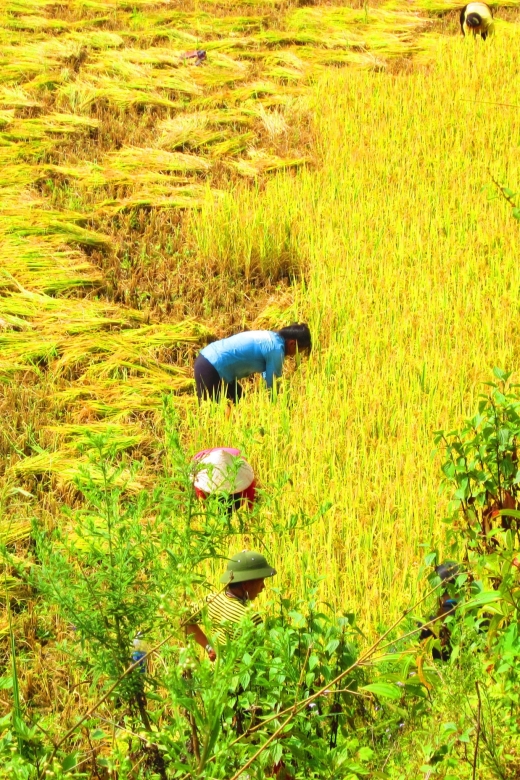
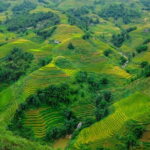
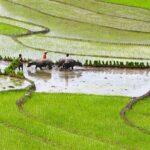
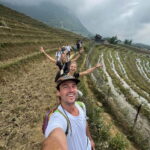
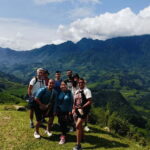
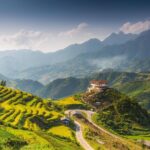
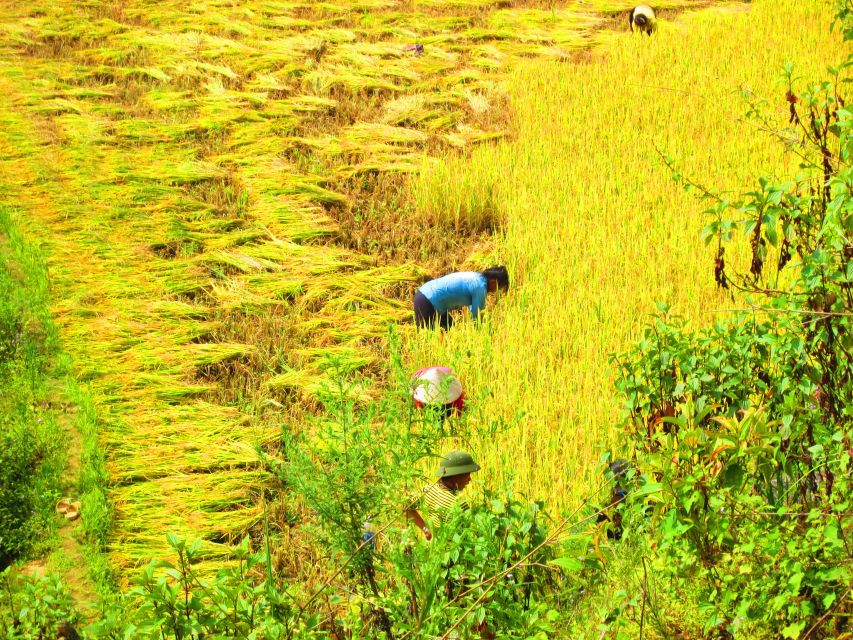
Now for the main event: the trek. From Ban Khoan, you head along a secluded mountain trail through rice paddies and remote tribal villages. The standard plan is a trek around 4 hours with distance noted as about 15 kilometers (roughly 9.3 miles). In real life, the pace depends on weather, footing, and the exact route your guide uses.
Here’s the key detail I’d give you before you book: this is usually described as not wildly intense, but it is still real trekking. Several guides kept the walk at a pace that feels doable, and some people found it perfect for a day when they didn’t want an all-day grind. At the same time, at least one group noted that the walking took closer to 5 hours, and that climbing can be significant—especially if you’re not used to hills.
What the walking actually feels like
Expect a mix of:
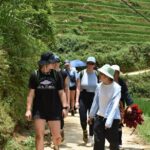
- Mountain trails with ups and downs
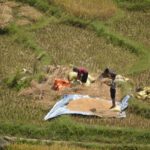
- Sections that pass farm country—rice paddies and fields that look especially good with soft light
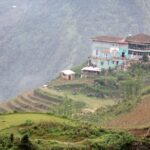
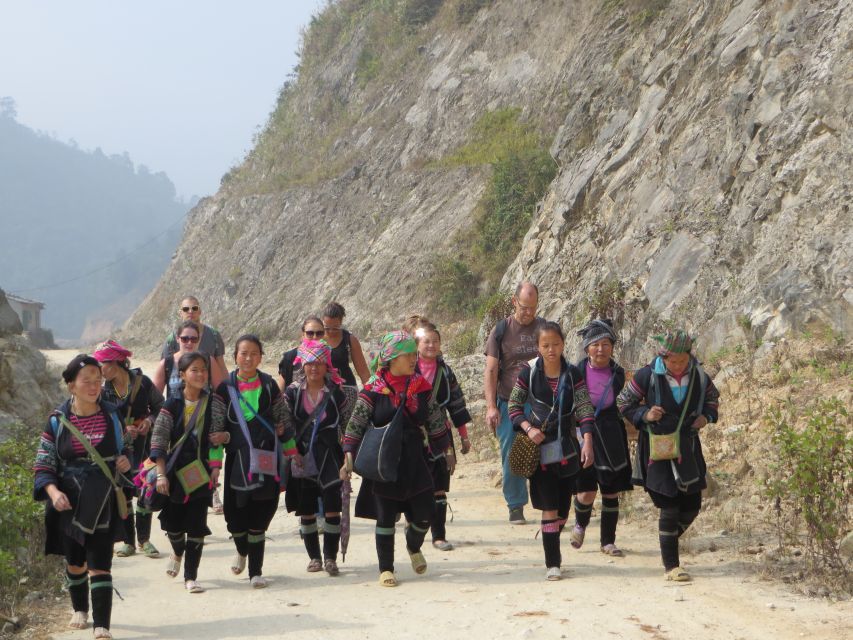
- Village paths where you can see everyday life up close
One outing described the most scenic stretches as corn fields and a bamboo forest area between villages. That matches the overall feel: this isn’t just a line from point A to B. It’s a changing trail with different textures and small views.
Village time: where the culture part becomes real
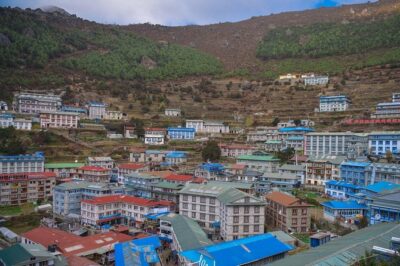
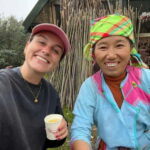
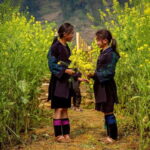
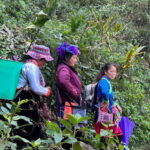
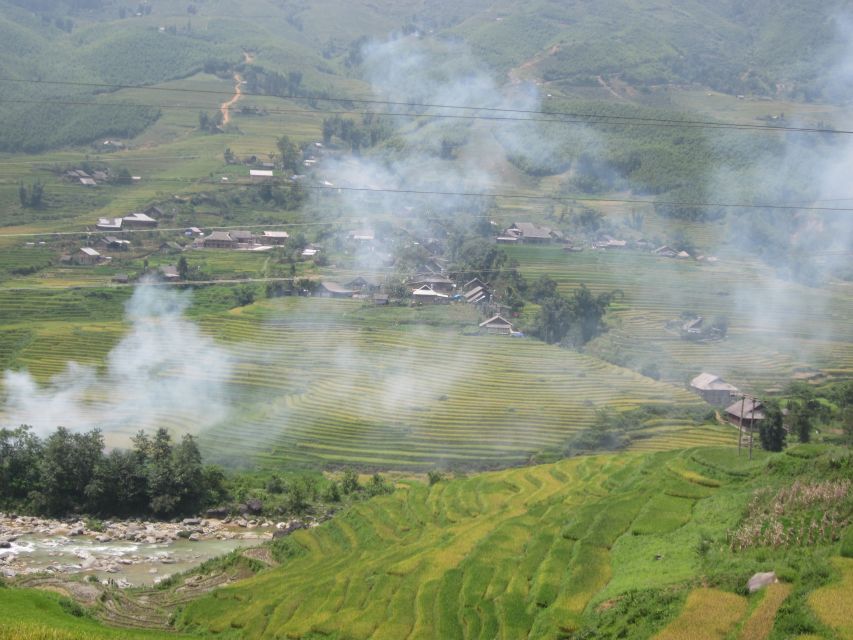
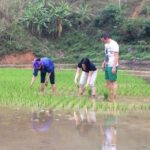
The stops aren’t set up as a shopping circuit. The best part is that you’re walking through areas where people actually live. You’ll meet members of the Hmong and Red Dzao communities, learn about day-to-day life, and often see traditional textiles mentioned as a highlight.
If you like learning by walking—asking questions, observing routines, and looking closely at craftsmanship—this section is where the tour earns its keep.
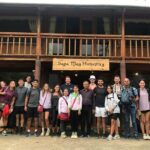

Picnic lunch in a village: food, texture, and cultural context
Lunch is included as a picnic with locals. This is one of those details that sounds simple until you’re sitting down and realizing you’re eating where the day’s story is unfolding.
Expect a meal that’s meant to be eaten outdoors during the trek breaks. Some tours arrange lunch so dietary needs can be handled; one account specifically mentioned a vegan-friendly lunch adjustment. I’d still treat that as a request, not a guarantee, so message or ask about dietary needs before the day.
What you’ll likely appreciate most:
- The lunch is timed so you’re not starving on the trail
- The meal comes with conversation and cultural context from your guide
- It’s a calmer moment where you can rest your legs and watch village life
You don’t need to be a foodie for this to land. The picnic works because it slows the day down.
My advice: bring a small appetite buffer. Even with lunch, you’ll be walking 15 km worth of terrain over the day. If you’re the type who gets hungry quickly, plan accordingly.
Guides make or break it: English, stories, and photo-friendly pacing
This tour is built around an English-speaking guide, and that matters because so much of the value is in what you learn while you walk.
In the real-world experiences, guides like Lisa, Cu, Lan, Sue, and A came up repeatedly. Common strengths:
- They explained local traditions and village routines in clear English
- They told stories passed down through generations
- They managed the pace so people could keep moving without feeling rushed
- They helped with practical moments like where to look for the best views and how to handle photos on the go
A big win here is the mix of structure and freedom. Some guides offered choices of routes or scenery variety. That means if conditions are foggy or a path feels slippery, you’re less stuck on one rigid plan.
If you’re someone who likes to talk, these guides reward it. If you’re quieter, they still keep things moving so the day doesn’t lag.
What to pack for a Sapa mountain day (don’t skip this)
Even on a half-day schedule, this trek happens in mountain weather and on trails that can be wet. The tour guidance is clear on what to wear and bring, and I’ll repeat it because it’s the difference between enjoying the day and merely surviving it.
Bring:
- Comfortable clothes for hiking
- Hiking shoes with grip
- Insect repellent
- Sunscreen
- A raincoat
- A sun hat
- A small daypack for personal items
Weather tip: if you’re going trekking from November to March, plan for colder temperatures and wear warm layers.
Also, consider that you may still get warm while walking but want extra layers for cooler waterfall mist. Dressing in layers keeps the day comfortable.
Private car pickup, small group, and what’s actually included in your $72
At $72 per person, you’re paying for a guided half-day with real logistics handled: pickup, transport, and meals. Here’s what’s included:
- English-speaking guide
- All entrance fees
- Private car transfer
- Picnic lunch
- Two bottles of mineral water per person
Also noted: you get pickup from your hotel lobby in Sapa Town, and you’ll skip the ticket line.
What you’re not paying for:
- Hotel accommodation
- Travel insurance
- Bus or train tickets
Is it good value?
For Sapa, this cost makes sense if you want less friction. The private transfer plus entrance fees plus guide plus lunch is a bundle that would be hard to replicate smoothly on your own without time-consuming planning.
Where you should think carefully is time and walking level. If you’re expecting an easy stroll, you may feel the trek more than the name suggests. If you’re okay with moderate hiking and want culture built into the route, $72 is a reasonable ask.
Who should book this trek, and who should reconsider
This tour is a strong match if:
- You want waterfalls plus village culture in one short day
- You like guided storytelling with an English guide
- You’re comfortable walking a mountain trail and want a meaningful break at lunch
- You prefer a small group environment rather than a big group shuffle
You might reconsider if:
- You’re aiming for a very easy walk with minimal elevation
- You dislike hiking that can run longer than advertised, especially if fog or slippery footing changes the route
- Your idea of culture is mostly museums or markets rather than walking through daily life
The best fit is someone who enjoys getting outside, likes asking questions, and can handle a moderate amount of climbing.
Should you book this Sapa Waterfalls, Trekking and Tribal Villages Tour?
I’d book it if your priority is a balanced day: big waterfall views early, then a guided mountain walk through rice fields and tribal villages, finished with a picnic lunch and a straightforward ride back.
The main reason I’d hesitate is simple: the trek can be more demanding than the 4-hour headline makes it sound. If you’re fine with moderate hiking and bring the right shoes and layers, that’s not a deal-breaker—it’s part of what makes the day feel worth it.
If you want a half-day that feels authentic, not just scenic, this one delivers. The waterfalls do the heavy lifting up front, and the village walking is where the experience turns into something you’ll talk about later.
FAQ
How long is the Sapa waterfalls, trekking and tribal villages tour?
It runs about 5 hours total.
Where does the tour start and do I get hotel pickup?
Pickup is included at your hotel lobby in Sapa Town.
What waterfalls do I visit?
You’ll see Silver Waterfall and Love Waterfall, plus a stop at Tram Ton Pass.
How long is the trek and where does it go?
After visiting the waterfall area and Ban Khoan, you’ll trek for about 4 hours along a mountain trail that’s about 15 kilometers (9.3 miles), passing rice paddies and tribal villages, including Ta Phin Village.
What’s included in the price?
The tour includes an English-speaking guide, private car transfer, all entrance fees, picnic lunch, and two bottles of mineral water per person.
What should I bring for the trek?
Wear comfortable clothes and hiking shoes. Bring insect repellent, sunscreen, a raincoat, sun hat, and a small daypack.
Is it suitable in colder months?
If you trek from November to March, wear warm clothes.
Is there free cancellation?
Yes. You can cancel up to 24 hours in advance for a full refund.