REVIEW · MARRAKESH
Marrakech: 2-Day Atlas Villages Trekking Tour
Book on GetYourGuide →Operated by Tours From Marrakech · Bookable on GetYourGuide
Marrakech is loud. This trek is quiet. You trade city streets for High Atlas villages and a real night in the mountains, plus stops that teach you how Amazigh (Berber) life connects to land, craft, and hospitality. I especially love the way you spend time with families in places like Ijoukak, not just at a viewpoint.
I also love the hands-on mix: guide-led walking with choices, plus culture stops such as an argan cooperative and henna engraving at the end of the trip. One consideration: you’re walking about 1 to 4 hours each day (and the activity is not suitable for people with heart problems), so you’ll want to judge your comfort with sustained hiking time before you book.
In This Review
- Key moments you’ll actually remember
- Why this 2-day Atlas trek feels like real Morocco (not a checklist)
- Day 1 From Marrakech: pick up, argan stops, and Tinmel School
- Lunch in Ijoukak: the terrace meal that sets the tone
- Women’s cooperatives, carpets, pottery, and what henna really adds
- Overnight in the Atlas: riad stays and mountain-morning energy
- Day 2: Agoundiss/Agoundis Valley gorge hike and the route back
- Price and logistics: is $106 good value here?
- What to expect day to day, without the fluff
- Who should book this trek (and who might skip it)
- Quick planning tips so the trip goes smoothly
- Should you book the Marrakech: 2-Day Atlas Villages Trekking Tour?
- FAQ
- FAQ
- What is included in the tour price?
- How long will we hike each day?
- Are there different hike options?
- Where do we stay overnight?
- Is camel riding included?
- What historical sites are visited?
- Which languages do guides speak?
- What should I bring?
- Is alcohol included?
Key moments you’ll actually remember
- Choice of three hikes and adjustable walking time (1 to 4 hours/day) so the day fits your pace
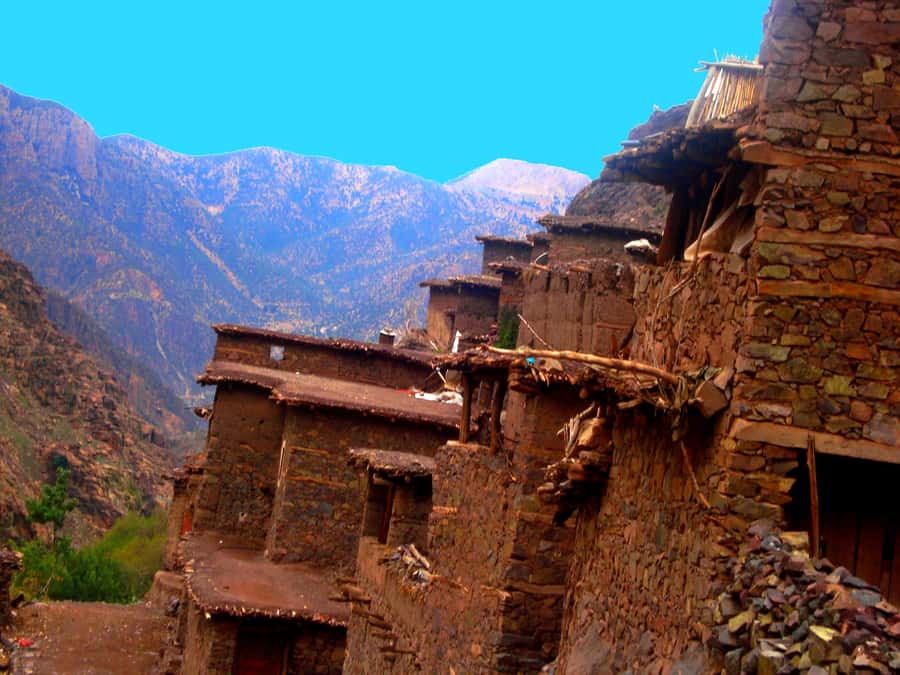
- Village visits with Amazigh families, including tea time and local home-style meals
- Argan and women’s cooperative activities, from watching craft work to learning about the argan tree
- Henna engraving in the guide’s home setting on the final day
- Historic stops like Tinmel School (12th century) and possibly other heritage sites
- Overnight in an Atlas Mountains riad/guesthouse, where you get mountain views with breakfast
Why this 2-day Atlas trek feels like real Morocco (not a checklist)
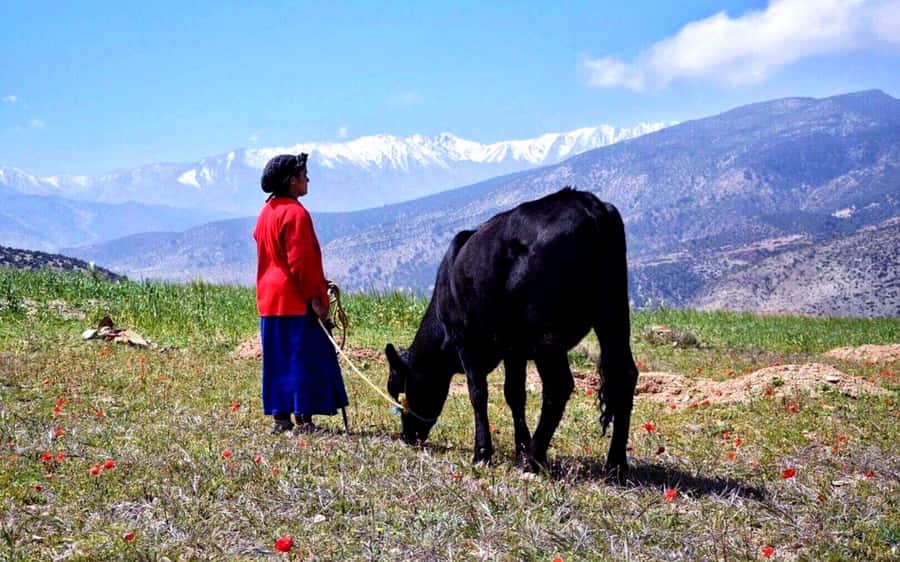
This tour works because it’s built around time in the mountains, not just time in the van. You start in Marrakech, but the rhythm changes fast: car ride into the High Atlas, a sequence of cultural stops, then walking through villages that still follow older patterns of life.
The best part is that the experience isn’t just sightseeing. You’re invited into daily routines—tea, craft work, and village hospitality—so you come away understanding more than “pretty scenery.” In guides like Mustapha, Hassan, Rabia, Youssef, Marwan, and Lahcen, you also get the kind of explanation that makes the mountains feel human, not distant.
Day 1 From Marrakech: pick up, argan stops, and Tinmel School
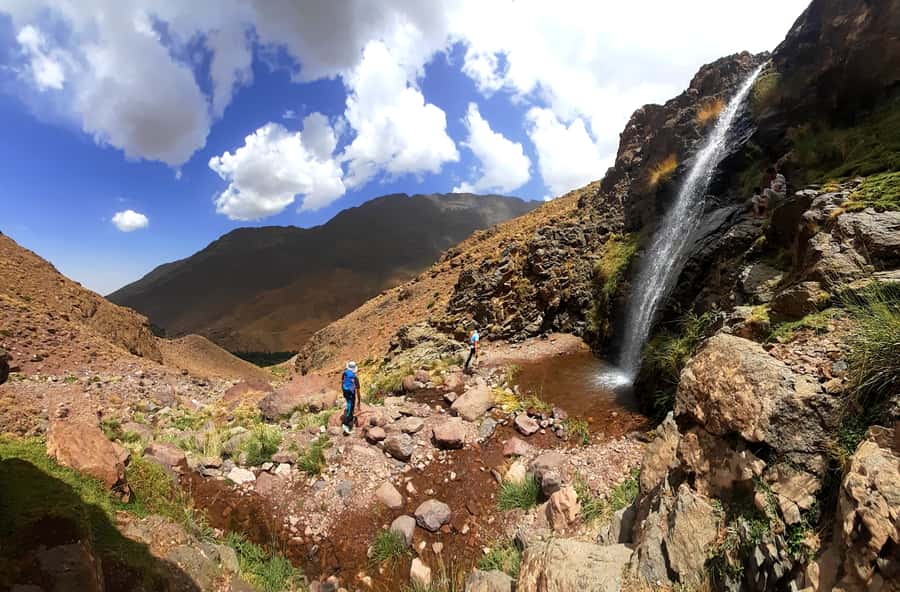
On day 1, you leave Marrakech by air-conditioned vehicle for about 2.5 hours. After roughly an hour on the road, the trip breaks into short exploration stops, with photo moments at ancient village spots and a cooperative visit in Molay Brahim (around 45 km from Marrakech).
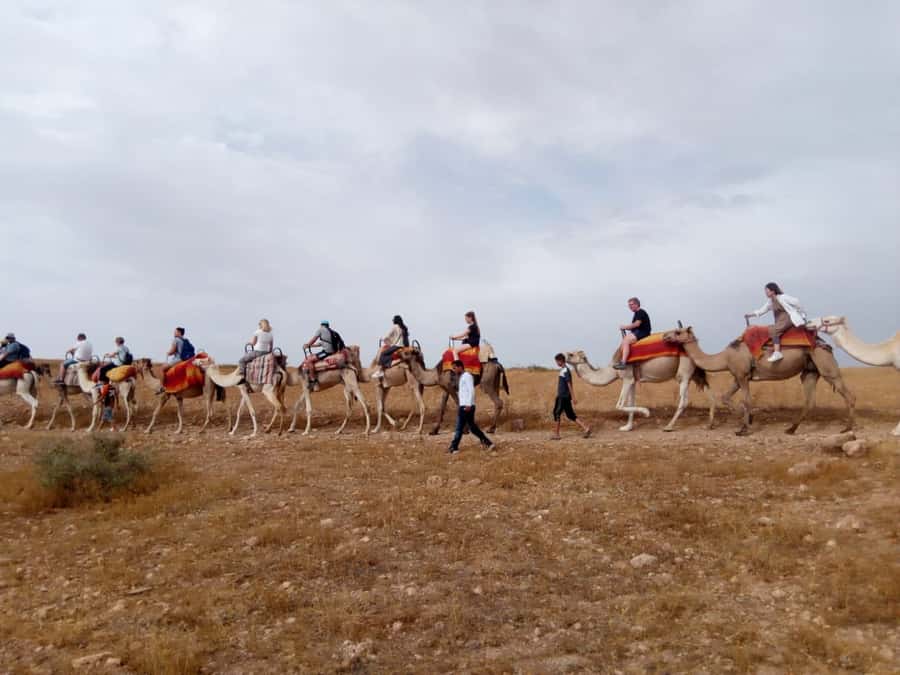
Here’s where the day gains depth. You’ll drink authentic Moroccan tea and learn about argan products—including the importance of the argan tree. If you want an animal-riding moment, there’s an optional stop for camel riding or horseback (about 30 minutes, sometimes described as a 45-minute choice). It’s short, but it gives you a taste of how locals move through these environments.
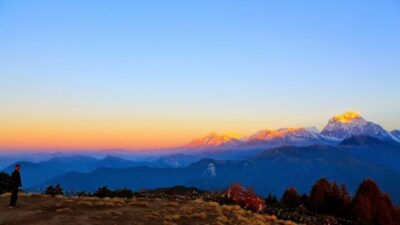
As the drive continues, you’ll have additional picture stops for remote mountain villages and views over the valleys. Then day 1 transitions to history and walking: you arrive in the area around Oued Akoundiss, visit Tinmel School (built in the 12th century), and move on to a trek through remote High Atlas villages.
The walking time isn’t described as one fixed number on the tour—your day can be structured with about 1 to 4 hours on foot depending on your choice. That flexibility matters on day 1, because the schedule already has multiple stops packed in before and after lunch.
Lunch in Ijoukak: the terrace meal that sets the tone
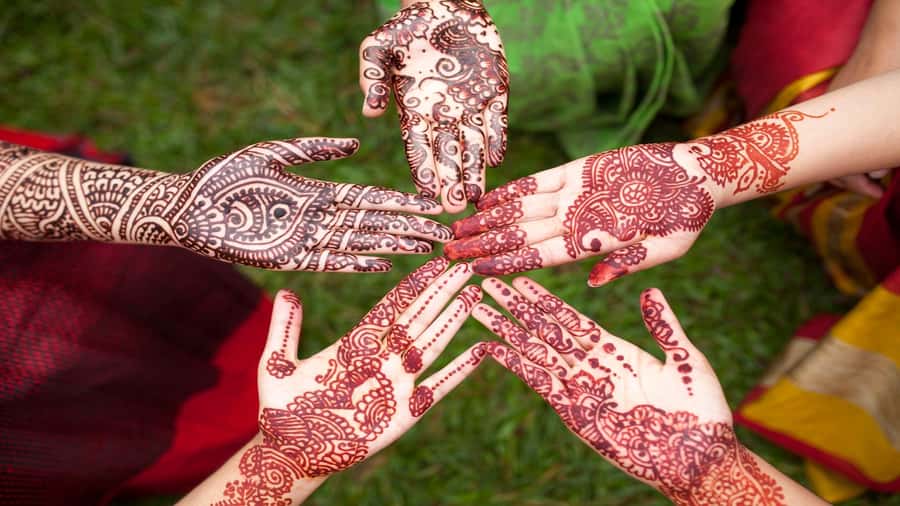
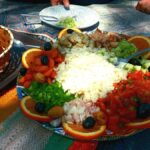
After the morning walk, the plan turns into a village-style lunch. You drive a short distance to Ijokak, then eat with a Berber family on a terrace with big mountain views.
Even if you’re not a picky eater, this is the kind of meal where you’ll feel the difference. In Morocco, food often arrives as part of hospitality, not as an attraction. This one is designed to be part of the day’s story: you’ve walked through village life, then you sit down with locals in that same setting.
Women’s cooperatives, carpets, pottery, and what henna really adds
One reason this tour rates so well is that it gives you more than “look at craft.” It’s built around seeing and doing. Depending on what you choose, you may visit:
- a women’s cooperative connected to argan and carpets, including watching how the work is made
- local pottery activities
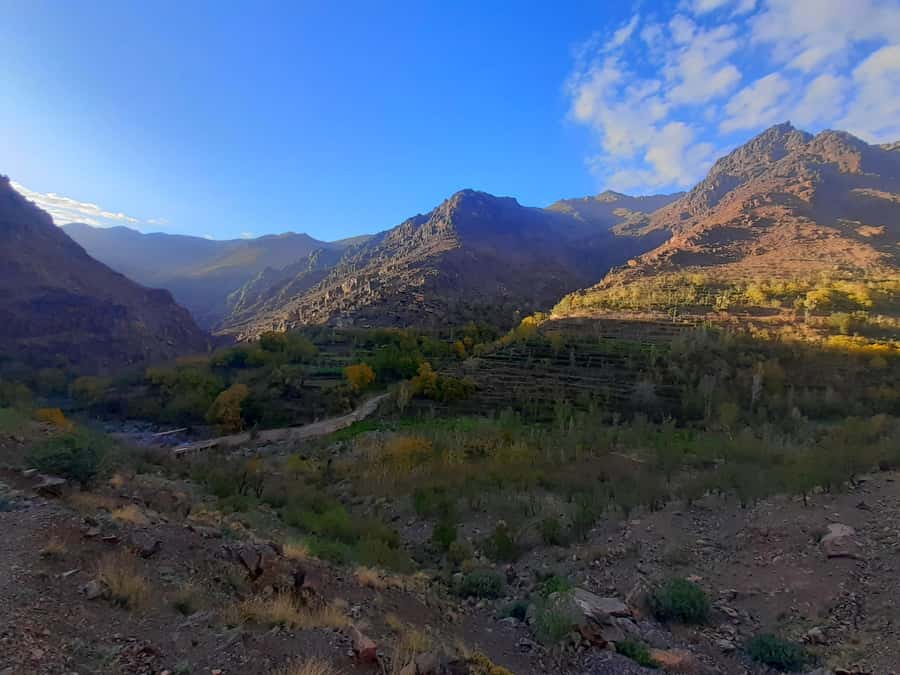
- henna-related cultural moments, including engraving later in the trip
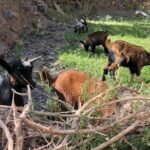
- other community-focused activities tied to village life, such as raising livestock
Carpets and argan can sound like “tour stops” until you see the process. When you watch how work is made directly in a cooperative setting, it explains why these crafts matter economically and socially for the people running them.
Henna is the perfect capstone because it’s personal and visible. On this trip, henna engraving happens in the guide’s home environment with his family on the last day, so it doesn’t feel like a souvenir factory moment. It feels like a tradition explained in context.
Overnight in the Atlas: riad stays and mountain-morning energy
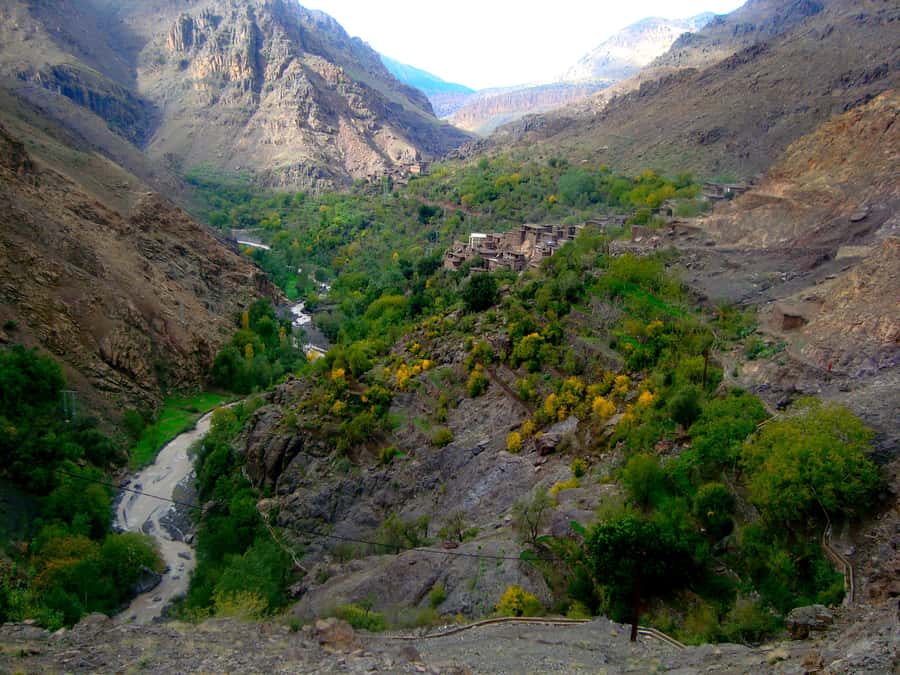
After day 1’s walking and lunch, you head to your overnight stay in the Atlas Mountains. The tour includes 1 night in a riad in the region, and some guests end up in well-reviewed guesthouses/riad-style accommodations around the Ijoukak area.
What I like about this structure: you don’t just reach the mountains and rush out the next morning. You settle in, eat, and let the mountain air do its job. Breakfast on day 2 is described as happening on a rooftop with views, which is exactly what you want after a full day of walking and village contact.
If you’re the type who likes quiet time between big experiences, this overnight matters. It’s one of the easiest ways to make the trip feel slower and more authentic.
Day 2: Agoundiss/Agoundis Valley gorge hike and the route back
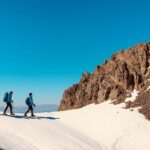
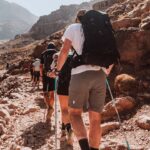
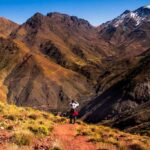
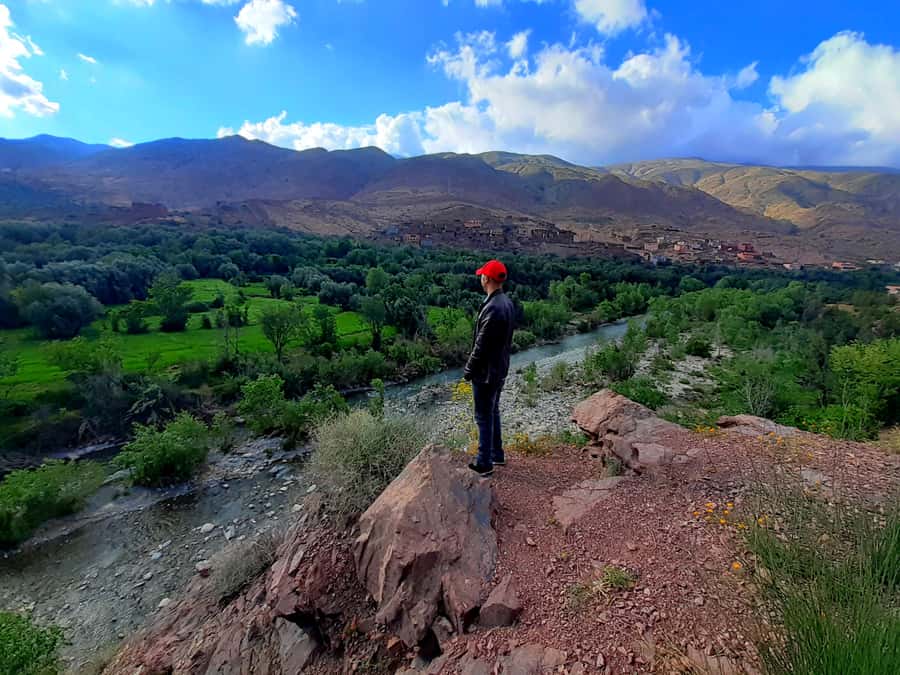
Day 2 begins with breakfast, then you head out for a 3 to 4 hour hike with your guide. The walk starts in the gorge of the Agoundiss (Agoundis) Valley and focuses on High Atlas village scenery and valleys.
This second day is usually the bigger trekking day. If day 1 felt busy (it often does, because you have transport, cooperative stops, and the Tinmel visit), day 2 gives you the chance to put your steps in the mountains with a calmer pace.
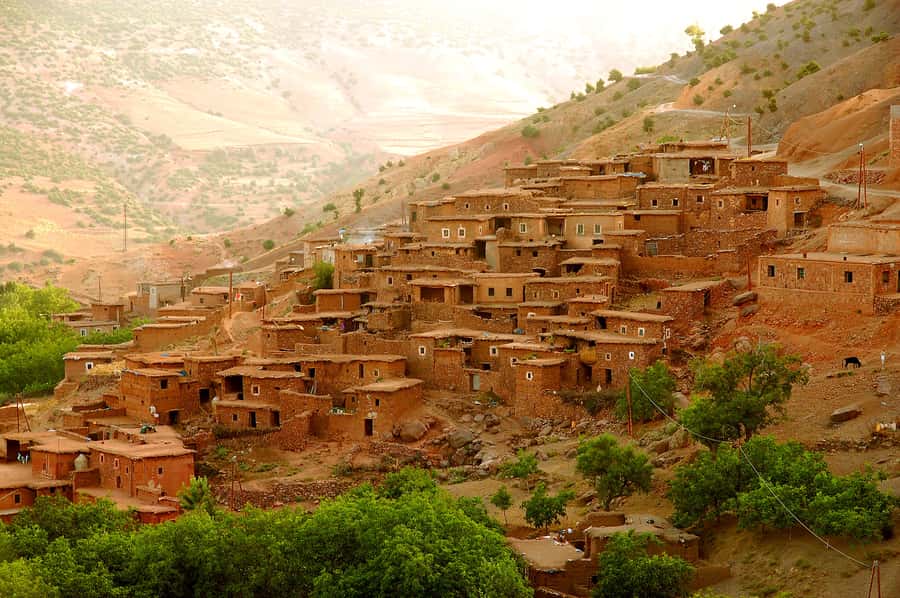
Your guide will keep you oriented and interpret what you’re seeing—village patterns, local life, and cultural context—so the walk becomes more than just effort. You’ll also be able to see multiple villages along the route, which helps you understand how Amazigh communities connect settlements to the surrounding fields and valleys.
When the hike ends, you return toward Marrakech in the evening. The timing is built so you’re back before the day feels totally gone.
Price and logistics: is $106 good value here?
At $106 per person for a 2-day trip, value depends on what you compare it to. Here, the price is doing a lot of work:
- Round-trip transport from your Marrakech hotel
- a live guide
- all food (breakfast, lunch, dinner) plus water/tea/coffee
- 1 night in a mountain riad/guesthouse
- entrance tickets and visits
- a camel ride or horseback option
- cultural extras like henna engraving and local visits
So you’re not just paying for walking. You’re paying for guided cultural access and a structured 2-day format that includes meals and lodging.
The only time price “feels” less attractive is if you end up canceling many optional parts. The tour does allow optional activities to be changed, but if you want the full value, plan to keep the cooperative and craft elements in the mix.
What to expect day to day, without the fluff
If you want the simple mental model, it’s like this:
- Day 1 = drive + culture stops + Tinmel School + village lunch + overnight
- Day 2 = rooftop breakfast + longer valley hike + return in the evening
A helpful bonus: the tour is offered with guides in multiple languages—English, French, Arabic, and Spanish—so you should be able to get real explanations, not just directions.
Also, you’ll be given guidance about where to meet and when—your pickup is included and you’re asked to wait about 15 minutes before the pickup time.
Who should book this trek (and who might skip it)
This is ideal if you want to:
- see Amazigh village life through real interaction
- walk in the High Atlas with a guide rather than self-navigate
- combine trekking with craft experiences like argan/cooperatives and henna
I’d be careful if:
- you have heart problems (the tour is not suitable for this)
- you need a very lightweight day (the schedule includes walking 1 to 4 hours per day, with day 2 often closer to the longer side)
It also suits solo travelers or couples who want an experience that’s more personal than a big sightseeing circuit, and it works for families or groups as long as everyone is comfortable with the walking time.
Quick planning tips so the trip goes smoothly
- Bring your passport or ID card (required).
- Bring sunglasses and a camera—you’ll have photo stops and long-view moments.
- Expect changes in focus by choice: you can select hike options and some activities can be canceled if you prefer less or need to adjust.
- If you care about consistency, confirm your pickup details and that you’re joining the 2-day schedule you booked. Some people end up traveling in shared vehicles at first, then moving into the mountain section of the program.
Should you book the Marrakech: 2-Day Atlas Villages Trekking Tour?
If you want a Morocco trip that blends walking + village hospitality + craft in a real two-day rhythm, I think this is an easy yes. The main strength is that the experience is structured around people and traditions—argan work, women’s cooperatives, village meals, and henna—while still delivering a proper trek.
Book it if you’re comfortable with 1 to 4 hours of walking per day and you want to slow down once you’re in the Atlas. Skip it if you’re not ready for sustained hiking time or if health limits make this type of exertion risky.
FAQ
FAQ
What is included in the tour price?
The price includes transport from and to your hotel in Marrakech, a guide, 1 night in an Atlas Mountains riad, all food (breakfast, lunch, dinner), water/tea/coffee, camel ride or horseback (about 30 minutes), entrance tickets and visits, air-conditioned vehicle, and henna engraving plus visits to locals.
How long will we hike each day?
The walking is described as about 1 to 4 hours per day depending on your choice. Day 2 specifically is planned as a 3 to 4 hour hike.
Are there different hike options?
Yes. The tour offers a choice of three hikes, and you can also choose how much time you want to spend walking each day within the 1 to 4 hour range.
Where do we stay overnight?
You stay 1 night in a riad in the Atlas Mountains area as part of the tour. The program is tied to the Ijoukak region.
Is camel riding included?
Camel riding or horseback riding is included for a short session (about 30 minutes). There is also mention of an optional riding stop that can be around 45 minutes.
What historical sites are visited?
The Tinmel School is included (built in the 12th century). The Kasbah of the Dukouj (built in 1880 AD) is mentioned as a possible visit, along with other activities.
Which languages do guides speak?
Guides are available in English, French, Arabic, and Spanish.
What should I bring?
Bring your passport or ID card, sunglasses, and a camera.
Is alcohol included?
No. Alcohol is not included, and tips are also not included.