REVIEW · SA PA
1-Day Sapa Long Trek – Rice Field Terrace, Ethnic Culture
Book on GetYourGuide →Operated by Cat ba memories · Bookable on GetYourGuide
Rice terraces start the day, then villages finish it. This long trek from Sapa follows a clear path through Muong Hoa Valley, where you’ll get wide views toward Fansipan and then walk past rivers, rice fields, and homes of the Hmong and Giay communities. Two things I really like: first, the way the day is built around local guides from the villages (names like Mao, Sue, Giang, Pao, and Sung show up again and again for caring, clear English).
Second, I love the “eat, walk, learn” flow—especially the home-cooked lunch in a Hmong setting and the later Ta Van stop tied to incense making. One drawback to plan for: this is a real hike with uneven, sometimes slippery ground, so hiking shoes matter more than good intentions. It’s also not a great match if you have back or mobility issues.
In This Review
- Key highlights worth circling
- Morning start in Sapa: the 9:00 AM plan and Fansipan viewpoints
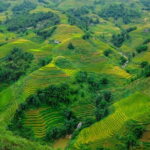
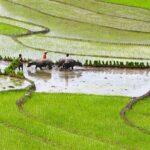
- Down into Muong Hoa Valley: Y Linh Ho, river sounds, and rice terraces
- Lao Chai Sang lunch: home-cooked Hmong food you’ll actually remember
- A craft stop in the afternoon: handwoven clothing and natural dyes
- Ta Van arrives around 3:00 PM: incense making and a slower village walk
- Small-group comfort: what “up to 10 people” really changes
- Terrain, rain, and what to pack so the hike stays fun
- Price and value: what $24 buys you in Sapa trekking
- How guides make the difference: pacing, English, and story time
- Who this trek is for (and who should skip)
- Should you book this Sapa long trek?
- FAQ
- FAQ
- How long is the trek?
- What time does the tour start?
- Is pickup and drop-off included?
- How large is the group?
- What language are the guides?
- Is lunch included?
- What should I bring for the hike?
- Does the tour run in rain?
- Is there free cancellation?
Key highlights worth circling
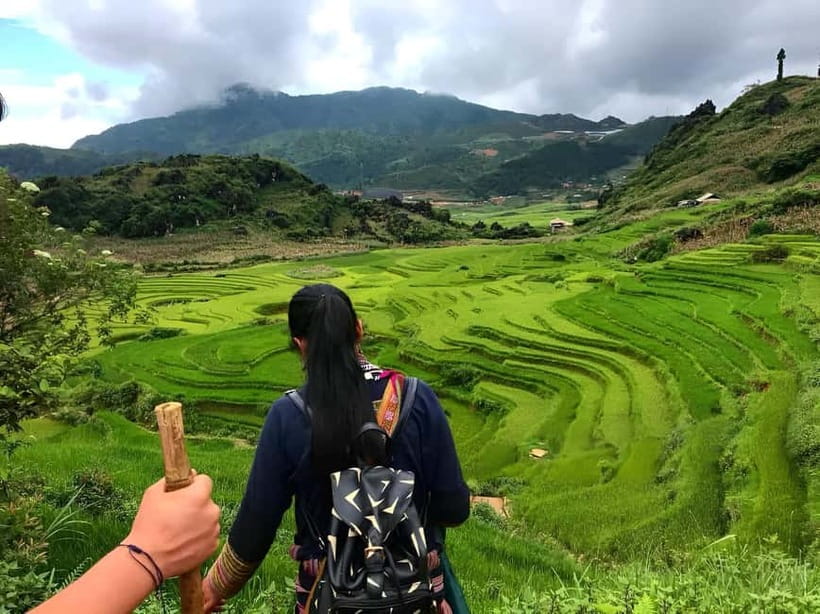
- Fansipan ridge views early in the morning, with crisp mountain air and big photo angles
- Y Linh Ho + river crossing (including a wooden bridge) before you settle into the valley trails
- Lao Chai family lunch served in a mountain home setting, with options for dietary needs
- Handwoven Hmong clothing and natural dyes—practical craft you can see on people around you
- Ta Van incense making plus village walking time in the late afternoon
- Small-group pacing (up to 10) with guides who help you choose easier or steeper sections
Morning start in Sapa: the 9:00 AM plan and Fansipan viewpoints
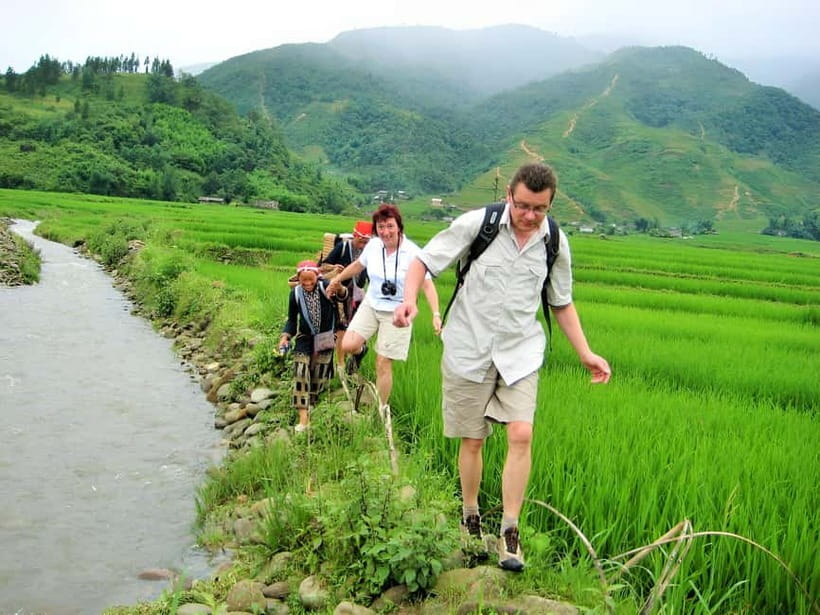
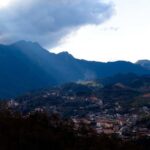
Your day begins at 9:00 AM in Sapa town, usually with pickup from your hotel if you’re staying in the center. You’ll step out into a cooler mountain feel fast, and the first part of the walk aims for a ridge view where Fansipan rises from the Hoang Lien Son range. Even when weather is changing, that early climb helps you get your bearings. You’re not just walking—you’re learning where you are, and why everyone keeps talking about this mountain.
If your route includes a Fansipan trek option, note that the trip can involve Fansipan national park entry and even a picnic lunch at a rest stop in the middle of the mountain (that part is only for the Fansipan trek variant). In that case, you may also be asked to send passport photos for national park registration. If you’re not doing the Fansipan hike, the day still keeps the mountain focus with that ridge panorama.
The practical win here is timing. Starting early means lighter crowds on the first trails and better odds of seeing depth in the valley—layers of peaks and mist. The “Roof of Indochina” view is a strong anchor for the whole day, because every later turn in Muong Hoa Valley feels like it’s leading somewhere.
You can also read our reviews of more tours and experiences in Sa Pa.
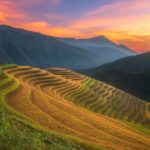
Down into Muong Hoa Valley: Y Linh Ho, river sounds, and rice terraces
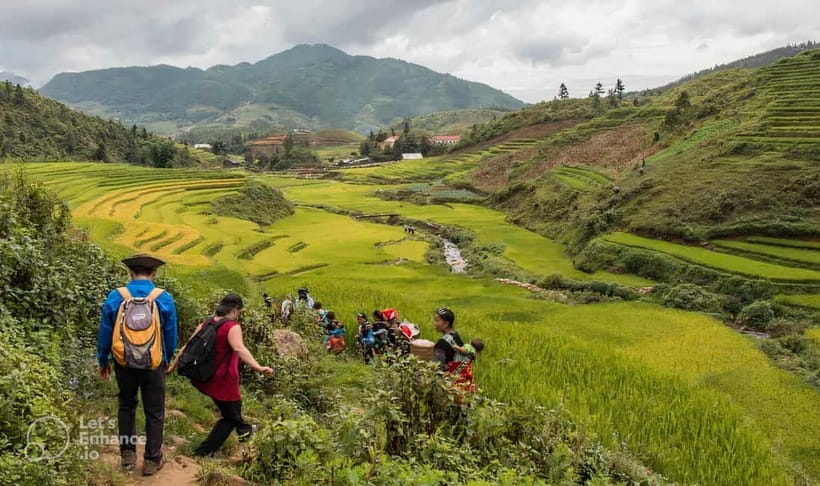
After the ridge break, the trek trends downward toward Muong Hoa Valley, where the scenery shifts from mountain outlook to working farmland. At around 11:00 AM, you’ll reach Y Linh Ho, a Hmong village beside a clear river. Expect a calmer pace here. You cross a wooden bridge, and then the trail continues through open fields with peaks rising on both sides.
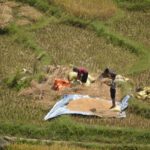
This is one of the best parts of the day for people who like “real life” scenery: it’s not just pretty. You’re walking alongside the rhythms that keep these terraces alive—movement of water, work in the fields, and small village routines you can catch from the path. The soundscape changes too. From the ridge you feel distance; in the valley you hear water and daily activity.
Now, the small but important heads-up: trails in this region can be uneven. On wetter days, muddy patches show up in forest sections and along slopes. If it’s been raining, plan for slippery spots and take your time over steps and roots. Good guides can reroute you onto safer footing, and they’ll often steer you toward the most comfortable option.
Lao Chai Sang lunch: home-cooked Hmong food you’ll actually remember
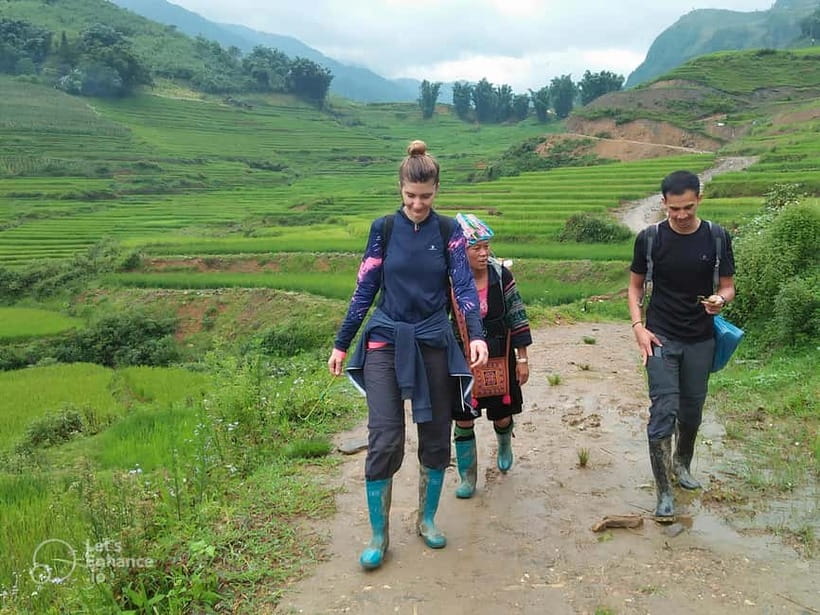
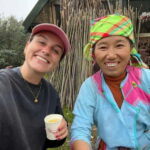
Around 12:30 PM, you’ll arrive at Lao Chai Sang for lunch with a welcoming Hmong family. This is not a quick “grab-and-go” stop. You eat in a mountain home setting, and the food is family-style—what matters is that you’re tasting what locals cook for themselves, not just what’s designed for a tour schedule.
Two value points here:
1) You’re fed well enough to keep walking afterward. The day is long, and lunch is the energy bridge.
2) You get a human moment. People ask questions. You hear stories. You learn the difference between what you think you know about village life and what it actually looks like day-to-day.
Dietary needs are explicitly supported, but it’s on you to communicate them in advance. If you have allergies or a specific restriction, tell the operator before you go so the family can plan. Also, come hungry and relaxed. This is one of those meals where politeness goes a long way, because the hosts are sharing their normal life with you.
A craft stop in the afternoon: handwoven clothing and natural dyes
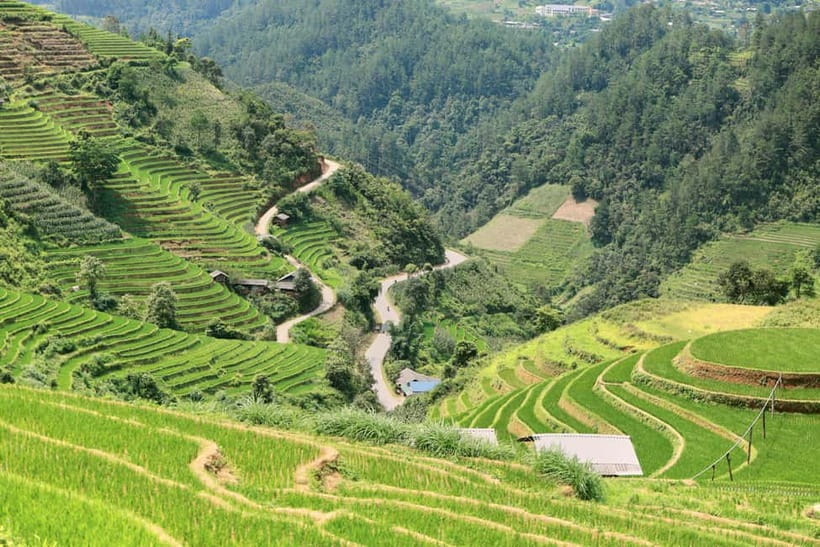
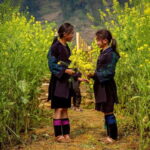
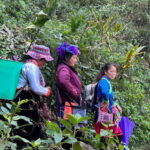
Around 2:00 PM, you’ll make a local stop focused on traditional Hmong clothing. You’ll see how handwoven fabrics come together and how natural dyes are used to create colors and patterns. This is valuable because it helps you read what you see on people around Sapa.
On the trail, you’ll notice clothing isn’t just decoration. It’s tied to identity, work, and skills passed down through generations. When your guide explains the process—what fibers are used, how color comes from plant or natural sources—you start understanding why patterns matter and how craftsmanship takes time.
This is also where the day can turn slightly more “market-like.” Village members may join the group showing items or scarves. It’s not required to buy anything. Still, keep in mind that this stop is part of the local economy, and some selling can feel forward when you’re tired from walking. The best approach is simple: browse calmly, decide later, and don’t let a sales pitch knock your focus off the trail.
Ta Van arrives around 3:00 PM: incense making and a slower village walk
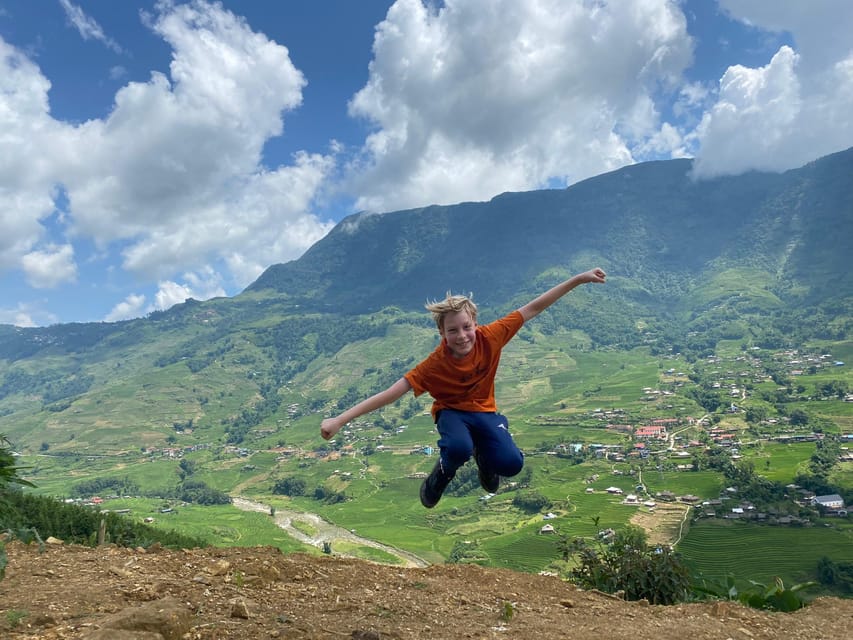
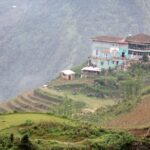
By 3:00 PM, you’ll reach Ta Van village, where your driver is typically waiting to take you back to Sapa town after the visit. This is the end-of-day payoff zone: time for photo stops, a guided visit, and walking through the village at a gentler pace than the mid-day hiking.
One of the tour highlights is learning the traditional art of incense making in Ta Van. Even if you’ve seen incense before, this is different because you’re learning from the people who make it locally, in a village context rather than a shop setting. It’s a practical craft with cultural meaning, and it often pairs well with quiet observation—how houses are arranged, what people do in the late afternoon, and how daily life continues even when tourists are passing through.
You’ll also see the guide’s real strength here: timing. Many guides can tell how tired you look and adjust the route or walking pace so you finish the day without sprinting. Some guides also offer options for easier versus steeper paths during the trek, and you’ll feel that flexibility more as you near Ta Van.

Small-group comfort: what “up to 10 people” really changes
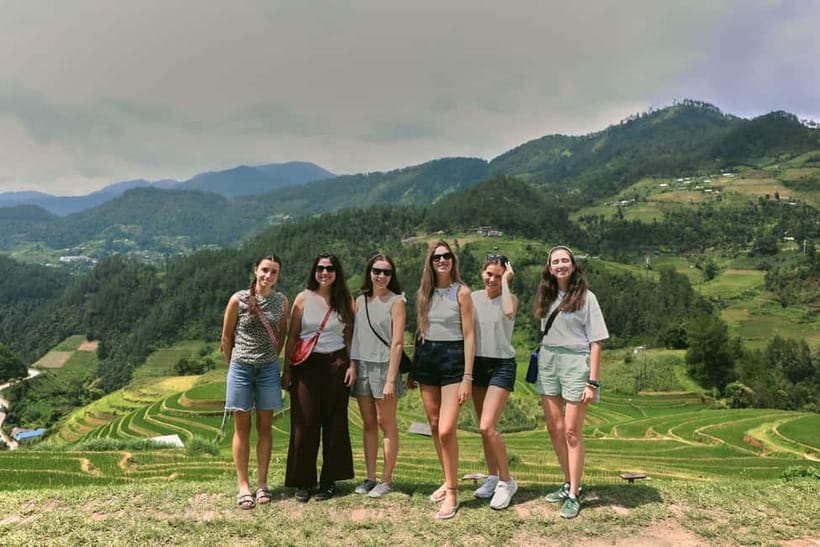
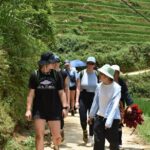
This tour is designed as a small group limited to 10 participants. That sounds like a marketing line, but on a hike it matters. Fewer people means the guide can slow down when someone’s footing is off, take extra photo time, and keep the group together without constant regrouping.
The guide experience is another big reason to choose this format. The day is led by friendly local Hmong guides speaking English and Vietnamese, and the best guides don’t just recite facts—they match your pace. In the same trip style, guides like Mao, Sue, and Thao are often praised for kindness and for doing the little things like stopping for photos at the right moment.
You’ll also feel it in how the day handles weather. Trips run rain or shine, and small groups make it easier to keep everyone moving when the trail gets slick.
Terrain, rain, and what to pack so the hike stays fun
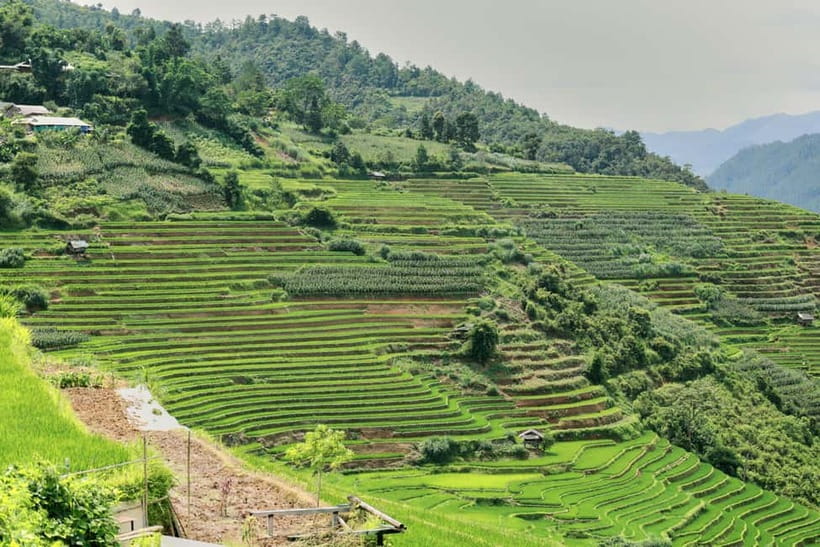
Plan for a hike that’s more active than a city walk. Even on good days, expect uneven ground and climbs. On wet days, slippery sections can pop up, especially in forest areas. One consistent theme in successful days: people wore the right footwear and took mud seriously.
Bring:
- Hiking shoes (or shoes with strong grip)
- Sun hat and hat if you have both
- Insect repellent
- Toiletries
- Sunscreen and sunglasses (helpful in clear weather)
- A raincoat during the wet season
Rain ponchos/rain coats and a small bottle of water are provided, but you still need shoes that can handle mud. If you arrive with worn-out soles, you’ll regret it on the downhill sections.
A helpful mindset: don’t fight the trail. Walk slower, keep weight stable on your feet, and let your guide choose safer lines. The views are worth it, but arriving calm is what makes the day feel enjoyable instead of stressful.
Price and value: what $24 buys you in Sapa trekking
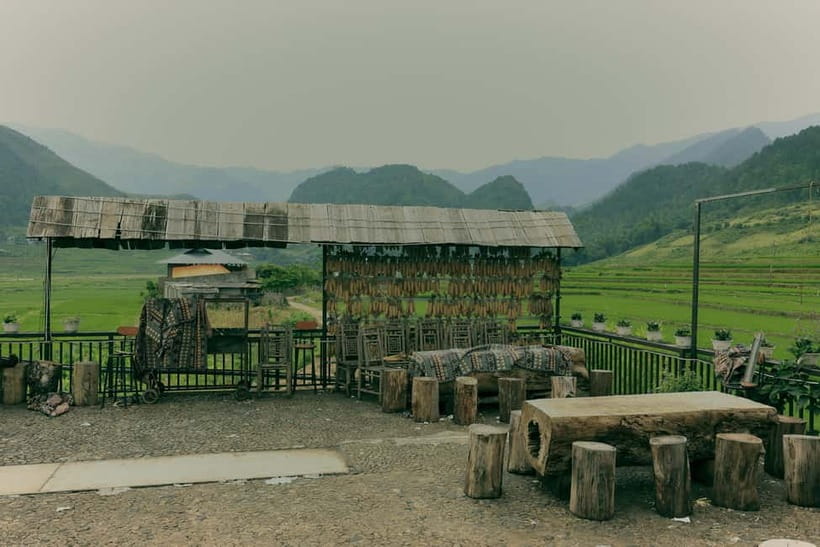
At $24 per person for a 7-hour guided trek, the value is strong if you want a mix of walking plus culture stops without spending big. Here’s what that price is covering:
- Pickup and drop-off at hotels in Sapa town (or at the pickup point)
- A local Hmong guide
- Village entrance fees
- Home-cooked lunch
- Rain gear (ponchos/coats) and some water
- Time to visit homes and meet people
The most valuable part of the cost isn’t a single item—it’s the whole package. If you tried to DIY this, you’d still need a guide for language help, local context, and smoother routing through villages. You’d also struggle to line up a meaningful lunch stop with a family setting.
What you might not love is that not every “included” element applies to every variant. The information about Fansipan national park entrance fees and the Fansipan trekking picnic lunch is specifically for Fansipan trekking only. If your day is the rice terrace and village route without Fansipan trekking, you’ll still get the core value: terraces, culture stops, and a family meal.
How guides make the difference: pacing, English, and story time
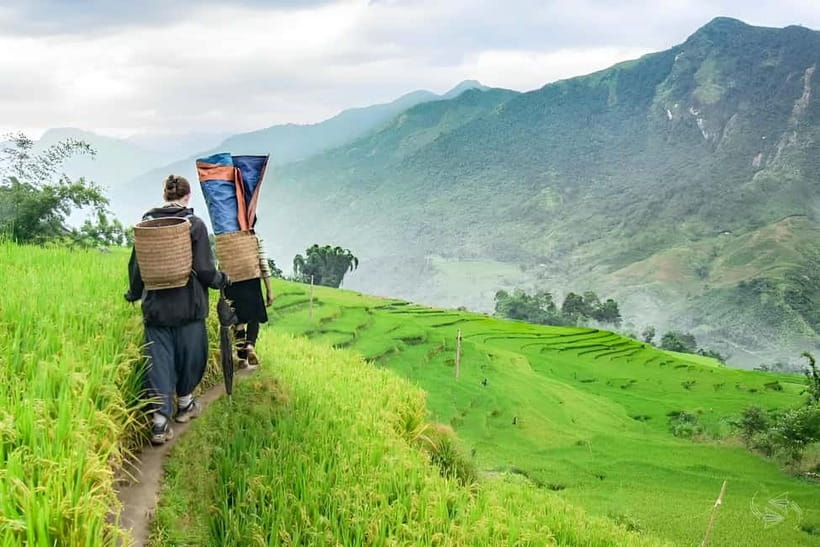
The guides are central to this day. The strongest guides turn a long walk into something you feel in your head and heart: where you are, what you’re seeing, and how people live with these mountains as their backdrop.
From the guide examples tied to this trekking style, the best ones:
- speak clear English (and Vietnamese too)
- share stories about local geography and village life
- help you choose a route that matches your comfort level
You’ll see this in small moments: they point out what to notice on clothing patterns, how rice terraces work, and why a village spot sits where it does. They may also stop for photos often, especially when the group is small enough to keep moving without rushing.
If you prefer a steadier pace, tell your guide early. Guides can shift the day: easier or steeper path choices, longer photo time, and more time to talk.
Who this trek is for (and who should skip)
This is a long, active walk in mountainous terrain. It’s not suitable if you have back problems, mobility impairments, heart problems, wheelchair use, or if you’re afraid of heights. It’s also not listed as suitable for visually impaired guests and those with pre-existing medical conditions.
If you’re generally healthy but new to hiking, you can still consider it—just be honest about your footing comfort. The day includes climbs and uneven ground, and on rainy days it can feel harder than you expect.
If you want a safer fit, ask about custom routes. The option for adjustments is explicitly mentioned, which can help you reduce steep sections or spend more time on gentler paths.
Should you book this Sapa long trek?
If you want Sapa that feels like more than a viewpoint checklist, I think you’ll like this. Rice terraces, village walking, a real family lunch, plus a craft stop in Ta Van gives you a full day that makes sense in hindsight, not just in photos.
Book it if:
- you’re okay with a long, sometimes muddy hike
- you want culture stops led by local villagers
- you’d rather pay for a guide and rhythm than plan every step yourself
Skip or reconsider if:
- you have mobility or medical limits that affect walking on uneven terrain
- you’re not willing to wear proper hiking shoes
- you’re very sensitive to slippery footing in the rain
For the right person, it’s excellent value: $24 buys you a guide, meal, and access to village life on one coherent loop through Muong Hoa Valley.
FAQ
FAQ
How long is the trek?
The duration is listed as 7 hours.
What time does the tour start?
The day begins at 9:00 AM in Sapa town.
Is pickup and drop-off included?
Pickup and drop-off are included in Sapa town (either at your hotel or at the pickup point). If you’re outside Sapa town, pickup may be available for a fee, or you can request a driver to a meeting point.
How large is the group?
It’s a small group limited to 10 participants.
What language are the guides?
The live guide is available in English and Vietnamese.
Is lunch included?
Yes. A home-cooked lunch is included, and dietary restrictions can be catered for if you inform the operator in advance.
What should I bring for the hike?
Bring a sun hat/hat, hiking shoes, insect repellent, and toiletries. Sunscreen, sunglasses, and water are also recommended.
Does the tour run in rain?
Yes. Tours run rain or shine, and rain ponchos/rain coats are provided. In the wet season, bringing a raincoat is also recommended.
Is there free cancellation?
Free cancellation is available up to 24 hours in advance for a full refund.