REVIEW · KATHMANDU
Annapurna Circuit Trekking 12 Days
Book on Viator →Operated by Nepal Himalayan Hiker (P) Ltd. · Bookable on Viator
Annapurna Circuit rewards early starts and good guidance. This trek is interesting because it gives you a private group setup and leans hard on daily guidance and planning, which really matters when the Annapurna Region starts throwing altitude at you. I like that the experience is built around solid logistics, plus simple, repeatable routines on the trail.
The only real thing to consider is effort level: it’s aimed at people with moderate physical fitness, and the start is early (5:00 am). If you’re hoping for an easy walk with zero discomfort, this trek will remind you it’s high country.
In This Review
- Quick hits for this 12-day Annapurna Circuit trek
- Why the Annapurna Circuit lives up to the hype every year
- From Thamel Marg to Pokhara: the road day that sets the rhythm
- Private group trekking with Nepal Himalayan Hiker and guide Raj
- The trail routine: what your days are really like
- Meals included, with real choice (and why that helps)
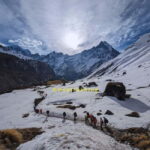
- Views in the Annapurna Region: what you’ll notice as you go
- Price and value: is $1,179.49 fair for a 12-day trek?
- Who should book this Annapurna Circuit trek
- Should you book this 12-day Annapurna Circuit Trek?
- FAQ
- Where do the Annapurna Circuit trek start and end?
- What time does the trek start?
- How long is the Annapurna Circuit trekking experience?
- Is pickup included?
- What meals are included in the tour price?
- What’s not included in the package?
- How does free cancellation work?
Quick hits for this 12-day Annapurna Circuit trek
- Private tour, just your group: no mixing with strangers.
- Daily briefings that set you up: the leader’s do’s and don’ts approach helps you move more confidently.
- Meals included, menu-based: breakfast, lunch, and dinner are part of the package, plus coffee and/or tea.
- A Pokhara warm-up day: a 7–8 hour drive from Kathmandu gets you into the trekking mindset.
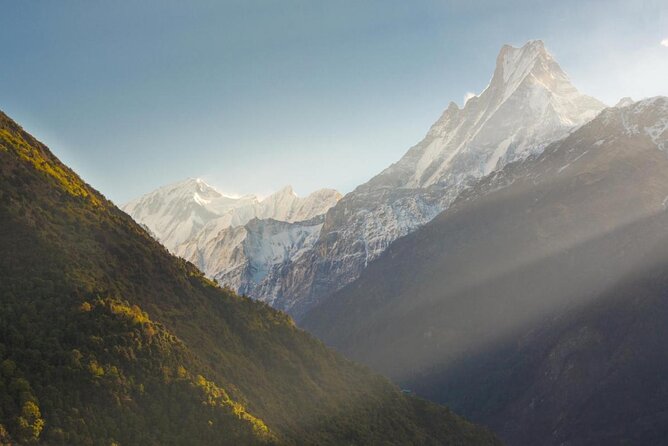
- Annapurna focus: the trek routes revolve around the Annapurna Region and Mt. Annapurna’s massive presence (8,019 m).
Why the Annapurna Circuit lives up to the hype every year
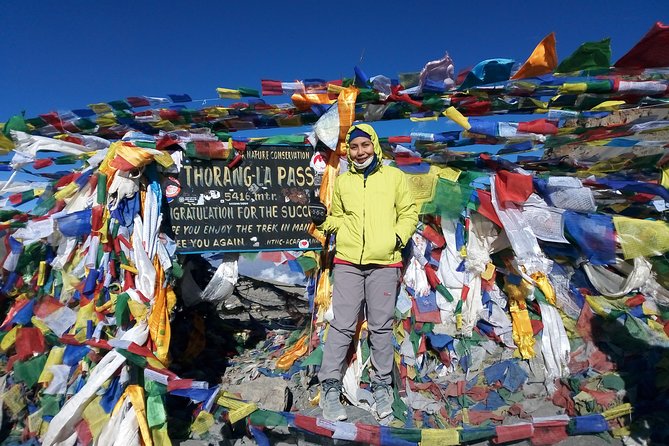
The Annapurna Region in western Nepal is the kind of place where lots of people agree with each other. More than 100,000 trekkers head there each year, and it’s not just because it’s famous. It’s also because the trekking routes are generally considered approachable for hikers who show up prepared.
At the heart of it is Mt. Annapurna, the centerpiece the region is named for. Annapurna sits at 8,019 m (26,545 ft) and is the 10th highest peak in the world. Even when you’re not scaling that height yourself, the mountain’s dominance shapes the whole feel of the trek—clouds, ridgelines, and that slowly changing sense of scale as you move deeper into the range.
What I like about this kind of trek is that you don’t just chase one view. You move through the Annapurna Region over multiple days, so the experience becomes a progression: start with the idea of the Himalaya, then gradually learn how it looks and feels from day to day.
You should also know what kind of trip this is. The tour is positioned as trekking in the Himalayas, and that’s the main event. There’s no hint it’s about luxury cruising or short hops. Expect real trail time, and expect to listen to your guide when conditions and altitude start to matter.
You can also read our reviews of more tours and experiences in Kathmandu.
From Thamel Marg to Pokhara: the road day that sets the rhythm
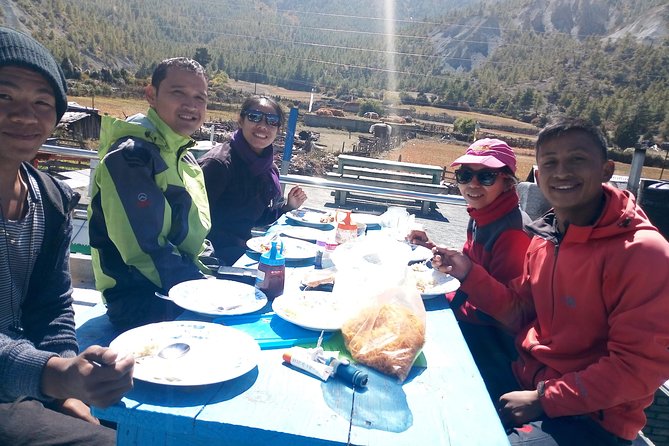
Most trekking successes begin before the first step. Here, your tour starts in Kathmandu at Thamel Marg (meeting point area), with a 5:00 am start time. That early start isn’t just a schedule detail; it’s a pacing tool. You’re already moving while the day is fresh, which helps you settle into the trip without losing half the morning to lateness.
Then you get the big transition day: a 7–8 hour drive from Kathmandu to Pokhara. Pokhara is a lakeside city and an important base for adventure trekking in Nepal, so it works as a psychological reset. You swap big-city noise for a calmer setting where people gear up and think about the trail ahead.
Even if you only treat Pokhara as a staging area, you’ll feel the shift. The drive gets you closer to the Annapurna trekking world, and it breaks the journey into something manageable. It also means you’re not trying to go from Kathmandu chaos straight into high-altitude seriousness in a single motion.
One consideration here: long drives can be tiring, especially when you started the day at 5:00 am. If you’re sensitive to travel fatigue, plan on using the Pokhara portion as rest time, not sightseeing time.
Private group trekking with Nepal Himalayan Hiker and guide Raj
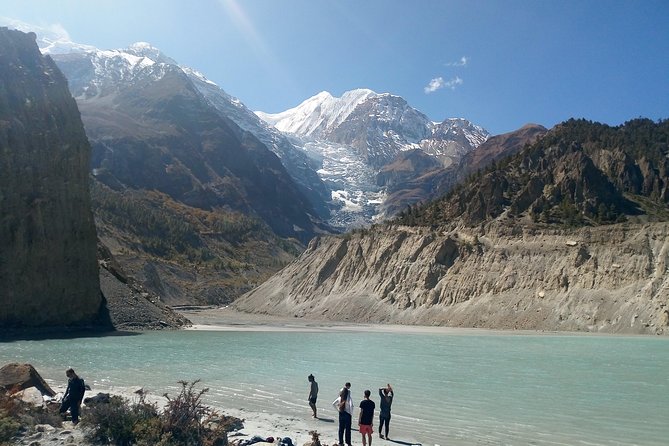
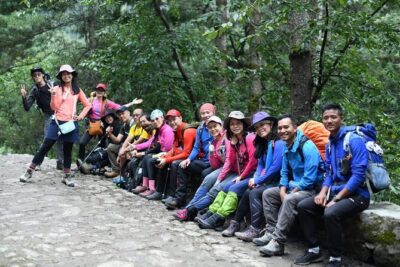
This is a private tour/activity, meaning your group stays together and you won’t be mixed with other participants. That matters more than it sounds. When altitude rises, consistent pacing and clear communication help. A private setup also makes it easier for the leader to tailor attention—especially with food, water, and comfort during the day.
The operator is Nepal Himalayan Hiker (P) Ltd., active in the Himalayas since 2010. That timeline matters because trekking isn’t just about knowing the trail—it’s also about handling the hundreds of small problems that can pop up during a multi-day trek.
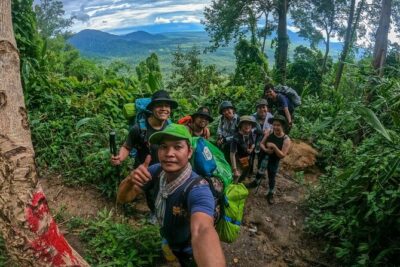
What really stands out from the way this trek is run is the role of the trek leader. Raj is highlighted as a strong guide—someone who gives clear briefings before each day’s walking. The practical part is the do’s and don’ts approach: you’re told what to handle and what to avoid before you head out. That kind of structure helps especially if you’re new to high-altitude trekking or you’re the type who overthinks every little decision.
Raj is also described as taking care of needs like food, water, and where you stay. That doesn’t mean you’ll have everything done for you with zero effort. It means you’re not left guessing. In the Himalaya, guessing is expensive—in discomfort, in time, and sometimes in motivation.
If your top priority is feeling organized and supported, this is a big reason to consider booking.
The trail routine: what your days are really like
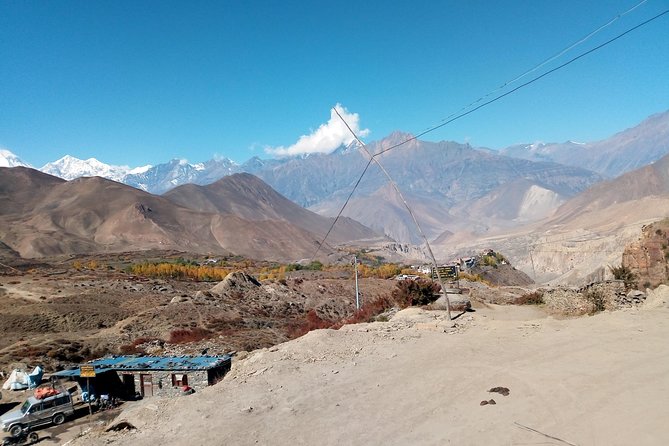
Because the exact day-by-day route details aren’t laid out here, I’ll keep expectations grounded in what the tour data does say. This is a 12-day trekking experience focused on the Annapurna Region, built for hikers with moderate fitness. So the daily rhythm is what you should prepare for: steady uphill walking, breaks that matter, and a gradual climb into a harsher environment.
The big advantage of a guided trek in the Annapurna Region is that your leader helps reduce uncertainty. When altitude and weather start influencing how you feel, it’s easy to push too hard or panic too soon. Daily briefings—again, the do’s and don’ts style—are meant to keep you in a safe and workable mindset.
You’ll also have consistent meal support, which affects how your body handles the trek. Breakfast is included, lunch is included, and dinner is included, with menu choices for each. That’s not a small detail. Food timing and hydration are part of how you manage altitude stress, and this tour’s package structure makes that easier.
One drawback to flag: this trek is not presented as a casual walk. If you’re expecting frequent flat sections, you may feel the difference between the idea of trekking and the reality of long days at elevation.
Meals included, with real choice (and why that helps)
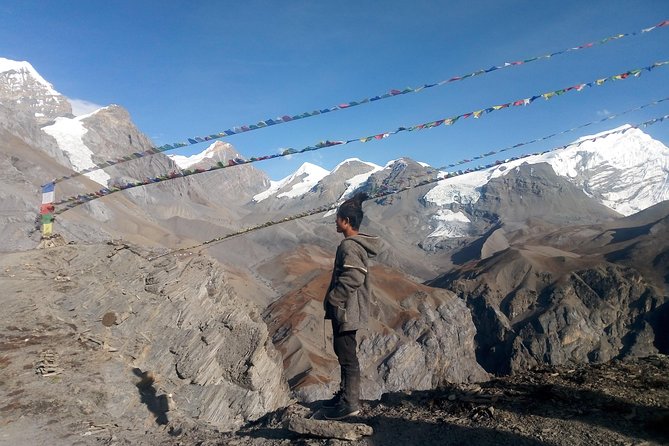
Food can either become a daily stress—or it can become fuel you don’t think about. Here, breakfast, lunch, and dinner are all included. The tour listing also notes that coffee and/or tea are included, and that lunch and dinner are based on what you choose from the menu.
That choice component matters. On group treks, meal restrictions sometimes make hikers feel like they’re at a buffet of compromises. Here, the language is clear that you choose what you want from the menu for lunch and dinner, and breakfast is also menu-based.
Practically, this helps you match your food to your energy needs. If one day feels heavier than expected, you can likely pick something that sits well. If you’re hungry and motivated, you can go for more substantial options. And coffee or tea included means you get small comfort without having to hunt for it at every stop.
What’s not included is also important. Alcoholic beverages aren’t included, and mineral water and cold drinks aren’t included. So if you rely on frequent bottled drinks or flavored soft drinks, you’ll want to budget for that separately. The tour also notes insurance and unforeseen expenses are not included, so you’ll want a plan for any personal medical coverage.
Views in the Annapurna Region: what you’ll notice as you go
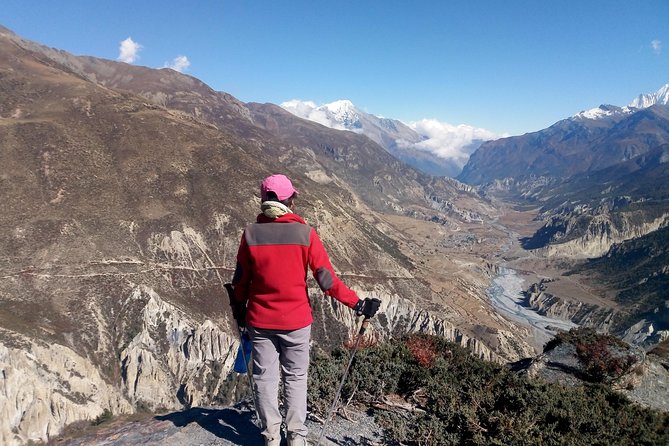
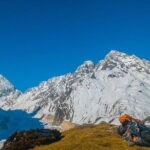
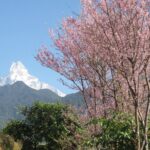
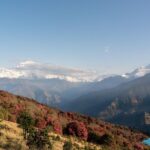
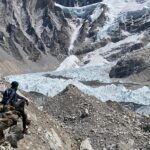
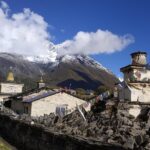
The Annapurna Circuit lives in a part of Nepal where the mountain scenery changes as your perspective changes. Even without listing specific viewpoints, the region’s signature is the way the Himalaya can look close and then suddenly far as you shift elevation and direction.
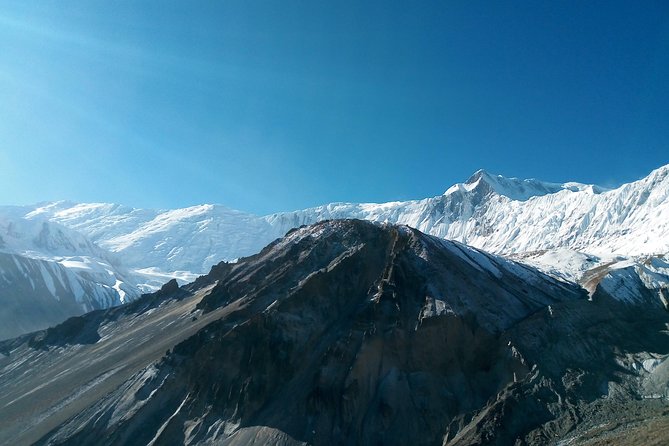
The math of Mt. Annapurna helps explain why people keep returning. At 8,019 m, Annapurna is a giant above the clouds. That presence tends to influence everything around it: the weather shifts, the sense of scale grows, and ridgelines start to look like layered walls rather than single peaks.
Also, the region is popular partly because the trekking routes are considered relatively easier for trekkers to reach this area and keep moving on. That doesn’t mean effortless. It means people who arrive ready often find the overall journey manageable, especially when paired with the right guide and pacing.
The best advice I can give here is to expect gradual learning. On day one, the Himalaya feels like a concept. By day three or four, it becomes a physical reality—breathing, tired legs, and the way you start to measure effort.
Price and value: is $1,179.49 fair for a 12-day trek?
Let’s talk value, not just cost. The price listed is $1,179.49 per person for a 12-day experience (about 12 days and 6 hours 30 minutes). That’s not cheap, but for a multi-day guided high-altitude trekking trip in Nepal, it can make sense when the essentials are included.
What’s included is big: breakfast, lunch, dinner, and coffee and/or tea. Meals are not always included at this level for trekking packages, and when they are, choice matters. Here you choose from menus, which reduces the typical trek fatigue of eating the same thing every day or paying extra to get what you want.
Another value piece: the tour is private, and pickup is offered. Private means your support and communication stay focused. Pickup means you’re less likely to lose time at the start, which matters when you’re leaving early.
What’s not included also helps you understand the real cost picture. Alcohol, mineral water, cold drinks, and personal insurance are on you. If you plan to spend heavily on bottled drinks and alcohol, your final trip cost can climb.
So is it a good deal? For someone who wants consistent support, menu-based meals, and a private guide-led structure, the price is easier to justify. If you’re the kind of hiker who would rather DIY everything with minimal guidance, then this cost may feel like too much. But if you want the trek to be organized and guided—with Raj-style daily briefings—this looks like a reasonable value proposition.
Who should book this Annapurna Circuit trek
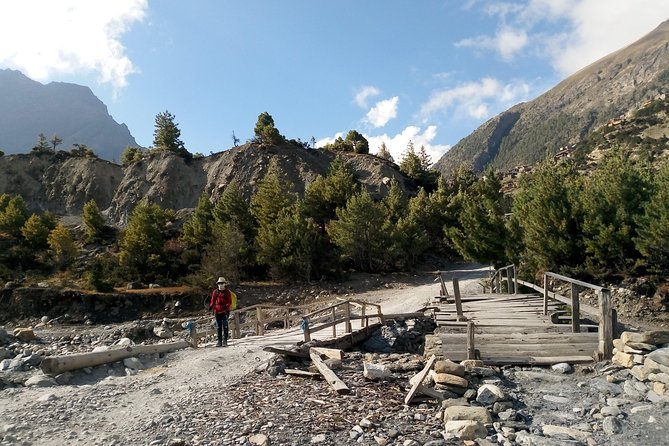
This tour is explicitly geared toward people with moderate physical fitness. That’s the right word: moderate doesn’t mean you’re not challenged. It means you don’t need to be a mountaineering athlete to participate, as long as you can handle walking for multiple days with altitude pressure.
It’s also a good fit if you want:
- Clear daily structure instead of guesswork
- A guide who pays attention to practical needs like food, water, and lodging
- A private group experience where communication is easier and quieter
If you’re doing your first high-altitude trek, the guide support becomes even more important. One review highlights this exact situation: it was a first high altitude trek, and the confidence from the team made it memorable rather than stressful. That lines up with how well-run guided trips usually work—less chaos, more rhythm.
If you’re traveling with friends who want a shared plan and consistent guidance, private is a strong match.
Should you book this 12-day Annapurna Circuit Trek?
Book it if you want a guided, structured Annapurna Circuit experience with menu-based meals, coffee/tea included, and a leader known for clear daily briefings. The combination of private group setup and a trek leader like Raj, who focuses on do’s and don’ts and takes care of key logistics, is exactly the kind of support that turns a tough trek into a manageable one.
Skip it or think twice if you’re not comfortable with early mornings, long days on foot, and the reality of high-altitude trekking. Also consider the extra costs you’ll likely carry outside the package, like mineral water and insurance.
If you match the physical fitness level and you value organization over improvising, this tour looks like a smart way to do the Annapurna Circuit.
FAQ
Where do the Annapurna Circuit trek start and end?
The trek starts at Thamel Marg, Kathmandu 44600, Nepal. It ends back at the meeting point.
What time does the trek start?
The start time is 5:00 am.
How long is the Annapurna Circuit trekking experience?
The duration is about 12 days 6 hours 30 minutes (approx.).
Is pickup included?
Pickup is offered.
What meals are included in the tour price?
Breakfast is included, as well as lunch and dinner. Coffee and/or tea are also included, with menu choices for lunch and dinner.
What’s not included in the package?
Alcoholic beverages, mineral water, cold drinks, and insurance are not included, along with any unforeseen expenses.
How does free cancellation work?
Free cancellation is available. You can cancel up to 24 hours in advance of the experience’s start time for a full refund.