REVIEW · PHERICHE
Everest Base Camp Trek: A short EBC Trek to Iconic Himalaya
Book on GetYourGuide →Operated by Bold Himalaya Treks and Travels · Bookable on GetYourGuide
High altitude has a way of changing your breathing. This short Everest Base Camp trek earns its hype with Lukla-to-Everest views and a real focus on Sherpa culture. I also like that it’s built for fit hikers with smart acclimatization stops, not a slow-motion stroll. One thing to plan for: the schedule is demanding, so you’ll want to be ready to walk several hours at elevation.
You start with a mountain flight into Lukla, then work your way through Namche Bazaar and Tengboche before climbing toward Gorak Shep and Everest Base Camp. The Khumbu Icefall looks like something out of a glacier textbook—massive, loud in your imagination, and unforgettable in real life. And when the day is right, the sunrise hike to Kala Patthar is the payoff you’ll remember long after the photos fade.
If you’re the type who freezes when paperwork shows up, don’t worry. The program includes guidance, key park fees, and a clear route structure. The main consideration is fitness and altitude realism: this trek is for people who can comfortably walk 4–5 hours a day, even when the air thins.
In This Review
- Key highlights to know before you go
- Everest Base Camp, but in a short, punchy format
- Lukla to Phakding: your first step into the Khumbu rhythm
- Namche Bazaar (and why it’s a big deal for acclimatization)
- Tengboche: monastery views and the slower spiritual pause
- Dingboche: your second acclimatization lesson
- Lobuche to Gorak Shep and Everest Base Camp: where the trek turns real
- Kala Patthar sunrise: the early start that makes sense
- Back down to Namche and the final Lukla day
- Who this trek is really for (and who should add days)
- Guide quality is not a small detail here
- Price and what you actually get for $681
- What to pack so you don’t suffer for no reason
- Booking mindset: planning for altitude and schedule reality
- Should you book this Everest Base Camp short trek?
- FAQ
- What is the highest elevation on this trek?
- How long are the trekking days?
- Are acclimatization days included?
- Are flights to Lukla included in the price?
- What gear is provided?
- Which languages will the guide speak?
Key highlights to know before you go
- Lukla flight day-one start keeps the trek feeling like an actual expedition, not a multi-day wait.
- Sherpa stops like Namche Bazaar and Tengboche give you culture alongside big mountain scenery.
- Acclimatization in Namche and Dingboche helps your body adjust instead of just pushing upward.
- Khumbu Icefall views near Everest Base Camp put you close to one of the Himalaya’s most dramatic glacial scenes.
- Kala Patthar sunrise hike is the classic do-or-die moment that makes the early start worth it.
- A short, energetic pace works well for fit trekkers, but you should be honest about your stamina.
Everest Base Camp, but in a short, punchy format
This is an Everest Base Camp trek designed for people who want the iconic destination without stretching it into a long, slow trek. You’re looking at about 130 km round trip, plus a maximum elevation around 5,364m. That’s high, and the “short” part matters—your body will notice.
The route also threads through the Khumbu region’s classic travel stops: Namche Bazaar (trading hub), Tengboche (monastery and views), then the higher villages that act like stepping-stones for acclimatization. The goal is to get you to Everest Base Camp and still give you enough recovery time to enjoy it rather than just survive it.
You also get a practical structure that helps reduce guesswork. The itinerary includes acclimatization days in Namche Bazaar and Dingboche, which is key on EBC routes. If you need more buffer time, the trek can be customized with 1–2 extra days, and that flexibility is worth paying attention to.
You can also read our reviews of more tours and experiences in Pheriche.
Lukla to Phakding: your first step into the Khumbu rhythm
Day one begins with an early flight to Lukla. In a perfect world, you fly from Kathmandu to Lukla, but mountain aviation can be unpredictable. If flight logistics require it, departures may happen from Ramechhap, with about a 4-hour drive from Kathmandu beforehand.
Once you land, you trek to Phakding (about 2,610m) for roughly 3 hours. This is not about athletic heroics. It’s about getting your legs used to walking on a mountain trail and letting the altitude start doing its slow work.
Phakding also sets your expectations for what the next days feel like: stone steps, suspension bridges, and village trails that bounce you from one view corridor to the next. You’re not just traveling through scenery—you’re moving through a working mountain landscape.
Namche Bazaar (and why it’s a big deal for acclimatization)
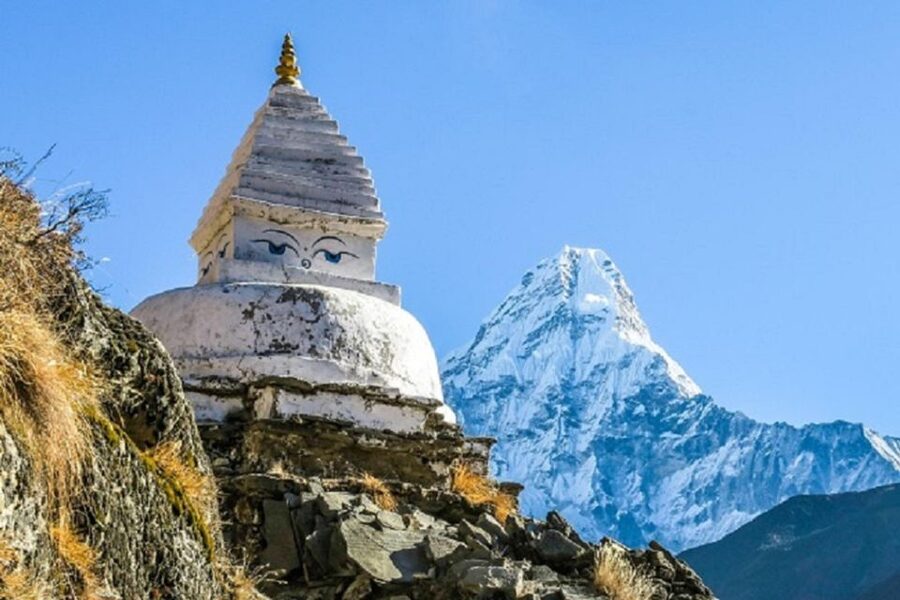
The trek from Phakding to Namche Bazaar (3,440m) is about 6–7 hours. That’s a full day, so pacing matters. You want steady movement rather than bursts of speed that leave you gasping.
After reaching Namche, you get an acclimatization day. This is one of the best parts of the plan because Namche isn’t just a place to sleep—it’s the altitude lesson built into the itinerary. It’s also where the Khumbu starts to feel distinct: more Sherpa influence, more trails that feel like they’re built for long-term mountain life, and plenty of opportunities to understand how the region works.
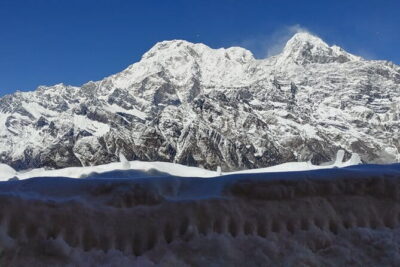
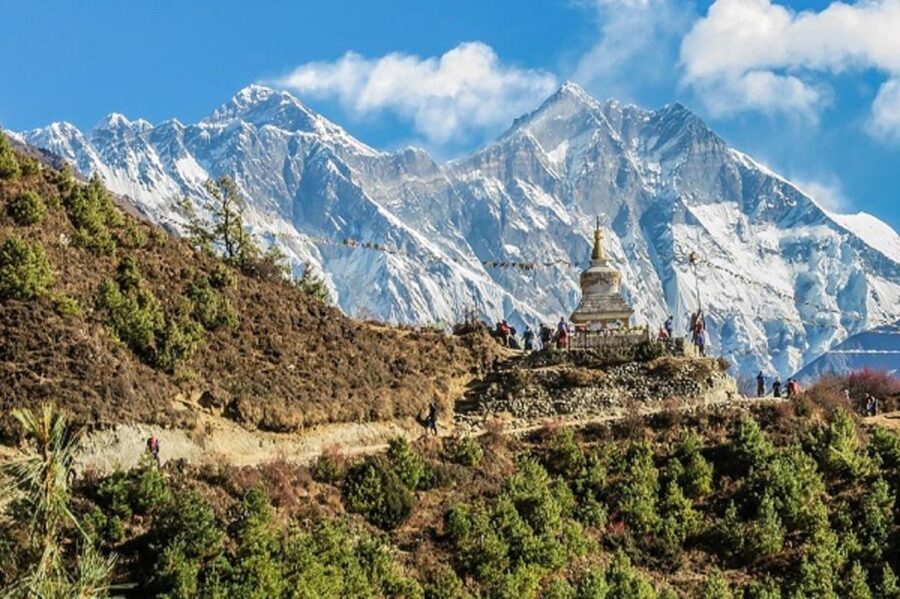
You’re surrounded by major peaks in clear conditions, including big-name views like Everest, Lhotse, and Nuptse. You’ll likely also notice how often people talk about the mountains here. It’s not just sightseeing. It’s local reality.
Tengboche: monastery views and the slower spiritual pause
Next comes Namche to Tengboche (3,860m), about 5–6 hours. The climb is steady, and the payoff is that classic Tengboche vibe: a monastery setting with a strong sense of place and a lot of practical calm.
Tengboche is also where the trek becomes more than physical. You visit Tengboche Monastery, which adds a spiritual layer to your day. Even if you don’t follow religious practice, this stop helps you understand that Sherpa culture isn’t an add-on. It’s part of daily life, woven into routes, seasons, and community routines.
From here, you’ll feel the trek tightening toward higher altitudes. The air gets thinner, but the trail still has that old-world texture—stone, prayer flags, and simple guesthouse living that stays consistent day after day.
Dingboche: your second acclimatization lesson
Day four goes from Tengboche to Dingboche (4,410m) in about 5–6 hours. Dingboche sits higher, and that means you’ll feel altitude more strongly even if your pace is good.
Then you get another acclimatization day in Dingboche. This stop matters because you’re approaching the higher villages and the trek’s big summit push. Skipping acclimatization on Everest routes is how people end up feeling wrecked or worse, and this schedule is built to avoid that.
In clear weather, the mountain views get serious here. You’re not just seeing peaks; you’re watching weather systems move across them. That’s a subtle skill you pick up without realizing it—how to time your effort and how to manage your expectations when clouds roll in.
Lobuche to Gorak Shep and Everest Base Camp: where the trek turns real
From Dingboche to Lobuche (4,910m) is about 5–6 hours. This section is often where trekkers start to feel the altitude as more than a number. Your legs may still work, but your breathing will tell you the truth.
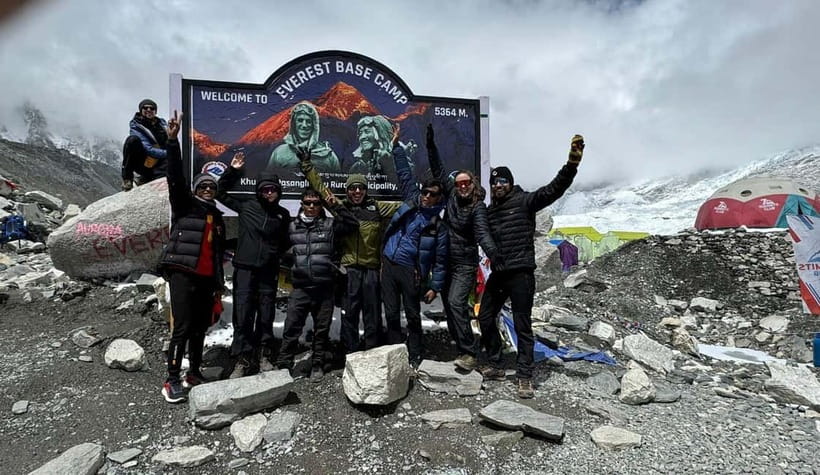
Then comes one of the main days: Lobuche to Gorak Shep (5,140m) and onward to Everest Base Camp (5,364m). Plan about 7–8 hours total, with a lot of walking while the air is thinner than you’re used to.
This is the day you earn the destination. Everest Base Camp itself is iconic for a reason: it puts you close to the massive, glacial forces shaping the route. And the real visual star can be the Khumbu Icefall—that awe-inspiring ice section that looks both fragile and unstoppable.
You’ll likely arrive tired and quiet. That’s normal. Just remember to keep some energy for the time you spend there. Base Camp is not a fast photo stop. It’s a moment.
You sleep in Gorak Shep overnight, which is high and cold. Bring the warmth you’ve prepared for, even if the daytime sun is doing a great job.
Kala Patthar sunrise: the early start that makes sense
Day seven is an early morning hike to Kala Patthar (5,545m) for sunrise, then a long descent to Pheriche (about 4,371m). The sunrise hike is the kind of effort that feels dramatic even before you reach the viewpoint.
This stop is popular because it gives you one of the clearest, most dramatic panoramas of Everest you can get in the region—especially around sunrise when light hits the peaks sharply.
Once you finish at Kala Patthar, the descent is long—about 7–8 hours. Don’t underestimate this. Descents can stress your knees and make blisters worse. If you’re smart about foot care and pacing, you’ll arrive in Pheriche feeling like you still have enough energy left to enjoy the day.
Pheriche is a welcome landing after the higher cold zone. You’re getting lower, but you’re also shifting back into a more comfortable rhythm.
Back down to Namche and the final Lukla day
Day eight is Pheriche to Namche Bazaar in about 6–7 hours. This is where your body starts to recover, but you still have work to do. You’ll feel the altitude lift a bit, and the views may look more dramatic because you’re no longer fighting your breathing the whole time.
Then comes the final trek: Namche Bazaar to Lukla (about 6–7 hours). After that, you fly back to Kathmandu. Weather can affect flights, so build in breathing room before your international departure.
A solid rule of thumb on routes like this: add at least one buffer day if you can. Mountain conditions can delay flight schedules, and you’ll sleep better knowing you’re not racing the clock.
Who this trek is really for (and who should add days)
This is a trek for physically fit travelers who can handle walking 4–5 hours a day at high altitude. If you’re new to trekking at elevation, you can still do it, but you’ll likely feel better with extra time for acclimatization.
In fact, the program can be customized. If you want a more comfortable pace, adding 1–2 extra days—especially around Namche Bazaar and Dingboche—can make the difference between a tough trek and a mentally enjoyable one.
You’ll also want to be honest about the schedule style. The itinerary is quick enough that people seeking a slower, more leisurely rhythm may feel pressured. On the flip side, if you prefer a clear plan and steady progress toward Base Camp, this route fits.
Guide quality is not a small detail here
On Everest routes, good guidance is the difference between confidence and chaos. You’re dealing with altitude, timing, trail conditions, and weather-driven changes to flights.
This trekking program runs with experienced guides and coordinators. The names that stand out from confirmed experiences include Ramesh as a fantastic, attentive guide, and Sobit as an excellent trek coordinator who helps keep things moving smoothly from Kathmandu into the trekking flow. Another guide mentioned is Palden, with his team of porters described as friendly and helpful.
That matters because you want someone who can read the day: when to adjust pace, how to encourage steady progress, and how to keep the logistics organized so you’re not stressed about the next checkpoint.
If you want a trek that feels structured and cared for, this kind of guide-and-coordinator setup is a real value point—not just a nice-to-have.
Price and what you actually get for $681
The cost listed here is $681 per person for a 9-day trek. On paper, that can look either like a bargain or a mystery depending on what’s included.
What makes this feel like good value is the coverage of the core trek infrastructure:
- Standard guesthouse / trekking lodge stays
- All trekking meals (breakfast, lunch, dinner, with one item each time)
- Key permits/fees including Sagarmatha National Park entrance, TIMS, and Pasang Lhamu Rural Municipality Entrance
- A guided team (well-experienced guide throughout)
- Gear support: sleeping bag, down jacket, and trekking pole support if needed for return, plus a duffle bag
- Extras that reduce friction: a t-shirt or cap and a trip certificate
The major cost you should expect outside the trek package is the Kathmandu to Lukla to Kathmandu flights. The data also indicates that flight arrangements (airplane or helicopter) can be handled upon request, but it’s not included automatically in the base list.
So here’s the practical way to think about it: you’re paying for the trek experience itself—lodging, meals, fees, and the human support system. You’re not paying for your main flight leg unless you add it. If you already know your flight plan, this structure can work very cleanly.
What to pack so you don’t suffer for no reason
The trek isn’t glamorous, and that’s part of the point. Cold and wind are real at the higher elevations, especially around Kala Patthar and during mornings.
You’ll want:
- Warm layers: thermal clothing, warm jacket
- Gloves, socks, hiking pants
- Warm clothing overall, plus a good hiking shoe
- A plan for altitude walking: something you can move in for hours
The program also mentions equipment like a sleeping bag and down jacket as part of included gear, which is helpful. Still, you’ll be responsible for your personal clothing and small comfort items. If you’ve skimped on socks or gloves before, don’t do it here.
Booking mindset: planning for altitude and schedule reality
This trek uses a tight, effective pacing with acclimatization days built in. That means you can enjoy the journey, but you shouldn’t treat it like casual hiking.
Also plan for the flight reality. In some cases, you’ll route through Ramechhap, not Kathmandu, and that means earlier mornings and a pre-flight drive. It’s not a surprise if you’re mentally ready for it, but it can scramble your timing if you ignore it.
Finally, keep one buffer day before any international departure. Mountain weather can affect flight timing. The worst kind of trip is the one where you’re trying to outrun the weather.
Should you book this Everest Base Camp short trek?
Book it if you:
- Want the classic Everest Base Camp experience in a 9-day timeline
- Can walk 4–5 hours a day and handle high-altitude conditions
- Like a guided plan with real structure, including permits, meals, and lodge stays
- Appreciate Sherpa culture stops like Namche Bazaar and Tengboche Monastery
Skip or add extra days if you:
- Need slower acclimatization time beyond Namche and Dingboche
- Prefer a low-pressure trek pace where you can explore more at each stop
- Are unsure about altitude walking stamina—this plan works best when your base fitness is solid
If you match the fitness profile, this is a smart way to do Everest without turning it into a multi-week commitment.
FAQ
What is the highest elevation on this trek?
The itinerary reaches a maximum elevation of about 5,364m at Everest Base Camp. You’ll also hike up to Kala Patthar at about 5,545m for sunrise.
How long are the trekking days?
Most days are planned around walking 4–7 hours, with longer days near Everest Base Camp and the Kala Patthar day. You should be able to walk 4–5 hours per day even at high altitude.
Are acclimatization days included?
Yes. You stop for acclimatization in Namche Bazaar and Dingboche. If you want more time to adjust, the schedule can be customized with 1–2 extra days.
Are flights to Lukla included in the price?
No. The Kathmandu to Lukla to Kathmandu flights are listed as not included. The provider says it can arrange flight or helicopter tickets upon your request.
What gear is provided?
Included gear lists a sleeping bag, down jacket, duffle bag, and trekking pole support if you need it for return after trekking.
Which languages will the guide speak?
The tour listing states English, Chinese, Korean, Russian, Traditional Chinese, and Japanese.