REVIEW · GHANDRUK
Pokhara: Poon Hill Trek
Book on GetYourGuide →Operated by Anjil Manjil Travels and Tours · Bookable on GetYourGuide
Golden peaks start with a shaky alarm clock. This short Nepal trek from Pokhara to the Annapurna viewpoints blends mountain drama with real village life, walking ancient paths through rhododendron forests and communities of Magars and Gurungs.
I like how the trek hits two big goals fast: the Poon Hill sunrise spectacle and a genuine day of culture in Ghandruk. And the human side matters too—on the ground, guides like Gobinda and porter support like Sundeep-style help can turn a tough moment into a manageable one.
One consideration: meals are not included, so you’ll want to budget roughly $20 per person per day when you’re buying lunch and dinners at the lodges.
In This Review
- Key things to know before you go
- Why Poon Hill feels like the Annapurna sweet spot
- Pokhara to Nayapool to Ulleri: your first taste of village trekking
- Ghorepani: rhododendron forests, villages, and a lunch stop at Nangethati
- Up to Poon Hill for sunrise, then down to Ghandruk
- Ghandruk to Nayapool to Pokhara: the downhill payoff
- Permits, lodges, and private group comfort that actually matters
- Price and meal math: what $208 really buys
- Culture and wildlife: why the trail is more than a view ladder
- Guide support can turn the trek friendly: Gobinda and Sundeep
- Who should book this Poon Hill trek
- Should you book this trek?
- FAQ
- FAQ
- How long is the Poon Hill trek?
- Where does the trek start and end?
- What can I see at Poon Hill?
- Is the trek guided?
- Is the group private?
- What about accommodation during the trek?
- Are meals included in the price?
- Are permits included?
- What items should I bring?
- Is there anything that is not allowed?
Key things to know before you go
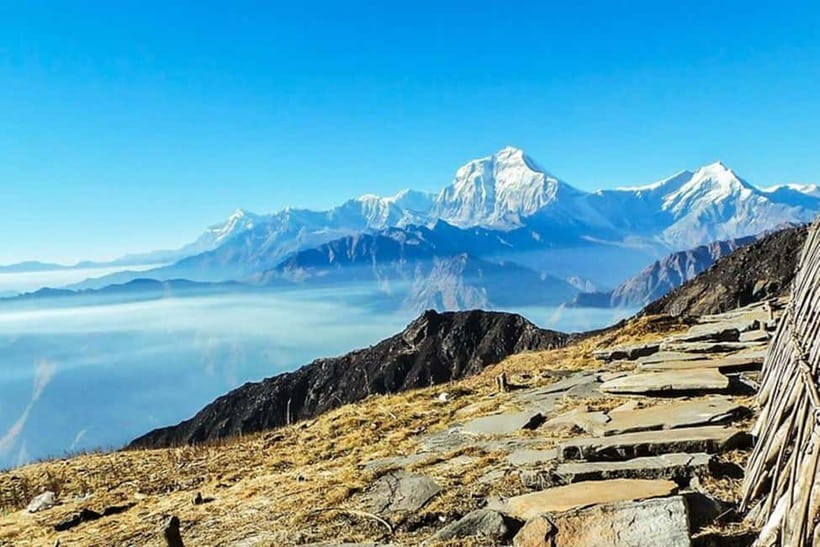
- Poon Hill sunrise views: You’re in position to watch first light spill over the Annapurna and Dhaulagiri ranges.
- Ghandruk (Gurung culture): A preserved Gurung village experience with traditional food in the mix.
- Rhododendron forest walking: Spring-and-autumn friendly trails with color underfoot.
- Magar hospitality in Ulleri: A quieter village stop that changes the feel of the trek.
- English-speaking guide: Support on the trail, plus practical help with logistics and pacing.
- Possible porter assistance: In real situations, help can be the difference between tough and fun (think Gobinda carrying support and Sundeep carrying clothes).
Why Poon Hill feels like the Annapurna sweet spot
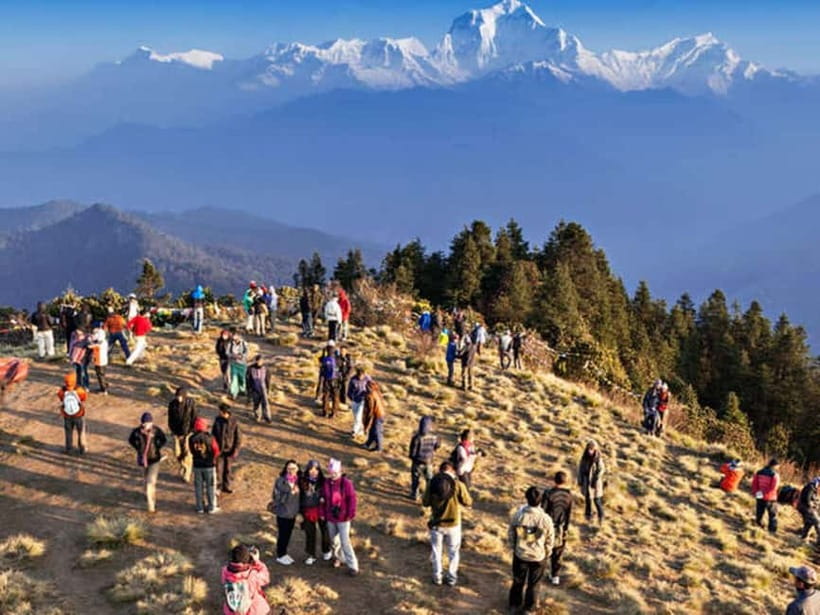
Poon Hill is famous for a reason: it’s one of the easiest ways to get big Himalayan views without signing up for a weeks-long trek. In about four days, you’ll climb high enough to earn dramatic sunrise light, then drop back down to village life at more comfortable elevations.
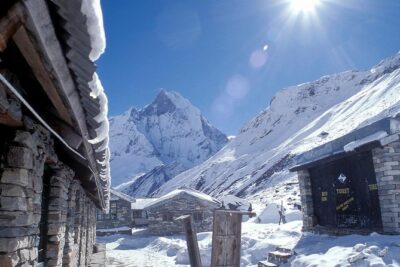
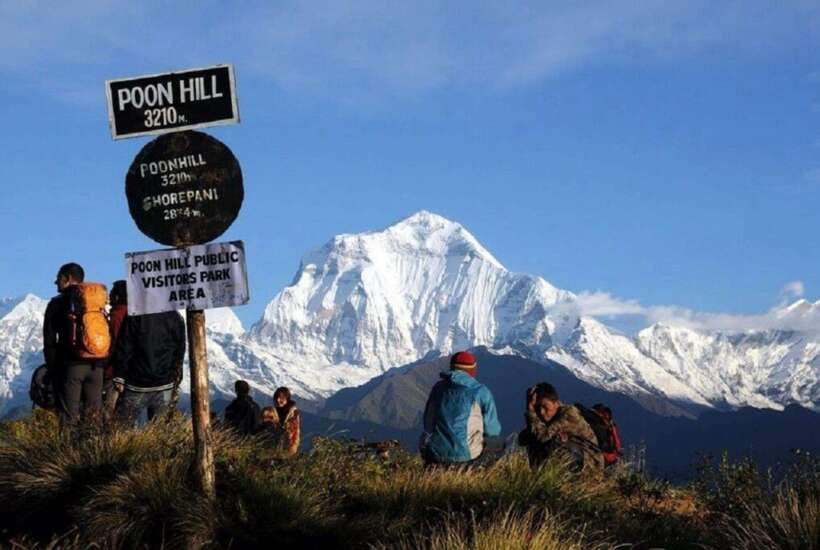
From Poon Hill, you can look across the Annapurna Massif and even the Dhaulagiri range. The view list is huge—Annapurna I, Dhaulagiri I, Annapurna South, Machapuchare, Himchuli, Annapurna III, and peaks around Dhampus and Dhulagiri II—so even if clouds play games, you still get a lot of mountain drama.
The trek’s difficulty is described as manageable, which matters if you’re new to hiking in the Himalaya or you just don’t want to spend every day fighting for breath. You’ll still be walking uphill some days, but it’s paced for a short trip: enough challenge to feel accomplished, not so much that you spend the whole time regretting your life choices.
And then there’s the rhythm: sunrise, breakfast, walking again. It keeps the trek from feeling like one long grind.
You can also read our reviews of more tours and experiences in Ghandruk.
Pokhara to Nayapool to Ulleri: your first taste of village trekking
Day 1 starts with a vehicle ride from Pokhara to Nayapool, which saves you energy before the first climb. After that, you begin hiking toward Ulleri.
The trek to Ulleri takes about 5–6 hours, so it’s a solid first-day workout. You’ll likely feel the elevation change over time, but the schedule gives you a proper buffer: you reach Ulleri, settle in, then finish the day with dinner and accommodation arranged for you.
This is also where the cultural tone shifts. Ulleri is connected to the Magar community, and the idea here is simple: you’re not just passing through scenery. You’re walking into how people live, eat, and host on the trail route.
Practical note for your comfort: the trek day includes moving for hours, then lodging that night. So plan to travel with clothing you can layer, and use the trekking poles or trekking support items if you’ve got them (your package mentions trekking poles/bag options if required).
Ghorepani: rhododendron forests, villages, and a lunch stop at Nangethati
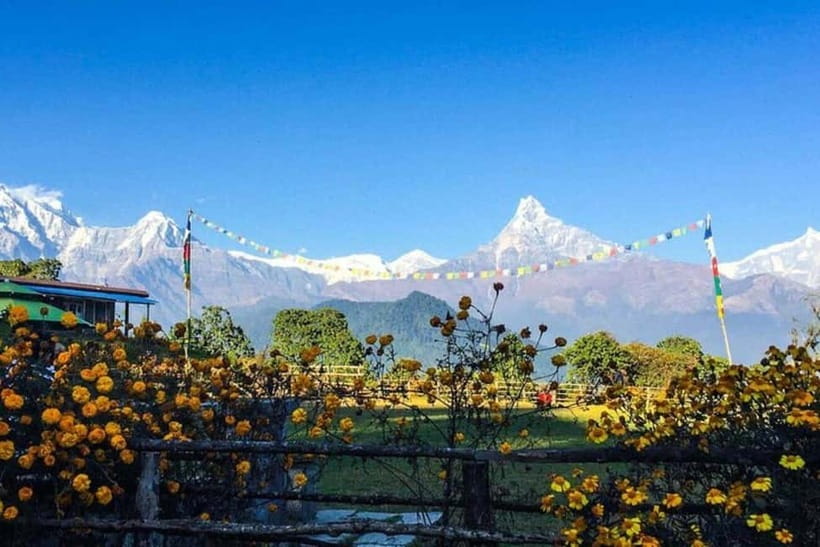
Day 2 takes you from Ulleri to Ghorepani, with another 5–6 hour hiking window. Ghorepani sits higher, around 2,850 meters, and that altitude helps set up the next morning’s sunrise mission.
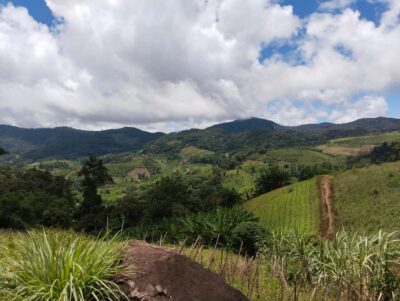
Here’s what makes this day special: the trail runs through rhododendron forest, and that’s where the route gets its color. On the right season, the forests can feel like you’re walking through a living map of the Himalaya’s seasons, not just a rocky footpath.
Along the way, you’ll also pass through local village areas and you may come across wildlife. The exact animal sightings aren’t guaranteed, but the route is described as a place where wildlife can appear, which adds a little extra attention to what’s moving beside the trail.
For food, you get a structured lunch arrangement at Nangethati, then you settle in for the night in Ghorepani. That matters because it keeps you from spending the evening hunting for meals after a day of walking.
If you want a useful mindset for today: treat it as your stamina-building day. You’re working toward sunrise without needing to “race” the mountains.
Up to Poon Hill for sunrise, then down to Ghandruk
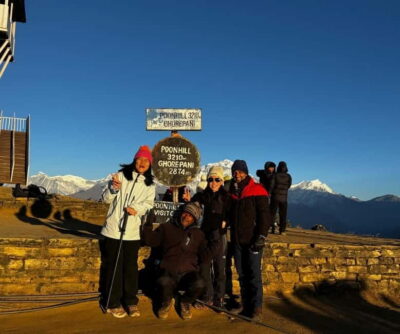
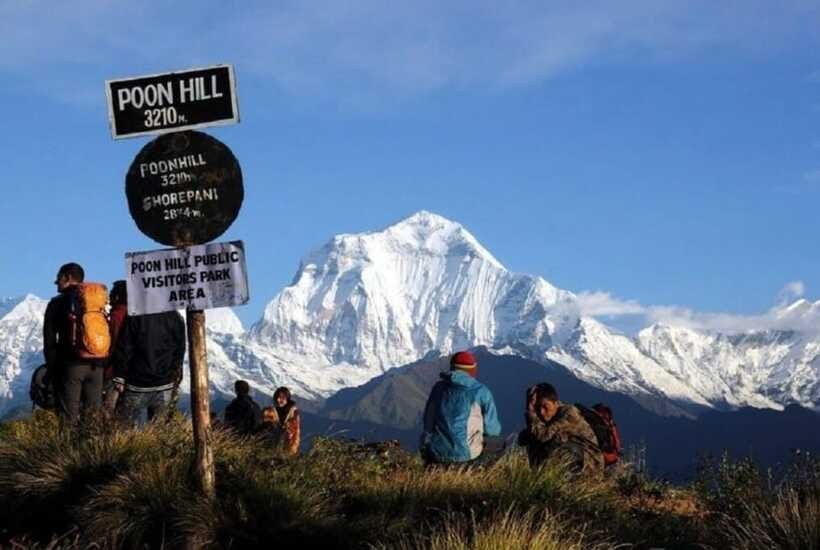
Day 3 is the big one. You start from Ghorepani, hike up toward Poon Hill (around 3,210 meters for the viewpoint), and then continue on after sunrise to Ghandruk (around 1,940 meters).
The schedule is built around the sunrise. You go up for the view, then head back down to your lodging area for breakfast. After that, you continue trekking, with lunch arranged at Tadapani, and finally you settle in Ghandruk for the day. Overall, you hike about 5–6 hours across the day, though the morning segment can feel intense because you’re chasing early light.
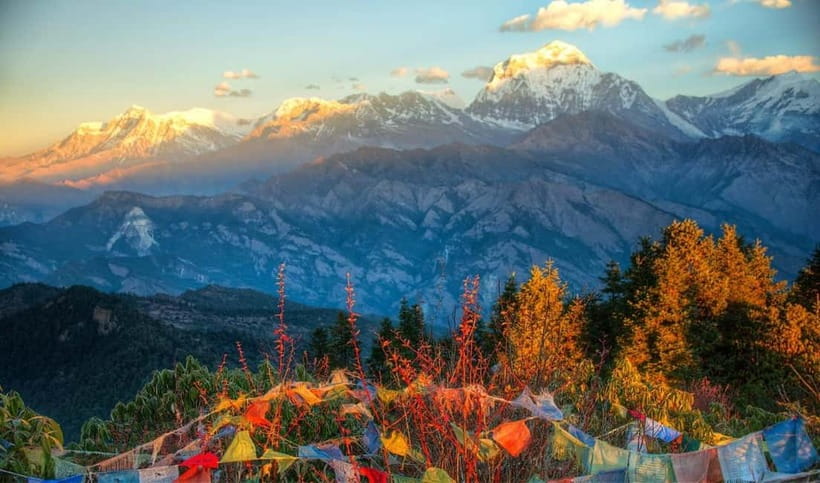
From Poon Hill, you’re looking toward the Annapurna range and also the Dhaulagiri mountain range, which gives the view a wide feel—more than just one peak dominating the sky. The mountains listed include Annapurna I (8,091 m), Dhaulagiri I (8,167 m), Annapurna South (7,219 m), Machapuchare (6,993 m), plus other peaks like Himchuli and Dhampus peak.
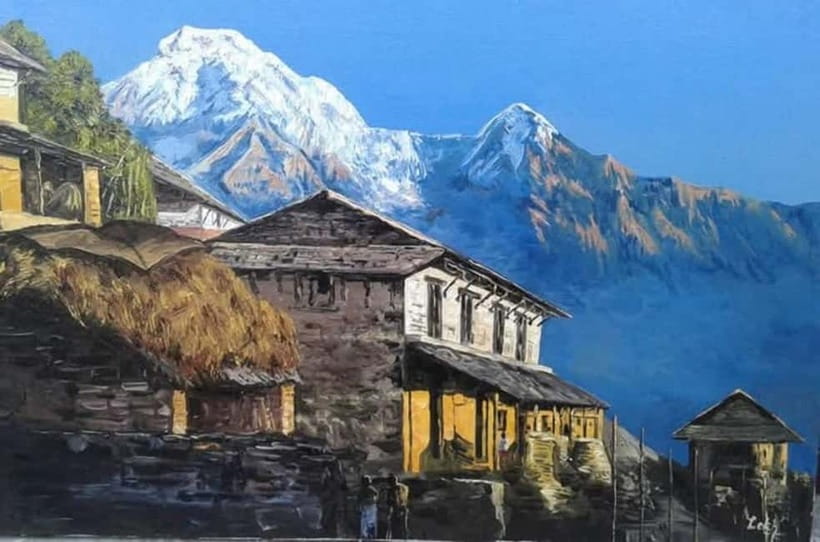
Then comes the switch from high-view mode to village mode. Ghandruk is described as a Gurung village where ancient traditions remain part of daily life. If you’ve been focused only on photos, this is where you slow down a bit and pay attention to people, food, and village rhythm.
And yes, sunrise walking usually means you’ll want to be ready for cold early hours. The trek company handles the path plan, but you’re responsible for your comfort gear.
Ghandruk to Nayapool to Pokhara: the downhill payoff
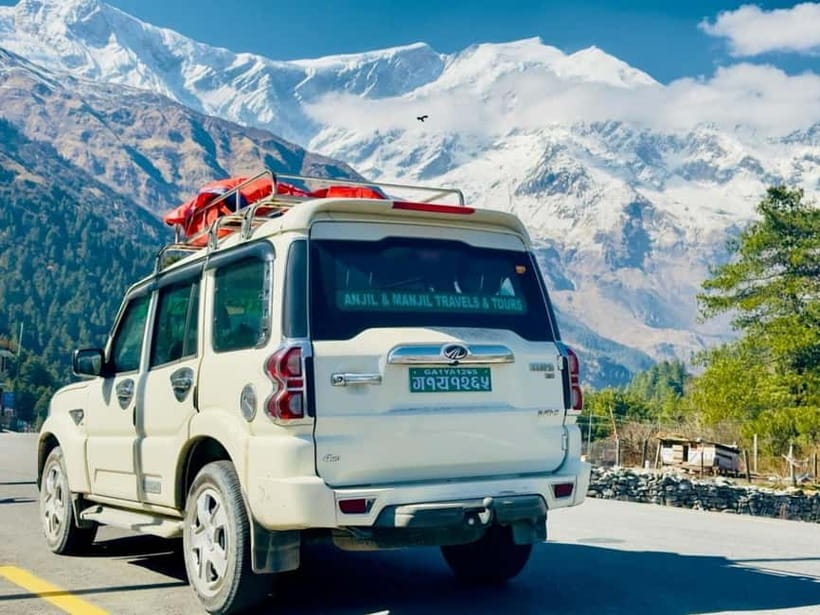
Day 4 is the finish, and it has a nice emotional arc. You get to enjoy the sun’s first rays over Ghandruk again, then you have traditional Gurung breakfast.
That breakfast detail is more than a nice touch—it’s the point of this route. You’re ending your trek where the culture is alive, not only in postcards. Then you hike down to Nayapool, where a vehicle waits to take you back to Pokhara and drop you at your hotel.
This day’s value is simple: after a few days of stairs and uphill effort, the descent lets your legs reset. You’re still hiking, but it’s the kind of walking that feels like momentum rather than punishment.
Permits, lodges, and private group comfort that actually matters
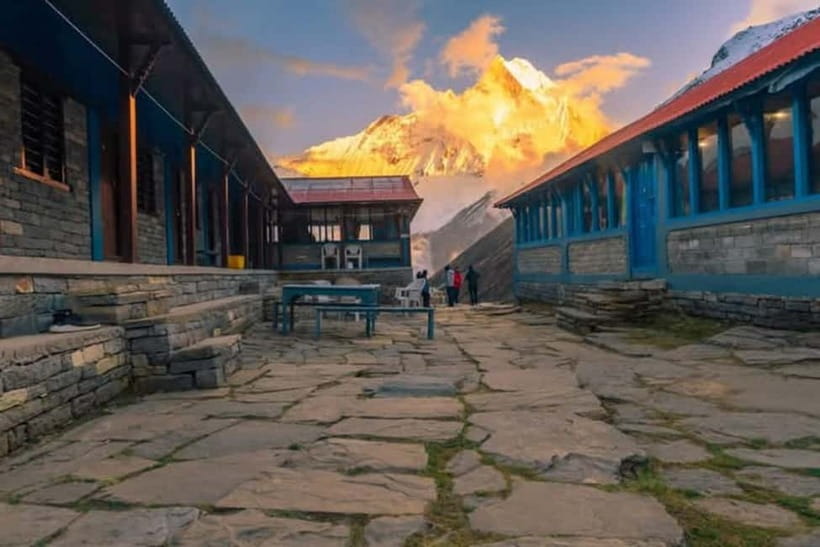
This trek is set up with logistics that reduce stress. You get hotel pickup and drop-off from any hotel in Lakeside Pokhara or from the airport area. You also get round-trip transportation as part of the package.
Accommodation is described as private accommodation on tourist standard lodge, which usually means you can expect basic comfort without the ultra-basic chaos you sometimes find on very DIY trekking routes. You’re also not stuck carrying everything—there’s luggage storage facility in Pokhara during the trek.
On the admin side, the package says government permits, TIMS, and taxes are covered. That’s not glamorous, but it’s one of those details that can quietly ruin your trip if you have to chase it last minute. Having that sorted matters, especially on a short trek when you don’t want bureaucratic surprises eating your time.
You travel with a professional trekking guide who is government registered, and the guide support includes food, accommodation, insurance, salary, transportation, and equipment as listed in the inclusions. You also get a first aid kit.
All of that adds up to the feeling you want: you spend more energy walking and less energy coordinating.
Price and meal math: what $208 really buys
The listed price is $208 per person for a 4-day trek. That number is for the core service: private accommodation on tourist standard lodges, guided trekking support, permits/TIMS/taxes, transportation, and the Pokhara pickup/drop-off.
Meals are not included. The stated estimate is about $20 per person per day. If you’re budgeting, that’s the big variable you should plan for up front.
So, how do you judge value? For me, it comes down to what you’re not paying to manage:
- Your transport to and from Nayapool
- Permits and TIMS sorting
- An English-speaking guide who keeps the day’s plan on track
- A structured overnight setup
If you try to do this route independently, you usually end up spending time on logistics and permits anyway. Here, the package handles most of those chores, so your money goes toward moving efficiently and staying focused.
If you’re the type who likes certainty and a clear plan, this price makes sense. If you’re hoping for a total trip cost that equals only the trek price, you’ll want to remember meals.
Culture and wildlife: why the trail is more than a view ladder
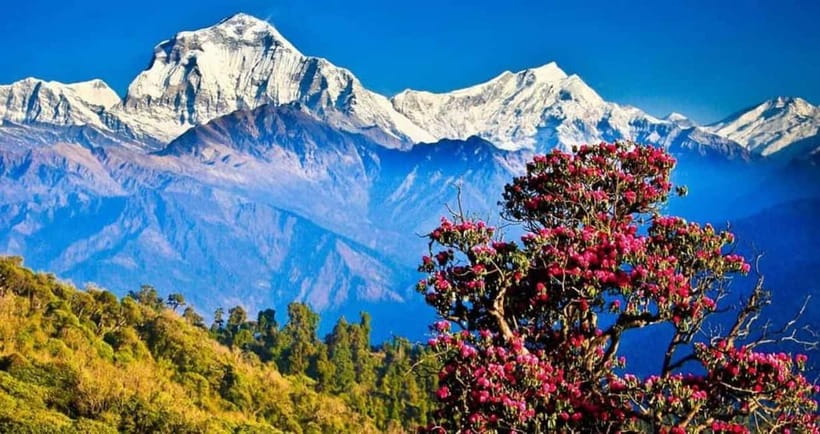
This trek is built around Gurung and Magar communities. You don’t just see village buildings. You spend actual time in village stop points that shape the day.
- Ulleri is tied to the Magar community, and the experience includes hospitality and culture at the village.
- Ghandruk is where the Gurung story becomes the centerpiece, with a focus on preserved traditions and a traditional breakfast on Day 4.
Then there’s the natural side. The trek walks through rhododendron forests, especially relevant in spring and autumn when conditions are best. The route is also described as a place where you might encounter Himalayan fauna.
Even if wildlife sightings are rare for you, the idea is that you’ll walk with more awareness. The mountains aren’t just scenery. They’re a system—plants, animals, altitude, weather, and people all in the same loop.
Guide support can turn the trek friendly: Gobinda and Sundeep
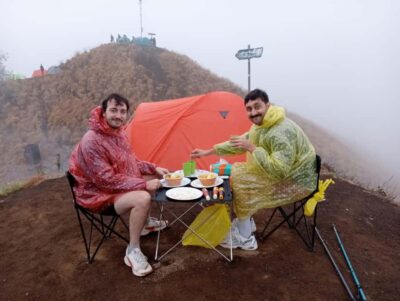
The biggest “how was it on the ground” detail is the human support. One trek experience highlights that Gobinda wasn’t only a guide with route knowledge—he also helped with real fatigue and practical problems.
When someone was tired, he supported by helping carry their bags. And when muscles cramped from repeated stairs, Gobinda even provided a foot massage to help ease the pain for continued walking. That’s the kind of support you don’t get from a solo map.
There’s also mention of Sundeep, a porter who carried a bag of clothes. Porter help doesn’t automatically mean you’ll never feel stairs—it just means you can conserve your energy for the walking itself.
So here’s my practical advice: if your pack is heavy, ask what load support looks like for your specific group arrangement. You’ll be glad you did before Day 2 or Day 3.
Who should book this Poon Hill trek
This route fits best if you want:
- A short trip from Pokhara (4 days)
- Big sunrise views without a long, punishing schedule
- A mix of mountain scenery and village culture
- Guided support with an English-speaking guide
It’s also a good match for novice to intermediate trekkers because the trek is described as having a manageable difficulty level.
But it’s not for everyone. It’s listed as not suitable for pregnant women and not suitable for wheelchair users. If you’re in either group, you’ll need a different style of trip designed for your needs.
Season matters too. The best times are spring and autumn, when conditions are more likely to support good visibility and comfortable walking.
Should you book this trek?
If you want a practical plan with clear days, guided support, and the payoff of Poon Hill sunrise plus Ghandruk Gurung culture, this trek is a strong choice. The price includes a lot of the annoying parts—permits/TIMS, transport, guide, and lodge nights—so you can focus on walking and taking in the mountains.
I’d especially recommend it if you care about the cultural stops, not just the view. The village days add meaning to the climbs.
Book it with your eyes open about one thing: meals are extra, and your final cost will be a bit higher than the $208 headline.
FAQ
FAQ
How long is the Poon Hill trek?
The trek lasts 4 days.
Where does the trek start and end?
It starts in Pokhara, with a drive to Nayapool before walking. It ends with a hike back to Nayapool and then a vehicle ride back to Pokhara.
What can I see at Poon Hill?
Poon Hill is known for sunrise views over the Annapurna Massif and the Dhaulagiri mountain range, with many peaks visible from the viewpoint.
Is the trek guided?
Yes. You’ll have a professional trekking guide and the tour provides an English live tour guide.
Is the group private?
Yes, this is listed as a private group.
What about accommodation during the trek?
Accommodation is included as private accommodation on tourist standard lodge.
Are meals included in the price?
No. All meals are not included and you can purchase them on-site (listed as approximately $20 per person per day).
Are permits included?
Yes. Government permits, TIMS, and taxes are covered.
What items should I bring?
You should bring your passport (a copy accepted) and a passport-sized photo.
Is there anything that is not allowed?
You shouldn’t bring luggage or large bags, and pets are not allowed (assistance dogs allowed). The tour also lists it as not suitable for pregnant women and wheelchair users.