REVIEW · HUARAZ
From Huaraz: Lake 69 Trek Day Tour – White Mountain Range
Book on GetYourGuide →Operated by Tangol · Bookable on GetYourGuide
Laguna 69 tests your lungs and pays back fast. I like the pro-grade guiding through Huascarán National Park, and I love seeing the turquoise Laguna 69 at 4,600m. One drawback: the hike feels tough because of altitude, with about 700m of positive gain up to the lake.
This is a long day, not a quick walk. You’ll start around 3,900m at Cebolla Pampa, then climb, take photos, and return the same way, with a bus ride that eats a chunk of your time both directions.
In This Review
- Key Highlights Worth Your Attention
- A Long Day From Huaraz to UNESCO Huascarán National Park
- Start Point: Yungay, Llanganuco, and Cebolla Pampa at 3,900m
- The Climb to Laguna 69: What 700m of Gain Feels Like
- Lake 69 at 4,600m: Photos, Turquoise Water, and Time to Breathe
- Scenic Stops on the Way Back: Chinancocha, Orconcocha, and Cebolla Pampa Again
- Guide Style, Small Group Pace, and Spanish On-the-Ground Learning
- Price and Value: Why $42 Can Make Sense for This 14-Hour Day
- What to Pack and How to Handle Altitude Without Guessing
- When This Tour Fits You (and When It Doesn’t)
- Should You Book the Huaraz Lake 69 Day Tour?
- FAQ
- How long is the Lake 69 trek day tour from Huaraz?
- What is the group size limit?
- Is the guide English or Spanish?
- How much is the entrance fee for Huascarán National Park?
- Where do pickup and meeting happen in Huaraz?
- Does the tour include hotel pickup and hotel drop-off?
- How high do you hike to Laguna 69?
- What should I bring for the trek?
- Is the tour suitable for people over 65?
Key Highlights Worth Your Attention
- Small group cap (10 people) keeps the pace manageable and questions answered.
- UNESCO-protected Huascarán National Park gives real context, not just a viewpoint stop.
- Route includes Chinancocha and Orconcocha so the day stays scenic even before the main climb.
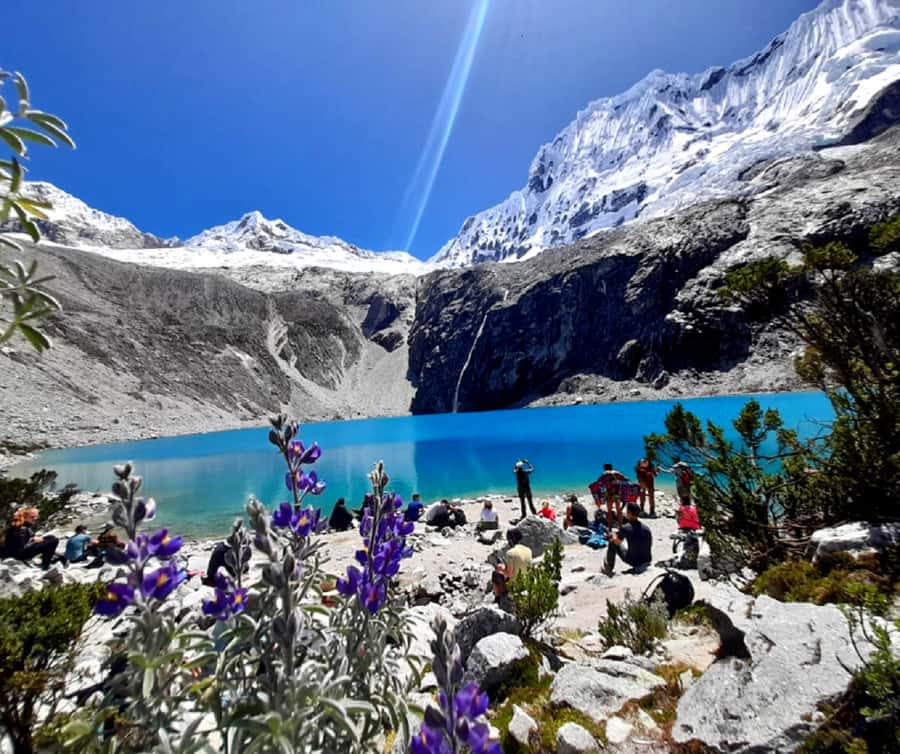
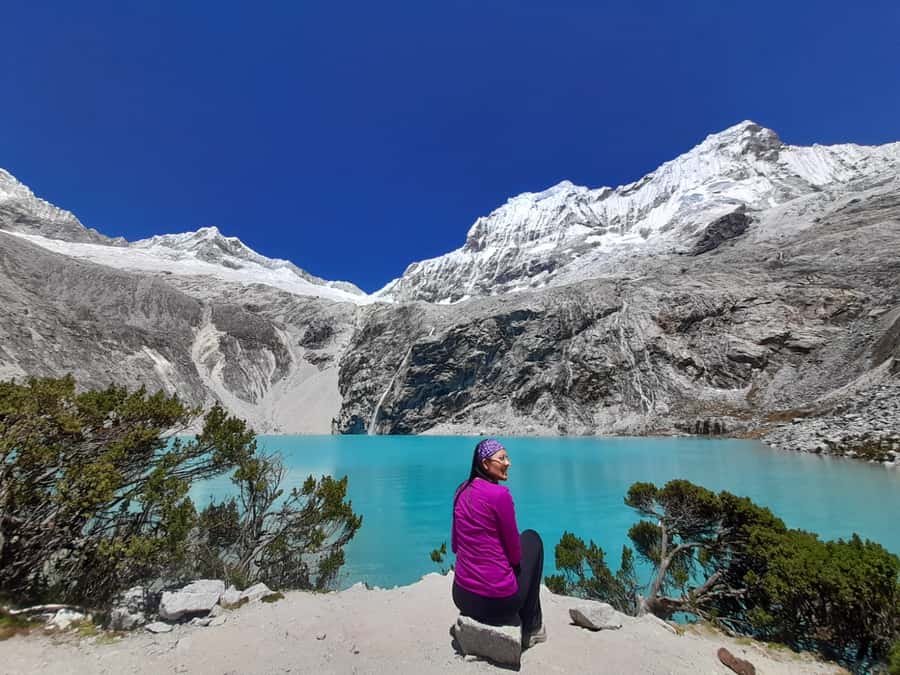
- Laguna 69 at 4,600m is the payoff: clear turquoise water and big White Mountain views.
- Two guided stretches around Cebolla Pampa help you settle in and enjoy the area before and after the lake.
A Long Day From Huaraz to UNESCO Huascarán National Park
This trip is built for full value: one day, one main destination, and lots of high-mountain scenery in between. You’re leaving Huaraz by bus/coach and heading toward the Valley of Llanganuco area, with quick passing through Yungay along the way.
The park itself matters. Huascarán National Park has been protected since 1975 and is a UNESCO World Natural Heritage Site and a Biosphere Reserve. That official “why this place matters” piece is part of what you’re paying for, not just the hike.
Time-wise, plan on a 14-hour day. Even though the walking part is the centerpiece, transportation takes up about 5 hours total (2.5 hours each direction), so you’ll want to treat this as your main activity, not a casual extra.
You can also read our reviews of more tours and experiences in Huaraz.
Start Point: Yungay, Llanganuco, and Cebolla Pampa at 3,900m
Your day starts with pickup in Huaraz. The meeting point listed is Jr. José de Sucre 723, Huaraz, and hotel pickup is optional (but hotel drop-off isn’t included). From there you ride up to the trail area and get your first big-breath views.
You pass through the Yungay District briefly, then you continue toward the region where the Valley of Llanganuco is located. The moment you reach the park area, you’ll register to enter Huascarán National Park before you start hiking.
Then comes Cebolla Pampa at 3,900m—the practical “launch pad” for the trek. Expect about 1.5 hours of guided walking and sightseeing along the way. This isn’t just dead time. You’re gaining altitude gradually, getting your bearings, and having time to adjust before the more demanding uphill sections.
Also, there are built-in stops to reduce stress. One person’s experience highlighted multiple toilet stops before the trek, which sounds small until you’re at altitude and trying to time everything right. There’s also a breakfast stop with a local family mentioned in one account, which can make the early start feel more human.
The Climb to Laguna 69: What 700m of Gain Feels Like
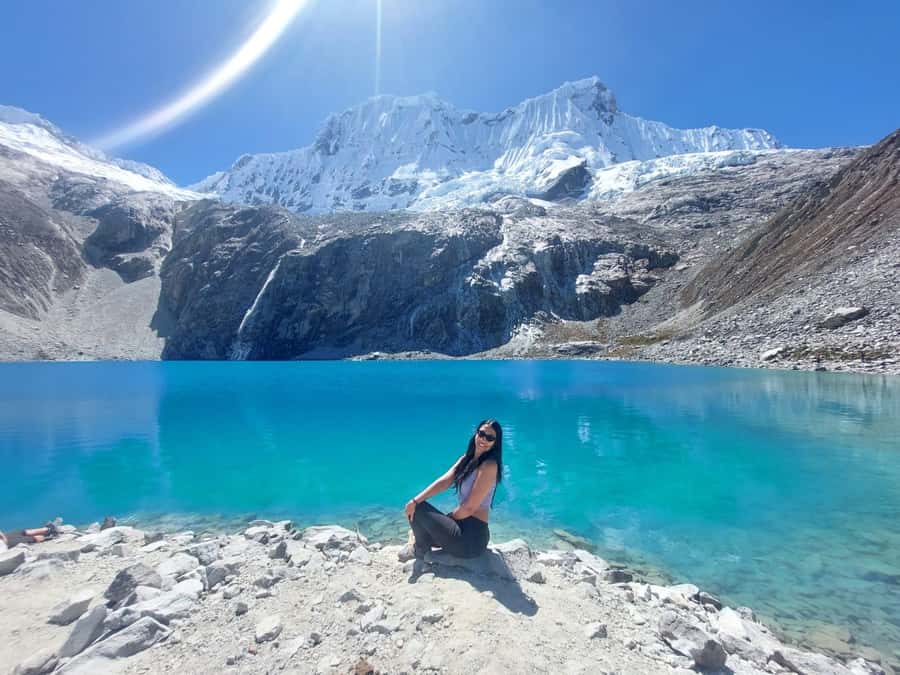
Once you start the main hike, the rhythm is: flat and scenic for about an hour, then a steady switchback climb. This is the part that separates “looks easy on paper” from “okay, my legs have opinions.”
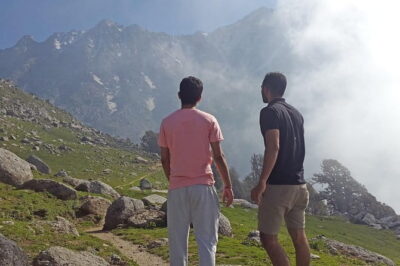
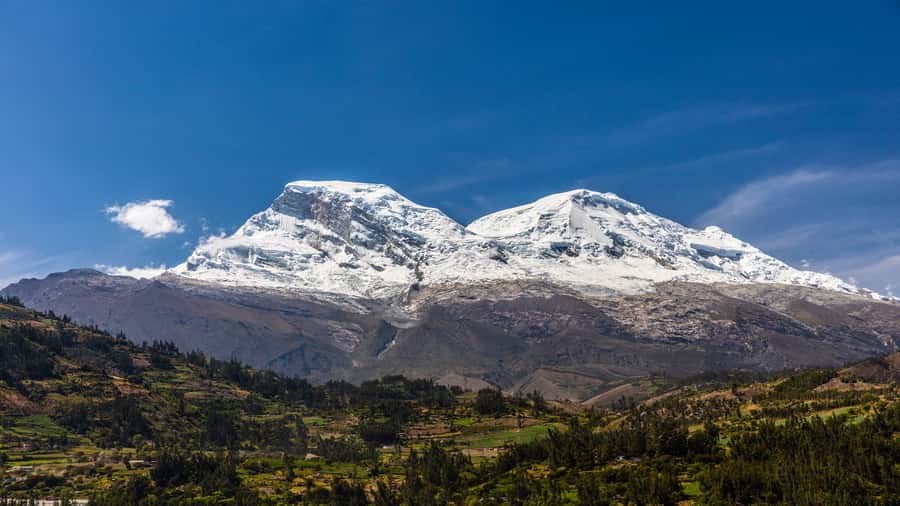
You’ll ascend until you reach a small lake along the route. From there, you can see multiple glacial peaks, including Chacraraju, Yanapaccha, Huascarán, and Chopicalqui. Depending on the light, you may get the classic high-altitude effect where peaks look close enough to touch.
The altitude is the real boss fight. One account notes the ascent is difficult due to lack of oxygen, with a positive elevation gain of about 700m to reach 4,600m. That’s why the activity comes with a clear acclimatization suggestion before you go.
Practical implication for your pace: keep it slower than you think you need. If you feel “breezy-but-okay” at first, that’s still the time to go easy. Altitude fatigue builds fast, and your effort needs to match how your body handles thin air.
A second practical point: the roads can be bumpy. One review noted the 3-hour-ish transport shakes a lot, which matters if you’re prone to motion sickness. If that’s you, plan accordingly with what works for you back home.
Lake 69 at 4,600m: Photos, Turquoise Water, and Time to Breathe
Laguna 69 is the reason most people sign up. It sits at 4,600m, and once you arrive, you’re not rushing through. You get about an hour that includes a guided component, a walk, and plenty of time for photos.
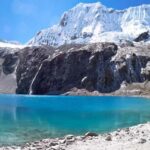
The water is famously turquoise, and one description put it in a very memorable way—so bright it looks fake. That’s the kind of place where you’ll want to pause often, not just snap and move. At this altitude, you also need time to settle your breathing so you can actually enjoy the view.
You’ll also get a chance to appreciate the sheer fact of the setting: high peaks, clear air, and glacier-fed water. The guide helps you connect the visual dots—what you’re seeing and how this part of the Andes works.
And if you’re the type who likes a checklist win, this is one. Reaching the top (even if you pace it) feels like a real accomplishment because the climb is genuinely challenging.
Scenic Stops on the Way Back: Chinancocha, Orconcocha, and Cebolla Pampa Again
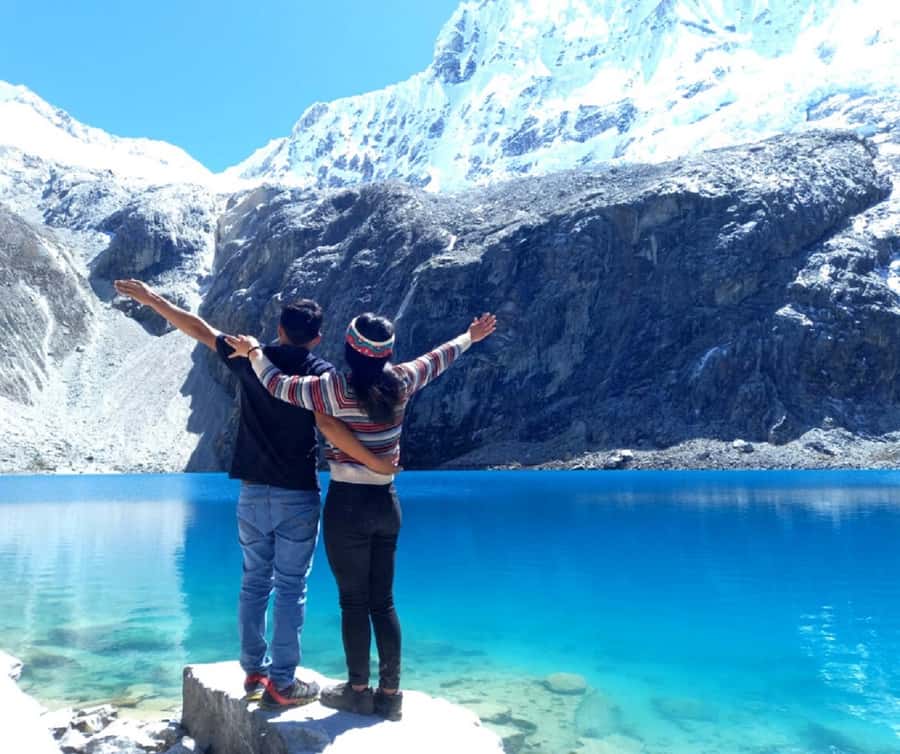
After the lake, you descend along the same path. You’ll return to Cebolla Pampa, where the day doesn’t end in a sad “drop-off and done” way. There’s another guided sightseeing-and-walk stretch of about 1.5 hours at Cebolla Pampa before you head back by bus.
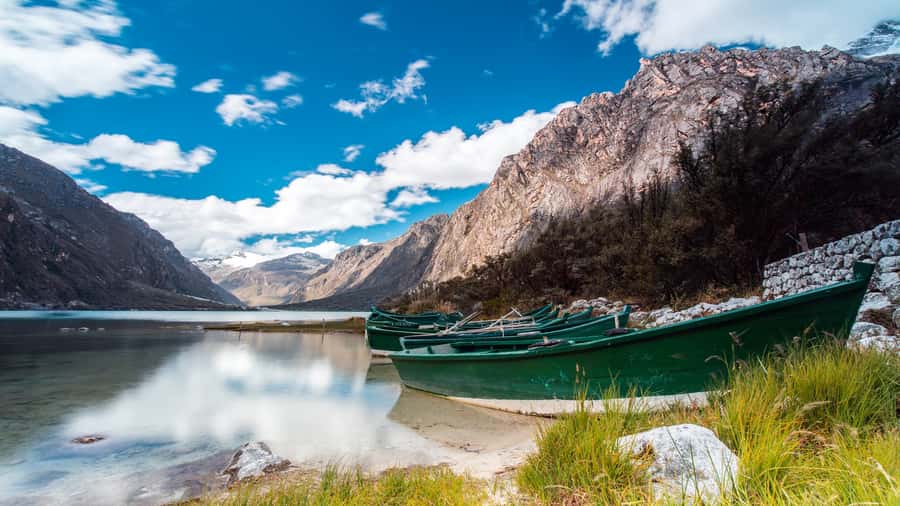
On the approach, the route passes near amazing lakes such as Chinancocha and Orconcocha. That means you’re seeing more than one postcard view—useful when the main lake is too crowded or when the weather shifts.
These stopovers also help you recover. Your legs will feel the altitude even on the descent, and having time in the middle of the day reduces the pressure to “power through.” It’s one of those logistics choices that makes the trek feel friendlier without lowering the challenge.
Guide Style, Small Group Pace, and Spanish On-the-Ground Learning
The tour includes a professional guide in Spanish. That matters here because the value isn’t only the destination; it’s what the guide helps you understand along the way—why the park is protected, what the peaks mean, and what you’re looking at as you walk.
The group is limited to 10 participants. In practice, that usually means you can ask questions without shouting and you can keep a steady pace without the trek feeling like a cattle call. It also makes meeting the guide and following instructions easier when the day starts early and runs long.
You might notice different guide personalities across dates. Two guide names show up in accounts: Wilson and Noel. One person described Wilson handling a fast pickup situation with no blame, and another highlighted Noel being kind and checking everyone’s comfort. Either way, the overall theme matches what you want on an altitude hike: the guide stays attentive.
If Spanish isn’t your strong suit, don’t worry—you can still follow the route and enjoy the scenery. But since the guiding is in Spanish, you’ll likely appreciate it more if you come with a little curiosity (even basic mountain terms help).
Price and Value: Why $42 Can Make Sense for This 14-Hour Day
The price is about $42 per person for a 14-hour experience. That can sound low until you break down what you’re getting.
You’re paying for:
- A professional Spanish guide
- Transportation (coach/bus for about 2.5 hours each way)
- Optional hotel pickup
- The structure and pacing of a high-altitude trek in Huascarán National Park
Food and drinks aren’t included, and you also need to budget for the entrance fee: 30 Peruvian Soles per person, payable locally. Hotel drop-off is not included either.
So is it worth it? For many people in Huaraz, yes—especially because the day includes park logistics and guiding rather than just “here’s the route, good luck.” The main variable is your comfort with altitude and your hiking fitness.
If you already have your own transport and guide, you might beat the price. If you don’t, this is a very efficient way to access Laguna 69 without stitching together separate pieces on the ground.
What to Pack and How to Handle Altitude Without Guessing
Bring the basics, then think “weather-proof and high-altitude realistic.” The list is straightforward:
- Sunglasses
- Sunscreen
- Insect repellent
- Rain gear
- Hiking shoes
- Jacket
- Cash
Altitude adds a twist. Even if the day starts cool, you’ll work hard and then feel the cold more sharply when you stop. A jacket is non-negotiable, and rain gear is smart because high mountains can change conditions fast.
Footwear matters too. The route uses switchbacks and a mix of trail conditions, so hiking shoes are a must. One account stressed warm clothing and rain protection, which lines up with how this type of environment behaves.
Acclimatization is also not optional advice. The tour recommends doing a good acclimatization to altitude before starting. If you’re new to altitude, take that seriously. Go slow, drink water if you can tolerate it, and don’t “train yourself” during the hike—this isn’t the day to test limits.
And for safety: the tour isn’t suitable for people over 65, and you need to be in good physical condition.
When This Tour Fits You (and When It Doesn’t)
This is a great choice if you want:
- A guided day trek with clear structure
- A UNESCO-area hike with real context
- A challenging climb that still has enough time for photos and pauses
It’s not a great fit if you:
- Struggle with altitude or haven’t acclimatized
- Need a slow, low-effort hike
- Prefer a shorter day with less early travel
It’s also not ideal if you rely on hotel drop-off afterward, since return transport gets you back to the city, not to your exact hotel.
One more thought: because pickup can be early, build in buffer time. One account mentioned a pickup timing mismatch (they received a message for 8:30, but the guide arrived at 5). That’s not something you can fully control, so plan like the earliest time is the real time.
Should You Book the Huaraz Lake 69 Day Tour?
Book it if you want the signature Laguna 69 experience with guiding, park entry handled, and a small group. If you’ve acclimatized well and you’re physically ready for a tough high-altitude climb, this is exactly the kind of Peru day trip that feels worth the effort.
Don’t book it if altitude is already a problem for you or if you’re looking for an easy walk. The trek’s difficulty is not theoretical—thin air and a meaningful elevation gain make it hard for plenty of people.
If you do book, your best move is simple: pack for cold and rain, start slow on the climb, and treat the first hour as your warm-up for altitude, not just for legs.
FAQ
How long is the Lake 69 trek day tour from Huaraz?
The total duration is 14 hours, including transportation and the trek portions.
What is the group size limit?
The group is limited to 10 participants, which keeps the trek feeling more personal.
Is the guide English or Spanish?
The live tour guide speaks Spanish.
How much is the entrance fee for Huascarán National Park?
The entrance fee is 30 Peruvian Soles per person, payable locally.
Where do pickup and meeting happen in Huaraz?
Pickup is available at Jr. José de Sucre 723, Huaraz. Hotel pickup is optional, and otherwise you’ll meet at the listed pickup area and board the bus/coach.
Does the tour include hotel pickup and hotel drop-off?
Hotel pickup is optional and included if you choose it. Hotel drop-off is not included.
How high do you hike to Laguna 69?
Cebolla Pampa is at about 3,900 meters, and Laguna 69 is at about 4,600 meters above sea level.
What should I bring for the trek?
Bring sunglasses, sunscreen, insect repellent, rain gear, hiking shoes, a jacket, and cash.
Is the tour suitable for people over 65?
No. The tour is not suitable for people over 65 years.