REVIEW · KATHMANDU
Annapurna Circuit Trek
Book on Viator →Operated by The Great Adventure Treks & Expedition - Private Day Tours · Bookable on Viator
Pass 5,416 meters and watch everything change. This classic Annapurna Circuit experience strings together a bus ride from Kathmandu, long mountain days, village life, Muktinath at the base of the pass, plus sunrise views from Poon Hill and the jaw-dropping Kali Gandaki gorge.
I like that the trip is run with care on the people side. The trekking guides and porters get real praise for being professional and supportive, including names like Sudam and porters who keep things moving when the trail gets steep.
One consideration: you need to be ready for high altitude and rougher footing. Thorong La hits 5,416 meters, and even with moderate fitness, the climb tests your legs and your patience, especially when weather decides what you’ll see.
In This Review
- Key things that make this trek worth your time
- Kathmandu to Besisahar: the start that keeps you from stressing
- Manang, Marpha, and ACAP country: villages plus conservation reality
- Ghorepani and Poon Hill: the sunrise that resets your whole day
- Muktinath Temple at 3,410 meters: when spirituality meets altitude
- Thorong La pass (5,416m): the highest point day, explained like a friend
- Kali Gandaki gorge: the world’s deepest cut under your feet
- Returning through the circuit’s other faces: Tatopani to Pokhara
- Guides and porters: the human engine behind a smooth trek
- Price ($1,074.88): where the value comes from, and what you pay extra for
- What to pack and how to prepare (without pretending it’s easy)
- Who this Annapurna Circuit trek suits best
- Should you book this Annapurna Circuit trek?
- FAQ
- How long is the Annapurna Circuit trek?
- Where does the trek start and how do you get to the trail?
- What’s included in the price?
- What’s not included?
- What are the main high-altitude highlights?
- Is the group size limited?
- Does weather affect the trek?
Key things that make this trek worth your time
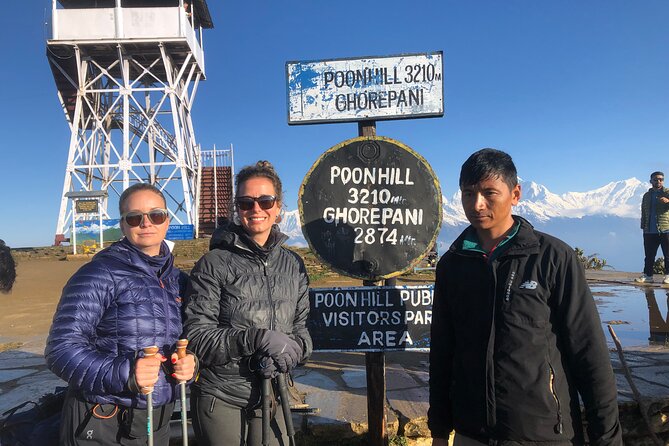
- Thorong La (5,416m): the highest point on the route and the day you remember for the rest of your life
- Muktinath Temple (3,410m): a holy Shakti Peeth stop tied to the mountain’s spiritual side
- Poon Hill sunrise: early-morning mountain drama with big-view reward
- ACAP focus: you’re trekking inside the Annapurna Conservation Area Project zone, with a chance to spot wildlife like snow leopards or Himalayan tahr
- Kali Gandaki gorge: the world’s deepest gorge experience right in the trek’s story
- Small-group feel (max 10): easier communication, less chaos on trail logistics
Kathmandu to Besisahar: the start that keeps you from stressing
Your trek begins with city-to-mountain logistics handled up front. You get picked up from the airport and transferred to a Kathmandu hotel, then you’ll have Kathmandu sightseeing by car before your trek actually begins. From there, it’s a scenic bus ride to Besisahar, the usual gateway into the circuit’s quieter rhythm.
This matters because Annapurna works best when you don’t waste energy on confusion. When the first day is taken care of, you can spend your mental energy on the part that counts: pacing yourself for the long mountain arc ahead.
And yes, they use a mobile ticket, which is a small detail that still helps when you’re juggling weather, altitude, and timing.
You can also read our reviews of more tours and experiences in Kathmandu.
Manang, Marpha, and ACAP country: villages plus conservation reality
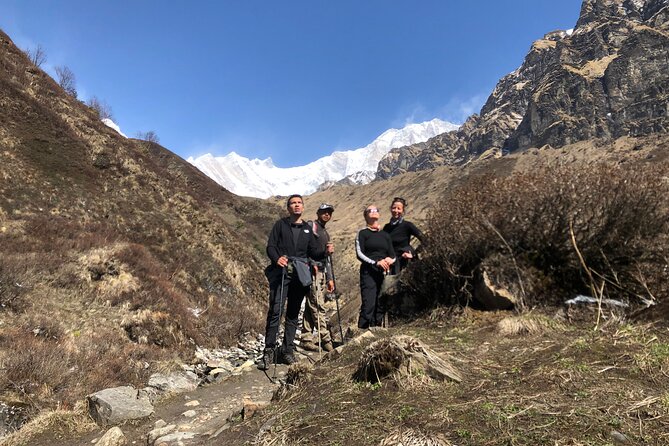
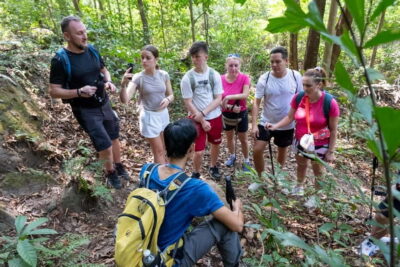
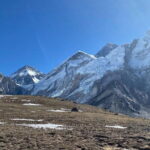
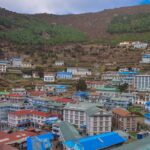
Once the trek gets going, you’re moving through a chain of places that feel genuinely lived-in. You pass through villages such as Manang and Marpha, and you’ll likely see a mix of cultures and languages along the way. This isn’t just a hiking corridor. It’s a working region with communities that have learned to survive the seasons and the altitude.
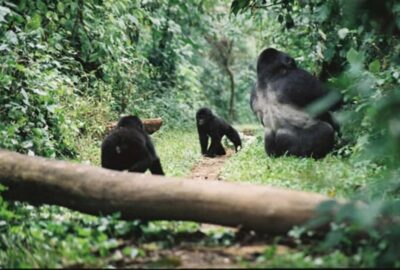
Here’s one of the trek’s most interesting layers: the route runs through the Annapurna Conservation Area Project (ACAP). The experience includes the ACAP permit, which means you’re trekking in a protected landscape where conservation efforts matter. You may also catch glimpses of wildlife mentioned as possible sightings in the ACAP area, like snow leopards, musk deer, and Himalayan tahr.
Reality check: wildlife sightings aren’t guaranteed. But having the trek framed inside ACAP changes the feeling. You’re not just walking in mountains. You’re walking in an area where protecting species is part of the local story.
Ghorepani and Poon Hill: the sunrise that resets your whole day
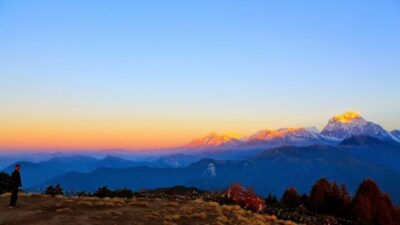
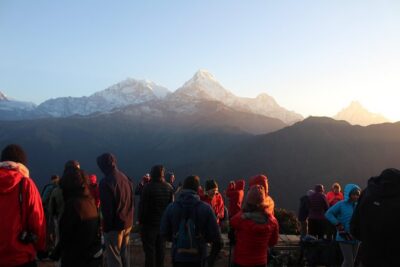
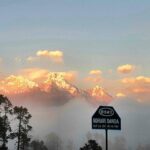
One of the trek’s big-name moments is mesmeric sunrise from Poon Hill. This is the kind of stop that turns tired legs into attention again. You rise early, and you’re rewarded with mountain views that feel sharp and close, even when you’re far away.
You’ll also connect to the Ghorepani area as part of the route. That’s useful because it’s a natural place to break the journey into manageable pieces before the bigger altitude days.
The best way to enjoy Poon Hill is to think like a hiker, not a tourist. Keep your layers ready, stay calm in the cold before sunrise, and don’t get trapped by the idea that you must stay at the viewpoint the entire time. Take the photos if you want them, then get moving. You have a pass day coming.
Muktinath Temple at 3,410 meters: when spirituality meets altitude
At 3,410 meters, you’ll visit Muktinath Temple, one of Nepal’s holiest temples on this trek. It’s described as a Shakti Peeth, associated with primordial energy sources. Even if you’re not religious, this stop changes the texture of the trek because it adds meaning beyond scenery.
Muktinath sits at the base of Thorong La, so it also works as a psychological marker. You’re here before the highest crossing. After spending days among villages and trails, you reach a place that’s both sacred and practical—an actual reason for people to travel, not just a photo op.
This is also where you may notice how people move differently. Some come focused and quiet, some curious, some both. If you want an authentic moment, be respectful, keep your voice low, and take your time.
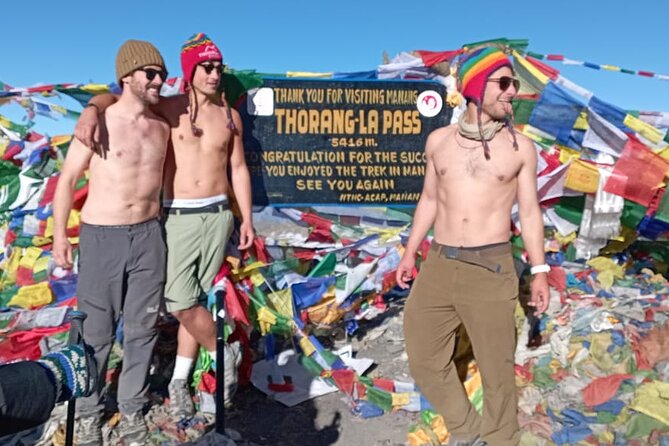
Thorong La pass (5,416m): the highest point day, explained like a friend
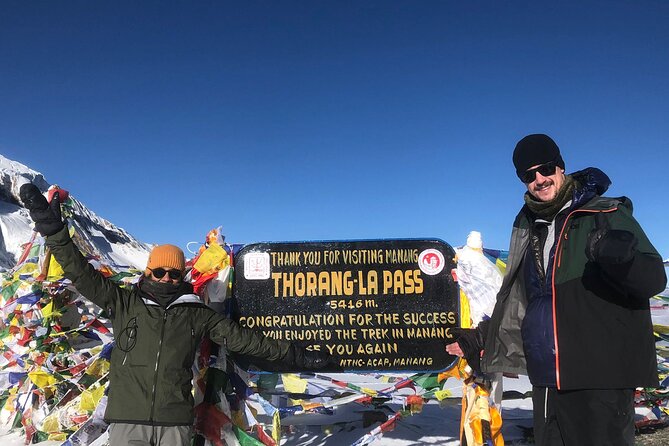
Crossing Thorong La at 5,416 meters is the headline. It’s also the day most likely to test you the hardest—physically and mentally. The steep trails and rocky paths can challenge endurance, and the altitude makes every effort feel slower than you expect.
Here’s the practical truth: on a high pass day, the winning strategy is boring. Slow pace. Consistent breathing. Short breaks when you need them. Focus on one step at a time instead of the whole climb. Your brain can handle that way better.
If you’re moderate in fitness, you’ll still be able to do this trek, but you should take the pass seriously. It’s the highest point in the itinerary, so don’t treat it like a checkbox day.
Also, the trek requires good weather. When conditions are poor, the trip can be shifted or refunded. That’s not just fine print. In the mountains, weather is part of the itinerary.
Kali Gandaki gorge: the world’s deepest cut under your feet
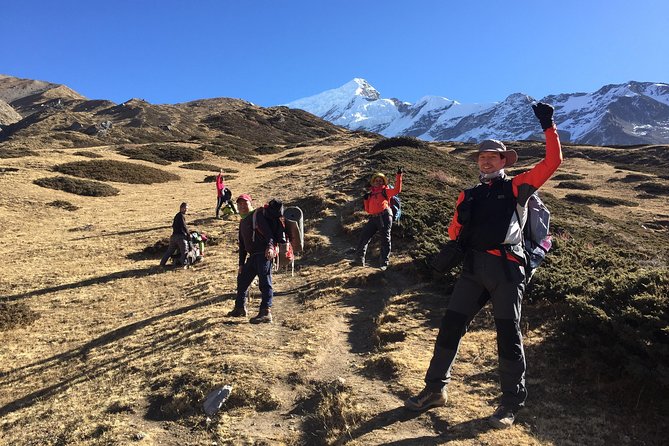
After the pass area, you’ll experience the Kali Gandaki gorge, described as the world’s deepest gorge. What that means in real life is scale. The canyon and the drop-off create a different sense of distance. You start noticing how water, wind, and time carved the region into vertical layers.
This stretch is a nice mental transition after the high point. The pass is all effort. The gorge can feel more like awe—still physical, but with more room for your attention to roam.
Returning through the circuit’s other faces: Tatopani to Pokhara
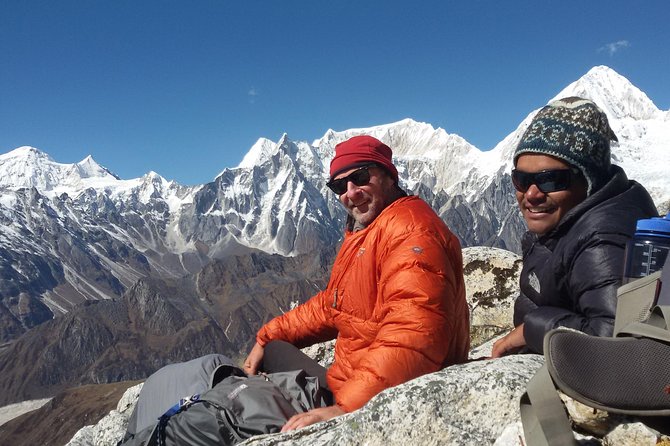
On the way back, you’ll re-enter the heart of the Annapurna region through stops that round out the full route feeling. You’ll pass through villages such as Tatopani, Tikhedhunga, Ulleri, and Nayapul, and you’ll end up in the valley of Pokhara.
That return route matters because it gives you contrast:
- You get village texture again, after the pass pushed you toward a survival mindset.
- You get a classic end-of-trek decompression period in Pokhara, where the pace changes from altitude survival to normal breathing.
One small note: lunch and dinner in Kathmandu and Pokhara aren’t included, and any drinks (soft or hard) are also not included. You’ll want to budget for meals during those city days so you don’t get surprised at the end.
Guides and porters: the human engine behind a smooth trek
The biggest repeated strength in the trek experience is the team. You’ll see lots of praise for guides and porters who are professional, supportive, and careful with trekkers’ comfort. Specific names that show up include guides like Sudam, Binod, Jayaram, Pasang, and Rajesh Barakoti, along with porters such as Dinesh and Majhi.
What makes this practical is simple: in a trek, the plan changes. Weather can shift timing. A bad stretch can slow a day. When your guide is patient and flexible, you lose less time to stress and more time to the views.
I especially like the theme of flexibility—people report schedule adjustments and a willingness to keep things comfortable. In a small group (maximum 10), that flexibility is more manageable, too. Less chaos. More attention.
Price ($1,074.88): where the value comes from, and what you pay extra for
The listed price is $1,074.88 per person for an approximately 18-day trek. That number can look high until you match it to what’s included.
You get:
- Airport pickup, hotel transfer, and drop to the airport
- Kathmandu hotel at a 3-star level
- Kathmandu sightseeing by car
- ACAP permit and TIMS card (Trekkers Information Management system)
- All program as per itinerary
Not included:
- Lunch and dinner in Kathmandu and Pokhara
- Drinks (soft and hard)
So the value isn’t just the mountain days. It’s the paperwork and transport support that keeps you from scrambling, plus the Kathmandu base comfort. Also, the trek runs with a maximum of 10 travelers, which often means more responsive guide attention compared to bigger departures.
If you’re the kind of traveler who wants a clear structure—permits handled, timing explained, transfers taken care of—this price can feel fair. If you already have permits and you hate guided logistics, you might choose a do-it-yourself approach. But you asked for a trek experience that’s run for you, and this is that.
What to pack and how to prepare (without pretending it’s easy)
The itinerary includes major altitude points and early mornings. You should plan for cold mornings, temperature swings, and the reality that high altitude can slow you down even if you’re fit.
Here’s what you should get right before you go:
- Layering: mornings near sunrise and higher points get cold fast
- Footwear: steep trails and rocky paths call for reliable traction
- Pace strategy: slow, steady effort works better than bursts
- Weather awareness: since the trek requires good weather, be ready for plan adjustments
Also, consider that the trek is aimed at people with moderate physical fitness. That doesn’t mean casual strolling. It means you can handle daily walking with climbs and long days when the trail gets rough.
Who this Annapurna Circuit trek suits best
This trek fits you well if you want:
- A mix of villages and big mountain moments
- The spiritual stop at Muktinath
- A real high-point challenge with Thorong La
- Conservation-context trekking through ACAP
- The dramatic visual payoff of Poon Hill and Kali Gandaki gorge
- A small group and a team that’s known for being supportive
It may not fit if you:
- Want a low-effort walk with no altitude challenge
- Hate early mornings and cold starts
- Can’t handle steep, rocky footing on long days
Should you book this Annapurna Circuit trek?
If you want the full Annapurna Circuit story—with the pass, the temple, the sunrise views, and the gorge—this is a strong match. The price includes the permits and the Kathmandu logistics, which is where many trekking headaches start. Add the repeated praise for guides like Sudam and Binod, plus porters who keep things comfortable, and the overall vibe becomes: organized enough to relax, tough enough to feel earned.
My rule of thumb: book if you’re honest about your fitness, flexible about weather, and excited by altitude days. Don’t book if you’re hoping the mountains will be gentle.
FAQ
How long is the Annapurna Circuit trek?
The duration is approximately 18 days.
Where does the trek start and how do you get to the trail?
You start in Kathmandu, with an included bus ride from Kathmandu to Besisahar. The tour also includes pickup from the airport and transfers to the hotel.
What’s included in the price?
The package includes airport pickup and hotel transfer, a 3-star hotel in Kathmandu, Kathmandu sightseeing by car, ACAP permit, TIMS card, drop to the airport, and all program as per itinerary.
What’s not included?
Lunch and dinner in Kathmandu and Pokhara are not included, and drinks of any kind are also not included.
What are the main high-altitude highlights?
The trek includes Thorong La pass at 5,416 meters. It also includes Muktinath Temple at 3,410 meters.
Is the group size limited?
Yes. The maximum group size is 10 travelers.
Does weather affect the trek?
Yes. The experience requires good weather. If it is canceled due to poor weather, you’ll be offered a different date or a full refund.