REVIEW · HANOI
Explore Sa Pa with Overnight Train & Sleeper Bus & Trekking
Book on GetYourGuide →Operated by Go Asia Travel · Bookable on GetYourGuide
On an overnight train, Sa Pa starts sooner. I love the night train into Lao Cai and the fact that you get real village time with a local English-speaking guide. The only drawback to plan around is that cabin comfort on the train and sleeper bus can feel a bit borderline for some people.
This trip is built for mountain views, minority-tribe culture, and hiking that feels like walking with locals, not past a checklist. At about 1,650 meters above sea level, you’ll feel the cooler air fast, even if Hanoi feels warm when you leave.
If you want a totally hands-off tour with zero early mornings, this isn’t it. You’re moving on purpose—between train, bus, and short treks—so you’ll want a good night’s rest when you can.
In This Review
- Key things to know before you go
- Overnight train to Lao Cai: the trip begins on rails
- Sa Pa at 1,650 meters: crisp air, slower pace, and real village life
- Ma Tra – Ta Phin villages: Black H’Mong and Red Zdao, morning style
- Lao Chai → Ta Van long trek (or Cat Cat): pick your kind of walking
- If you choose Lao Chai → Ta Van
- If you choose Cat Cat village + waterfall
- The second morning: free time, markets, church, museum, and views
- What you get for $145: value in transport, guide time, and included access
- The staff’s flexibility: when plans change, you’re not stuck
- Who this tour suits best (and who should pass)
- Should you book Explore Sa Pa with Overnight Train & Sleeper Bus & Trekking?
- FAQ
- What is the duration of this Sa Pa experience?
- Where do I meet the group in Hanoi?
- How do I travel between Hanoi and Lao Cai?
- How do I get back to Hanoi after Sa Pa?
- What kind of accommodation is included in Sa Pa?
- Are meals included?
- What villages and treks are included?
- Do I need warm clothes?
- How much extra does Fansipan cost if I choose to go?
Key things to know before you go
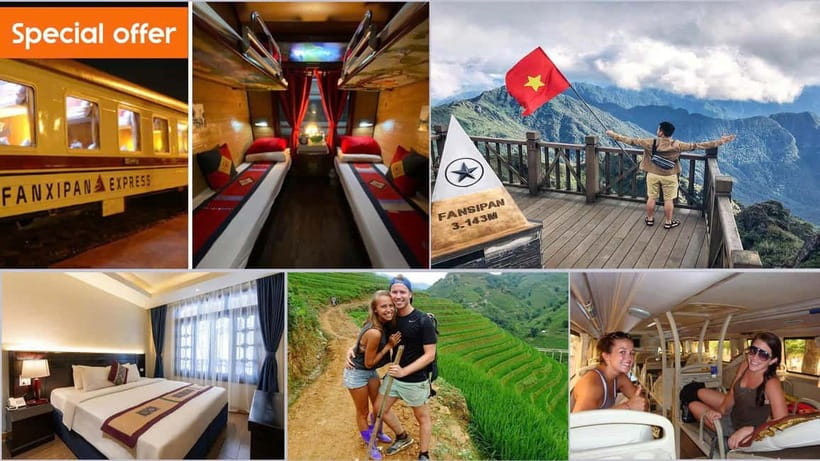
- Overnight Hanoi → Lao Cai night train saves a day and turns travel into part of the experience
- Ma Tra – Ta Phin village visit mixes Black H’Mong and Red Zdao community life with a short trek
- Long trek option: Lao Chai → Ta Van gives you the classic terraced-valley feel at your own pace
- Two different village styles: one morning in villages, one afternoon either trekking or Cat Cat
- You actually get time in Sapa town for church, market, museum, and mountain views
- Fansipan is optional with clearly stated extra costs for cable car + transfers
Overnight train to Lao Cai: the trip begins on rails
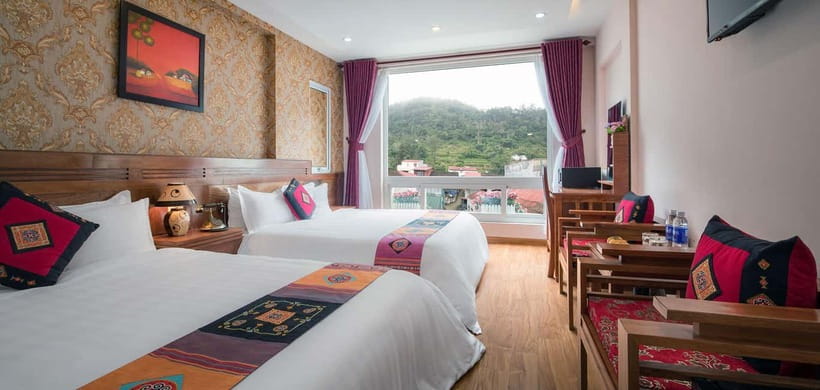
The best part about this tour starts before you ever reach Sa Pa. You board a night train from Hanoi to Lao Cai, with an air-conditioned soft-sleeper cabin for groups of either four or six. That means you’re not spending a full day trapped in transit. You’re traveling at night, waking up near the mountains, and rolling right into the itinerary.
In practice, you should go in with realistic expectations. One review called the train and bus rest berths a bit borderline. Translation: it’s functional, not hotel-soft. Still, you’re paying for the overall structure—train + bus + hotel + guides + entrances—so the focus stays on what happens once you arrive in the hills.
Also note the flow of the morning after the train. You meet a driver at Lao Cai train station around 5:00–5:30 AM, then join a bus transfer up to Sa Pa. If you’re sensitive to early starts, pack patience as a travel item. The payoff is you’ll arrive when the air is clear and the town is not yet crowded.
Why I like this approach: it’s a smart use of time. In only two days, you squeeze in cultural villages, a trek, and the option of more altitude fun—without doing the typical Hanoi-to-Sa Pa day-trip scramble.
You can also read our reviews of more tours and experiences in Hanoi.



Sa Pa at 1,650 meters: crisp air, slower pace, and real village life

Sa Pa sits around 1,650 meters above sea level. That’s not just a number. It changes the whole feeling of the trip. Mornings are cooler, afternoons feel refreshing instead of sticky, and you’ll likely find yourself bundling up without thinking too hard.
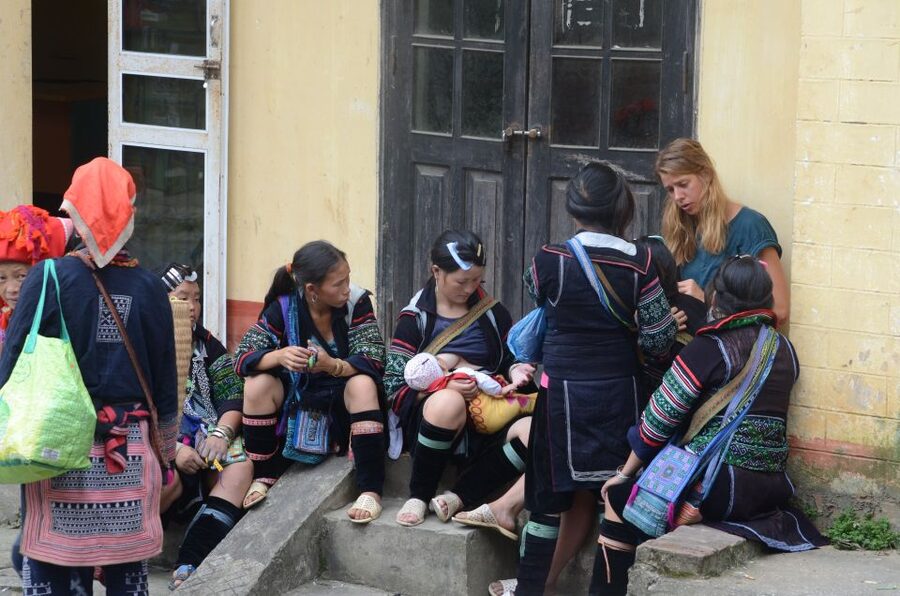
The tour gives you a way to understand why the local culture is so tied to place. Sa Pa is home to multiple ethnic minority groups, including the Black H’Mong and Red Zdao communities. Your guide helps connect what you see—houses, fields, daily routines—to the people who live there year-round.
One practical tip: bring warm layers. The trip explicitly recommends warm clothes, especially from November to March. Even outside peak winter, the temperature swing between Hanoi and the mountains can surprise you. If you forget, you’ll end up buying something overpriced or walking stiff-shouldered.
What’s also worth liking: your days aren’t crammed with five-hour sightseeing blocks. You’ll do a village visit, then choose between longer walking or a different afternoon plan, then you’ll return to the hotel and get to explore a bit on your own. That rhythm helps the experience feel more human.
Ma Tra – Ta Phin villages: Black H’Mong and Red Zdao, morning style
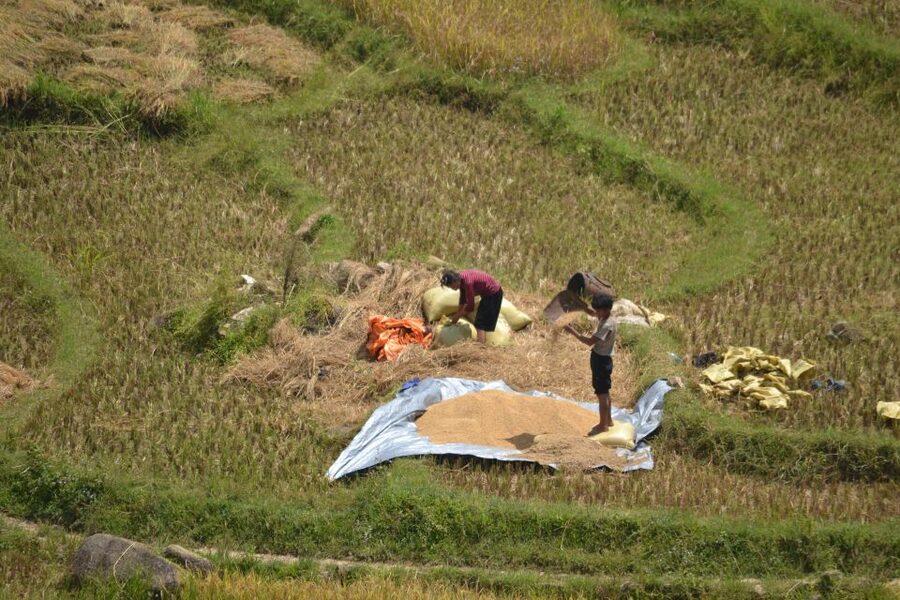
Day 1 is where culture becomes the main event. After breakfast at your hotel in Sa Pa, you head out around 8:00 or 8:30 AM to visit Ma Tra – Ta Phin. This is where you get the mix of Black H’Mong villages and the Red Zdao community, plus a short trek in the area.
This morning schedule matters. Going early helps you see village life when energy is still low-key. You’re less likely to feel like you’re stepping through the day’s busiest tourist window. You also avoid the harshest midday light, which makes it easier to enjoy walking and talk with your guide.
There’s another plus: the itinerary includes lunch back in Sa Pa after the village visit. That keeps your day from turning into “hike all day, eat whatever” mode. Instead, you can pace yourself and stay warm if the air cools down after morning.
How to make the visit better: listen to your guide and ask simple questions—how people live, what daily routines look like, and how the surrounding landscape shapes work and farming. The tour is built around that kind of understanding, not just photos.
Possible consideration: the tour does include entrance fees for Ma Tra – Ta Phin. That’s normal for guided access, but it’s part of why this is structured and not an independent wandering day.
Lao Chai → Ta Van long trek (or Cat Cat): pick your kind of walking
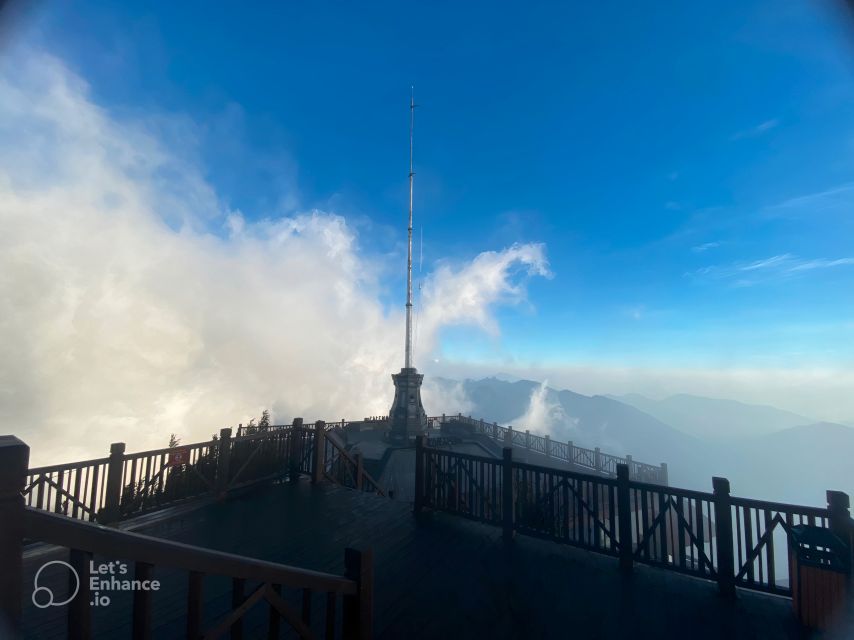
After lunch, you get a choice around 14:30. You can either go for a Long trek from Lao Chai to Ta Van with a group tour, or choose the Cat Cat village and waterfall option.
This decision is about your energy and what you want from Sa Pa.
If you choose Lao Chai → Ta Van
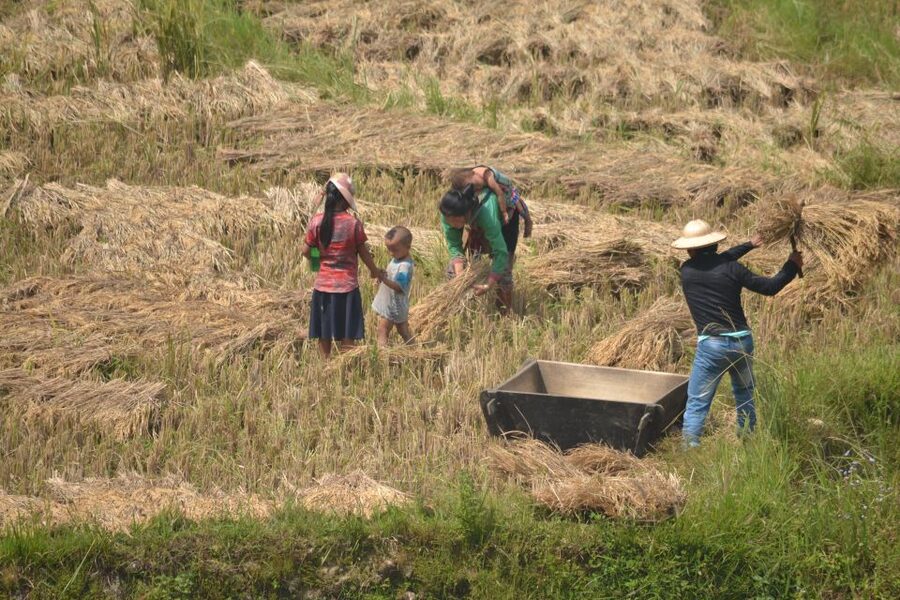
The long trek option is the one that usually fits travelers who want the classic valley feeling—terraced slopes, footpaths, and a sense of distance between communities. You’ll be walking more, so you’ll need sturdy shoes and an attitude for uneven ground. The good news is you’re doing it with a guided group structure, which helps you stay focused on the scenery and the conversations instead of route-planning.




If you choose Cat Cat village + waterfall
Cat Cat is more of a “see a specific place” afternoon. It can feel like a change of pace from trekking. If you don’t want steep climbs or you prefer a shorter effort, this can be the better option. The waterfall element adds a natural payoff without requiring you to commit to the longer walking plan.
Either way, the tour brings you back to your hotel for shower and dinner. That’s not a small thing. After a trek day, having a predictable return makes the day feel less stressful.
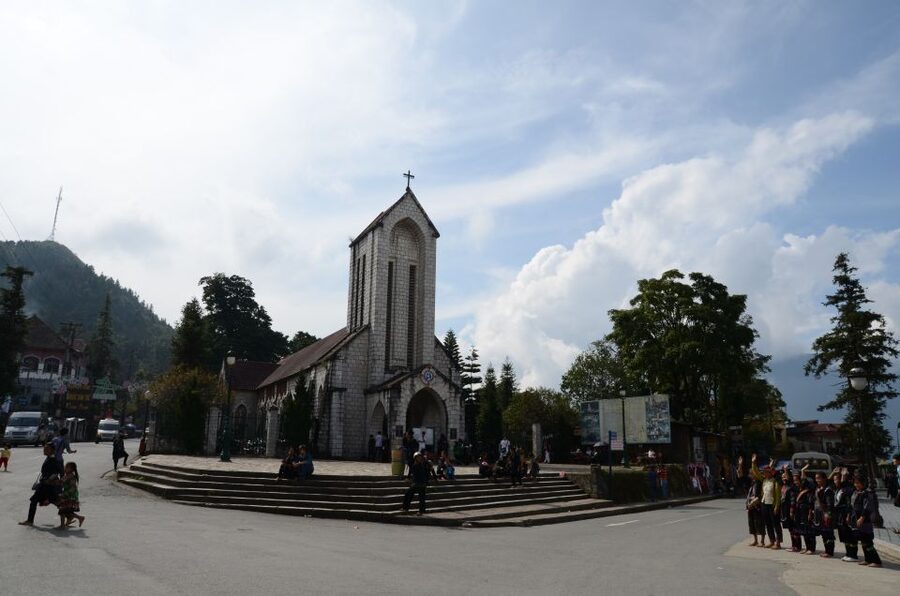
Then there’s the nice bonus: you get downtime afterward to explore Sapa center town by yourself. That’s your window for the relaxed wandering—stopping in the local market, looking at the church area, or simply enjoying the mountain air without scheduling every moment.
The second morning: free time, markets, church, museum, and views
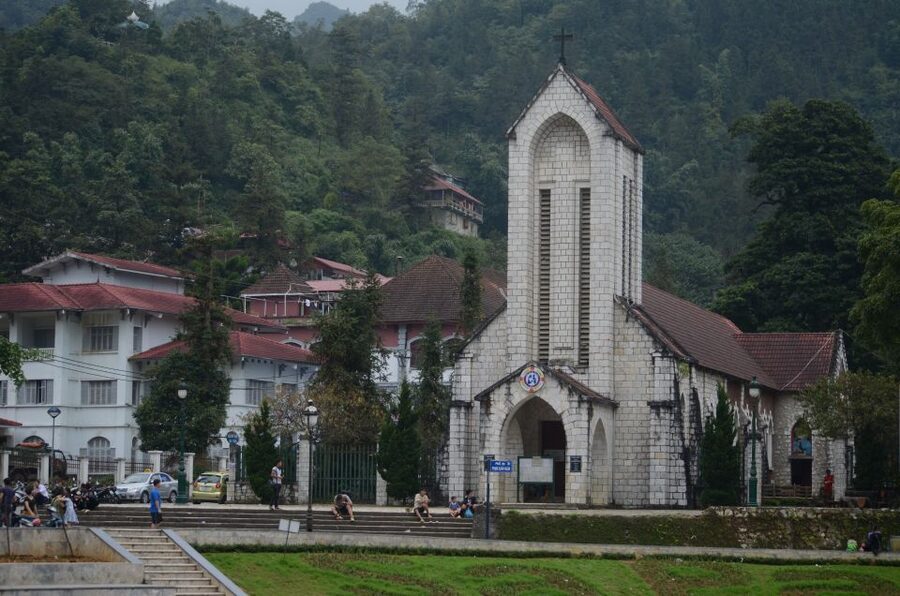
Day 2 starts with breakfast around 7:30 AM, then it becomes free and easy. That’s not filler time. It’s where you can absorb Sa Pa at your pace—without a guide walking you from one stop to the next.
You can visit the church, the local market, or the Sa Pa museum. Or you can skip the checklist and just aim for views. The altitude makes even simple town strolls feel different.
There’s also an optional lift to higher altitude: Fansipan Peak by cable car. If you want it, you’ll pay extra for a transfer of 20 USD per person and the return cable car ticket of 36.50 USD per person. This is clearly outside the base price, so if you’re budgeting, treat Fansipan as a deliberate add-on.
My take: the free time is what makes this trip feel balanced. You’re not trapped in the cultural program for every hour. You get to decide whether you want more sites or just more quiet mountain time.
After lunch, you move toward the exit of the mountains. You board a sleeper bus back to Hanoi between 13:30 and 14:00, and you arrive around 20:30. Then it’s up to you to get from the drop-off area to your hotel in Hanoi.
What you get for $145: value in transport, guide time, and included access
At around $145 per person for a 2-day package, the value comes from what’s bundled together. You’re not just paying for a few attractions. You’re paying for a whole chain:
- Pickup/transfer to the Hanoi train station
- An overnight soft-sleeper, air-conditioned cabin from Hanoi to Lao Cai
- Hotel accommodation in Sa Pa (3-star, twin share) for the night
- A local English-speaking guide in Sa Pa
- Entrance fees for Ma Tra – Ta Phin and Lao Chai – Ta Van
- Meals that are listed in the program
- Transfers within Sa Pa plus the sleeper bus back to Hanoi
For many people, the biggest cost of traveling independently to Sa Pa isn’t just money—it’s the mental load of sorting transport, timing, and guided access to specific villages. This package reduces that load and gets you onto a clear schedule with local support.
Still, don’t ignore the one concern. If you’re very picky about sleep, the train and sleeper bus setup can feel less comfortable than a normal hotel bed. One review specifically flagged the rest berths as borderline. If that would ruin the trip for you, consider packing a travel sleep kit (earplugs and something warm can help).
Also, keep budgeting for these extras:
- Drinks and personal spending
- Tips
- Single supplement if you want a private room: 20 USD per room per night
- Any Fansipan add-on costs if you choose that option
The staff’s flexibility: when plans change, you’re not stuck
One of the best signs for any overnight-style tour is how it handles disruptions. In at least one situation described, a heavy rain led to the night train being cancelled, and the operator responded by switching arrangements using a sleeper bus and adding a small train-station mini tour.
You don’t want to bet your whole trip on perfect weather. This area can be moody. What you want is someone ready to adjust without leaving you stranded.
That’s where this tour feels practical. The structure stays intact—get you between Hanoi and Sa Pa, keep the experience moving, and keep a human being reachable if something goes off schedule.
Who this tour suits best (and who should pass)
This experience is a strong fit if you:
- Want to maximize time and avoid a full-day transit waste
- Like culture tied to real communities, not just quick photo stops
- Are comfortable with early mornings and a couple of guided walking blocks
- Want the option to choose how hard you want your afternoon trek to be
It’s less ideal if you:
- Need high comfort during night transport and hate cramped sleeping setups
- Prefer fully independent pacing with no structured village visit timing
- Have very limited flexibility for early starts and moving between multiple locations in 2 days
Should you book Explore Sa Pa with Overnight Train & Sleeper Bus & Trekking?
I’d book it if your priority is a real Sa Pa experience in only two days—with the bonus of arriving early enough to feel the mountains instead of rushing past them. The combination of an overnight train, a guide-led village morning, and a choice of trek vs Cat Cat makes it feel thoughtfully designed rather than randomly packed.
Before you commit, check your comfort priorities. If sleep quality is your top travel demand, the softer sleeper and sleeper bus setup may test you. Bring warm layers, plan for early starts, and treat the transport as part of the adventure.
If you want Sa Pa culture plus mountain walking without the planning headache, this is good value.
FAQ
What is the duration of this Sa Pa experience?
The experience lasts 2 days.
Where do I meet the group in Hanoi?
The meeting point is Hanoi Train Station, at 120 Le Duan street. Pickup from your hotel or the meeting point is mentioned.
How do I travel between Hanoi and Lao Cai?
You take the overnight night train from Hanoi to Lao Cai on the first night, using an air-conditioned soft-sleeper cabin.
How do I get back to Hanoi after Sa Pa?
You return by sleeper bus to Hanoi, boarding around 13:30–14:00 and arriving around 20:30. The end point is the sleeper bus station on Tran Quang Khai street, and you handle your onward trip to your hotel.
What kind of accommodation is included in Sa Pa?
You stay in a 3-star hotel in Sa Pa on a twin-sharing basis.
Are meals included?
Meals mentioned in the program are included, including breakfast, lunch, and dinner according to the daily schedule.
What villages and treks are included?
You’ll visit Ma Tra – Ta Phin, and you can choose between a long trek from Lao Chai to Ta Van or the Cat Cat village + waterfall option. Entrance fees for these included sites are covered.
Do I need warm clothes?
Yes. Warm clothes are recommended, especially from November to March.
How much extra does Fansipan cost if I choose to go?
If you opt for Fansipan Peak by cable car, the transfer is 20 USD per person, and the return cable car ticket is 36.50 USD per person.