REVIEW · KATHMANDU
Langtang valley trek
Book on Viator →Operated by Outshine Adventure Pvt Ltd · Bookable on Viator
The first big payoff is that you go high fast, then earn it. From Syabrubesi, this trek funnels you into Langtang’s rhododendron and pine forests, then up to Kyangjin Gompa (3,740 m) with glacier views. Two things I really like: the itinerary builds in one real summit-style morning for Tserko Ri and it also includes cultural stops like the monastery and time in Tamang villages. The one catch to think about is altitude and cold at elevation, especially if you’re sensitive or arrive without proper layering.
Local logistics matter here. You get a licensed English-speaking guide, permits for Langtang National Park, and a supported trek with porters and guesthouses along the way. That makes the “do I have to figure this out myself?” stress drop a lot. Still, note that the trek includes plenty of walking days in the 5–7 hour range, plus a retrace back down, so you’ll want good legs and realistic expectations.
In This Review
- Langtang Valley Trek in Plain Terms: What You’re Really Buying
- Price and Value: Is $995 Fair for This Trek
- Your Base Camp Feel: Group Size, Guides, and Gear
- Day-by-Day Trekking: From Syabrubesi to Kyangjin Gompa and Back
- Day 1: Kathmandu to Syabrubesi, then big views from the road
- Day 2: Forest climb to Bamboo village and then Lama Hotel (1,850 m to 2,560 m)
- Day 3: Into Langtang Valley toward Ghoda Tabela and Langtang village (3,455 m)
- Day 4: Kyangjin Gompa day—views plus a sacred monastery stop
- Day 5: Tserko Ri sunrise and a full Kyangjin Gompa afternoon
- Day 6: Downhill return to Lama Hotel through Tamang villages
- Day 7: Syabrubesi hot spring recovery day
- Day 8: Drive back to Kathmandu, then proper rest
- The Bonus Stops That Make This Trek Feel Specific
- Where This Trek Really Shines (and Who Should Choose It)
- What’s Included vs. What You Need to Plan
- Should You Book This Langtang Valley Trek?
- FAQ
- What’s the duration of the Langtang Valley Trek?
- Where does the trek start?
- Is pickup from Kathmandu included?
- How many travelers are in a group?
- What’s included for meals during the trek?
- Do I get a guide and permits?
- What gear is provided?
- Where do you stay each night?
- What’s not included in the price?
- Do I need to send passport details?
- FAQ: 3 quick itinerary questions
- Which monastery is visited?
- Is there a sunrise viewpoint?
- Is there time to reach Yala Cheese Factory?
Langtang Valley Trek in Plain Terms: What You’re Really Buying
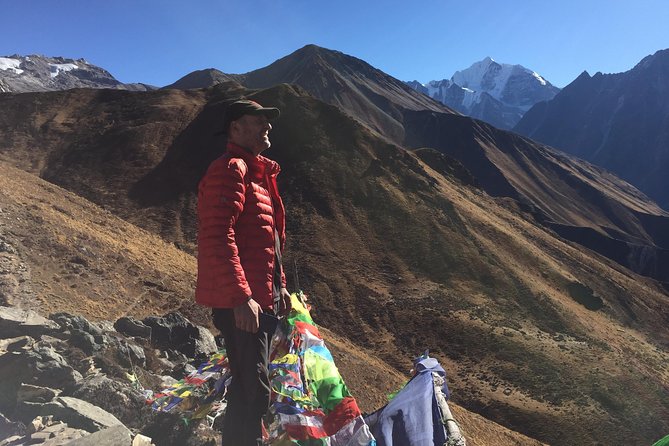
This trip is a classic Langtang Valley story with a smart mix: forest trekking, higher pastures, a monastery base at Kyangjin Gompa, and a half-day bonus to reach the Yala Cheese Factory area plus small lakes. You’ll also get a sunrise-style morning from Tserko Ri, where the views are the main event—then you return to Kyangjin Gompa for monastery time.
The route is designed for people who want real Himalayan scenery without a technical climb. You’re not just walking to one viewpoint. You’re moving through ecosystems: lower valley forests, higher village settings, yak pastures, and then glacier country. That’s why it feels more varied than many simple out-and-back treks.
And yes, you’ll be close to Nepal’s living mountain culture. At Langtang village (3,455 m) you’ll have time to slow down, and around Langsisa (4,084 m) you get a sense of how pastures and glaciers shape everyday life. If you like monasteries and the quiet rhythm of teahouse stops, this trek fits.
Price and Value: Is $995 Fair for This Trek
At $995 per person for about 8 days, the value comes down to support level and what’s included. You’re not only paying for the guide; you’re paying for a working system: guesthouses, meals, permits, staffing with porters, and the gear bundle (a down jacket and sleeping bag via Outshine Adventure). That gear alone can change how comfortable you feel at night.
You also get transportation from Kathmandu by tourist bus, and pickup is offered. For a trek in a country where logistics can turn messy quickly, paying for organization is a real cost-saver.
Where you should budget extra is straightforward: travel insurance is not included, alcohol and drinks aren’t included, and you’ll want tipping money for staff and the driver. The listing also suggests tips are expected—so plan for it rather than treating it like a surprise expense.
If you’re the kind of traveler who wants to focus on walking and views instead of paperwork and problem-solving, this price looks reasonable.
You can also read our reviews of more tours and experiences in Kathmandu.



Your Base Camp Feel: Group Size, Guides, and Gear
This trek runs with a maximum of 14 travelers, which is small enough to feel personal but not so tiny that you’re constantly waiting on one person. Group discounts are mentioned, which can be helpful if you’re booking during busier seasons.
You’ll have a local government licensed English-speaking guide during the trek. In past trips with Outshine Adventure, I’ve seen names like Bikram singled out as fantastic for keeping things smooth. There’s also evidence of strong support from the office side: Gokul and Asmita are mentioned as responsive and helpful in organizing logistics and getting trekkers ready.
Gear is included in a practical way: down jacket and sleeping bag (Outshine Adventure). That matters because altitude cold isn’t a theory. It’s the thing that decides whether you sleep well and wake up functional.
Day-by-Day Trekking: From Syabrubesi to Kyangjin Gompa and Back
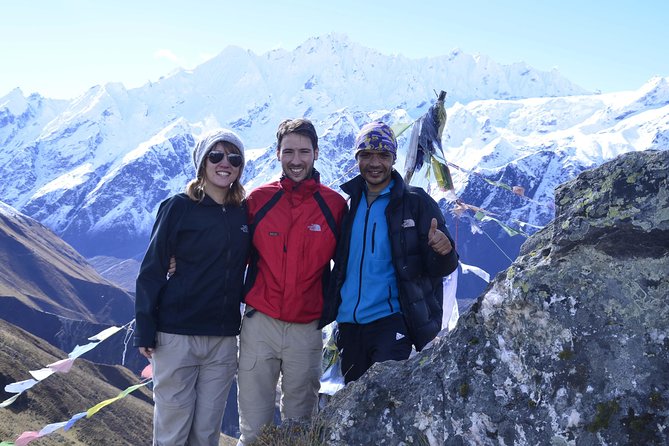
Day 1: Kathmandu to Syabrubesi, then big views from the road
You leave Kathmandu in the morning and drive about 7 hours to Syabrubesi, the trek starting point. On a clear day, the drive itself can give outstanding views of ranges like Manaslu, Annapurna, and Ganesh Himal. It’s a nice warm-up for what’s coming, and it also sets you up for an easier next day.
The main consideration here is weather. If clouds roll in, those “drive views” may not show up—so don’t build your whole mood around day one scenery.
Day 2: Forest climb to Bamboo village and then Lama Hotel (1,850 m to 2,560 m)
You start walking at your own pace. The trail ascends for about two hours through forest, then climbs roughly an hour to Bamboo village (1,850 m) for lunch. After that, you steeply climb through bamboo forest to reach Lama Hotel (2,560 m) for rest in a local teahouse.
This day is a great “legs are learning the rhythm” experience. You’ll also see the practical side of trekking: stabilized trails, bird activity, and even bee hives hanging on a cliff. Those details slow your brain down in a good way.
The drawback: it’s still a climb after lunch. If you want to protect your energy for later high days, take the first hours easy.




Day 3: Into Langtang Valley toward Ghoda Tabela and Langtang village (3,455 m)
Today’s trek runs about 5 hours. You’ll walk around three hours through rhododendron and pine forest to Ghoda Tabela for lunch, then another three hours to reach Langtang village (3,455 m).
Expect a trail with a “wild habitat” feel—dense, full of small birds and herbal plants. Langtang village is where you settle in for the evening, which helps you adapt to altitude before the higher monastery day.
Teahouse rhythm is part of the package here. You’ll likely be eating, resting, and resetting daily, not rushing like a bus tour.
Day 4: Kyangjin Gompa day—views plus a sacred monastery stop
After breakfast, you continue toward Kyangjin Gompa. The day is listed around 4 hours, and the focus is both scenery and spiritual sites. You visit Kyangjin Gompa, a Buddhist monastery and a real viewpoint base for the Himalayas.
This is the day where the trek turns from “forest walk” to “high altitude wonder.” The monastery setting gives you a break from pure trekking and adds context for what you’re seeing.
The consideration is that you’ll want to go slow enough to keep your breathing steady. Even when a day’s duration is shorter, elevation still changes the effort.
Day 5: Tserko Ri sunrise and a full Kyangjin Gompa afternoon
You begin early—this is the morning for sunrise views from Tserko Ri. The trail passes through yak pastures as you ascend, then you return to Kyangjin Gompa by late afternoon.
You’ll then have time to explore the monastery while enjoying Himalayan, glacier, bird, and yak scenery. This is one of the trek’s strongest “two-layer” days: you get a top-of-the-world morning, then a slower, reflective afternoon.
Downside: early starts. If you’re not a morning person, bring patience and layers. The reward is worth it, but your body needs time to adjust.
Day 6: Downhill return to Lama Hotel through Tamang villages
You retrace your steps toward Lama Hotel. Most of the day is downhill through forests and Tamang villages, and you can enjoy different mountain views than you saw on the way up.
At about 7 hours, this day is deceptively tiring. Downhill feels easier mentally, but it can be harder on knees and feet. Wear shoes you trust, and take care on uneven sections.
The bonus is that the cultural village passing gives your eyes something new after the high monastery base.
Day 7: Syabrubesi hot spring recovery day
You head back to Syabrubesi, and the trek is easier because it’s mostly descending. The day is about 6 hours, and you’ll overnight in Syabrubesi.
This is a good day for “recovery mode.” If your legs feel cooked, the hot spring stop at Syabrubesi is the built-in reset. It won’t magically fix everything, but it helps you feel human again.
Day 8: Drive back to Kathmandu, then proper rest
You drive from Syabrubesi back to Kathmandu and then get taken to your hotel. It’s about 7 hours, and the day is mostly for rest and resetting your sleep schedule.
At this point, the trek becomes a memory you can process slowly instead of counting switchbacks.
The Bonus Stops That Make This Trek Feel Specific
This trek isn’t only about “get to a monastery and turn around.” It also includes some special additions tied to the Langtang Valley area.
One highlight is reaching the Yala Cheese Factory and the small lakes, described as truly amazing. You can reach Yala within half a day from Kyangjin Gompa, which makes it a strong add-on rather than a giant time sink. The mention of a STOL airstrip at Chhaldang, east of Kyangjin, also gives you a sense of how remote places connect to the wider world.
Then there’s Langsisa (4,084 m) with pastures leading toward many glaciers. If you want to connect with people, the information notes that some huts in Langsisa can be reached within about a day’s walk from Kyangjin Gompa. That’s not a guarantee that you’ll meet everyone you want to meet, but it does suggest you’re not only viewing nature—you’re also passing through local living spaces.
Where This Trek Really Shines (and Who Should Choose It)
I think this trek is best for travelers who:
- Want classic Langtang scenery plus a monastery base at Kyangjin Gompa
- Like cultural moments, not only viewpoint chasing
- Are comfortable with 5–7 hour walking days and altitude cold
- Prefer guided logistics so they can focus on the walk
It also makes sense for people who want a guided experience that feels flexible—guided, yes, but you still walk at your own pace on at least some days. And the trek’s structure—walk up, experience the high point, then descend—helps you pace your energy.
If you hate early mornings, you might find the Tserko Ri sunrise start tough. But if you can manage that one early push, the day pays off with views and then a calmer afternoon at the monastery.
What’s Included vs. What You Need to Plan
Included:
- Best available guesthouses during the trek
- A local government licensed English-speaking guide
- Porters for luggage (staffing is specified)
- Langtang National Park permits and TIMS card
- Down jacket and sleeping bag from Outshine Adventure
- Meals listed as 8 breakfasts, 7 dinners, and 8 lunches
- Tourist bus surface transfer from and back to Kathmandu
- Government taxes are included
Not included:
- Travel insurance
- Alcohol and hot/cold drinks, laundry
- Tips for trekking staff and driver (expected)
The practical takeaway: bring a few personal essentials (meds, chargers, basic toiletries) and expect that spending beyond the trek might be mostly drinks and tipping.
Should You Book This Langtang Valley Trek?
I’d recommend booking if you want a well-supported Langtang trek with a clear highlight day at Tserko Ri, meaningful monastery time at Kyangjin Gompa, and the extra value of a visit to Yala Cheese Factory and small lakes. The inclusion of permits, TIMS, meals, and key cold-weather gear makes it easier to travel lightly without gambling on comfort.
I’d pause if you know you’re very altitude-sensitive or you hate early wake-ups. Also, if your priority is a single, long uninterrupted viewpoint day, you might find the walk pattern more varied than that. But if you’re happy with forests, villages, pastures, and a high sunrise morning, this is a strong fit.
FAQ
What’s the duration of the Langtang Valley Trek?
The trek is listed as 8 days (approx.).
Where does the trek start?
It starts from Syabrubesi, which is the trek starting point.
Is pickup from Kathmandu included?
The tour summary says pickup is offered, and transfer by tourist bus is included.
How many travelers are in a group?
The tour has a maximum of 14 travelers.
What’s included for meals during the trek?
Meals are listed as 8 breakfasts, 7 dinners, and 8 lunches.
Do I get a guide and permits?
Yes. You get a local government licensed English-speaking guide, plus Langtang National Park permits and a TIMS card.
What gear is provided?
Outshine Adventure provides a down jacket and sleeping bag.
Where do you stay each night?
Accommodation is in guesthouses during the trek.
What’s not included in the price?
Travel insurance, alcohol and drinks, laundry, and tips for trekking staff and the driver are not included.
Do I need to send passport details?
Yes. A passport copy is required for all participants.
FAQ: 3 quick itinerary questions
Which monastery is visited?
The trek includes a visit to Kyangjin Gompa.
Is there a sunrise viewpoint?
Yes. You climb for sunrise views from Tserko Ri.
Is there time to reach Yala Cheese Factory?
Yes. Yala can be reached within half a day from Kyangjin Gompa.