REVIEW · POKHARA
Pokhara: 4-Day Beautiful Ghorepani Poon Hill & Ghandruk Trek
Book on GetYourGuide →Operated by Welcome Nepal Treks P.Ltd · Bookable on GetYourGuide
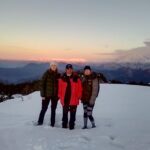
Sunrise over Poon Hill hits hard. I love the Poon Hill sunrise and the way this trek strings together real village days instead of just viewpoint stops. I also really liked traveling with guide Tanka, who keeps your pace human and makes sure you’re eating, drinking, and feeling okay. One catch: you’ll be up early and you’ll hike plenty of uphill stone steps, so this isn’t a sit-back-and-watch kind of trip.
This is a friendly 4-day Annapurna-style route with short hiking days, mostly on established trails lined with teahouses. You’ll sleep in simple lodges with mountain views and (in practice) warm comforts like hot water, then finish in charming Ghandruk with that classic slate-and-thatched look.
In This Review
- Key things I’d bet on
- Why this Pokhara trek feels like Nepal, not just a viewpoint run
- Day 1: Pokhara to Birethanti, then Ulleri’s Magar village night
- Day 2: Ulleri to Ghorepani via steps, alpine forest, and panoramic breaks
- Day 3: Poon Hill sunrise, rhododendron trails, and Tadapani overnight
- Day 4: Ghandruk village descent, slate roofs, and a viewpoint lunch
- Guide matters: what Tanka brings to the trek
- Teahouse nights: what to expect (and what’s not included)
- Poon Hill photography tips that fit real hiking life
- Price and value: what you’re actually paying for
- What to bring so Day 2 doesn’t beat you up
- Who should book this trek (and who should skip it)
- Should you book this Ghorepani Poon Hill and Ghandruk trek?
- FAQ
- Pickup and drop-off in Pokhara
- How long is the trek and how many nights
- Are meals included
- Is there a guide and what language
- Are permits and taxes covered
- Is porter service included
- How is water handled
- What documents do I need
- Who should not take this trek
- What’s the cancellation policy
Key things I’d bet on
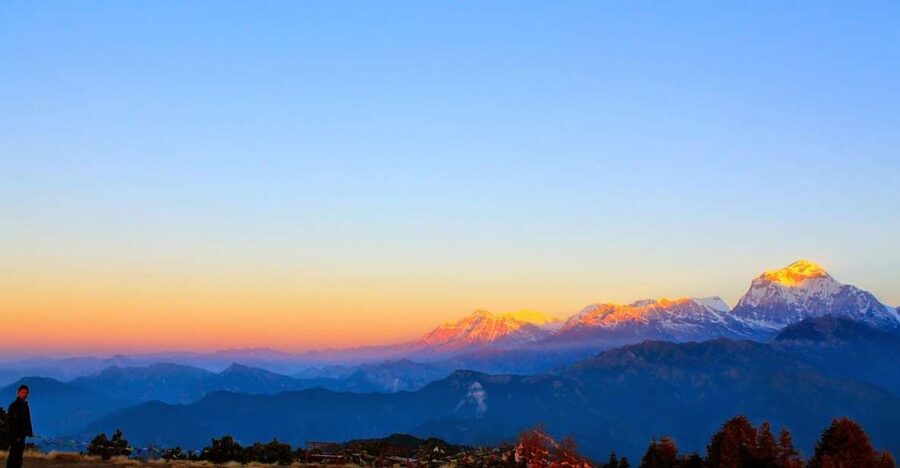
- Poon Hill at sunrise for big-peak views before you head back down
- Tanka’s pace and English, plus practical care on the trail
- Village walking through Ulleri (Magar), Tadapani, and Ghandruk farming terraces
- Teahouse nights with good, hot meals and the kind of atmosphere you remember
- Permits, taxes, guide, and transport handled for you, so you focus on hiking
- Water purification tabs included, which makes daily water decisions easier
Why this Pokhara trek feels like Nepal, not just a viewpoint run
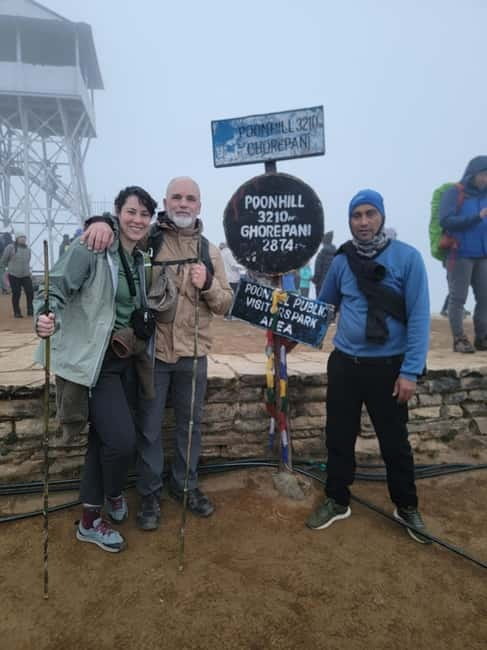
This trek works because it mixes the two sides of mountain travel: the jaw-dropping scenery and the everyday life you pass through on the way. You start with a drive out of Pokhara and then quickly settle into a rhythm of climbing, stopping for tea or a snack, and moving through villages where people still run their days the old way.
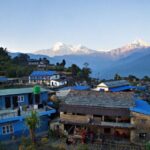
The rural part is not a side quest here. You walk through teahouse country and village lanes, then spend nights in mountain lodges in Ulleri, Ghorepani, and Tadapani, before dropping into Ghandruk for your final village day. It’s the kind of itinerary that makes the region feel lived-in.
You can also read our reviews of more tours and experiences in Pokhara.
Day 1: Pokhara to Birethanti, then Ulleri’s Magar village night
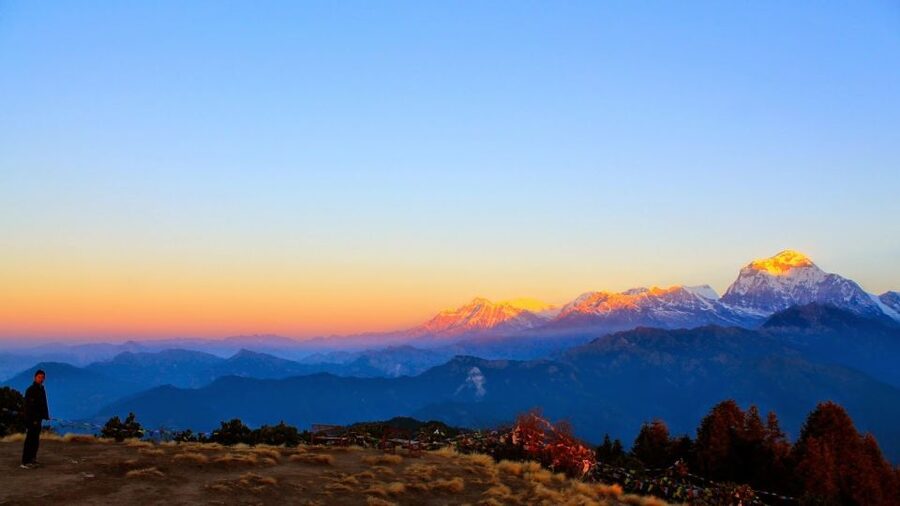
Your day begins with hotel pickup in Pokhara and a drive to Birethanti. From there, you start trekking with a steady climb through teahouses and scenery that makes you want to pause often. After about 2 hours, you reach Ulleri, a Magar village, where you’ll spend the night.
Why Day 1 matters: it’s your on-ramp. The pace is manageable, and you get used to the trail before the more memorable climbing and ridge hiking of the middle days. If you’re a first-time trekker, this is the day that helps your nerves calm down—because you’re moving, not scrambling, and the route is straightforward.
Day 2: Ulleri to Ghorepani via steps, alpine forest, and panoramic breaks
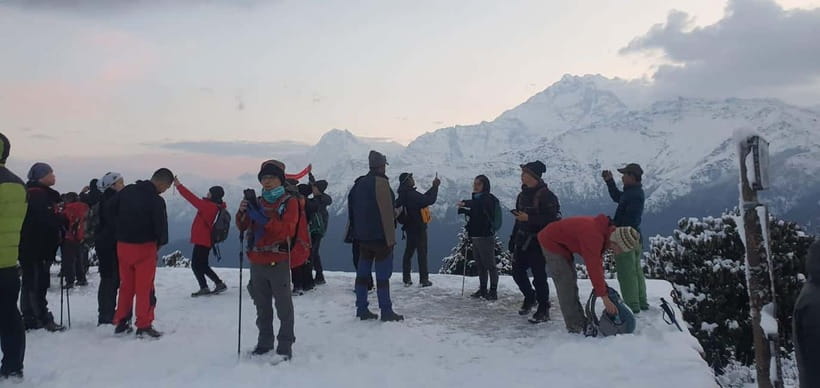
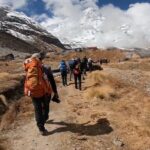
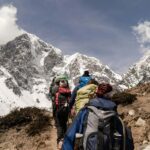
Day 2 is your classic stair-and-scenery day. You hike through stone steps for about 2 hours this morning, then keep climbing into an alpine forest. You’ll also be dealing with the reward/effort tradeoff that defines Nepal trekking: every time you climb, you earn a better look at the peaks ahead.
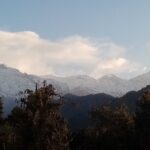
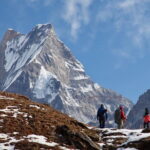
Along the way, you’ll admire views that include Annapurna and Mt. Fishtail. You’ll stop at teahouses during the trek, which is practical. It helps you reset without losing the momentum of a long day.
You reach Ghorepani after about 6 hours of trekking. From there, the views give you that big-mountain sense of scale, including a look toward a deep valley far below. You sleep at a teahouse lodge for the night—simple, but with the kind of mountain-hiker comfort that makes sense after a full day on your feet.
Day 3: Poon Hill sunrise, rhododendron trails, and Tadapani overnight
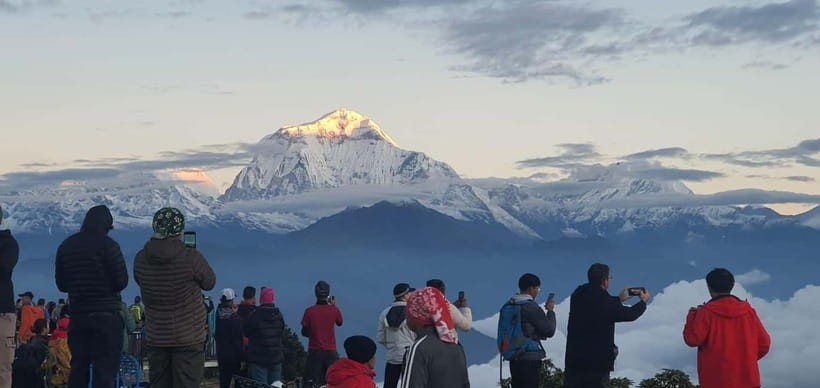
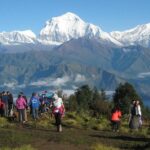
This is the day you’ll plan around. You’ll rise early to watch the sunrise from Poon Hill, and it really is the centerpiece: you’ll see the sun come up over 15 peaks. This isn’t just about a pretty sky. It’s about perspective—how the whole Annapurna region stacks up when the light turns everything crisp.
Once sunrise viewing is done, you’ll hike downhill briefly back toward Ghorepani, then continue on. The next stretch takes you through a rhododendron forest, along mountain ridges, and onward to Tadapani, where you’ll sleep again at a teahouse lodge.
Why Day 3 feels special: you get two different kinds of beauty in one day—morning peaks, then forest-and-ridge hiking. It’s also where a good guide makes a difference. I’ve found the best treks aren’t only about the route. They’re about pacing and timing so you’re not rushed through the only moment that really matters to most people: sunrise.
Day 4: Ghandruk village descent, slate roofs, and a viewpoint lunch
Your final day is a mix of atmosphere and views. You’ll enjoy a short descent to Ghandruk, one of the region’s most recognizable village stops. Here, you can slow down and wander through streets lined with thatched and slate roof houses and farming terraces.
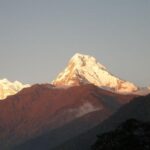
You’ll also stop for lunch at a viewpoint where you can see Annapurna South and Huinchuli. After lunch, you’ll continue trekking for about 1 more hour, then catch a ride back to Pokhara, where you’ll be dropped off at your hotel.
This ending works well because it doesn’t end with another long climb. You’re walking into a village that feels like a place people live in, not just a last photo stop.
Guide matters: what Tanka brings to the trek
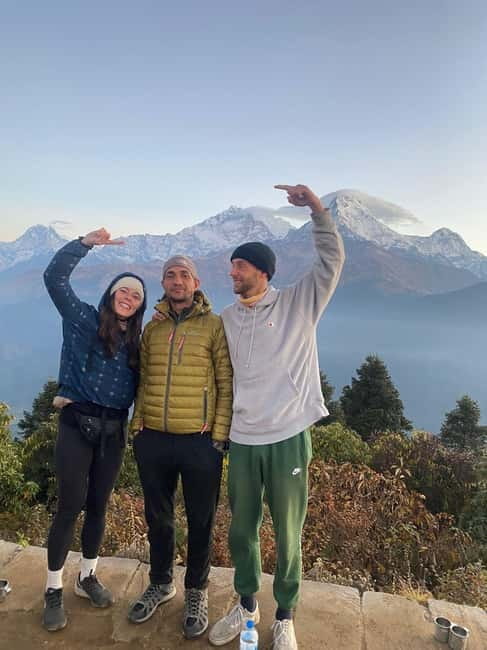
A trek lives or dies on the details, and this one shines because the guidance sounds genuinely thoughtful. In the accounts I saw, Tanka (sometimes spelled Tonka) is described as more than a route manager—he adapts pace to the group, checks that people have enough to eat and drink, and gives you space when you want quiet and time to enjoy the trail.
A few practical perks come up again and again:
- English is strong, so questions about mountains and Nepal don’t feel like a chore
- The pace is flexible, which matters if you take photos or need a slower rhythm
- People felt safe on the trail, which helps when you’re hiking in the early light and dealing with steep sections
- He’ll help with photos, so you’re not stuck asking strangers to take your picture
That’s not small stuff. On a short 4-day itinerary, you don’t have margin for stress.
Teahouse nights: what to expect (and what’s not included)
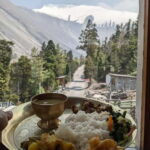
This trekking style means you sleep in teahouse lodges, not a hotel-style setup. The good news is that the lodges are built for hikers, so you’re not going without basics like warm water. Also, the food is consistently described as good and hot, which is huge at altitude and after hard walking.
One key detail: meals and drinks during the trekking are not included. That means you’ll buy breakfast, lunch, and dinner from the teahouse menu as you go. The route is designed around this reality, so it’s not a surprise—but it does affect your total budget.
Water is also handled in a smart way: the trek includes water purification tabs. That means you don’t need to rely on guessing about water sources each day. Use the tabs as directed and keep moving.
Poon Hill photography tips that fit real hiking life
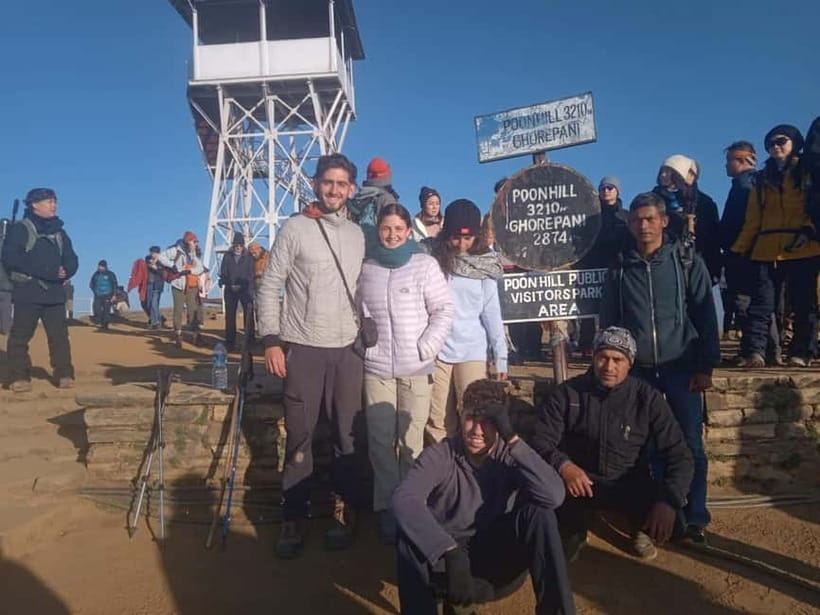
Poon Hill sunrise is the obvious target, but it’s not just a single click. You want to be set up mentally for standing outside in cold morning air and adjusting your plan quickly as the light changes.
Here’s what will help most based on the way this trek runs:
- Bring your sunglasses and sun hat for when brightness hits fast
- Pack extra layers in your day bag (you don’t want to be wrestling with clothing while everyone else is watching the peaks)
- Plan for a relaxed pace. Your guide will help manage timing so you have room to take photos without feeling yanked along
- Bring a camera you can use one-handed if you need to. Sunrise moments go fast
Also, expect that you’ll be walking with other people headed to the same viewpoint. It’s popular for a reason, and it usually keeps the vibe friendly.
Price and value: what you’re actually paying for
The price is listed as $164 per person for a 4-day trek. That number looks simple, but the real value is in what’s included.
In your cost, you get:
- Hotel pickup and drop-off in Pokhara
- All ground transportation
- 3 nights accommodation during the trek
- Permits and taxes
- A guide
- A first-aid kit
- Water purification tabs
What’s not included:
- Meals and drink during trekking
- Travel insurance
- Porter service
So where’s the value? You’re paying to remove the headache of permits, logistics, and daily coordination. For many people, that’s worth a lot—especially on a short trek where you don’t want to lose time sorting out details.
If you already have insurance and you’re comfortable eating at teahouses, this is a pretty solid way to buy structure at a reasonable total cost.
What to bring so Day 2 doesn’t beat you up
This trek is short, but it’s not flat. You’ll want to pack for comfort on steep stone steps and cool morning hours.
Bring:
- Passport or ID card (and you’ll need a scanned copy of your passport plus a passport-sized photo)
- Comfortable shoes and socks you trust
- Sunglasses, sun hat, and sunscreen
- A jacket for early hours
- Change of clothes and basic toiletries
- A small daypack, plus a camera if you care about photos
- Mosquito repellent and toilet paper
- Towel
If you’re thinking about clothing layers, keep it simple: you’ll hike, you’ll sweat, then you’ll stop and cool down. That pattern repeats often.
Who should book this trek (and who should skip it)
This 4-day route suits people who want a classic Annapurna region experience with short hiking days and village life included. It also seems like a good fit for first-time trekkers who are nervous about stepping onto the trail—because the itinerary is paced and supported.
It is not suitable for:
- Pregnant women
- People with heart problems
If you’re somewhere in-between—healthy but not a hiker—consider whether uphill steps are manageable for you. The trip’s main challenge is physical effort, not technical trekking.
Should you book this Ghorepani Poon Hill and Ghandruk trek?
Book it if you want a straightforward 4-day plan that gives you the Annapurna region highlights: Poon Hill sunrise, teahouse nights, village walking, and a memorable finish in Ghandruk. The guide experience is a big part of the appeal here, especially if you value pacing and someone who can answer questions in English.
Skip or rethink it if uphill steps and early mornings would be an issue for your health or comfort. And if you hate budgeting for meals on the trail, you’ll want to account for teahouse food and drinks since they’re not included.
FAQ
Pickup and drop-off in Pokhara
Yes. Pickup from your hotel (or apartment entrance area) in Pokhara is included, and you’ll also be dropped back in Pokhara at the end.
How long is the trek and how many nights
The trek runs for 4 days and includes 3 nights of accommodation during the trekking.
Are meals included
No. Breakfast, lunch, and dinner during the trekking are not included. You’ll pay for meals and drinks while on the route.
Is there a guide and what language
Yes. A live tour guide is included, and the guide works in English.
Are permits and taxes covered
Yes. All permits and taxes are included.
Is porter service included
No. Porter service is not included.
How is water handled
Water purification tabs are included.
What documents do I need
You’ll need to bring a passport or ID card. You also must bring a scanned copy of your passport and a passport-sized photo.
Who should not take this trek
It’s not suitable for pregnant women or people with heart problems.
What’s the cancellation policy
You can cancel up to 24 hours in advance for a full refund.