REVIEW · SA PA
Sapa Trekking Private Tour With Ethnic Female Tour Guide
Book on GetYourGuide →Operated by Vietnam Package Tours · Bookable on GetYourGuide
Sapa is famous for views, but this tour is about people. In a short 4 hours, you get a guided walk through local villages and terrace scenery, plus real conversations with ethnic communities. I love the welcome into traditional houses and the way the guide explains daily customs in plain language (names you might hear include Xiang, Dung, Deli/Dely, and La). One thing to consider: it’s a walk with uneven paths, so bring the right shoes and skip it if you have a back problem or need wheelchair access.
What makes this feel worth your time is the mix of North Sapa traditions and then Muong Hoa valley life. You’ll spend time with the Black Hmong and Red Dao in the north, then shift southeast to see the Dzay presence in the terraces. I also like that the itinerary can be flexible from your own location, so you’re not stuck waiting around. The possible drawback? Meals and any extra village-ticket add-ons are not included, so you may need to plan for food and costs depending on what you choose.
In This Review
- Key things I’d prioritize before booking
- A 4-hour Sapa trek that feels personal, not scripted
- Pick-up in Center Sapa and the flexible start that saves time
- North Sapa: Black Hmong and Red Dao traditional houses and tea talks
- The practical value of learning the Hmong vs Red Dao differences
- Muong Hoa Valley: Dzay life, terraces, and friendly village moments
- Walking comfort: shoes, backs, and why the “fun” parts can be uneven
- Guides: why the English-speaking ethnic female perspective makes the day click
- Photos and the free edited video you can request
- What’s included, what’s not, and the add-ons to think about
- Price check: why $30 can make sense in Sapa
- When weather changes the route, you’ll still get a good day
- Who should book this tour (and who might not)
- Should you book Sapa Trekking Private Tour With Ethnic Female Tour Guide?
- FAQ
- How long is the Sapa trek?
- Is pick-up from Sapa center included?
- What ethnic groups will I visit during the tour?
- Is the tour private?
- Is an English-speaking guide provided?
- Are meals included in the price?
- Do I need to buy tickets for Cat Cat Village?
- Can the itinerary be customized?
- What should I bring to the trek?
- Is the tour suitable for people with mobility issues?
Key things I’d prioritize before booking
- Ethnic village access in a short window: you’ll see multiple communities without turning it into an all-day mission.
- A guide who can explain culture on your level: the English is strong enough to ask questions and get useful answers.
- Black Hmong vs Red Dao, explained clearly: you won’t just take photos; you’ll learn what’s different and why it matters.
- Muong Hoa terraces + Dzay life: you’ll connect the scenery to the people living there.
- Bring rubber boots or proper trekking shoes: the walk can be more “adventure” than “easy stroll.”
- Extra photo value: you can get a free edited video if you send your photos to the guide on WhatsApp.
A 4-hour Sapa trek that feels personal, not scripted
This is the kind of tour that works when you only have half a day in Sapa. You get pick-up in Center Sapa, then you’re off with an English-speaking guide who’s focused on showing you how people live, not just where the views are.
The best part is the pacing. You’re not stuck in a single village for hours, and you’re not herded nonstop either. You’ll visit traditional houses, drink something local as part of the welcome, and then keep moving to the next area—North Sapa first, then the Muong Hoa valley.
Because it’s a private tour, you can usually ask questions at the right moment instead of waiting until a group stops for the guide to talk. That matters in places like Sapa, where clothing, household traditions, and daily routines are tied to identity.
You can also read our reviews of more tours and experiences in Sa Pa.


Pick-up in Center Sapa and the flexible start that saves time
You’ll be picked up from your accommodation in Sapa center, which is a practical win if you’re trying to avoid logistics headaches. After a short introduction with your driver/guide, you head out toward the northern side of Sapa.
One smart detail: the itinerary is described as flexible. That means the trek can potentially start from your own accommodation, rather than forcing you into a rigid meeting point. Flexibility is useful here because weather can change fast in the mountains, and the route may shift.
You should still expect some driving between areas. This is normal for the region. The tour is built to give you culture time plus terrace views in a compact schedule.
North Sapa: Black Hmong and Red Dao traditional houses and tea talks
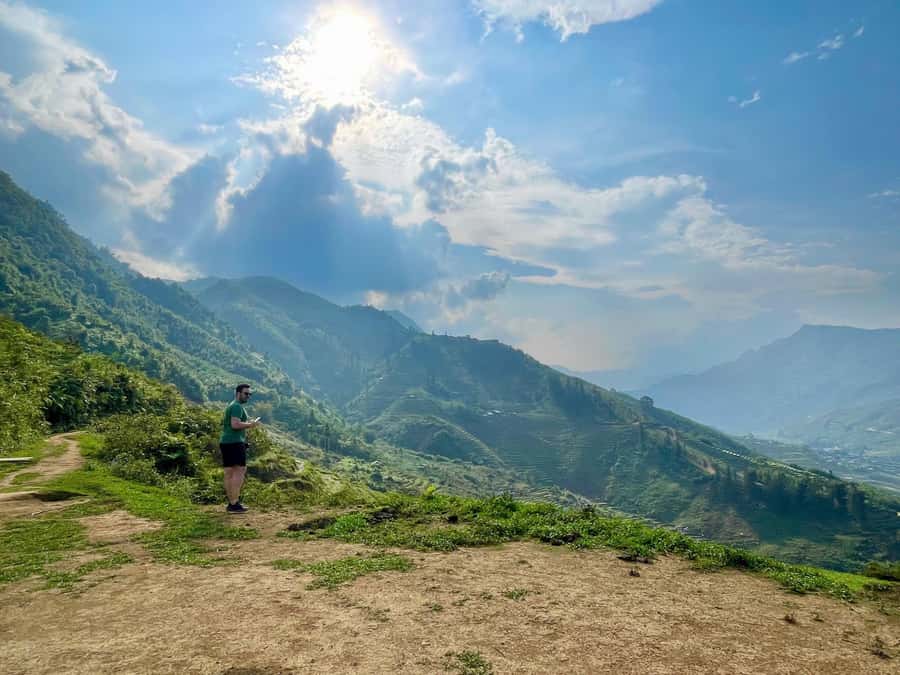
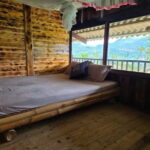
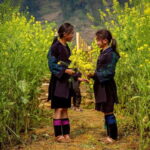
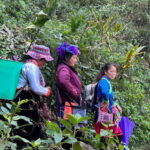
In the north part of Sapa, you’ll meet the Black Hmong and Red Dao communities. The core experience here is direct, human-scale interaction: visiting traditional houses, learning how customs show up in daily life, and sharing time over a welcome drink and tea.
This is where the tour earns its keep. It’s easy to book a “scenic” trek in the hills. It’s harder to get an explanation of what you’re seeing and how people interpret it. Here, you’re expected to talk with locals, ask questions, and take photos as you move—without feeling like you’re just passing through.
You’ll also get a guided breakdown of the differences between the two major groups in Sapa. That’s valuable because visitors often lump all ethnic culture into one mental folder. This tour nudges you to notice distinctions—what people wear, how households are set up, and how traditions play out day to day.
The practical value of learning the Hmong vs Red Dao differences
The tour doesn’t just say Black Hmong and Red Dao. It focuses on the difference between the two largest groups in Sapa, and that changes how you experience the villages.
Why it matters: when you understand that groups have their own customs and identity markers, your photos get better and your questions get smarter. Instead of random shutter clicks, you start capturing details with meaning—house features, clothing elements, and daily routines you can actually describe later.
A good guide also helps you avoid a common mistake: treating ethnic culture like a costume for tourists. You’ll spend time in a setting where people explain their lives. That’s the real takeaway.
Muong Hoa Valley: Dzay life, terraces, and friendly village moments
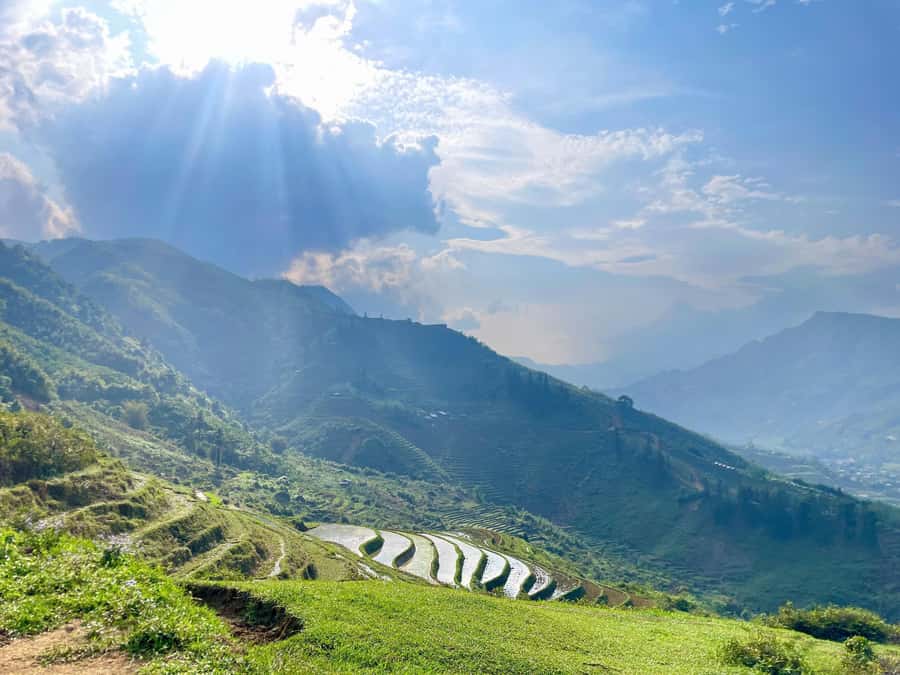
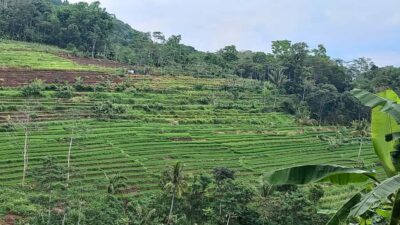
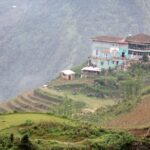
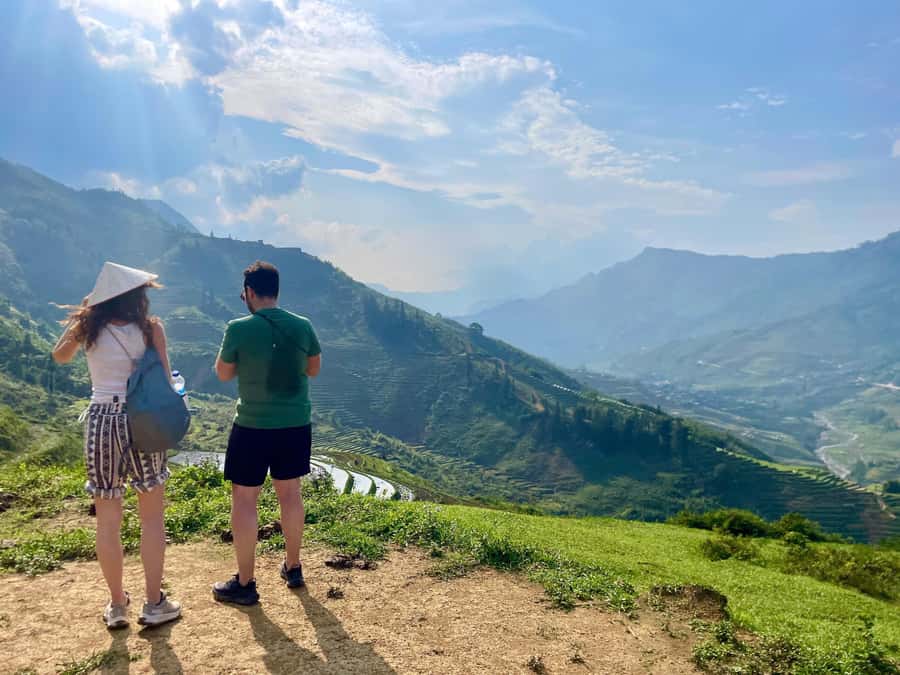
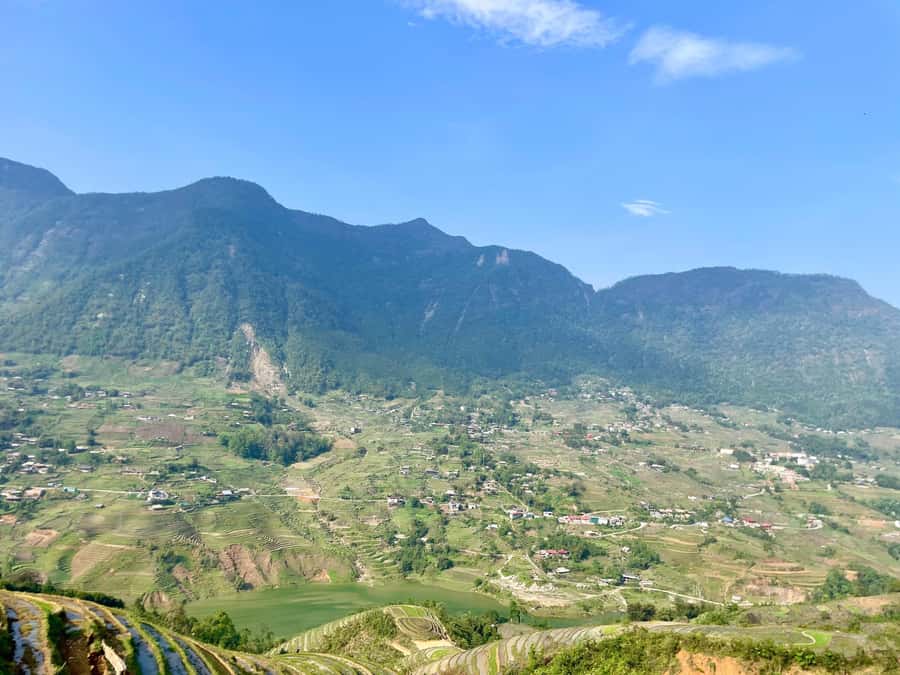
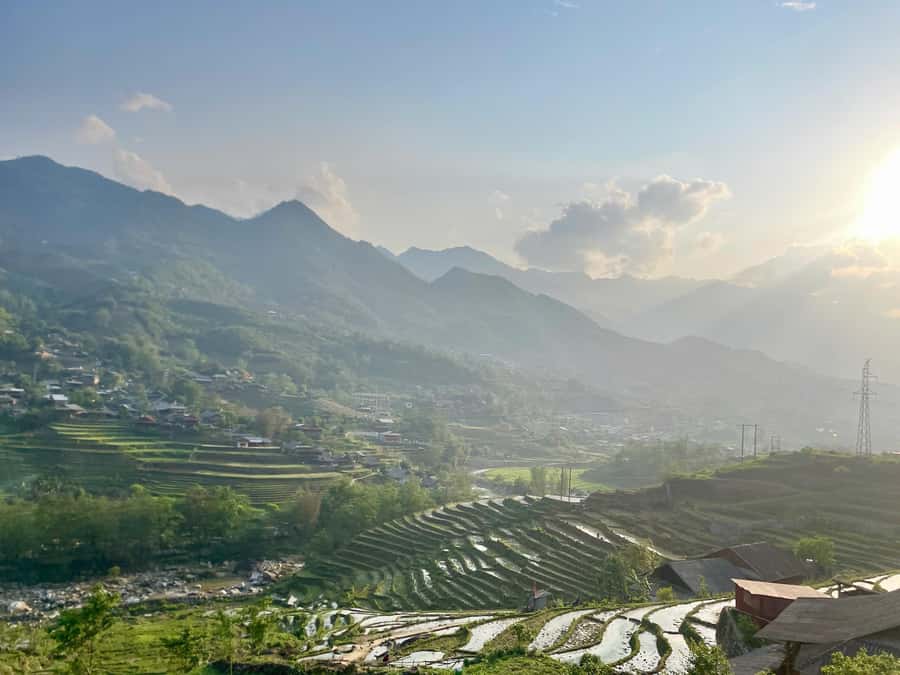
After the north visits, you continue toward the southeast and head into the Muong Hoa valley. This is where the scenery really brings the “Sapa wow” factor, especially when you’re walking among terraced fields.
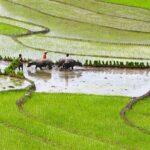
The guide introduces you to the Dzay people in the valley. The point isn’t to make the day feel like a checklist. It’s more like: you see how life continues in different communities, and then you connect it to the land—terraces, water use, and farming work.
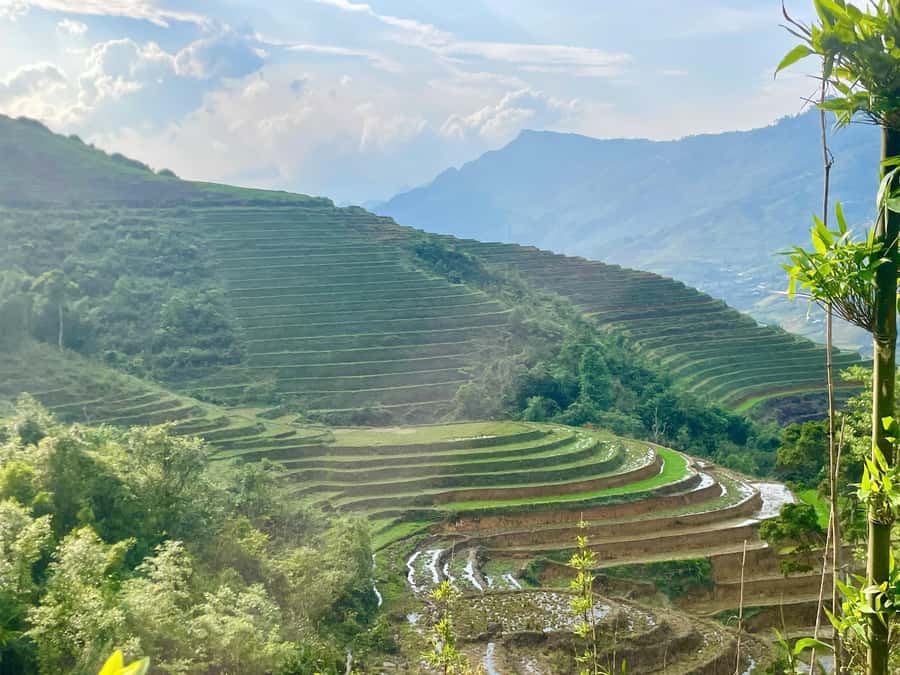
Expect terrace views that feel close enough to matter. You’re not looking at rice fields from a far-off viewpoint. You’re in the same working scenery that people rely on.
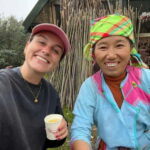
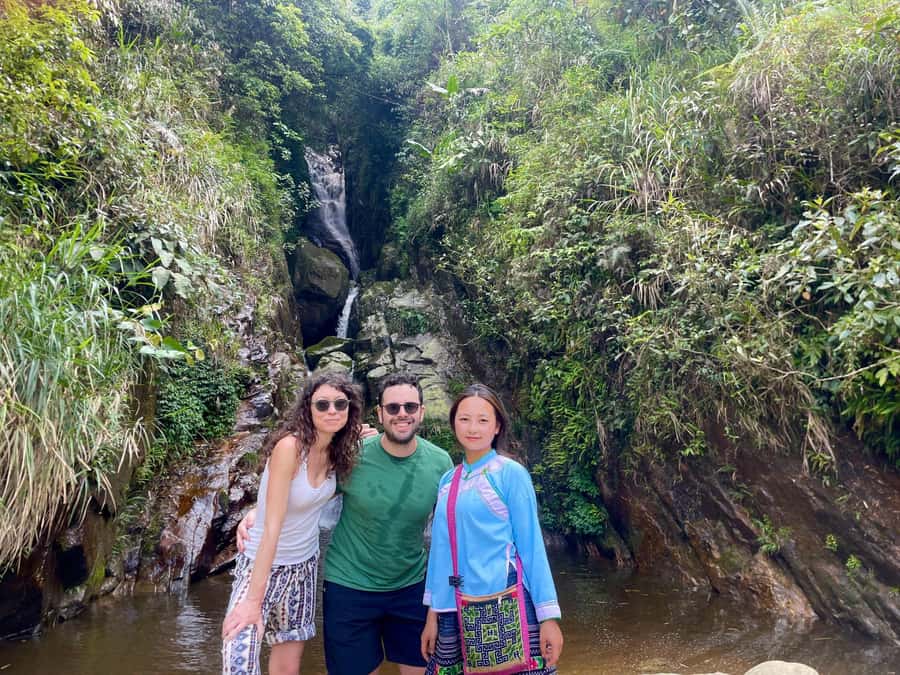
The tone stays friendly. You’ll have chances to take photos with locals, and you’ll learn as you go rather than waiting for a single information stop.
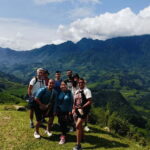


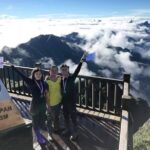

Walking comfort: shoes, backs, and why the “fun” parts can be uneven
This trek is usually described as fun and a little adventurous. That’s code for uneven ground, steps, and paths that can get slippery depending on recent rain.
So do yourself a favor: wear comfortable shoes and consider trekking shoes or rubber boots if you expect wet conditions. Bring water and a hat too. In Sapa, weather changes can surprise you, and you’ll feel it faster when you’re walking.
It’s also not suitable for everyone. If you have back problems, this isn’t a gentle sit-and-watch tour. And wheelchair users shouldn’t expect it to work, since the route involves trekking paths and uneven terrain.
If you’re unsure, ask the provider about the likely path conditions for the day. The itinerary can change based on weather and booking timing, so it’s worth checking before you commit.
Guides: why the English-speaking ethnic female perspective makes the day click
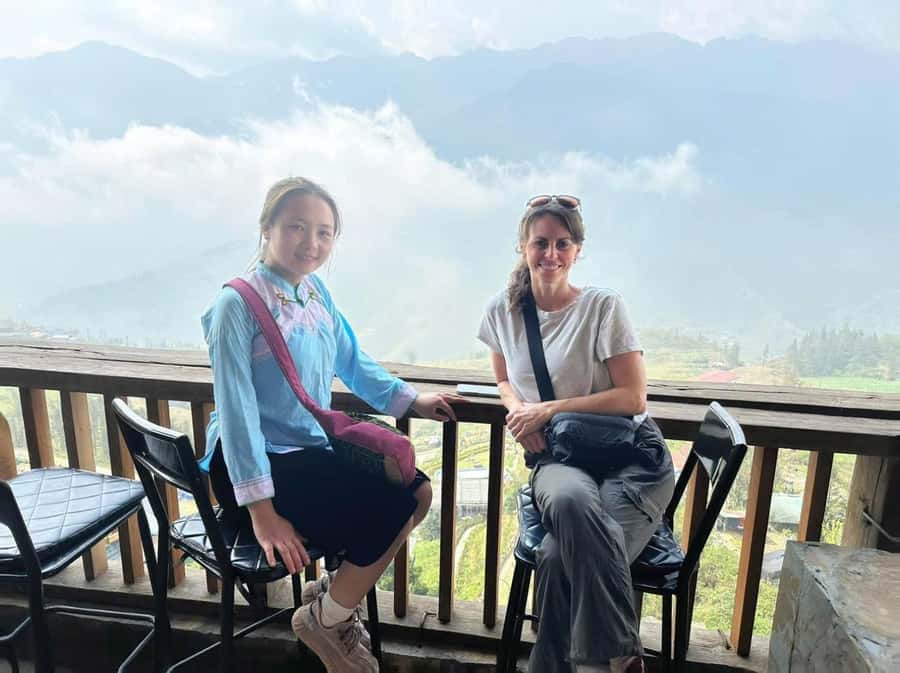
The tour places the guide at the center of the experience—an English-speaking tour guide, and in practice, many of the guides are local women who know the areas personally.
What I like about this setup is that it turns your questions into real conversation. In Sapa, people notice when you’re listening. A strong guide helps you ask respectfully and understand the answers without feeling lectured.
Names that may come up with this tour include Xiang, Dung, Deli/Dely, and La. The common thread is how they explain customs in a way you can follow while you’re walking—what you’re seeing, what it means, and how daily life is organized.
If you like learning by doing (rather than just hearing facts at a stop), this guide format is a big deal.
Photos and the free edited video you can request
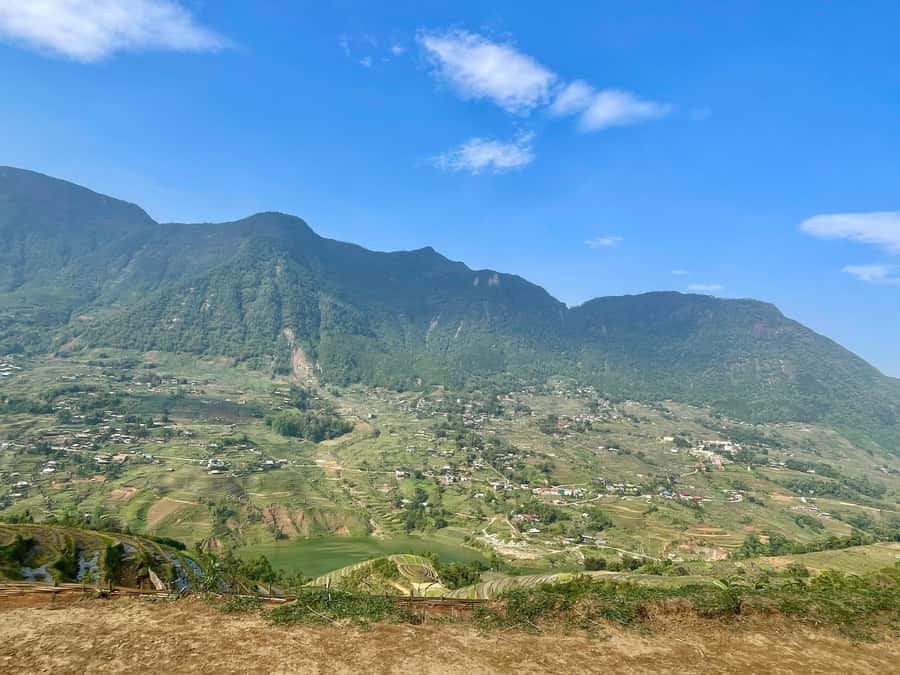
You’ll take plenty of photos. It’s built into the interaction style—visiting houses, talking with locals, and seeing the terraces up close.
There’s also a nice bonus: a free edited video per booking is available if you send your photos to the guide on WhatsApp. That’s a practical way to turn your pictures into something shareable without extra effort.
Quick tip: take a few wide shots first, then close-ups of details you learn about (clothing elements, house features, terrace textures). That gives your edited video a better mix than just repeating the same angle.
What’s included, what’s not, and the add-ons to think about
This tour includes:
- Pick-up from your accommodation in Sapa center
- An English-speaking tour guide
- Itinerary customization if you want it
Not included:
- Meals
- Cat Cat Village ticket entrance
- Personal expenses
The Cat Cat ticket item matters because it signals that an add-on might happen depending on the day or route choices. Your core tour focuses on Black Hmong, Red Dao, and Dzay areas, but if Cat Cat enters the plan, you’ll want to know ticket costs ahead of time.
Since meals aren’t included, plan to eat before or after. If you’re the type who likes to try local food, ask your guide what’s easiest nearby when the trek ends.
Price check: why $30 can make sense in Sapa
At $30 per person for about 4 hours, this sits in the “reasonable value” zone, especially because you’re getting:
- pick-up from central Sapa,
- an English-speaking guide,
- cultural access and time with locals,
- and a mix of north village visits plus Muong Hoa valley terraces.
If you’ve only done self-guided sightseeing, it’s easy to think, $30 sounds small. Here it’s not paying for one viewpoint. It’s paying for interpretation, local relationship-building, and transportation between areas in a short time block.
Also, private tours can cost more than group tours. So you’re paying for flexibility and direct interaction. For me, that’s what you’re really buying: a guide who helps you understand what you’re seeing while you walk.
When weather changes the route, you’ll still get a good day
In mountain areas, the weather calls the shots. The tour notes that the itinerary could change due to weather, booking times, or other unexpected issues.
The good news: because you’re with a guide and the route is flexible, changes don’t automatically ruin your day. You’re still in Sapa for walking culture and terrace views. If conditions are rough, the guide can usually adjust the path and timing so you keep moving.
If you’re sensitive to rain or cold, dress in layers and be ready for changes.
Who should book this tour (and who might not)
This tour is a strong match if you want:
- a short, meaningful outing instead of a long day trip,
- local cultural learning with a guide who speaks English well,
- terrace scenery tied to community life (not just photo stops),
- and a flexible schedule you can start from your accommodation area.
I’d hesitate if:
- you have back issues or mobility limits that make trekking uncomfortable,
- you use a wheelchair,
- you hate walking on uneven paths,
- or you only want views with zero culture interaction.
If your goal is cultural connection in a compact time window, this works.
Should you book Sapa Trekking Private Tour With Ethnic Female Tour Guide?
If you’re choosing between a pure sightseeing option and something more human, I’d book this. The reason is simple: you get both. Terraces impress, but the real payoff is the explained customs—Black Hmong, Red Dao, and Dzay—through visits to traditional houses, a welcome drink, tea talks, and lots of question time.
Just do two things to make the day smooth: bring good walking shoes (or rubber boots if it’s been wet) and plan for meals outside the tour. If you do that, $30 for a guided half-day in Sapa feels like solid value.
FAQ
How long is the Sapa trek?
The tour duration is listed as 4 hours.
Is pick-up from Sapa center included?
Yes. Pick-up from your accommodation in Sapa center is included.
What ethnic groups will I visit during the tour?
You’ll explore traditions of the Black Hmong and Red Dao in the north, and then the Dzay in the Muong Hoa valley.
Is the tour private?
The tour name specifies it as a private trekking tour.
Is an English-speaking guide provided?
Yes. The tour includes an English speaking tour guide.
Are meals included in the price?
No. Meals are not included.
Do I need to buy tickets for Cat Cat Village?
Cat Cat Village ticket entrance is not included. If your route includes it, you’ll need to handle that separately.
Can the itinerary be customized?
Yes. The itinerary can be customized if you want it.
What should I bring to the trek?
Bring comfortable shoes, a hat, a camera, sunscreen, and water.
Is the tour suitable for people with mobility issues?
It is not suitable for people with back problems and wheelchair users.