REVIEW · HANOI
Fansipan Mountain, Cat Cat Village, Rice Terrace 2 Day Sapa Tour
Book on Viator →Operated by Vietnam - Hanoi Package Tours · Bookable on Viator
Sapa starts with the highest peak. This 2-day Fansipan and Sapa tour mixes Fansipan views, Ta Van batik, and a guided trek through classic rice-terrace scenery. What I liked most was how the village time is led by friendly guides such as Lala and Hoa, with an easy, “ask us anything” vibe.
Two big pluses for me: the chance to get up to Fansipan early for photos and atmosphere, and the hands-on batik practice in Ta Van, including instruction that gets practical fast. One thing to consider is that Cát Cát Village has an extra admission fee (₫150,000 per person), and pick-up/drop-off outside Hanoi Old Quarter costs extra too.
In This Review
- Key highlights at a glance
- Fansipan: the cable-car way to Sapa’s big views
- Ta Van batik workshops: learning craft you can actually do
- Day 2 trek in Sapa: Y Linh Ho to Lao Chai by rice terraces
- What to watch for on the trail
- Cát Cát Village: plan for the extra ticket cost
- Ta Van transfers and overnight sleeping bus: the convenience tax, paid up front
- What about safety and getting around?
- Price and value: does $359.65 make sense?
- Who this price fits best
- Weather, timing, and how to get the best day
- Guide quality: why Lala, Hoa, and De Ly mattered
- Should you book this Fansipan and Sapa tour?
- FAQ
- How long is the Fansipan Mountain, Cat Cat Village, Rice Terrace 2 Day Sapa Tour?
- What is the price per person?
- Does the tour include round-trip transportation by sleeping bus?
- Is pickup available from Hanoi?
- Are meals included?
- Is the Fansipan entrance ticket included?
- Do I need to pay for Cát Cát Village?
- Is there an English-speaking guide?
- What does the trekking day include?
- What is the cancellation policy?
Key highlights at a glance
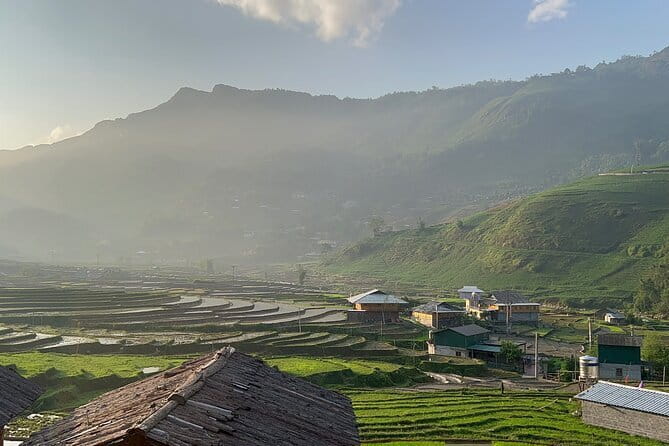
- Fansipan with dedicated time: 4 hours on the mountain area for photos and views.
- Ta Van batik, not just watching: you learn basics and use a canting during the hands-on sessions.
- Guided trek with a clear route: Y Linh Ho to Lao Chai, following Muong Hoa Stream.
- Meals built into the schedule: dinner cooking class plus 1 breakfast and 2 lunches.
- English-speaking guide in Sapa: helpful when you’re moving between villages and trails.
Fansipan: the cable-car way to Sapa’s big views
Fansipan is Vietnam’s highest peak, and this tour is set up so you actually get time to enjoy it instead of racing through. You check in on arrival, and the schedule gives you a solid block of time for photos and atmosphere—about 4 hours at Fansipan.
The cable car approach matters. It saves you the long climb, so even if you’re not a hardcore hiker, you can still reach the viewpoints with your energy intact. On a cold mountain day, that’s a big deal because you’ll likely want warmth breaks while you’re up there. I also like that the Fansipan entrance ticket is included, so you’re not doing surprise ticket math later.
Practical tip: bring a light layer you can add and remove. Fansipan is “cool mountain air” territory, and weather can shift during the day.
You can also read our reviews of more tours and experiences in Hanoi.


Ta Van batik workshops: learning craft you can actually do
Ta Van Village is where the tour slows down and turns hands-on. There are two batik moments in the schedule, both in Ta Van, each focused on learning and doing rather than passively watching.
On Day 1, the batik workshop runs about 4 hours. You’ll get familiar with the process in a guided way, and it’s set up as an introductory style class. Then, on Day 2, the workshop is described as meditative and hands-on, with specific instruction on using a canting, the traditional pen-like tool used to apply wax for designs.
That canting detail is what makes the class feel real. You’re not just getting a quick souvenir demo. You’re learning the basic mechanics of how pattern and wax work together, which makes your finished product (or practice piece) feel more personal.
What I like here: the pace fits people who want culture without a lecture-heavy approach. You can ask questions, and you can keep your hands busy, which makes the whole experience calmer—especially after the overnight bus.
Day 2 trek in Sapa: Y Linh Ho to Lao Chai by rice terraces
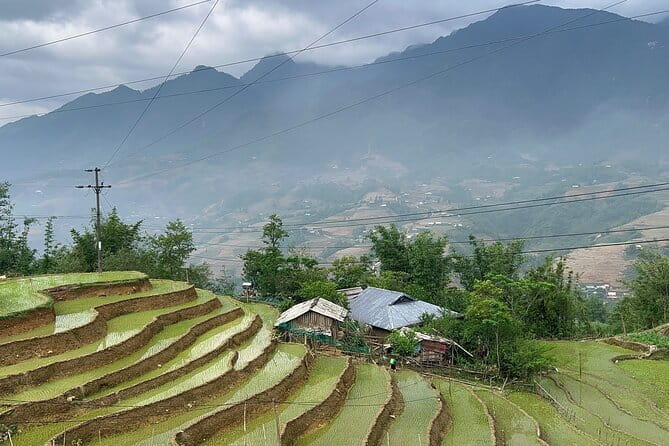
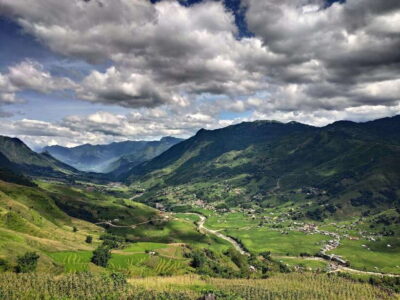
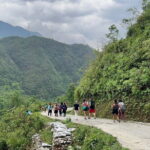
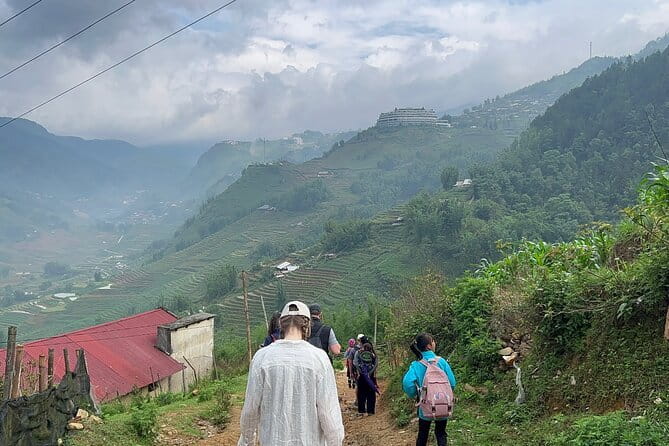
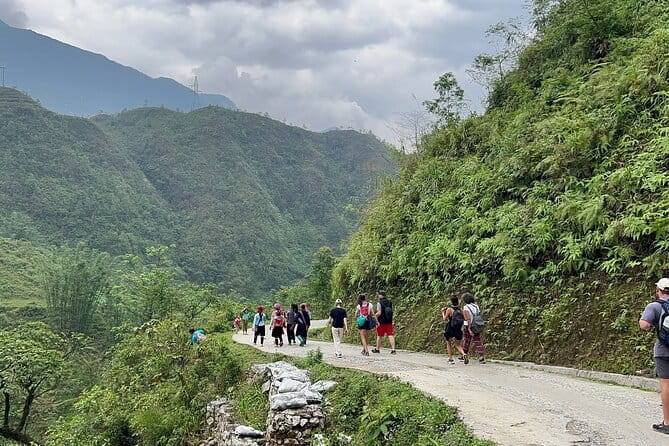
The core adventure day is the guided trek. It starts around 8:00 and follows a route through Sapa’s famous rice terraces and ethnic minority villages.
You begin with a stop at Y Linh Ho Village, then you move into hiking along the Muong Hoa Stream. From there the route continues to Lao Chai, home to the Black H’mong minority. The schedule frames it as scenic hiking through rice terraces, plus village contact along the way.
A trek like this is valuable for one simple reason: you see how people live with the terrain, not just the view from a bus window. The rice terraces aren’t just photo backdrops here. The route follows the water and the hillside logic, so the whole walk helps you connect the landscape shape to farming life.
What to watch for on the trail
One review specifically called out a wet November day and how the path became slippery. That’s not a reason to skip the trek, but it is a reason to dress for traction and slow down when footing looks slick.
If the weather is wet, plan to move carefully during the tougher sections. Your guide will help with pacing, but your shoes still do the heavy lifting.
Practical tip: if you’re choosing footwear, prioritize grip for wet ground. You’ll enjoy the hike more when you’re not thinking about sliding.
Cát Cát Village: plan for the extra ticket cost
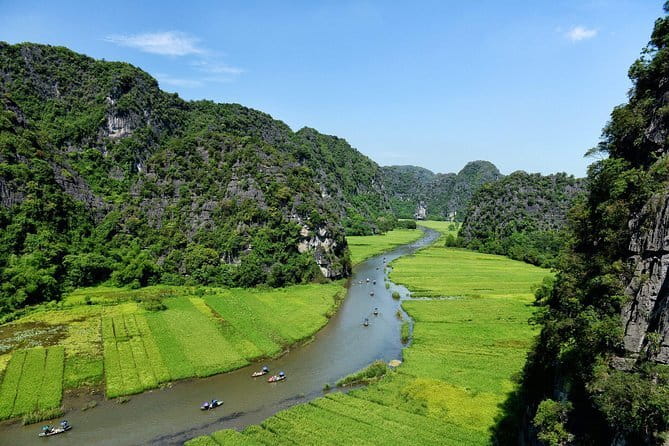
This tour includes Cát Cát Village in its name, and the additional fee is clearly listed. The admission for Cát Cát is ₫150,000 per person and is not included in the base price.
Because the detailed stop list you provided doesn’t spell out exactly when Cát Cát appears, I can’t promise you’ll get a long visit or a full “guided village block.” But you should at least budget the ticket and keep it flexible in your head as part of the cultural side of the Sapa day.
If you’re the type who likes to minimize extra payments, this is the one “surprise cost” to account for early. For most people, it’s manageable. For budget travelers, it’s still worth planning so you don’t feel annoyed later.

Ta Van transfers and overnight sleeping bus: the convenience tax, paid up front
This tour handles a lot of the logistics so you can focus on the scenery and the activities. You get round-trip sleeping bus tickets between Hanoi and Sapa, plus round transfer car time connecting you to the homestay and the bus station.
That’s a meaningful value piece. Sapa trips often break down into a patchwork of drivers, ticket lines, and waiting around. Here, the sleeping bus + transfers are bundled, so your schedule feels more predictable.
What about safety and getting around?
The reviews you shared include a strong theme: felt-safe movement with guides, including motorbike segments. One group described safety and confidence riding with Lala and Hoa and Lala’s husband, and said the drive felt fun as well as safe. That matters because Sapa’s routes can involve quick transport between spots, not just slow walking.
I’d still treat any motorbike segments as something you’ll want to handle carefully. Wear a helmet if provided or available, keep your belongings secure, and don’t be shy about asking your guide how the route works.
Price and value: does $359.65 make sense?

At $359.65 per person, this is not a bargain-bin Sapa add-on. But it’s also not just a “bus + random stops” type of tour. What you’re paying for is the package approach: major included tickets and multiple guided segments.
Here’s what’s included based on the tour details:
- Fansipan entrance ticket
- Sleeping bus round trip Hanoi ↔ Sapa
- English-speaking guide in Sapa
- Guided trek
- Cooking class dinner + 1 breakfast + 2 lunches
- Transfers to/from the homestay and bus station
When a trip includes transport, entry fees, guide coverage, and meals, the per-day cost can start to look reasonable—especially in a place like Sapa where you’d otherwise coordinate several pieces yourself. The one clear extra cost you should expect is the Cát Cát admission fee.
Who this price fits best
This tour tends to make the most sense if you:
- Want a structured itinerary without juggling tickets
- Prefer a guided trek (and not navigating routes alone)
- Care about having meals handled
- Like mixing a mountain highlight with a craft workshop
If you’re the type who already loves DIY travel and doesn’t mind planning transport and food, you could potentially find cheaper options. But if you want “less decision-making,” this package is doing that job.
Weather, timing, and how to get the best day
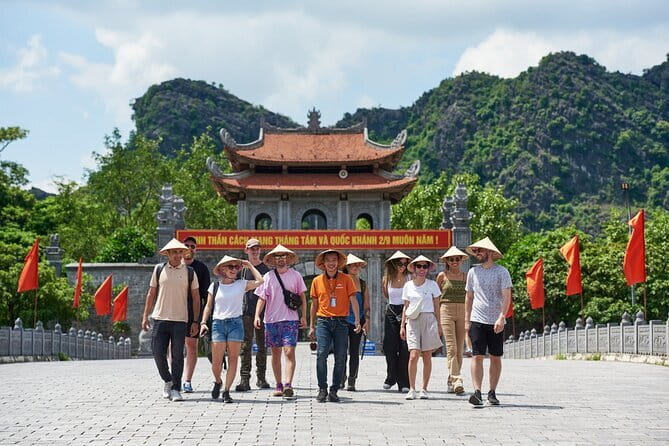
Northern Vietnam can change fast, and Sapa days can feel cooler than you expect. The tour is designed around daytime activities and a trek, so your main weather concerns are comfort and footing.
A review noted that doing the trek earlier helped, especially on a wet November day when the ground got slippery. That points to a simple strategy: if you have any control over when you start your hike, getting going earlier can improve comfort.
Also, the tour’s schedule gives you a big daytime window at Fansipan. That’s useful because even if clouds roll in, you still have time to catch better viewpoints.
Practical tip: if rain is in the forecast, pack for wet conditions and choose shoes that grip.
Guide quality: why Lala, Hoa, and De Ly mattered

One of the most consistent takeaways from the reviews you shared is the human factor. People praised guides by name—Lala and Hoa showed up repeatedly, and De Ly was mentioned as helpful, lovely, and communicative.
That matters because Sapa can feel confusing if you’re only following signs and not people. A good guide improves everything: how you pace the walk, how you understand village stops, and how safe you feel while moving between areas.
If you care about getting context (not just a photo), that’s one of the strongest reasons to pick this style of tour.
Should you book this Fansipan and Sapa tour?
I’d book it if you want a tight 2-day structure that covers three “Sapa musts”: Fansipan, Ta Van craft time, and a guided rice-terrace trek to places like Y Linh Ho and Lao Chai. The included meals and the overnight sleeping bus also fit well if you’d rather spend your energy on the trail than on planning.
I’d think twice if:
- You strongly dislike paying extra for add-on village tickets (Cát Cát is ₫150,000 per person)
- You hate early starts or wet-trail conditions, since the trek route can get slippery in rain
If your style is hands-on learning, mountain viewpoints, and guided walking with real people—this tour is a solid match.
FAQ
How long is the Fansipan Mountain, Cat Cat Village, Rice Terrace 2 Day Sapa Tour?
It runs about 2 days.
What is the price per person?
The price is listed as $359.65 per person.
Does the tour include round-trip transportation by sleeping bus?
Yes. Round ticket sleeping bus from Hà Nội & Sapa is included.
Is pickup available from Hanoi?
Pickup is offered, but pickup/drop-off surcharge applies if you’re outside Hanoi Old Quarter.
Are meals included?
Yes. The tour includes dinner cooking class, 1 breakfast, and 2 lunches.
Is the Fansipan entrance ticket included?
Yes. The Fansipan ticket entrance is included.
Do I need to pay for Cát Cát Village?
Yes. The Cát Cát Village ticket fee is ₫150,000 per person and is not included.
Is there an English-speaking guide?
Yes. An English-speaking tour guide is included in Sapa.
What does the trekking day include?
It includes a guided trekking tour, starting with hiking to Y Linh Ho Village and continuing through rice terraces along Muong Hoa Stream to Lao Chai.
What is the cancellation policy?
You can cancel for a full refund up to 24 hours before the experience’s start time (local time). If you cancel within 24 hours, the amount paid is not refunded.