REVIEW · KATHMANDU
Manaslu Larke Pass Trekking
Book on Viator →Operated by Skyway Nepal Treks · Bookable on Viator
A long trek, a serious altitude day, and real culture.
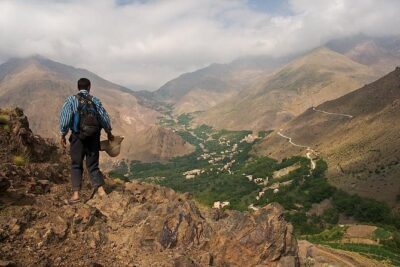
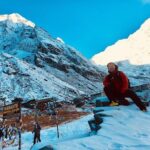
This Manaslu Larke Pass trek stands out because you go deep into the Manaslu Conservation Area and you also get those big, high-pass views tied to the Manaslu region itself. I especially like the way the plan blends walking days with real acclimatization and village time, and I love that you’re not left to figure everything out: you’ll have an experienced English-speaking guide (Durga/Durgan shows up in multiple reports) plus porters to keep the trek sensible. The one drawback to keep in mind is the physical demand: you’re looking at long trekking days and high elevations, so you need strong fitness and patience.
You start and finish in Kathmandu, with private vehicle transfers smoothing out the long travel legs. Then the trail does what it’s supposed to do: it rises step-by-step from river valleys into higher settlements, and by the time you reach the pass day you’ll feel like you’ve earned it. Still, this is not a casual stroll. It’s a private trip, but it’s also a commitment, and the days on either side of the Larke Pass day will test your stamina.
In This Review
- Key Things I’d Highlight Before You Go
- Price and What $1,150 Really Covers
- Entering the Trek: Kathmandu Setup and the Drive to Soti Khola
- The Lower Trail Days: Soti Khola to Jagat and Philim
- High-Village Life: Namrung, Lho Gham, and Samagaun
- The Acclimatization Day: Optional Hikes Toward Base Camp and Birendra Lake
- The Stepping Stones to Larkya Phedi: Samdo and the Dharamsala Setup
- The Larke Pass Day: Larkya Phedi to Bimthang via 5,160 m
- Finishing Strong: Bimthang to Dharapani and the Return Drive to Kathmandu
- What the Trek Feels Like Day to Day (and Who It Suits)
- Should You Book This Manaslu Larke Pass Trek?
- FAQ
- How long is the Manaslu Larke Pass Trek?
- Where does the trek start and end?
- Does the tour include transport and trekking permits?
- What’s included during the trek?
- What is not included in the price?
- What do I need for booking, and what are the fitness requirements?
Key Things I’d Highlight Before You Go
- Manaslu Conservation Area access: You trek through a region that ranges from subtropical foothills to high, dry pastures near Tibet.
- High-altitude planning: Multiple elevation steps plus an acclimatization day help you avoid rushing.
- Guiding support with Durga/Durgan: Reports consistently point to strong, steady leadership from the guide team.
- Meals and trekking logistics handled: Included meals during trekking reduce daily decisions and hassle.
- Private vehicle transfers: You spend less time coordinating transport between trailheads and return points.
- One major effort day via Larke Pass: A long day reaching about 5,160 m sets this trek apart.
Price and What $1,150 Really Covers
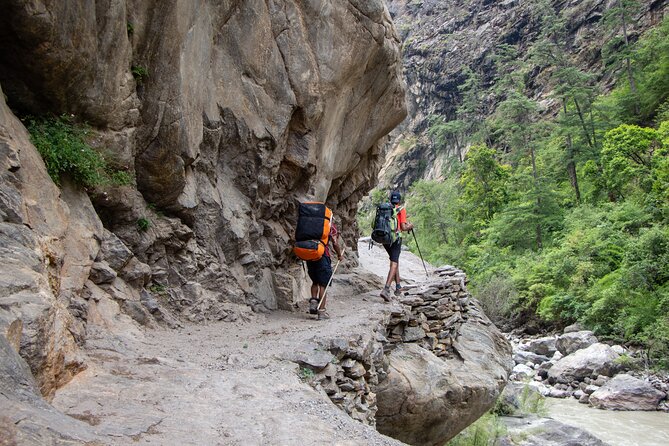
At $1,150 per person for about 16 days, you’re paying for more than the trail. You’re paying for a full operating package: private vehicle transfers between destinations on the itinerary, double-occupancy accommodation, and the trekking paperwork (TIMS and the Manaslu trekking permit fees). You’ll also get a guide plus a porter team, with the setup described as one porter for every two clients—so your load is more manageable than if you trekked fully on your own.
The other big value piece is food. You’ll have all meals during trekking, plus breakfasts in Kathmandu, and you’ll get one welcome dinner and one farewell dinner. That matters because it turns day-to-day planning into “show up, walk, eat,” rather than “what should we buy today?” And because this is a private tour/activity, you’ll be traveling as a group rather than getting mixed into a larger flow.
What’s not covered is also important: international flights, travel insurance, your visitor visa fee, and personal expenses. Drinking water, snacks, hot showers, and Wi-Fi during trekking are not included either. In high places, those small daily costs can add up fast, so I suggest budgeting for water and extras even if your main meals are handled.
You can also read our reviews of more tours and experiences in Kathmandu.
Entering the Trek: Kathmandu Setup and the Drive to Soti Khola
You base yourself in Kathmandu first, at Thamel Marg, near public transportation. Day 1 is arrival, and day 2 is Kathmandu sightseeing and trek preparation. That prep time is practical. Even if you’ve trekked before, Kathmandu days help you organize your gear, confirm paperwork details, and get your legs under you before the long drive and first valley walk.
Then you move into the trek corridor. Day 3 is a long drive to Soti Khola, with the trek starting around 800 m. Day 4 continues into Machha Khola (about 870 m) and day 5 brings you to Jagat at around 1,340 m. These early days matter because they set your rhythm. The walking is shorter relative to later days, and the terrain helps you settle into the feel of the region—river routes, village rhythms, and trail patterns that you’ll later recognize above.
If you’re someone who gets anxious about logistics, this portion is your confidence builder. You’re not jumping in cold; you’re gradually moving from the city to the trail, and the private vehicle transfers cut down on the “where do we go now?” stress.
The Lower Trail Days: Soti Khola to Jagat and Philim
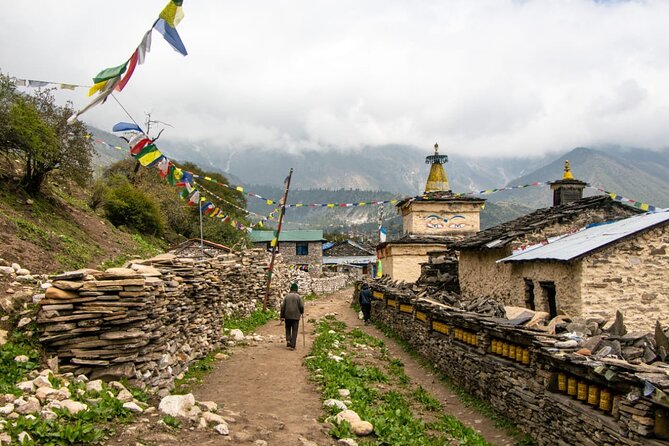
Days 3 to 6 are about building steadiness. After Soti Khola and Machha Khola, you reach Jagat and then Philim (the itinerary lists Deng/Philim timing in a couple ways, but the overall progression is clear). You’re walking from the lower river zone up through village steps. Expect days in the 6 to 8 hour range during this stage.
Why I like this sequence: it gives you time to see how the Manaslu region shifts as altitude climbs. The overview describes the area as spanning subtropical Himalayan foothills through to drier high pastures. Even if you only notice it through temperature changes and how villages sit in the valley, that gradual shift makes the bigger days later feel less like a jump scare.
Also, you’re never completely without structure. The tour includes accommodations in double occupancy and provides your trekking team: your guide plus porters and assistants. That team setup can make a huge difference when you’re tired—someone’s watching the plan, and someone’s also helping with the practical parts of the day.
A small consideration: the itinerary says there are no personal expenses, no snacks, and no hot showers included during trekking. Early in the trek you’ll likely want to have a plan for water and small extras, so you don’t feel forced to buy everything at once.
High-Village Life: Namrung, Lho Gham, and Samagaun
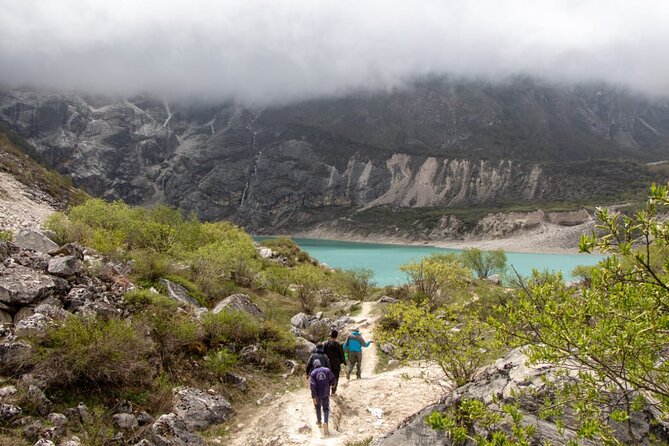
Then the trek starts to feel more “Himalayan” in a way you can measure. Day 7 takes you from Deng up to Namrung around 2,660 m. Day 8 goes toward Lho Gham around 3,180 m. Day 9 finishes this phase with Samagaun at about 3,530 m. These are not just numbers on a map. You’ll feel it in your pace and in the way you breathe.
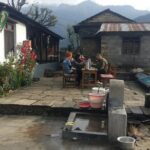
Samagaun becomes a key base point. It’s where your trek turns from “reach the next village” into “settle in and adjust.” And because you’re in the Manaslu area with Himalayan villages along the route, you get close interaction with different ethnic communities that live across hill villages in the region. You’re not just passing through. You’re stopping long enough to notice how daily life continues at altitude.
This is also where the trek’s cultural side can shine. The experience description emphasizes interaction with ethnic groups in hill villages, and the route’s reputation for being varied in landscapes and culture shows up in the feedback around this trek. I treat those days as the “slow down and look up” part of the trip: you’ll have time for conversations, photos, and just watching people move through their routines.
The Acclimatization Day: Optional Hikes Toward Base Camp and Birendra Lake
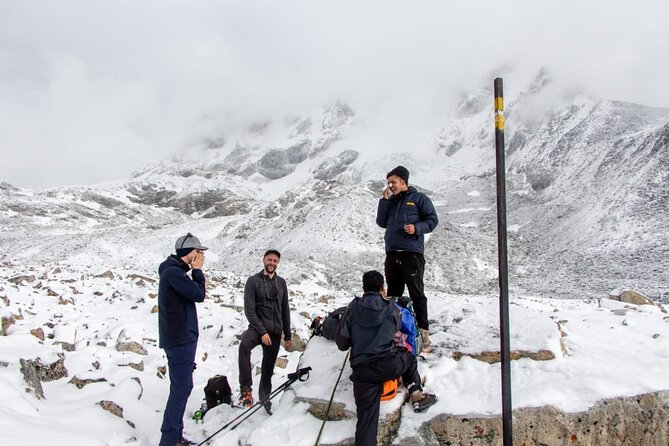
Day 10 is your acclimatization day at Samagaun, and it includes an optional hike. The itinerary lists a hike toward Manaslu Base Camp (about 4,800 m) and Birendra Lake (about 4,450 m), with an estimated 4 to 5 hours for the optional outing.
This day is one reason I like this trek plan. Rather than treating acclimatization as a checkbox, the schedule gives you a structured chance to adjust. Even if you choose the optional hike or you choose rest, the key benefit is you’re staying at a higher base and training your body to handle altitude changes.
Practical advice: if you’re tired or feel off, choose the lower-effort option without guilt. Acclimatization days aren’t a contest; they’re how you make the Larke Pass day safer and more doable.
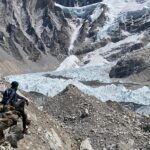
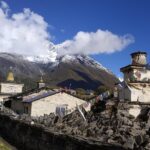
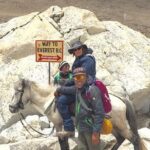
The Stepping Stones to Larkya Phedi: Samdo and the Dharamsala Setup
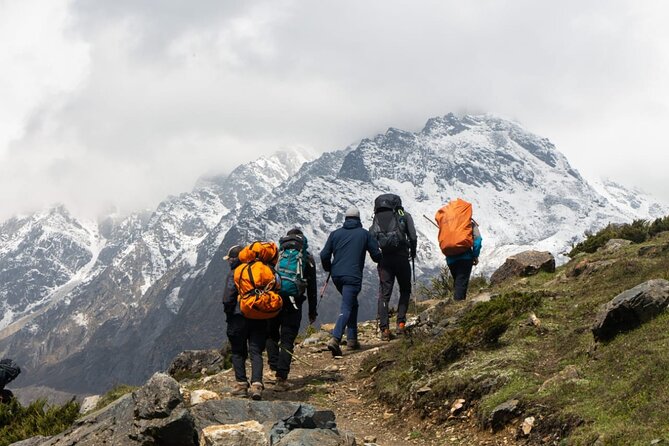
Day 11 moves from Samagaon up to Samdo around 3,860 m with a short trek time listed as about 2 to 3 hours. Day 12 goes to Larkya Phedi (also described as Dharamsala) around 4,480 m, roughly 4 to 5 hours.
These stages often feel like they’re building tension. You’re not just climbing; you’re preparing for the one big named obstacle day in the schedule. Larkya Phedi is where you’ll likely treat the next day like a mission: sleep, hydrate, organize layers, and be ready for a long push.
I also suggest mentally rehearsing the next day’s rhythm. When you start early and keep a steady pace, you avoid the “boom and burn” pattern that can happen when you’re excited to hit the pass.
The Larke Pass Day: Larkya Phedi to Bimthang via 5,160 m
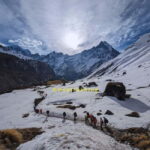
Day 13 is the heart of the trek: Larkya Phedi to Bimthang via Larke Pass at about 5,160 m. The trek time is listed as 10 to 12 hours.
This is where the trek stops being about incremental steps and turns into endurance. Even without adding extra assumptions, your schedule tells you what to expect: a very long day with the pass as the headline point. You’ll want to keep your effort controlled. If you go too fast early, you’ll pay later.
Gear logic matters here even if the tour handles most logistics. You’ll be at high altitude, so layers and a plan for changing weather matter. The itinerary doesn’t list clothing requirements, but altitude days always reward people who pack smart. If you’re unsure, ask the guide team before you leave Kathmandu. This guide support is one of the strongest parts of the experience, and it’s not something you should treat as optional.
Also, remember you still need to walk after the pass. The itinerary ends this day in Bimthang (around 3,720 m). That descent and transition can feel easier than the climb, but it can also be harder on knees and ankles if you’re not careful with foot placement.
Finishing Strong: Bimthang to Dharapani and the Return Drive to Kathmandu
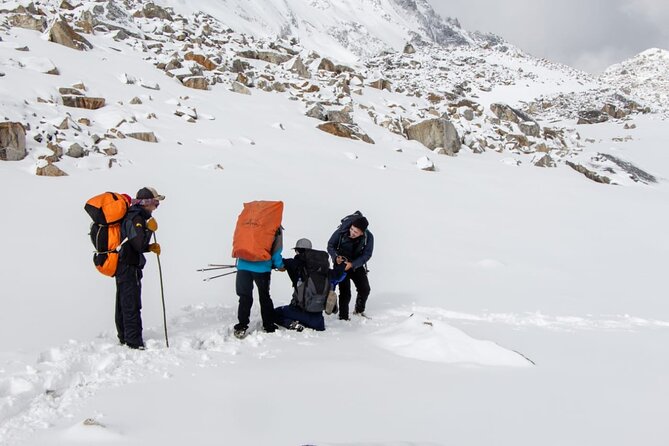
Day 14 is Bimthang to Dharapani in about 8 hours. Then day 15 brings you back to Kathmandu via Besishar by private vehicle, listed at around 12 hours. Day 16 is departure or extension.
This is a great finish pattern: you close the trek with one more walking day that still lets you feel the region, then you return with enough time in Kathmandu to regroup. By the time you hit Dharapani, you’ll feel the relief of being past the major high point, even if your legs are tired.
One more reason this trek works as a “whole experience,” not just a route: the planning includes that farewell dinner. When you finish a trek like this, a final meal with your guide and team helps you process the experience and say thank you properly.
What the Trek Feels Like Day to Day (and Who It Suits)
This trek is built around altitude progress and realistic pacing: valley days in the lower elevations, village days in the mid elevations, then higher villages and acclimatization, and finally the pass day. You don’t just get one dramatic climb; you get a sustained sequence of them. That’s why this can feel unforgettable, as the feedback around the experience suggests.
It’s also a people trek. The route is designed to bring you close to hill villages and ethnic communities along the way, and the guide team’s role shows up clearly in the feedback you do have. When people point to a guide by name—Durga/Durgan—it usually means they handled the “human” side: keeping the group moving, answering questions, and helping you make smart choices on the trail.
Who should consider this trek:
- You have strong physical fitness and you can handle long trekking days.
- You want a guided trek with permits and meals handled.
- You care about villages and culture, not only summit-style goals.
Who should think twice:
- If long days and high altitude stress you out, or if you’re looking for a short walk with minimal strain.
- If your budget is tight for extras, because drinking water, snacks, and hot showers are not included during trekking.
Should You Book This Manaslu Larke Pass Trek?
If you’re excited by big pass scenery and you want the trek to be more than a line on a map, I think it’s a strong choice—especially because the package covers permits, most meals, and the core staffing you need to stay safe and move efficiently. The private vehicle transfers are also a practical win, since they handle the messy parts between trail segments.
I’d book it if you like a structured pace: climbing gradually, pausing for acclimatization, and then taking the long pass day seriously. And I’d choose it confidently if you appreciate a guide team that’s been praised for staying attentive and helpful—Durga/Durgan is repeatedly mentioned for a reason.
If you’re on the fence, the deciding factor should be your readiness for the long days, especially the Larke Pass day listed at 10 to 12 hours. This trek gives you support, but it can’t replace your fitness.
FAQ
How long is the Manaslu Larke Pass Trek?
It’s listed as 16 days (approximately), starting in Kathmandu and ending back at the meeting point after the drive from Dharapani via Besishar.
Where does the trek start and end?
The meeting point is Thamel Marg, Kathmandu 44600, Nepal. The activity ends back at the meeting point.
Does the tour include transport and trekking permits?
Yes. It includes private vehicle transfers between destinations in the itinerary, and it includes the trekking permit and TIMS fees.
What’s included during the trek?
The tour includes all meals during trekking, all breakfasts in Kathmandu, one welcome dinner, and one farewell dinner. It also includes accommodation on a double occupancy basis, plus an experienced English-speaking guide, porters, and assistants.
What is not included in the price?
Not included are international flights, travel insurance, the visitor visa fee, personal expenses, and drinking water, snacks, hot shower, and WIFI during trekking. Extra costs due to unforeseen circumstances are also not included.
What do I need for booking, and what are the fitness requirements?
You need to provide passport details (name, number, expiry, and country). The minimum age is 18, and you should have a strong physical fitness level. Confirmation is received at the time of booking.