REVIEW · SHARM EL SHEIKH
From Sharm: Mount Moses Trekking, Sunrise & Monastery Visit
Book on GetYourGuide →Operated by OceanAir Egypt · Bookable on GetYourGuide
Mount Sinai at sunrise is a wow moment. This is one of those trips where the night hike itself feels like part of the story, and the payoff is huge. Add St. Catherine’s Monastery after the climb, and you get scenery plus sacred sites in the same long day.
I really like how this tour sets you up for the night climb with real guides along the way. I also like the St. Catherine’s Monastery visit, with its old manuscripts and religious artifacts that many people don’t get to see anywhere else in Sinai.
One thing to plan for: the logistics can be slightly chaotic. Pickup times in Sharm can shift, and the long drive means you should expect crowds and waiting before everything settles.
In This Review
- Key highlights worth your attention
- Why Mount Moses at night feels different than a normal hike
- Getting from Sharm to the mountain: long ride, plan to wait
- The climb to the summit: the 7 km approach and the 750 steps
- Camel options: available early, but not the goal
- Guides and pacing: helpful, but not always slow
- Sunrise at the top: it’s emotional, and it’s cold
- The descent and breakfast: plan for sore legs
- St. Catherine’s Monastery: the sacred stop after the hard part
- Timing reality: you may feel rushed if you’re wiped out
- What you actually pay for: $50 value, plus the usual extras
- Who should book this and who should skip
- Final call: should you book Mount Moses from Sharm?
- FAQ
- What time do they pick you up in Sharm?
- How long is the Mount Sinai trekking part?
- How many steps do you climb?
- Is a camel included?
- Is St. Catherine’s Monastery included?
- What should I bring for the trip?
Key highlights worth your attention
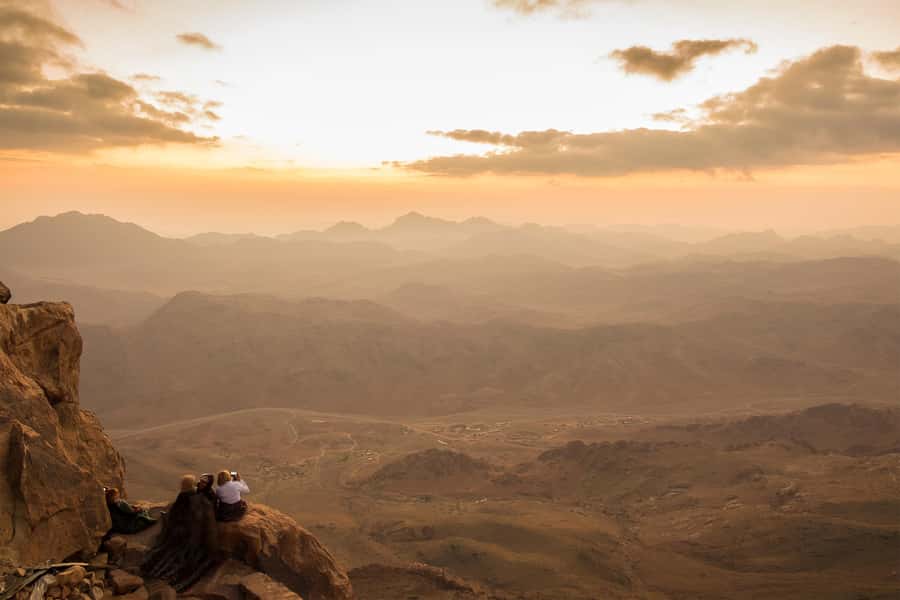
- A sunrise viewpoint you have to earn after climbing in the dark to reach the summit area
- Two-guide setup: an Egyptologist guide for the overall flow, plus a Bedouin guide for the trekking part
- The tough part is the last section: uneven ground followed by the infamous 750 steps
- Cold summit reality: wind and low temperatures mean layers and headlamp help a lot
- Monastery treasures: library materials and religious icons, plus a 6th-century church tied to the burning bush area
Why Mount Moses at night feels different than a normal hike
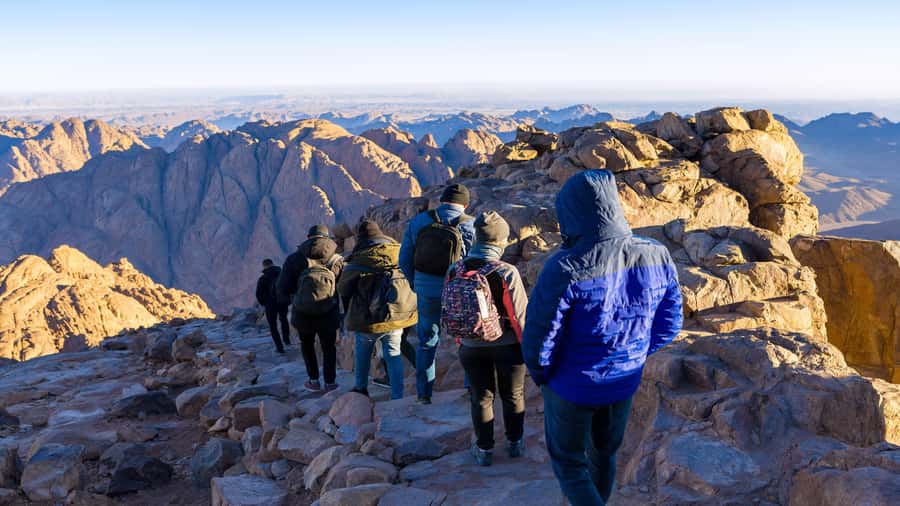
This isn’t a “walk in the park” day. The experience starts at night, when the mountain turns into a headlamp-and-steps kind of journey. You’re climbing while the desert is quiet, the stars are visible, and you’re moving through the night air toward a single moment: sunrise.
That format changes the mood. Daylight hikes feel like sightseeing. This one feels more like a ritual—step, pause, breathe, repeat. You’ll also understand why people treat Mount Sinai as a pilgrimage, even if you’re not visiting for religious reasons.
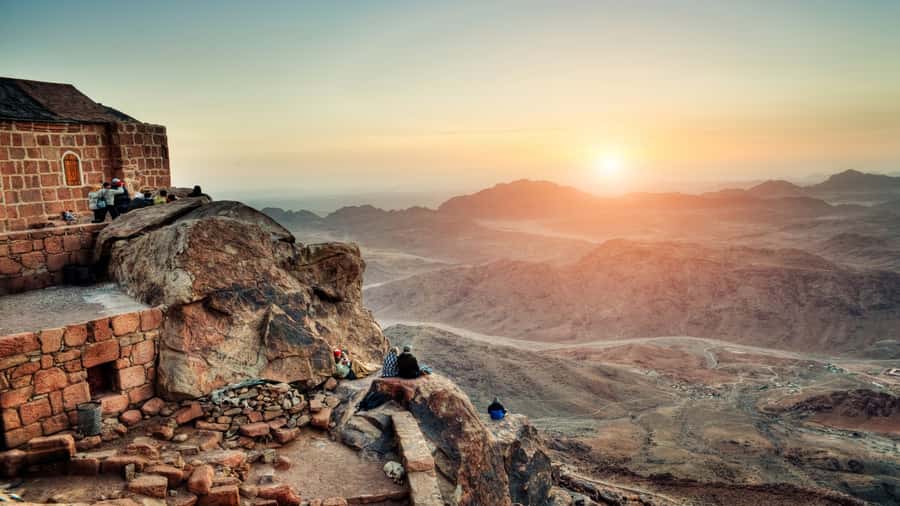
The summit payoff is not just the view. It’s the way the light slowly spreads over the valleys and ridges. Even when you’re cold and tired, watching the sky shift is the part that makes the whole day click into place.
Getting from Sharm to the mountain: long ride, plan to wait
You’ll be picked up from Sharm El Sheikh sometime between 8:00 PM and 9:00 PM, meeting at the main gate along the highway (not the hotel reception area). Then you ride an air-conditioned vehicle for about 4 hours toward the Mount Sinai/Moses Mountain area.
In practice, the timing can depend on how many hotels are included in the pickup route. One common pattern is multiple hotel pickups that create extra waiting. In at least one case, the group was eventually moved into a larger coach, and the ride got smoother after that.
Also, the bus is not always comfortable. Some people describe crowded seating or awkward leg room on the coach. Add in occasional stops during the drive, and you should treat this like a “night operation,” not a casual transfer.
My advice: eat a light meal before pickup if you can, keep a water bottle if you prefer your own, and pack a warm layer for the bus ride too. You’ll likely be awake for a long stretch, and comfort helps.
The climb to the summit: the 7 km approach and the 750 steps
Once you reach the base area, the trekking starts. From there, the climb is a mix of night walking and steep sections. A key detail: you’re climbing up to about 2,285 meters, and the well-known challenge is the 750 steps segment.
It helps to understand what “steps” means here. This isn’t always smooth stair design. Many people describe the steepest part as irregular stone steps or boulder-like steps—hard on calves and requiring constant balance. If you’re the type who likes a steady rhythm, you’ll still need patience, because the terrain forces short pauses.
The trek up is often around 2–3 hours, depending on the group pace and your performance. The descent is roughly 2 hours back down.
There’s also the “truth” factor about the trail. Expect uneven ground, and yes, camel traffic is part of the scene—so you might want light for your footing. Some people use phone flashlights; a headlamp is easier, especially with hands-free movement.
Camel options: available early, but not the goal
A camel trek is offered only at the start, and it’s described as up to the 750-steps section. The provider doesn’t recommend relying on camels for the whole ascent, and you should assume that at some point you’ll be walking those steps.
I think the camel option makes sense for one specific type of traveler: someone who wants to reach the sunrise but knows respiratory issues or leg fatigue could stop them. If you can handle the climb but just want to conserve energy for the steps, you can treat the camel as a partial aid—not a replacement for the summit portion.
Guides and pacing: helpful, but not always slow
There’s a good reason you feel safe: the Bedouin guides are active on the mountain and help manage the flow, especially on busy paths. Some guides also speak multiple languages and keep people together with frequent checks.
But pacing can still be brisk. A few people note the group moves faster than they personally prefer. If you want to go slow and keep your own breathing, it may take effort to manage that while staying close enough to the guide.
Sunrise at the top: it’s emotional, and it’s cold
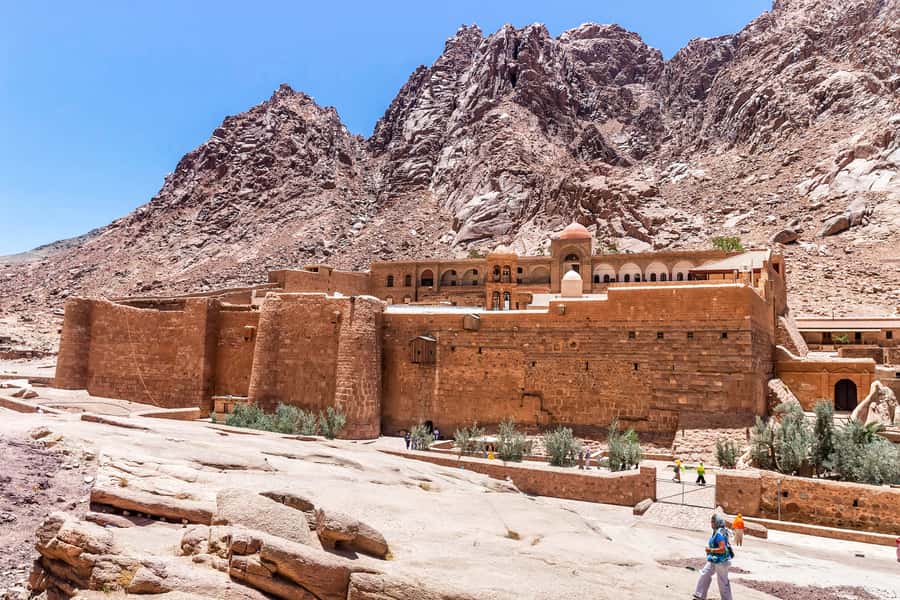
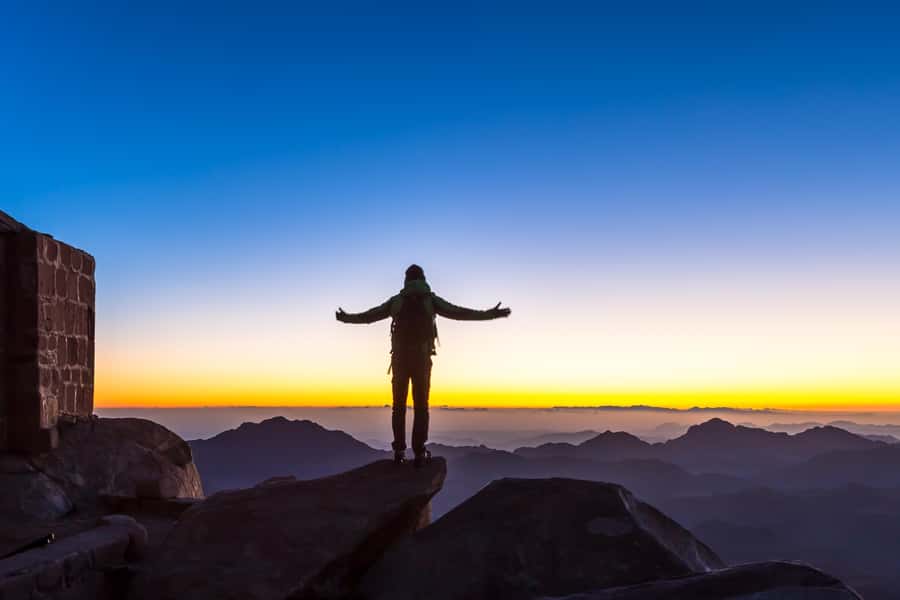
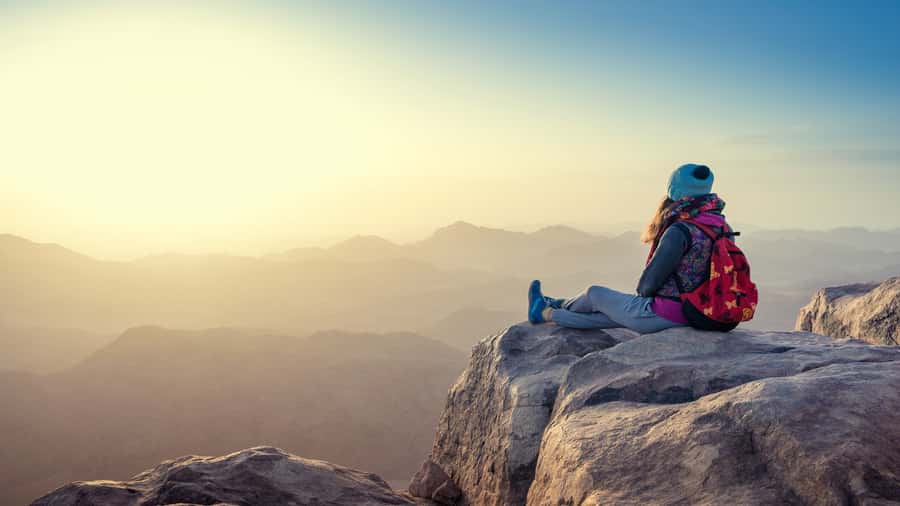
Getting to the summit early is part of the plan. Depending on timing, you may arrive about 2 hours before sunrise, giving you time to sit, take photos, and watch the first light creep across the mountain range.
This is where the trip becomes memorable. You go from darkness and wind to an open sky. Stars overhead give way to orange tones, then bright daylight. People also mention how peaceful it feels to wait together for the sun to arrive.
Now for the practical part: it can be seriously cold up there. Multiple travelers mention temperatures around -2°C, and others mention cold ranges like minus 5 to minus 10 at night. Wind can make it feel even colder.
So don’t trust a Sharm forecast. Bring real warm gear:
- a jacket you can zip up against wind
- a hat (or at least something to cover your ears)
- warm socks (even thick ones)
- hiking shoes with good grip
Many people also rent or buy warm items at the top area. One traveler mentioned a rented camel blanket around 200 EGP, which sounds like a small price to pay for feeling human while you wait.
To make sunrise easier, pack your layers so you can reach them quickly. You’ll sweat during the climb, then feel the temperature drop fast when you stop and wait.
The descent and breakfast: plan for sore legs
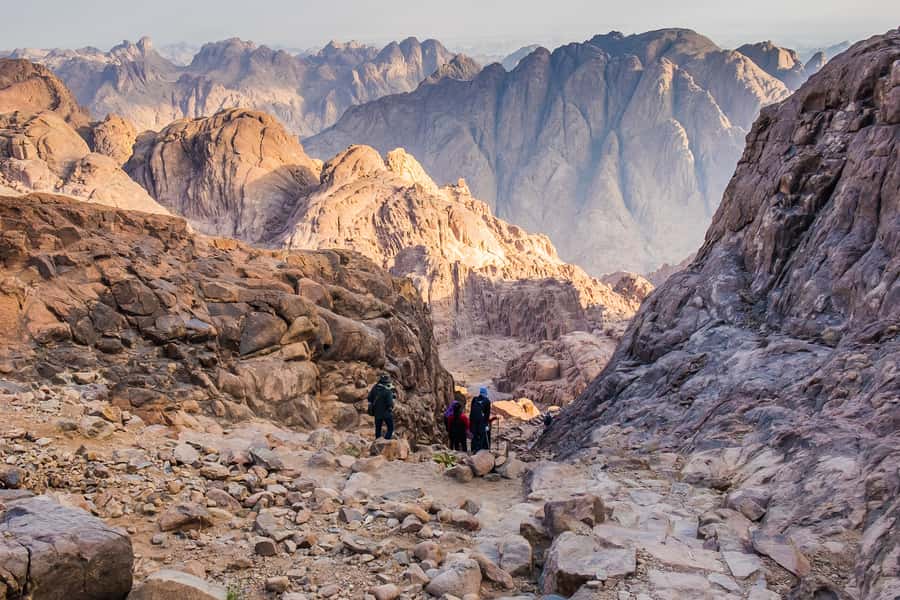
After sunrise, you begin the descent. It usually takes around 2 hours to reach the bottom. This is the part where your knees and calves get their revenge.
The good news is that the downhill often feels easier than the steepest climb segments, especially if you used your energy well and took breaks early. Still, go slow. Uneven stone steps are tricky when you’re tired.
Once you’re back down, you’ll have time to rest and then get breakfast. Breakfast is described as a box that must be pre-ordered from your hotel and collected before the tour starts. If your hotel is part of the pre-order plan, confirm it well in advance so you don’t scramble when you’re already exhausted.
Then it’s drive time back toward Sharm.
St. Catherine’s Monastery: the sacred stop after the hard part
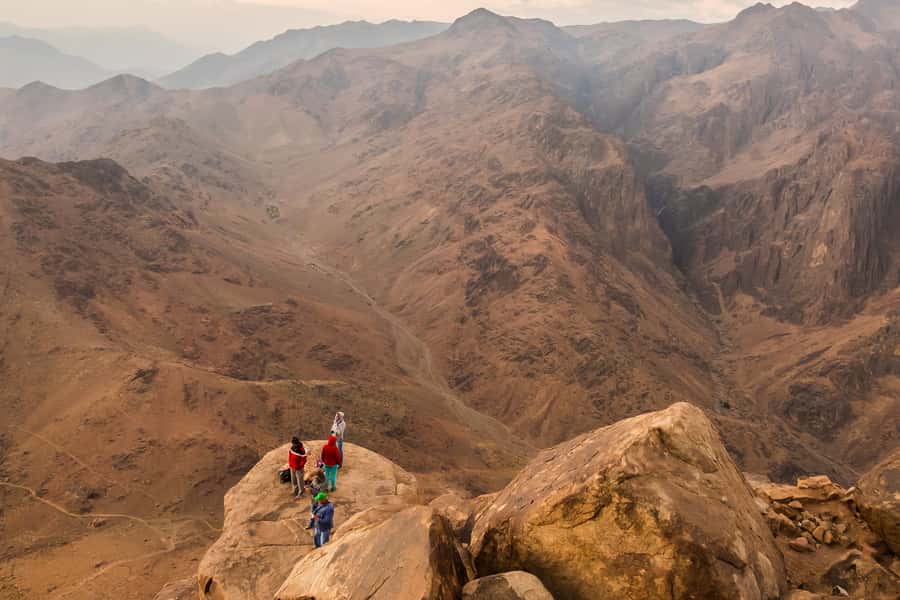
If the mountain is the physical challenge, the monastery is the spiritual payoff with a lot of “wow, this is old” energy.
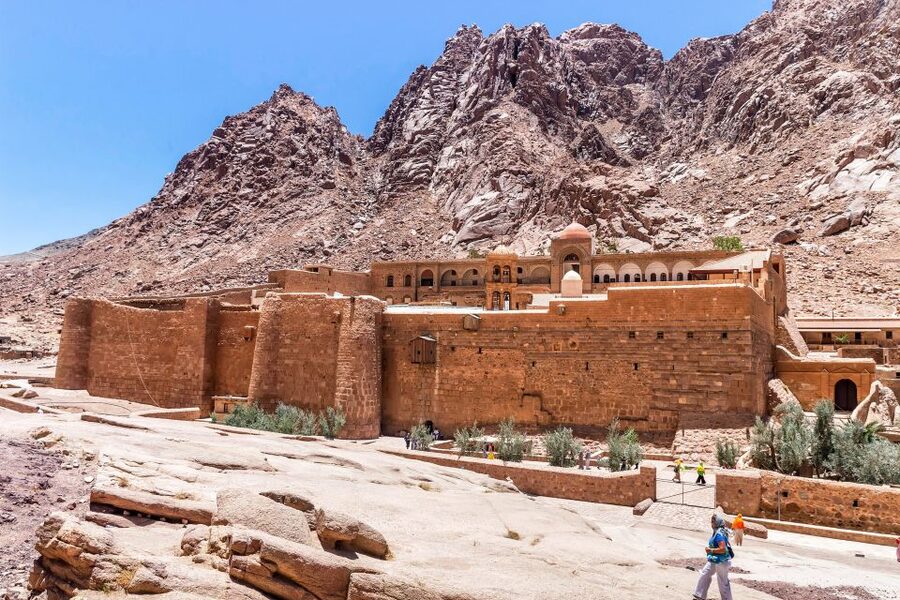
St. Catherine’s Monastery is a UNESCO World Heritage Site and is described as the oldest functioning Christian monastery in the world on the Sinai Peninsula. People come here for its religious artifacts and the sense that you’re walking through centuries, not just another museum.
Your visit includes time to explore:
- a library with old manuscripts on display
- icons described as having been excavated from the Vatican
- a 6th-century church located by the side of the burning bush
That “burning bush” connection matters because it links the site to the broader tradition around Moses and the Sinai moment. Even if you’re not visiting for doctrine, it helps you understand why so many pilgrims treat this region as more than a scenic backdrop.
Timing reality: you may feel rushed if you’re wiped out
Some people describe the monastery tour as shorter than they hoped, especially if the day’s climbing has already drained their energy. If you’re the type who likes to linger, arrive with a flexible mindset and pick what you want most.
Also note: the monastery is open every day except Sunday and Christian holidays. The exact holiday dates can change year to year, so check close to your travel date.
What you actually pay for: $50 value, plus the usual extras
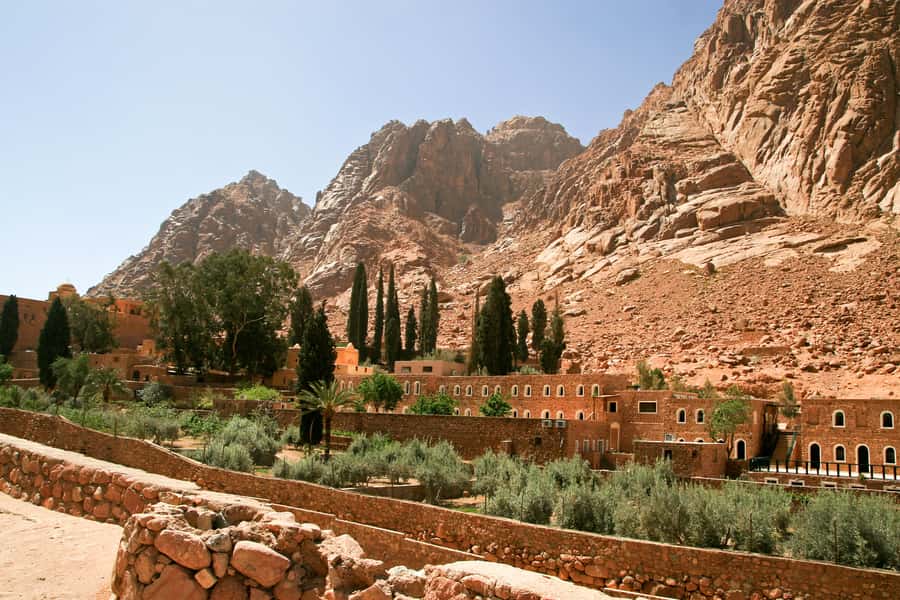
At about $50 per person, this tour can be good value because you’re getting a full long-day package: pickup and drop-off in Sharm, guided trekking support, monastery access, transfers by air-conditioned vehicle, and water.
But there are extras you’ll likely want:
- extra drinks
- snacks on the trail
- toilets along the route (described as basic and not always included)
- warm items like rented blankets
- optional camel segments if needed
Cash is helpful. Reviews mention that US dollars and euros are accepted in many places, and small bills are best. People also mention toilet fees in the range of 5–20 EGP, and snacks/drinks sold at small stops with separate pricing.
My rule for this kind of trip: carry a small cash stash for quick needs. Don’t plan on being able to settle everything by card.
Who should book this and who should skip
This tour is not for everyone, and you’ll want to respect that.
It’s not suitable if you have issues like shortness of breath or bone pain, and it’s not recommended for older travelers. It’s also listed as not suitable for children under 14, pregnant women, and wheelchair users.
If you’re fit and comfortable walking uphill at night, this can be an unforgettable day. Just be honest about difficulty: one review compares the trekking to about 7 km one way, with steep nighttime effort and a big final stair/step push. The distance is manageable on paper, but the conditions make it harder.
This is also a strong choice if you want an experience that feels more “local sacred journey” than a standard sightseeing day. People mention how it feels like a mini pilgrimage—quiet, demanding, and meaningful.
Final call: should you book Mount Moses from Sharm?
Book it if you:
- want sunrise views from a summit you reach on foot
- like guided experiences but can handle a steady pace
- are prepared for real cold, especially when you pause at the top
- have a budget that includes small cash extras for snacks, warmth, and basic facilities
Skip it (or choose a different option) if you:
- hate night walking
- have breathing or mobility limits
- don’t want to deal with cold wind and uneven stone steps
- feel strongly about having lots of time at the monastery (this day can be tiring)
If you do book, pack smart: warm layers, solid shoes, and a light for the dark trail. The day is hard, but the sunrise and the monastery stop are the kind of memories that stick.
FAQ
What time do they pick you up in Sharm?
Pickup is scheduled between 8:00 PM and 9:00 PM. You meet at the main gate of your hotel area along the highway, not at the reception desk.
How long is the Mount Sinai trekking part?
After reaching Mount Sinai, the trek up takes about 2–3 hours depending on the group. The descent back down takes around 2 hours.
How many steps do you climb?
You reach the summit area by climbing 750 steps (with the mountain approach described as steep and uneven before that).
Is a camel included?
A camel trek is only available at the start, up to the 750 steps. The provider does not recommend using camels for the whole ascent, and you’ll need to climb the steps on foot.
Is St. Catherine’s Monastery included?
Yes. After the mountain descent, you visit St. Catherine’s Monastery, including time to see the library area and other treasures described by the tour.
What should I bring for the trip?
Bring your passport, warm clothing, a jacket, hiking shoes, comfortable clothes, and food. A flashlight or headlamp is very helpful for walking at night, and cash is useful for small purchases along the route.