REVIEW · SIDEMEN VILLAGE
Sidemen Trekking: A Walk from a Different Perspective
Book on GetYourGuide →Operated by SIDEMEN TREKKING · Bookable on GetYourGuide
Sidemen Trekking in Bali feels like a timeout from Bali’s most commercial routes. You start at the traditional market, then move through rice terraces and quiet village lanes with Subak irrigation stories that explain how daily farming really works.
The walk is short enough to fit easily into a day, but you should plan for narrow, slippery paths and a bit of up-and-down terrain.
What I love most is how the route is one-way, so you experience Sidemen from different angles instead of repeating the same track. I also really like the small-group feel (max 10) with an English-speaking guide who can point out what’s growing and why it matters. One thing to consider: the trek ends at a restaurant in Ogang Village, so you’ll want transport set up in advance.
In This Review
- Key things that make this trek worth your time
- Where your Sidemen trek really starts: Upa Boga to Pasar Sidemen
- The one-way route toward Mount Agung views (and why it feels different)
- Jembatan Kuning (Yellow Bridge) and the irrigation paths you’ll actually remember
- Dukuh village: temples, daily work, and seeing more than rice
- Babakan Dukuh rice terraces: viewpoints that aren’t just for selfies
- The price and what you’re really paying for ($13 for a guided working landscape)
- Logistics that matter on this one-way trek: transport and the finish at Warung Ume Anyar
- What to wear: shoes, sun gear, and why sandals are a bad idea
- Who this trek is for (and who should skip it)
- Guides you might meet and what they tend to focus on
- Should you book Sidemen Trekking?
- FAQ
- How long is the Sidemen trekking experience?
- Where do I meet the guide?
- What’s included in the price?
- What’s not included?
- Is the trek suitable for children or older adults?
- What should I bring, and what footwear is not allowed?
Key things that make this trek worth your time
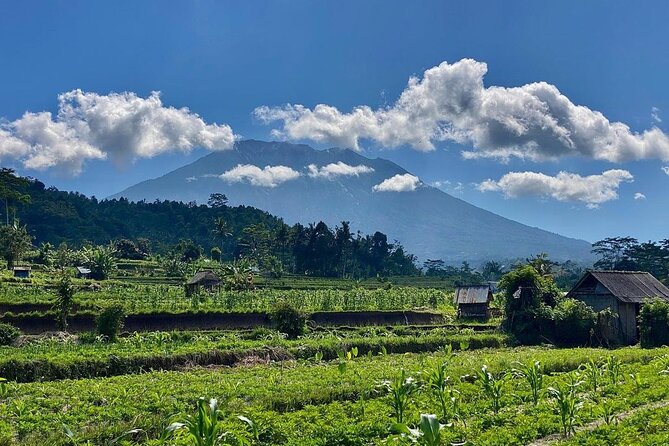
- One-way route through mixed plantations, not a simple loop
- Mount Agung viewpoint energy without the crowds
- Jembatan Kuning (Yellow Bridge) and the irrigation paths around it
- Subak Ogang irrigation system explained as you walk past it
- Village + temple stops where you see daily routines, not staged sights
- Small group pace with plenty of photo stops and time to ask questions
Where your Sidemen trek really starts: Upa Boga to Pasar Sidemen
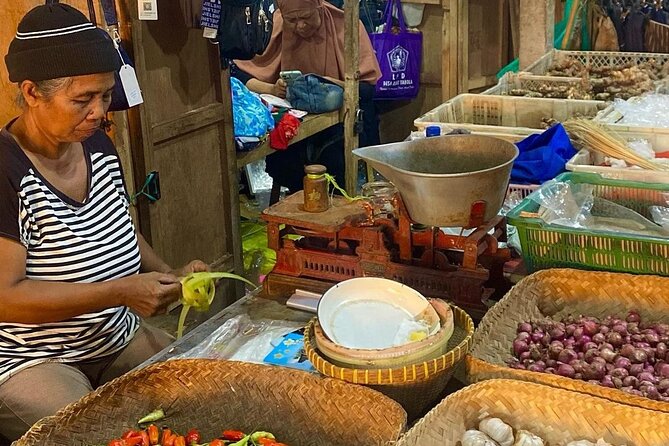
Your walk begins at Toko Upa Boga Pertenunan, then you head to Pasar Sidemen, the traditional market on the main street. If you arrive early, you can also catch some market browsing before trekking, since the market runs from 5:00 AM to 10:00 AM. That matters because it sets context fast: Sidemen isn’t just scenery—it’s a working place.
The market stop is brief (about 10 minutes), but it’s long enough to orient you. You’ll see the food market side of daily life, and you’ll understand what kind of community this is before you even step into the rice fields. If you book a later session, you may miss the market, so consider whether you want that morning pulse or prefer to go straight to the walking.
Also, don’t assume you can just drop in and figure it out on your own. The meeting point is specific: look for the shop with the sign Upa Boga, and your guide meets you there. The guide is live and in English, which helps a lot once the trekking starts and you’re surrounded by farming systems you don’t see in most Bali tours.
You can also read our reviews of more tours and experiences in Sidemen Village.
The one-way route toward Mount Agung views (and why it feels different)
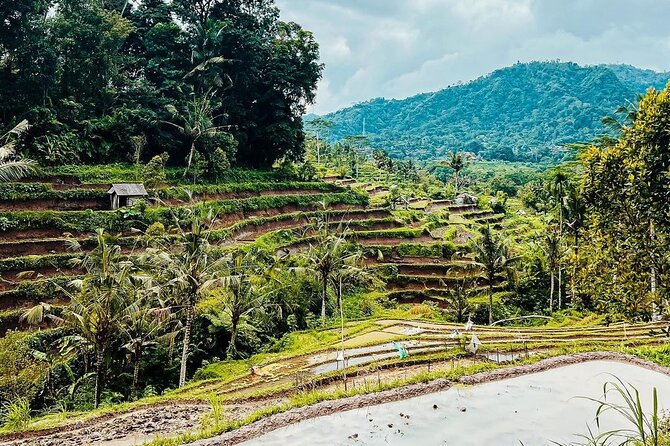
The big idea behind this trek is simple: it’s one-way. You don’t turn around and walk the same path back. Instead, the route is designed to give you continuous scenery and changing plantation areas as you go.
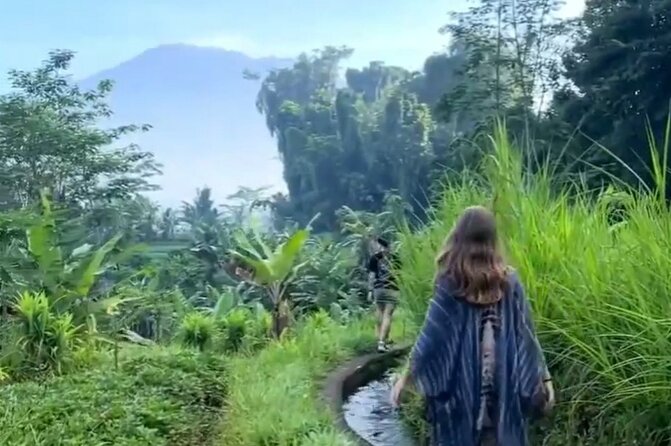
From there, the walk goes upward and downward along village streets before bringing you back toward the rice paddies again. You’ll also follow irrigation paths where water is guided through the system, and you’ll take directions toward Mount Agung. Even if you don’t get a perfect view at every moment, the direction and elevation changes help you understand why these terraces look the way they do.
I like that this approach naturally slows you down. When you’re not retracing steps, you pay attention to what’s next: different crops, different field textures, and different ways water and soil connect. It’s the kind of route that makes the experience feel practical, not just pretty.
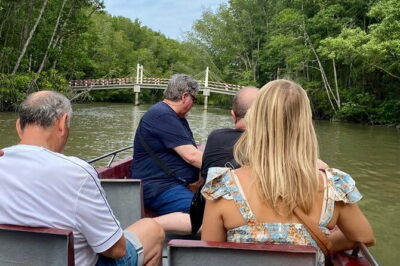
One more thing: the route involves a hanging wooden bridge and narrow paths. That’s part of the charm, but you should treat it like a real walk, not a stroll.
Jembatan Kuning (Yellow Bridge) and the irrigation paths you’ll actually remember
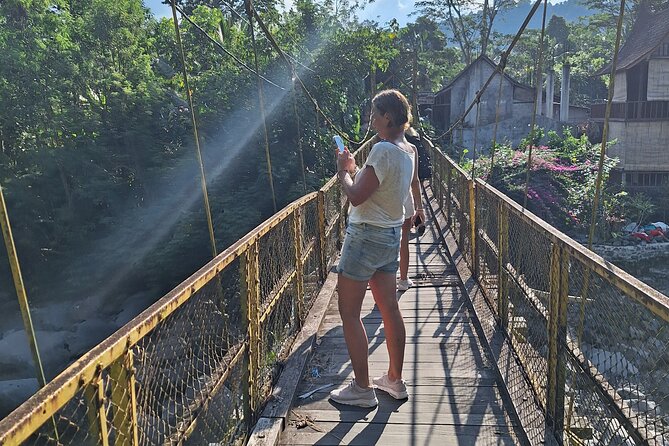
At around the midpoint stretch, you’ll stop at Jembatan Kuning Tukad Yeh Unda. It’s a photo stop and it’s also a real-life waypoint. The bridge is described as fit for both motorbikes and humans, which tells you something important: this isn’t a set built for visitors. It’s infrastructure used by locals.
Expect the bridge to be a noticeable moment in your trek. Some guides keep the pace relaxed here, so you can get your footing, take photos, and ask questions about what’s around you. In general, the best way to handle a bridge like this is with patience: slow steps, keep your balance, and don’t rush the photo sequence.
From that point you move through more of the irrigation story. You’ll walk past where water comes from, follows channels, and supports farming through the Subak system. Subak is a traditional irrigation practice, and the trek frames it in a way you can see with your eyes rather than just hear about in a lecture. If you’re the kind of traveler who likes explanations tied to actual places, this is a strong match.
Dukuh village: temples, daily work, and seeing more than rice
After the bridge, the trek continues to Dukuh village. This segment is about 25 minutes, with a visit and plenty of “walk by and look around” moments. The goal here is not to turn you into a statue tourist. It’s to show you the human rhythm: homes, routines, and the small-scale nature of farming.
You’ll pass a temple used for local praying. That stop adds meaning because it reminds you that agriculture and spirituality are tied together here. You might not get a scripted cultural performance, and that’s the point. You’re watching how the community fits together.
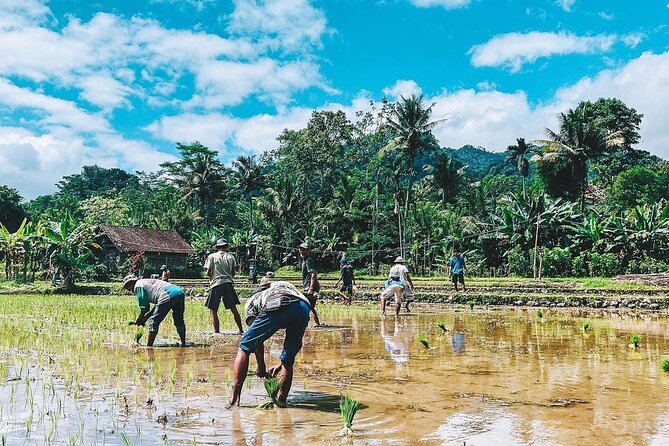
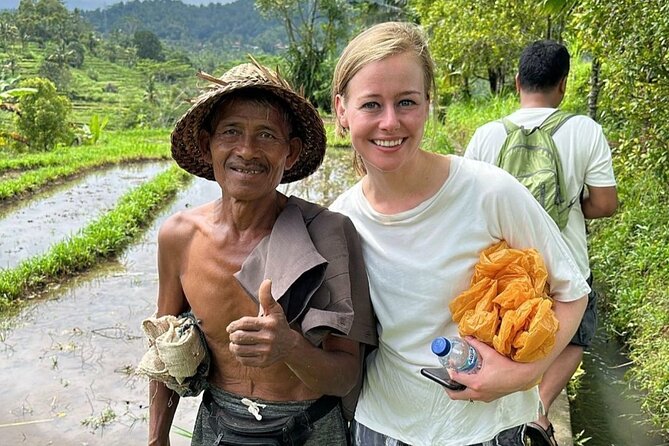
Then the trek moves deeper into what makes Sidemen different from the more famous Bali rice-view zones. You’ll see locals working their fields: plowing, cultivating, planting seeds, and harvesting. The fields look calm, but the activity tells you the land is managed constantly.
One practical note: paths between fields can be narrow, and sometimes they can feel slippery, especially when the ground is damp. A guide can keep you moving safely, but you still want your legs ready.
Babakan Dukuh rice terraces: viewpoints that aren’t just for selfies
The final big scenic focus is Babakan Dukuh Rice Terrace. This part takes about 45 minutes and includes photo stops and sightseeing, but it’s also where the trek’s education clicks.
You’ll get viewpoints to admire the rice terraces from afar, then you’ll experience them from closer within the walking paths. That “different perspective” theme is exactly what makes this feel more authentic than many short scenic lookouts. Instead of just staring at terraces, you walk through the working network of fields.
You’ll also pass through areas with “mixture plantation,” meaning you’re not only seeing one crop. That matters because it reflects how real farms function—fields aren’t always uniform blocks. It also changes the visuals as you go, so the trek doesn’t turn into one repeated view.
Mount Agung can appear in the background depending on conditions. Even when the mountain isn’t clear, the valley depth and terraced layers still give you a strong sense of why this area has become a farming powerhouse.
If you want photos, you’ll get them. Guides often stop at spots that work for group shots, and many trekkers highlight how their guides helped capture pictures without rushing anyone. Still, bring realistic expectations: you’re walking on paths that aren’t built for photo ops. Your job is to balance safely first.
The price and what you’re really paying for ($13 for a guided working landscape)
At $13 per person for a 2-hour trek, the value is surprisingly solid. You’re paying for more than walking. You’re paying for someone local who can interpret what you’re seeing: irrigation (Subak), local crops, and how village life runs alongside the farming calendar.
That’s why the “small group” part matters. Max 10 participants means you’re not lost in a crowd. It’s easier to hear the guide and ask questions when you’re at stops like the Yellow Bridge or in the terrace viewpoints.
You also get practical extras: bottled water is included, and you’re in a route designed for a one-way flow so you’re not spending the trek bouncing back and forth.
If you’re comparing this to other Bali activities, treat it like a half-day feel without the full-day cost. It’s short, guided, and built around everyday systems, not just scenic consumption.
Logistics that matter on this one-way trek: transport and the finish at Warung Ume Anyar
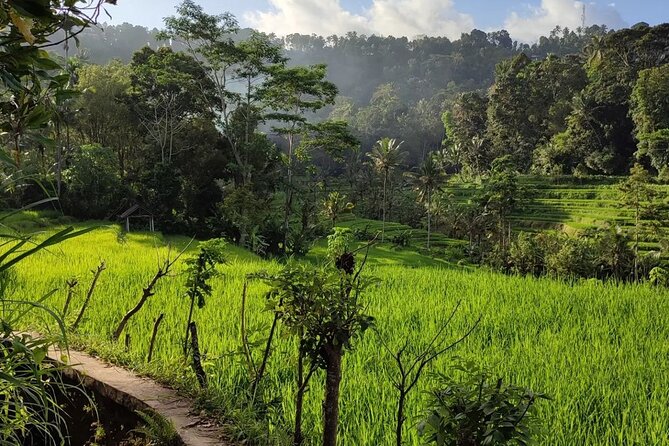
The trek finishes at Warung Ume Anyar Restaurant in Ogang Village. That’s not just a nice ending—it affects how you plan the rest of your day. Since the experience runs about 2 hours, you’ll want transport arranged so you’re not stuck searching once you’re done.
If you’re staying in Sidemen, you’ll likely need hotel-arranged transport to reach the start. Grab can be tricky here because some hotels in Sidemen do not allow Grab drivers to pick up from hotels (drop-off only). The key is to think of transport as part of the plan, not an afterthought.
If you need a backup option, there’s also an optional walk back: about 3 km or 30–40 minutes along the main road. It’s good to know, even if you probably won’t want to do it in the heat.
Also, consider the guide’s schedule and your own pace. The trek is described as having varied plantations and scenery in one continuous experience, so it’s not meant to be rushed.
What to wear: shoes, sun gear, and why sandals are a bad idea
This trek is outdoors and active. The rules are clear: don’t wear sandals or flip-flops. You’ll want hiking shoes or sports shoes with grip.
Bring sunglasses, a hat, sunscreen, and something breathable for the humid walking. If you’ve done Bali walks before, you already know the sun can hit hard once you’re in open fields. Even if the trekking time is only 2 hours, it’s long enough to feel it.
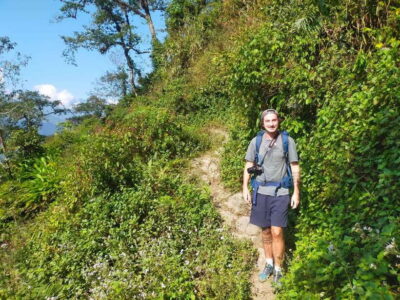
From the way the route is described, expect high grass at times and uneven ground. One of the most practical tips from real experience: wear shoes that can handle slippery narrow walls between fields. That’s when good traction becomes the difference between relaxed and stressful.
Who this trek is for (and who should skip it)
This is best for people who want an off-the-beaten-track view of Bali through farming life. If you enjoy practical explanations tied to what you can see—irrigation routes, temple context, crops, and village work—this trek fits your style.
It’s also a smart pick if you’re staying in or near Sidemen and you want a short activity that feels meaningful. The small group size helps keep it friendly and question-friendly.
On the flip side, it’s not suitable for:
- children under 5
- pregnant women
- people with heart problems
- people over 60
- people with low level of fitness
That’s because the walk includes going up and down streets and handling narrow paths and a hanging bridge. So be honest with yourself. If you’re unsure, choose comfort and safety over “toughing it out.”
Guides you might meet and what they tend to focus on
English-speaking guides lead the trek, and you’ll see names from past groups like Wayan, Komang, Daria, Adidas, Adi, and Gede Darya. You can’t count on a specific person, but you can count on the role: the guide is there to connect you to what you’re walking through.
Across the experience, the most praised guidance tends to cover:
- how rice terraces are used and managed
- how irrigation through Subak supports planting cycles
- what farmers are doing at different stages (plowing to harvesting)
- how to take photos without losing the group’s rhythm
If you’re chatty, this works well. If you prefer quiet sightseeing, it also works because you’re not forced into constant talking; the terrain and stops do a lot of the talking.
Should you book Sidemen Trekking?
Book it if you want a short Bali activity that feels grounded in daily life. The combination of rice terraces, village lanes, bridge moments, and Subak irrigation explanations is the kind of package that gives you more than a postcard.
Skip it if you dislike uneven footing, slippery narrow paths, or bridges, or if you fall into the stated non-suitable categories. Also, if you don’t want to think about transport to the start and from the finish, book only if you can arrange a ride to Pasar Sidemen and from Warung Ume Anyar.
My final take: for $13, you’re paying for a local, guided walk through an active farming area. That’s the value play here.
FAQ
How long is the Sidemen trekking experience?
The duration is 2 hours.
Where do I meet the guide?
Meet at Pasar Sidemen (Sidemen Traditional Market) on the main street. Look for the shop sign Upa Boga, and your guide will meet you there.
What’s included in the price?
A guide and bottled water are included.
What’s not included?
Hotel pick up and drop off are not included.
Is the trek suitable for children or older adults?
It’s not suitable for children under 5 years old or people over 60. It’s also not suitable for pregnant women or people with heart problems or low level of fitness.
What should I bring, and what footwear is not allowed?
Bring sunglasses, a hat, hiking shoes or sports shoes, and sunscreen. Sandals or flip flops are not allowed.