REVIEW · LOMBOK
Trekking Rinjani Mountain Summit 2 Days 1 Night – Em Adventure
Book on Viator →Operated by Em Adventure · Bookable on Viator
A climb at night always wakes you up. This 2 days 1 night Mount Rinjani summit trek from Sembalun puts you on the crater rim for sunset and sunrise, then pushes to the peak early for that wide, volcanic light show. I especially like the small-group feel and the way your time is guided from start to finish—pickup, registration, pacing, and a real mountain plan.
One thing to weigh: it’s not a casual hike. The final approach involves steep volcanic scree, and a few details can depend on your guide’s English level—so if you need precise timing/distance explained on the move, ask early. Also, you should be mentally ready for the reality that the mountain trails can attract trash, so plan to carry out what you bring in.
In This Review
- Key highlights worth your attention
- Price and logistics: what you’re really paying for
- Day 0 in Sembalun: why the hotel night matters
- Day 1: the gentle start, then the crater-rim payoff
- Day 2: the 2:00 am wake-up and the summit on volcanic scree
- Guides, porters, and the small-group difference
- Food, water, and what to pack so you don’t regret it
- Equipment: what’s provided and what you must still bring
- Weather and the one reality you can’t out-tough
- Should you book this Rinjani summit trek with Em Adventure?
- FAQ
- How long is the Mount Rinjani summit trek?
- What does the tour include at night and on the mountain?
- Do I get picked up from my location?
- Is the entrance fee to Gunung Rinjani included?
- What time does the trekking start from Sembalun?
- What time do you reach the summit?
- Is the experience suitable for beginners?
Key highlights worth your attention
- Crater rim camping for sunrise and sunset: You’re not only chasing the summit. You also get the long, atmospheric views from camp.
- Early summit attempt with hot drinks: You start around 2:00 am with a light breakfast, then hit the summit around 6:00 am for sunrise.
- Licensed guide plus local porters: You’re not “solo trekking” with gear chaos. The team model keeps the day structured.
- Meals and water handled on the mountain: Three meals daily, plus mineral water on day one and spring water on day two.
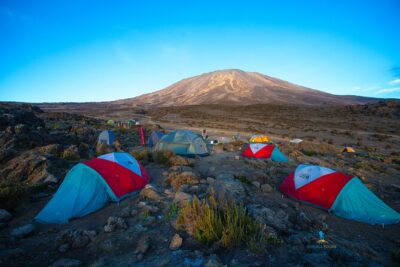
- Camping gear included: Tent, sleeping bag, bed mat, toilet tent, and pillow are part of the package.
- Group size capped for smoother hiking: Up to 6 is stated for the experience, with a max activity cap of 8.
Price and logistics: what you’re really paying for
At $225 per person for a 2-day, 1-night summit trek, this sits in the “mid-range but fully loaded” category—meaning you’re paying for the work that matters on a volcano trek. You’re not just buying a route; you’re buying a team (licensed guide and porters), camping setup, meals, park entrance fees, and transport plus the pre-trek hotel night in Sembalun.
What makes the value feel real is how many core costs get bundled:
- Park entrance fees are included (150,000 IDR per day per person).
- Camping equipment is included, including practical items like a toilet tent.
- You also get pickup by air-conditioned vehicle from several Lombok areas and one night in a hotel in Sembalun before the trek.
The practical tradeoff: tips and personal expenses are not included. On a trek like this, tipping is part of how many guides and porters earn the extra income that the base price doesn’t cover. If you dislike that idea, budget ahead so you’re not scrambling at the end.
You can also read our reviews of more tours and experiences in Lombok.
Day 0 in Sembalun: why the hotel night matters
You don’t just appear at the trailhead. The schedule starts with a pickup the day before the hike, then a transfer into Sembalun and hotel time in town.
That hotel night is more than a convenience—it’s altitude and fatigue management. Even if you’re fit, showing up well-rested helps you enjoy the first climb, get your body used to the pacing, and sort your gear before the summit push. It also gives you time to register at the Rinjani information center the next morning.
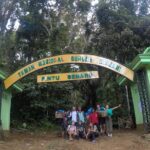
Start time is set up for an early day: trekking begins around 8:00 am on day one after breakfast and registration.
Day 1: the gentle start, then the crater-rim payoff
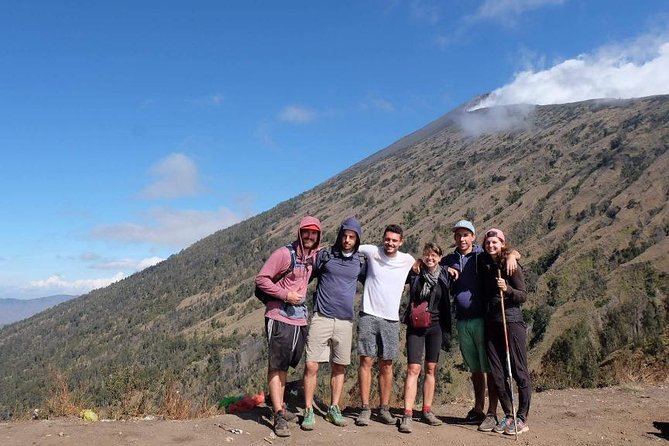
Day one is built like a ramp: start calm, climb steadily, then work your way into the real views.
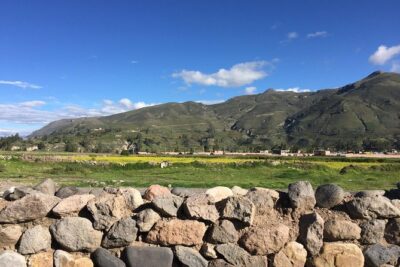
You begin from Sembalun at 8:00 am with a gentle climb through open meadow. This part is intentionally not a wall. After about two hours, you reach Post 1 (around 1300 m). From there, another 40 minutes gets you to Pos 2 (around 1500 m).
Then the route continues up to Pos 3 (around 1800 m), where you stop for lunch and a rest. This is where day one earns its keep. If you’re the type who likes the journey, not just the summit photos, this midday pause lets you reset, eat well, and keep your energy for the push toward camp.
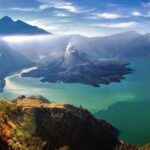
After lunch, you head to the crater rim (around 2639 m). The climb takes about three hours, and that includes a prolonged steep section. Once you’re on the rim, you camp for the night.
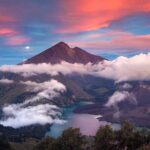
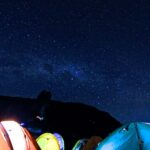
Here’s the key: the crater rim is not only a stopover. It’s the main emotional moment of day one. Expect sunset and the chance to see sunrise light up the volcano the next morning—so you’re doing more than “survive and go.” You’re building a full atmosphere.
Practical note from the mountain reality: don’t overpack clothes for the peak. One traveler’s tip was to bring less clothing to the summit. Layers are still useful, but you don’t want a heavy bag climbing steep scree in the dark.
Day 2: the 2:00 am wake-up and the summit on volcanic scree
Day two starts in darkness. Around 2:00 am, you wake up with a hot drink and light breakfast. You begin heading toward the summit at 3:00 am.
The trek is described as moderate at first, then becomes a longer but fairly easy stretch. That helps: you’re not constantly sprinting uphill. Then comes the hard final piece—climbing steep volcanic scree where the footing can feel looser.
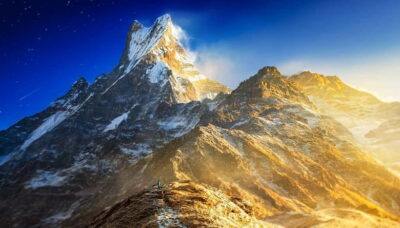
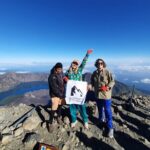
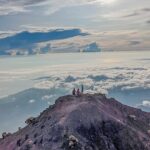
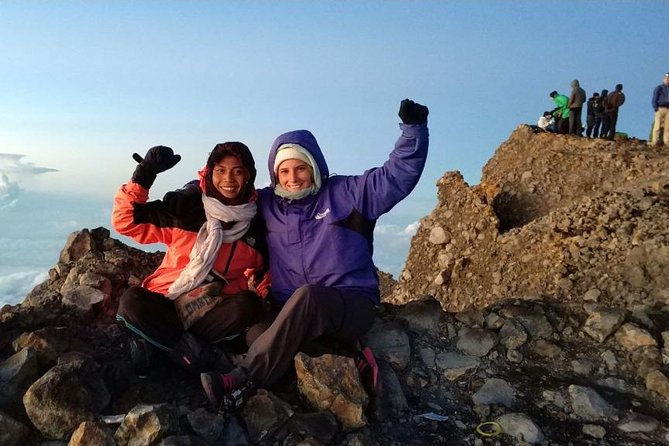
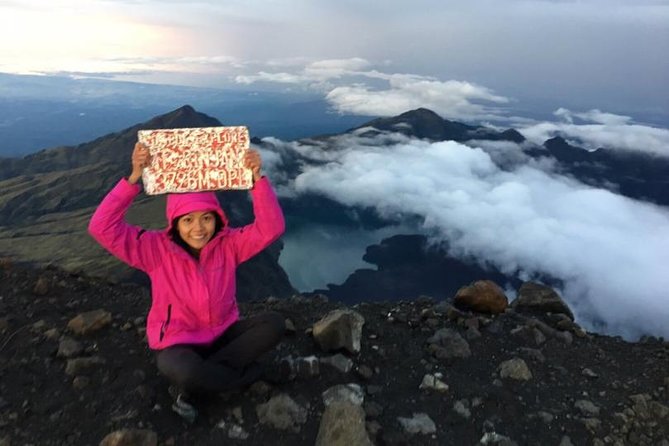
At about 6:00 am, you reach the summit (around 3726 m), timed for sunrise. This is the payoff day. You’ll see the horizon glow from a high, volcanic world, and you’ll feel that specific kind of satisfaction only a real summit delivers.
After the summit, you start descending back toward the crater rim within about two hours. Then you continue down to Sembalun, taking around five more hours to reach Sembalun village and finish the trip.
If you want a simple way to judge whether this suits you: you’ll need stamina for a long, early start and comfort with loose volcanic terrain. If your knees complain easily on scree descents, plan on slow, careful steps.
Guides, porters, and the small-group difference
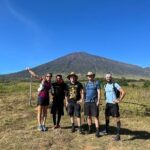
This trek is led by a mountain guide with local porters, and the experience emphasizes small groups (up to 6 stated, up to 8 max activity cap). For summit hikes, small-group structure matters because:
- You get steadier pacing and fewer bottlenecks.
- The guide can manage the group’s energy instead of just “moving everyone along.”
- Logistics (camp setup, meal timing, and water) run smoother when fewer people are involved.
In real-world feedback you can trust, the guide and organization have come up as standout strengths. One traveler specifically praised Pam for doing an excellent job on the hike and for the quality of the overall trip. Another highlighted Mr. Em and the team as a reason the route worked well from pickup through overnight lodging.
One balancing note: language can be a factor. If your comfort depends on detailed explanations in English, be ready to ask questions early in the day—especially about timing and distance.
Food, water, and what to pack so you don’t regret it
Meals are included three times daily on the mountain. Day one includes mineral water, and day two includes mountain spring water. That’s a real benefit because carrying more water than you need on a volcano trek is a fast way to fatigue yourself.
Still, I like to think like this: your stomach is part of your gear. A helpful tip from past trekkers was to bring medicine and consider an alternative food option if you don’t handle local flavors well. The itinerary moves fast enough that if you get stuck with an upset stomach, it affects everything from summit energy to descent focus.
What I’d pack with you in mind (based on what’s relevant to a summit/scree trek, not random suggestions):
- A small personal medicine kit.
- A backup snack you trust (something you can eat even when you’re tired).
- Basic rain gear or a light shell, since you need good weather for the experience to operate.
- Sunglasses and sun protection. This is Lombok and you’ll be climbing with exposed views for much of the day.
And one more practical thing: trash management. If the trail has trash, you can’t control all of it—but you can control your own. Bring a small bag for your waste and keep your footprint clean.
Equipment: what’s provided and what you must still bring
Good news: the camping equipment list is handled. You’ll have:
- Tent
- Sleeping bag
- Bed mats
- Toilet tent
- Pillow
That’s a big cost-and-stress saver. A lot of treks fail because people arrive unprepared for basic overnight comfort, then end up miserable and slow the next day. This package reduces that risk.
What you still need is the usual trekking basics—clothes you can walk in for hours, layers for early morning cold, and footwear suitable for steep and loose ground. The description calls out steep scree at the summit approach, so shoes with grip matter.
Also, remember your gear weight. Since one tip was not to bring too much clothing to the peak, choose smart layers rather than bulk.
Weather and the one reality you can’t out-tough
This experience requires good weather. That’s not a marketing line—it’s the difference between a safe route and a cancelled one. If poor weather cancels the trek, you’ll be offered a different date or a full refund.
I recommend you treat the booking as tied to your flexibility. If your dates are fixed and you can’t move plans, you may want to line up backup days or keep your schedule open around the trek window.
The other condition: a minimum number of travelers is required. If it doesn’t meet the minimum, they’ll offer another date/experience or a full refund.
Should you book this Rinjani summit trek with Em Adventure?
I’d book it if you want a guided, structured summit hike that handles the hard logistics for you: hotel night in Sembalun, registration, porters and camping setup, meals, and a real plan for crater rim camping plus a sunrise summit push.
I would hesitate if:
- You’re not comfortable with a night start (around 2:00 am wake-up) and a long day on loose volcanic scree.
- You strongly need very detailed English explanations on timing and distances while walking.
- You dislike any trip where trash on trails might be an issue and you’d prefer a “clean and controlled” environment.
If you’re fit, flexible, and ready for the mountain rhythm, this looks like a solid value for a Mount Rinjani summit attempt—especially because the trekking organization, guide/porter support, and full camping/meals package are baked into the price.
FAQ
How long is the Mount Rinjani summit trek?
It runs for 2 days, including trekking from Sembalun, camping on the crater rim, and returning to Sembalun village to finish.
What does the tour include at night and on the mountain?
Camping equipment is included (tent, sleeping bag, bed mats, toilet tent, and pillow). Meals are included three times daily on the mountain, plus mineral water on day one and spring water on day two.
Do I get picked up from my location?
Yes. Pickup is included from several Lombok areas, including the airport, Kuta, Mataram, Senggigi, Bangsal, Labuhan Lombok, Tetebatu, and Senaru.
Is the entrance fee to Gunung Rinjani included?
Yes. The national park entrance fee is included at 150,000 IDR per day per person.
What time does the trekking start from Sembalun?
After breakfast and registration, the trek starts at 8:00 am on day one. The meeting point start time is listed as 7:00 am.
What time do you reach the summit?
You start the summit trek at about 3:00 am on day two and reach the summit at about 6:00 am for sunrise.
Is the experience suitable for beginners?
You should have strong physical fitness. The route includes steep climbs and a steep scree approach on the summit day, so it’s not ideal if you’re new to hikes like this.