REVIEW · CUSCO
5-Day: Salkantay Trek to Machupicchu and Humantay Lake
Book on Viator →Operated by Mega Expeditions · Bookable on Viator
Wake up early in the Andes for real magic. This Salkantay trek mixes high passes, jungle heat, and the big payoff of Machu Picchu sunrise, timed so you’re inside the gates when the light hits. I like that the route feels practical and guided end-to-end, with porters and horses handling the heavy stuff so you can focus on walking.
My other favorite part is how the days are paced around altitude and transitions: Humantay Lake on Day 1, Salkantay Pass on Day 2, then Santa Teresa’s warm-down in the jungle before you roll into Aguas Calientes. The one drawback to consider is simple: this is a serious hiking trip at high elevation (with a moderate fitness requirement), so if your idea of fun is a lot of sitting, this won’t match your style.
In This Review
- Key Highlights That Matter in Real Life
- Salkantay vs. the Usual Inca Road: Why This Route Feels Different
- Day 1: Humantay Lake with Early Pickup, Horses, and a First Camp View
- Day 2: Salkantay Pass at 4,600m and the Apus Prayer Moment
- Day 3: Jungle Trek Toward Sahuyaco and a Santa Teresa Reset
- Day 4: Santa Teresa Zip Line Option or the Railway Walk to Aguas Calientes
- Day 5: Machu Picchu Sunrise, a Private Guided Tour, and the Long Return to Cusco
- Price and Value: Is $360 a Fair Deal for 5 Days?
- What You’ll Really Need: Fitness, Packing, and the 5kg Backpack Rule
- Weather, Timing, and Ticket Confidence (What Could Disrupt You)
- Who This Trek Fits Best (and Who Might Want a Different Plan)
- Should You Book This 5-Day Salkantay Trek to Machu Picchu?
- FAQ
- What time do you get picked up in Cusco?
- What’s included for meals and lodging?
- Do I need to bring a sleeping bag?
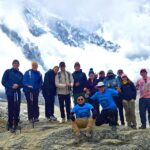
- How big is the group?
- Are there optional add-ons for Machu Picchu or the return trip?
- Is Cocalmayo hot springs included?
Key Highlights That Matter in Real Life
- Small group size (max 15): easier to move as a team and actually hear your bilingual guide.
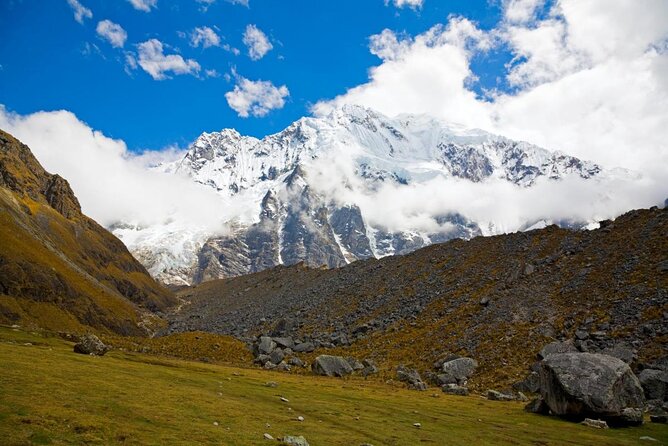
- Salkantay Pass at 4,600m: the toughest altitude moment, with a guide-led spiritual stop at the top.
- Humantay Lake at 4,200m: steep enough to feel earned, with time to take in the views.
- Santa Teresa hot springs option: Cocalmayo is right there after trekking days, at an extra cost.
- Machu Picchu sunrise + private 2-hour guided tour: you get structure first, then time on your own.
- Backpack weight management: up to the first 3 days, you keep it light (max 5kg carried by horse).
Salkantay vs. the Usual Inca Road: Why This Route Feels Different
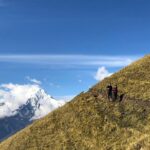
If you want Machu Picchu but also want the journey to be the point, Salkantay is built for that. One day you’re working at high altitude with Andean snow peaks looming; another day you’re walking through a more tropical feel as the elevation drops. It’s not just scenery hopping. You’ll feel the Andes change under your feet.
The tour’s structure helps you handle that shift. You get a guide who can explain what you’re seeing (Spanish-English), plus organized transport so you’re not piecing together buses and meeting points by yourself. In one small-group departure, the guide Roger stood out as super helpful and friendly, which matches the overall vibe you want on an active trip like this—support that keeps things smooth when your legs are done negotiating.
You can also read our reviews of more tours and experiences in Cusco.
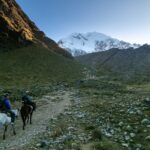
Day 1: Humantay Lake with Early Pickup, Horses, and a First Camp View
Day 1 starts before most cities have their first coffee run. Pickup is included between 5:30 and 6:00am in Cusco, but plan for the reality of very early departures (the day-one flow also points to an around 4:30am start). From there, you take a bus for about 4 hours.
You’ll make a quick break in Mollepata at around 2,900m for roughly 30 minutes. Then the ride continues to Challacancha, where you meet your porters and horses. This matters more than it sounds: the tour carries your backpack for the first stretch (horse support is part of the plan), and you’re also limited to a max 5kg personal backpack carried by horse in the first 3 days. That keeps the hike more doable, especially after a long travel start.
Your hike follows to Soraypampa at about 3,900m, taking roughly 4 hours. This section runs beside the Inka water irrigation channels, so it’s not random dirt road trekking. You’re walking alongside an agricultural logic that still has presence today. Once you reach Soraypampa, you set up the first base camp and eat lunch with views of Salkantay’s snow peak. Expect temperatures that can swing—around 10°C in the day and 2°C at night—so you’ll want layers you can actually use.
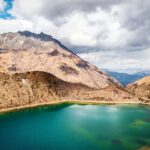
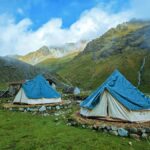
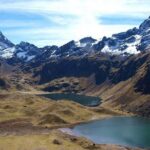
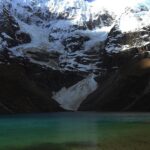
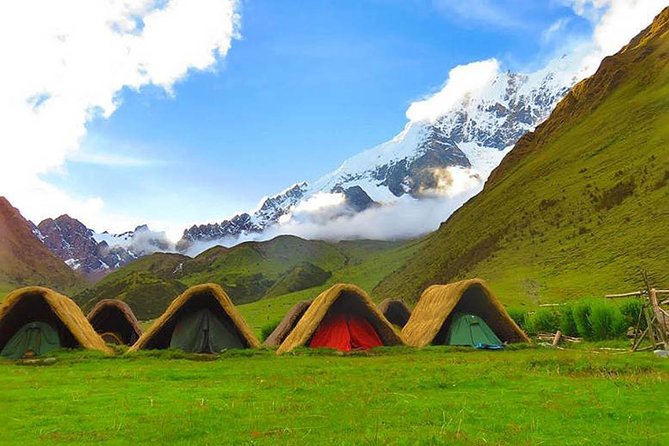
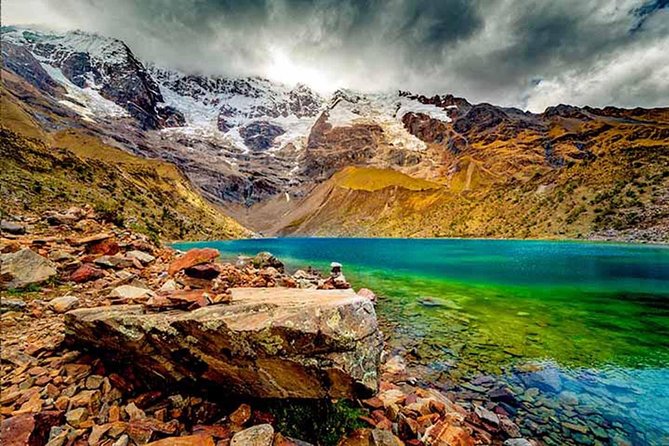
After lunch, you walk to Humantay Lake at about 4,200m for about 1 hour 30 minutes. The lake visit is positioned as your big Day 1 moment: higher altitude, big views, and enough time to take photos without feeling like you’re sprinting. You’ll sleep in a camp setup with seasonal-style tents and a straw-style roof layer, which is a reminder that you’re not in a hotel—bring a practical attitude toward comfort.
What could feel hard: that first day is a lot of early time, altitude, and then a second climb to Humantay Lake. If you’re sensitive to elevation, pacing yourself early is key.
Day 2: Salkantay Pass at 4,600m and the Apus Prayer Moment
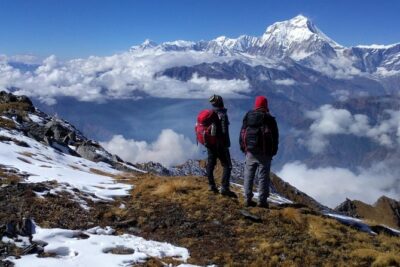
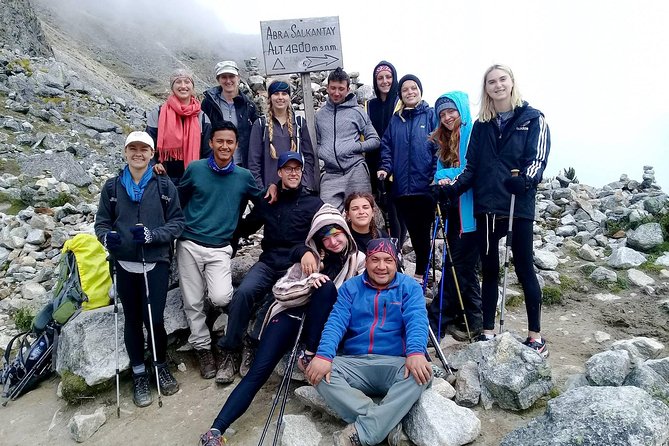
Day 2 is the classic “big summit” day. Before you hike, the assistant wakes the group with tea to help you acclimatize. You also get breakfast, then you start about a 3-hour climb toward the Salkantay Pass (4,600m).
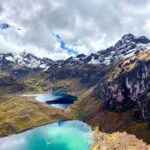
At the top, the tour includes a moment inspired by how the Inkas approached passes—praying and asking the Apus (Mountain Gods) for permission to pass. You don’t need to be spiritual to appreciate this part. It frames the pass as more than a line on a map. It’s a cultural pause right where the physical challenge peaks.
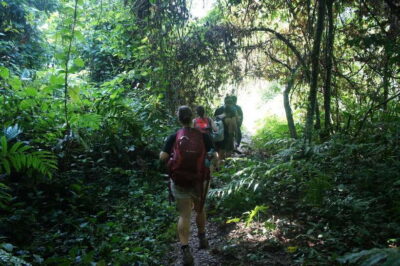
After the pass, you walk downhill toward Wayracpunku (also referenced as HuayraPampa) for lunch. Then the route continues into the high jungle transition. This isn’t “low jungle postcard” trekking. You’ll notice big trees extending over streams, with bromeliads and orchids showing up along the way. It’s a change in plant life that signals you’re moving between worlds.
You finish around Chaullay at roughly 2,900m, after about 5 hours of walking. Dinner and rest follow at camp. This is where the guide and group logistics matter—your day gets long, but you’re not wandering. You’re moving through a planned corridor.
Possible drawback: it’s long and altitude-heavy. Even if you’re fit, the pass day demands respect. Go slow, sip water, and don’t treat this like a race.
Day 3: Jungle Trek Toward Sahuyaco and a Santa Teresa Reset
Day 3 is when the trip starts to feel less punishing and more like you’re traveling through Peru in layers. Breakfast is around 6:30am, then you head toward Sahuyaco (La Playa) around 2,000m. The plan includes jungle trekking here, and you’ll feel the temperature differences—about 25°C day and 14°C night.
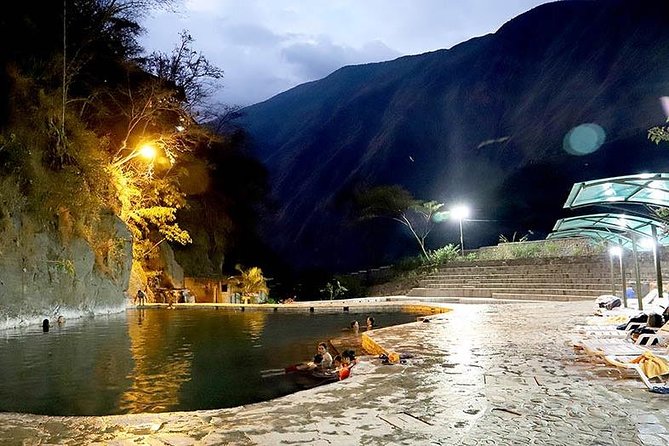
After lunch at Sahuyaco, you continue by transport to Santa Teresa at about 1,550m. Then the base camp setup and recovery begins. You’ll also get the option to enjoy Cocalmayo hot springs as a relaxing reward.
One important detail: hot springs aren’t included. The spot cost is listed at $6.00 USD if you want to soak. I like this setup because you control the timing and energy level—after a hiking day, it’s nice to have a clear “recovery option” that isn’t forced.
You finish with traditional Peruvian dinner and rest, ready for the Day 4 transition to Aguas Calientes.
Day 4: Santa Teresa Zip Line Option or the Railway Walk to Aguas Calientes
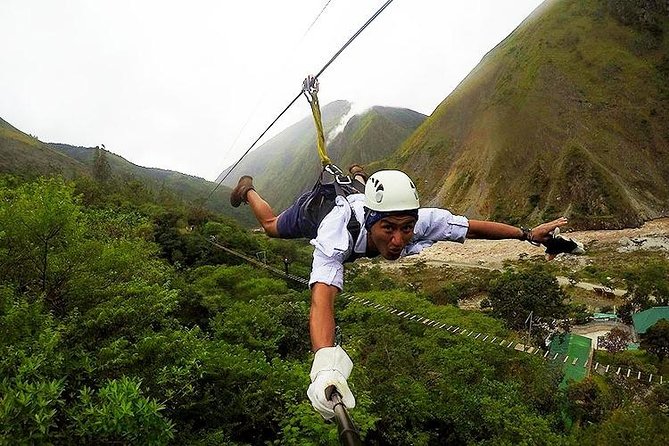
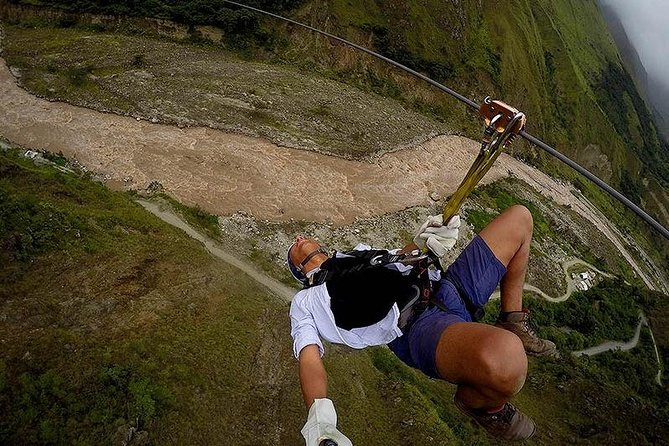
Day 4 splits into two paths depending on what you booked. After breakfast, transport picks up the people who booked the zip line activity, described as about 2 hours 30 minutes with 6+ cables. The longest line is about 1 kilometer, and there’s a maximum speed of 70 km/h. The setup also includes a climbing rock and a suspension bridge. If you want an adrenaline break after trekking, this is one way to do it.
If you didn’t book the zip line, the alternative is a 2-hour trek from Santa Teresa to the hydroelectric area, which becomes the meeting point. From there, the full group joins for lunch and a break.
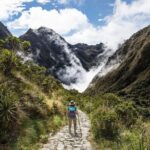
Then you walk along the railway path through the jungle. It’s framed as a route the Inca understood well, and your hike follows the lines toward Aguas Calientes. The walk is about 3 hours, with waterfalls and ecological farms along the way, plus a chance to see wildlife (if you’re lucky, and if the group stays alert).
You reach Aguas Calientes around 5:00pm. You sleep in a hostel overnight, then gather for dinner at a local restaurant and an informative session about the Machu Picchu visit ahead. That prep matters because your sunrise timing on Day 5 doesn’t leave room for confusion.
Day 5: Machu Picchu Sunrise, a Private Guided Tour, and the Long Return to Cusco
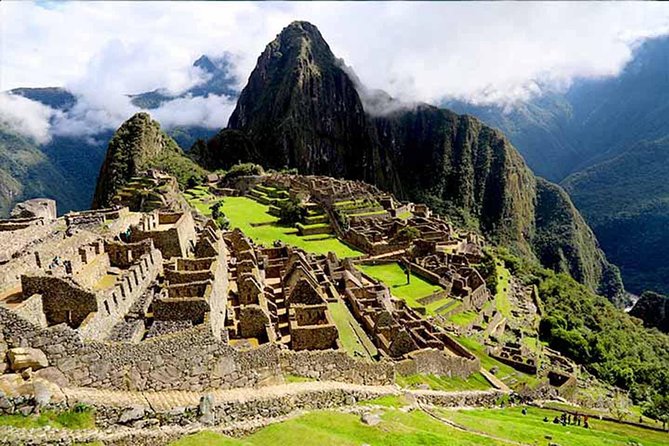
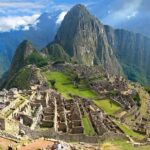
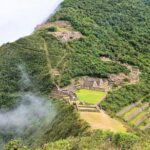
Day 5 is the reason you signed up. You’re ready around 4:00am, climbing toward Machu Picchu along an ascending path through high jungle areas so you arrive in time for sunrise. The control entrance is around 6:00am, then you get a private guided tour for 2 hours inside the citadel.
This is a good format. First, you understand what you’re looking at—how the structures and terraces relate. Then you get free time to walk at your own pace, take photos, and linger where you connect.
You also have a clear plan for leaving. At 11:30am, you return by walking about 3.5 hours back to the Hydroelectric area. Then the bus is waiting and takes you back to Cusco, with an arrival in the around 10:00pm range.
Worth knowing (optional add-ons):
- There’s an option to add an extra night in Machu Picchu town for $30, then return the next day. This is especially helpful if you want to climb Huayna Picchu or Machu Picchu Mountain.
- Huayna Picchu itself is an additional $30 USD if you want that climb.
- You can also add the train for a more comfortable return and more time in Machu Picchu. The train runs from Aguas Calientes to Ollantaytambo (about 1 hour 40 minutes), then car transport brings you back to Cusco, dropping you near San Francisco Square around 10:00pm.
Price and Value: Is $360 a Fair Deal for 5 Days?
At $360 per person, this trek sits in a “value but not cheap” range—and the fairness depends on what you’d otherwise pay if you built it yourself.
Here’s what you’re getting baked in:
- Professional bilingual guide (Spanish-English)
- Machu Picchu entrance arranged in advance (the plan notes booking with 2 months lead time, and offers alternative options if something needs adjusting)
- Full camping gear except the sleeping bag (so you don’t have to source everything)
- 3 nights camping + 1 night hostel (private hostel for couples)
- All fees and taxes
- Private transportation
- Meals included for 4 breakfasts, 4 lunches, and 4 dinners (while Day 1 breakfast and last-day meals are listed as not included)
- Porter/horse support with the practical 5kg rule for the first 3 days
When you price out permits, a real guide, transport, and camping coordination, $360 starts to look more like “a practical package” than “a bargain.” And your biggest cost risks are usually the extras: hot springs ($6), zip line if you want it, and optional $30 add-ons for extra climbing or extra night.
So yes, I’d call it good value if you want an organized trek and you’re willing to do the hiking yourself.
What You’ll Really Need: Fitness, Packing, and the 5kg Backpack Rule
The tour is aimed at people with moderate physical fitness. That doesn’t mean couch-to-peak. It means you should be comfortable hiking for hours, handling a tough altitude day, and staying steady in a group.
The biggest practical help is the backpack weight system. For the first 3 days, your backpack is carried for you using horses, with a stated personal carry limit of 5kg. That turns the trek into a “carry yourself, not your whole camping world” experience. You still have to manage your own daypack for water and layers, but you’re not lugging the heavy gear up the pass.
Packing advice based on what’s stated:
- Plan for cold nights around 2°C in the early camp areas.
- Bring a sleeping bag yourself (it’s explicitly not included).
- Bring layers you can shed and add while moving between high altitude chill and jungle warmth.
And yes, your legs will feel it. That’s normal. The best move is to keep your effort consistent and don’t sprint any section just because you feel good at the start.
Weather, Timing, and Ticket Confidence (What Could Disrupt You)
This experience requires good weather. If it’s canceled because of poor weather, you’ll be offered a different date or a full refund. That’s one of those “no one controls the sky” realities, especially in mountainous areas.
Timing is also tight on the Machu Picchu day. You’re climbing early to catch sunrise, then you’re guided for 2 hours before you go free-roam. When you’re on that schedule, it helps to already know how you handle mornings—if you hate early starts, treat this as a challenge you’ll probably need to commit to.
Ticket sanity helps too. The plan says Machu Picchu entrance is booked with two months in advance, and if plans shift, there are more options available via the provider.
Who This Trek Fits Best (and Who Might Want a Different Plan)
This is best for:
- Adventurous travelers who want active days and don’t mind changing elevations quickly
- People who want structure: transport, camping gear, meals, and guiding without planning every step
- Travelers who like the idea of a small group (max 15) rather than a mass tour
It may not be ideal for:
- Anyone who can’t handle altitude or long hiking hours at 4,600m and surrounding elevations
- Travelers who want mostly flat walking and lots of downtime
Should You Book This 5-Day Salkantay Trek to Machu Picchu?
I’d book it if you want the best kind of travel fatigue: the productive kind. You’ll hike a serious pass, see Humantay Lake up high, cross into warmer jungle zones, and arrive at Machu Picchu with sunrise timing and a guided introduction. The package value is strong because so much is included—guiding, gear, permits, meals, and the transport web that can otherwise be annoying.
Don’t book it if you’re mainly chasing comfort. This trip rewards people who can handle early starts, colder camps, and a tough Day 2. If you’re good with that, it’s one of the more meaningful ways to reach Machu Picchu—because the walk is part of the story, not just the delivery method.
FAQ
What time do you get picked up in Cusco?
Pickup is included between 5:30am and 6:00am. The day’s schedule also indicates an early start that can be around 4:30am.
What’s included for meals and lodging?
You get four nights total: 3 nights camping and 1 night in a hostel. Meals included are 4 breakfasts, 4 lunches, and 4 dinners. Breakfast on Day 1 and the last day’s meals are listed as not included.
Do I need to bring a sleeping bag?
Yes. The tour includes full camping gear except for the sleeping bag, which is personal.
How big is the group?
The group size has a maximum of 15 travelers.
Are there optional add-ons for Machu Picchu or the return trip?
Yes. You can add an extra night in Machu Picchu town for $30, climb Huayna Picchu for $30, and you can also add the train to return after Machu Picchu for more time and comfort.
Is Cocalmayo hot springs included?
No. Cocalmayo hot springs are not included. The listed cost is $6.00 USD if you want to go.