REVIEW · DARJEELING
Singalila Ridge Trek from Darjeeling – 6 Days
Book on Viator →Operated by Ashmita Trek & Tours · Bookable on Viator
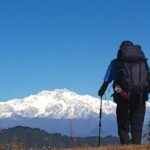
Ridge walking with big sky views. This trek strings together the Singalila Ridge between Nepal and India, then pushes on to Sandakphu, the highest point in West Bengal, for major Himalayan panoramas.
I really like how the day-to-day hiking feels like a true ridgeline journey, not a series of quick stops. You’ll also appreciate the support side: meals, hot tea and coffee, and a qualified local trekking guide are part of the deal.
One thing to weigh: the trail includes steep climbs and fast altitude gain, especially on the way to Sandakphu. If you’re not used to uphill walking, plan to take it slow and steady.
In This Review
- Key Highlights You’ll Actually Feel
- A 6-Day Ridge Trek Between Nepal and India
- Price and Value: What You’re Really Paying For
- Getting There: Darjeeling, the Early Meet, and Shared Jeep Transfer
- Day 1: Gurdum and the First Highlands Feeling
- Day 2: The Steep Push to Sandakphu
- Day 3: Sabargram Sunrise Views and Phalut’s Cloud Mood
- Day 4: Phalut to Gorkhey Through Forest and Border Country
- Day 5: Samandin, Ramam, Stream Junctions, and Timburey Home Stay
- Day 6: Timburey to Rimbeek and the Finishing Walk
- Food, Tea Houses, and the Practical Comfort Level
- Guides, Permits, and Safety: How Support Works Here
- What to Pack (and What to Leave Out)
- Who This Trek Fits Best (and Who Should Reconsider)
- Should You Book the Singalila Ridge Trek From Darjeeling?
- FAQ
- How long is the Singalila Ridge Trek from Darjeeling?
- Where does the trek start and where does it end?
- Is pickup offered?
- What kind of ticket do I receive?
- What’s included in the tour price?
- Are drinks, snacks, and mineral water included?
- Are porter or horse services included?
- What permit costs are mentioned for the national park?
- Do I need a passport?
- Are satellite phones or GPRS allowed?
Key Highlights You’ll Actually Feel
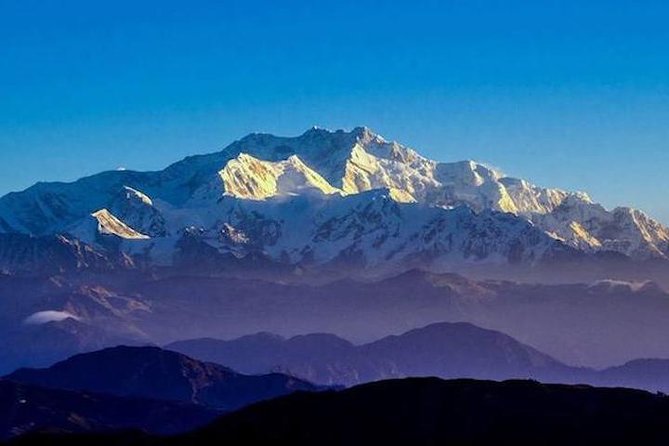
- Sandakphu (3,636 m / 11,929 ft): West Bengal’s highest point, on the Singalila ridge near the India–Nepal boundary.
- Ridge-to-ridge walking: the trail runs like a spine, with huge open views as you move between points.
- Singalila National Park permits handled: included in the tour cost (noted as INR 500 per day per person for foreign clients).
- Tea houses and lodge sleepovers: you’re not living in a hotel bubble; you’ll sleep at trail-side places.
- Local guide support: teams sometimes include guides like Pemba, Tenzi, and Rupesh, with organizers such as Subhas/Subash.
- Simple transport model: shared jeep transfer between Darjeeling and Rimbeek is built into the trip.
A 6-Day Ridge Trek Between Nepal and India
The Singalila Ridge trek feels special because you’re never far from the edge of the map. The ridge runs along the frontier area connecting Nepal’s high terrain to India, so your views often feel international and huge at the same time.
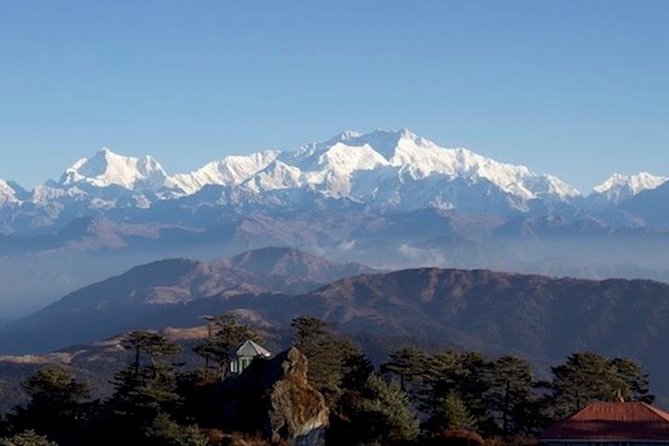
The trek’s best reward is what you get once you’re walking high: long sightlines toward major peaks, including views tied to the likes of Everest and other world-class summits. Sandakphu is the key milestone because it sits at the top end of this ridge system, at 3,636 meters.
You also get a slower, more human pace than big adventure packages. Villages like Gurdum, Sabargram, Gorkhey, and Timburey Swayambhu Home Stay bring a different rhythm to your days—less motion, more waking up to mountains.
You can also read our reviews of more tours and experiences in Darjeeling.
Price and Value: What You’re Really Paying For
At $460 per person for a roughly 6-day trek, the cost sits in the “serious-but-not-crazy” range for a supported Himalayan hiking trip. The value comes from what’s bundled, not from flashy extras.
Here’s what you’re covered for:
- All meals (breakfast, lunch, dinner veg), plus hot tea and coffee
- A qualified trekking guide (local to the area)
- Shared jeep transport to and from Darjeeling
- Singalila National Park permits
- Tea house / lodge accommodations during the trek
- A basic medical and first aid kit carried by the guide
What’s not covered matters too. You’ll pay extra for your own drinks, snacks, and things like mineral water and battery recharge. You’ll also need to handle travel/medical insurance, and there’s no porter or horse included—so your pack strategy is on you.
If you want an organized trek where your days are planned around the trail and not around logistics, this package structure fits well.
Getting There: Darjeeling, the Early Meet, and Shared Jeep Transfer
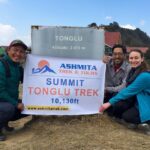
This trek starts from the Ashmita Trek & Tours shop at Singalila Market (opposite Planter’s Club, Chauk Bazaar) in Darjeeling.
The schedule details in the info you’re given include an early meet time (the journey begins with a meeting at 6 am) and also a listed start time of 9:00 am. Practically, you should plan for an early pickup/briefing and confirm the exact timing in your confirmation message before you leave home.
Transport is done by public transport via shared jeep between Darjeeling and Rimbeek. That matters because it keeps the transfer straightforward, but it also means you’re not in a private vehicle with stop-and-go flexibility.
Tip: treat the first morning as part of the trek. Wear your hiking shoes early and keep essentials ready, because the day starts fast.
Day 1: Gurdum and the First Highlands Feeling
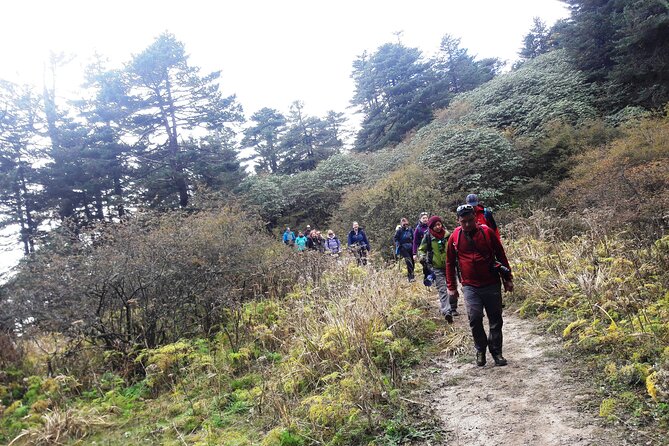
Day 1 is all about easing into the rhythm and getting your body used to walking uphill for hours. You’re looking at around 10 km with roughly 5.6 hours of trekking, plus a noticeable altitude rise (from about 2,286 m to 2,438 m).
Gurdum is the first village stop you’ll get a feel for: small, green, and quiet, at the foot of the Himalayas. Even if you only see it briefly, it helps set expectations. This trek isn’t just about summit photos; it’s about moving through communities near the ridge.
What to watch for on day 1:
- Hydrate early. You’ll feel the hiking before you feel the altitude.
- Keep your pace slow enough that you can breathe through effort without sprinting up every rise.
The terrain is less about technical difficulty and more about steady endurance.
Day 2: The Steep Push to Sandakphu
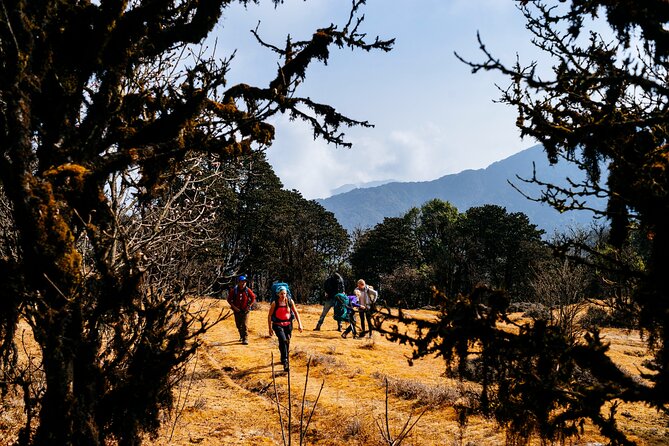
Day 2 is the showpiece climb. You take a steep uphill hike to Sandakphu, the trek’s big altitude moment at 3,636 m and the highest point in West Bengal.
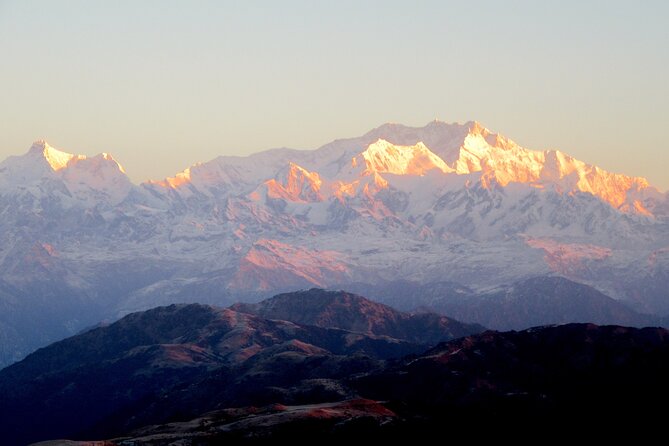
This is the day where the ridge walking starts to feel world-class. From here, you get wide-reaching mountain views—so wide that they can briefly make your brain forget you’re on a trail at all.
The information you receive points out major peaks in the viewing mix, including Everest and Kanchenjunga, and it also notes you can see multiple of the world’s highest peaks from this ridge area. That’s a key reason Sandakphu is the highlight stop: you’re not just walking high; you’re walking into the best viewpoint logic of the route.
How to approach this day:
- If the climb feels hard, it’s normal. This isn’t a marathon; it’s a climb.
- Eat before you feel hungry. The trek includes meals, but your energy depends on you too.
- Start the morning ready for effort, because day 2’s timing and elevation are set to test your legs.
One more practical note: your day won’t be “comfortable the whole time.” It’s a steep hike day, and that’s part of why the views land so well.
Day 3: Sabargram Sunrise Views and Phalut’s Cloud Mood
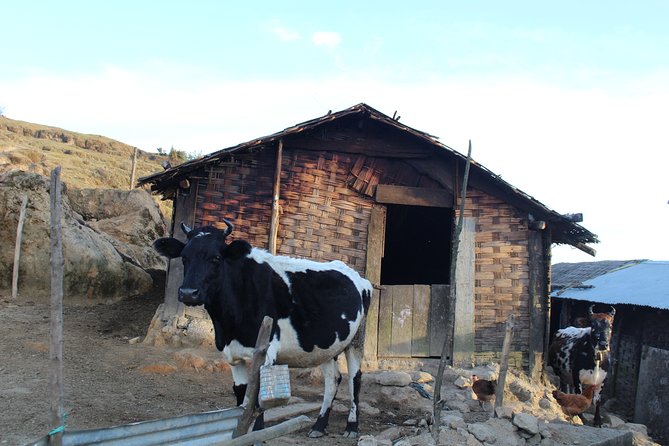
Day 3 is split between a morning push and a shift in scenery. You’ll start with a recommendation to wake up for sunrise over the Himalayas. Then you climb a bit more to a viewpoint.
Sabargram is the morning viewpoint side of the day. The value here isn’t only the view—it’s the feeling of the ridge before the day gets busy. Sunrise hikes like this are often where you see the mountains settle into clarity.
Later, you reach Singalila National Park areas and then transition to Phalut. Phalut is described as the second tallest summit in West Bengal, and it sits on the Singalila Ridge inside the national park region.
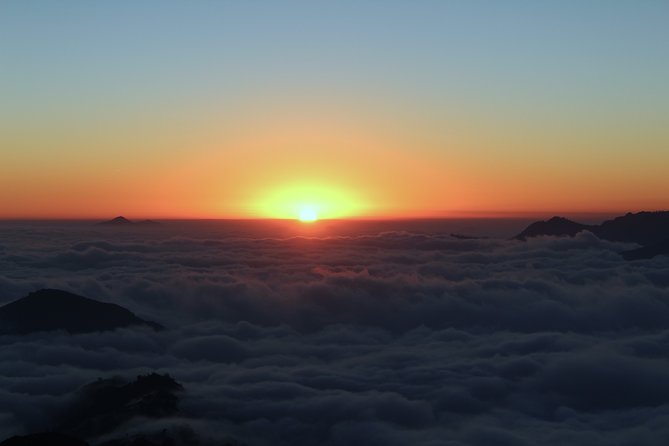
Expect clouds in the valley below at times, with peaks shining farther out. In other words: you get a different kind of atmosphere than day 2, with the ridge acting like a dividing line between sky layers.
You’ll appreciate day 3 most if you like:
- Early mornings
- Slow camera pauses
- Hiking that feels more like a viewpoint route than a straight-line trek
Day 4: Phalut to Gorkhey Through Forest and Border Country
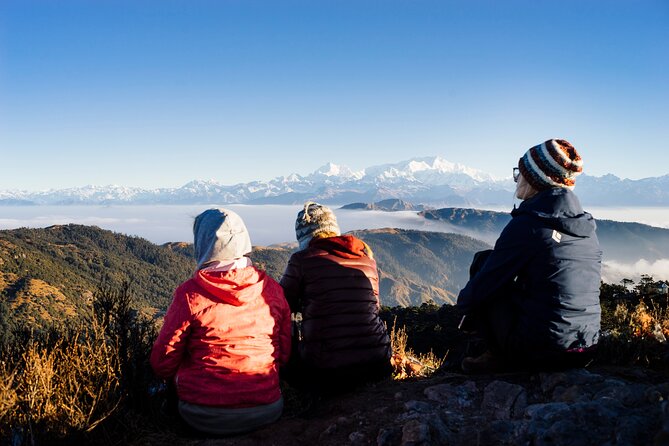
Day 4 begins from Phalut in the early hours. Then you head onward to Gorkhey.
You’ll see Gorkhey described as a village not yet on every tourist radar. It sits among thick pine forests, with a small river (Gorkhey Khola) running through it and marking the boundary between Sikkim and the surrounding frontier areas you’re hiking around.
This day matters because it adds variety. After ridge-top views, you get more of a lived-in trail feel: trees, river noise, and a sense that you’re moving through actual border-country valleys, not only sweeping panorama points.
Expect the day’s hiking to be less about summit chasing and more about settling into rhythm. If you’ve been nursing your energy, day 4 can feel like a welcome adjustment.
Day 5: Samandin, Ramam, Stream Junctions, and Timburey Home Stay
Day 5 is a longer connecting day. After breakfast, you hike through Samandin and then reach Ramam after about 5 hours. From there, the trail reaches a junction of two streams called Gorkhey Khola, and you get a peaky glimpse of how water shapes the route below.
Then comes the overnight shift to Timburey Swayambhu Home Stay. Timburey sits at about 6,550 feet, and the area is described with abundant forests and the Srola River. This is also where home-stay style sleeping becomes part of the trek experience.
I like this kind of night because it gives you a different perspective than teahouse-only routes. You’re spending time where locals live, even if it’s brief and scheduled.
Day 5 also hints that the trek is as much about relationships as it is about altitude. The guide and team keep you moving, but the home-stay setting keeps the day grounded.
Day 6: Timburey to Rimbeek and the Finishing Walk
Your last day starts in Timburey Swayambhu Home Stay, with breakfast. Then you hike toward Rimbeek.
The good news on day 6: it’s described as a relatively flat trail for about 10 kilometers. That’s a meaningful shift after several altitude and viewpoint-focused days.
On the way you pass through Srikhola village and stop along the route before returning to Rimbeek. Once you finish, the activity ends back at the meeting point area in Darjeeling, based on the trek’s return plan.
I recommend treating day 6 like a cooldown day, not a victory lap. You’ll still walk, but the goal is to finish strong with enough energy to enjoy the wrap-up.
Food, Tea Houses, and the Practical Comfort Level
This trek includes vegetarian meals each day: breakfast, lunch, and dinner. You also get hot tea and coffee, which matters more than you’d think in cooler ridge air.
Your lodging during the trek is in tea houses and lodges. The data also mentions a home stay at Timburey. Tea houses and lodges tend to be simple by design: warm enough, functional, and aligned with trail life rather than hotel standards.
What I think you should do before you go:
- Assume bathrooms and rooms will be basic.
- Pack for cool mornings and layers you can manage on the fly.
- Keep some of your own snack energy ready only if you’re willing to buy or carry it, since snacks and mineral water are not included.
The overall value is that your core needs are covered: meals, a warm drink, and a place to sleep so you can focus on walking.
Guides, Permits, and Safety: How Support Works Here
A major strength of this trek is the excellent mountaineering qualified trekking guide who is local to the area. You may see guides named Pemba, Subhas/Subash leading the care side, and also guides such as Tenzi or Rupesh depending on the group and departure.
That local connection matters. It’s not only about route knowledge—it’s also about keeping you safe on an exposed ridge and managing the pace so you don’t burn out.
There’s also a Singalila National Park entry permit requirement, noted as INR 500 per day per person for foreign clients. In this tour, those permits are listed as included.
The guide also carries a basic medical and first aid kit. This is good practical coverage, but it’s still not a substitute for your own medical insurance, which is explicitly not included.
If you’re prone to motion sickness or have any health concerns, ask your doctor ahead of time. The trip notes demand a sufficient fitness level and says you should check with your doctor concerning health and fitness.
What to Pack (and What to Leave Out)
The info list doesn’t spell out a full packing list, so you’ll want to plan based on how the trek is described: long walking days, steep sections, and cold ridge mornings.
At minimum, you should plan for:
- A layered system for changing temperatures
- Hiking shoes you can walk uphill in for hours
- A way to keep water intake steady
- A small amount of personal cash/card for items not included (drinks, snacks, battery recharge)
Two specific gear rules you should take seriously:
- You need to follow the restriction that you are not allowed to carry satellite phone or GPRS to protected/restricted areas in parts of Sikkim and the Darjeeling Himalayan region.
- You should have a current valid passport, because your passport name and number are required at booking for all participants.
Also, porter/horse are not included, so keep your backpack weight manageable and plan your load for six hiking days.
Who This Trek Fits Best (and Who Should Reconsider)
This trek is a good fit if you want:
- Supported hiking with your core needs handled (meals, lodging, guide, permits)
- Ridge walking and big peak viewpoints
- A chance to experience village life at places like Gurdum and Timburey
It may be tougher if you:
- Are not comfortable with steep uphill sections
- Prefer flat walking and easy pacing
- Have medical limitations that could be stressed by altitude and long hikes
The trek notes say you should have moderate physical fitness, and that participants should check with a doctor if they have pre-existing conditions or disabilities.
Also, the minimum age is 18.
Should You Book the Singalila Ridge Trek From Darjeeling?
I’d book this trek if your top priority is ridge-top Himalaya walking with a real viewpoint payoff at Sandakphu and Phalut. The route makes sense: you spend effort on the climb days, then you get compensated with some of the most dramatic views in the West Bengal region.
Choose it with clear expectations. This is not a luxury-hotel trip. It’s tea houses, simple rooms, and long days where your body does the work and your guide helps you do it safely.
Before you hit confirm, do three quick checks:
- Confirm the exact meet/start timing for your departure.
- Be honest with yourself about steep climbs and altitude exposure.
- Plan your own snack/drink spending and understand that no porter is included.
If you like your travel practical and your scenery earned by walking, this is a strong value pick.
FAQ
How long is the Singalila Ridge Trek from Darjeeling?
The trek is listed as 6 days (approximately).
Where does the trek start and where does it end?
It starts at the Ashmita Trek & Tours shop in Darjeeling (Singalila Market area). It ends back at the meeting point location.
Is pickup offered?
Yes, pickup is offered.
What kind of ticket do I receive?
A mobile ticket is provided.
What’s included in the tour price?
Meals (veg breakfast, lunch, dinner) with hot tea and coffee, a qualified trekking guide, shared jeep transportation to and from Darjeeling, Singalila National Park entry permits, tea house/lodge accommodations, and a basic medical/first aid kit carried by the guide.
Are drinks, snacks, and mineral water included?
No. Alcoholic and non-alcoholic drinks, chocolates, snacks, mineral water, and battery recharge are not included.
Are porter or horse services included?
No. Porter or horse to carry your backpack is not included.
What permit costs are mentioned for the national park?
Singalila National Park permits are included, and the info lists INR 500 per day per person for foreign clients.
Do I need a passport?
Yes. A current valid passport is required on the day of travel, and passport details are required at booking.
Are satellite phones or GPRS allowed?
No. The info states you are not allowed to carry satellite phone or GPRS to protected and restricted areas in parts of Sikkim and the Darjeeling Himalayan.