REVIEW · SAPA
Sapa Villages trekking and homestay 2 Days/ 1 night package tour: best selling
Book on Viator →Operated by David Tran Travel - Day Tours · Bookable on Viator
Rice terraces meet a real homestay in Sa Pa. This small-group trek takes you from Sapa town into Hmong and Giay village paths with a trained guide, plus time to chat with locals and eat like you’re part of the day. It’s the kind of trip where the scenery stays good, but the people and daily rhythm do the real work.
I especially like the private room in a local home in Ta Van. You get that classic homestay feeling without sleeping in a dorm setup, and the schedule leaves room for photos, breaks, and the little moments you usually miss on day trips.
One possible consideration: this is not a nonstop, rough, multi-day expedition. It’s a village walk plus an overnight, so if you’re hoping for long hours of hard trekking every day, double-check that your dates and package match what you want.
In This Review
- Key highlights to know before you go
- A 2-day Sa Pa trek with the right mix of walking and culture
- Getting to the start: Delta Sapa Hotel and a 1:00 pm launch
- Day 1: Y Linh Ho terraces, Lao Chai breaks, then Ta Van homestay
- Y Linh Ho: terrace photos that actually have context
- Lao Chai: a short pause with viewpoints
- Ta Van: welcome by a Giay family and your night in their home
- Homestay night in Ta Van: a private room, a shared bathroom setup
- Day 2: rooster-time breakfast, bamboo forest, Silk Waterfall, and Giang Ta Chai
- Picnic lunch with big views
- Back to Sapa by around 2:00 pm
- Meals included: predictable costs, and a better sense of local food
- What it feels like on the ground: trail time vs. full-day trekking
- Price and value: is $70 fair for what you get?
- Who should book this Sa Pa 2D/1N package
- The small details that make it feel smoother
- Should you book? My take on the call
- FAQ
- What’s included in the $70 price?
- How many people are in the group?
- Where is the meeting point?
- What time does the tour start?
- Do I get a private room during the homestay night?
- Is there a shared bathroom?
- Which villages are visited?
- Are meals included on both days?
- How does the tour end and how do you get back to Hanoi?
- Is there an extra charge for Lunar New Year?
- What happens if the weather is bad?
Key highlights to know before you go
- Up to 15 people keeps the villages and trails feeling personal, not crowded.
- Day 1 village loop covers Y Linh Ho, Lao Chai, then down to Ta Van for your homestay night.
- Ta Van homestay with dinner + cooking gives you a real taste of local life, not just sightseeing.
- Day 2 bamboo forest and Silk Waterfall trail leads toward Giang Ta Chai with a scenic picnic lunch.
- All meals and accommodation included makes the $70 price easier to judge.
- Return to Sapa by early afternoon includes shower time and a shuttle to the bus office for Hanoi.
A 2-day Sa Pa trek with the right mix of walking and culture
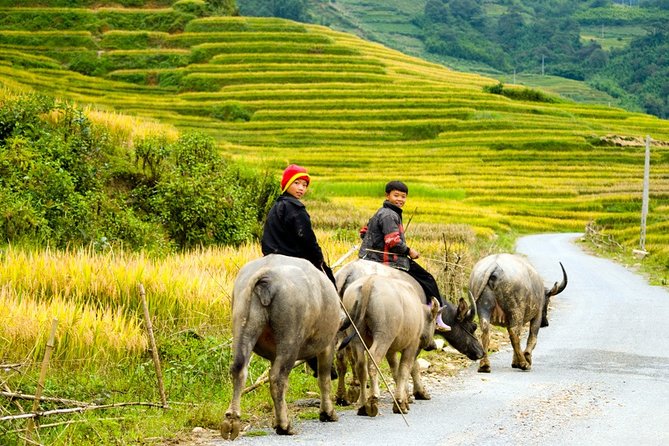
Sa Pa can be crowded. This version avoids that feeling by keeping the group size capped at 15 travelers, which matters more than you’d think once you’re on narrow footpaths through rice terraces. The pace is guided, but you’re not herded like a camera parade.
What you’re buying is simple: a guided walk through rural Sa Pa countryside, plus one night sleeping in a private room at a local home in Ta Van. You’ll also get meals included across the trip, including a homestay dinner and breakfast the next morning. That’s a big deal because village trekking is where costs can quietly creep up.
You’ll still get classic Sa Pa views, especially around the terraced fields, but the main point is that you’re moving between villages inhabited by different hill communities, then learning the culture and daily rhythm from your guide along the way.
Getting to the start: Delta Sapa Hotel and a 1:00 pm launch
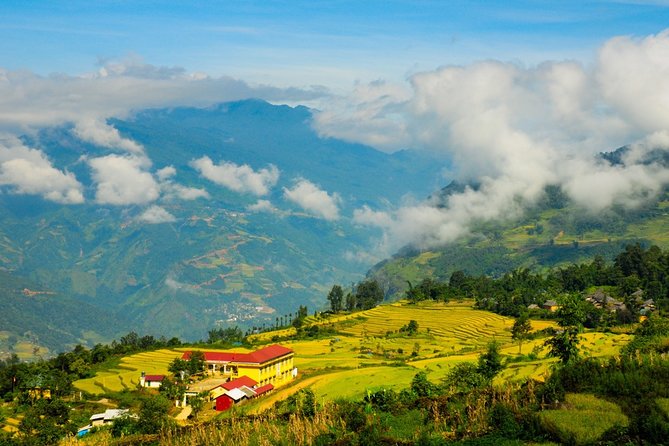
Your tour starts around 1:00 pm with pickup in Sapa town. The meeting point listed is Delta Sapa Hotel, located at 031 Ng. Cầu Mây, TT. Sa Pa, Sa Pa, Lào Cai 330000, Vietnam.
From there, the day is built around getting you fed and ready before you start walking. You’ll have lunch at the hotel, then depart for the trek route in the afternoon. This timing works well if you’re coming from Hanoi earlier in the day, because you don’t start by sprinting into the hills immediately.
Also keep in mind that the tour uses a mobile ticket, which should make check-in easier once you’re at the hotel meeting point.
Day 1: Y Linh Ho terraces, Lao Chai breaks, then Ta Van homestay
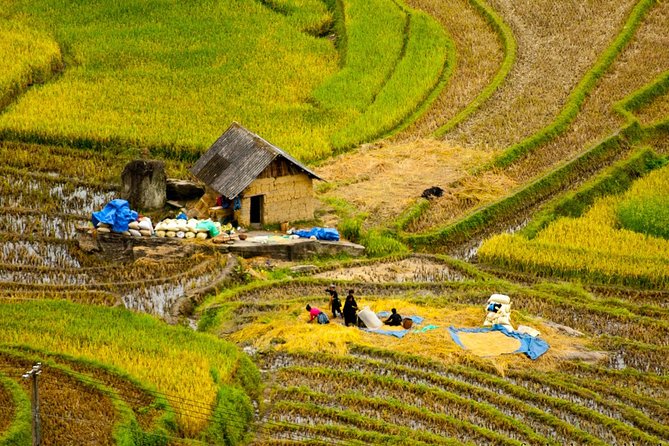
Day 1 is about rolling through the villages in a way that feels like you’re traveling through someone’s backyard. The route starts with a transfer to the walking area, then heads downhill to Y Linh Ho, a village associated with the Hmong minority.
Y Linh Ho: terrace photos that actually have context
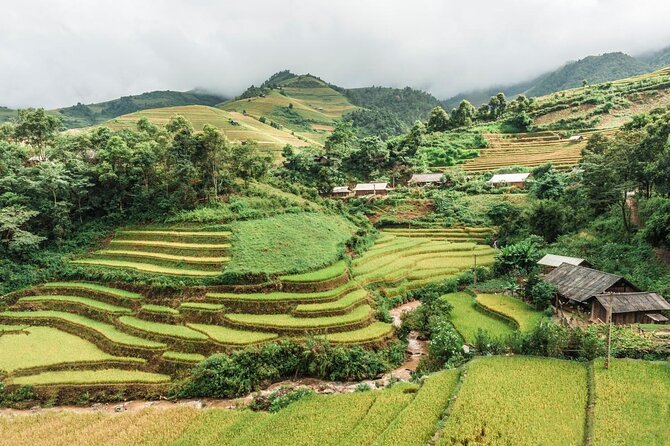
The big visual draw here is the terraced rice scenery, and the tour frames it in a useful way: those terraces are described as around 100 years old. That detail changes how you look at the view. Instead of just taking photos, you’re also thinking about how long these fields have shaped farming and village life.
Even if you only take a few pictures, you’ll feel the change in terrain as you move along forest trails and into open terrace views.
Lao Chai: a short pause with viewpoints
From Y Linh Ho, you continue to Lao Chai for a break. You’ll be able to enjoy drinks and take in the scenic outlooks.
This stop is handy because it breaks up the walking and gives you time to ask your guide questions while you’re not moving. It’s also where the tour’s culture angle starts to feel more real, because it’s not just “look, village”; it’s “meet, talk, understand.”
Ta Van: welcome by a Giay family and your night in their home
The final stretch of Day 1 leads you into Ta Van, described as an established Hmong and Giay village. You’ll be welcomed by a local Giay family and stay overnight in their homestay.
This is the part that makes the trip feel different from a bus-and-photos village day. You’re not just passing through. You’ll spend the evening there, including cooking and dinner with the family. That meal is included, and it’s one of the better ways to get a sense of local ingredients and cooking style without needing a language-heavy conversation.
Homestay night in Ta Van: a private room, a shared bathroom setup
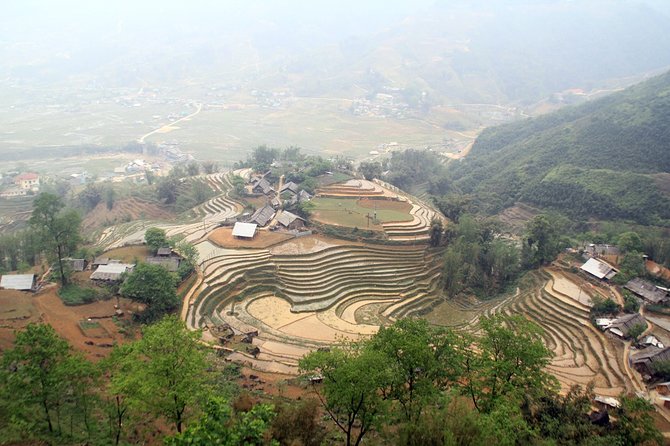
The homestay model here is very specific: private room in the local home, with a room setup for 2–3 people, either double or twin beds. You’ll have a public (sharing) bathroom.
That can sound like a minor detail, but it affects comfort. If you’re used to private ensuite bathrooms, plan for shared facilities. The flip side is that you’re still getting privacy in the room itself, which makes a big difference after a full day on trails.
In terms of atmosphere, you’ll also wake to local sounds. The next morning starts with breakfast outdoors, and the description includes the idea that you may be woken by animals like a rooster or pigs. If you’re a light sleeper, it’s worth knowing this in advance.
Day 2: rooster-time breakfast, bamboo forest, Silk Waterfall, and Giang Ta Chai
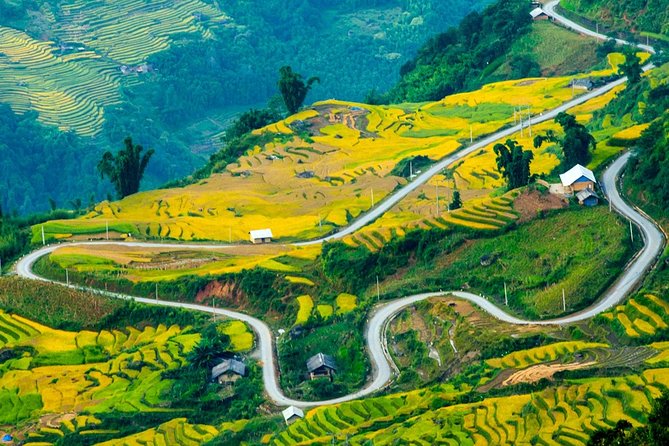
Day 2 begins with a simple breakfast in the homestay: pancakes plus hot tea or hot coffee, served outdoors. You get a quiet moment with views over the rice terraces before saying goodbye to the family.
Then the trekking shifts into a greener, more enclosed-feeling route through a bamboo forest, leading toward Silk Waterfall and Giang Ta Chai. The tour frames the trail as enchanting, and from a traveler’s point of view, that usually means two things: you get shade, and the path feel changes from open terraces to thicker vegetation.
Picnic lunch with big views
After a few hours of trekking, you stop for a picnic lunch. The exact spread isn’t described here, but the key is that it’s timed with scenic lookout points. This kind of planned lunch stop is one of the reasons a guided route feels smoother than trying to DIY the same path.
Back to Sapa by around 2:00 pm
Once you reach the main road area, you’ll catch a car or mini van back to Sapa. The tour notes you’ll return around 2:00 pm, which is early enough to enjoy the rest of your day in town instead of rushing straight to the bus.
You’ll also have a shower at the hotel, then a 3:00 pm shuttle to the bus office for check-in back to Hanoi. Before you leave, you’ll be prepared sandwiches to take away.
This is a smart finish. It respects that you still need to travel, and it avoids the common “tack on dinner and hope for the best” problem.
Meals included: predictable costs, and a better sense of local food
One of the most practical wins in this package is that the tour includes meals across both days:
- Lunch on Day 1 at the hotel
- Dinner plus cooking experience at the homestay
- Breakfast on Day 2
- Picnic lunch on Day 2
Since all meals and accommodation are included, you’re less likely to get surprised by extra restaurant tabs mid-trek. It also means you don’t have to make hard calls about where you’ll eat on foot trails.
Still, your cost budget should account for drinks. The package notes that beverages and drinks are not included. Bring your own water bottle if that’s your preference, but stick to what the guide suggests so you don’t end up carrying more than you need.
What it feels like on the ground: trail time vs. full-day trekking
The tour is described as around 7 hours on Day 1 and 8 hours on Day 2, and those totals include walking plus transfers and breaks.
So here’s the practical read: you will hike, but you’re not locked into all-day, step-by-step grind. You’ll have pauses for views, drinks, lunch, and the homestay evening.
This matters for your planning. If you’re traveling with someone who gets tired quickly, this format is usually easier than a longer trek where there’s no downtime. If you’re a hardcore trekker wanting dozens of miles and hours of steep ascents, you might feel it’s more “village hiking with culture” than “serious expedition.”
Price and value: is $70 fair for what you get?
At $70 per person, the value depends on what you compare it to.
Compared with a simple day trip that just takes you to one or two villages, this offers two big cost-saving items:
- Private-room homestay for one night
- Meals included rather than handled on your own
Then there’s the guide and route support. The tour includes trekking village tours plus entrance fees, and it keeps the group small at 15 travelers. Guides cost money, and so do village permissions and logistics.
The price also assumes you’re okay with shared bathroom facilities at the homestay. If you require a private ensuite bathroom, you may prefer a higher-end accommodation style, but the listed package stays focused on getting you into a local home.
One extra cost to budget for: a $30 per person surcharge on Lunar New Year holidays (Feb 14–23, 2026). If your travel dates fall in that window, it can affect the value math.
Who should book this Sa Pa 2D/1N package
This tour is a great fit if you want:
- A short Sa Pa trekking experience with real village life
- One night sleeping in a local home rather than just staying at a hotel
- A plan that includes meals so your day-to-day spending stays under control
- A group size that stays small, so you can ask questions and enjoy the views without constant crowd pressure
It’s also a good choice if you’re short on time after arriving from Hanoi. Day 2 ends with a clear handoff back toward the bus office and check-in.
If you’re the kind of traveler who wants to spend most of the day on the move with no downtime, you may want a longer itinerary. This one is built to be doable and to feel human.
The small details that make it feel smoother
A few things on paper become big perks once you’re in Sapa:
- Pickup and hotel lunch mean you start the first hike with full energy.
- The homestay dinner and cooking add interaction, not just photo time.
- Day 2 includes a picnic lunch, so you’re not searching for food mid-trek.
- You get shower time in Sapa and sandwiches to take away before the Hanoi bus.
Also, the tour’s model tends to rely on a trained local guide. In many cases, guides by name you may encounter include people like Tran, Thang, Hoan, Lien, and May Trang, who are known for explaining culture and helping keep the day moving smoothly. Your guide may differ by date, but the goal stays the same: help you understand what you’re seeing as you walk between villages.
Should you book? My take on the call
I’d book this 2 Days/1 Night Sa Pa villages trek with homestay if you want a real taste of rural Sa Pa without turning your vacation into a training camp. The included meals, one-night local stay, and small group size make the $70 feel more like an all-in package than a pay-as-you-go problem.
Before you book, do two quick checks:
- Make sure your chosen dates match the package you expect, especially if you’re specifically looking for overnight Ta Van homestay time and the day-2 trek.
- If you’re sensitive to shared bathroom setups or early-morning wake-up sounds, plan for that.
If those points fit your style, this is a solid, practical way to see Sa Pa’s terraced countryside and village life in a short window.
FAQ
What’s included in the $70 price?
The package includes dinner, breakfast, and two lunches, plus trekking village tours and entrance fees with a local guide and group tour. You also get a private room at a local house and a shower is available back at the hotel on Day 2. Pickup is offered, and you’ll receive a mobile ticket.
How many people are in the group?
This tour has a maximum of 15 travelers.
Where is the meeting point?
The meeting point is Delta Sapa Hotel, at 031 Ng. Cầu Mây, TT. Sa Pa, Sa Pa, Lào Cai 330000, Vietnam.
What time does the tour start?
The start time is 1:00 pm.
Do I get a private room during the homestay night?
Yes. You’ll have a private room in a local home for 2–3 people, with either a double or twin bed room.
Is there a shared bathroom?
Yes. The homestay includes a public (sharing) bathroom.
Which villages are visited?
On Day 1, you visit Y Linh Ho, Lao Chai, and Ta Van. On Day 2, you trek to Giang Ta Chai.
Are meals included on both days?
Yes. Day 1 includes lunch and dinner, and Day 2 includes breakfast and a picnic lunch.
How does the tour end and how do you get back to Hanoi?
You return to Sapa around 2:00 pm, shower at your hotel, then take a shuttle at 3:00 pm to the bus office for check-in back to Hanoi. Sandwiches are prepared to take with you before you leave.
Is there an extra charge for Lunar New Year?
Yes. There’s a $30 USD per person surcharge for Lunar New Year holiday dates listed as Feb, 14–23, 2026.
What happens if the weather is bad?
The experience requires good weather. If it’s canceled due to poor weather, you’ll be offered a different date or a full refund.