REVIEW · KATHMANDU
Everest Base camp Trekking
Book on Viator →Operated by Nepal Horizon Treks and Expedition Pvt. Ltd. · Bookable on Viator
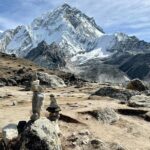
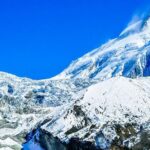
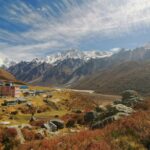
This trek earns its fame fast: you climb into Everest’s world. The route threads through Sherpa villages, Buddhist monasteries, farmland, and busy tea-house stopovers, building altitude gradually while you chase big Himalayan views.
I especially like the acclimatization days in Namche Bazaar and Dingboche—they’re the difference between rushing and surviving. I also like the human side of the setup: the Nepal Horizon Treks & Expedition office is clearly organized, and guides such as Raju, DB, and Kumar (with porters like Yambo) show up as steady, practical partners rather than just tour “staff.”
One consideration: travel insurance is required (including emergency evacuation), and the trek cost does not cover meals and drinks—so your budget should assume extra spending day to day at altitude.
In This Review
- Key things that make this Everest Base Camp trek click
- Everest Base Camp Trek: why this 14-day route works
- Kathmandu arrival and trek prep: what happens on day one
- Lukla to Phakding: the first altitude lessons
- Namche Bazaar: the acclimatization day that protects your trek
- Tengboche and Dingboche: culture, altitude, and pacing
- From Dingboche to Lobuche to Gorak Shep: the approach to Everest Base Camp
- Price and logistics: is $1,340 good value?
- Tea houses and gear: comfort without luxury
- Guides and porters: the service quality you should pay attention to
- What I’d prep before you go (and what to pack mentally)
- Who should book this Everest Base Camp trek?
- Should you book Nepal Horizon Treks and Expedition for Everest Base Camp?
- FAQ
- How many days is the Everest Base Camp trek?
- Where does the trek start?
- Is pickup included in the price?
- What is included during the trek?
- What is not included?
- Do I need travel insurance?
- What are the fitness and age requirements?
- What is the group size limit?
- What if I need to cancel?
Key things that make this Everest Base Camp trek click
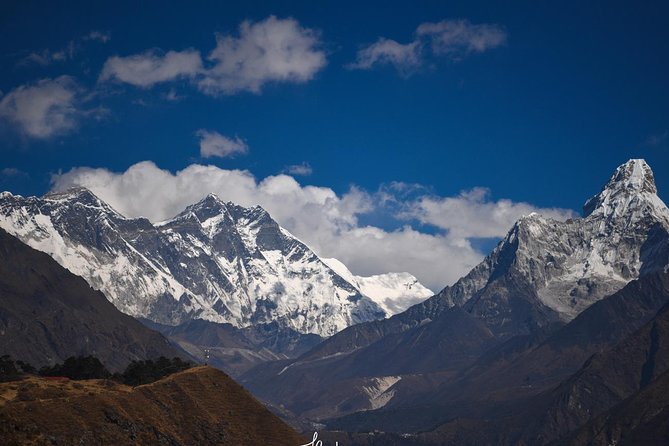
- Acclimatization built in at Namche Bazaar and Dingboche, so the itinerary breathes with the altitude
- Tea-house trekking with 10 nights included during the trekking period, which keeps logistics simple
- Gear support included (sleeping bag and down jacket on rent), helpful if you’re traveling light
- Small-group feel with a maximum of 10 travelers
- Consistent support from named guides and porters like Raju, DB, Kumar, and Yambo in the field
Everest Base Camp Trek: why this 14-day route works
The Everest Base Camp trek is famous for a reason, but the real win is pacing. This itinerary moves you up in stages—Lukla to Phakding, then Namche, then Tengboche and Dingboche—so your body has time to adjust. That matters because altitude isn’t just a number on a map; it affects sleep, appetite, and how hard you feel each walking day.
You’ll also get a classic Khumbu feel. You’re not only chasing Everest. You pass Sherpa bazaars, farmland, and Buddhist monastery stops, and you spend time in the rhythm of tea houses and mountain villages. That mix gives the trek texture, not just views.
Finally, the trek stays centered on Sagarmatha National Park, which is part of why you’ll see strict fees and a structured approach. Expect less improvising and more “this is how it’s done here” support.
You can also read our reviews of more tours and experiences in Kathmandu.
Kathmandu arrival and trek prep: what happens on day one
Day one is built for getting your head in the right place. You land in Kathmandu, get picked up from Tribhuvan International Airport, and are transferred to your hotel. In the afternoon, there’s trip discussion with trek leaders and management, which is where you can confirm your plan, ask about gear, and get clarity on your questions before the mountains take over.
That’s followed by a welcome dinner in a typical Nepali restaurant with cultural shows. It’s a small thing, but it helps you shift from travel-mode into trek-mode—especially if you arrive tired or jet-lagged.
One practical note: you’re asked to provide your Nepal arrival flight details. Send them early so the pickup lines up with your actual timing, not a guess.
Lukla to Phakding: the first altitude lessons
The trek officially starts after your flight from Kathmandu to Lukla. That jump is the gateway moment for most people—suddenly you’re in the Khumbu region, and the walking begins quickly. You’ll trek about 8 km for 3–4 hours to Phakding, sitting at roughly 2,651 m.
This day is rarely about “fitness.” It’s about learning how your body reacts when the air thins. You’ll want a steady pace, minimal heroics, and a focus on simple movements. Early on, you’ll also notice the constant flow of porters, tea houses, and people moving both directions—this route is busy for a reason.
Namche Bazaar: the acclimatization day that protects your trek
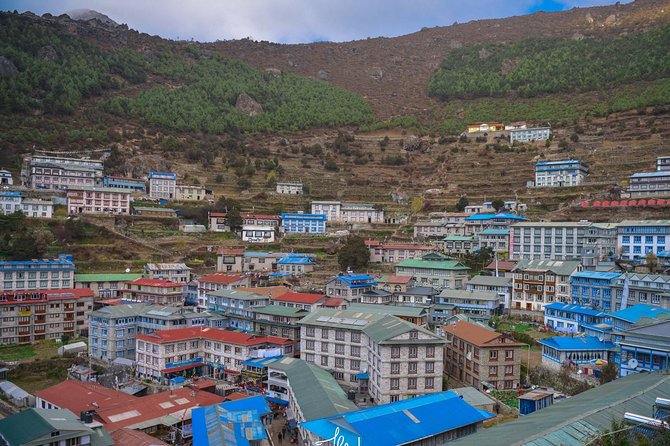
Then comes the step up to Namche Bazaar (about 11 km / 5–6 hours, up to around 3,438 m). This is the point where the trek begins to feel like more than a walk. It’s where you’ll start noticing breathing changes and the value of pacing.
Day four is your acclimatization day in Namche Bazaar. That rest day is the kind you don’t “skip” if you want to keep your plans intact. At these heights, rest is active work: it’s giving your body a chance to adjust before you climb again.
In villages like Namche, you also get something mental. There’s a real sense of community and a hub feel—shops, tea houses, and Sherpa life organized around trekkers and locals. You can use the time to eat well, hydrate, and settle into the routine without rushing.
Tengboche and Dingboche: culture, altitude, and pacing
On day five, you move from Namche Bazaar to Tengboche (about 10 km / 5–6 hours, roughly 3,870 m). Tengboche is famous for a reason: monasteries and Sherpa culture are woven into the scenery, and the day’s pace is often manageable as long as you keep it steady.
Day six shifts to Dingboche (about 9 km / 5–6 hours, up to around 4,360 m). Dingboche is higher and colder-feeling. This is where your decisions about effort start to matter—slow, consistent steps win.
Day seven is another acclimatization day at Dingboche. Again, it’s not filler. It’s the itinerary doing you a favor by reducing the odds that you’ll pay for altitude mistakes later. If you follow it, you’ll likely feel more in control during the tougher days after this.
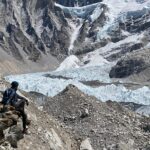
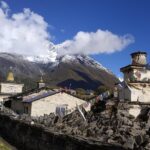
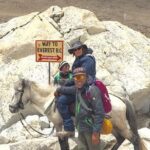
From Dingboche to Lobuche to Gorak Shep: the approach to Everest Base Camp
Day eight brings you from Dingboche to Lobuche (about 7 km / 5–6 hours, up to roughly 4,940 m). The pace often changes here. The days keep getting higher, and the mountains look closer and more serious.
Then day nine moves you to Gorak Shep (about 5,170 m) and from there you visit Everest Base Camp. This is the emotional center of the trek: the moment you’ve been working toward. Even if the weather isn’t perfect, this is where the whole journey clicks.
What’s valuable about this structure is that it doesn’t treat Everest Base Camp like a simple checkbox. You reach it after acclimatization stops and graded elevation gains, so it feels earned instead of rushed.
One limitation in the itinerary details you provided: the full day-by-day plan beyond the Gorak Shep/base camp approach isn’t fully listed here. Still, the overall pattern is clear—after base camp, you’ll spend time descending back down toward lower elevations and eventually returning to Kathmandu.
Price and logistics: is $1,340 good value?
At $1,340 per person for roughly 14 days, this trek sits in the “serious but realistic” category. The value is in what’s included and how many major headache items are handled by the operator.
Included items that reduce risk and hassle:
- 10 nights accommodation with breakfast included at tea houses during the trekking period
- National park fees and local taxes
- A professional guide with their food, accommodation, salary, insurance, and trekking equipment covered
- One sleeping bag and a down jacket on rent
- Hotel pickup and drop-off
What’s not included matters for budgeting:
- Meals and drinks (these can add up, especially at higher elevations)
- Travel insurance
- Nepal visa fees
- Tips for guide/staff
So is it a bargain? For Everest treks, $1,340 often feels like good value when your itinerary includes guide coverage, park fees, and base trek lodging, and when your operator actually stays organized on the ground. It’s less of a deal if you’re trying to minimize daily spending on food at tea houses or if you’re planning to replace missing inclusions yourself.
Also watch the note about language. If you want a guide who is different from English speaking, there’s an extra $250 per group. If English support matters to you, confirm it early.
Tea houses and gear: comfort without luxury
This is tea-house trekking, not a private lodge climb. You’ll spend nights in simple accommodations, and the trade is clear: you get route access and practicality, not spa-level comfort. The upside is flexibility—your trip rhythm is predictable day to day because these places exist to support trekkers.
Two included items are genuinely helpful if you’re traveling from abroad:
- A sleeping bag rental
- A down jacket rental
That can save you from either overpacking bulky gear or buying gear you’ll only use once. You’ll still want to bring what’s not covered (your layers, base items, and essentials), but the big cold-weather item support helps.
Food and drinks are not included, which means you’ll be deciding what to eat while you’re working at altitude. Keep meals simple and consistent. You don’t need gourmet; you need energy you can digest.
Guides and porters: the service quality you should pay attention to
Service is what makes or breaks a trek like this, and the patterns in the guide-and-crew experience are strong. People commonly name support staff like Dip/Dipendra (the operator/manager) and trekking guides such as Raju, DB, and Kumar, with porter support including Yambo.
Here’s what that tells you as a reader: the operator appears to focus on communication and continuity, not just check-in paperwork. That shows up in the way you’re met in Kathmandu, handled on route, and supported if questions come up mid-trek.
The group size also helps. With a maximum of 10 travelers, you’re less likely to feel like a number. In a crowded route like Everest Base Camp, that small-group setup can mean less confusion and better coordination around timing, meals, and departure plans.
What I’d prep before you go (and what to pack mentally)
This trek asks for moderate physical fitness, and the route distances (often 7–11 km a day with 5–6 hours) suggest steady endurance more than speed. The real challenge is altitude and how your body responds when the days get higher.
Before you arrive, I’d plan for:
- A workout routine that builds leg endurance and steady cardio
- Practice with walking with a loaded daypack
- A conservative approach: you move slower than you think you should at altitude
Packing-wise, the included sleeping bag and down jacket rental helps. Still, you’ll want your own layering system, plus essentials you trust (and anything personal you’d rather not depend on a rental for).
The other prep item is not physical: insurance. You’re required to have travel insurance that covers medical expenses and emergency evacuation, and you must show proof to the tour leader on the first day. Don’t treat that as a formality.
Who should book this Everest Base Camp trek?
This fits best if you want:
- A guided, structured route with acclimatization days
- Tea-house trekking with included lodging and park fees
- A small-group setting (up to 10 people)
- Service that feels organized from Kathmandu through the trek
It may not be the best match if you’re looking for luxury or fully included meals and drinks. Also, if you’re prone to altitude issues and you know you need highly customized medical support, you should discuss that before booking—this trek is built for gradual acclimatization, but you’re still going high.
Age-wise, the minimum is 10 years, so families can sometimes fit the requirement. You’ll still need a realistic fitness plan for younger trekkers.
Should you book Nepal Horizon Treks and Expedition for Everest Base Camp?
If you like clarity and support, I think this is a solid choice. The included guide coverage, tea-house lodging plan, gear rental, and national park fees reduce a lot of guesswork. And the named support staff in real trekking experiences—people like Dip/Dipendra and guides such as Raju, DB, Kumar, plus porter support like Yambo—suggest you’re not walking into the mountains with a vague plan.
Book it if:
- You’re comfortable paying for day-to-day meals and drinks
- You’re ready to follow acclimatization days instead of rushing
- You have travel insurance lined up for emergency evacuation
Skip it (or ask tougher questions first) if:
- You need meals and drinks fully included
- You want a guaranteed guide language beyond what’s stated, without possible extra cost
- You’re uncomfortable with a tea-house comfort level
FAQ
How many days is the Everest Base Camp trek?
The duration is listed as 14 days approximately.
Where does the trek start?
You start in Kathmandu, with arrival on day one and preparation for the trek.
Is pickup included in the price?
Yes. The tour includes hotel pickup and drop-off.
What is included during the trek?
Included items cover 10 nights of tea-house accommodation with breakfast (BB plan) during the trekking period, national park fees and local taxes, a professional guide (including their food, accommodation, salary, insurance, and equipment during the trekking period), and sleeping bag plus down jacket rental.
What is not included?
Meals and drinks are not included, and you also need travel insurance, Nepal visa fees, and budgeting for tips to the guide/staff.
Do I need travel insurance?
Yes. You must have travel insurance that covers medical expenses and emergency evacuation, and you must show proof to the tour leader on the first day.
What are the fitness and age requirements?
The minimum age is 10 years, and the tour notes that you should have a moderate physical fitness level.
What is the group size limit?
The maximum group size is 10 travelers.
What if I need to cancel?
Free cancellation is offered. You can cancel up to 24 hours in advance for a full refund, and cancellations made less than 24 hours before the start time are not refunded.