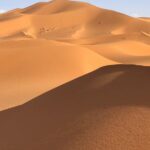
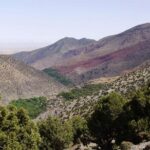
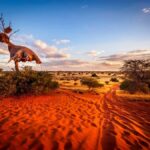
The Sahara night sky is the big draw here. This trip leans hard into Erg Chebbi camel sunsets and a real Berber music-and-dinner camp evening, with food included so you’re not hunting down meals right after a long drive. It’s also built for groups that stay small enough to feel human, with pickup offered and a max group size of 18.
One thing to think about: expect a long day of road time. This isn’t a quick hop to the dunes; it’s a proper desert circuit, with driving plus a schedule that keeps moving, even if breaks are frequent.
In This Review
- Quick, practical highlights
- Why Merzouga works so well for a short desert break
- Price and value: what about $139 actually buys you
- Meeting at 7:00 am and the road-trip reality from Marrakech
- Day 1 in Merzouga: village time, Khamlia Gnawa music, then sunset on camels
- Day 2: sunrise ride, Erfoud fossils, and Todra Gorge’s limestone canyon cuts
- Day 3: Rissani market energy, Ksar Ouled Debbab ruins, and a last chance for sandboarding
- Camp nights in the Sahara: what to expect from “comfortable” realism
- Safety and driving: why the driver names keep popping up
- What’s included vs. what you’ll need to plan for
- Who this tour suits best (and who should skip it)
- Should you book this Merzouga camel-trek tour?
- FAQ
- What does the tour include?
- Where does the tour start and what time does it begin?
- How big is the group?
- How many nights do you spend in the desert camp?
- Is the camel trek included?
- Is sandboarding included?
Quick, practical highlights
- Small group size (max 18): easier pacing, and you’re less likely to feel like a number.
- Camel trek into Erg Chebbi dunes: the classic Sahara moment, done as part of your itinerary—not an add-on.
- Berber music at the camp: not just watching the dunes; you get the cultural side too.
- Todrɑ Gorge + Erfoud fossils: you’ll see more than sand, including dramatic canyon scenery.
- Friendly drivers get named: reports praise safe, punctual driving from people like Abdilah/Abdoul/Abdelilah.
Why Merzouga works so well for a short desert break
Merzouga is one of Morocco’s easiest gateways into the Sahara experience, and this tour is designed around that. You’re not just getting a single sunset moment; you get a full rhythm: arrival, a first desert evening, a sunrise the next morning, and time to explore the areas around the dunes.
What makes this style of trip satisfying is the mix. You get the iconic Sahara views on a camel ride, but you also get stops that explain why the region matters—like the fossil-rich surroundings near Erfoud and the dramatic limestone cuts at Todra Gorge. That means your brain has something to do besides stare at sand (though, fair, you’ll want to stare).
The camp setup also matters. The description includes two nights in a camp setting, plus a night back in Merzouga as part of the plan. Reviews also point to both nights feeling comfortable, not “survival mode.”
You can also read our reviews of more tours and experiences in Marrakech.
Price and value: what about $139 actually buys you
At about $139.37 per person, this tour is priced for a lot of built-in value. Here’s the practical breakdown of what you’re covering:
- Transport in an air-conditioned vehicle (big deal in Morocco if you’re doing several days of driving)
- Camel trekking (not a token photo stop)
- Desert camp experience (with meals included)
- Berber music and camp dinner
- Breakfasts (3) and dinners (2)
Then there are the things that are not included: drinks, lunch, and tips. That’s normal, but you should plan for it so you don’t get surprised when you’re hungry mid-day.
In plain terms: if you were to separately book the long drive, the desert camp, camel trekking, and the evening meal, you’d usually pay more than a bundled price. This one keeps costs down by packaging the main pieces together.
Meeting at 7:00 am and the road-trip reality from Marrakech
The tour starts at 7:00 am, and that early start is there for a reason: getting from Marrakech into the desert region takes time. You’ll be traveling by AC vehicle, and the pace is managed with breaks—something reviews specifically praise.
Two more useful details:
- Pickup is offered, and the meeting point is near public transportation, so you’re not stuck figuring out a remote location.
- The group cap is 18, which tends to mean fewer delays from “everyone waiting on one person” chaos.
Also, pay attention to how you like to travel. If you dislike long drives, this could feel like a lot. But if you like the slow-building journey—Atlas views, roadside stops, then suddenly dunes—it’s a good match.
Day 1 in Merzouga: village time, Khamlia Gnawa music, then sunset on camels
Day 1 starts with arrival in Merzouga and checking into your accommodation. Then you settle in with a traditional Moroccan breakfast and a bit of breathing room to adjust to the Sahara atmosphere.
After that, you move into the human side of Merzouga:
- You’ll explore the village and its local shops.
- You’ll visit Khamlia Village for Gnawa music and dance. This is one of those Morocco moments that feels alive instead of staged for tourists. Even if you don’t catch every detail, the rhythm and energy communicate a lot.
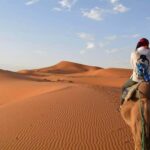
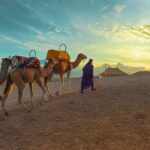
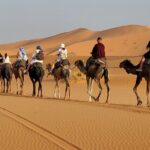
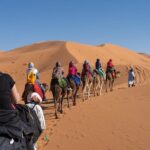
Then comes the main event: your camel trek into the Erg Chebbi dunes, timed for sunset. The reason this timing works is simple. At sunset, you get strong color changes, softer light for photos, and that “quiet-loud” feeling where the desert seems huge because you can’t see many landmarks.
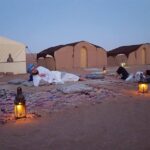
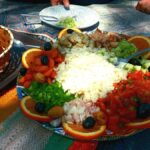
Evening at camp follows the same theme: dinner under the stars and traditional Berber music. The food is included here, and reviews mention it was great, which matters because after a long drive and a camel ride, you’ll want a meal that actually satisfies.
Day 2: sunrise ride, Erfoud fossils, and Todra Gorge’s limestone canyon cuts
Day 2 starts with an early wake-up for sunrise over the Sahara. This is the second reason this trip feels complete: you don’t just do one desert “moment.” You do the dunes again, but with morning light and a different mood.
You’ll have breakfast at the camp, then ride back by camel toward Merzouga. That ride back can feel calmer than the sunset trip, and it’s also when many people appreciate how much time you’re actually spending in the desert environment.
After returning, the day becomes about geology and drama:
- You’ll visit Erfoud, known for fossil-rich landscapes.
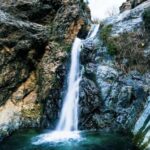
- Then you’ll head to Todra Gorge, with its striking limestone river canyon feel.
This is where the tour earns its keep beyond the dunes. The gorge stop breaks up the trip visually and gives you something memorable even if you’re not a desert-only person. It also gives your legs a chance to walk a bit and stretch out from camel time.
Dinner on Day 2 is at a local restaurant back in Merzouga, featuring traditional Moroccan cuisine. Reviews also note good comfort on the accommodation side, so you’re not constantly switching between uncomfortable sleep and long days.
Day 3: Rissani market energy, Ksar Ouled Debbab ruins, and a last chance for sandboarding
Day 3 is quieter in the sense that you’re no longer just chasing the Sahara rhythm—but you still get meaningful stops before the drive wraps up.
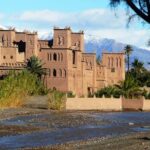
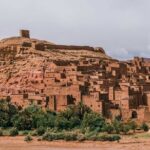
First up: Rissani. You’ll visit the ancient city and its historic architecture, plus the lively market feel that makes old towns in Morocco so addictive. Even if you only browse for a short time, it’s the kind of place where you can see daily life instead of only monuments.
Next is Ksar Ouled Debbab, described as an abandoned village with a fascinating history. These ruins can be haunting in a good way: they show how places evolve, and they give you contrast to the living desert music of the previous evening.
Lunch isn’t included, but the plan includes time for a leisurely meal in Rissani before returning toward Merzouga departure.
There’s also an option for sandboarding. The way this is set up matters: it’s there as a fun add, not something that replaces the camel trekking experience you already did.
Camp nights in the Sahara: what to expect from “comfortable” realism
A desert camp can mean anything from luxury tents to basic sleeping arrangements. This trip’s description focuses on a camp experience, and reviews specifically praise comfort—so you should expect an organized camp set-up rather than a chaotic DIY vibe.
Two meal points to notice:
- Breakfasts are included (3 total), so you’re not scrambling mornings.
- Dinners are included (2 total), which covers the most exhausting parts of the day.
On the culture side, the tour doesn’t treat the night as just a photo opportunity. Berber music is built into the camp evening, and the Khamlia stop brings music and dance earlier too. If you like understanding how people live and celebrate, this is a strong fit.
Safety and driving: why the driver names keep popping up
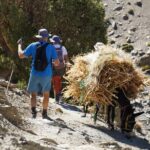
One theme in the feedback is plain: the driving feels safe and well paced. People highlight drivers like Abdelilah, Abdilah the Marrakchi, Abdel, Abdul/Abdoul, and they mention:
- Friendly, good mood attitude
- Safe driving
- Punctuality
- Helpful guidance
- Breaks taken often enough that the long road doesn’t feel punishing
That last point is important on this kind of circuit. The route is long, and if you don’t get breaks, you start feeling it in your body fast. Here, the rhythm is part of the experience, and it shows up repeatedly in what people praise.
Also keep in mind that even a safe driver can’t control the pace of traffic or road conditions. If you’re the kind of person who hates schedule surprises, you’ll need patience. If you’re okay going with the flow, this style works.
What’s included vs. what you’ll need to plan for
Here’s the clean list of what the tour includes:
- Air-conditioned vehicle
- Camel trekking
- Breakfasts (3)
- Dinners (2)
- Desert camp experience plus Berber music
- Sandboarding is part of the experience, with an optional feel on Day 3
What’s not included:
- Tips
- Drinks
- Lunch
So if you want smooth days:
- Budget a little for lunch each day you need it.
- Bring water or plan to purchase it, since drinks aren’t included.
- Keep a bit of cash for tips if you feel the service was worth it.
Who this tour suits best (and who should skip it)
This is a good match for you if:
- You want the classic Sahara camel trek and sunset moment
- You like adding culture stops like Khamlia and market time in Rissani
- You’re comfortable with a structured 3-day schedule and early mornings
- You want meals included so you can focus on the experience instead of logistics
You might look elsewhere if:
- You hate long road time and prefer shorter drives
- You want lots of free time with no schedule
- You’re only interested in dunes and not in geology/canyon stops
Should you book this Merzouga camel-trek tour?
If your goal is a first-rate Sahara hit in a short window, this tour checks a lot of boxes. The combination of camel trekking twice (sunset and sunrise style), Berber music, and included meals makes it feel good value for the price. Add in the geology and canyon stops, and you’re not stuck thinking about sand for every single hour.
My practical advice: book it if you’re okay with early mornings and long driving days. Bring patience, plan for lunch and drinks, and you’ll likely enjoy the full arc—from Marrakech-to-desert rhythm to the last market stroll before you head back.
FAQ
What does the tour include?
It includes an air-conditioned vehicle, camel trekking, three breakfasts, and two dinners. The desert experience includes Berber music, and sandboarding is offered as part of the activities. Tips, drinks, and lunch are not included.
Where does the tour start and what time does it begin?
The start time is 7:00 am with pickup offered. The meeting point is near public transportation.
How big is the group?
This tour has a maximum of 18 travelers, so it stays fairly small.
How many nights do you spend in the desert camp?
The tour description says two nights camping in the camp. The day-by-day plan also includes an overnight in a desert camp on the first day and an additional accommodation night back in Merzouga on the second day.
Is the camel trek included?
Yes. Camel trekking is included, including a trek into the Erg Chebbi dunes for the sunset experience and a camel ride back the next morning.
Is sandboarding included?
Sandboarding is listed as part of the overall experience, and it’s noted as an optional activity on Day 3.