REVIEW · GONDER
2 Days Simien Mountains Trekking
Book on Viator →Operated by Simien Tour and Travel · Bookable on Viator
Simien cliffs make Africa feel oversized. This Simien Mountains outing is built around dramatic escarpment walks, big views over gorges, and a waterfall drop that turns the whole day into one long photo stop.
I love how the trip starts with an easy introduction hike, which means you get your legs moving and your bearings set without jumping straight into a tough trail. I also like that the essentials are handled—permits, admission, meals, and support staff—so you’re not spending your limited time figuring out logistics.
The one caution: the road toward the mountains can be rough. Before you go, ask what vehicle you’ll ride in, especially if rain hits—4WD would make a difference for comfort and safety.
In This Review
- Key Things I’d Plan Around
- Simien Mountains: why this trek feels like you’re walking on the edge
- Day 1: Gondar-to-Debark drive, permits on arrival, and gelada-baboon spotting
- The intro hike along the northern edge of the escarpment
- Time and how it feels
- Day 2: Gich Abyss, a 500-m waterfall, and the ridge-to-valley walk back
- The Jinbahir River drops about 500 meters
- Walking back to Sankaber through valleys and villages
- Where the day ends
- Meals, mules, and the inclusions that matter in real life
- The mule support changes how you experience the hike
- Air-conditioned vehicle: a small luxury that helps
- What’s not included (so you can budget)
- Guide and scout support: what you’re really paying for
- Transport reality check: the road can be rough, so plan for it
- Price and value: what $295 really buys you
- Who this 2-day Simien trek suits best (and who should think twice)
- Should you book this 2-day Simien trek?
- FAQ
- What time does the trek start?
- Is pickup offered for this tour?
- How long is the hiking on each day?
- Are park admission tickets included?
- What meals and drinks are included?
- Do I need my own scout or guide?
- Are mules provided?
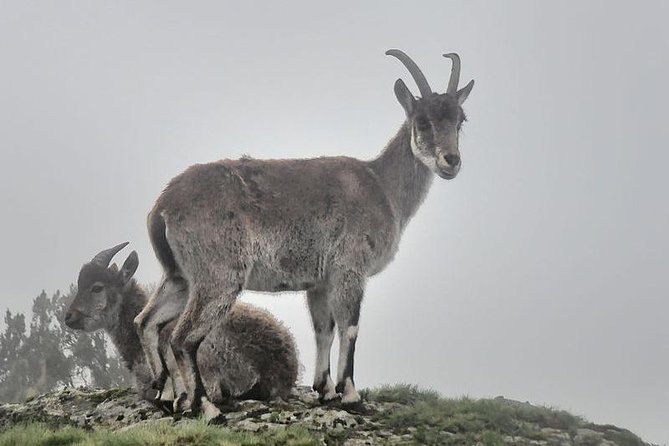
- What wildlife might I see?
- What fitness level is required?
- Can I cancel for free?
Key Things I’d Plan Around
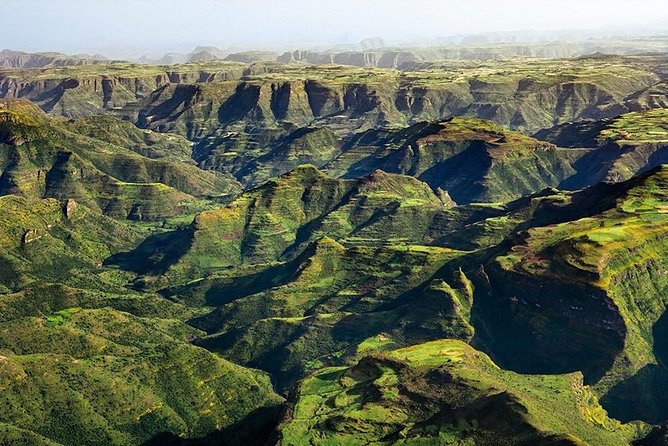
- Easy Day 1 escarpment walk with a good chance to spot gelada baboons
- Gich Abyss viewpoint reached via ridge walking and a cliff-edge view
- Jinbahir River waterfall plunging roughly 500 meters
- Return hiking through valleys and villages along the Wazla River area
- Small group size (max 20) plus guide and scout support
- Support for your gear with mule(s) and a mule handler
Simien Mountains: why this trek feels like you’re walking on the edge
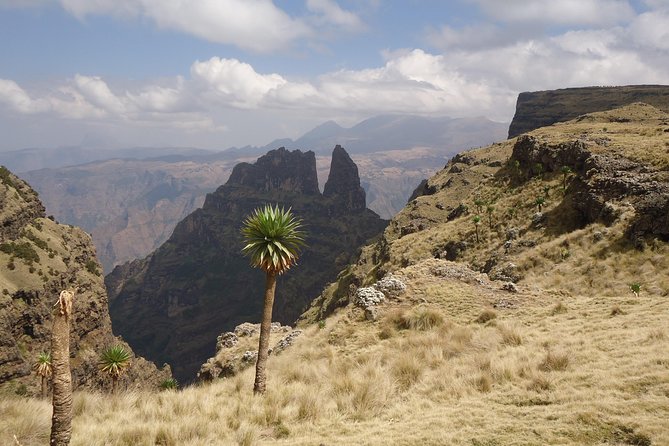
The Simien Mountains are famous for sharp ridges, deep gorges, and dramatic drop-offs that make you slow down even when you’re moving fast. On this 2-day trip, you’re not just passing viewpoints from a car. You’ll actually hike along the northern escarpment, then work your way toward the abyss and back through valleys with village scenery mixed in.
What makes this region special for a short trek is the variety packed into two days. You get a gentler start—views over the foothills and plains—then the second day focuses on the big wow factor: the cliff overlooking the abyss and the Jinbahir River waterfall falling about 500 meters. Even if you’re not a hardcore hiker, that combination of easy-to-moderate walking and standout scenery is a strong match.
And since the trek operates inside Simien Mountains National Park, you’re also dealing with the real-world rhythm of the park: permits, a scout, and guided movement through the area. That’s not glamorous, but it’s part of why the experience runs smoothly once you’re there.
You can also read our reviews of more tours and experiences in Gonder.
Day 1: Gondar-to-Debark drive, permits on arrival, and gelada-baboon spotting
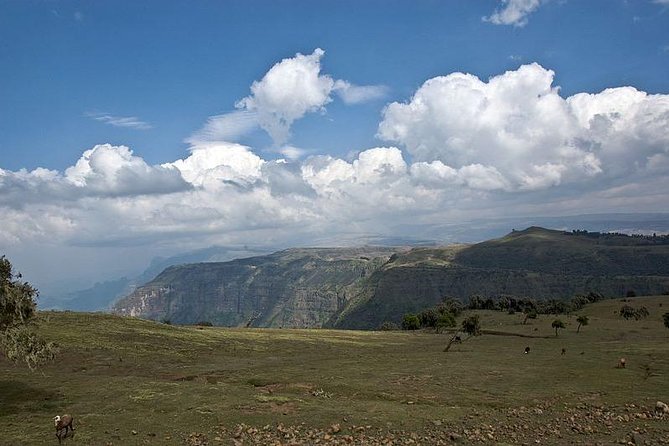
Your day starts with an early drive from Gondar toward the park area. The route heads to Debark first—about 100 km, taking roughly 2 to 3 hours. This matters because you’ll begin your trekking fresh enough to enjoy the first walk instead of feeling like you’ve already done half a hike before you start.
After you arrive at the park headquarters in Debark, you handle the park paperwork on the spot. That includes organizing permits and picking up a scout. Then you drive again for about an additional hour before you begin the first hike—so you’re entering the hiking zone properly, not stumbling onto trails with no plan.
The intro hike along the northern edge of the escarpment
The first walking day is described as easy, and that’s exactly how I’d want it set up for a two-day itinerary. You’ll hike along the northern edge of the escarpment and look out over the foothills and northern Ethiopian plains. It’s the kind of route that lets you get into the day, check out the views, and keep a comfortable pace.
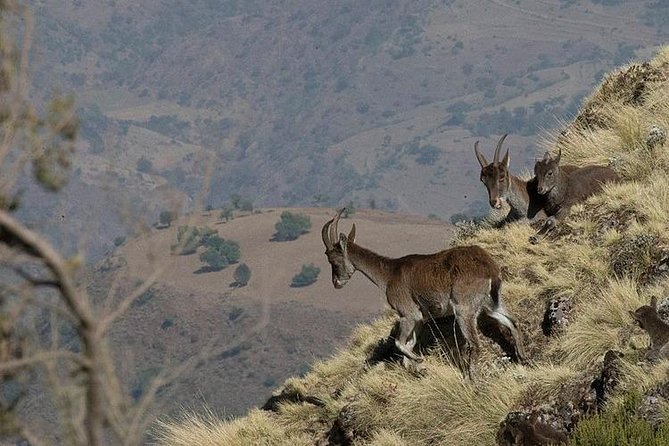
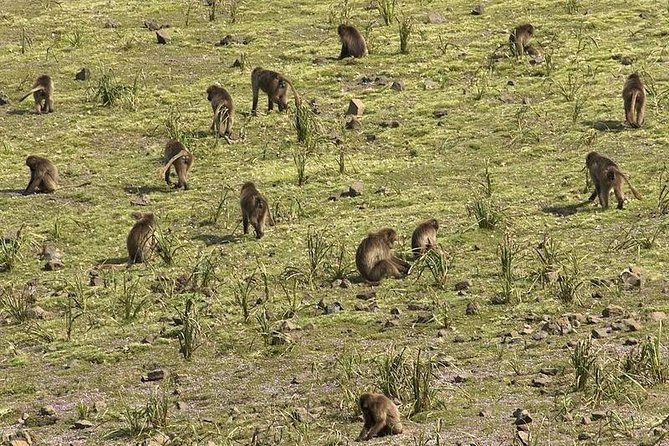
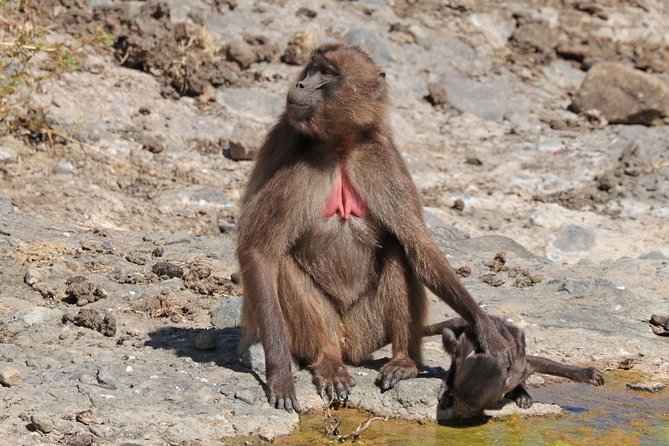
Wildlife is part of the payoff. You may encounter gelada baboons during this walk. In practical terms, that means you’ll want your patience for a few pauses—don’t rush the trail when wildlife is nearby, and keep your camera steady.
Time and how it feels
The hiking block for Day 1 is about 6 hours total. That includes the travel buildup and the time outdoors, not just constant walking. Expect a long but manageable first day that sets you up for the sharper scenery of Day 2.
Day 2: Gich Abyss, a 500-m waterfall, and the ridge-to-valley walk back
Day 2 begins with continuing along the northern escarpment eastward. It’s not just a repeat of Day 1; the trail pattern changes. You’ll descend a bit into the Kaba Valley, then climb up again before reaching Gich Abyss.
At Gich Abyss, the experience turns into that classic Simien moment: moving across a narrow ridge and then reaching a cliff with a spectacular view over the abyss toward the Simien foothills. If you like your scenery dramatic, this is the heart of the trek.
The Jinbahir River drops about 500 meters
Right around the abyss viewpoint, you also get the waterfall moment. The Jinbahir River plunges around 500 m into the abyss. That means you’re not just looking at a gorge—you’re looking at motion, sound, and scale.
This is one of those stops where you’ll likely spend time taking photos and soaking in the view, because it’s hard to look at that kind of drop for only 60 seconds. Build a few extra minutes into your mental schedule so you don’t feel rushed during the best part.
Walking back to Sankaber through valleys and villages
Once the waterfall and cliff viewpoint are done, you walk back toward Sankaber via a different route. You’ll enjoy the Wazla River valley area and pass through villages along the path.
This part matters for people who worry that short treks are all about viewpoints and nothing else. Village scenery gives you context for how people live in the shadow of these dramatic mountains. It also breaks up the day emotionally: you’re no longer only standing still and looking down—you’re moving through places where the terrain shapes daily life.
Where the day ends
After the walking portion, you’ll drive back toward Gondar. The description also notes the possibility of extra walking stops if you still want more time on foot, and it mentions returning toward Axum as an option. That’s useful if you’re planning a longer Ethiopian route and want your days to connect.
Day 2’s walking block is about 5 hours, so overall you’re getting a solid two-day rhythm without the kind of multi-day exhaustion that can force you to stop caring about the scenery.
Meals, mules, and the inclusions that matter in real life
This trek is priced as an all-in package, and the inclusions are the kind that actually reduce stress on a short trip. You get breakfast and dinner, plus two lunches. You also receive bottled mineral water.
You’re also covered for the big “costs you don’t see” that can add up when you plan alone: all fees and taxes, guide and scout fee, and admission tickets. That means you’re paying for the park access and the people who make the route work.
The mule support changes how you experience the hike
You’ll have mule(s) and a mule handler. Practically, that usually means your heavier bag weight doesn’t have to be your problem. On a two-day trek, reducing load can make a big difference in how much energy you have for viewpoints—especially on Day 2, where the scenery is the main event.
Air-conditioned vehicle: a small luxury that helps
Transport includes an air-conditioned vehicle, which is a comfort win after hours on the road. Even if you love heat, you’ll appreciate cooling down before and after the hikes.
What’s not included (so you can budget)
Alcoholic drinks aren’t included. If you like a beer or something special at dinner, budget for it separately rather than assuming it’ll be part of the package.
Guide and scout support: what you’re really paying for
One theme that really stands out with this kind of national-park trekking is that you’re not only paying for someone to point at views. You’re paying for safe, informed movement in a protected area.
On this trip, you pick up a scout after permits are arranged. That matters because the area is managed and the route is planned. It also means you’re less likely to feel lost or wondering if you’re on the right track when the trail narrows near the abyss.
There’s also a human factor. The support team’s attitude is described as friendly, attentive, and knowledgeable. You feel that most in the little moments: when you stop, when you ask a question, when conditions shift and everyone needs to stay on the same page.
And because it’s capped at a maximum of 20 travelers, you’re unlikely to feel swallowed by a giant crowd. That’s important for photography pauses and for the “slow down” moments when the scenery is doing its job.
Transport reality check: the road can be rough, so plan for it
Even though the early stretch from Gondar toward Debark is described as a paved road, the mountains approach is where conditions can get tricky. One practical caution: the tour information doesn’t always spell out the exact vehicle type, and a reviewer’s experience flagged the road to the mountains as very bad.
So here’s what I’d do before you book or before pickup day:
- Ask what vehicle you’ll ride in for the mountain approach.
- If rain is possible during your travel window, strongly consider requesting (or verifying) 4WD.
- Pack for mud and rough road conditions anyway, since bumpy access can lead to wet ground.
This isn’t meant to scare you off. It’s meant to help you show up prepared. A two-day trek goes by fast, so you want the travel part to be manageable, not stressful.
Price and value: what $295 really buys you
$295 per person is not a budget price for Ethiopia, but the value is real when you break down what’s included.
You’re getting:
- meals (breakfast, dinner, and two lunches)
- bottled mineral water
- an air-conditioned vehicle
- guide and scout support
- mule(s) and mule handler
- all fees and taxes
- admission tickets
- pickup is offered
On top of that, you’re buying access to Simien Mountains National Park for a route that includes both intro walking and the major Day 2 abyss-and-waterfall experience. If you were to piece this together yourself, the permits, guide/scout time, and organized park access would likely eat up your planning time and money fast.
So the value argument is simple: you’re not paying extra for basic survival logistics. You’re paying for a guided, supported trek where the hard-to-organize parts are already handled.
Who this 2-day Simien trek suits best (and who should think twice)
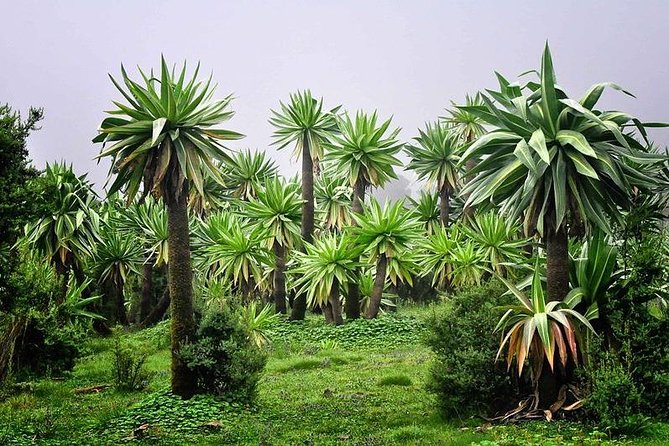
This is a good fit if you want a short trip with big payoff. You’ll be doing moderate walking, with an easy first day and a more dramatic second day focused on the abyss and waterfall.
It’s also a good option if you care about wildlife and scenery, because the plan includes a likely wildlife sighting (gelada baboons) and a major natural landmark (the Jinbahir River plunge).
You should think twice if:
- you’re sensitive to rough road travel and can’t tolerate bumpy conditions
- you’re looking for a gentle stroll the whole way—Day 2 involves ridge walking and cliff-area viewpoints, so your feet and stamina will be part of the deal
- you want a super flexible, self-guided hike rather than a managed park trek with permits and set routes
Given the group limit (max 20) and the included mule support, this is still a strong choice for many travelers with moderate fitness.
Should you book this 2-day Simien trek?
If you want the Simien Mountains in two days without turning your trip into a planning project, I think this is a solid choice. The pairing of an easy Day 1 escarpment introduction (with geladas) and the Day 2 Gich Abyss + Jinbahir waterfall makes the time feel well spent.
Book it if you:
- like guided park treks with permits handled
- want a standout natural feature without committing to a longer expedition
- prefer having meals, water, and mule support taken care of
Before you click confirm, do one homework step: ask what vehicle you’ll use for the mountain road, and push for 4WD if rain is in the forecast. That one detail can turn a rough drive from annoying to genuinely unpleasant.
FAQ
What time does the trek start?
The start time is 8:00 am.
Is pickup offered for this tour?
Yes, pickup is offered.
How long is the hiking on each day?
Day 1 includes about 6 hours of activity, and Day 2 includes about 5 hours.
Are park admission tickets included?
Yes, admission tickets are included.
What meals and drinks are included?
Breakfast, dinner, and two lunches are included, along with bottled mineral water. Alcoholic beverages are not included.
Do I need my own scout or guide?
No. The trip includes a guide and a scout fee.
Are mules provided?
Yes. Mule(s) and a mule handler are included.
What wildlife might I see?
You may encounter gelada baboons during the first day hike.
What fitness level is required?
The tour is for travelers with moderate physical fitness.
Can I cancel for free?
Yes, you can cancel for a full refund up to 24 hours in advance of the experience’s start time.