REVIEW · CHIVAY
Arequipa: 2-day Colca Canyon Trekking, Ending in Puno
Book on GetYourGuide →Operated by AREQUIPA EXPLORER Y ACTIVIDADES TURISTICAS · Bookable on GetYourGuide
Colca Canyon is a morning-magic hike. I especially love the Cruz del Cóndor stop for watching condors over a canyon that drops more than 3,400 meters, and the walk to the Sangalle Oasis where you get pools and a relaxed end-of-day. The main drawback to plan for is the early starts and steep, demanding hiking—this is not a casual stroll.
You’ll also like the way the trip strings together the best hits: Chivay, Colca Canyon viewpoint time, adobe bungalows in the oasis area, then scenic stops on the road toward Puno. I like that it stays organized with a professional guide, hotel pickup near Arequipa’s historic center, and a small group capped at 18.
One more consideration: tickets for the Colca Canyon are mandatory but not included, so you’ll want to budget for that up front (and hot springs are optional). If you go in unprepared, the trek can feel tougher than you expect.
In This Review
- Key moments that make this trek worth it
- Cruz del Cóndor at dawn: the part you’ll remember
- Day 1: Arequipa pickup, Chivay breakfast, and the long descent to Sangalle
- Hotel pickup and Chivay morning fuel
- Condor viewpoint at Cruz del Cóndor
- Down into the canyon from Pampas de San Miguel
- San Juan de Chuccho lunch and the valley villages
- Sangalle Oasis by late afternoon, with pools and bungalows
- Dinner and rest
- Day 2: The 4:30 a.m. climb, hot springs option, and reaching Puno
- Sunrise hike back up to Cabanaconde
- Transport to Chivay and guided stops
- Chivay lunch (optional) and coordination to Puno
- Scenic stops en route to Puno
- Sangalle Oasis: pools and the reality of “typical adobe” stays
- Waterpools in the oasis
- Overnight in adobe bungalows
- Meals: enough fuel, not a food tour
- Price and logistics: what you’re really paying for
- What’s included
- What’s not included (budget items you should plan for)
- Small-group cost control
- Fit check: steep hiking, early mornings, and smart gear
- Where it fits best: who will love this trek
- Language and guide style
- Should you book this Colca Canyon trek that ends in Puno?
- FAQ
- Is the Colca Canyon entrance ticket included?
- Does the tour include the hot springs?
- What meals are included during the trek?
- Where does the tour pick you up in Arequipa?
- What’s the group size?
- When and where do you end the tour?
Key moments that make this trek worth it
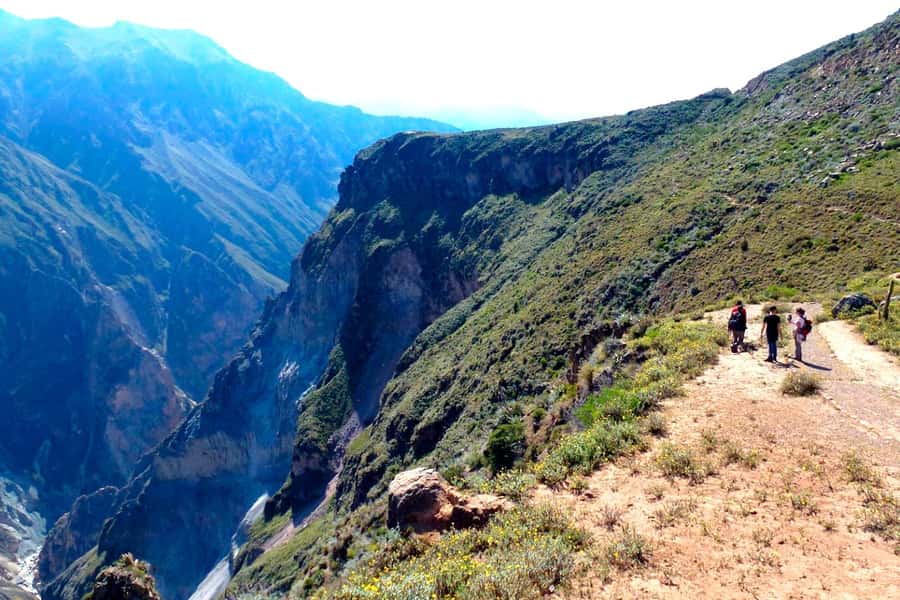
- Cruz del Cóndor viewpoint time: about 40 minutes to look for condors and take in the canyon depth
- Descent + suspension bridge day: you’ll cross the first suspension bridge area as you move down into the valley
- Sangalle Oasis pools and adobe bungalows: an actual break with waterpools, palm-tree calm, and an overnight in typical adobe-style lodging
- The 4:30 a.m. climb: a three-hour ascent back up to Cabanaconde after sunrise-level starts
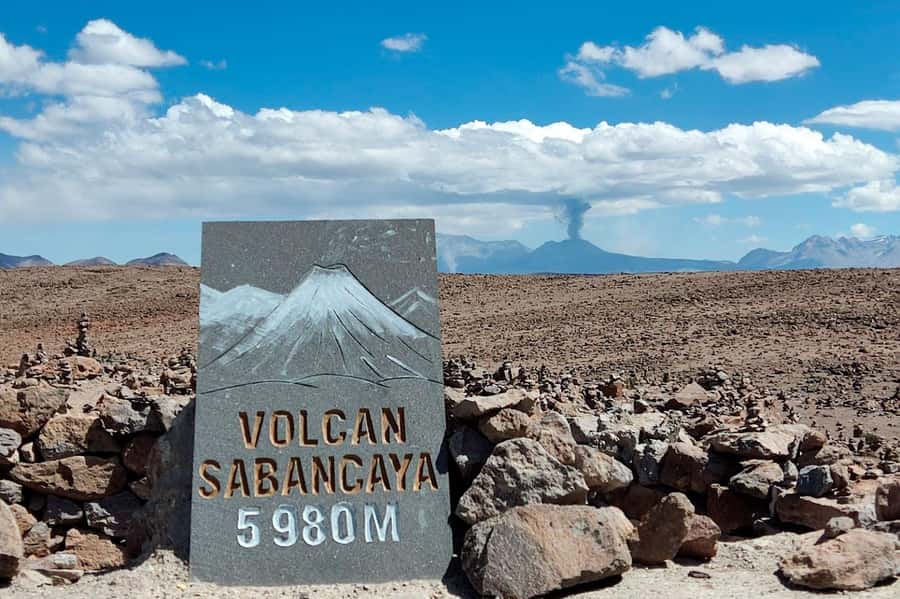
- Road trip to Puno with guided stops: pre-Inca terraces viewpoint, Maca village, volcano viewpoint, llama variety views, and Lagunillas
- Small group feel: limited to 18 participants, which helps keep the pace human
Cruz del Cóndor at dawn: the part you’ll remember
Colca Canyon is famous for its scale, and the first big “wow” happens before you even start hiking hard. After pickup around 3:00–3:30 a.m. from hotels near Arequipa’s historic center, you’ll head out for a long but scenic early morning drive.
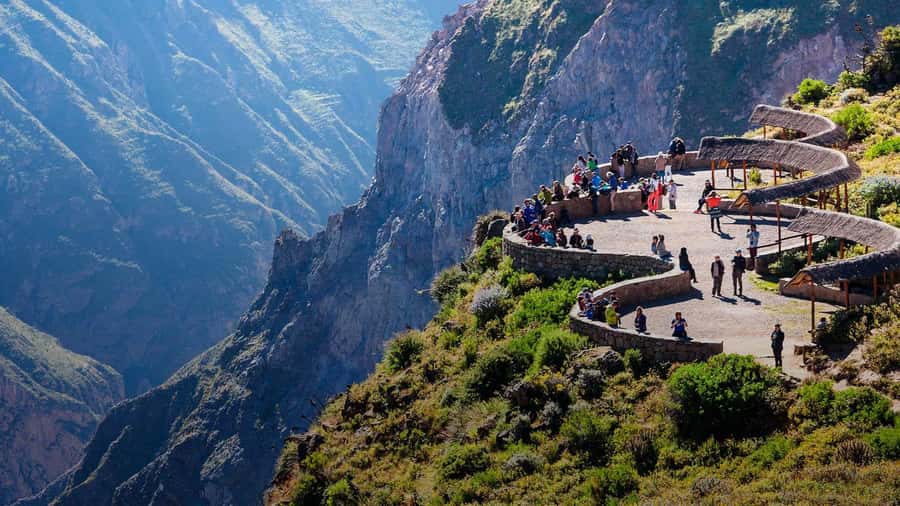
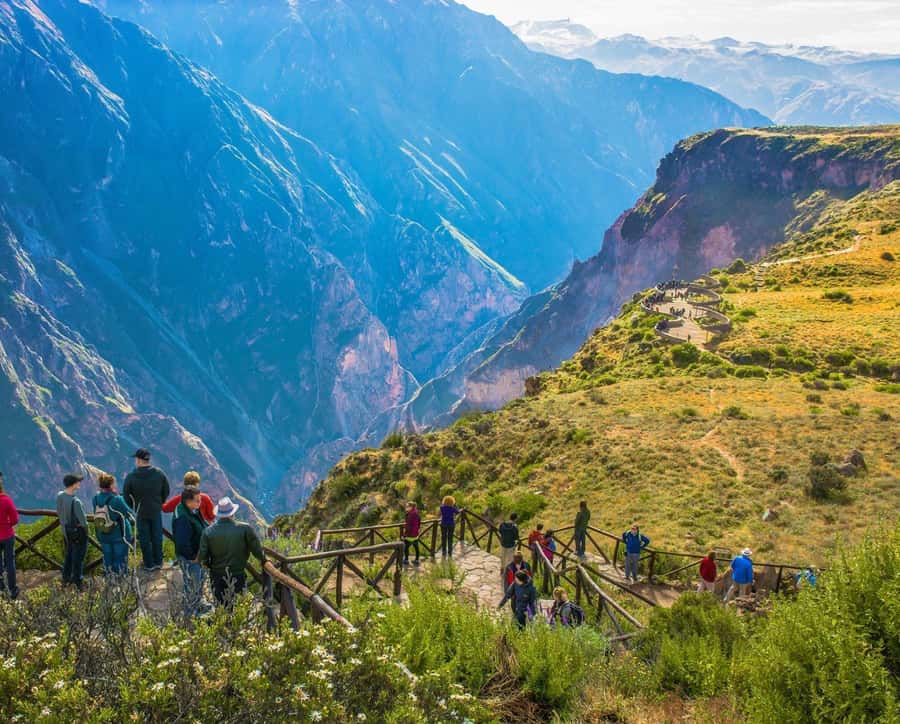
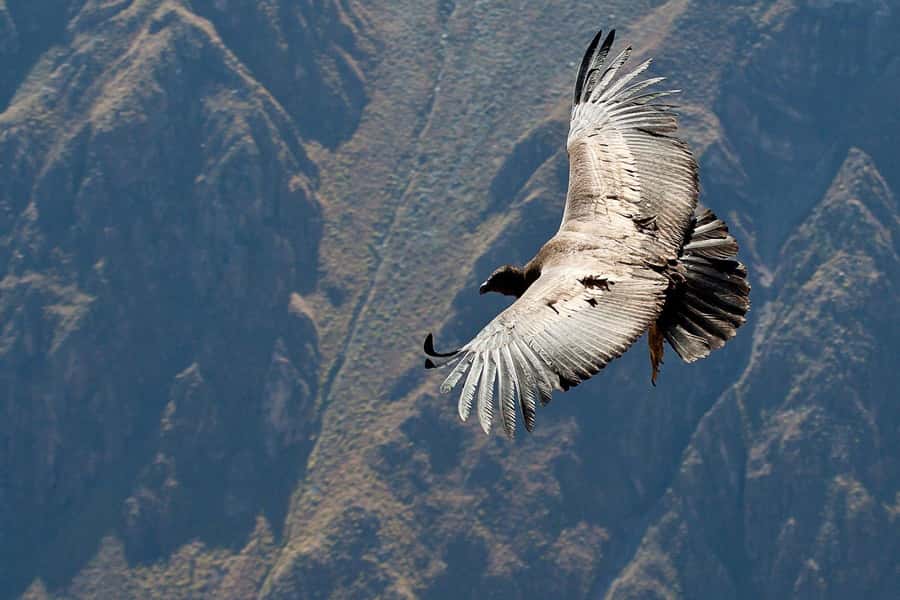
Once you reach Chivay around 6:30 a.m., you get breakfast and then continue to Cruz del Cóndor, which is about an hour from Chivay. The key detail is that you don’t just pass through. You get roughly 40 minutes at the viewpoint, enough time to find a comfortable spot, watch for condors, and understand how deep the canyon really is (more than 3,400 meters as stated in the itinerary).
This is also where your guide’s timing matters. That is the zone and time window most people hope for condor sightings, so being there on schedule is part of the value of booking a guided trek rather than trying to DIY the whole day.
You can also read our reviews of more tours and experiences in Chivay.
Day 1: Arequipa pickup, Chivay breakfast, and the long descent to Sangalle
Day 1 moves fast at first, then shifts into that steady rhythm trekkers love. Here’s how the day typically unfolds.
Hotel pickup and Chivay morning fuel
You’ll pick up passengers between 3:00 and 3:30 a.m., then travel toward Chivay, arriving around 6:30 a.m. Breakfast is planned there. That matters because your first hiking effort is coming soon, and you need energy before the descent.
Condor viewpoint at Cruz del Cóndor
After breakfast, the group rides about an hour to Cruz del Cóndor. You’ll have around 40 minutes there to appreciate the canyon depth and look for flying condors.
Practical tip: this is early, and mornings can feel chilly. Dress in layers you can peel off once you start moving.
Down into the canyon from Pampas de San Miguel
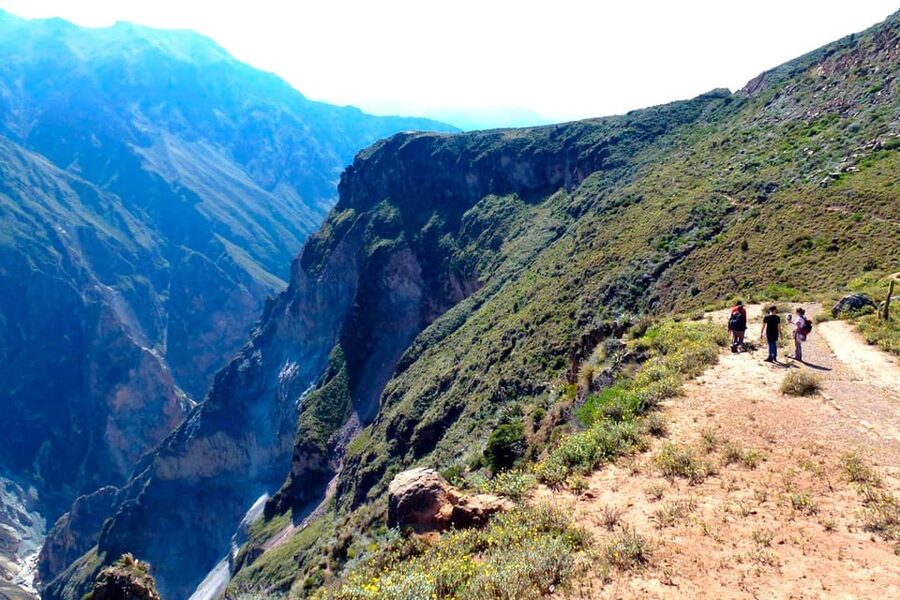
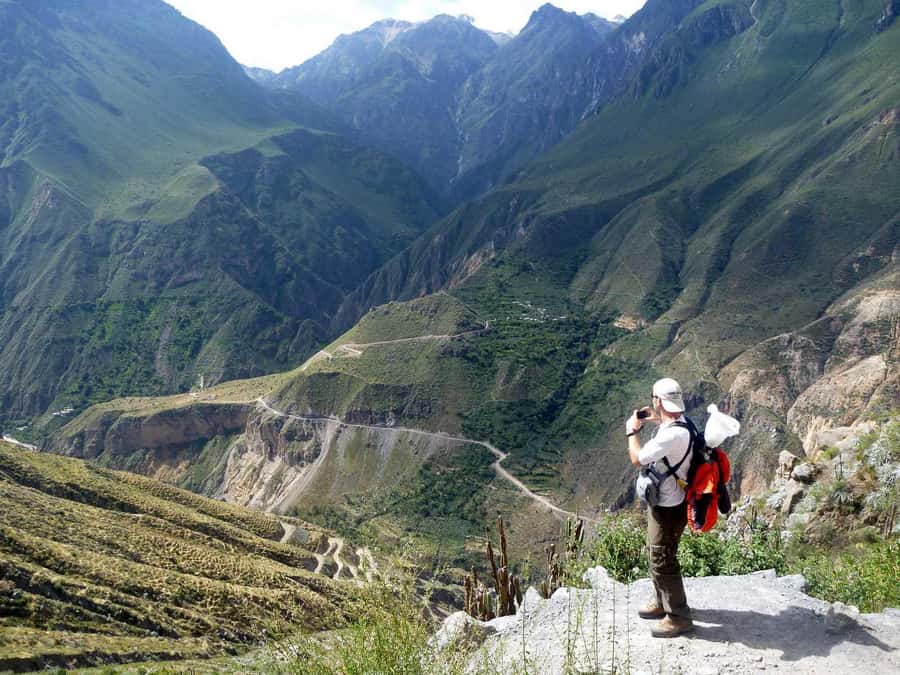
Next you head to Pampas de San Miguel in Cabanaconde. From there, the hike begins with a long descent—about 3.5 hours down toward the Colca River, with a rest time planned when you reach the river area.
As you work your way down, the itinerary includes the first suspension bridge in the area. That’s one of those moments that breaks up a long stretch and adds a little variety to the terrain.
San Juan de Chuccho lunch and the valley villages
After your river-area rest, you continue and stop for arrival and lunch in San Juan de Chuccho. Then you’ll move through additional hamlets, visiting Malata and Cosñirhua.
What’s nice here is that you’re not only walking through scenery—you’re moving through lived-in places that sit along the canyon route.
Sangalle Oasis by late afternoon, with pools and bungalows
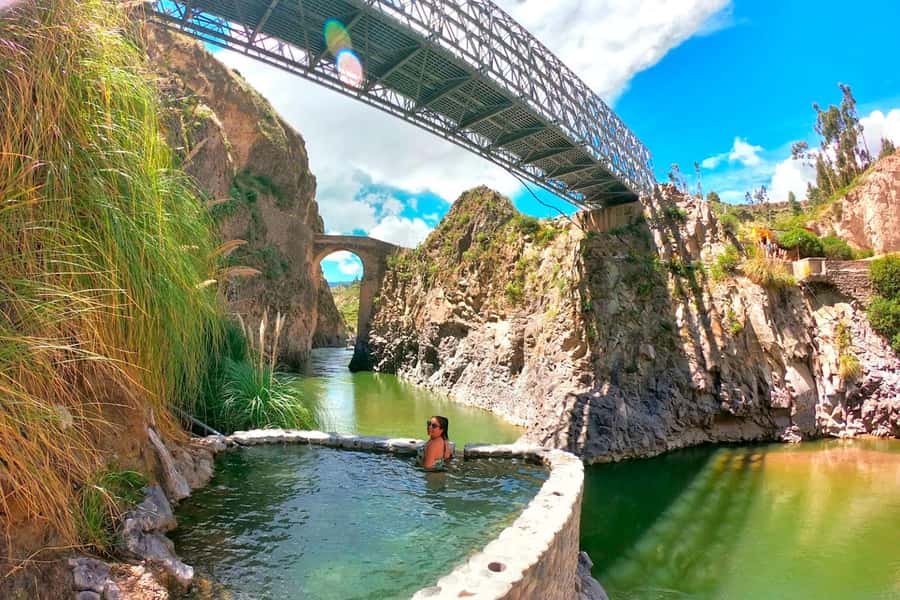
The day ends at the Sangalle Oasis, with arrival set for about 5:00 p.m. You’ll enjoy the waterpools there, described as calm and charming with palm trees, and you’ll likely feel the difference immediately—this is where the pace eases.
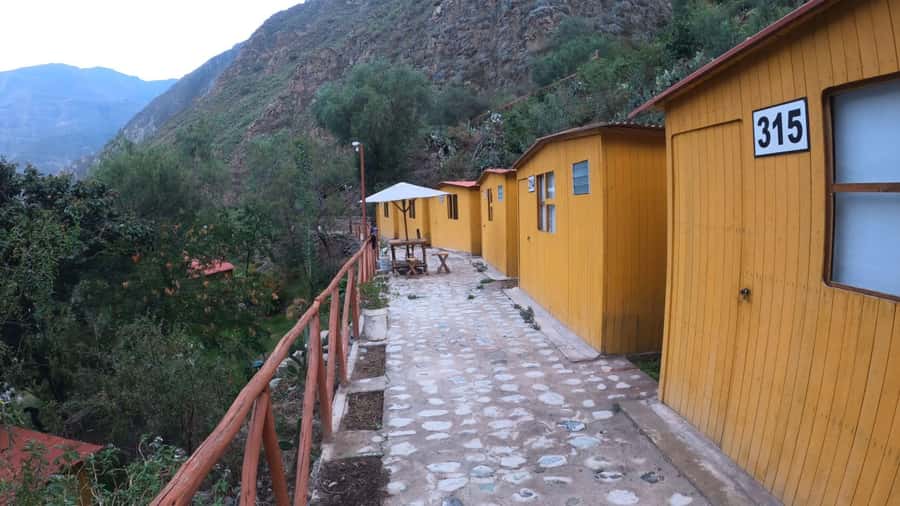
You’ll sleep in a typical adobe bungalow in the oasis area for one night. One review also highlighted that the lodging area can include wifi, plus a cold shower experience. Even if you don’t count on that exact setup, expect something simple and practical rather than hotel-soft.
Dinner and rest
Dinner is included on Day 1. After a day like this, your best plan is to treat the evening as recovery time. Early light, steep steps, and changing temperatures make sleep feel like part of the itinerary.
Day 2: The 4:30 a.m. climb, hot springs option, and reaching Puno
Day 2 starts early on purpose. The schedule is built around getting you back up to Cabanaconde, then rolling into the drive toward Puno.
Sunrise hike back up to Cabanaconde
At 4:30 a.m., you start the hike again, ascending for about 3 hours from Sangalle back to Cabanaconde. Breakfast happens in Cabanaconde afterward.
This is the hardest part for most people—not because it’s technically complicated, but because you’re going uphill with tired legs and it’s still dark or near-dark for the early portion. A strong tip from a past participant: bring a headlamp. It’s the simplest way to get your footing when you’re moving in low light.
Transport to Chivay and guided stops
After breakfast, you board the vehicle back to Chivay. Along the way, you’ll make multiple tourist stops with another professional guide (so you’re not left just watching out the window).
Planned stops include:
- A natural viewpoint for pre-Inca terraces
- A visit to the traditional village of Maca
Then, in the 11:00 a.m. window, you have an optional hot spring use. It’s generally in Yanque, and it could be Chacapi Hot Spring. If you want a soak, decide early because it affects how you pace your day.
Chivay lunch (optional) and coordination to Puno
You’ll arrive in Chivay around 12:00 p.m. You get about one hour to eat. A buffet lunch is optional and not included.
After lunch, transport coordination is handled by your guide so you can continue toward Puno City. This is one of the underrated benefits of a package like this: the logistics shift from hiking-led to road-led, and you don’t have to figure out the handoff yourself.
Scenic stops en route to Puno
On the drive, you’ll make three tourist stops, each tied to views:
- a volcano viewpoint
- llamas variety viewing
- a stop at Lagunillas with Andean birds and beautiful canyon-and-valley viewpoints
The day lands with an arrival time around 7:30 p.m., when you’re dropped off near Puno’s Main Square (generally about one block from Plaza de Armas).
That timing matters if your next day involves more Titicaca-area plans, because you end the trip in a central place.
Sangalle Oasis: pools and the reality of “typical adobe” stays
The Sangalle Oasis portion is what turns this from a straight hiking challenge into a memorable two-day trek. You’re not just walking for spectacle—you’re walking to an actual place designed for canyon travelers.
Waterpools in the oasis
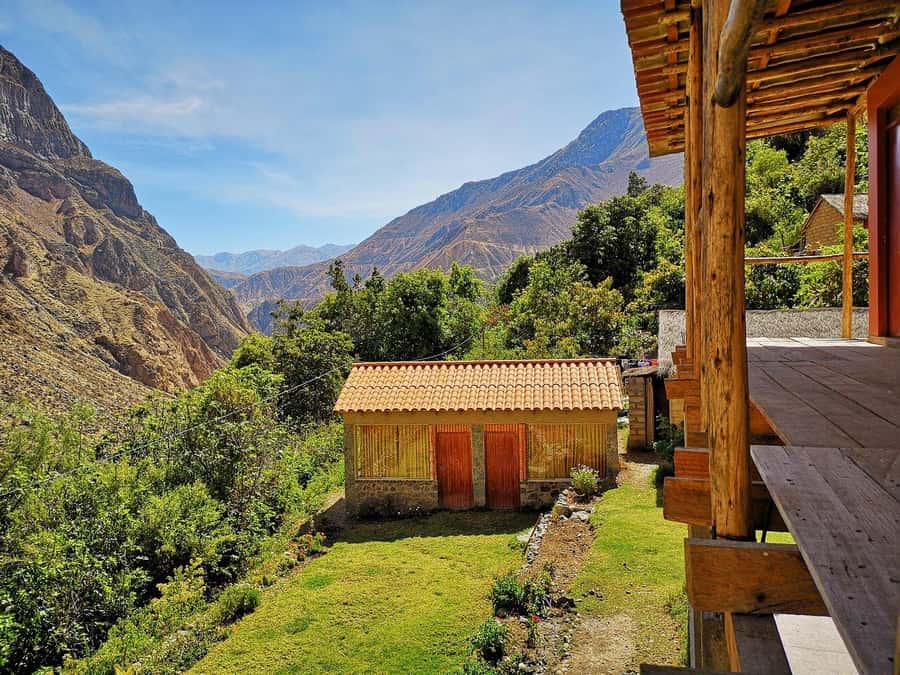
Entry to the waterpools in the oasis area is included. The itinerary describes them as pools surrounded by palm trees, and the mood is usually calm because you’re far from city noise. This is also the best moment to start thinking about recovery: rinse sweat, loosen up legs, and let your body cool down.
Overnight in adobe bungalows
You sleep in typical adobe bungalows in the oasis area. This is not boutique lodging, but it is part of the charm and the authenticity. One review noted the lodging area can have wifi, and it also mentioned a very cold shower, so treat hot water as a maybe.
If you like real-world travel, this setup feels honest. If you’re expecting hotel comfort, it will feel basic.
Meals: enough fuel, not a food tour
The tour includes:
- Breakfast x2
- Lunch x1 (Day 1)
- Dinner x1 (Day 1)
Day 2 lunch is not included, and you can add a buffet lunch in Chivay if you want. For a trek like this, that makes sense: the bigger energy needs are spread across hike segments, while the day ends with an evening arrival in Puno.
Price and logistics: what you’re really paying for
The advertised price is $139 per person for a two-day experience with a lot of moving parts. Here’s the value math in plain terms.
What’s included
You get:
- Touristic transport
- A professional guide
- Private room for 1 night in Sangalle oasis bungalows
- Meals: 2 breakfasts, 1 lunch, 1 dinner
- Hotel pickup near Arequipa’s historic center
- Entry to the waterpools in the oasis
- Transport segment: Chivay (Colca) to Puno
That’s already more than just a guided hike. You’re paying for guided timing, transportation, and the overnight logistics in the oasis area.
What’s not included (budget items you should plan for)
You must budget for:
- A mandatory Colca Canyon entrance ticket
- Peruvian: 20 soles
- Sudamericans: 40 soles
- Others: 70 soles
- Hot spring ticket (optional): 15 soles
- Day 2 lunch
These add-ons can change the total cost, depending on your nationality and whether you use the hot spring. If you care about keeping your spend predictable, the canyon ticket is the big one.
Small-group cost control
With a group size capped at 18, you generally get better pacing and fewer bottlenecks at key stops. In trekking terms, that’s not a luxury—it’s comfort and safety.
Fit check: steep hiking, early mornings, and smart gear
This tour is built around real trekking. The schedule isn’t for casual walkers.
- Day 1 includes a long descent and then continues through villages before reaching Sangalle.
- Day 2 includes a 3-hour ascent starting at 4:30 a.m.
One participant described the trek as intense and said condition is required. They also pointed out two gear needs that are easy to miss if you pack lightly:
- walking sticks
- a headlamp for hiking in the dark the next morning
If you take one piece of advice, make it this: bring gear that helps your knees and your visibility.
Other practical advice, based on what the itinerary implies:
- wear shoes that grip well on uneven paths and possibly slick segments
- bring a light layer for early hours
- keep your water plan simple and consistent; you don’t want to be improvising during the descent-to-river stretch
Where it fits best: who will love this trek
This is a good match if you:
- want a real trek rather than a bus-and-photo day
- like active travel with a clear endpoint (you finish in Puno, near Plaza de Armas)
- enjoy guided cultural stops, like Maca village and the pre-Inca terraces viewpoint
- want condor viewing time without scrambling for timing on your own
It may not be the right fit if you:
- hate early starts and prefer daylight-only adventures
- want hotel-level comfort at night (adobe bungalows are simple)
- get nervous on steep climbs or if you’re not confident with uphill days
Language and guide style
The guide is available in English and Spanish. One past participant specifically mentioned James as a guide and praised his humor, which suggests the guide can keep the vibe friendly during hard stretches.
Should you book this Colca Canyon trek that ends in Puno?
Book it if you want Colca’s top moments in a structured two-day format: Cruz del Cóndor condor-viewing time, a memorable overnight at Sangalle Oasis, and a road route that lands you in Puno without making you manage multiple transfers.
Think twice if:
- you’re not comfortable with steep hiking and early mornings
- you don’t want to pay extra for the mandatory canyon entrance ticket and possible hot spring entry
If you do book, plan your packing around the realities of the itinerary: trekking support (walking sticks) and visibility (headlamp). That’s the difference between completing the trek with confidence and arriving tired but frustrated.
FAQ
Is the Colca Canyon entrance ticket included?
No. The Colca Canyon entrance ticket is mandatory and not included in the price. The cost depends on nationality (Peruvians 20 soles, Sudamericans 40 soles, others 70 soles).
Does the tour include the hot springs?
Hot spring use is optional on Day 2. You can use the hot spring generally in Yanque, possibly Chacapi Hot Spring, but the hot spring ticket (15 soles) is not included.
What meals are included during the trek?
The tour includes 2 breakfasts, 1 lunch, and 1 dinner. Lunch on the second day is not included.
Where does the tour pick you up in Arequipa?
Pickup is included from hotels near Arequipa’s historic center. The pickup window is about 3:00 to 3:30 a.m.
What’s the group size?
The group is small, limited to 18 participants.
When and where do you end the tour?
The tour ends around 7:30 p.m. with drop-off in Puno near the Main Square (Plaza de Armas), generally about one block away.