REVIEW · PHU QUOC
Phu Quoc: Tien Son Dinh 6-Hour Jungle Trekking Adventure
Book on GetYourGuide →Operated by HORNBILL ADVENTURES · Bookable on GetYourGuide
Tien Son Dinh earns its sweat. This 6-hour Phu Quoc jungle trek blends a steep rainforest climb with a summit that frames Phu Quoc International Airport in the distance, plus a cooling break at Suoi Tranh pools. I like how the day mixes exercise, nature lessons, and real local food without feeling like a long transfer parade.
The tradeoff is the route is serious. You should expect steep sections, thorny growth in places, and extra-care footing when it rains, so go only if you are comfortable with uneven ground.
In This Review
- Key Highlights at a Glance
- Tien Son Dinh on Phu Quoc: What This Trek Really Delivers
- The Climb Setup: 6+ Kilometer Trek to 280 Meters
- Rainforest Walkthrough: Plants, Animals, and Local Mountain Stories
- The Summit Reward: Views, Airport Perspective, and a Hammock Reset
- Suoi Tranh After the Descent: Waterfalls, Pools, and Caution Where It Counts
- Dry Season Cave Time: Exploring Phu Quoc’s Largest Cave System
- Ham Ninh Finish: Traditional Banh Xeo and a Real Local Backdrop
- Price and Value: What $65 Buys on This Type of Day
- What to Bring (and What to Skip) for a Smooth Day
- Guides Matter: Si and Hac Make the Trail Feel Manageable
- Timing Reality: Expect Rain to Change the Texture of the Trek
- Should You Book This Tien Son Dinh Jungle Trek?
- FAQ
- How long is the Tien Son Dinh jungle trekking adventure?
- How far and how high is the hike?
- What is included in the tour price?
- Where is pick-up and is there an extra fee?
- What languages are offered for the guide?
- Do you swim at Suoi Tranh or explore the cave?
- When will you eat lunch and what do you eat?
- What should I bring?
- Who should not take this tour?
Key Highlights at a Glance
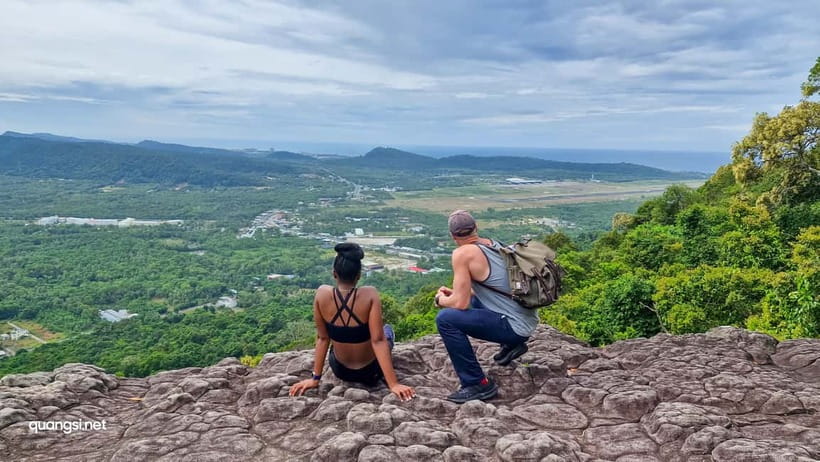
- Tien Son Dinh summit views with a unique island perspective, including the airport area
- Suoi Tranh waterfall swim time in scenic stream pools, if conditions allow
- Forest guidance on local plants and animals, with clear safety habits on the trail
- Hammock break after the climb, so you actually recover instead of rushing onward
- Afternoon choice between Suoi Tranh water time or cave exploration during the dry season
- Ham Ninh banh xeo lunch served as a traditional end to the hike
Tien Son Dinh on Phu Quoc: What This Trek Really Delivers
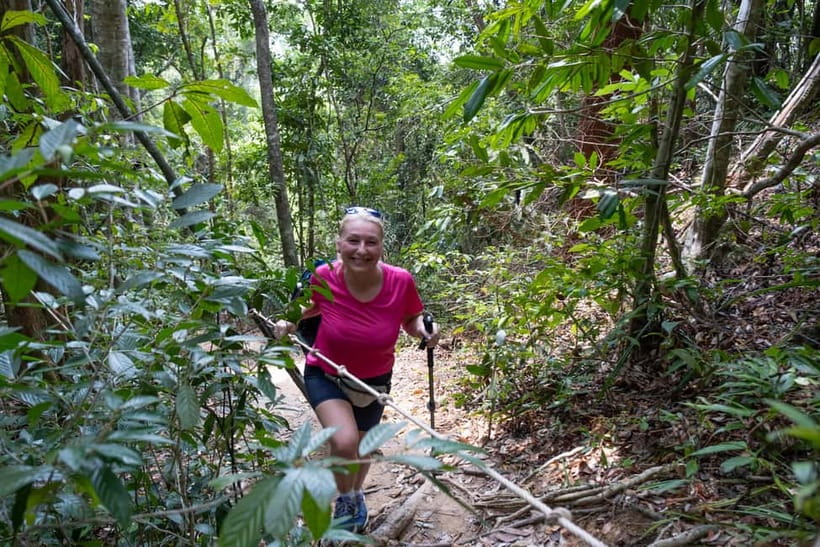
This is not a stroll. It is a proper hike up to the 280-meter Tien Son Dinh area, using trails that can feel steep and physical. You spend your morning building up effort in tropical forest, then you get your reward with views plus an afternoon natural break.
I like that the tour gives you multiple ways to enjoy the day. You climb for panoramas, you cool off with water time, and you finish with banh xeo in Ham Ninh. It is a full arc: sweat, scenery, and local food.
One more thing that matters: this tour is built around a local guide’s reading of the terrain. That means you get tips for where to watch your steps, where thorny plants show up, and how to move safely when surfaces get slick.
You can also read our reviews of more tours and experiences in Phu Quoc.
The Climb Setup: 6+ Kilometer Trek to 280 Meters
The trek route is listed as about 6+ kilometers of ascending trail, reaching roughly 280 meters. Even if 280 meters does not sound huge on paper, the steepness is the point. You will likely feel it in your legs, especially if you are not used to hot humidity and uneven ground.
You will also be moving for long enough that having the right gear matters. This tour provides trekking poles, a headlamp, and a backpack. That is a big plus for comfort and stability, especially on rocky or muddy sections.
Know what the “road” part implies, too. The path can include steep segments and uneven footing. In practice, that means you should plan for slow steps, short rests, and a mindset that the climb is the main activity.
Rainforest Walkthrough: Plants, Animals, and Local Mountain Stories
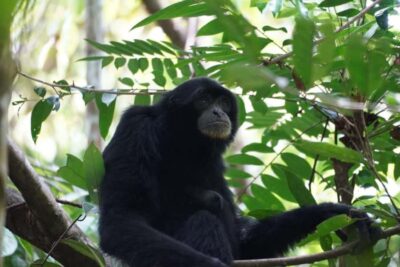
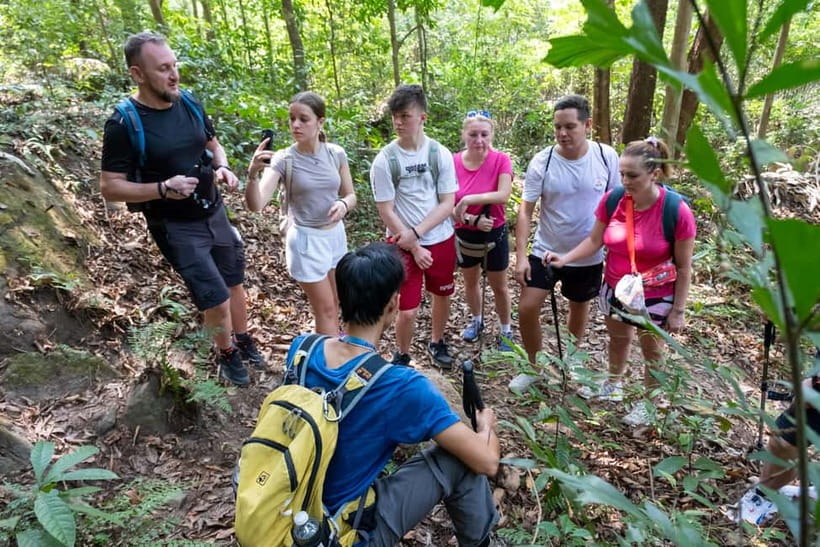
This is where the experience becomes more than exercise. You walk through tropical forest and your guide explains what you are seeing—local species, what people use them for, and how the ecosystem works.
One of the best parts is the way guides connect plants to everyday life. You are not just hearing names. You learn how certain plants are recognized, what they look like, and why they matter in this part of the island’s landscape.
You also hear the legendary stories connected to the man who named the mountain. It gives the summit a bit more meaning than just geography. When you know the story behind the place, you tend to look around differently once you get to the top.
And yes, safety shows up in the explanations. Guides actively help you avoid rattan and thorny growth, and they coach your pace so you do not rush into risky spots.
The Summit Reward: Views, Airport Perspective, and a Hammock Reset
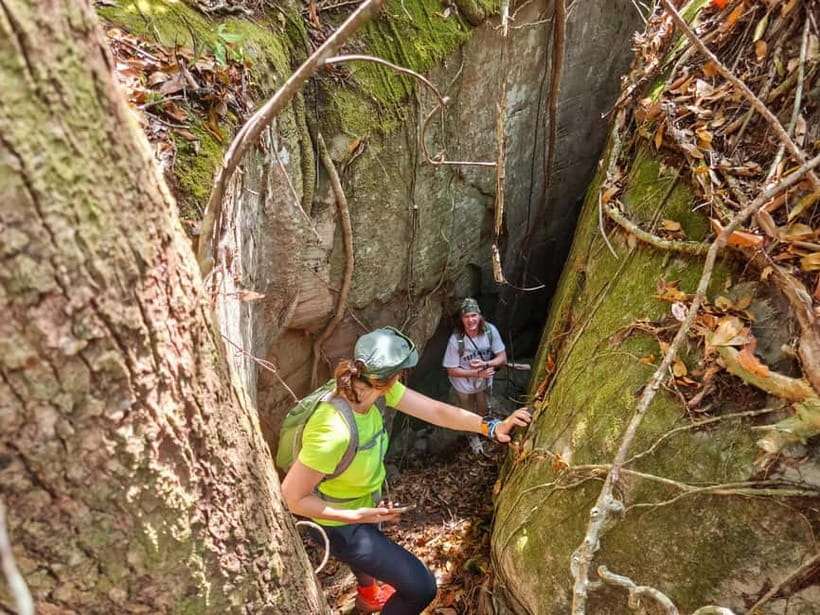
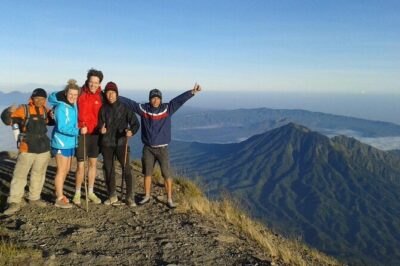
Reaching the summit is the big payoff. From there, you get expansive views over mountain and forest areas and a rare perspective of Phu Quoc International Airport. That airport view is fun because it reminds you how close the wild parts of the island are to modern life.
Then you get a pause that I genuinely appreciate: hammocks are provided. After a steep climb, a proper rest changes the whole feel of the day. Instead of sprinting down and skipping your breath, you can recover and soak in what you climbed for.
This part matters because tropical trekking is as much about pacing as it is about effort. If you treat the summit like a quick stop, you miss the best part. If you use the hammock time, you leave the peak feeling calm, not crushed.
Suoi Tranh After the Descent: Waterfalls, Pools, and Caution Where It Counts
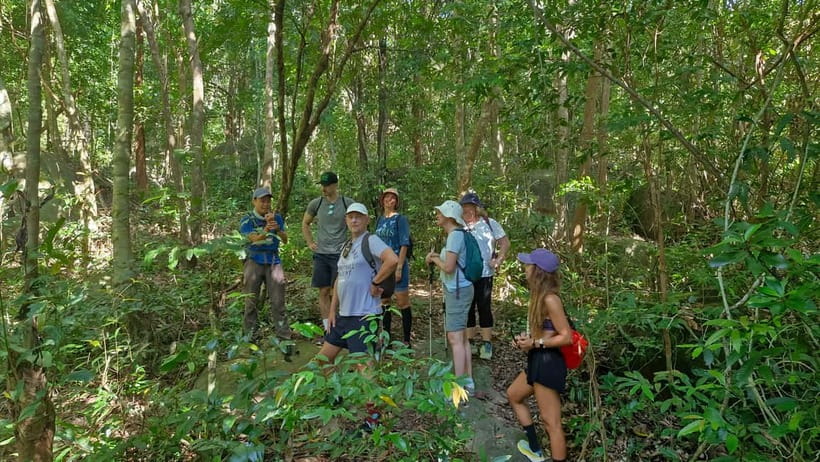
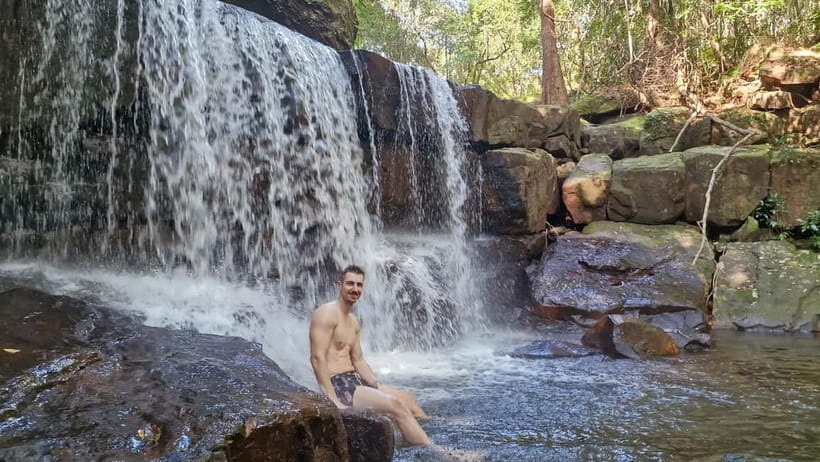
After descending, you choose between a relaxing swim in Suoi Tranh and cave exploration. Suoi Tranh is described as a stream with cascading waterfalls and pristine pools, so you can see why people get excited about it.
The practical reality: the water part can be spectacular and tricky at the same time. You may wade through areas with thorny bushes and spots where the ground drops off or feels deeper than you expect. When it rains, surfaces can get slippery fast.
So if you want this swim option, you should come prepared for wet trekking. Waterproof footwear with good grip is the difference between feeling relaxed and feeling stressed. Long pants also help you manage contact with brush during the approach.
If loud tourist behavior is not your thing, keep expectations flexible. The water area can involve groups, so you might prefer to focus on the quiet pool moments rather than the busiest sections.
Dry Season Cave Time: Exploring Phu Quoc’s Largest Cave System
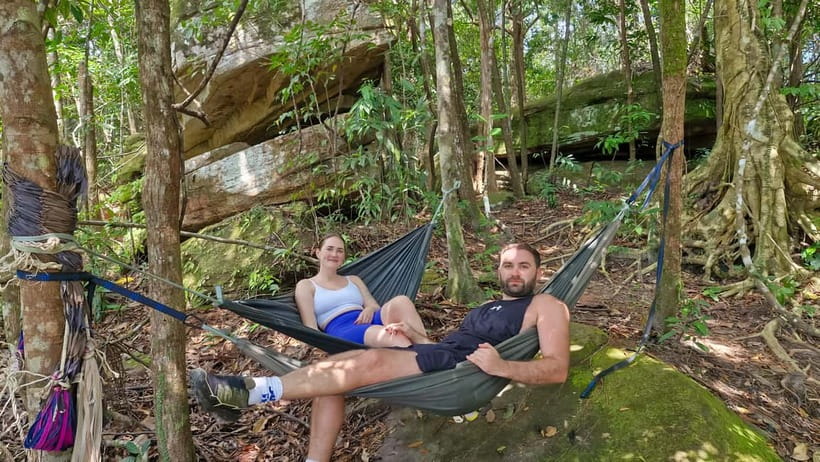
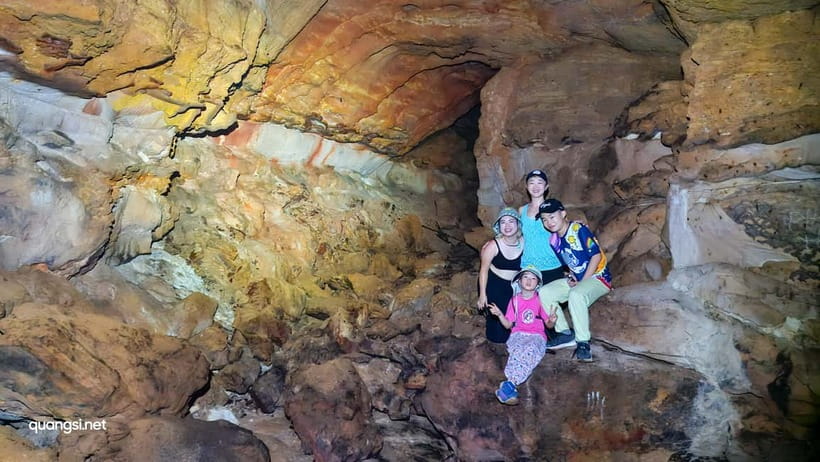
If you are traveling in the dry season, your afternoon may include cave exploration instead of (or in addition to) water time. The tour specifically mentions exploring Phu Quoc’s largest cave system during the dry period.
Caves add a different kind of adventure. Your headlamp is part of the gear set for a reason, so you are not stuck guessing where to place your feet or how far the path goes. Cave time also tends to cool you down after the sun and humidity of the climb.
Because cave conditions depend on season and timing, the exact flow of this choice can vary. But the good news is the tour already plans around it, so you are not left wondering what happens if weather changes.
Ham Ninh Finish: Traditional Banh Xeo and a Real Local Backdrop
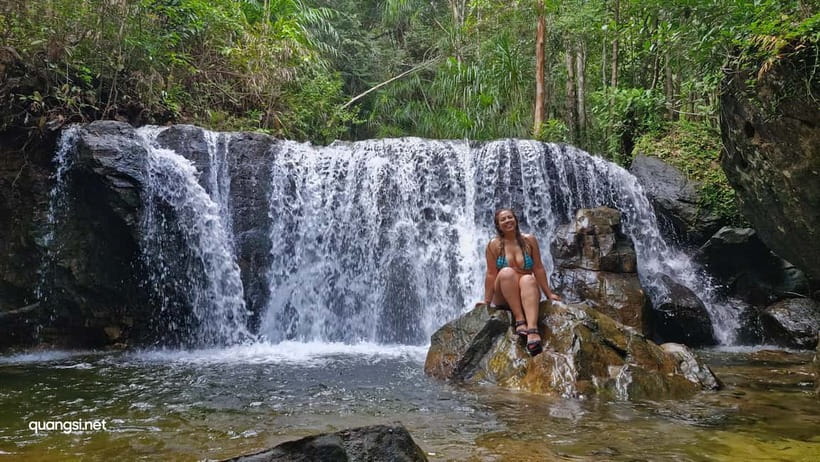
The day ends in Ham Ninh fishing village, where you eat a traditional Banh Xeo meal. This is a smart ending. You get the energy of a filling lunch after the workout, and you do it somewhere that makes sense for seafood-farming coastal life.
What I like about this stop is the tone. It feels like a local meal, not a rushed food show. The banh xeo itself is described as traditional, and the food is also described as simple but good.
One practical note: sometimes the setting can feel more like a restaurant meal than a staged village picnic. If you are expecting a very specific visual setting, you might want to keep expectations grounded and focus on the food.
Price and Value: What $65 Buys on This Type of Day
At $65 per person, this trek is priced like an all-in nature day with real support, not like a bare-bones hike. You get a qualified guide, pick-up/drop-off within Duong Dong city center, trekking poles, a headlamp, and a backpack. You also get drinks and seasonal fruit, plus rain protection, hammocks, and a first aid kit.
The meal is included too: banh xeo. For a 6-hour plan that includes a summit, forest interpretation, and an optional water or cave segment, that inclusion matters.
Two added cost reminders to consider:
- If your travel date has only one person, there is a 200,000 VNĐ surcharge and the transfer is by motorbike.
- If you need pick-up outside Duong Dong center, there are area surcharges (300,000 VNĐ per group for several central beaches and 500,000 VNĐ per group for farther zones).
If you already live near Duong Dong center and you have a small group, the value tends to feel very fair. If you are far from pick-up points or solo, factor those surcharges into your decision.
What to Bring (and What to Skip) for a Smooth Day
This tour gives you a lot of gear, but you still need personal basics. Pack:
- Hat
- Swimwear (if you plan to swim)
- Hiking shoes (or sturdy water-ready footwear)
- Sunscreen
- Insect repellent
- Long pants
A rainy-season tip matters here: if you expect wet conditions, prioritize traction. Wading and slippery ground are part of the equation in bad weather.
Also, follow the rules strictly. You are not allowed to smoke, litter, make fire, use plastic bottles, or touch plants. Those rules are there because you are moving through forest that the team needs to protect, and because touching plants can also mean getting scratched or stung.
Finally, this hike is not a casual pick-me-up. It is listed as not suitable for children under 10, pregnant women, people with mobility impairments, people with heart problems, and people with low fitness. That is the honest call. If any of those apply, look for an easier alternative.
Guides Matter: Si and Hac Make the Trail Feel Manageable
One pattern stands out: the guides bring both knowledge and control of the day. Guides like Si (also referred to as Mr Si) and Hac are praised for English-speaking comfort, strong safety habits, and plant knowledge on the route.
Si in particular is described as well prepared with rain gear, mosquito repellent, and the walking supports you get for the day. That matters because tropical trekking is full of small problems that become big problems if no one handles them early: rain, insects, thorny growth, slippery footing.
Guides also help with pacing and movement. If you hit a steep section, you are not left guessing. You get guidance on where to step, when to move slowly, and how to dodge rattan. That kind of coaching makes the climb feel safer and less scary.
And yes, there is a photography angle. Strong guides help you get those summit moments without turning the hike into a photo break marathon.
Timing Reality: Expect Rain to Change the Texture of the Trek
This is Phu Quoc, so weather can shift how the trail feels. Rainy conditions can make the ground slippery and can increase how often you deal with wet surfaces. That is why waterproof footwear and good tread come up again and again.
Even when it is raining, the experience can still be very rewarding. You may find the forest changes mood, the pools look different, and the day feels more “real” than a bright-day postcard.
But it does mean you should plan for slower progress. If you rush, you slide. If you go steady, you can enjoy the hike even when the sky does not cooperate.
Should You Book This Tien Son Dinh Jungle Trek?
Book it if you want a day that mixes real hiking effort with nature interpretation and a local meal. You will likely enjoy it most if you are comfortable with steep, uneven terrain and you can handle the possibility of thorny, slippery sections on the way to the water.
Skip it if you are looking for an easy walk, you hate wading and wet footing, or you fall into the listed non-suitable groups. Also skip if you know your fitness level struggles with steep climbs and you cannot comfortably manage it for 6+ kilometers.
One last decision tip: if Suoi Tranh swimming is a top priority, bring footwear with grip and plan for extra caution. If cave exploration is your priority, check timing with your operator based on season so you do not end up disappointed by changed conditions.
FAQ
How long is the Tien Son Dinh jungle trekking adventure?
The tour is listed as a 6-hour trek.
How far and how high is the hike?
The trail is described as about 6+ kilometers ascending to around 280 meters.
What is included in the tour price?
It includes a qualified guide, pick-up and drop-off within Duong Dong city center, trekking poles, a headlamp, and a backpack. Drinks and seasonal fruit are included, along with lunch (Banh Xeo), plus raincoat, hammock, and a first aid kit.
Where is pick-up and is there an extra fee?
Pick-up/drop-off is included within Duong Dong city center. There are extra pick-up fees for other areas, including 300,000 VNĐ per group for several zones and 500,000 VNĐ per group for farther zones. There is also a 200,000 VNĐ surcharge if the travel date has only one person due to transfer by motorbike.
What languages are offered for the guide?
The tour offers English and Vietnamese.
Do you swim at Suoi Tranh or explore the cave?
After descending, you can choose between a swim in Suoi Tranh or, during the dry season, explore the largest cave system in Phu Quoc.
When will you eat lunch and what do you eat?
Lunch is included and it is Banh Xeo. The meal is served at the end of the tour in Ham Ninh fishing village.
What should I bring?
Bring a hat, swimwear, hiking shoes, sunscreen, insect repellent, and long pants.
Who should not take this tour?
It is not suitable for children under 10, pregnant women, people with mobility impairments, people with heart problems, or people with low fitness.