REVIEW · SA PA
2 Night Lao Chai-Ta Van Homestay- Trekking & Fansipan Visit
Book on GetYourGuide →Operated by Go Asia Travel · Bookable on GetYourGuide
Sapa gets real fast when your first views come right off the bus. This 2-night Lao Chai–Ta Van experience mixes a long trek through the Muong Hoa valley with two different ethnic homestays in Black Hmong and Giay areas, plus an optional Fansipan Peak visit by cable car. I like that it’s not just walking—there’s time for real family meals and hands-on local food. You’ll also get an English-speaking guide to help you make sense of what you’re seeing.
That said, the trek is still a real trek, and one possible drawback is that your comfort depends on group logistics—think long walking days, shared sleeping space, and the chance you may need to plan around things like water access during the walk.
The best part for me is the rhythm: morning trek, big valley scenery, then homestay life where meals feel like part of the day, not a stop to refuel. I also like the way the route links key spots, including the suspension bridges and terrace scenery that sit right alongside the stream. Your main consideration: the transportation can be tight if you’re tall, and the program can feel crowded around busy stops.
Overall, it’s a strong value for people who want nature, culture, and a proper Sapa-style trek without spending extra days planning. Just go in with flexible expectations about trekking pace, group size, and what’s practical to carry.
In This Review
- Key things that make this trek worth your time
- Sapa’s Lao Chai–Ta Van route: what you’re really buying
- Getting from Hanoi: the limousine bus reality
- Day 1: Y Linh Ho to Lao Chai San for Black Hmong village life
- Day 2: Muong Hoa valley to Ta Van—photos, stream time, and a second culture
- Day 3: Giang Ta Chai suspension bridge, then Hanoi—plus the Fansipan cable car option
- Optional add-on: Fansipan Peak by cable car
- Homestay comfort: what “single mattress” actually means
- What to pack (so the trek feels good, not annoying)
- Price and value: does $110 make sense?
- Pace and group dynamics: how to set expectations
- Who should book this (and who should skip it)
- Should you book Lao Chai–Ta Van Trek + Fansipan add-on?
- FAQ
- Is Fansipan Peak included or optional
- What meals are included in the trip
- Where do we start and end each day
- Do I get a private room at the homestay
- What’s included in transportation
- Are drinks included
- What should I bring for the trek
- Is the trek suitable for everyone
- Are there extra charges on holidays
Key things that make this trek worth your time
- Two homestays, two cultures: swap villages after day 1 so you experience different daily life rhythms
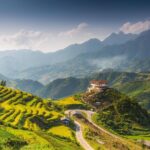
- Muong Hoa valley trekking focus: rice terraces, streams, and viewpoints along the way
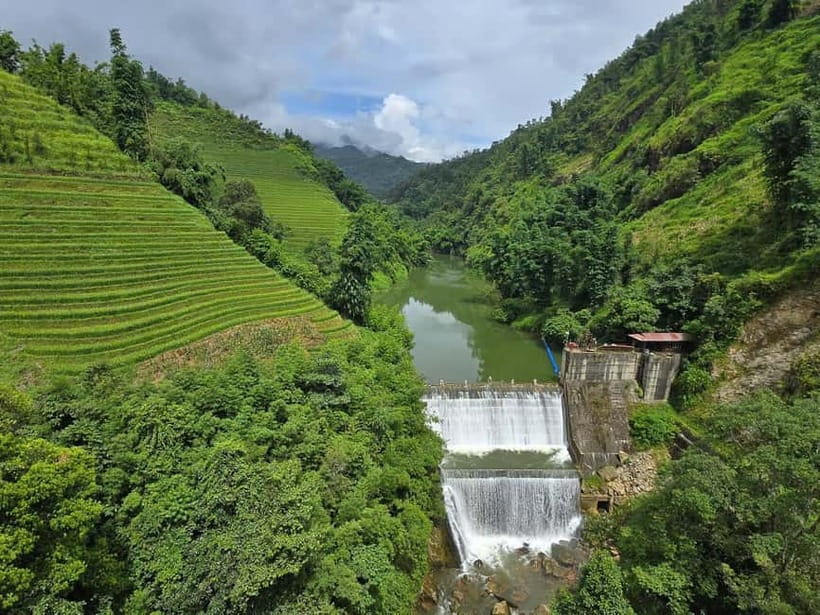
- Suspension-bridge moments: you cross key bridges and pass waterfalls on the trek routes
- Homestay meals with a local guide: breakfast, lunches, dinners are built into the flow
- Fansipan Peak add-on: optional cable car visit to 3,143 meters when you want the big summit experience
- English support on the ground: an English-speaking guide helps translate culture and route choices
Sapa’s Lao Chai–Ta Van route: what you’re really buying
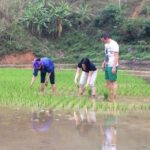
This tour is built around a simple idea: you get the classic Sapa views, but you also sleep with local families in two different villages. That matters because your day isn’t only about the trail. It’s about the in-between moments—how people cook, how food tastes after a walk, and how your guide explains why certain plants and terrace patterns matter.
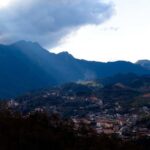
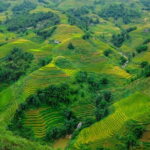
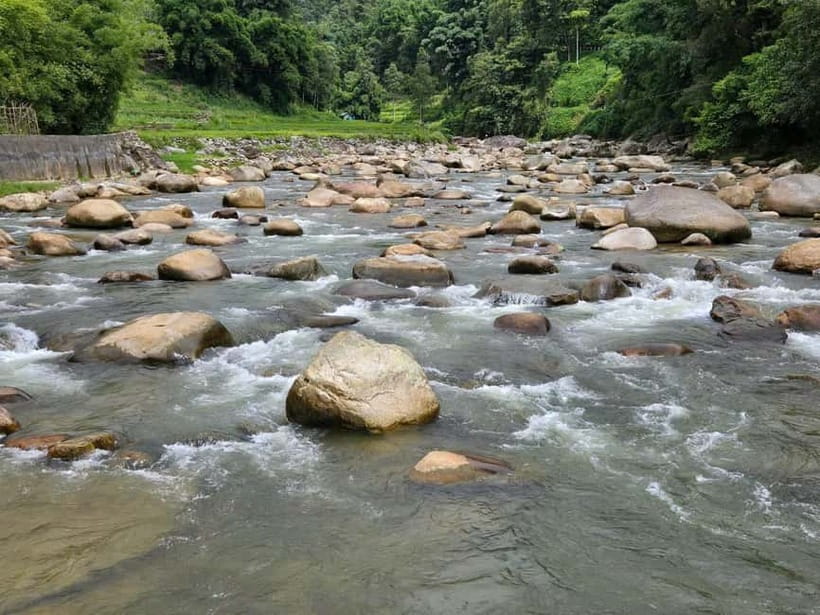
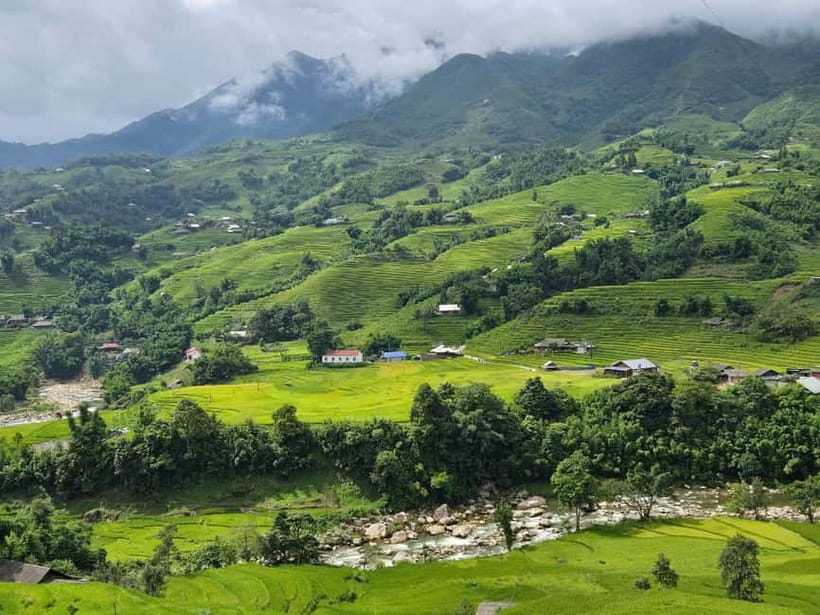
You’re trekking through the Muong Hoa valley, which is where Sapa’s scenery becomes practical. The valley isn’t just scenic; it’s walkable in sections with homestay checkpoints. Expect a mix of walking through terrace areas, paths near streams, and a few uphill climbs to reach the villages.
The optional Fansipan Peak by cable car is there for people who want one “big ticket” viewpoint. Cable car is not the same as a full summit hike, but it’s a smart way to add elevation without turning the trip into a mountaineering project.
You can also read our reviews of more tours and experiences in Sa Pa.


Getting from Hanoi: the limousine bus reality
You start early—around 6:15 am—at the meeting point at 204 Tran Quang Khai. The ride to Sapa is about 5.5 hours, and the route includes three short breaks to reset.
A “limousine” style bus can still mean tight seats, especially if you’re tall. One practical tip: if sleeping flat matters to you, plan to be uncomfortable for a bit. Keep your bag light, bring a layer, and use the breaks. You’ll land in Sapa feeling more ready to trek.
Once you arrive in Sapa around 1:00 pm, you get welcomed by a company representative, then you eat lunch before you start your first trek in the afternoon. This is a good flow for people who hate wasting half a day wandering before the real action begins.
Day 1: Y Linh Ho to Lao Chai San for Black Hmong village life
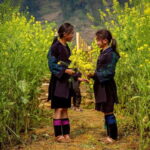
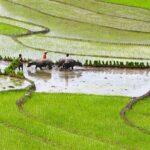
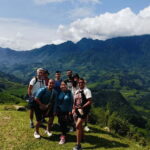
The first real trekking start is around 2:30 pm, beginning from Y Linh Ho and moving toward Lao Chai San Village, a Black Hmong community. You’ll spend your afternoon moving through rice terraces and walking alongside the Muong Hoa stream.
This is the day where the views and the village approach work together. You pass a suspension bridge and you may see a waterfall along the route. Then, you climb up toward the hill where the homestay sits, which gives you that “we’re above the valley now” feeling.
When you check in, the schedule shifts from outside to inside. Dinner is with your host family, and you can join cooking if you want. That small choice is more than cute—if you participate, you get a better sense of how meals fit into village life, not just what ends up on your plate.
What I like about the first night: the evening is quieter. You’re not doing extra transfers or late driving. You’ll have time to settle, compare notes with your guide, and get ready for a morning that starts with breakfast and then walking.
Day 2: Muong Hoa valley to Ta Van—photos, stream time, and a second culture
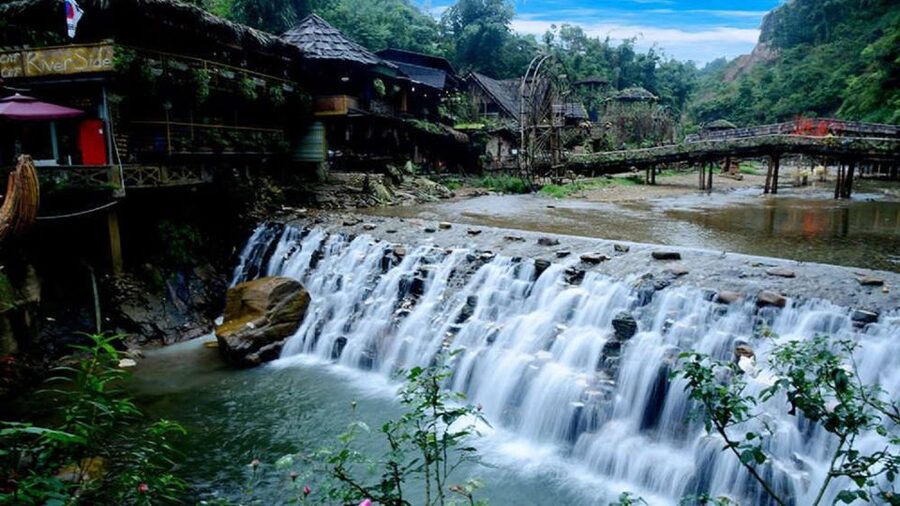
Day 2 begins with breakfast and then a trek through some of the valley’s most scenic sections. You’ll eat early, including pancake with honey and fruits, then head out with your guide.
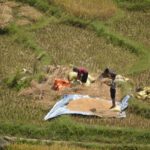
The walk focuses on terrace fields, the stream, and paths that bring you past local life along the route. You’ll also have built-in photo time because the scenery changes often—valley angles, terrace steps, and small moments where you can see daily routines.
Lunch is a picnic lunch prepared by your guide, and then you keep walking until you reach Ta Van village around 3:00 pm. That timing is good. You still have daylight to explore a bit, but you’re not arriving so late that you lose the evening with your hosts.
Back at the homestay, the day includes downtime. You may have time to swim in the nearby stream and relax watching the mountains. Drinks aren’t listed as included, so if you want beer or anything else, keep your budget in mind and plan on buying as needed.
Dinner is cooked by the host family again. This second family meal is where the tour earns its value: you compare two village cooking styles and two ways of organizing a day around visitors.
Day 3: Giang Ta Chai suspension bridge, then Hanoi—plus the Fansipan cable car option
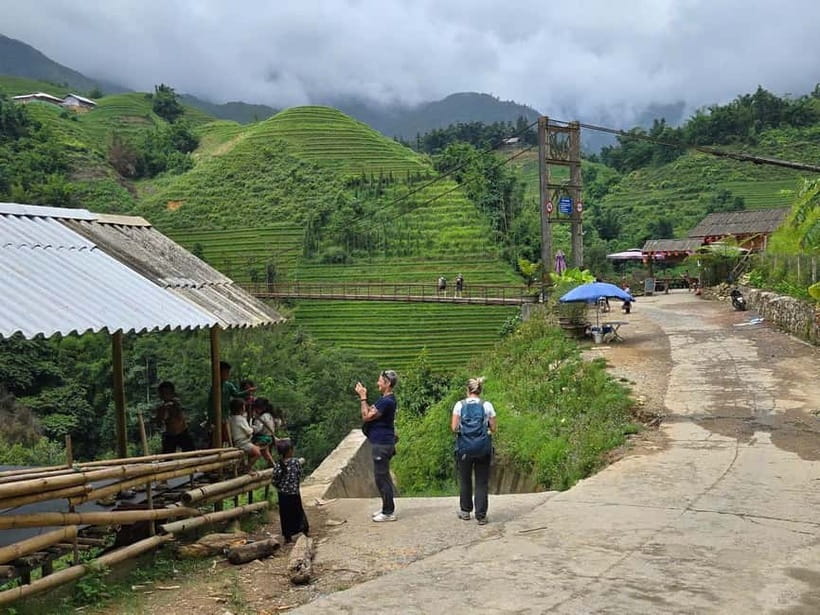
On the last morning, you’ll start around 7:30 am with breakfast prepared by the family, then trek through rice paddies and a bamboo forest. This is a calmer-feeling section than day 1, but it still includes walking and good sightlines.
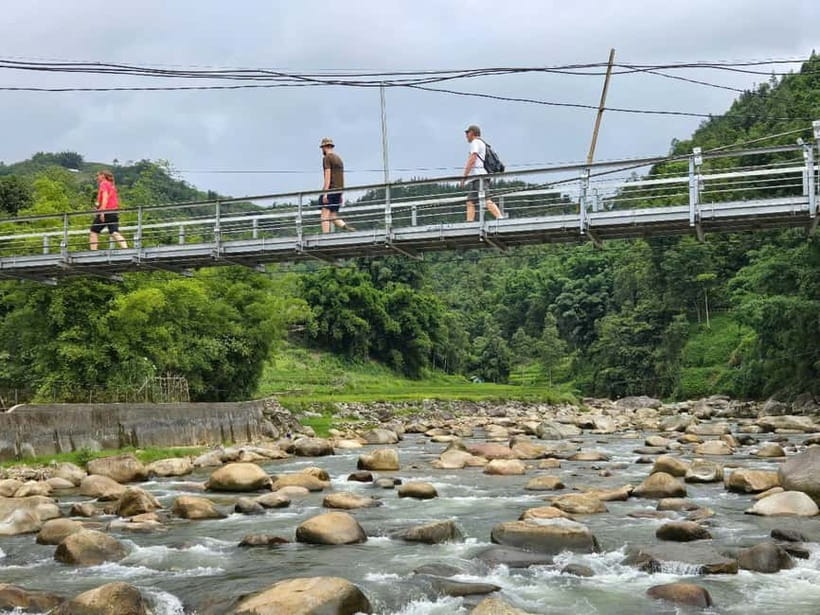
You’ll get a panoramic view of Giang Ta Chai village before crossing the Giang Ta Chai suspension bridge. After that, a vehicle takes you back to Sapa for lunch and a shower before the return trip.
The return to Hanoi happens in the evening. The bus gets back to the meeting point at about 9:00 pm, and you arrange your own hotel transfer after that.

Optional add-on: Fansipan Peak by cable car
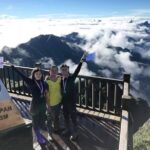
If you want Fansipan Peak (3,143 meters), the tour shifts slightly on day 3. After breakfast at Ta Van, a car and guide take you to the Fansipan cable car station, you ride up and visit the peak, then you return for lunch. From there, the plan continues back toward Hanoi.
Cable car isn’t included in the base price. You’ll pay 850,000 VND per person directly for the round trip. If you care about planning your budget, decide before you go and treat this as a real add-on cost, not a small ticket.
Homestay comfort: what “single mattress” actually means
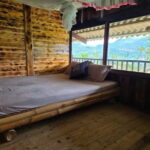
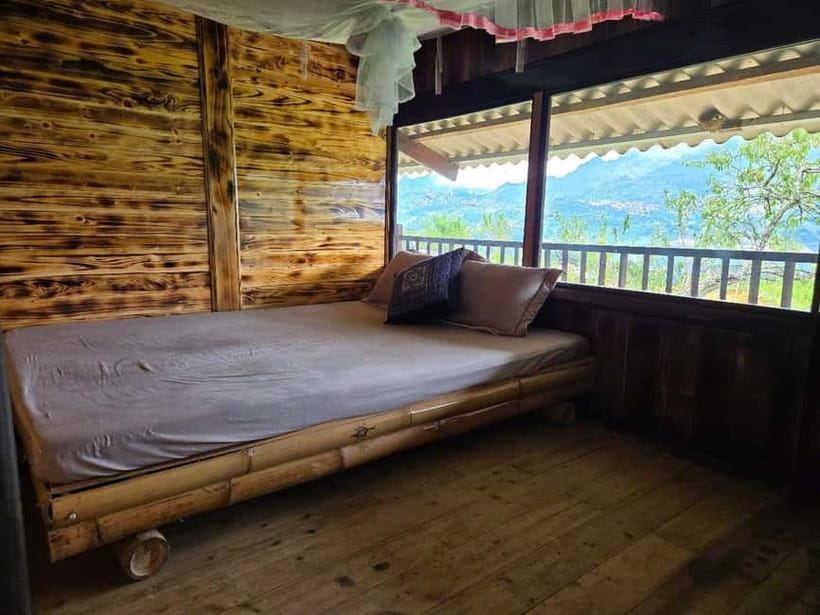
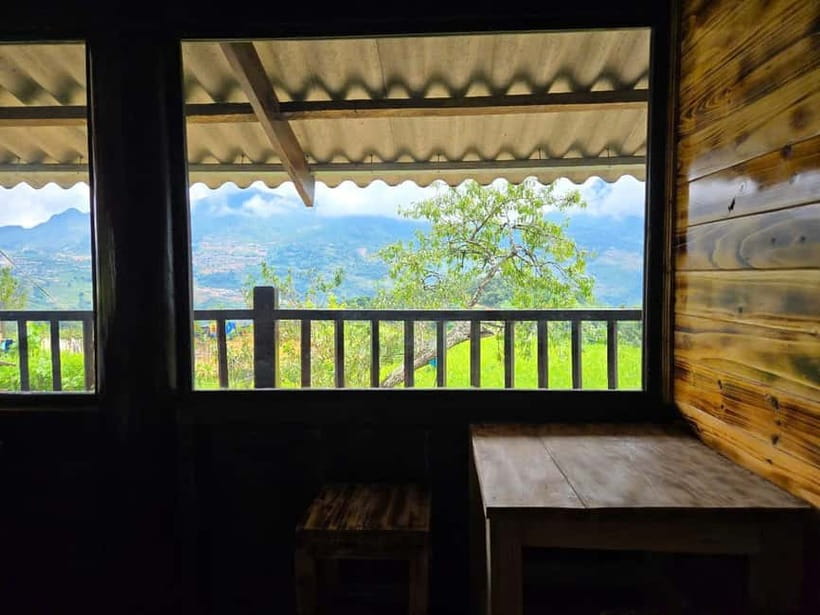
Accommodation is listed as single mattress at the homestay. That usually means a shared setup rather than a hotel bed with your own private room. If you like privacy, bring a flexible mindset. If you sleep lightly, also bring earplugs if you own them.
Homestays can be simple, but that’s also the point. The value comes from sharing a family routine: meals, conversation with your guide, and the sense that you’re in the village for more than a photo stop.
Your homestay days are also warmer than you might guess at night—often comfortable, but you should still pack for cool mountain air. The tour recommends warm clothes, a scarf, hat or cap, and trekking shoes. I’d add one more practical rule: pack your day gear so you can grab it quickly. You’ll move from breakfast to trekking to village time without long gaps to reorganize.
What to pack (so the trek feels good, not annoying)
The basics are straightforward and worth following:
- Passport or ID card
- Comfortable trekking shoes
- Sunglasses and sun hat
- Sunscreen and insect repellent
- Warm layers (scarf, hat, extra top)
- Any medication you rely on
If you hate carrying your own things, note that during active trekking days you should be ready to manage your bag. Also, drinks aren’t included, so bring or plan purchases if you want consistent hydration.
Price and value: does $110 make sense?
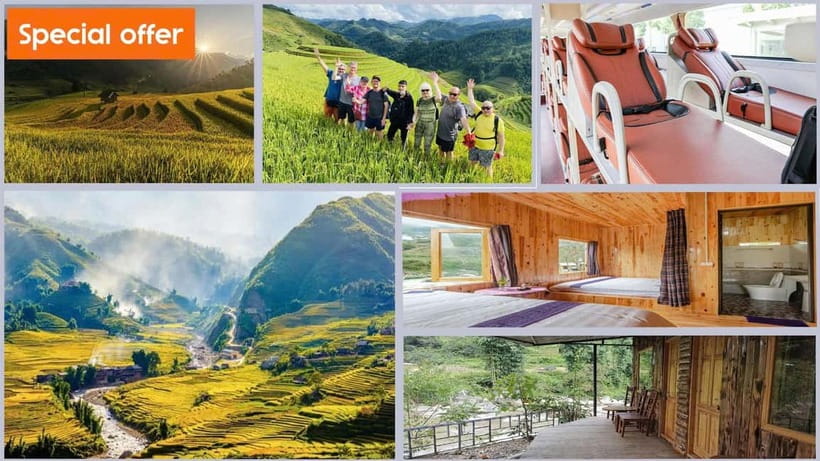
At $110 per person, this is a solid value for a 3-day, 2-night package that includes a lot of the “hidden hassle” that costs time and money elsewhere.
Here’s what you typically get in the base price:
- Round-trip limousine bus between Hanoi and Sapa, plus water on the bus
- English-speaking guide in Sapa (and guidance during the experience)
- All meals: 3 lunches, 2 dinners, 2 breakfasts
- Entrance tickets
- Homestay accommodation on a single mattress
- Transfers in Sapa by mini bus/car
What you should expect to pay extra for:
- Fansipan cable car: 850,000 VND per person (round trip)
- Holiday surcharges on specific dates: 700,000 VND per person (paid directly to the guide)
- Drinks, travel insurance, tips, and personal expenses
- Private room is not included
So the question isn’t just “is it cheap?” It’s “does it remove planning?” If you want an organized route, consistent meals, homestay support, and English help, this price earns its place.
If you only care about trekking and you hate group logistics, you might prefer DIY planning or a different trek style. But if you want a cultural homestay component, this is one of the more sensible ways to do it without extra legwork.
Pace and group dynamics: how to set expectations
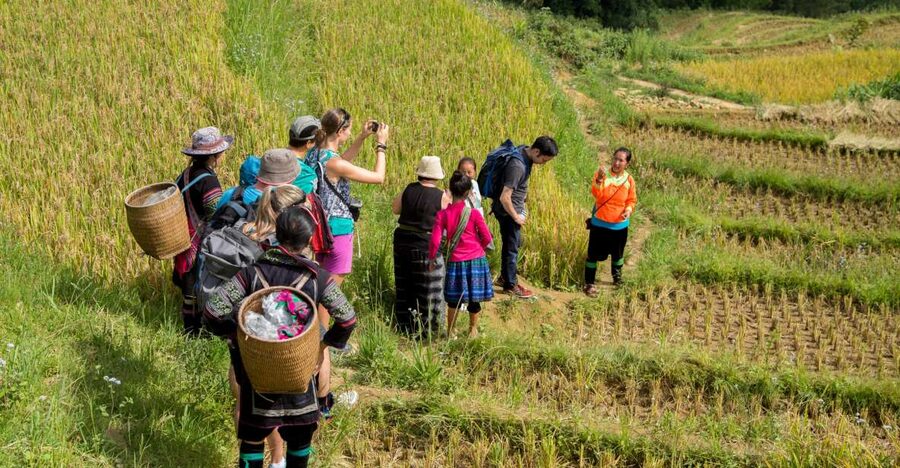
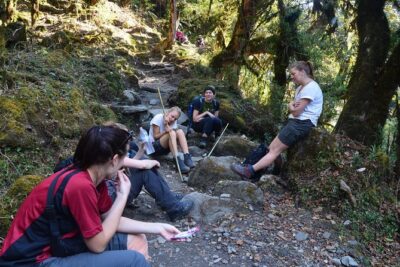
This isn’t a lazy stroll. You’ll do long walks day 1 and day 2, then a final morning hike day 3 with bridges and viewpoints.
One thing to watch is pacing. In group travel, programs can vary. I’d treat the day as “planned walking time plus village time,” not as a strict minute-by-minute agenda. If you’re counting on early breakfast timing or a very sporty pace, keep some buffer.
Also, the trip can be busier than you might hope around popular spots. The valley routes involve other hikers. If you dislike crowds, focus on how you walk—go slow for your photos, then keep moving.
Who should book this (and who should skip it)
This works best for:
- People who want a culture + trekking mix, not just scenery
- Folks comfortable with homestay sleeping and shared spaces
- Travelers who like having an English-speaking guide to explain daily life
- Anyone curious about Black Hmong and the Giay community around Ta Van
You should think twice if:
- You have low fitness or need lots of rest
- You need wheelchair access (not suitable)
- You want a private room and hotel-level comfort
- You’re very sensitive to tight transport seating on the way from Hanoi
Should you book Lao Chai–Ta Van Trek + Fansipan add-on?
Book it if you want Sapa that feels lived-in: homestays, valley walking, and bridges and terraces that keep changing. The value is strong because meals, guiding, and the key logistics are handled.
Skip or adjust your plan if you’re chasing a strictly controlled, sporty trek pace, or if your comfort depends on private rooms and guaranteed supplies like water during the walk. If Fansipan is a must for you, budget for the 850,000 VND cable car ahead of time so there’s no last-minute surprise.
If you do book, pack smart, bring warm layers, and give the homestay part the same attention as the trail. That’s where the trip earns its lasting memories.
FAQ
Is Fansipan Peak included or optional
Fansipan Peak visit by cable car is optional. The round-trip cable car cost is 850,000 VND per person, and you pay directly for it.
What meals are included in the trip
Meals are included throughout the 3 days: 3 lunches, 2 dinners, and 2 breakfasts.
Where do we start and end each day
The trip starts from the meeting point at 204 Tran Quang Khai. The tour ends back at the meeting point as well, with the return to Hanoi around 9:00 pm.
Do I get a private room at the homestay
No. Accommodation is listed as a single mattress at the homestay, and a private room is not included.
What’s included in transportation
You get a round trip limousine bus between Hanoi and Sapa, with complimentary bottle water on the bus. Inside Sapa, you also have transfers by mini bus/car.
Are drinks included
Drinks during the trip are not included.
What should I bring for the trek
Bring passport or ID, comfortable trekking shoes, sunglasses, and a sun hat. The tour also recommends warm clothes, scarf, cap, trekking shoes, sun cream, and insect repellent.
Is the trek suitable for everyone
It’s not suitable for wheelchair users and not suitable for people with low level of fitness.
Are there extra charges on holidays
Yes. There’s a surcharge of 700,000 VND per person for certain holiday dates, and it’s paid directly to the guide.