REVIEW · KATHMANDU
Langtang Valley Trek
Book on Viator →Operated by Mosaic Adventure · Bookable on Viator
Langtang Valley has a way of making your day feel bigger than it is. You leave Kathmandu behind, ride up into the Langtang region, then spend a week walking through forests and villages toward the Kyanjin Gompa area with mountain drama all around. It’s an accessible highland sanctuary that feels far from the city without needing weeks of travel.
I really like two parts of this trek. First, the planning support and staff setup can be strong, with a pre-trip meeting and practical prep mentioned by past trekkers. Second, you get teahouse accommodation with meals included, which means you can spend your energy on hiking instead of spreadsheeting logistics.
One thing to think about: the trail is straightforward, but the days still add up—plus teahouses can be basic. If you’re the type who hates rougher lodging or wants constant creature comforts, you’ll need to set expectations early.
In This Review
- Key things to know before you go
- Why Langtang feels close to Kathmandu, but still remote
- Day 1: Kathmandu to Syabrubesi by local bus
- Day 2: Lama Hotel (around 2500m) and your first real rhythm
- Day 3: Langtang Village (3430m) and the views that make you slow down
- Day 4: Kyanjin Gompa and the monastery-day feeling
- Day 5: Choose Kyanjin Ri or Tsergo Ri (and match your day to your body)
- Day 6: Back to Lama Hotel through pine forest and wildlife chances
- Day 7: The descent to Syabrubesi and the end-of-trek reset
- Day 8: Kathmandu, hot showers, and Thamel time
- Price and what your $560 covers in real terms
- Guides and staff: where the experience gets human
- Who this Langtang Valley Trek is best for
- Should you book this Langtang Valley Trek?
- FAQ
- What time does the trek start?
- How long is the Langtang Valley Trek?
- What is the price per person?
- What does the trek include?
- Are drinks like tea, coffee, or bottled water included?
- How hard are the walking days?
- What is the cancellation refund timeline?
Key things to know before you go
- A long ride to Syabrubesi on Day 1 sets the tone: plan for about a 7-hour bus trip from Kathmandu
- Kyanjin Gompa is a real destination, not just a viewpoint stop, with monastery-focused atmosphere
- You get two optional high walks on Day 5: Kyanjin Ri (4773m) or Tsergo Ri (4984m)
- Teahouse days are meal-supported, with breakfasts, lunches, and dinners included as listed
- Small group size (up to 12) helps your guide manage pace and time
- Porter support is built in (one porter between two participants)
Why Langtang feels close to Kathmandu, but still remote
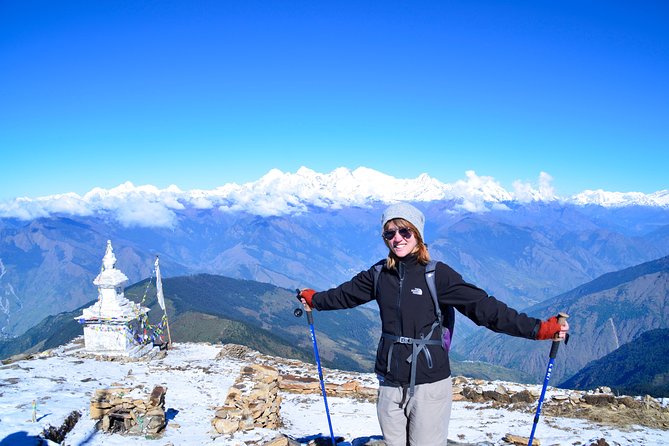
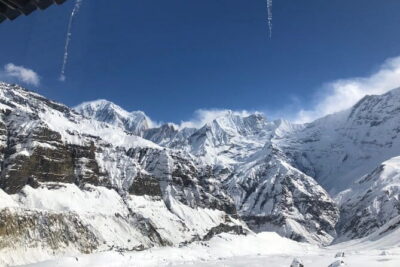
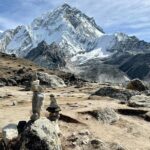
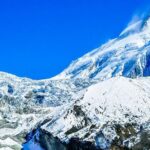
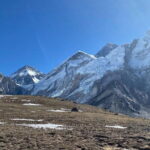
This trek sits north of Kathmandu near the Tibetan border, so the mountains feel reachable fast. You start with a day of road travel, then switch into trails that pass through traditional villages, deep river gorges, and thick forests. Even before you reach higher elevations, you start seeing how the Langtang Valley works: watercarved valleys, steep sides, and ridges that frame peaks like Langtang Lirung (7246m).
There’s also a wildlife angle you can’t ignore. This area is known for animals like Himalayan black bears, red pandas, and langur monkeys, along with smaller sightings that can happen when the forest is active. You won’t guarantee wildlife on any given day, but it helps that the route runs through habitats that actually hold life—rhodedendron, oak, maple, alder, and pine forests.
You can also read our reviews of more tours and experiences in Kathmandu.
Day 1: Kathmandu to Syabrubesi by local bus
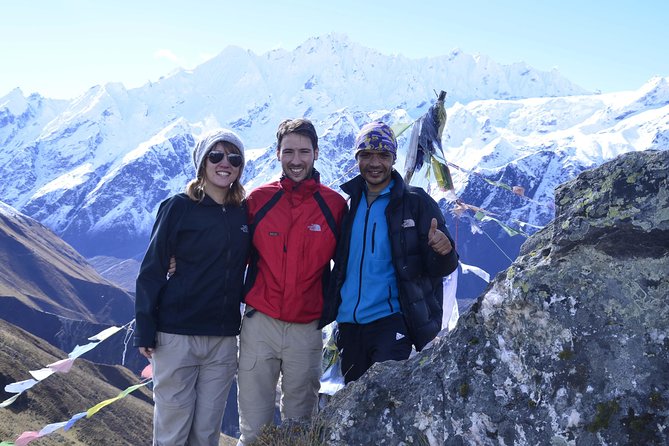
Your adventure begins early. The start time is listed as 6:45 am, and you’re riding a local bus to Syabrubesi. Plan for roughly 7 hours on the road, depending on traffic.
What you’ll get from this day is a clean transition. You leave the city, watch countryside roll past, and by the time you arrive in Syabrubesi you’re ready to hike without feeling rushed. What to watch for: being on a bus that long can make the next morning feel harder than it should—so drink water, move a bit during stops, and don’t pretend your legs will magically feel springy.
Day 2: Lama Hotel (around 2500m) and your first real rhythm
This is your on-ramp day. You start trekking and aim for Lama Hotel at about 2500m, walking on terrain described as easy to moderate. Expect gentle inclines, well-defined paths, riverbank sections, forest tracks, and a suspension bridge along the route.
I like Day 2 for one reason: you build rhythm instead of fighting it. The mix of river edges and forest walking keeps your attention on the trail rather than on counting every step. If you manage your pace here, you’ll feel better later when the climbs get more serious.
Practical tip: take short breaks, not long ones. On routes like this, it’s tempting to stop for 15 minutes and “reset,” but that can make your body feel stiff when you start again. Also, keep an eye on how your breathing changes as elevation rises.
Day 3: Langtang Village (3430m) and the views that make you slow down
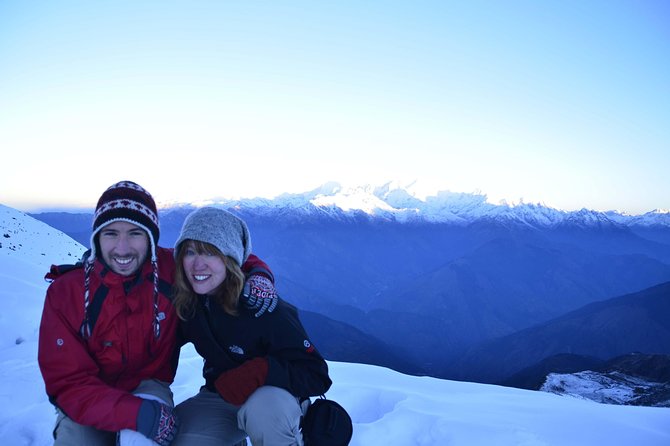
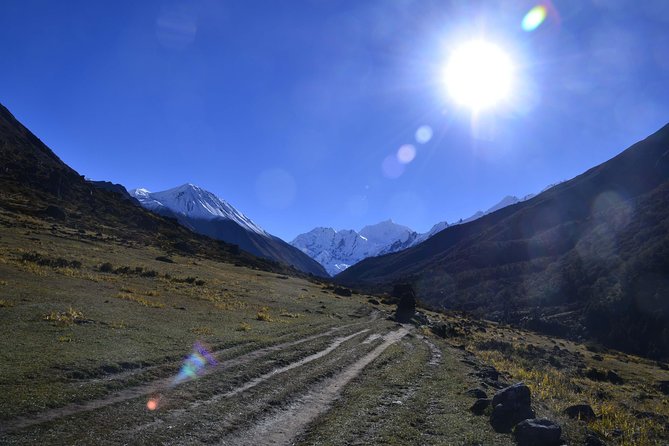
Today you reach Langtang Village at about 3430m after roughly 6.5 hours of walking. The route follows forest and riverbank trails with gentle inclines. You also pass through grassy meadows and get views of Mount Langtang Lirung, plus pine forest sections.
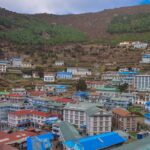
This is where the trek starts to feel more like a place than a route. Villages add human scale—shops, lodges, trails, and daily life moving at mountain speed. The meadow moments tend to be the kind of spots where you pause without noticing you’ve paused. That’s the trick with Langtang views: they don’t just hit once. They keep appearing as the path turns.
Consideration: by this point you’ll likely feel the altitude in small ways—slower walking, warmer face, heavier legs. Don’t treat it like a race. If your guide paces you well, you should still have energy left for the end-of-day settling in.
Day 4: Kyanjin Gompa and the monastery-day feeling
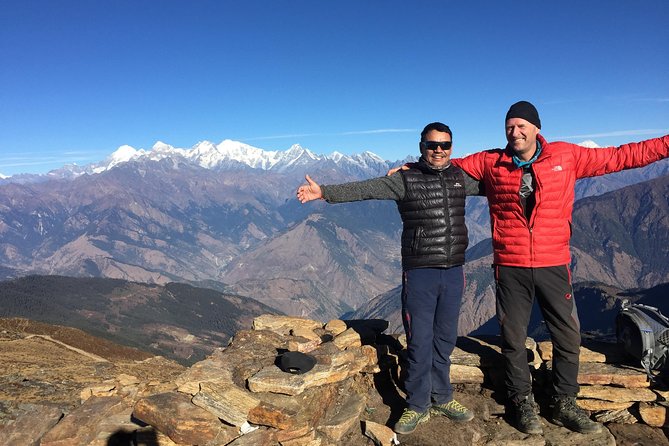
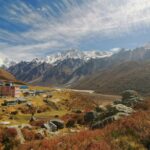
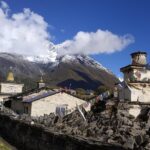
You walk around 5 hours today to reach Kyanjin Gompa, a famous monastery in the Langtang area. The approach runs through farmland, includes bridges, and brings gentle ascents with views of Langshisha and Langtang Lirun.
This day has a different texture than the earlier ones. Farmland and bridges mean less deep-forest monotony, and the monastery setting shifts your focus from “just walking” to “arriving.” Even if you’re not into religious sites, the Gompa area can still feel meaningful because it’s a living stop for the region.
One drawback to plan around: you might get ready to rest when you arrive, but you’ll likely want to explore quickly because the light can change fast at altitude. So pack your essentials so you’re not rummaging while the best views are happening.
Day 5: Choose Kyanjin Ri or Tsergo Ri (and match your day to your body)
Day 5 is your altitude-choice day. You have two options:
- Kyanjin Ri (4773m): about 3 hours round trip
- Tsergo Ri (4984m): about 7 to 8 hours round trip
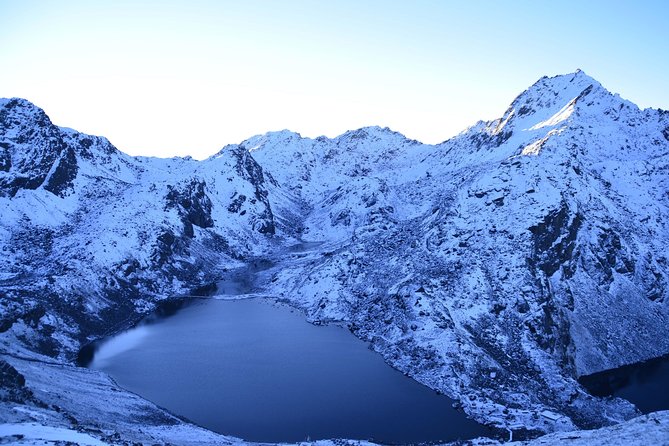
I like having a choice here. It means you can listen to your body and still get a high-feeling day. If you’re feeling strong and the weather is clear, Tsergo Ri rewards you with more time at elevation. If you want less time exposed and more time enjoying the Gompa area, Kyanjin Ri is the shorter, more controlled option.
Real-world advice: treat this as a decision about fatigue, not just height. Going higher usually means more time and more steps. If you choose the longer option, start early, stay steady, and don’t force pace when the air feels thin.
Day 6: Back to Lama Hotel through pine forest and wildlife chances
You trace back the route to Lama Hotel, walking about 6 hours. The day keeps to riverbank and forest trails and includes views of sweet-smelling pine forests, with a chance to look for wildlife and giant beehives.
This is one of the “quietly satisfying” days. You’re not constantly pushing into new terrain. Instead, you get familiar sights again—then notice differences. Light hits the forest differently on the return. The river sounds carry in a new way. And if you’re watching carefully, you might spot the kind of mountain life you missed on the way up.
If you’re a photographer, this is often a good day for it. Re-walking familiar sections gives you a second chance at the same bend in the trail with different sky.
Day 7: The descent to Syabrubesi and the end-of-trek reset
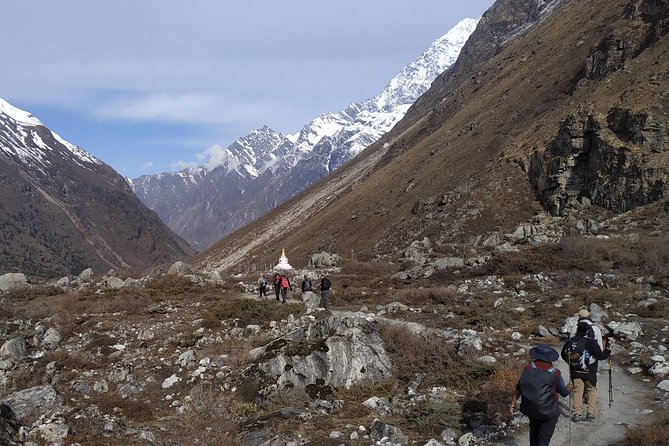
Another descend brings you to Syabrubesi, where you started trekking. The route is described as gentle and some steep descents, using well-defined trekking paths to end your trekking days before you head back toward the capital.
This is where legs negotiate with gravity. Downhill can feel easier than uphill, but it can also beat up knees and calves fast. Short steps help. Give your body permission to move slower than your ego wants.
I also like this day for the mental shift. After a week of trails, reaching Syabrubesi feels like a clean finish. You’re ready to ride back, shower, and stop thinking about how to “make the next hour.”
Day 8: Kathmandu, hot showers, and Thamel time
On Day 8, you ride the bus back to Kathmandu. Once you’re in the city, the plan is to get a hot shower and spend your evening walking around Thamel, including time for relaxation and a massage in the Thamel area.
This day is practical for a reason. Trekking days can leave your body tight, dry, and tired in ways you don’t notice until you’re off the trail. Thamel is a convenient base for dinner and a low-key evening, especially if you’ve spent the last week focused on walking, altitude, and teahouse routines.
Price and what your $560 covers in real terms
At $560 per person, this trek sits in the middle range for Nepal trekking packages that include real trail support. The biggest value piece is that you’re not paying separately for the basics that add up fast.
Here’s what’s included:
- Bus to/from Syabrubesi
- All fees and taxes
- Teahouse accommodation
- Porter support (one porter between two participants)
- Meals: 7 breakfasts, 8 lunches, 7 dinners
What’s not included:
- Beverages like tea/coffee and bottled water
- Tipping
My take on the value: you’re paying for a smooth handoff between city and trail, plus carried logistics like accommodation and meals. That can matter on a trek like this because you want your energy going to walking and acclimatizing—not dealing with sourcing every cup of coffee or negotiating lodging at the end of a long day.
Also, the group size cap of 12 travelers is meaningful. Smaller groups can mean better pace control, fewer bottlenecks at narrow sections, and less waiting for your guide.
Guides and staff: where the experience gets human
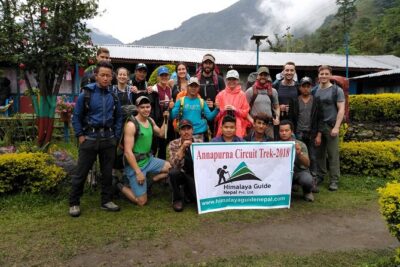
The structure is solid, but what really lifts this trek is how staff handle the small moments. Past trekkers have highlighted guides and porters by name, including Purna and Ram, plus managers like Madhav, and support from guides such as Pralhad and Madan.
In one story, a guide stayed with a young trekker dealing with altitude sickness for hours during the ascent. That’s the kind of detail that tells you the team isn’t just checking boxes. Even if you’re not facing a medical scare, having staff who are calm, flexible, and present can make the trek feel safer and more relaxed.
There are also mentions of strong pre-trip organization: a pre-trip meeting, a packing list, and even free rental equipment selection. If you’re coming in with unknown gear gaps, that support can save you time and stress before you ever reach the trail.
Who this Langtang Valley Trek is best for
This is a good match if you have moderate physical fitness and you want a high-mountain experience without technical climbing. The daily walking times are manageable on paper, and the trail descriptions (gentle inclines, well-defined paths, riverbank sections) suggest a trekking route that’s meant for hikers, not climbers.
You’ll also like it if you want:
- a clear walking route with a defined finish
- teahouse life rather than camping
- options to tune intensity on Day 5
Think twice if you:
- hate basic accommodations (some past feedback notes teahouses weren’t great quality, even though the scenery and effort still delivered)
- dislike long travel days before a hike (Day 1 starts with that big bus ride)
- need lots of included drinks and snacks beyond meals (beverages aren’t included)
Should you book this Langtang Valley Trek?
Yes, if you want a well-supported Langtang trek with the right mix of structure and flexibility. The route hits the essentials—Syabrubesi arrival, Lama Hotel rhythm, Langtang Village, Kyanjin Gompa, then an optional Day 5 hike that lets you match height to how you feel. The inclusion list (buses, fees, teahouses, porter help, and meals) is the kind of package that keeps your trip simple.
Book this especially if you care about pace and guidance. The names that show up in past feedback—Purna, Ram, Madan, Pralhad, plus office support from Madhav—point to a team that takes the human side of trekking seriously.
If you want total luxury or you’re extremely sensitive to basic lodging, you may feel frustrated. In that case, you can still enjoy the trek, but go in with the mindset that this is about the walking and the mountains more than hotel comfort.
FAQ
What time does the trek start?
The listed start time is 6:45 am.
How long is the Langtang Valley Trek?
It’s listed as 8 days approximately.
What is the price per person?
The price is $560.00 per person.
What does the trek include?
The tour includes bus to/from Syabrubesi, all fees and taxes, teahouse accommodation, a porter (one between 2 participants), and meals (7 breakfasts, 8 lunches, and 7 dinners).
Are drinks like tea, coffee, or bottled water included?
No. Beverages are not included.
How hard are the walking days?
It’s designed for people with moderate physical fitness. The trekking route is described as easy to moderate on earlier days, with daily hiking times ranging from about 5 to around 6.5 hours, plus a longer optional day on Day 5 depending on the choice.
What is the cancellation refund timeline?
You can cancel up to 6 days in advance for a full refund. For a 50% refund, you must cancel 2–6 days before the start time. If you cancel less than 2 full days before the start time, the amount paid will not be refunded.