REVIEW · MARRAKECH
Elite Experience Atlas Mountains Day Trekking
Book on Viator →Operated by Morocco Tours With Locals · Bookable on Viator
Six hours of hiking beats the short-and-sweet tours. This Atlas Mountains day trek runs from Imlil at 1740m up to Talamrout at 2600m, with the kind of steady climb that actually feels like you went somewhere. You’ll also get real mountain payoff views over the Imenane Valley and toward Toubkal at 4167m.
I love that the day is built around a moderate, guided long hike, not a quick stroll with a photo stop and a refund of energy. You’ll pass through Berber villages like Ait Souka and Tamatert, then hike into a Moroccan pine forest before reaching the summit.
One consideration: this trek needs good weather and it’s not built for people who want a casual pace. You should have moderate fitness, and you’ll be climbing at altitude for hours, so plan for sore legs and cooler air.
In This Review
- Key things to know before you go
- Atlas Imlil to Talamrout: what makes this trek worth your time
- Marrakech pickup to Imlil 1740m: the drive sets the tone
- Tizi n’Tamatert pass at 2300m: Berber village paths and a real lunch break
- Moroccan pine forest to Talamrout (2600m): where the hike starts to pay off
- The descent back to Imlil: energy management and guide support
- Value, timing, and who this is for (and who should pick something easier)
- Should you book this trek?
- FAQ
- How long is the day trek?
- What altitude does the hike reach?
- Where does the trek start, and how do you get there?
- Is the hike suitable for beginners?
- What time does the tour start?
- Is the tour affected by weather?
Key things to know before you go
- Long, guided hike time: around 6 guided hours between Imlil and the summit zone
- Route highlights: Tizi n’Tamatert pass, Berber village paths, then pine forest trails
- Big viewpoint payoff: summit of Talamrout with views toward Imenane Valley and Toubkal
- Small group size: maximum of 8 travelers, so you’re not lost in a crowd
- Hotel pickup and return: you’re transported from Marrakech and back by roughly late afternoon
- Good weather matters: the experience depends on conditions in the mountains
Atlas Imlil to Talamrout: what makes this trek worth your time
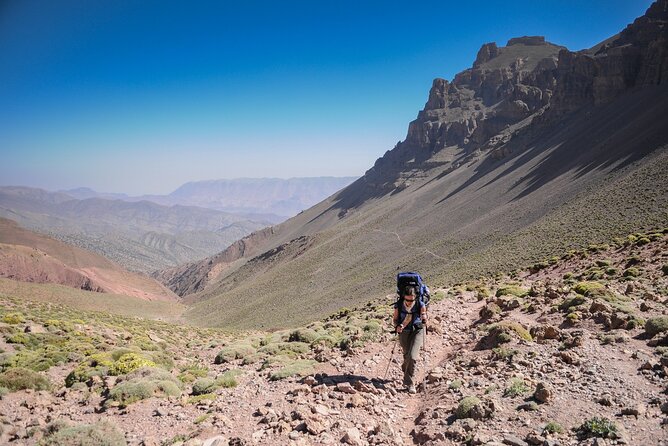
If you’ve done the common Morocco hiking plan—walk 20 minutes, see something pretty, return—you’ll feel the difference fast here. The point of this outing is effort. You’re getting a full mountain day with a guided route that stretches from the Imlil area at 1740m toward the Talamrout summit at 2600m. That means time for steady hiking, pauses that actually help you reset, and a descent that brings you back to the Imlil area while the day is still yours.
What I like most is that the hike is structured like a real trail experience. You climb up toward Tizi n’Tamatert pass at 2300m, then continue through forest and trail to the summit viewpoint. It’s not just about distance; it’s about moving through different mountain zones and letting the day shift as you gain height.
And because this is a small group (up to 8), it feels more like hiking with people than managing logistics with strangers. You’re less likely to get split off or stuck behind someone going too slow or too fast.
You can also read our reviews of more tours and experiences in Marrakech.

Marrakech pickup to Imlil 1740m: the drive sets the tone
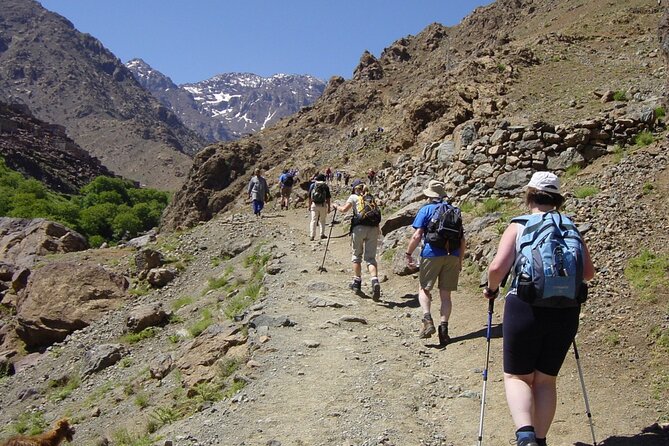
You start in Marrakech with pickup offered, and the plan described is a morning pickup (8:30 am). From there, you drive toward the High Atlas Mountains and into the Imlil area. This drive matters more than it sounds. It helps you transition from city heat and traffic into cooler mountain air, and you arrive with less time lost to figuring out where to start.
One oddity to watch for: the start time listed for the activity shows 12:00 pm in one place. The route description also calls for an 8:30 am pickup. So do yourself a favor and check the confirmed details you receive at booking time. Either way, the hike itself is the main event, so you’ll want to treat the day as an early-start mountain outing, not a late brunch plan.
Tizi n’Tamatert pass at 2300m: Berber village paths and a real lunch break
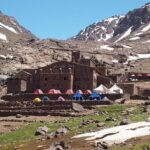
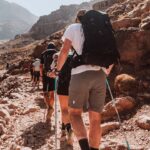
The climb begins from the center of Imlil (1740m). You head up toward Tizi n’Tamatert pass (2300m) via Berber villages, specifically mentioned: Ait Souka and Tamatert. This is where the trek becomes more than exercise. Village paths mean you’re walking through lived-in mountain terrain. You see the way people connect homes, fields, and footpaths—often with routes that don’t exist on roads.
The pass area is also where lunch fits in. You get a lunch break at the pass, which is a smart design choice. Lunch at altitude gives you a chance to refuel before the next push, and it’s usually when the air feels freshest and the views start to get serious.
A practical thought: passes can feel windy even on clear days. Bring something to handle a breeze at 2300m, because you might be warm from hiking and then chill during the stop.
Moroccan pine forest to Talamrout (2600m): where the hike starts to pay off
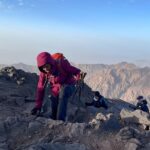
After the pass, the route shifts into a Moroccan pine forest zone. That’s a welcome change. Forest trails tend to soften the light and break up the climb mentally. You’re still moving upward, but the environment feels calmer than open slopes.
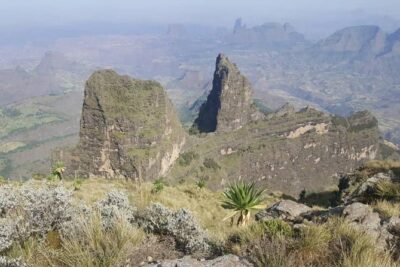
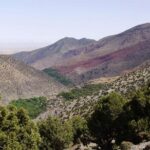
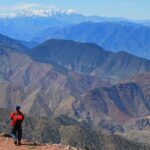
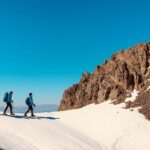
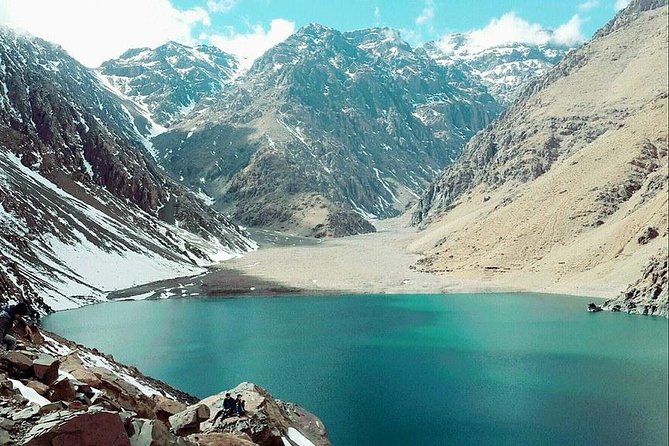
From there, you follow a trail that leads to the summit of Talamrout (2600m). Once you reach the top, you’re given time to take in views over the Imenane Valley and the Berber villages below. You can also see toward Toubkal peak, listed at 4167m.
This is the moment when “a long hike” becomes “a mountain day.” The summit pause is not just for a quick picture—it’s for soaking in how high you actually are. You’ll understand why people plan multi-day treks here. The air is cooler, the horizon feels wider, and your effort finally looks like it made sense.
If you’re the type who gets photo-snapped and then forgets to look up, slow down at the summit. Take a few minutes without filming or photographing. It’s the difference between collecting images and remembering the place.
The descent back to Imlil: energy management and guide support
After the summit viewpoint time, you start the descent back to Imlil. Descent is where hikers either feel strong and steady—or get sloppy and sore. A good local guide helps you pace so your legs don’t turn into jelly.
One reason I’d feel confident booking a guided trek like this is the reputation of guides connected with the operator. Names like Mohammed (also spelled Mohamad/Mohamed in customer accounts) come up with the same themes: professional, friendly, experienced, and willing to work with requests like filming and stopping for a few shots. That matters because long hikes don’t just test fitness. They test patience, timing, and whether your guide can adapt when someone needs a slower pace.
There’s also an example from a related Toubkal trek experience: when a wife had a twisted ankle, the guide arranged for a mule ride on the way down. I can’t promise that will happen on this specific day trek, but it does tell you the guides know how to respond when conditions or bodies change. For you, that means you’re not on your own if something goes slightly off plan.
What to watch: if you’re prone to knee pain, descend carefully. Short steps help. Keep your focus on footing rather than speed, especially after the summit when you’re mentally ready to be done but your legs may not be.


Value, timing, and who this is for (and who should pick something easier)
At $58.90 per person, the value hinges on what’s included: guided trekking time, hotel pickup, and transportation back to Marrakech, plus a lunch break during the hike. For a day that’s roughly 8 hours total, it’s not a cheap add-on stroll. It’s a full-day activity where your biggest cost is effort—and you’re paying to have local route knowledge and a group structure.
Group size is capped at 8, which often means better attention from the guide and a smoother rhythm through pass sections and forest trails. For solo travelers, small groups also make the day feel more social without turning into a tour bus situation.
This trek fits best if you want:
- a moderate physical hiking challenge
- a guided route with real terrain changes (pass, forest, summit)
- a day that feels like you’re doing Atlas Mountains hiking, not checking boxes
It’s less ideal if you want a short walk, or if you’re sensitive to altitude and long downhill days. The route gains height from 1740m up to 2600m. Even if you’re fit, that climb changes your breath and your pace.
Also, remember the weather requirement. This is not a rainy-day indoor plan. If conditions aren’t right, you could be offered another date or a full refund.
Should you book this trek?
Book it if you’re after a long, guided Atlas hike with a summit viewpoint and a lunch break at the pass. This is the kind of day where you’ll feel your legs tomorrow—in a good way. The small group size and the chance to walk through Berber village paths plus pine forest make it feel authentic, not packaged.
Skip it (or choose something gentler) if your idea of Morocco hiking is under an hour. This is built for people who want more than a quick loop and a waterfall selfie. And because it depends on mountain weather, you’ll want a flexible mindset if clouds or rain shift the plan.
If you’re still deciding, here’s the simplest test: do you want a real climb from Imlil up toward Talamrout? If yes, you’ll probably feel like this was money well spent.
FAQ
How long is the day trek?
The experience runs for approximately 8 hours total. You’re looking at around 6 hours of guided moderate trekking between the Imlil area (1740m) and the Talamrout summit zone (2600m), plus driving time and breaks.
What altitude does the hike reach?
You start around Imlil at 1740m, climb to Tizi n’Tamatert pass at 2300m, and reach the summit viewpoint of Talamrout at about 2600m.
Where does the trek start, and how do you get there?
The trek is based in the Imlil area. Pickup is offered from your hotel in Marrakech, and you drive to Imlil to begin the hike.
Is the hike suitable for beginners?
It’s for people with moderate physical fitness. The route is described as a moderate day trek, and it involves several hours of hiking at altitude.
What time does the tour start?
You’ll see 12:00 pm listed as a start time, and the route description also mentions pickup from Marrakech at 8:30 am. Be sure to check the confirmation details you receive at booking.
Is the tour affected by weather?
Yes. This experience requires good weather. If it’s canceled due to poor weather, you’ll be offered a different date or a full refund.