REVIEW · KATHMANDU
Manaslu Circuit Trek to the Beauty of 8th Highest Mountain
Book on Viator →Operated by Bold Himalaya Treks and Travels Pvt Ltd · Bookable on Viator
Larkya La feels like a world border. Bold Himalaya’s Manaslu Circuit trek links big Himalayan views with Tibetan-influenced villages, while keeping you on a paced plan for acclimatization. I like how practical the whole flow feels, from the long Kathmandu road ride to the day you’ll challenge the pass and then drop into quieter valleys.
First big win: the pre-trip planning. In my read of the experience feedback, communication stood out—Sobit took time to understand what you want, then adjusts the plan accordingly. Second big win: the on-the-ground team. Guides and porters like Sirjan and Lokendra (and also Suren Tamang, for culture explanations) are described as caring and supportive, which matters when you’re tired, cold, and counting steps.
One consideration: Day 1 is a long shared-vehicle haul (about 8–9 hours) before you even reach your first trekking base. If you get motion sickness or hate slow travel days, plan for it mentally and practically.
In This Review
- Key highlights to know before you go
- Manaslu Circuit’s special pull: big altitude drama with Tibetan culture
- Price and value: what $365.75 covers (and why it’s not just a bargain number)
- Getting from Kathmandu to Machha Khola: the long start day that sets the tone
- Days 2–4: forests, terraces, and small villages that make altitude feel human
- Namrung to Samagaun (plus the rest day): the altitude strategy is the real feature
- Samdo and Dharamshala (Larkya Phedi): where the trail grows quieter and higher
- Larkya La day: the hardest hours, and the views you’ll remember
- Bimthang to Tilije: finishing on a calmer descent
- Day 11 exit: Tilije to Dharapani, then back toward Kathmandu
- Bold Himalaya’s approach: responsive planning and caring support
- Practical tips for this specific trek (so Day 9 doesn’t surprise you)
- Should you book this Manaslu Circuit trek with Bold Himalaya?
- FAQ
- How much does the Manaslu Circuit trek cost?
- How long is the trek?
- What permits and cards are included?
- Are meals included during the trek?
- Is vegetarian or vegan food available?
- Is travel insurance included?
- What is the cancellation policy?
Key highlights to know before you go
- Permits and TIMS included so you’re not scrambling for paperwork in Kathmandu
- A real acclimatization day in Samagaun before the harder altitude push
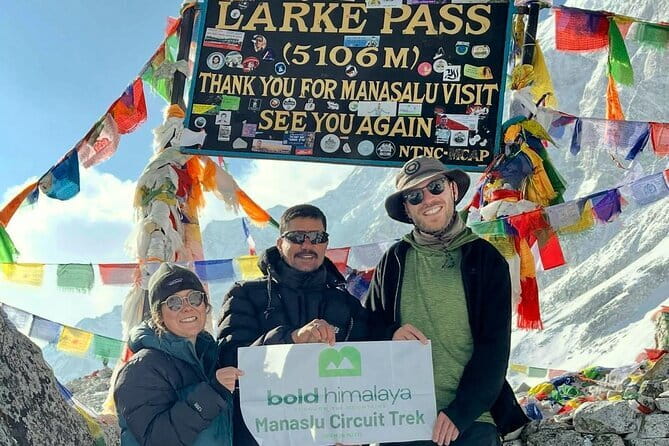
- Larkya La crossing at 5,160 meters with long, challenging hours and huge views
- Full meals during the trek plus seasonal fruits and nuts to keep energy steady
- English-speaking licensed guide + porter support makes the route feel manageable
- Private activity feel with your group (even if road transport is shared)
Manaslu Circuit’s special pull: big altitude drama with Tibetan culture
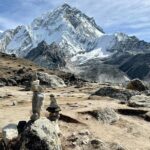
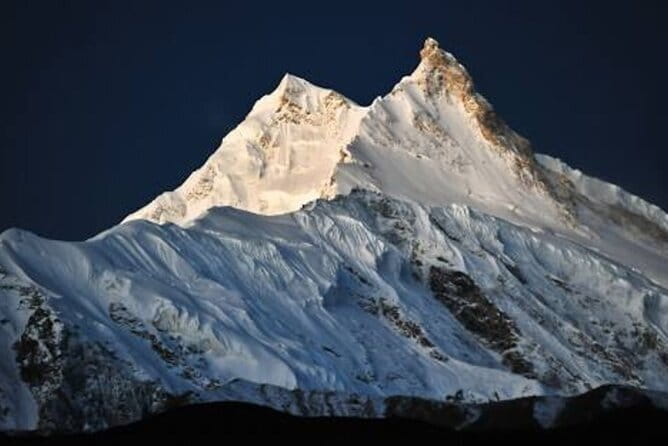
If your idea of trekking is mostly “walk and stop for photos,” the Manaslu Circuit will test that in a good way. You’ll still get the dramatic mountain moments—Manaslu and the Ganesh Himal area show up in multiple stages—but the real hook is how the route moves through communities that feel Tibetan in tone. The trail passes through villages with Tibetan-style character, so the trek isn’t just about altitude. You’re also picking up how locals live, farm, and worship in this high mountain region.
There’s also a built-in rhythm that helps you keep going. You start in lower elevations near Machha Khola, climb into forests and terraced villages, then gradually transition toward alpine terrain. After you reach Samagaun, the plan slows down on purpose. That matters because the circuit asks more of your body later, especially once you’re working toward the Larkya La area.
And yes, the pass day is the headline. But what stays with me is the way the trek gives you time to adjust—so when the challenge comes, it doesn’t feel like a sudden wall.
You can also read our reviews of more tours and experiences in Kathmandu.
Price and value: what $365.75 covers (and why it’s not just a bargain number)
At $365.75 per person for an 11-day trek, the value really depends on what’s included—and here, a lot is bundled in. You’re not only buying a guide and a map. You’re getting the permit workload, meals, and key logistics handled.
Here’s what you should mentally tick off as value:
- Manaslu, Annapurna, restricted-area permits, plus TIMS are included. In Nepal, permits aren’t a side detail; they affect access and smooth operations. Having this handled means less stress and fewer last-minute surprises.
- Experienced English-speaking licensed guide is included, along with guide accommodation and salary. That’s important because good mountain guidance isn’t just “leading the way”—it’s also pacing, decisions on the day, and communication.
- Full trekking meals (breakfast, lunch, dinner) are included, along with seasonal fruits and nuts. You’ll eat enough to keep moving without constantly hunting for food.
- Standard trekking lodge stays are included on the trekking route. You’ll still deal with basic mountain lodging norms, but it’s covered in the plan.
- A duffle bag, T-shirt, and trip certificate are included. Small perks, but they reduce what you need to carry or buy.
What’s not included is also clear: drinks, travel insurance, and tips for the crew. I like that the boundaries are spelled out. For me, the honest way to think about it is: this price is “all-in for the trek,” not “all-in for everything you might buy.”
Getting from Kathmandu to Machha Khola: the long start day that sets the tone
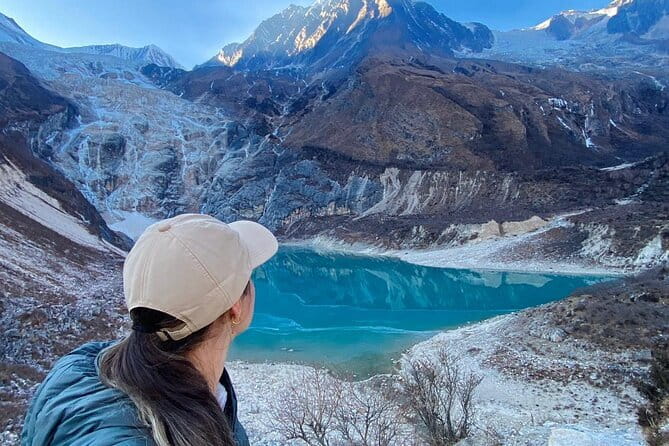
The trek begins with a shared vehicle transfer from Kathmandu to Machha Khola, roughly 8–9 hours. This isn’t a glamorous day, but it’s real trekking-world prep. You’ll pass countryside scenes and terraced fields, and you’ll get your first feel for how life and time work outside the city.
This is also where you decide how you’ll handle comfort:
- Bring layers for the vehicle ride and the first cool evening.
- If you know you’re sensitive to motion, take it seriously. The experience includes a lot of travel time across days, and this is your first big dose.
When you arrive, you check into local guesthouse-style lodging and reset for a walking day. That transition matters. A lot of trekking pain comes from arriving exhausted and underprepared. Here, the plan pushes you to settle in before you start climbing.
Days 2–4: forests, terraces, and small villages that make altitude feel human
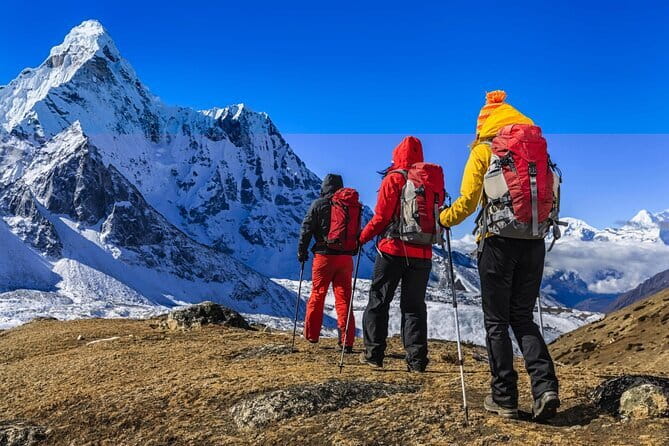
The route from Machha Khola to Jagat, then onward to Deng, and then to Namrung is a steady climb-and-descend rhythm. Expect 6–7 hour trekking days through forests, terraced farmland, and villages.
What I like about this section is that it isn’t just scenic filler. It teaches your body the pace and foot rhythm you’ll need later:
- In the early stages, your legs learn how long walking days actually feel.
- You get repeated changes in scenery—forest shade, then village paths, then mountain views—so your brain stays engaged.
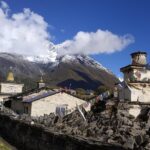
Jagat is a small stop that helps you build confidence. Deng comes with a noticeable shift in the environment as you approach higher terrain. And when you reach Namrung, the trek leans into the cultural flavor more. You’re moving through traditional Tibetan-style villages, which gives the whole circuit character beyond the summit chase.
If you’re hoping for a trek that balances effort with meaning, this stretch delivers. It’s where you start to feel like you’re traveling through places, not just moving between them.
Namrung to Samagaun (plus the rest day): the altitude strategy is the real feature
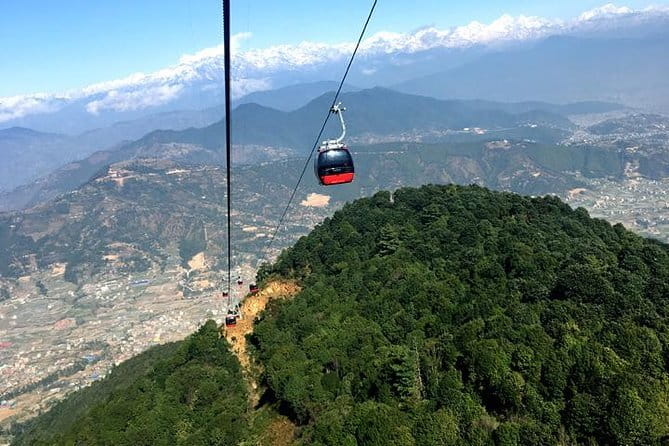
The day from Namrung to Samagaun is around 5–6 hours, with panoramic views that can include Manaslu and Ganesh Himal. You’ll often hear that Samagaun is a turning point, and the logic is straightforward: it’s a major base where the trek prepares you for higher altitude.
Then comes the best kind of day in the mountains: the acclimatization rest day in Samagaun. Your plan allows you to explore the area and offers options like visiting nearby spots (including the Manaslu Base Camp area) or simply taking time to recover and understand the village vibe.
I’m a big believer in rest days done well. This one isn’t tacked on like a luxury. It’s built into the trekking flow so you can handle the next steps—especially once you move toward Samdo and the pass approach. If you take altitude seriously, this is the day you’ll be grateful exists.
Also: you’re not stuck in one boring room. The route description points to monasteries and local life. Even without knowing every monastery detail beforehand, you’ll feel the difference between a transit stop and an actual mountain community.
Samdo and Dharamshala (Larkya Phedi): where the trail grows quieter and higher
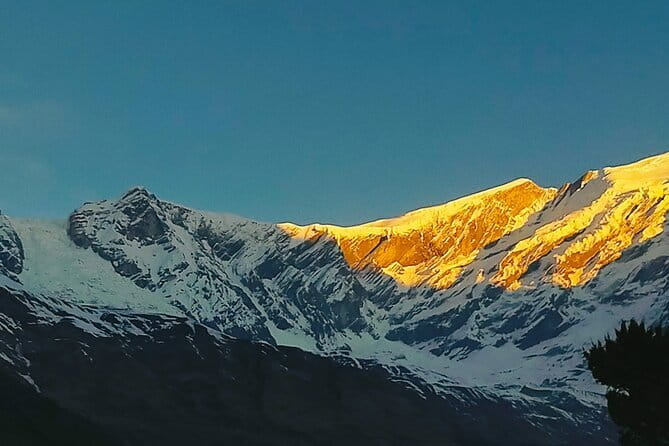
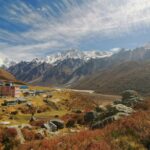
From Samagaun to Samdo you’ll trek about 5–6 hours. The trail gradually increases in altitude and shifts into alpine meadows, with big views around you. This is where the mountain presence starts to dominate your day.
Then the next leg, Samdo to Dharamshala (Larkya Phedi area) is roughly 4–5 hours, but don’t mistake shorter time for easier effort. You’re working closer to the pass base, and the climb is more about sustained altitude strain than daily distance.
This stage matters because it sets up your mindset for the pass day. Your body will feel it. Your breath will tell you the truth. But the payoff is that the scenery becomes more open and more serious, like the trek is officially entering its big-mountain chapter.
Larkya La day: the hardest hours, and the views you’ll remember
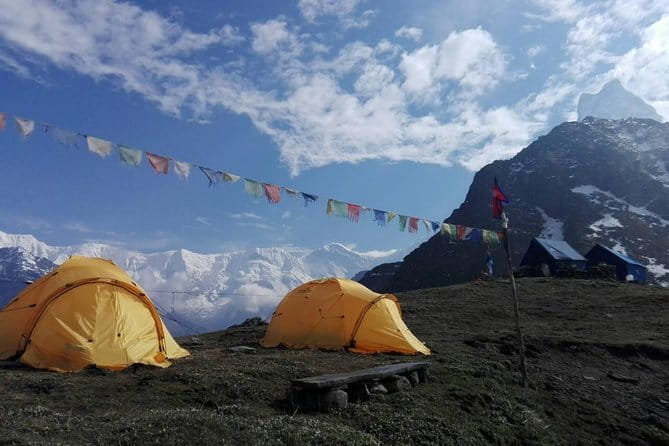
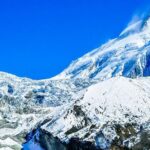
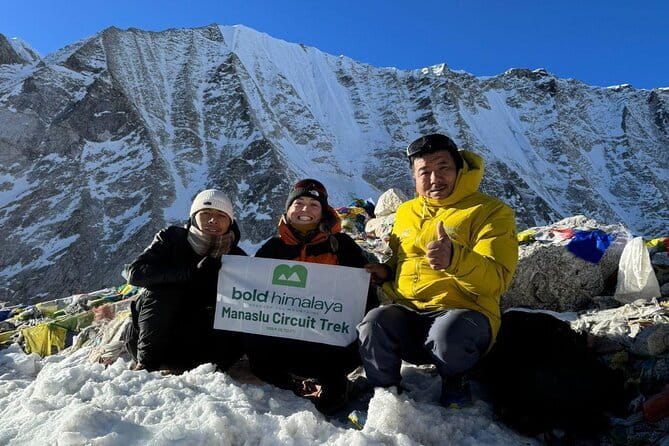
Crossing Larkya La Pass at 5,160 meters is the defining challenge of the Manaslu Circuit. The crossing day is listed as 8–10 hours, and it’s described as challenging with breathtaking views of peaks and glaciers.
Here’s the practical takeaway: this is a long day with real altitude pressure. That means your pace matters more than your speed. If you go out too fast early, you’ll pay later. If you keep steady, the day becomes something you can manage—even if it’s still hard.
After the pass, you descend to Bimthang, a village described with strong scenery too. That descent is your emotional release valve. The climb tests you; the descent makes you feel like you’ve actually completed something.
Also, enjoy the change in texture of the day. When you’re on the pass, the world narrows into weather, breath, and walking rhythm. When you’re descending, the trail opens back up into village life again. That shift is part of why this trek feels complete.
Bimthang to Tilije: finishing on a calmer descent
From Bimthang to Tilije the trek is about 5–6 hours, with a descent through forests and traditional villages. This is a good “cool down” after the pass. Your legs might still feel heavy, but the route is friendlier, and you’re moving away from the highest intensity zone.
Tilije is described as a charming village with local culture. It’s a nice final cultural stop before the road ride out.
When you’re nearing the end of a trek, your mind starts shifting to what you’ll do next—hot shower, sleep, a real meal, a slower pace. This stretch helps you get there without whiplash.
Day 11 exit: Tilije to Dharapani, then back toward Kathmandu
On the final day, you move from Tilije toward Dharapani, then drive to Besisahar. From there, you travel back toward Kathmandu. The day is short on trekking time and heavy on transport, so think of it as your recovery day.
The route description points to views of alpine forests and a serene end to the journey along the way. That’s exactly how I’d want the final day to feel: less effort, more exhale.
You end the trek with the sense that the circuit was a whole arc—lower villages, higher altitude, a pass crossing, then a descent that brings you back into normal time.
Bold Himalaya’s approach: responsive planning and caring support
What stands out most from the experience feedback is the human side of the operation. Sobit is repeatedly mentioned for being responsive and for taking the time to understand what you want to experience, then shaping the program around you. That’s not a small detail. When you’re spending money and taking days off work, you want communication that feels real, not copy-paste.
On the trail, guides and porters show up as a key part of why people finish feeling good instead of stressed. Names like Sirjan and Lokendra come through strongly. In the descriptions, Lokendra is the one carrying belongings and keeping things moving, while Sirjan is the guide teaching people about Nepalese culture and staying supportive. Another name that shows up is Suren Tamang, also praised for teaching and explanation.
For you, the value is simple: good support makes the trek feel safer and more comfortable. It also changes how you experience the places you pass. When someone explains what you’re seeing—without making it feel like a lecture—you’ll enjoy the route more, not just endure it.
If you’re doing this trek solo, the setup matters even more. The tour is described as private activity for your group, and the experience feedback points to that VIP-style feeling when you don’t have to share your attention with a big crowd.
Practical tips for this specific trek (so Day 9 doesn’t surprise you)
This is a moderate physical fitness trek, but don’t confuse “moderate” with “easy.” You’re still dealing with a high pass day and long hours. Your best tools are preparation and pace.
A few practical notes based on what the route demands:
- Respect the acclimatization day in Samagaun. Don’t try to cram extra hard activities. Use it to recover and walk gently if you feel stiff.
- Plan for a long, high, challenging pass day. Larkya La is at 5,160 meters, and the walking day is listed as 8–10 hours. That’s the day to keep a steady rhythm.
- Eat like you’re training. Meals are included (breakfast, lunch, dinner) with seasonal fruits and nuts. Use that full schedule to stay fueled.
- If you have dietary needs, speak up. Vegetarian and vegan meals are available upon request.
- Bring cash or cards for drinks. Drinks are not included, so plan for that gap.
- Don’t skip travel insurance. It’s not included, so you’ll want your own coverage before you go.
Finally, remember the trek is described as using a licensed guide with accommodation and meals provided. That’s a clue: the plan is meant to run smoothly, but you still have to show up ready to walk.
Should you book this Manaslu Circuit trek with Bold Himalaya?
I’d book this if you want a Manaslu Circuit trek that feels organized from the first road transfer to the pass crossing, with permits and meals taken care of. The strongest reasons are the acclimatization rest day in Samagaun, the fact that permits and TIMS are included, and the repeated praise for guides and porters being caring and responsive. If you care about culture explanations as much as the view, the guide support sounds especially worth it.
I might hesitate if you know you’ll struggle with a long 8–9 hour Day 1 vehicle transfer or if you’re looking for a trek that never feels physically demanding. The Larkya La crossing day is a real commitment.
If you’re flexible and want an authentic circuit—views plus Tibetan-influenced village life—this is a strong, good-value choice.
FAQ
How much does the Manaslu Circuit trek cost?
The price is $365.75 per person.
How long is the trek?
The duration is about 11 days.
What permits and cards are included?
The package includes Manaslu, Annapurna, restricted area permits, and the TIMS card.
Are meals included during the trek?
Yes. The trek includes full meals during trekking, including breakfast, lunch, and dinner, plus seasonal fruits and nuts.
Is vegetarian or vegan food available?
Vegetarian and vegan meals are available upon your request.
Is travel insurance included?
No. Travel insurance is not included.
What is the cancellation policy?
You can cancel for free. You must cancel at least 24 hours in advance for a full refund.