REVIEW · SAPA
A day Trek to Rice Field in LaoChai-Tavan village-MuongHoa valley
Book on Viator →Operated by Sapa Original Trek · Bookable on Viator
A rice-terrace hike can be surprisingly human. This day trek in Muong Hoa Valley pairs big valley views with village stops in Lao Chai and Ta Van, plus an English-speaking local guide who knows how to keep the walk friendly and moving. I like that the route is easy to medium—long enough to feel like a trek, not so hard that you’re miserable for the whole day—and that lunch is part of the package, not an afterthought.
The one thing to consider is timing and weather. Sapa can turn damp fast, and you’ll be walking around rice terraces and along mountain paths, so good footwear matters and you may get wet even with a plan. If you’re sensitive to rain or uneven ground, you’ll want to go in with flexible expectations on how the route feels that day.
In This Review
- Key things to know before you go
- Why Muong Hoa Valley feels worth the effort
- The 9:00 AM plan: pickup, timing, and how hard it is
- Down to Y Linh Ho: rice terraces, panoramas, and a Hmong village stop
- Lao Chai and Ta Van: viewpoint moments and culture beyond the photos
- Lunch, water, and the real value of the $34 price
- Transport back to Sapa: why it changes your day
- Rain, pace changes, and what good guiding looks like
- Who this trek suits best (and who might want an easier alternative)
- Should you book this Muong Hoa rice-terrace trek?
- FAQ
- What time does the trek start?
- How long is the full experience?
- What distance will I walk?
- Is the guide English speaking?
- What’s included in the price?
- Can you accommodate dietary needs?
Key things to know before you go
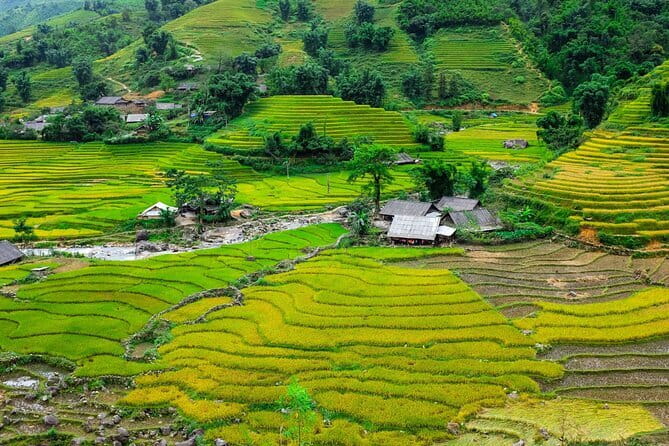
- Muong Hoa Valley viewpoints: You get panorama-style scenery from the walking route, not just one photo stop.
- English-speaking local guides: Names you may hear include Sing, May, Mo Mo, Zing, and Sinh, and guides adjust pace and routing.
- Village time that feels real: You’ll visit local houses and meet villagers to understand day-to-day life.
- 11–12 km, easy to medium: Expect about 200–300m of elevation across the day.
- Lunch + 0.5 liter water included: This helps you keep energy up without scrambling for food mid-trek.
- Private feel for your group: It’s listed as private for your group, not a cattle-call.
Why Muong Hoa Valley feels worth the effort
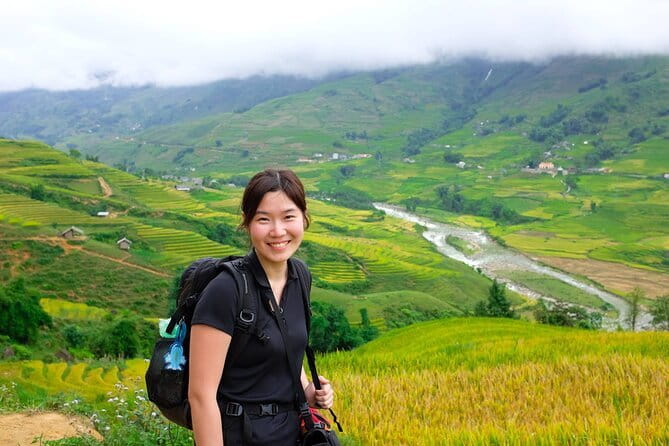
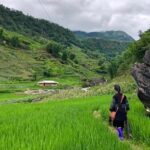
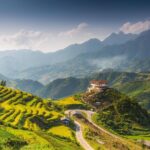
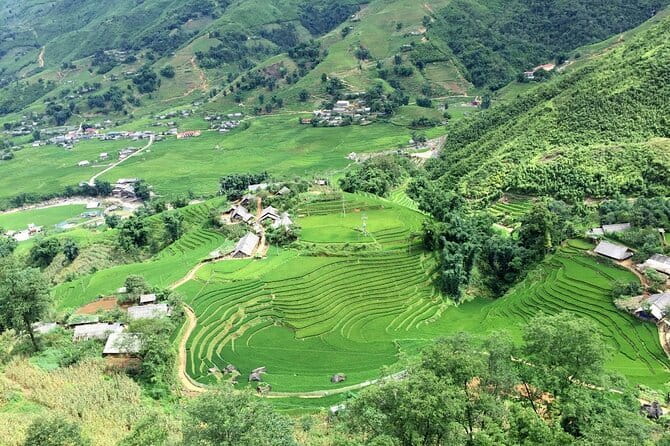
Sapa’s town can be busy, but the Muong Hoa Valley trek slows everything down. You’re walking through rice terrace scenery with mountain-and-valley views, and the rhythm is simple: walk, stop, look, talk, repeat. The best part is that you’re not only chasing views—you’re also getting village context.
I especially like the way the trek is built around ethnic village life, not just scenery. You pass through areas linked to Hmong communities in the Flower Valley (Muong Hoa Valley), and you get time to step into a local house and meet villagers. That makes the whole day feel more grounded than a checklist of landmarks.
One more small but important detail: the walk includes both a half-day walking plan and a lunch, which changes how you experience the day. You’re less likely to feel rushed, and you’re not stuck hunting down a meal while everyone’s tired.
The 9:00 AM plan: pickup, timing, and how hard it is
This trek starts at 9:00 AM, with pickup offered from hotels around Sapa town or from the operator’s office. The day is designed to run about 6 hours total, including the walk, lunch, and transport segments. The walking distance is listed around 11–12 km, with roughly 200–300m elevation—enough to feel like you worked, not enough to feel like a mountain expedition.
Here’s the practical takeaway: the route is labeled easy to medium, but it still includes uneven mountain paths. Your legs will notice the distance more than the elevation. If you’re comfortable walking for a few hours, you’re likely fine.
Also, the group format matters for comfort. This is private for your group, so the pace you get depends on your guide and your group’s needs—something you’ll feel during the day when you’re deciding whether to take a more natural path or a less twisty route.
Down to Y Linh Ho: rice terraces, panoramas, and a Hmong village stop
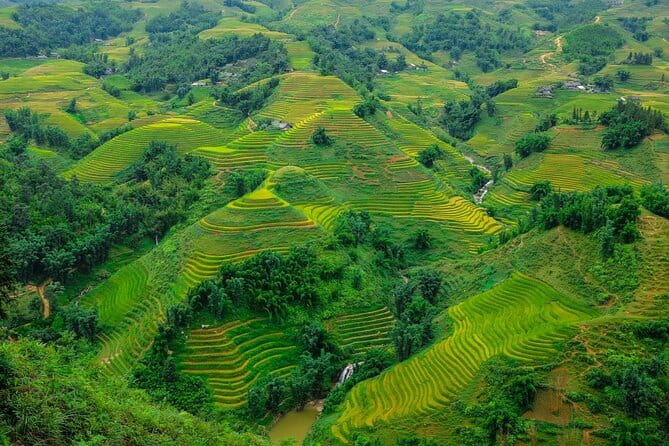
The trek begins with a walk down toward Y Linh Ho in the Flower Valley (Muong Hoa Valley), where the rice terraces open up into wide views. This is the part that tends to make people relax into the day. The scenery is big, but the walking is steady, and you’re moving alongside valley contours rather than just staring from a road.
You’ll also get the chance to visit a local house and meet villagers. I like these moments because they’re not just photo opportunities. The point is conversation: daily life, routines, and how people live in a place shaped by mountains and terraces.
One practical note: guides sometimes adjust the route based on ability and interests. In similar treks with guides from this operator, you may hear that your guide chooses paths based on what fits you—so don’t be shy about telling them your limits and what you’re hoping to see.
Lao Chai and Ta Van: viewpoint moments and culture beyond the photos
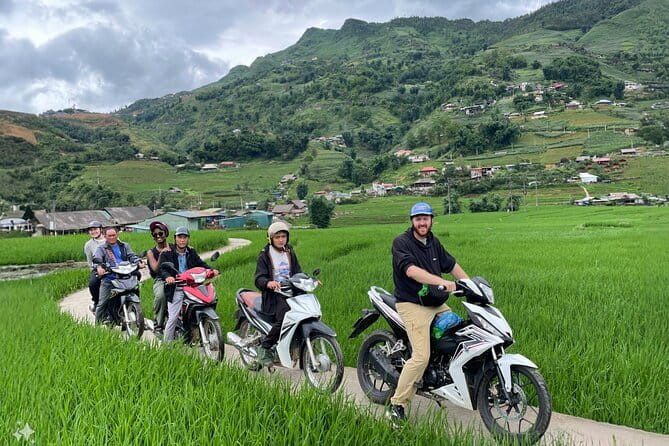
After the initial valley walk and village introduction, the trek continues through the area toward Lao Chai – Ta Van Village (often written as Lao Chai to Ta Van). This is where the views tend to get more “postcard” and where you’ll see the terraces folding along the hillsides.
The experience here is both visual and social. You’re walking through a patchwork of terrace fields and village routes, and the guide’s job is to keep you oriented—so you don’t just wander from one viewpoint to the next without understanding what you’re looking at.
One thing I’d take seriously from past trips: footwear. In wet conditions, the paths can get slick, and one review specifically called out that galoshes were needed. Even if you don’t think you’ll need them, it’s smart to pack rain cover for your shoes or bring something that handles mud.
If you like having choices, pay attention when your guide offers route options. In prior experiences with named guides like Mo and Ms. Mo, the pacing and path type were described as flexible—sometimes via more road-like options, sometimes via more natural tracks. That flexibility is a big quality-of-life upgrade on a day trek.
Lunch, water, and the real value of the $34 price
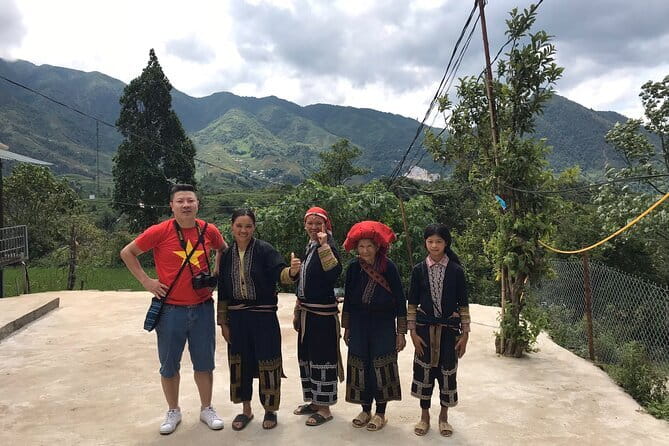
At $34 per person, the headline value is that this isn’t just a guided walk. It includes lunch, an English-speaking guide, 0.5 liter of water per person, transport from the village back to Sapa town, and entrance fees tied to the village visits.
So you’re paying for a full day flow, not a bundle of separate purchases. That matters because in Sapa trekking, the annoying costs add up fast—food, transport back after you’re tired, entry fees, and guide time. Here, the package bundles those things into one predictable price.
What’s not included is also clear: tips for the guide, insurance, and personal expenses. Tips are always your choice, but for a small-group or private experience, I’d plan a little extra in your budget if the guide does a good job adjusting pace and keeping everyone safe.
If you have dietary needs—vegetarian, vegan, gluten-free, or anything else—you’re asked to let them know. That’s important on a trek day, because “basic meal” can still be tough if you don’t communicate first. When you book, send your needs early.
Transport back to Sapa: why it changes your day
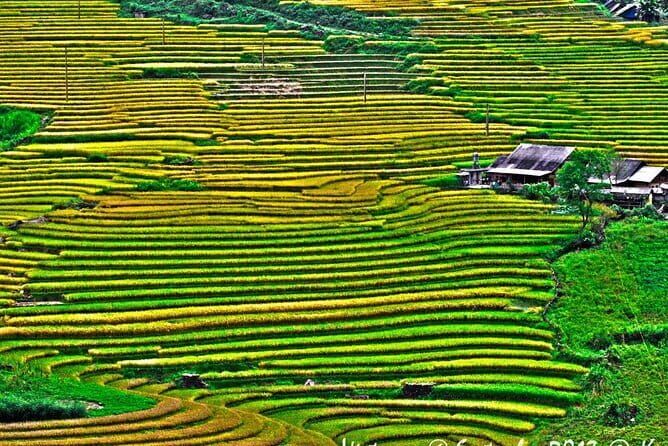
One of the best parts of this kind of trek is the ending. The plan includes transport by car from the village back to Sapa town. Practically, it means you don’t feel like you have to “finish the walk” just to get home.
It also keeps the day on schedule. The trek is set to about 6 hours total, so your energy is used for walking and enjoying the scenery, not for extra transit planning.
And because pickup is offered around Sapa town, the logistics are simpler. You won’t have to coordinate multiple transfers or figure out how to get back to where you started while your legs are tired.
Rain, pace changes, and what good guiding looks like
Sapa weather is not always cooperative. One review-style story from this trek type mentioned getting caught in rain, and the guide was actively checking whether people were getting wet and staying safe. Another mentioned adjusting the trekking based on wishes and weather conditions.
What does that mean for you? It means a good guide is going to be watching more than just the route. They’ll manage pace, suggest safer footing paths when needed, and keep the group comfortable. In other guide experiences with this operator, people described route choices based on interests and ability—like letting you pick between more natural tracks or easier segments.
That “make it work for the group” attitude is a big reason this trek is rated highly. You don’t want a guide who just runs a script. You want someone who can read the day: energy level, sky conditions, and how long it takes for the group to move between terrace views and village stops.
Who this trek suits best (and who might want an easier alternative)

This is a strong match if you want a culture + views walk without a brutal hike. The route is listed easy to medium, and with 200–300m elevation across the day, it’s more about stamina and walking comfort than technical difficulty.
You’ll also like it if you care about meeting local people. The inclusion of a local house visit and time in village areas makes it more than a photo circuit.
Consider a different option if any of these apply:
- You’re not comfortable walking 11–12 km even at an easy-to-medium level.
- Rain makes you miserable, and you don’t want to carry gear for wet conditions.
- You want a short, mostly-flat walk. This one is designed for a real trek day.
Still, the good news is that guides here have shown they can adjust pacing and routing. If you’re honest about your comfort level, you’ll likely have a better day.
Should you book this Muong Hoa rice-terrace trek?
If you want a day in Sapa that mixes big Muong Hoa Valley views with actual village life, this is a good pick. The price is attractive because it bundles the essentials: English guide, lunch, water, entrance fees, and transport back. It also sounds well run, with guides like Sing, May, Mo Mo, Zing, and Sinh showing up in prior experiences, often with careful pacing and route choices.
Book it if you:
- Like scenic walking but still want human moments (house visit, conversation).
- Prefer a structured day where you don’t have to plan meals or end-of-trek transport.
- Can handle an easy-medium trek of about 6 hours.
Skip it if you want a very short outing or you’re not prepared for possible rain and slippery paths. In that case, choose something shorter and less exposed.
If you book, pack for wet weather, wear shoes you trust, and tell your guide your pace and comfort level early. That’s how you get the day to feel like a calm, rewarding walk instead of a chore.
FAQ
What time does the trek start?
The trek starts at 9:00 am.
How long is the full experience?
It’s about 6 hours total, including walking, lunch, and transport.
What distance will I walk?
The walking distance is listed around 11–12 km.
Is the guide English speaking?
Yes, the experience includes an English speaking local guide.
What’s included in the price?
The tour includes lunch, an English guide, 0.5 liter of water per person, transport from the village back to Sapa town, and entrance fees.
Can you accommodate dietary needs?
Yes. If you are vegetarian, vegan, gluten-free, or have other dietary requirements, you should let the operator know when booking.