REVIEW · ERFOUD
3-Day Sahara Tour Marrakech to Agadir + Camel & Quad
Book on GetYourGuide →Operated by MARRAKECH EXPRESS TOUR · Bookable on GetYourGuide
Three days of Atlas roads and Sahara sand. You get the Erg Chebbi camel trek at sunset and a real visit to Ait Ben Haddou before the trip hands off to desert silence. It’s a classic Morocco route, but the way it stacks big sights with real camp life is what makes it feel special.
The trade-off is pace: you’ll cover a lot of kilometers in a short time, and lunches aren’t included, so you’ll want a plan for midday meals.
In This Review
- Key Things That Make This Tour Worth It
- Marrakech to Agadir: A Big-Route Desert Trip That Moves
- Day 1: Tizi n’Tichka Pass, Ait Ben Haddou, and the Dades Valley Night
- Day 2: Todra Gorges, Erfoud Fossils, and Merzouga’s Sunset Camel Ride
- Day 3: Draa Valley Kasbahs, Saffron and Carpet Stops, and Arrival in Agadir
- Desert Camp Sleep Setup: Standard vs Luxury Tents (and Real Comfort Tips)
- Value and Price: What $181 Really Covers and What to Budget
- Guides and Driving: When the Driver-Guide Makes the Trip
- Small Frictions to Plan For: Long Hours and Lunch Reality
- Who This Tour Fits Best (and Who Should Look Elsewhere)
- Should You Book This Marrakech-to-Agadir Sahara Tour?
- FAQ
- How long is the tour?
- What time does pickup start on Day 1 in Marrakech?
- When does the tour end in Agadir?
- Is pickup included?
- What languages are available for the guide?
- What kind of desert camp accommodation is included?
- Is camel trekking included?
- Is sandboarding included?
- How much does quad biking cost, and is it optional?
- What’s not included in the price?
- Can I cancel for a full refund?
Key Things That Make This Tour Worth It
- Sunset camel trek over Erg Chebbi dunes with the sky doing its color-change routine
- Desert camp under the stars in Merzouga with dinner and live Berber drumming
- High Atlas crossing via Tizi n’Tichka pass for those mountain-road panoramas
- UNESCO-listed Ait Ben Haddou and the Kasbah vibe around Ouarzazate
- Todra Gorges + Erfoud stop for canyon drama and fossil/date-palm scenery
- Sandboarding in the Sahara (yes, that’s included)
Marrakech to Agadir: A Big-Route Desert Trip That Moves
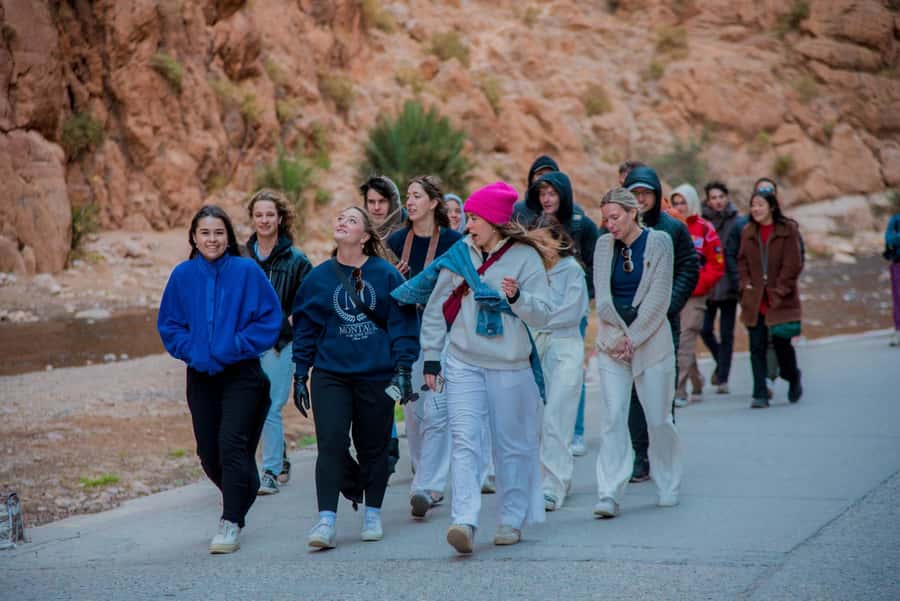
This is a 3-day road trip that links Marrakech, the High Atlas Mountains, the desert edge at Merzouga, and then back out to the coast in Agadir. The magic comes from contrast: mountain passes that feel remote, kasbahs that look like they belong to another century, and dunes that go quiet fast when the sun drops.
At $181 per person for 3 days, you’re mostly paying for transport, guided driving, key sights, and the two dinners/ two breakfasts that anchor the trip. If you want to see the headline places without arranging your own transport across multiple regions, this kind of tour can be good value.
Where I’d set expectations: it’s not a slow, stop-and-stroll kind of journey. It’s built for big mileage, so comfort, patience, and snacks matter.
You can also read our reviews of more tours and experiences in Erfoud.
Day 1: Tizi n’Tichka Pass, Ait Ben Haddou, and the Dades Valley Night
Day 1 usually starts around 7:00 AM in Marrakech, with pickup from your hotel/riad if the vehicle can reach it. If it can’t, you’ll be directed to a nearby meeting point within a short walk. Then it’s into the High Atlas and up toward one of the most famous mountain roads in Morocco: Tizi n’Tichka pass.
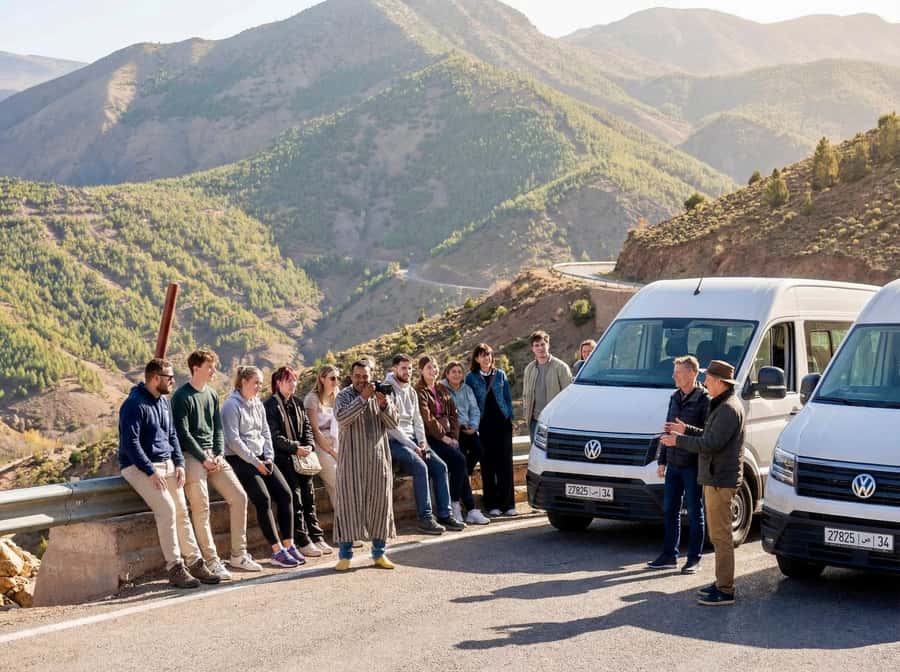
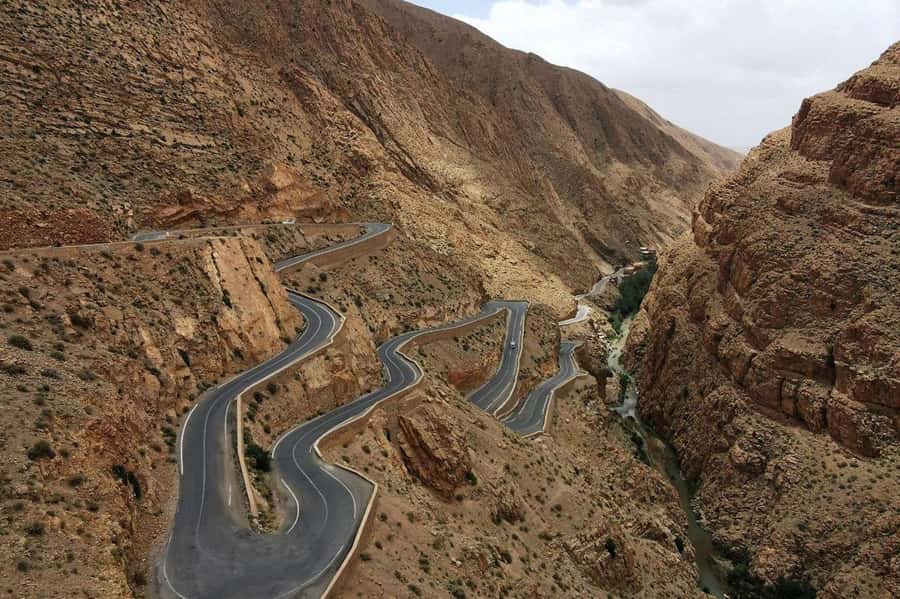
This is the day for wide views and that feeling of getting smaller as the mountains get bigger. You’ll pass through remote Berber villages and steep terrain where the road curves make it feel like the landscape is constantly changing shape.
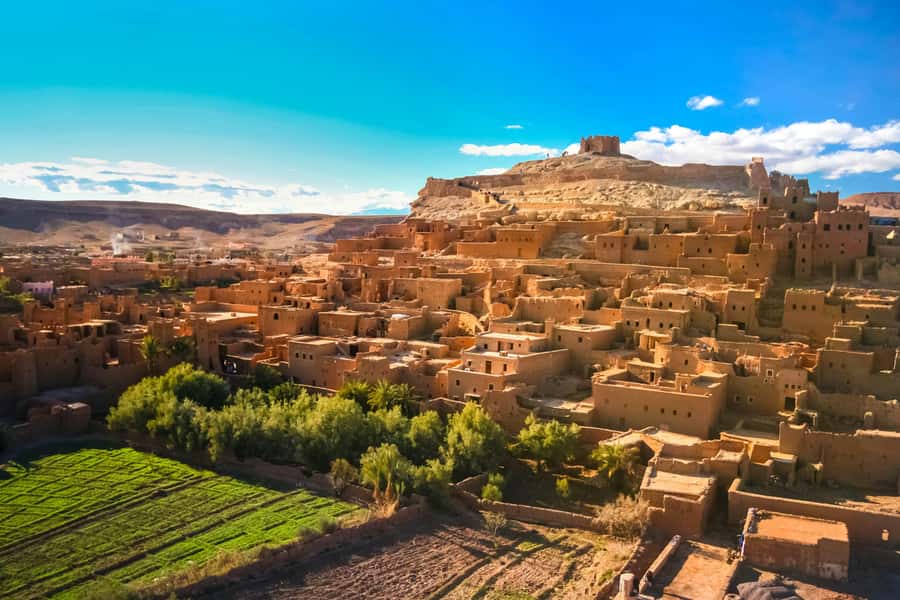
Next comes Ait Ben Haddou Kasbah, a UNESCO-listed stop that’s hard to forget once you see it in person. The kasbah’s layout and fortress feel give you a quick lesson in why this region became a crossroads for trade and travel long ago. Even if you’re not into history lectures, you’ll still appreciate the visual scale.
From there, the route continues toward Ouarzazate (often called the gateway to desert travel) and then through places like Skoura Oasis and the Rose Valley, before you reach the Dades Valley. This is where the trip slows down just enough to reset—dinner and an overnight stay in a comfortable hotel or riad with a private bathroom.
Practical note: Day 1 can feel long because you’re stacking viewpoints and major sites. If you’re the type who needs lots of quiet breaks, plan to use bathroom stops and roadside pauses to recharge.
Day 2: Todra Gorges, Erfoud Fossils, and Merzouga’s Sunset Camel Ride
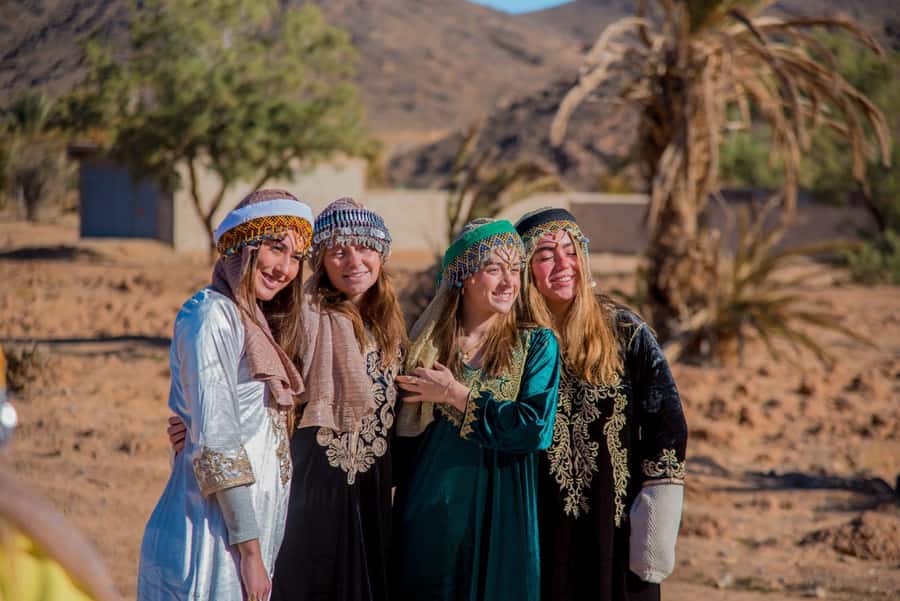
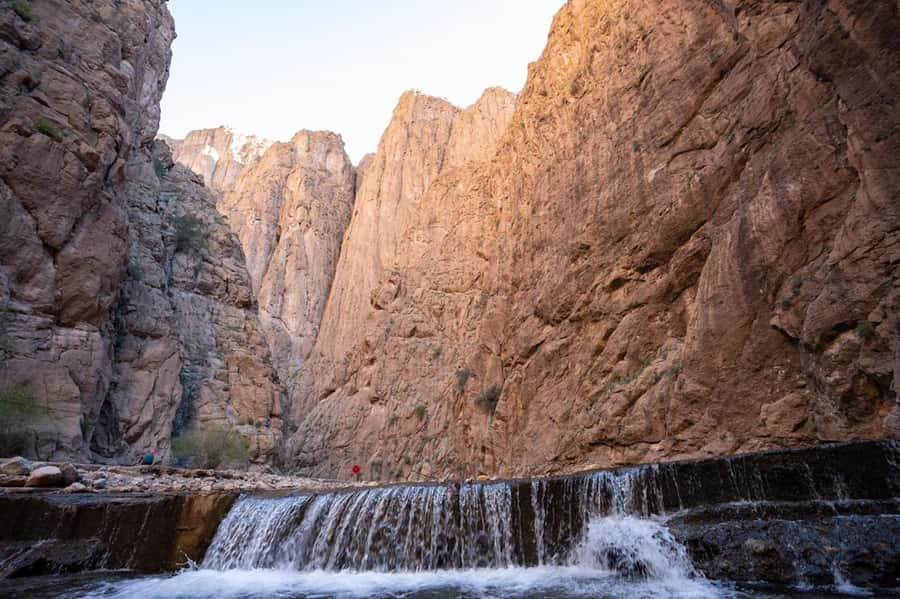
Day 2 moves toward Todra Gorges, where the canyon walls rise high enough that the light changes as you walk around. It’s one of those places where photos don’t fully explain the scale—you feel the narrowness.
After Todra, the route heads for Erfoud, a desert town known for fossils and date palms. This stop helps break up the day so you’re not only in rock walls and dunes. It’s also a reminder you’re heading from mountain Morocco into the Sahara edge.
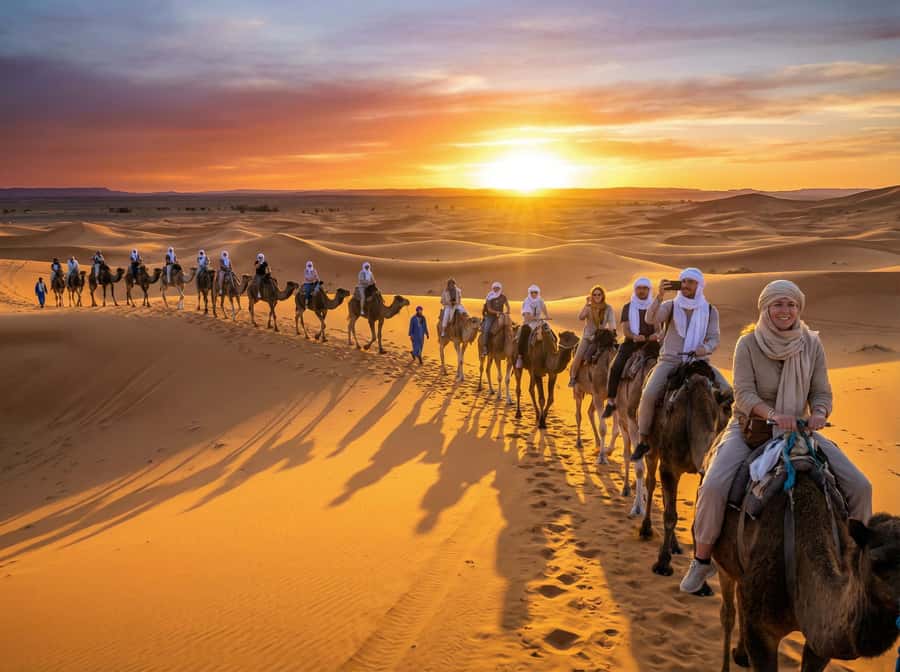
Then comes Merzouga, right at the edge of the Erg Chebbi dunes. This is the moment when the trip flips from sightseeing to something physical and slow: you’ll start your camel trek at sunset, riding across golden sand as the sky cools and colors shift.
You’ll also get luggage transport to and from the desert camp, which matters more than it sounds. It means less weight on your shoulders and a smoother transition from transport vehicle to desert time.
At the camp, you’ll sleep in a tent and enjoy a traditional Moroccan dinner with live Berber drumming, plus plenty of time to look at the stars once the lights dim. If you picked up a scarf or hat for the evening, this is where you’ll be grateful.
Included here also is sandboarding, so you can trade the camel pace for a board-and-gravity moment during your desert stay. It’s fun even if you’re not a sports person.
Day 3: Draa Valley Kasbahs, Saffron and Carpet Stops, and Arrival in Agadir
You’ll wake early for sunrise over the dunes. Morning desert light has a way of making everything look sharper—dunes, shadows, and the line where sand meets sky. After that, breakfast happens at the camp, then the day shifts back into road travel.
You’ll leave Merzouga and head through the Draa Valley, famous for palm groves and ancient kasbahs. This is the day for a greener-feeling contrast compared to the Erg Chebbi area. It’s also a nice way to see how “desert” life connects to water sources, farms, and village rhythms.
Along the way you’ll pass through Taznakht and Taliouine. These stops are tied to Berber carpets and saffron, so even if you don’t buy anything, you’ll understand why the region has an identity beyond scenery.
The trip ends with a drop-off in Agadir around 8:00 PM. If you’re continuing your Morocco journey right after, I’d keep your first evening light. You’ll have done a lot of hours in the car.
Desert Camp Sleep Setup: Standard vs Luxury Tents (and Real Comfort Tips)
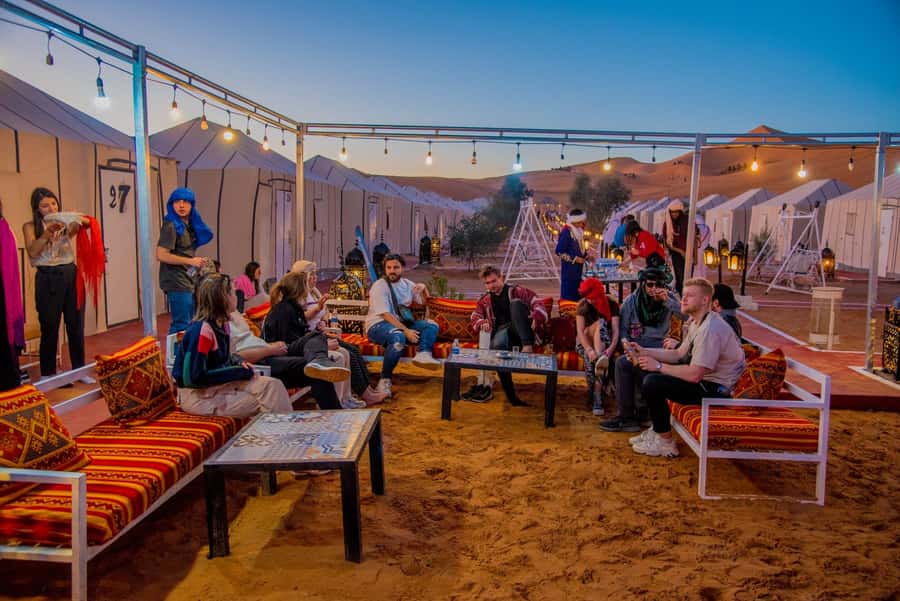
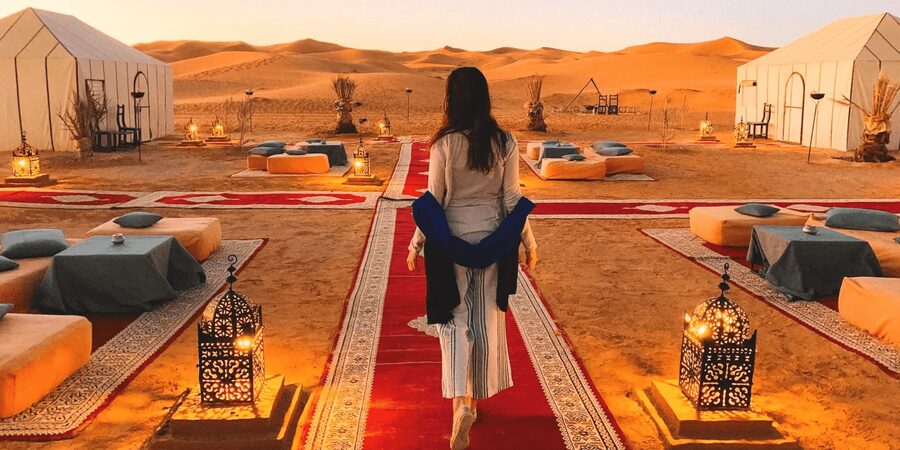
You’ll sleep in the Sahara in a desert camp at Erg Chebbi, in private tents. The big difference between options is bathroom setup:
- Standard camp: shared bathrooms
- Luxury camp: private bathroom
Either way, you’re sleeping in a place that feels far from modern Morocco. That’s the point. But desert comfort is practical, not just poetic.
Plan for hot days and cold nights, especially if you travel in winter. Pack a jacket, and if you’re someone who gets cold easily, bring an extra layer even when the daytime sun feels strong. Closed-toe shoes also help once you’re walking around on camp ground.
Also, bring sunglasses, sunscreen, and a hat. Sun can hit harder than you expect, and Merzouga mornings and afternoons are bright.
Value and Price: What $181 Really Covers and What to Budget
Let’s talk money in a way that helps you decide fast.
At $181 per person, the tour includes:
- hotel/riad pickup in Marrakech and drop-off in Agadir
- air-conditioned transportation
- a professional driver-guide during the journey
- 1 night in Dades Valley with a private bathroom
- 1 night in the desert camp (standard or luxury option)
- 2 breakfasts and 2 dinners
- sunset camel trek
- sandboarding
- luggage transport to/from the desert camp
- traditional dinner with live drumming
- free onboard Wi‑Fi
What’s not included:
- lunches and drinks
- monument entrance fees, if applicable
So the real budgeting question is lunch. The tour runs on meals that are included at the right anchors (breakfasts and dinners), but midday is on you. And from the tone of real experiences with this kind of route, lunch stops can feel fixed—meaning limited choice and menus that aren’t built for food obsessives.
My practical tip: bring some snacks you like and keep small cash for day-to-day purchases. Even if lunch ends up being fine, having a backup keeps the day feeling relaxed.
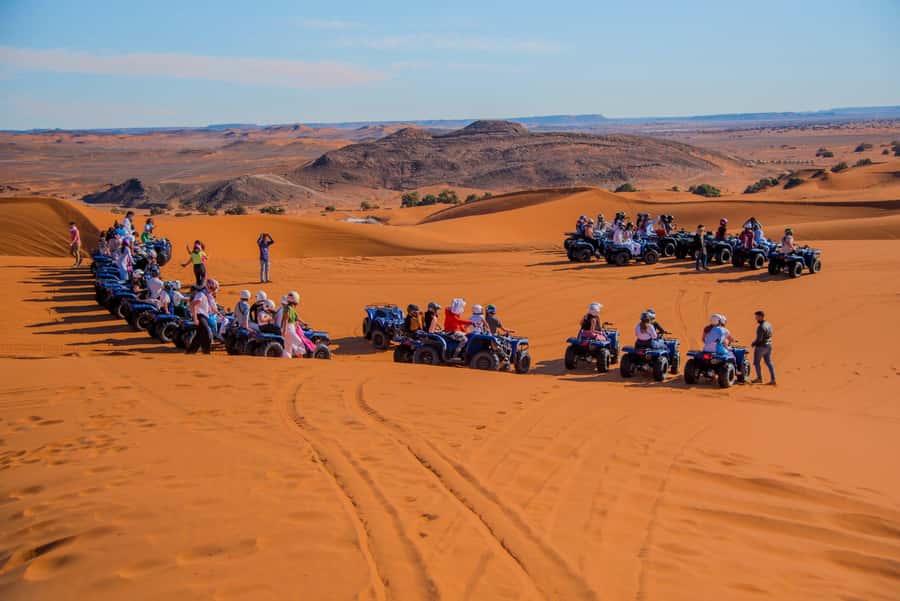
Optional costs: at the camp, quad biking is €40 per person for about 1 hour, with a minimum of 2 people. If you’re on a solo plan, check that condition before assuming you can do it.
Guides and Driving: When the Driver-Guide Makes the Trip
This tour works because one person is often the glue: the driver-guide handles route details and keeps practical things moving. In real experiences, having a calm, clear driver can turn a long day into an easy one.
On different departures, guides have included people like Yassin, described as a quiet, reassuring presence who shared the right information and helped people feel comfortable. Others included Ali, who offered interesting facts along the way, and Simo, who was praised as a strong guide and helpful with arrangements. There were also mentions of Mustafa and Simo as a helpful team for practical setup.
Even when the route is fixed, the human factor changes how the day feels. Good guides help you stay oriented, manage time, and get the most out of stops without rushing.
Still, don’t pretend the schedule is light. You’ll do plenty of hours in the car. That’s part of trading convenience for effort.
Small Frictions to Plan For: Long Hours and Lunch Reality
Two things can be deal-breakers for some people if you’re not ready.
First is time on the road. This tour stacks major sights across big distances. If you get cranky from car time, prepare with a neck pillow, water, and a playlist you won’t hate by Day 3.
Second is lunch. Because lunches aren’t included, you’ll stop at places where you’re more or less expected to eat what’s available. If you prefer variety or strict dietary needs, take that seriously. Keep it simple: eat something quick when you find it, and don’t let lunch delays throw off your mood for the next stop.
It’s also smart to carry cash. The tour tells you to bring it, and on routes like this, small payments and purchases pop up without much warning.
Who This Tour Fits Best (and Who Should Look Elsewhere)
This is a solid choice if you:
- want the classic Morocco highlights in one tight loop
- like a structured plan with pickup/drop-off
- are okay with long driving days in exchange for major sights
- want a real desert night, not just an evening stop
It may be less ideal if you:
- want lots of free time in each place
- hate long car rides and prefer walking-heavy trips
- need a lot of flexibility around meals, because lunches are on your own
If you’re traveling as a private group, you can also tailor things more than the standard group pace, as private options are available.
Should You Book This Marrakech-to-Agadir Sahara Tour?
I’d book it if you want a straightforward way to hit High Atlas passes, Ait Ben Haddou, Todra Gorges, and Erg Chebbi without doing cross-city logistics yourself. The included desert camp experience—camel trek at sunset, camp dinner with live drumming, and sandboarding—is the core value, and the rest of the route supports that by feeding you major “wow” stops.
I’d think twice if you’re very sensitive to schedule intensity or you dislike paying extra for lunch every day. If that’s you, either plan to snack strategically or choose a slower itinerary style.
FAQ
How long is the tour?
It’s a 3-day tour.
What time does pickup start on Day 1 in Marrakech?
Pickup is arranged for an early start, with the tour starting around 7:00 AM on Day 1.
When does the tour end in Agadir?
It typically ends around 8:00 PM on Day 3.
Is pickup included?
Yes. You get pickup in Marrakech (from your hotel/riad if accessible by car, or a meeting point within about a 5-minute walk) and drop-off in Agadir.
What languages are available for the guide?
The live guide is available in French, English, Spanish, Arabic, and Portuguese.
What kind of desert camp accommodation is included?
You’ll sleep in a private tent in a desert camp at Erg Chebbi. Standard options have shared bathrooms, while luxury options include a private bathroom.
Is camel trekking included?
Yes. A sunset camel trek in the Merzouga dunes is included.
Is sandboarding included?
Yes. Sandboarding is included during the desert experience.
How much does quad biking cost, and is it optional?
Quad biking is optional and costs €40 per person for about 1 hour, with a minimum of 2 people. It’s available at the desert camp.
What’s not included in the price?
Lunches and drinks are not included, and entrance fees to monuments are not included if applicable.
Can I cancel for a full refund?
You can cancel up to 24 hours in advance for a full refund.
If you want, tell me your travel month and whether you’re choosing standard or luxury camp, and I’ll suggest what to pack for temperature swings and desert comfort.