REVIEW · POKHARA
3 Day Mardi Himal Base Camp Trek from Pokhara
Book on Viator →Operated by CAN Travels · Bookable on Viator
Mardi Himal starts with short rides and big views. This 3-day trek in Nepal’s Annapurna region takes you from Pokhara into the hills, through green paths and rhododendron forests, toward Mardi Himal Base Camp with jaw-dropping Himalayan backdrops like Machhapuchhre and Annapurna.
What I really love is the combination of English-speaking guide support and smooth logistics: pickup and drop-off, private jeep transfers (Pokhara to Dhampus, then Siding back to Pokhara), and the trekking permit handled for you. The guides named in past groups include Amrita, Krishna, and Prakash, and the common thread is clear: they keep things organized and make the hike feel comfortable, even when the trail gets steep.
One thing to plan for: food and drinks aren’t included. You’ll buy meals along the way, and that means budgeting a bit more than the $299 price tag.
In This Review
- Key highlights worth your attention
- Why Mardi Himal Base Camp is a great 3-day target
- Pokhara to Dhampus: the transfer that sets your tone
- Day 1: Dhampus and the Forest Camp rhythm
- Day 2: rhododendron forests and Mardi High Camp payoffs
- Day 3: early start, headlamp hike, and the base-camp feeling
- Price and value: what $299 actually buys you
- Logistics that keep your trek calm (and where you should still pay attention)
- Guides, permits, and first aid: the practical safety layer
- How challenging is it, really?
- Who this trek suits best
- Should you book this 3-day Mardi Himal Base Camp trek?
- FAQ
- What’s included in the 3-day Mardi Himal trek price?
- What is not included?
- How long are the hiking days?
- Where does the trek start from in the Pokhara area?
- Do I need to carry a headlamp?
- What fitness level do I need?
- Is there free cancellation?
Key highlights worth your attention
- Private jeep transfers cut down travel stress on both ends of the trek
- Guesthouse nights along the route make this feel doable in 3 days
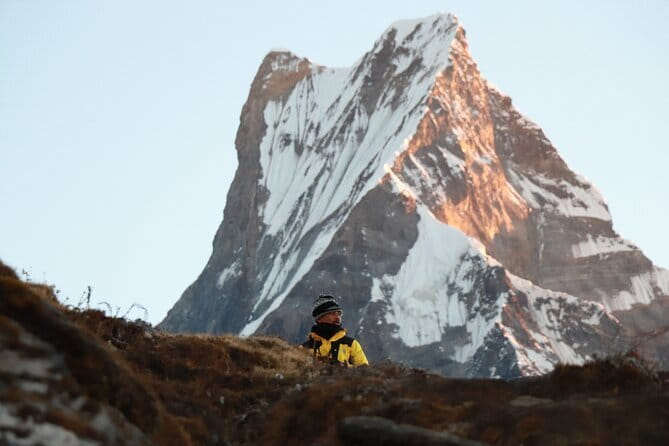
- Machhapuchhre and Annapurna views are the big reward people come for
- Rhododendron forests and first altitude gains happen right away
- Day 3 uses an early start with warm layers and a headlamp for the hike
- Permits and official documents are included, so you’re not hunting paperwork
Why Mardi Himal Base Camp is a great 3-day target
Mardi Himal Base Camp is the kind of trek that feels like the mountains are right in front of you, not days away. In a short itinerary, you’re still able to get that classic base-camp feeling: early starts, altitude work, and then a payoff from a viewpoint before the final approach.
The Annapurna region setting matters too. Your days move through forests and hillside villages first, then gradually shift toward more alpine terrain. That change in scenery helps your brain stay interested, because the trek isn’t just uphill for three straight days.
For many people, the appeal is balance. It’s not a tiny walk, but it’s also not a long, drawn-out trek where you spend a week just reaching the starting line. If you want mountains plus a realistic schedule, this fits.
You can also read our reviews of more tours and experiences in Pokhara.
Pokhara to Dhampus: the transfer that sets your tone
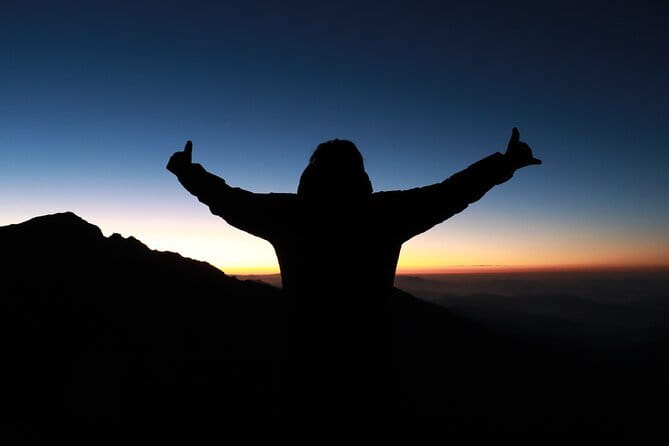
The trek starts with hotel pickup and then a private jeep ride to Dhampus. The drive portion is short enough to keep jet lag and travel fatigue from hijacking your first hiking day, and it gives you time to get oriented without feeling like you’ve already “used up” the trip.
A key detail is the checkpoint stop before you transition into the hiking route. That checkpoint moment is small, but it’s actually part of why tours like this feel smoother. You’re not scrambling while the group is trying to get moving. Your guide can handle the timing, and you can focus on settling into the trail.
Dhampus also acts like a first altitude “teaser.” Even before you rack up serious elevation, you get that shift in air and views that tells you you’re in the hills now, not back at low elevation. That’s an advantage on a 3-day itinerary, because you need momentum.
Day 1: Dhampus and the Forest Camp rhythm
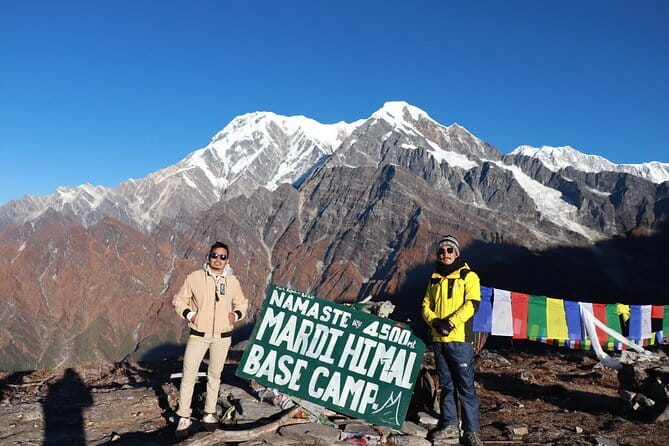
Day 1 is built around a gentle-to-moderate ramp-up. After breakfast, you drive about an hour to Dhampus, check in at the checkpoint, then head along the trail toward Pothana through green forest sections.
That forest segment is more than scenery. In real trekking terms, it’s a relief. Tree cover can soften sun exposure and help you pace yourself on the early part of the hike. It’s the kind of section where you can get into the cadence: steady steps, short breaks, and getting used to breathing at a higher altitude than you’re used to.
You end the day at Forest Camp. Even though this itinerary is only three days, the overnight stop matters because it gives you time to recover properly. Also, you’re not just “stopping.” You’re transitioning your body to the rhythm of a trek: climb, eat, rest, repeat.
One practical note: Day 1 is listed at about 7 hours, so plan to treat it as a real hike day, not a casual warm-up. If you’re starting from Pokhara the same day, keep your first meal light and aim to hydrate early.
Day 2: rhododendron forests and Mardi High Camp payoffs
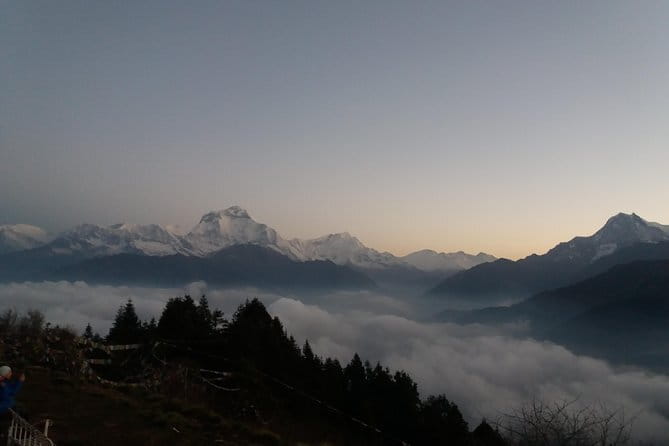
Day 2 starts with breakfast and Himalayan views. That’s a nice change from the usual routine breakfast. It also sets expectations: you’re not eating in a bland room while you wonder if the mountains will ever show up.
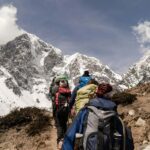
From there, the day includes some uphill walking and a transition through rhododendron forests. These forests are a classic part of the Mardi Himal feel, and they also help break up the effort. You’re moving under a canopy for long stretches, which can make a steep day feel more manageable.
Then you finish at Mardi High Camp. This stop is important on a 3-day trek. It’s not “the base camp,” but it’s the staging point that makes Day 3 realistic. The better you rest here, the more enjoyable the morning approach to viewpoint and base camp becomes.
Day 2 is also listed at about 7 hours, so it’s another solid chunk of walking. The trick is pacing. Don’t sprint early just because Day 2 feels shorter than you think. Keep your effort steady, because the final day is the big push.
Day 3: early start, headlamp hike, and the base-camp feeling
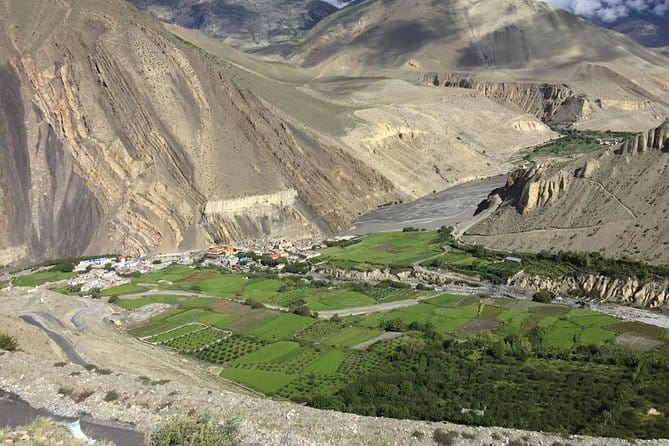
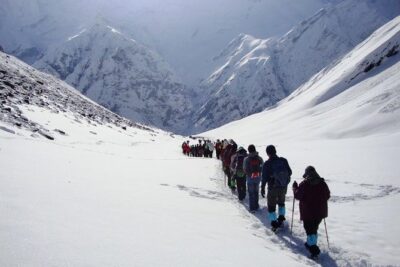
Day 3 is where the trek sharpens. You wake up early, have hot tea, and start with warm clothes, a bottle of water, and a headlamp. That combo matters. Headlamp use usually means you’re walking in low light at least part of the morning, which changes the experience. You’ll want to keep your footing careful and your breaks simple.
You hike for about 2 hours from High Camp before reaching a Viewpoint. Even when base camp is the star, this viewpoint stop is a smart design choice. It gives you a place to pause, take in the views, and mentally adjust before the final stretch.
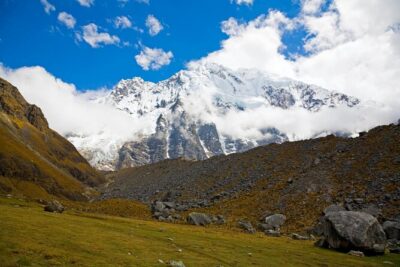
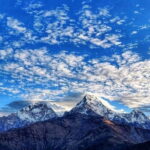
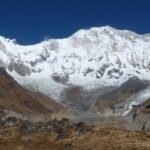
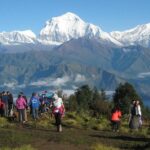
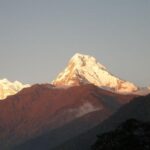
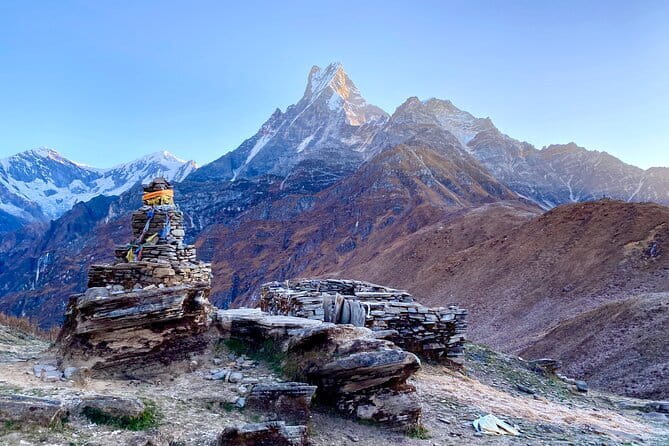
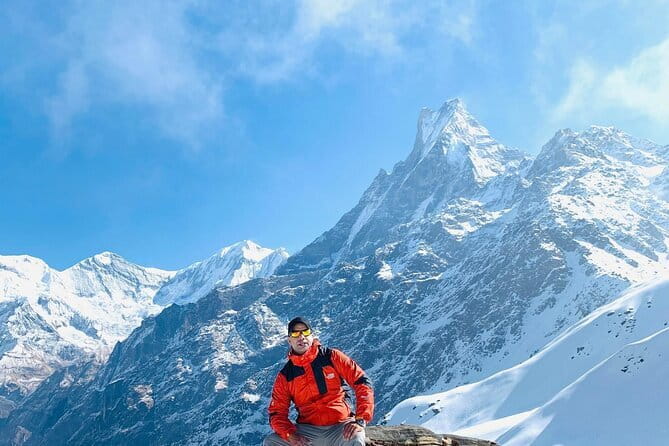
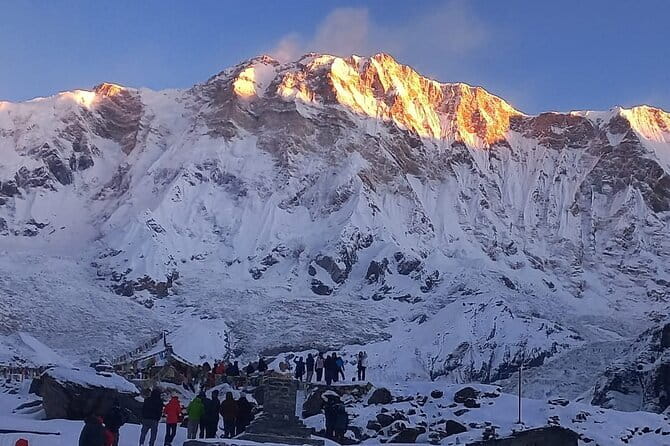
This is also the day when the views people mention tend to land hardest. In past experiences, people highlighted sweeping scenes of Machhapuchhre and Annapurna. That fits the route: as you gain elevation, the big-name peaks show up more clearly, and the “why am I doing this?” feeling turns into “okay, worth it.”
Day 3 is listed at about 9 hours, so it’s the longest day of the three. Plan for a full hiking day, not a quick morning stroll. Bring extra patience. If you’re the type who rushes when you see great views, remind yourself to keep moving safely first. The base-camp moment comes after you earn it.
Price and value: what $299 actually buys you
At $299 per person, this trek is positioned as a value option because the core services that usually cost extra are built in.
Here’s what you get:
- hotel pickup and drop-off
- trekking guide support in English
- trekking permit and official documents handled
- Pokhara to Dhampus and Siding back by private jeep
- guesthouse accommodation during the trek
- emergency normal first aid kit with the guide
- private tour style, meaning only your group participates
What you don’t get:
- food and drinks (available for purchase)
- gratuities (optional)
- porter service by default (porter is $25 per day, with one porter for two people)
So where’s the real value? In the mix. Many budget treks look cheap until you add permits, transfers, a guide, and overnight stays. Here, those “hidden” costs are already wrapped in. The main variable is food/drinks, which you can control based on how much you snack and what kind of meals you want.
Also, group discounts are mentioned, which can make the per-person cost even better if you’re not traveling solo. And the mobile ticket detail matters more than it sounds. It reduces last-minute confusion so you can focus on the trail.
Logistics that keep your trek calm (and where you should still pay attention)
This trek runs with private tour structure, so you’re not sharing your experience with random strangers in the same way you would on a large group departure. That often helps with pacing. Your guide can adjust breaks and timing to the actual group you’re with.
The private jeep transfers also do the heavy lifting. Pokhara to Dhampus is not something you want to manage on your own on a trekking schedule. And the return transfer from Siding back to Pokhara is helpful because it closes the loop.
One detail you should take seriously is the listed start time: 10:15 pm. That’s late enough that it could confuse people who assume a morning departure. I’d treat that as a “confirm before you go” moment. Message CAN Travels or your guide to nail down your exact pickup time and what you’re doing that night, so there are no surprises.
Guides, permits, and first aid: the practical safety layer
The operator includes an English-speaking, experience-friendly trekking guide plus a normal first aid kit. That doesn’t mean every trail risk disappears, but it does mean you have a competent point person if anything goes sideways.
Permits and official documents are also included. This is one of those chores that can make trips stressful if you try to handle it alone. With permits already handled, you spend your energy on walking and enjoying the mountains.
From the guide names shared in past trekkers’ experiences, Amrita, Krishna, and Prakash show up repeatedly. What matters most is the consistent praise for professional, friendly guiding and good communication. That usually translates into fewer culture gaps and smoother decision-making on timing, rests, and route moments.
How challenging is it, really?
The trekking level is described as suitable for people with moderate physical fitness. That’s exactly what you want for a 3-day plan: challenging enough to feel like a real trek, but not so intense that one bad day wrecks the whole trip.
The day hours give you a clue:
- Day 1: about 7 hours
- Day 2: about 7 hours
- Day 3: about 9 hours
That’s not “easy,” but it is short. The altitude change happens gradually enough that most people can manage it if they pace well. The bigger factor is your willingness to keep a steady effort instead of going hard at the start.
Weather also matters, but the itinerary itself hints at cold conditions on Day 3 with warm clothes and a headlamp. If you run cold easily, you’ll want to prepare for chilly mornings.
Who this trek suits best
This is a strong pick if you want:
- a base camp goal without a week-long commitment
- a guided experience with permits, transfers, and guesthouse nights handled
- Himalayan peak views that include Machhapuchhre and Annapurna
It may be less ideal if:
- you hate spending money on food at each stop (since meals and drinks are extra)
- you want a trek where you can stroll at leisure every day (Day 3 is long at about 9 hours)
If you’re traveling as a couple or small group, the private tour setup usually feels like good value. It also fits people who like structure. The itinerary is clear, the stops are defined, and your guide handles the rhythm.
Should you book this 3-day Mardi Himal Base Camp trek?
I’d book it if your top priority is a focused, guided climb to Mardi Himal Base Camp from Pokhara with minimal logistics stress. The value is real because permits, transfers, guide time, and guesthouse nights are included, and you get a short but satisfying set of hiking days that culminate with viewpoint and base-camp views.
I’d hesitate only if your budget is tight for meals, because food and drinks are not included. Also, pay attention to the listed 10:15 pm start time and confirm the exact pickup schedule so you’re not guessing.
If you want a practical, mountain-focused trek that doesn’t eat your entire week, this one makes sense.
FAQ
What’s included in the 3-day Mardi Himal trek price?
Hotel pickup and drop-off, an English-speaking trekking guide, trekking permit and official documents, private jeep transfers (Pokhara to Dhampus and Siding back to Pokhara), guesthouse accommodation during the trek, a private tour setup, and an emergency normal first aid kit with the guide.
What is not included?
Food and drinks are not included (you can purchase them), gratuities are optional, and porter service is not included by default. A porter costs $25 per day, and one porter is for two people.
How long are the hiking days?
Day 1 is about 7 hours, Day 2 is about 7 hours, and Day 3 is about 9 hours.
Where does the trek start from in the Pokhara area?
After pickup in Pokhara, you take a private jeep to Dhampus, then continue on foot from the trek start area with a checkpoint stop.
Do I need to carry a headlamp?
A headlamp is part of the Day 3 preparation and start, since the trek begins early that morning.
What fitness level do I need?
The trek is for people with moderate physical fitness.
Is there free cancellation?
Yes. You can cancel up to 24 hours in advance for a full refund. If you cancel less than 24 hours before the experience’s start time, the amount paid is not refunded.