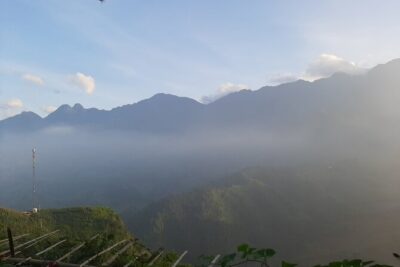
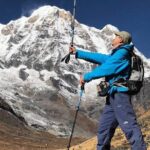
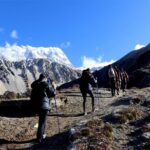
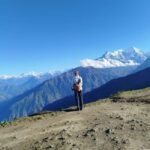
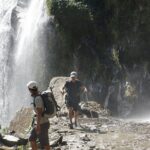
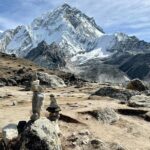
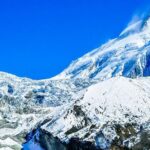
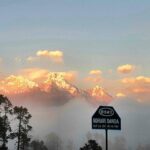
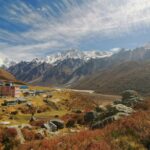
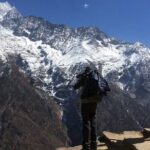
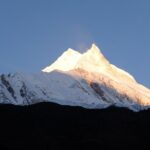
Manaslu feels wild, not crowded. The Manaslu Circuit trek is one of Nepal’s best circular routes, but it stays quieter than the classic Annapurna Circuit as you move from steamy rice terraces to the Larkya La Pass near the Tibetan border. I also loved the Buri Gandaki River gorge sections—icy turquoise water, waterfalls, and suspension bridges threading the canyon walls.
You’ll get real value from the guiding style here, with strong names like KP and Dilman praised for keeping plans flexible and pace controlled when altitude starts biting. The possible drawback is simple: this trek asks for serious effort. Expect long walking days and a high, weather-sensitive pass crossing where crampons may be needed.
In This Review
- Key highlights to know before you go
- Manaslu Circuit at a Glance: quiet, remote, and very scenic
- Price and what you actually get for $1,081
- Road to the trail: Soti Khola and the bumpy reality check
- Following the river to Jagat and beyond: Tatopani, suspension bridges, and permit checks
- Lho to Samagaun: mani walls, Tibetan-influenced villages, and yak pastures
- Acclimatization that makes sense: Base Camp options and Samdo’s views
- Larkya La Pass: where weather, early starts, and crampons matter
- The downhill finish: forests, rhododendron, and signs of glacier flooding
- Guides and team support: why the same names keep showing up
- What to watch out for before you book
- Should you book this Manaslu Circuit Trek?
- FAQ
- How long is the Manaslu Circuit Trek?
- Where does the trek start and where does it end?
- Is airport pickup or transport included?
- Are meals included during the trek?
- Is accommodation in Kathmandu included?
- Is a porter included?
- How high is the highest point?
- Is the trek route restricted or does it involve permits?
- Can I cancel for a full refund?
Key highlights to know before you go
- Less trekkers, more frontier feel: You’re on a remote circuit with a more expedition vibe than the big-name routes.
- Canyon days on the Bhuri/Buri Gandaki: Suspension bridges and turquoise river scenery make the trek feel alive.
- Buddhist culture all the way through: Prayer flags, mani walls, and gompas show up constantly, especially as you get higher.
- Acclimatization built into the rhythm: Base-camp and Samdo day options help you adjust without going full rest-mode.
- Larkya La Pass is the moment: You’re crossing around 5,160–5,167m with early starts and big Himalaya views.
- Guides that adapt in real time: Reviews repeatedly point to flexibility around weather windows and group strength.
Manaslu Circuit at a Glance: quiet, remote, and very scenic
If you’re craving the Himalaya but not the crowds, the Manaslu Circuit makes a strong case. This is a circular trek around Mount Manaslu that’s often described as a less busy alternative to the Annapurna Circuit. Translation: you still see tea houses and trekking logistics, but you’re less likely to feel like you’re hiking inside a line at the airport.
The route climbs from lower, warm river valleys up into cooler forests and then into stark alpine terrain. One of the most unforgettable stretches is the gorge along the Bhuri/Buri Gandaki River. Here, icy turquoise water runs over waterfalls and under suspension bridges. It’s the kind of scenery that keeps you from rushing just to “get to the next village.”
And this trek isn’t just mountains. You’ll see Buddhist influence throughout—prayer flags fluttering in the wind, mani walls with carved prayers, and gompas in multiple villages. Because Tibet is close (even if you can’t actually cross during this trek), you’ll also notice a Tibetan-style way of life in the local clothing and daily patterns.
You can also read our reviews of more tours and experiences in Kathmandu.
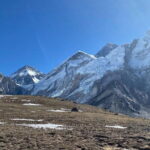
Price and what you actually get for $1,081
At $1,081 per person for an around 14-day program, you’re paying for more than “a route on paper.” The value is in the built-in organization: private transportation, all fees and taxes, and meals (14 breakfasts, 14 lunches, 14 dinners) are included. You also get a pickup option and a mobile ticket.
That matters on a remote trek because the headache isn’t just walking. It’s coordinating road transfers to trailheads, handling permits and checks, and keeping food and lodging consistent enough that you can focus on hiking.
Two important notes for budgeting:
- Hotel in Kathmandu is not included. You’ll still need a place to sleep before/after the trek.
- Porter is not included. If you want help carrying gear (or you’re traveling lighter but still hate the heavy pack feeling), plan for that extra cost.
So is $1,081 “cheap”? No. But if meals, transport, and the admin side are handled, it can be fair value—especially for a private tour where it’s your group only, not a shared scramble.
Road to the trail: Soti Khola and the bumpy reality check
Your trek starts with transport from Kathmandu. The meeting point is Tribhuvan Airport, and from there you’ll head toward the trek start at Soti Khola.
On Day 1, you can take a bus or a bus plus local jeep combo. A private jeep is also an option if you want less chaos. The roads are described as long, dusty, and bumpy. That means you may get lunch and toilet stops on the highway if you’re using local buses or jeeps. If you hate waiting around, a private jeep tends to feel more flexible.
Then Day 2 turns you back into hiking mode. You’ll start from Machhakhola, and the terrain changes fast: rocky, narrow trails; river-adjacent walking; sal forests; waterfalls; and higher cliff edges as you move through villages.
One small but smart safety tip from the trail plan is about mule trains. When animals pass on steep sections, stand on the hillside side—not the drop side—to avoid slipping.
Following the river to Jagat and beyond: Tatopani, suspension bridges, and permit checks
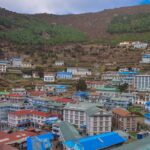
Day 3 goes to Jagat, and you really feel the expedition vibe here. The trail twists alongside the Buri Gandaki River, with forests that make monkey and langur sightings possible. You’ll pass through Gurung villages with shepherd lifestyles, then reach Tatopani, literally hot water—where you can soak in warm springs.
After Tatopani, the scenery gets more dramatic and technical. You’ll cross the Bhuri Gandaki by a suspension bridge, then cross another cantilever-style bridge to reach Jagat. Jagat is also significant because from here you enter the Manaslu Restricted Area, meaning there’s more formal trail management than on some open routes.
Day 4 continues with a change in Buddhist scenery and route procedure. You’ll descend toward Sirdibas from Salleri, and you’ll notice more gompas and prayer flags. Then comes a check at Phillim, where your permit is inspected before you continue along the western bank of the river. The trail stays river-focused, with water-formed boulders and a mix of rhododendron and pine forests.
You’ll overnight in a teahouse near Pewa, with dal bhat on the dinner menu. That might sound like a generic line item, but on trekking days it’s reassuring: warm, filling food that helps your body recover.
Day 5 moves you toward Namrung and introduces another practical challenge: a landslide zone. Extra care matters here, and your guide’s instructions are the difference between “slow and cautious” and “stressed.” The payoff is you’ll still enjoy plenty of life on the trail, including more monkey sightings. And Namrung has a fun detail: one local businessman returned from Hong Kong and built a hotel/restaurant with great coffee and Wi‑Fi—rare creature comforts in this part of the mountains.
Lho to Samagaun: mani walls, Tibetan-influenced villages, and yak pastures
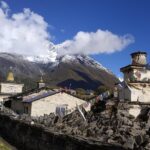
As you rise, the trek becomes more visibly Tibetan/Buddhist in tone. Day 6 heads to Lho, with walking past mani walls and villages strongly influenced by Tibetan Buddhism. Because Tibet is close, you’ll notice locals wearing Tibetan-style dress and living a traditional way of life. The scenery also turns scenic in a different way: lush terraces, fir and oak, rhododendron forests, and rocky hillsides.
This day is shorter, around 4 hours, but it doesn’t feel like a “rest day.” It’s one of those transitions where your eyes adjust to higher altitude visuals—views of Manaslu and Manaslu North from Lho are a major payoff.
Day 7 goes to Samagaun. The hike is shorter because you’re now gaining altitude more quickly. The morning starts with strong views of Mt Manaslu, and then you walk into yak pastures. You pass pine forests and a moss gully before arriving in Sama Gaon, the main village of the Nubri people. It has more infrastructure than the smaller settlements: a large gompa, shops, a health post, a heliport, and even telephone/Wi‑Fi access. That’s one of the reasons Samagaun is so useful in the rhythm of the trek—it’s a place to “reset” while still respecting altitude.
Acclimatization that makes sense: Base Camp options and Samdo’s views
Day 8 is built around acclimatization without turning the day into a lazy stroll. You’ll stay in Samagaun, but you’ll hike toward one of several choices: Pungyen Gompa (east of the Nubri Valley), Manaslu Base Camp, or Birendra Tal (a lake). The hikes take about 2 hours and you’ll eat a packed lunch while you’re out on the trail.
If you feel tired, the lake walk is the shorter option. If you want the bigger effort, Manaslu Base Camp is at about 4,400m, which means slower steps and more hydration. The key here is that you’re staying active but giving your body a gradual altitude adjustment.
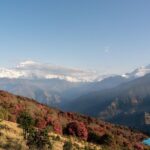
Day 9 moves you to Samdo. You’ll trek through a broad valley with yak pastures, and you can explore nearby villages or climb toward Samdo Peak. The big draw is the view line: you can see the trail to Larkya La pass and onward toward Tibet.
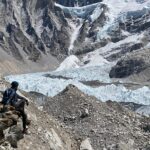
Day 10 is another acclimatization day, again around Samdo. Here’s the detail that’s both exciting and honest: you can go to the Tibetan border to look over, but you can’t actually cross. You might spot yak caravans over the border. And if luck goes your way, you may see blue sheep, pica, and marmots. You’ll also get a look toward the Samdo Glacier, including a serac near the top. Even if wildlife doesn’t show up, the glacier scenery is a solid reason to take this day seriously.
Larkya La Pass: where weather, early starts, and crampons matter
Day 11 is a shorter push to Dharamsala, with walking slowly at altitude and a clear view chain of Himalaya peaks. Then the main event arrives on Day 12: crossing Larkya La pass at around 5,160–5,167m.
The plan is an early start so you pass before afternoon. That’s not a random rule. At these elevations, weather can close in, snow can make footing tricky, and wind can turn the pass into a grinding challenge.
The trek description notes that in bad weather or snow, the crossing can be very challenging, and crampons may be needed. That’s your heads-up: even though this trek is managed and guided, you’re still doing a high mountain crossing.
From the pass, the views are the headline. You’ll be looking at Himlung, Kang Guru, and Annapurna II. After taking in the scene, it’s about a 3-hour descent, with huge icefalls and mountains guiding the downhill route. You can also see Pongkar Tal between the Pongkar and Salpudanda Glaciers. This is the part of the trek where your legs might be tired but your brain keeps saying, slow down for one more look.
You overnight in Bimthang.
The downhill finish: forests, rhododendron, and signs of glacier flooding
Day 13 is a long downhill day to Karche Village area, then onward through lush forest and rhododendron bushes. You’ll stop for lunch at Karche, after crossing the Dudh Khola. The trail includes signs of glacier floods, and the track can get rough.
Even with the rough patches, it’s a satisfying kind of movement: your body is lower, the air feels friendlier, and you start seeing more agriculture and fields again. It’s a good “coming back to life” transition before Kathmandu.
Day 14 drops you back to Kathmandu. You’ll use the same transport options you had at the start: local jeep and bus, or a private jeep, depending on what you choose. The trek ends at Kathmandu 44600 area in the schedule.
Guides and team support: why the same names keep showing up
One theme in the feedback is that the people matter as much as the mountains. Reviews repeatedly name guides who help keep the trek smooth in real life, not just on a printed itinerary.
KP is praised for being attentive, supportive, and even a solid trip photographer, plus adapting the plan to maximize weather windows. Dilman gets mentioned for calm care and in particular for handling altitude sickness concerns. Pemba shows up as a top pick for pacing that matches the group and for keeping morale up with a constant smile. Narayan is praised for professionalism, plus willingness to adjust the itinerary—like adding a monastery side trip and getting to the pass a day earlier when conditions work.
Even the “day-to-day mechanics” get credit: meals, staying organized, and handling questions quickly. Guides also bring humor and cultural storytelling, which can turn a tough stretch into something you remember for the right reasons.
Porters also come through in the praise. The team calls them little brothers, and they’re described as strong and playful. That energy matters when you’re tired and want to feel like the whole group is in this together.
What to watch out for before you book
This isn’t a gentle trek. You’ll be walking days that range from about 3 to 10 hours, and the high point is a real altitude and weather event.
A few practical considerations based on the trek plan:
- You need strong physical fitness. The schedule includes a high pass crossing and several long days.
- The route includes a landslide zone where you’ll rely on your guide for safe footing.
- Larkya La pass happens around midday risk time, which is why the plan pushes early. If weather turns, you want a guide who can adjust calmly.
- Porter service is not included, so if you want help carrying gear, budget for it.
If you’re the type who gets stressed by uncertainty, the good news is that the operating style here seems built for it—plans can shift to match group strength and weather.
Should you book this Manaslu Circuit Trek?
Book it if you want a high-mountain circuit that still feels remote and human. You’ll enjoy the trek most if you care about less-crowded trails, Buddhist culture you can actually see every day, and scenery that changes from river gorge to yak pasture to glacier views.
Think twice if you want an easy itinerary or everything to be plush. This trek is physically demanding, and the pass crossing is weather-dependent. Also, because the Kathmandu hotel and porter aren’t included, you’ll need to handle those costs yourself.
If you’re choosing between “popular and crowded” and “serious and quiet,” Manaslu leans serious. But it’s also the kind of trek where a great guide can turn tough days into a story you keep telling long after your boots are back in the closet.
FAQ
How long is the Manaslu Circuit Trek?
It’s listed as about 14 days.
Where does the trek start and where does it end?
The start is at Tribhuvan Airport in Kathmandu, Nepal. The end is in Kathmandu (44600 area), Nepal.
Is airport pickup or transport included?
Private transportation is included, and a pickup is offered.
Are meals included during the trek?
Yes. Breakfast, lunch, and dinner are included for 14 days.
Is accommodation in Kathmandu included?
No. A hotel in Kathmandu is not included.
Is a porter included?
No. Porter is not included.
How high is the highest point?
The highest point is the Larkya La pass at about 5,160–5,167m, depending on the schedule details. Crampons may be needed in snow or bad weather.
Is the trek route restricted or does it involve permits?
Yes. There’s a permit check at Phillim, and the route includes the Manaslu Restricted Area.
Can I cancel for a full refund?
Yes. Cancellation is free up to 24 hours before the experience’s start time for a full refund.