REVIEW · SA PA
Trekking Sapa 1 Day With Local Guide, Terraced Rice Fields
Book on GetYourGuide →Operated by Anh Tourist Hanoi Travel · Bookable on GetYourGuide
One muddy walk makes Sapa click. This 1-day rice terraces trek takes you through Hmong, Giay, and Red Dao areas with big mountain views, and it climbs as high as 1,800 m. I love how the route connects villages on foot instead of just stopping for quick photos, and I also love the human side of it: traditions, work in the paddies, and even Hmong marriage customs. One drawback to plan for: the paths can get seriously muddy in bad weather, and each village stop can turn into a sales pitch.
A good guide matters here, and Su seems to be that difference-maker. Clear explanations and friendly help make a big day feel manageable, even when rain turns everything into slick ground (and you are busy enough you won’t want to lie down for long). Since it’s a small group (up to 10), you get more time to ask questions and move at a pace that feels like a conversation, not a rush.
The day is also set up to be practical. You get pickup in Sapa town, English support, one meal with a local family, and a bus back to Sapa after Ta Van. The trade-off is that drinks, tips, and any holiday surcharges are on you, and the active walking still takes effort.
In This Review
- Key things that make this Sapa trek worth your time
- Why Sapa rice terraces feel real on this route
- 8:00–8:30 pickup and the start near Cat Cat Road
- Muong Hoa hanging bridge and bamboo forest climb
- Y Linh Ho village: rice terraces up close and lunch with locals
- Lao Chai: Black Hmong village life and real questions to ask
- Ta Van and the Giay community: why the trek ends here
- Price and what you actually get for $24
- Walking at altitude: how to handle the 1,800 m and the wet parts
- Food, animals, and village interactions that shape the day
- Who this Sapa trek is best for
- Should you book this Sapa rice terraces day trek?
Key things that make this Sapa trek worth your time
- Village-to-village walking instead of a drive-and-brief photo tour
- Hmong and Giay culture stops focused on daily life, rice work, and traditions
- Muong Hoa Valley and the hanging bridge to break up the hiking with standout views
- Off the most touristic paths, which usually means fewer crowds on the trail
- Lunch with a local family adds real value and helps make the day feel less staged
Why Sapa rice terraces feel real on this route
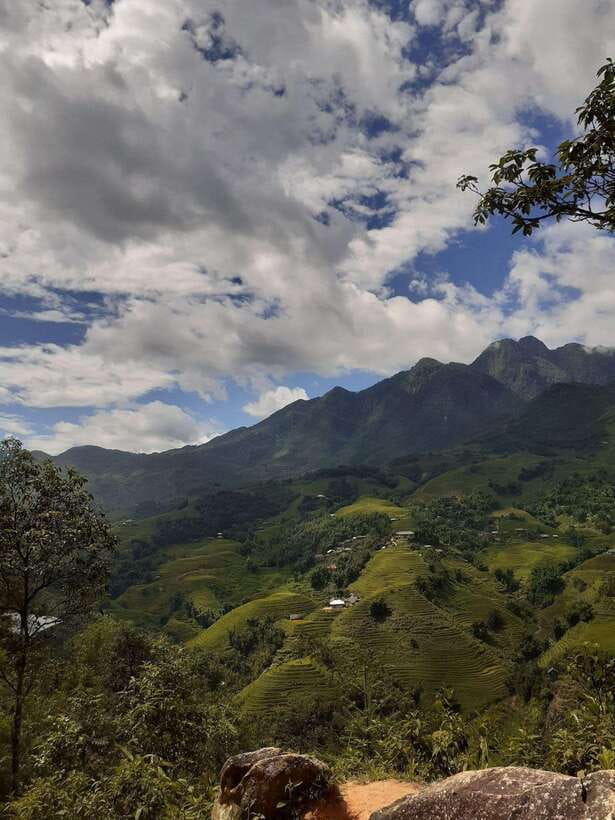
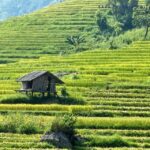
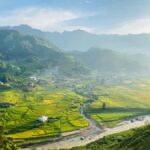
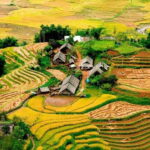
Sapa can look like a postcard from the road. This experience gives you the other angle: the terraces as something people work every day. You’re not just looking at fields. You’re walking between communities that depend on them, and your guide ties what you see to how life is organized—farming, building techniques, and customs that explain why people do things the way they do.
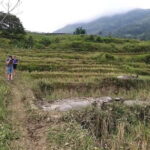
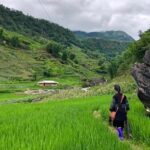
The best part is that the trek has built-in variety. You start in valley terrain, climb through bamboo forest, hit high viewpoints near Hoang Lien Son’s area, then drop back down to villages where the paddies spread out. That rhythm keeps you from feeling like you’re hiking in a straight line all day.
One more thing: the tour is designed around more than one ethnic group. You’ll visit multiple villages linked to Hmong, Giay, and Red Dao communities, which helps you avoid the common Sapa trap of only seeing one style of village life. You’ll also get a chance to spot animals people rely on—like water buffalo—near fields if timing and conditions line up.
You can also read our reviews of more tours and experiences in Sa Pa.
8:00–8:30 pickup and the start near Cat Cat Road
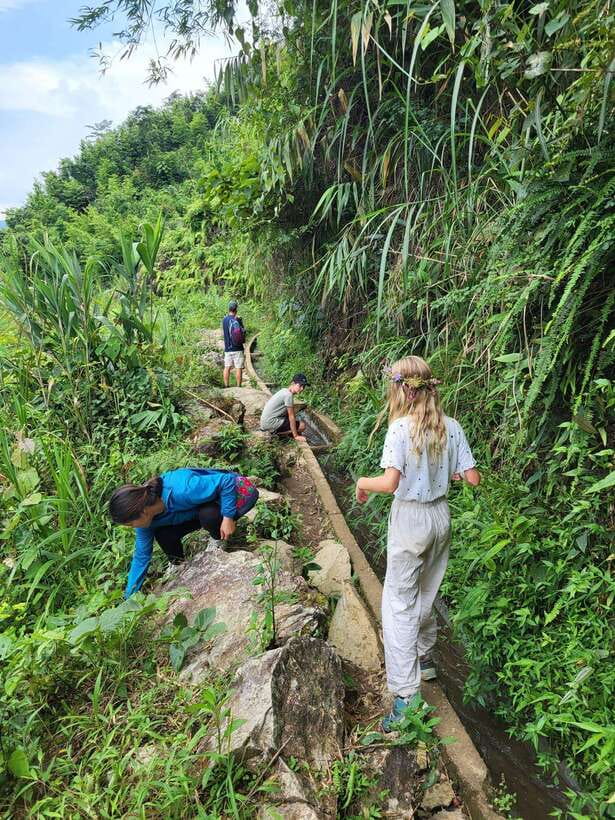
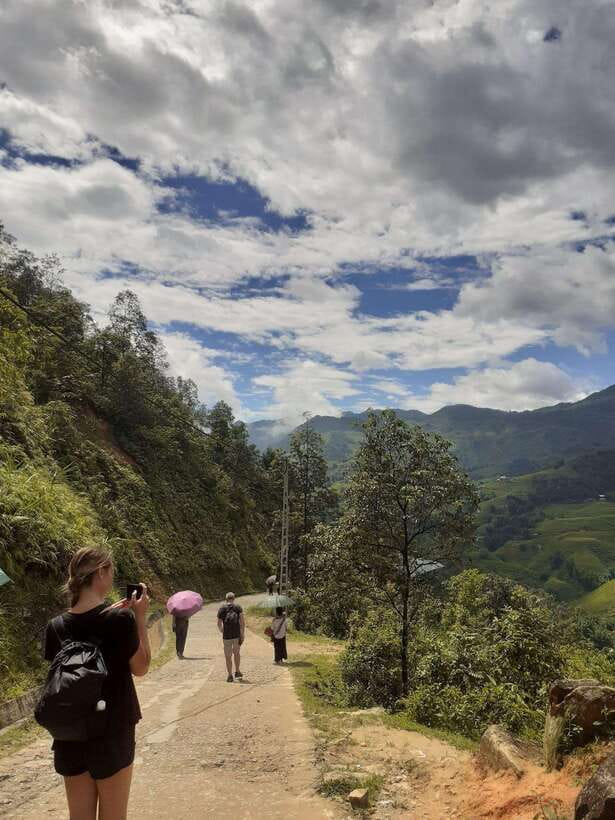
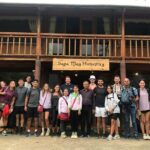
Your morning begins with a pickup in central Sapa. You’ll meet your English-speaking guide around 8:00 to 8:30 am, either at your hotel or near the main church area. Then you head out by foot, walking about 2 km down toward Cat Cat’s road and into the first ethnic minority village area.
Why this matters: starting early helps you avoid the busiest mid-morning crush and gives you better odds of clearer light on the rice terraces and river valley. It also means your hike starts with momentum, before the day’s fatigue and muddy sections fully set in.
What to watch for at the start is simple but real—footing. Even when it looks fine, Sapa weather can change quickly. If the ground is wet, you’ll move slower in the first stretch, and that affects how long each village stop feels. Think of this first segment as your warm-up and your lesson on staying steady.
Muong Hoa hanging bridge and bamboo forest climb
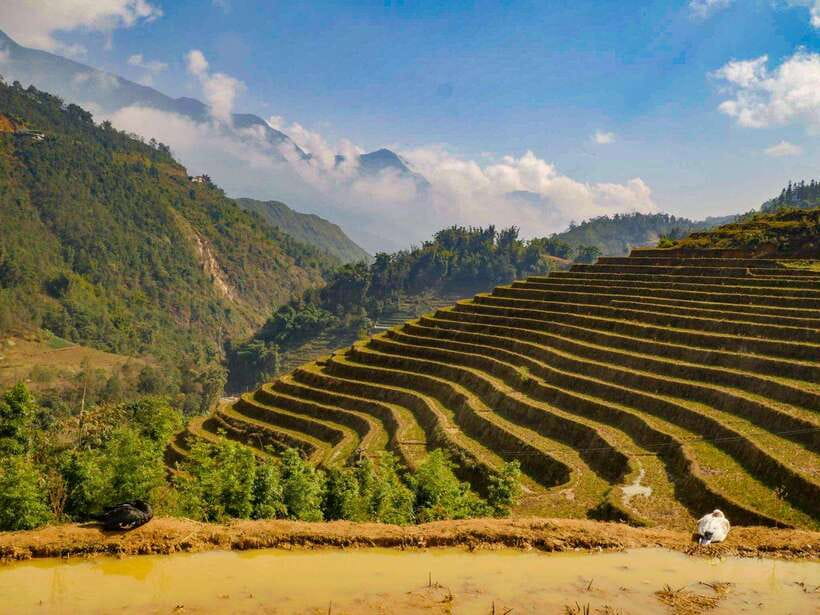
As you continue from the Cat Cat area, you’ll reach the hanging bridge over the Muong Hoa River. It’s a strong “reset moment” in the trek because it changes your perspective from village-to-trail to valley-to-mountain. After that, you continue uphill into the mountains through bamboo forest.
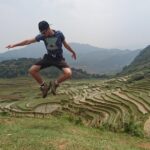
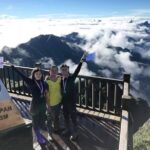
This is the core “trek” portion of the day—the part where you’ll feel the altitude shift as you climb toward the higher points of the route. The tour reaches up to 1,800 m, so if you’re sensitive to altitude, don’t treat that lightly. Even if you feel okay in the morning, uphill segments can bring on breathlessness.
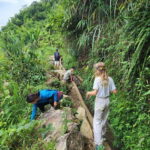
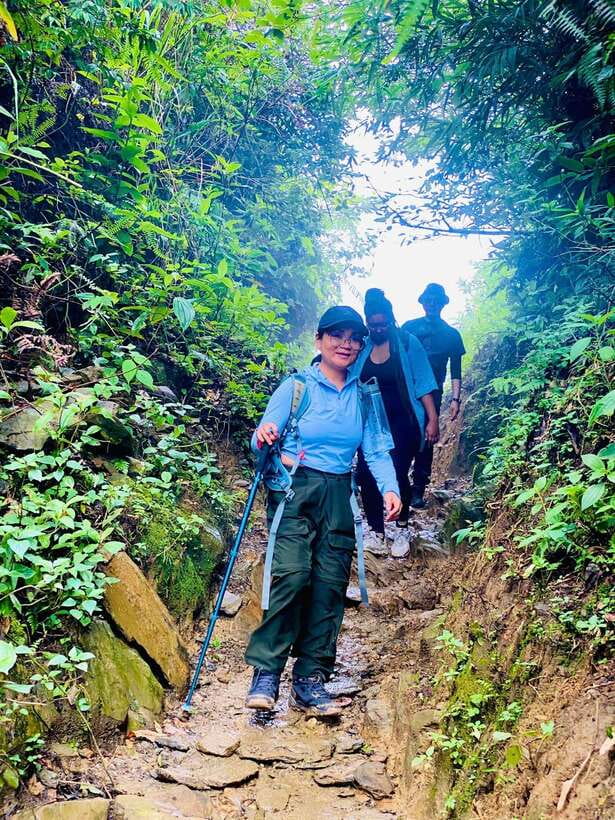
If it’s raining (and Sapa can be rainy at any time), expect the ground to be slick. One review highlighted how you can’t always pause for comfort when you’re fighting mud and trying to keep your footing. So my advice is to dress for traction and movement, not for style shots.
Y Linh Ho village: rice terraces up close and lunch with locals
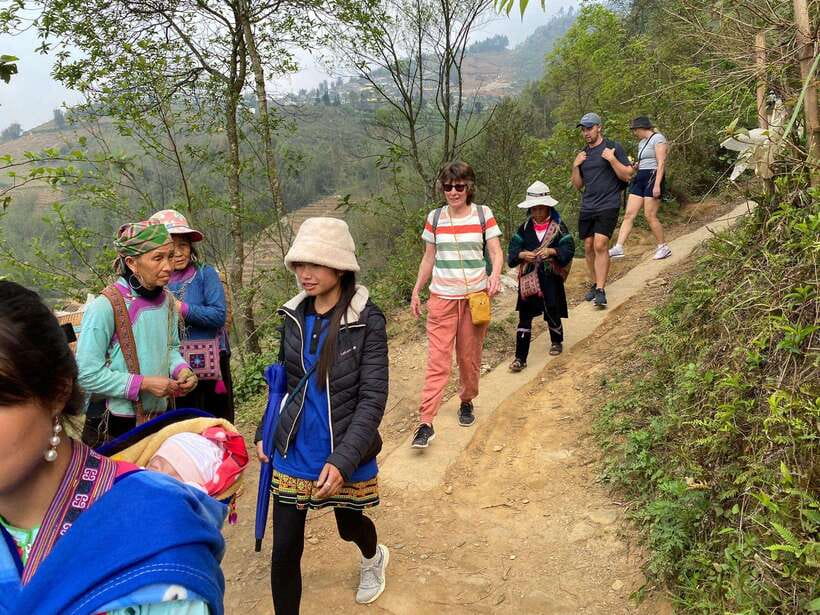
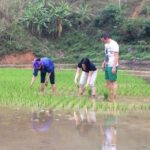
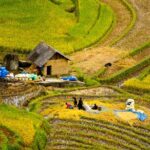
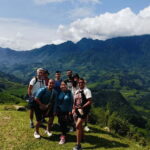
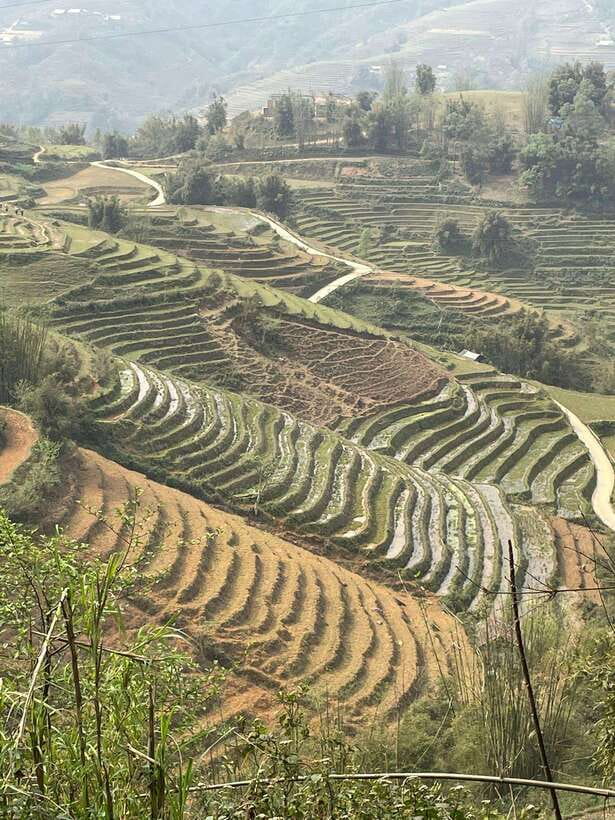
After the climb and viewpoints, the route drops toward Y Linh Ho village. This is one of the parts where you truly see the terraces as an irrigation-and-labor system, not just greenery on a hillside. You’ll get chances to admire some of the biggest rice terrace areas and take in mountain views near Hoang Lien Son’s region.
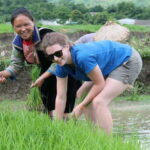
Then comes lunch at a small traditional restaurant run by a local Hmong family. Meal included means you don’t have to hunt for food while you’re already tired and damp. More importantly, it’s one of the moments where the day stops feeling like a checklist and turns into a shared pause.
A practical note: you’ll likely be hungry at this stage, but you’ll also be careful about spending. Drinks aren’t included, and this is a tour where people may approach you in villages to sell handmade items. Having some cash ready for small purchases helps you choose what you want—without feeling pressured mid-trek.
Lao Chai: Black Hmong village life and real questions to ask
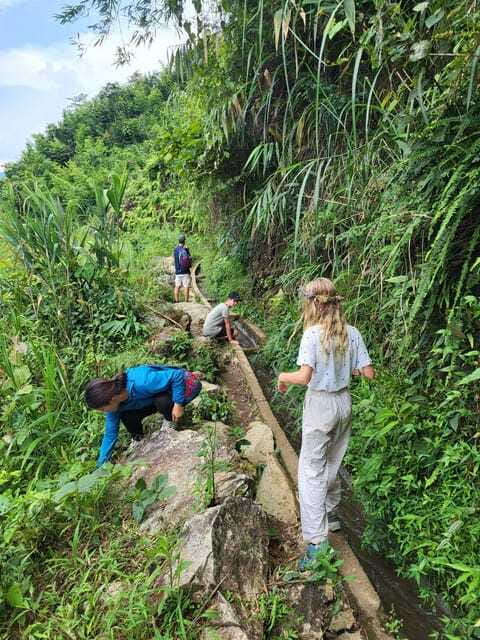
After lunch and a break, you continue trekking to Lao Chai, a village associated with Black Hmong. This is where your guide’s storytelling becomes extra useful. Instead of just naming cultural differences, the tour format pushes you to notice how communities organize work—rice fields, house building techniques, and daily rhythms.
What makes Lao Chai worth it is the sense of observation. You’re walking off the most tourist-heavy paths, so you’re not only stuck in the view-and-leave flow. You’re moving through the same kinds of routes locals use, which naturally slows you down and gives you time to look.
There’s also the “reality of village tourism.” In at least one rain-soaked experience, visitors felt the selling pressure at each village stop strongly. So I’ll say it plainly: expect people to approach you when you arrive. If you’re not interested, it helps to have a polite no ready and keep moving with your guide instead of stopping for long bargaining.


Ta Van and the Giay community: why the trek ends here
The trekking continues onward toward Ta Van, where you’ll meet the Giay minority. At this point in the day, you’re usually tired, muddy, and ready for the next practical step—so the Ta Van segment works well as the closer.
You’ll learn about differences between the ethnic minority groups you’ve seen earlier in the day. The key value here is contrast: same region, different customs and ways of living. Your guide also helps connect those differences back to what you’ve already observed in rice work and village life.
After Ta Van, the tour transitions to getting you back. You’ll use transportation (the tour includes a bus from Ta Van back to Sapa town), and the day is designed to end around 14:30. That timing matters if you’re trying to catch a bus back to Hanoi or keep your evening flexible.
Price and what you actually get for $24
At about $24 per person, this trek sits in the “good value if you want a guided day” category. Here’s what’s bundled: an English-speaking guide, entrance fees, one meal, and transport back to Sapa from Ta Van. Add the fact that the group is small (max 10 participants) and you’re paying for more than a route—you’re paying for interpretation and access to village interactions.
What’s not included is also important: drinks, tips, tax, and possible holiday surcharges. If you’re traveling on a tight budget, plan to keep spending predictable in the villages and bring enough cash for any small purchases you decide you want (or keep your spending at zero and just enjoy the walk).
Is it worth it if you only want the photos? Maybe not. If your goal is a quick view without effort, a drive-and-stops day might suit you better. But if you want terraces plus culture plus a guide who explains what you’re seeing, $24 can be a fair deal.
Walking at altitude: how to handle the 1,800 m and the wet parts
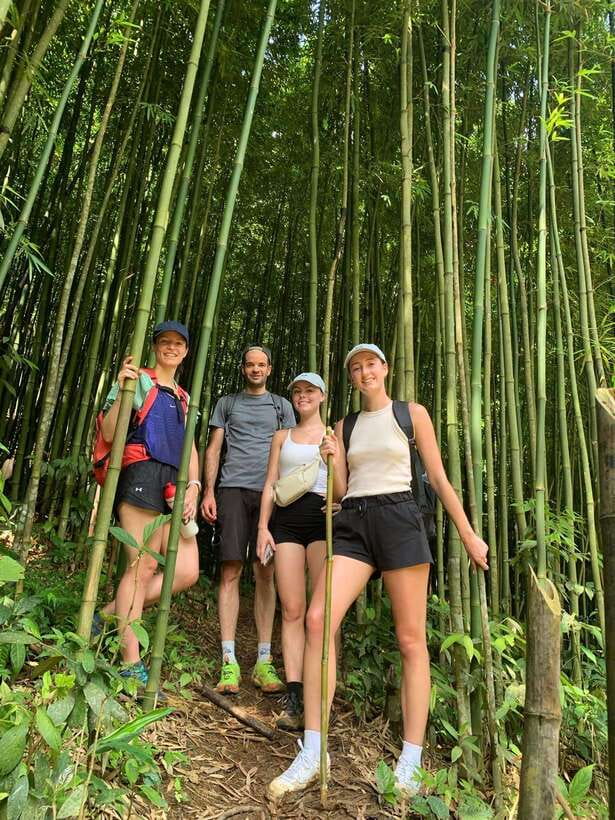
This is an active day, and the tour makes no attempt to pretend otherwise. It climbs up into the 1,800 m range and includes uphill stretches, river crossings, and longer walking segments between villages.
Two practical guardrails come straight from the tour suitability info:
- It’s not suitable for people with altitude sickness or high blood pressure.
- It’s not meant for very young children (under 1 year) or very old travelers (over 95).
If you’re on the edge—short of being medically “disqualified”—I’d still take it seriously. Go slow uphill, drink water when you can, and don’t try to keep up with the fastest hikers if you’re breathing harder than normal.
And if you hit rain: plan for muddy, slippery trails. One review described how visitors were so busy dealing with mud that they couldn’t always linger comfortably. Translation: you’ll likely spend most of your energy focused on your footing and moving well, not relaxing.
Food, animals, and village interactions that shape the day
The included lunch is one of the strongest value points. It’s not just a meal stop; it’s a chance to sit and recharge in a place run by local Hmong hosts. That also helps you understand the day’s theme: you’re not only hiking the terraces, you’re meeting the people whose lives connect to them.
As for animals, the tour highlights a good chance to meet Vietnam’s most representative farm animals like water buffalo. You may see them grazing near paddies, especially in areas close to river valleys and working fields. Don’t expect a zoo-style viewing, though—this is part of daily life, so it depends on timing and weather.
Finally, village interactions are the tricky social piece. Expect people to engage when you arrive. That can be interesting and friendly, but it can also feel like being approached repeatedly. The best strategy is to walk with your guide, ask questions when you’re curious, and keep your boundaries clear when you’re not shopping.
Who this Sapa trek is best for
This trek fits best if you want:
- A guided experience with explanations, not just walking
- Real village stops across multiple communities in a single day
- A mix of viewpoints, terraces, and daily life
You’ll probably enjoy it most if you’re comfortable with hills and you don’t mind that a cultural experience can include shopping conversations at village entrances.
If you hate crowds, this small-group format helps. If you hate hills or struggle at altitude, skip it and look for a calmer option.
Should you book this Sapa rice terraces day trek?
I’d book it if your priority is terraces plus culture in one efficient day, and you value a local English guide who connects what you see to how people live. The $24 price works because it includes guide time, entrance fees, lunch, and the return transport from Ta Van—so you’re not paying for a “transport-only” tour.
I’d think twice if you know you’re sensitive to altitude, have blood pressure issues, or you strongly dislike muddy hikes. Also consider your tolerance for frequent village selling encounters. You can enjoy the experience without buying anything, but you do need to be ready for that reality.
If you’re the kind of traveler who likes getting off the main paths for better context, this is a solid way to experience Sapa beyond the obvious views.