REVIEW · MARRAKECH
3 Days Berber Villages Trek – Authentic Atlas Mountain Experience
Book on Viator →Operated by Morocco Tours Toubkal Trek · Bookable on Viator
Three days in the High Atlas changes your pace. This 3-day Berber villages trek runs between Imlil and village life in the Atlas Mountains, with hikes to passes like Tizi n’Tamaterte and time in traditional guesthouses. I especially like the mix of tough-enough walking days and the real, human rhythm of village stays; you get views, meals, and culture without turning it into a museum stop.
One consideration: the itinerary includes full hiking days with climbs and pass crossings, so you’ll want to come ready for sustained walking. If you want mostly flat trails, this won’t match that mood.
In This Review
- Key highlights worth clocking before you go
- From Marrakech to Imlil: your start line in the High Atlas
- Day 1: Tizi n’Tamaterte pass, Tizi Oussem, and a Berber dinner
- Day 2: Ighouliden waterfalls, Tizi Mzik, and village downtime
- Day 3: Tizi n’Lbour to Ait Souka, then back to Marrakech
- Food, guesthouses, and why the meals matter more than you think
- Guides, pacing, and what makes this feel like a real local trek
- Price and value: what $187.99 per person really buys
- What to pack and how to prepare for pass days
- Should you book this 3-day Berber villages trek?
- FAQ
- Where does the trek start and finish?
- What is the duration of the trek?
- What is included in the price?
- Is pickup from Marrakech included?
- Do I need to buy admission tickets for the stops?
- What meals are included?
- Where do you stay overnight?
- Is the tour private?
- Is the tour physically demanding?
- Can I cancel and get a full refund?
- Are tips included?
Key highlights worth clocking before you go
- Pickup from Marrakech around 8 am, plus a smooth ride to the trail start in Imlil
- Tizi Oussem guesthouse night, with dinner included in the village
- Ighouliden waterfalls on Day 2, followed by the Tizi Mzik pass for big views
- Multiple high passes across the 3 days: Tizi n’Tamaterte, Tizi Mzik, Tizi n’Lbour
- Meals and bottled water included, so you’re not scrambling on the trail
- A mule can carry luggage, which helps keep your daypack manageable
From Marrakech to Imlil: your start line in the High Atlas
This trek is built around one smart idea: start close to Marrakech, then move quickly into mountain time. You’re picked up from your accommodation around 8 am and drive to Imlil, the base town for the hike. It’s a practical way to maximize your days on foot instead of burning hours in transit.
After you arrive, you meet your local English-speaking guide and the muleteer. That’s an underrated part of the experience. Having the guide and muleteer squared away early means you get a plan for the terrain, and you’re not figuring logistics out on a trail that changes minute by minute.
You should also know the trekking distances are described in hours rather than miles. That’s actually good. Mountain hiking is about effort and footing, not just distance. On this route, you’ll spend roughly 4 hours on Day 1, 6 hours on Day 2, and 4 hours on Day 3, plus breaks and village time.
You can also read our reviews of more tours and experiences in Marrakech.
Day 1: Tizi n’Tamaterte pass, Tizi Oussem, and a Berber dinner
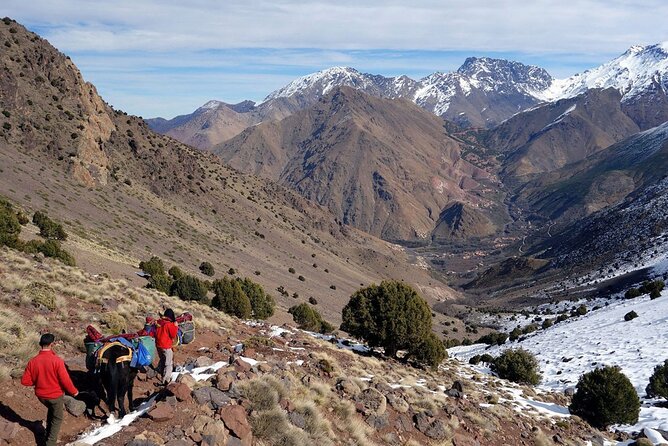
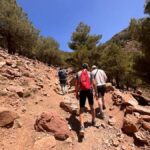
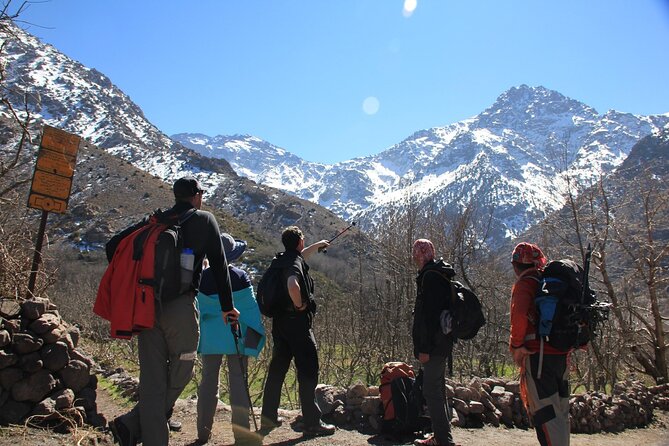
Day 1 follows a classic High Atlas pattern: climb toward a pass, then descend into village life. You begin with your first hike after meeting the team in Imlil, heading up toward Tizi n’Tamaterte. That’s where the day shifts from walking to rewarding views. Expect the trail to feel like a proper uphill push, but the payoff is the panorama when you reach the pass area.
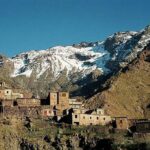
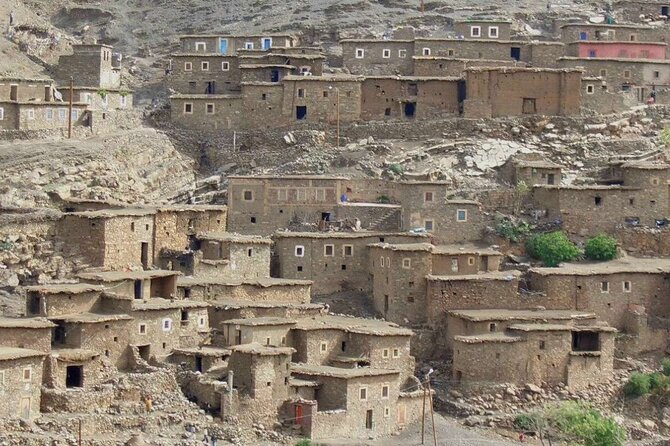
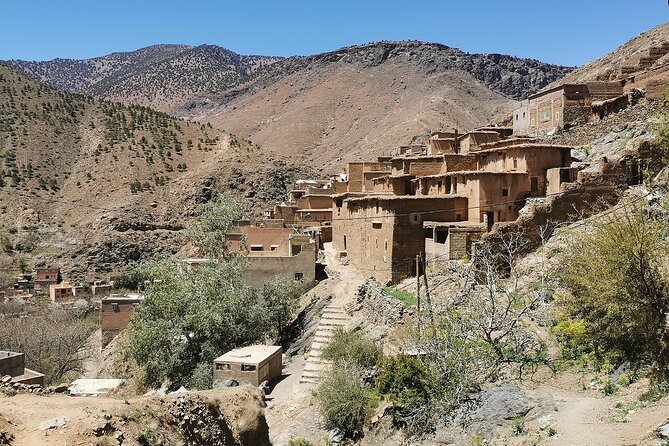
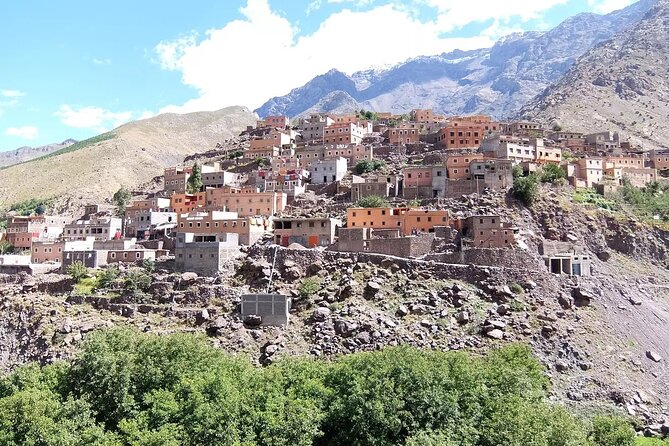
From there, you descend to Tizi Oussem, where you spend the night in a traditional guesthouse. This is where the trek becomes more than a point-to-point hike. The goal isn’t just to see mountains—it’s to spend time in the villages that sit right under them.
Dinner is included, and based on feedback from past travelers, the food quality is a big part of the appeal. One standout detail from reviews is the presence of a cook like Houssain, mentioned as part of what made the trip feel smooth and cared for. Even if cooks and guides rotate, that kind of attention is what you’re looking for on a trek like this: meals that feel like they belong to the mountains, not like a stop on a schedule.
Possible drawback here: if you’re tired or out of practice with steep walking, Day 1 may feel like a bigger ramp-up than you expect. The good news is the rest of the day is downhill into a place where you can slow down.
Day 2: Ighouliden waterfalls, Tizi Mzik, and village downtime
Day 2 starts with a classic Atlas double-hit: Ighouliden waterfalls and then a climb toward the Tizi Mzik pass. The waterfalls add a change of rhythm. Instead of only thinking about the next step uphill, you get a visual and audio break—water, rocks, and a more open feel depending on how the trail approaches the falls.
After the waterfalls, you continue hiking up to Tizi Mzik. This is your second pass of the trip, and it matters because it gives you another angle on the region’s geography. Pass days are special on multi-day treks: they show you the valley’s shape and how villages connect across the ridges.
Then you descend back down to Tizi Oussem for lunch. After lunch, you get time in the village or simply relax at the guesthouse. That afternoon block is valuable. It turns a trek into a stay, where you can chat with hosts, watch daily routines, or just sit with a tea and let your legs cool down.
Here’s a practical note: “time to explore” doesn’t mean you need a packed plan. The point is you’re not being hustled every minute. If you’ve ever done a trek where the guide is constantly moving you along, this structure feels calmer.
In reviews, people highlight that guides can adjust the tour to physical ability. Names like Ibrahim and Rachid came up as examples of guides who tailored the trek to what the group could handle. That’s a big plus if you want the mountains without the guilt of falling behind.
Day 3: Tizi n’Lbour to Ait Souka, then back to Marrakech
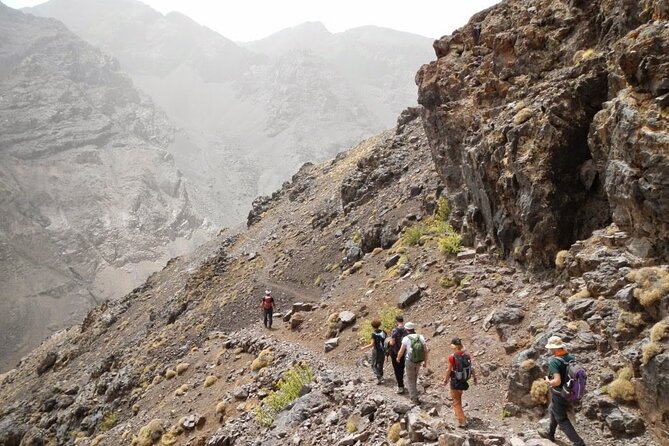
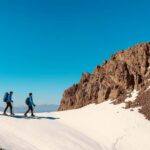
Your final day keeps the pattern: breakfast, final climb, then descent and return. You hike toward Tizi n’Lbour pass, which serves as the last big viewpoint moment of the trip. By Day 3, you’ll know how the route feels under your feet, so the pass is more about finishing strong than surviving the unknown.
After reaching the pass area, you descend to Ait Souka and continue toward Imlil. There’s lunch in Imlil, then you meet your driver for the ride back to Marrakech in the late afternoon.
This last day is a nice balance: you still get a meaningful hike, but you’re not ending with a full-day grind. It’s one reason this 3-day format works well for people who want the Atlas experience without turning the whole weekend into soreness.
Also, you end with a late-afternoon return to Marrakech, which helps if you’ve got dinner plans, a riad booked, or you just want to sleep in a bed that isn’t part of the village guesthouse rhythm.
Food, guesthouses, and why the meals matter more than you think
On paper, included meals can look like a checklist item. In real life, they shape how you feel after each hiking day. This trek includes all meals and bottled water during the trek, with breakfast (2), lunch (3), and dinner (2).
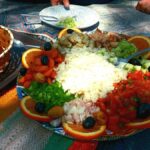
That means you can focus on walking and taking in the village scenes instead of timing snacks and guessing what’s open. And it’s not just quantity. Reviews consistently praise the food and the way it’s served as part of the experience.
One review flags meals as delicious and abundant. Another talks about perfect organization plus delightful, filling food. Even when names differ from trek to trek, the pattern is clear: a good cook and steady meals are part of what turns this from a basic hike into something people remember.
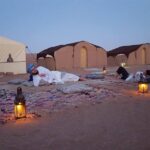
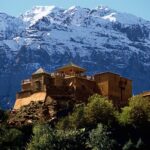
Accommodation is also part of the value. You stay in traditional Berber houses in the villages (not a hotel). That choice can be a cultural highlight for you if you like simple, local settings. It’s also part of the reason this trek feels social and human rather than purely scenic.
If you’re the type who needs quiet and comfort above all else, go in with realistic expectations. This is a village stay. You’re there for the people, the walking, and the mountain rhythm.
Guides, pacing, and what makes this feel like a real local trek
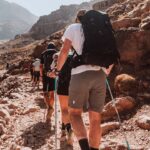
You’ll have a local English-speaking guide, and that does more than just translate words. It helps you understand what you’re walking through: why villages sit where they do, what pass crossings mean, and how the daily life connects to the terrain.
Reviews put serious weight on the people leading the way. Names like Mohammed and Rachid come up, and Mohammed is paired with a cook named Houssain in a way that suggests a well-run team. Another review praises Abdou for communication and responsiveness by email or WhatsApp, which matters because it lowers stress before you ever start walking.
The best detail, though, is the way guides can adapt. One review specifically says a guide tailored the tour to requests and physical ability. On a route with pass climbs on three separate days, that flexibility can be the difference between enjoying the views and just trying to survive the stairs.
A practical bonus: this is set up as a private tour/activity, meaning it’s only your group. Private doesn’t always mean better, but it does mean your pacing and comfort can be easier to manage when you aren’t stuck with a mixed crowd’s speed.
Price and value: what $187.99 per person really buys
At $187.99 per person, you’re paying for a full bundle: transportation, guiding, lodging, and meals. That matters because Atlas treks can get expensive when you start separating components into DIY chunks.
Here’s what this price includes:
- Private round-trip transport from your hotel in Marrakech
- Local English-speaking guide
- All meals and bottled water during the trek
- Traditional Berber guesthouse accommodation
- Mule support for luggage if needed
- Lunch and dinner across the trek days
So you’re not just paying for walking. You’re paying to have the logistics handled so you don’t spend your day thinking about supplies or reservations.
What’s not included is also clear: tips for the guide and driver. Like most Morocco experiences, tipping is the one part that can change based on your satisfaction and local custom. If you prefer knowing exactly what you’ll pay upfront, build a tip budget into your planning.
Also note: admission ticket entries are listed as free for the stops. That’s one less thing to worry about when you’re in the middle of hiking.
What to pack and how to prepare for pass days
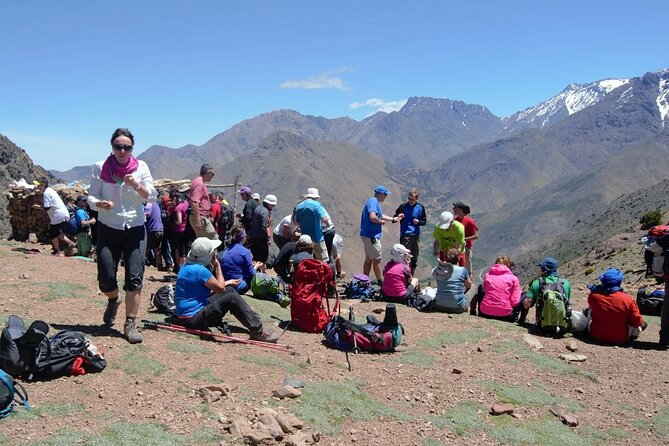
The tour data doesn’t list gear, so I’ll keep this practical and general. Pass hikes in the Atlas can mean changing weather, especially with a fast-moving mountain sky. Plan for the possibility of cool mornings and warming afternoons.
I’d pack:
- Good trekking shoes with grip for uneven trail sections
- Layered clothing (a warm layer for mornings and a lighter layer for midday)
- A small daypack for water and essentials (since meals are handled, you just need basics)
- Sunglasses and sun protection, because high pass walking can be bright
- A light rain layer, just in case
One more smart move: take advantage of the mule luggage option if offered for your comfort. Keeping your daypack light helps a lot on pass climbs.
Should you book this 3-day Berber villages trek?
Book it if you want a focused Atlas experience with village nights, pass viewpoints, and meals covered end to end. This is a strong fit for people who like walking, don’t mind simple guesthouse stays, and want their Morocco trip to include Amazigh/ Berber village life as a living part of the trip, not a quick photo stop.
Skip it if you’re looking for easy sightseeing with minimal uphill walking. The itinerary is built around multiple pass climbs and full hiking hours on each day.
If you like to choose with your eyes open, do it this way: think about your comfort level with steep walking for several hours. If that part sounds doable, you’ll likely love what this trek offers—good guides, real meals, and the kind of mountain views that feel earned.
FAQ
Where does the trek start and finish?
The trek starts in Imlil and also finishes back in Imlil, with the overall activity including pickup and return to Marrakech.
What is the duration of the trek?
It’s listed as 3 days (approx.).
What is included in the price?
The included items are private round-trip transportation from your hotel in Marrakech, a local English-speaking guide, all meals and bottled water during the trek, traditional Berber house accommodation, and a mule to carry luggage if necessary.
Is pickup from Marrakech included?
Yes. You can get pickup from your accommodation in Marrakech at around 8 am.
Do I need to buy admission tickets for the stops?
The stops are shown as admission ticket free, so you should not need to pay entry fees for those parts.
What meals are included?
The tour includes breakfast (2), lunch (3), and dinner (2), plus bottled water during the trek.
Where do you stay overnight?
Overnight accommodation is in traditional Berber houses.
Is the tour private?
Yes. It’s described as private, and only your group participates.
Is the tour physically demanding?
It’s described as suitable for most travelers, and the itinerary includes hikes ranging from about 4 to 6 hours on the walking days.
Can I cancel and get a full refund?
Yes. Free cancellation is available. You can cancel up to 24 hours in advance for a full refund.
Are tips included?
No. Tips and gratuities for the guide and driver are not included.