REVIEW · MARRAKECH
Berber villages trek Day trip
Book on Viator →Operated by Great Travel Morocco · Bookable on Viator
Marrakech is busy; this day trip slows it down fast. I like the way the local guide helps you go past photos and into real Berber village life, and I like the mix of calm stops (like Lake Lalla Takerkoust) plus a cooler break in Ourika Valley after the drive. One possible drawback: the day runs about 8–9 hours, with several short stops plus a walk, so you’ll want decent stamina and patience for a full itinerary day.
The human touch is what makes this one feel worth your time. In the feedback, drivers and guides like Esmail, Mariem, Mustafa, Ismaël, Abdul, and Mohammed get repeated praise for being friendly, adapting to what you want, and making logistics feel easy. If you care more about people and small moments than ticking boxes, you’ll likely feel at home here.
Value-wise, you’re paying for private transportation: an air-conditioned vehicle, chauffeur, and local guides, not just a drop-off. Still, the details on food can be confusing—your description points to a local lunch, but lunch is also listed as not included—so I’d plan for a meal budget and confirm what’s in your exact booking.
In This Review
- Key highlights worth planning for
- What this Berber villages trek day trip is really like
- Starting from Marrakech: pickup, comfort, and a smooth first hour
- Lalla Takerkoust Lake: the quiet reset before village life
- Plateau du Kik: cereal fields, village crossings, and big Atlas views
- Asni market: Saturday energy and the art of noticing details
- Sidi Farès valley near Asni: a calmer hour in less-known scenery
- Ourika Valley: cooler air, Atlas shadows, and a proper break
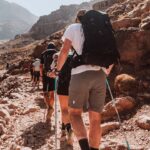
- The trekking part: Berber home visit, village interactions, and optional camel time
- The people factor: drivers like Esmail, Mustafa, and Ismaël matter
- Price and value: what $110.51 really buys
- Who should book this Berber villages trek day trip
- Should you book it? My practical take
- FAQ
- How long is the Berber villages trek day trip from Marrakech?
- Is pickup included, and where does the tour meet?
- Is this tour private or shared?
- What’s included in the price?
- Is lunch included?
- Do I need tickets for the stops?
- What are the cancellation rules?
Key highlights worth planning for
- Private transport with a chauffeur so you’re not sharing the day with strangers.
- Berber home visit and village time built into the trekking section, not just a roadside photo stop.
- Short, scenic route breaks at Lake Lalla Takerkoust and the Plateau du Kik before you get to the villages.
- Asni market stop (especially Saturday), with hands-on sights like second-hand items alongside fresh produce.
- Ourika Valley included ticket time and a real temperature shift when the High Atlas peaks start shading the area.
- Optional camel ride appears in the experience, with at least one account describing a quick ride on the return.
What this Berber villages trek day trip is really like
This is not a sit-and-stare excursion. It’s a full-day loop that uses the car to get you into the Atlas foothills, then spends real time where daily life happens: markets, valley paths, and Berber village interactions. You get a local guide to handle introductions and timing, and a driver to keep things comfortable and efficient.
If you’ve been to Marrakech and felt the pull to see what’s beyond the medina, this type of day trip is a smart next step. You’ll still be based near the city (with pickup and returning to the same meeting area), but you’ll trade the noise for mountain air, village textures, and a walk that feels like you’re moving with the region instead of being carried through it.
You should also know the pace: it’s “packed but not frantic.” There are multiple stops, many of them short, plus a trek portion and time in Ourika Valley. If you like long stretches of one place (instead of a day stitched together), you might prefer a slower half-day. If you like variety in one day, this format works.
You can also read our reviews of more tours and experiences in Marrakech.

Starting from Marrakech: pickup, comfort, and a smooth first hour
Pickup is a big deal here. Your day starts around a chosen departure time, and you can be collected from your hotel, riad, or apartment. The ride to the first viewpoint area is quick—about 15 minutes—which helps you settle in early instead of losing half the morning to traffic.
You’re also in an air-conditioned vehicle with a chauffeur. That’s not just comfort; it protects the whole flow of the day. When you’re moving between valleys and getting out for short stops, AC makes it easier to enjoy the experience instead of “surviving the drive.”
The standard meeting point is listed at J2F5+8QF, Rue Moulay Ismail, Marrakech 40000, and the day ends back at the meeting point. In practice, pickup from your lodging is offered, so the meeting point mainly matters if you’re meeting the group there.
Lalla Takerkoust Lake: the quiet reset before village life
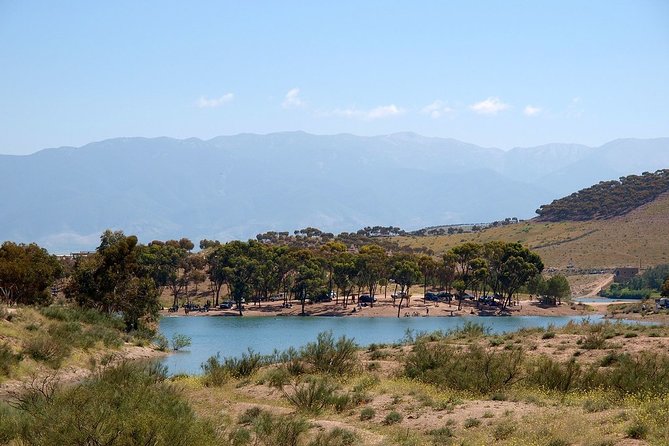
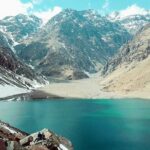
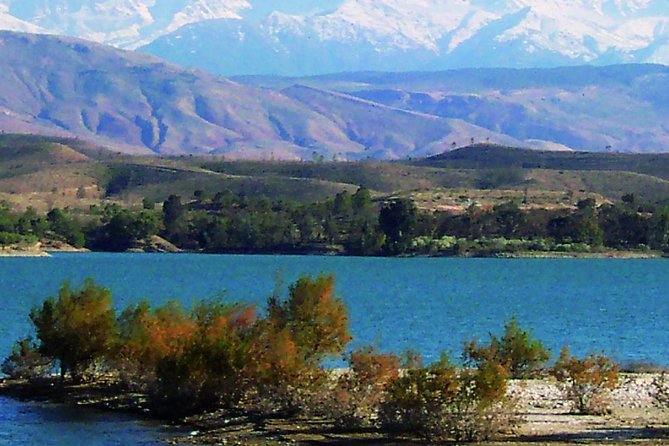
The first named stop is Lalla Takerkoust, a lake area known for its calm. The timing is brief—around 10 minutes—but it sets the tone. You’re not arriving in the mountains already tired from a long hike. You’re getting your first look at open water and breathing room before the route gets more active.
There’s an added bonus here: the admission ticket at this stop is free. That matters when you’re comparing day trips, because a “cheap” route can still become expensive once every viewpoint and valley charges you.
This is also a good moment to prepare yourself mentally for what’s coming next. After Marrakech’s intensity, even a short lake pause can make the rest of the day feel less rushed.
Plateau du Kik: cereal fields, village crossings, and big Atlas views
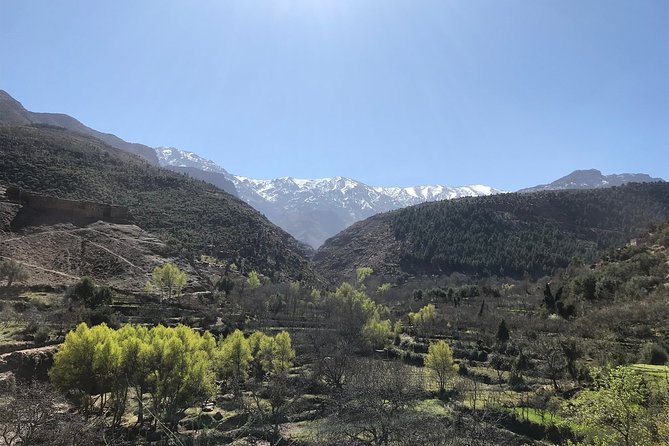
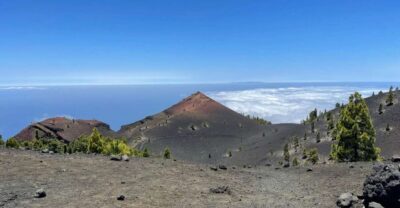
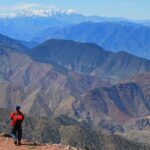
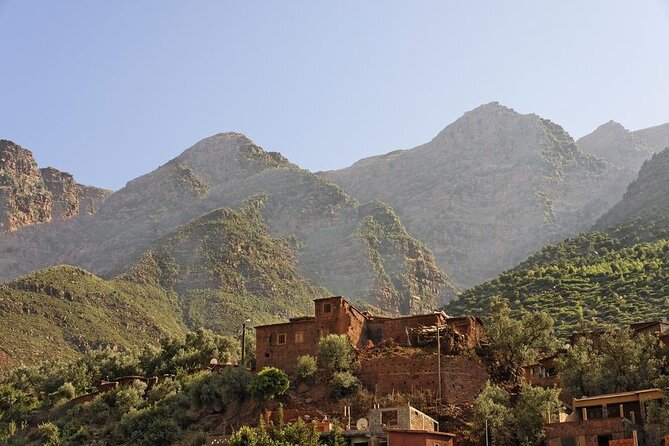
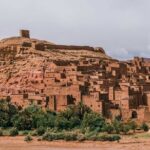
Next up is Plateau du Kik. You’ll drive onto the plateau and then move along a track that goes through cereal crops, with crossings through Berber villages along the way. The plateau itself is dominated by the High Atlas, with peaks rising to over 4000 meters.
The visit is short (about 15 minutes), so don’t plan on long walks here. Think of it as a “view and orientation” stop—enough to feel the geography and understand why these villages live the way they do: farming patterns, valley access, and mountain shelter.
Admission is listed as free for this stop too, which again keeps the day feeling focused on time with people rather than time at gates.
Asni market: Saturday energy and the art of noticing details
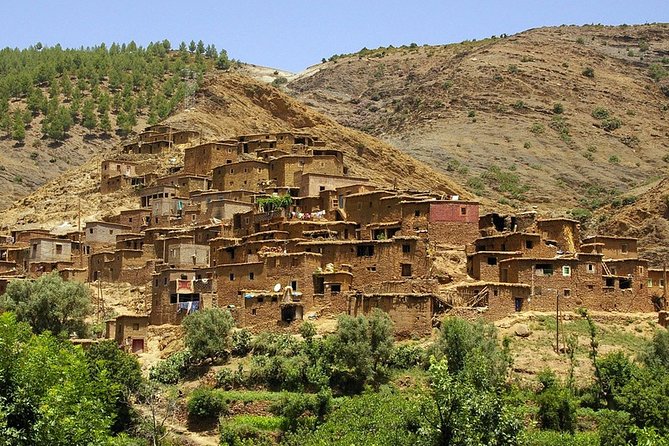
Then you reach Asni, where the day turns more social. The market stop is timed for about 30 minutes, and it’s especially relevant on Saturdays (when the Asni market runs).
What makes this stop worth your time is how mixed it feels. You can see produce, but also practical items and unexpected categories like animal-related goods, second-hand jewelry, and even plumbing items. The point isn’t to buy; it’s to notice how “market” here means everything people need to keep life running.
If you love travel where you watch daily routines instead of hunting for landmark photos, this is one of the best moments in the day. You get a quick slice of local economy and craftsmanship without needing to stay all morning.
A small practical note: markets can be crowded and sometimes loud. Give yourself a little space and keep your phone handy for quick shots, but keep your attention on what’s in front of you—this kind of place rewards slow looking.
Sidi Farès valley near Asni: a calmer hour in less-known scenery
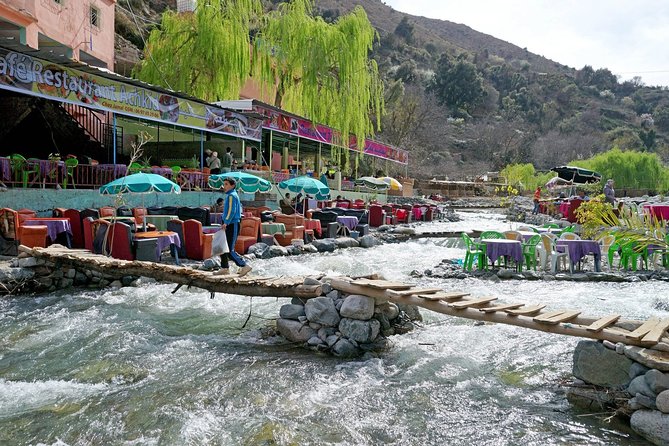
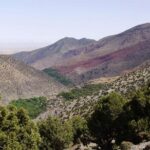
Another Asni stop follows, this time for the Sidi Farès valley. It’s described as a virgin valley with contrasting views, and it’s positioned as less known by mass tourism.
Time is about 20 minutes, so again: short and intentional. This is more about seeing the shape of the valley and feeling how the route flows through it than it is about a long trek start.
If you’re wondering why this valley is paired with the market and the longer Ourika portion, it’s because it offers a different mood. Markets are human intensity. Valleys are breathing space. Together, they prevent the day from feeling like one long commercial street.
Ourika Valley: cooler air, Atlas shadows, and a proper break
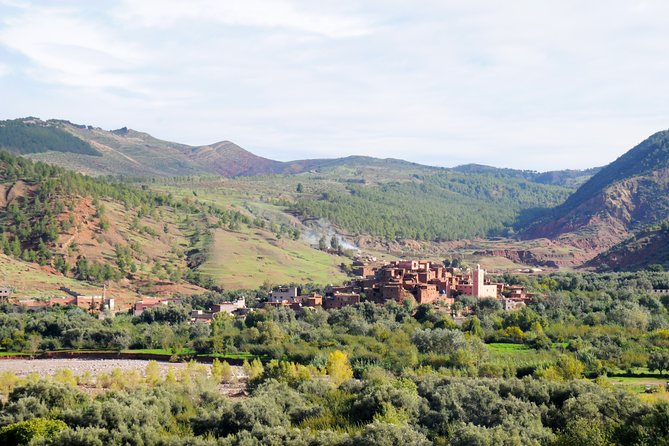
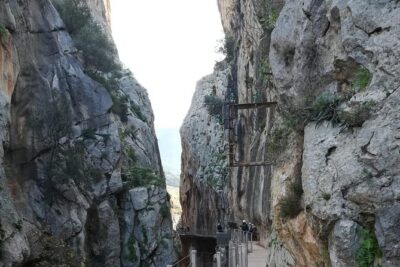
The final big stop is Ourika Valley, about 50+ km south of Marrakech. Time here is around 2 hours, and the ticket admission is listed as included.
This valley is famous among Marrakech day trips, but it earns its popularity for one key reason: cooler temperatures thanks to the shade from the High Atlas peaks. Even in warmer months, the temperature shift can make the whole day feel more comfortable, especially if you’ve been out in sun at earlier stops.
The seasonal detail is useful too. From February to April, the area is described as blooming with almond and cherry orchards plus wildflowers. If you’re traveling in that window, you’ll likely see more color and more people taking their time on the paths.
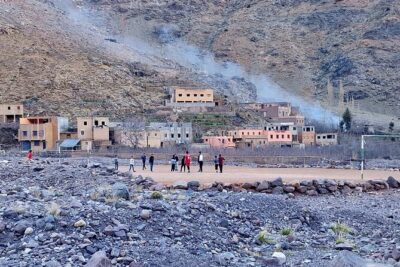
This is where you also get the trek-style feeling. Your day includes village crossings and a Berber home visit during the trekking portion, so Ourika functions like the payoff area—after learning the route, you get time to move and look around at a slower pace.
And yes, food comes up here in the feedback: some accounts describe a lovely meal by the water. Since lunch is listed as not included in the provided details, I’d treat this as a “plan for it” moment rather than a guarantee—then if it’s included in your exact booking, you’ll feel like you scored.
The trekking part: Berber home visit, village interactions, and optional camel time
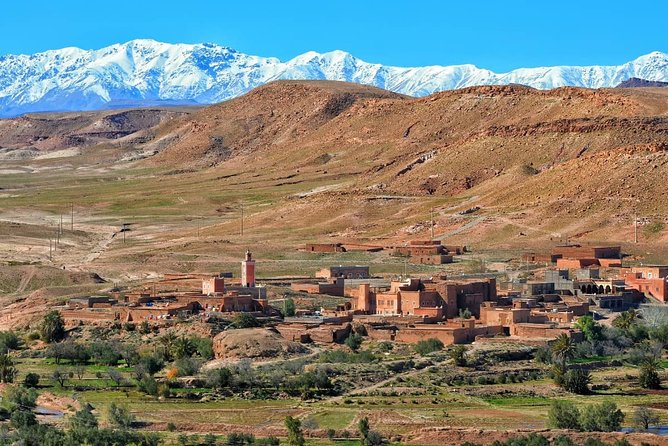
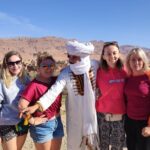
The experience is built around a Berber villages trek day trip, so the “walk and meet people” portion is the heart. Your day includes a Berber home visit, and the local guide plays a practical role here—helping with logistics and enabling interaction in a respectful, understandable way.
That’s also why the tour feels more valuable than a basic countryside drive. Without a guide, you’d often end up as a passing stranger. With one, you’re more likely to understand what you’re seeing, ask a question, and move at a human pace.
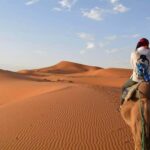
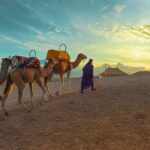
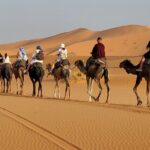
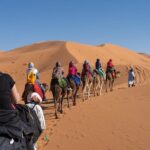
You may also have the option of an optional camel ride. One review notes a quick camel ride on the return that lasted about 20 minutes. If you’re curious but not sure, treat it like a choose-your-own-adventure moment: it’s short, but it can add a memorable layer to the day.
Practical tip: even if the trek doesn’t sound huge on paper, you’re still walking outdoors. Wear shoes that handle uneven ground, and bring a layer for the shade once you’re in valley areas.
The people factor: drivers like Esmail, Mustafa, and Ismaël matter
A lot of the glowing feedback centers on the same theme: comfort and care from the people doing the driving and guiding.
Drivers named in the feedback include Esmail, Mustafa, Ismaël, Tiqat, and Abdel. Guides named include Mariem, Abdul, and Mohammed. Across these accounts, the vibe is consistent: punctual pickup, friendly communication, and a willingness to adjust.
One review highlights a guide who knew how to adapt based on your desires. That matters because a day like this is weather-dependent and also dependent on how long you linger in markets or village stops. A guide who can shift the pacing without stressing you out makes the experience feel smoother.
So if you’re the type who worries about scams or confusion on the ground, this tour’s structure—driver plus local guide—addresses that directly. It’s not just “go somewhere.” It’s “get there and make it make sense.”
Price and value: what $110.51 really buys
At $110.51 per person, this isn’t a low-cost “bus tour” price. You’re paying for private transportation, an air-conditioned vehicle, a chauffeur, and local guides. That’s where the value comes from.
You’ll also notice that several stops list free admission (like Lalla Takerkoust and Plateau du Kik), and Ourika Valley ticket time is included. That means your day isn’t bleeding extra money through entry fees at every stop.
The one cost uncertainty you should watch is lunch. The overview says a local lunch is part of the experience, while the details list lunch under not included. Since you can’t assume both are true, treat lunch as a budget line until you confirm your booking details. If lunch is included after all, great—you’ll feel extra taken care of. If it isn’t, you won’t get surprised.
Who should book this Berber villages trek day trip
This is a great fit if you want:
- A single day that covers lake scenery, Atlas foothills, village crossings, and Ourika Valley time.
- More meaning than just a photo stop—especially through a guide-enabled Berber home visit.
- A comfortable structure: private transport and a chauffeur, not a chaotic schedule.
It’s less ideal if you:
- Prefer a slow, one-area itinerary (this day has many short segments).
- Don’t do well with walking on uneven outdoor paths.
- Need guaranteed meal inclusion without checking your confirmation.
Should you book it? My practical take
If your ideal Marrakech day looks like getting out into the Atlas with a guide, seeing Berber village life up close, and finishing with cooler Ourika Valley air, I’d book this. The combination of private transport, local guide interaction, and a real village/trek component is what makes it feel more authentic than a standard countryside drive.
Before you confirm, do two quick checks: ask whether your lunch is included for your exact date, and wear shoes that can handle outdoor trekking. If you do that, you’ll set yourself up for a day that’s both relaxing and genuinely interesting—without turning into a rushed checklist.
FAQ
How long is the Berber villages trek day trip from Marrakech?
It runs about 8 to 9 hours total.
Is pickup included, and where does the tour meet?
Pickup is offered from your lodging (hotels, riads, or apartments). The listed meeting point is J2F5+8QF, Rue Moulay Ismail, Marrakech 40000, and the tour ends back at the same meeting point.
Is this tour private or shared?
It’s private. Only your group participates.
What’s included in the price?
The tour includes private transportation, an air-conditioned vehicle, a chauffeur, and local guides.
Is lunch included?
Lunch is not listed under included, but the description mentions a local lunch. To be safe, check your booking confirmation for what applies to your date.
Do I need tickets for the stops?
Some admissions are listed as free (like Lalla Takerkoust and Plateau du Kik), and Ourika Valley admission is included. Ticket details for other stops are shown as free in the provided info.
What are the cancellation rules?
You can cancel for a full refund up to 24 hours before the experience starts. If it’s canceled due to poor weather, you’ll be offered a different date or a full refund. Free cancellation applies up to 24 hours in advance.